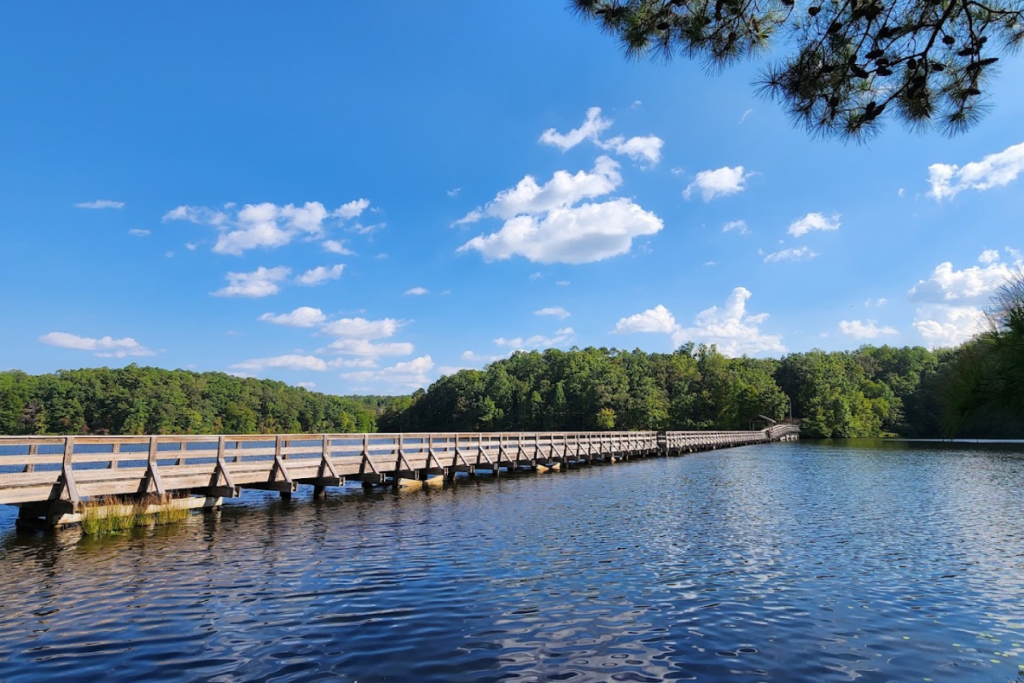
Memphis sits at the heart of a region packed with history, outdoor beauty, and small-town charm waiting just beyond the city limits. Within a two-hour drive, you can step into walkable downtowns filled with local shops and restaurants, explore ancient Native American mounds, or wander trails through state parks without ever needing to move your car once you arrive.
These destinations prove that the best adventures often happen when you slow down, park, and let your feet do the exploring.
1. Collierville Town Square
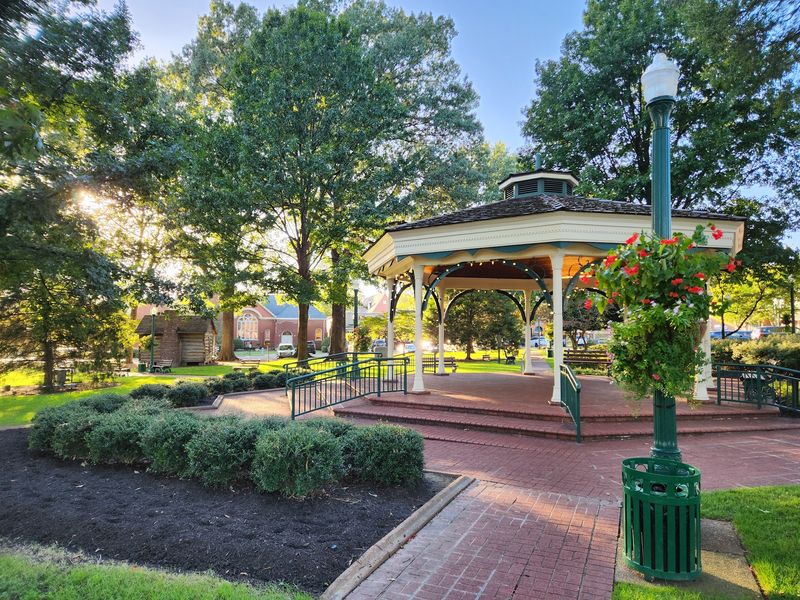
About thirty minutes east of Memphis, Collierville’s historic square feels like stepping onto a movie set where the past never quite left. The entire district earned a spot on the National Register of Historic Places, and once you park near the center, everything worth seeing sits within comfortable walking distance.
Brick sidewalks connect boutiques, locally owned restaurants, and the restored train depot that anchors the square’s southern edge.
Historic railcars sit on display near the depot, offering a tangible connection to the town’s railroad heritage. The Morton Museum of Collierville History occupies a former train station and houses artifacts, photographs, and exhibits that trace the area’s evolution from rural crossroads to thriving suburb.
Civil War history runs deep here too, with markers and interpretive signs scattered throughout the district explaining Collierville’s role in regional conflicts.
Shopping here means browsing independently owned stores rather than chain outlets. You’ll find everything from antiques to handmade jewelry, home décor to children’s toys, all housed in buildings that date back more than a century.
The restaurant scene leans toward Southern comfort food, barbecue, and cafes perfect for a leisurely lunch between stops.
Seasonal events transform the square into a gathering spot for festivals, concerts, and farmers markets. Even on quiet weekdays, the area maintains a welcoming, lived-in atmosphere that feels genuinely rooted in community rather than designed for tourists.
Benches under shade trees invite you to rest between explorations, and the compact layout means you can cover the entire district without exhausting yourself.
Collierville works especially well for visitors who appreciate architecture, local history, and the kind of Main Street America experience that’s become increasingly rare. The town hasn’t tried to reinvent itself as something trendy or modern.
Instead, it preserved what made it special in the first place, creating a destination where walking, browsing, and soaking up small-town character is the entire point of the visit.
2. Covington Historic District

Covington sits about fifty minutes north of Memphis and offers a different flavor of Tennessee history through its beautifully preserved residential streets and central business district. The South Main Historic District showcases older homes set along brick sidewalks, where mature trees create canopies that shade your walk during warmer months.
Maple Street and Main Street form the heart of the area, lined with structures that reflect architectural styles from the late 1800s and early 1900s.
Walking these neighborhoods feels less like touring a museum and more like wandering through a living community that values its heritage. You’ll pass front porches with swings, gardens maintained by longtime residents, and details like original woodwork and period windows that transport you backward in time.
The district’s compact size means you can explore thoroughly without rushing, pausing to admire a particularly striking facade or photograph a charming streetscape.
Central Covington transitions from residential charm to small-town commerce, where locally owned shops and restaurants occupy historic storefronts. Lunch options range from classic Southern cooking to sandwich shops and cafes, most offering menus that emphasize comfort over complexity.
Shopping leans toward antiques, gifts, and specialty items you won’t find in big-box stores.
The courthouse square anchors downtown Covington, providing a natural gathering point and a useful landmark for orienting yourself. Benches and green spaces around the square offer spots to rest and people-watch, while nearby streets reveal additional businesses and architectural gems worth exploring.
The town doesn’t overwhelm you with attractions demanding your attention; instead, it rewards slow, observant wandering.
Covington works particularly well for architecture enthusiasts and anyone who appreciates neighborhoods where history remains visible in everyday surroundings. There’s no single must-see landmark here, which is precisely the appeal.
The entire district functions as the attraction, inviting you to set your own pace, follow your curiosity, and discover details that guidebooks never mention.
3. West Tennessee Delta Heritage Center & Tina Turner Museum, Brownsville

Roughly an hour from Memphis, Brownsville’s West Tennessee Delta Heritage Center offers a completely different kind of day trip focused on music, agriculture, and cultural history rather than downtown browsing. Once you park at the heritage center, you can explore multiple buildings and exhibits without moving your vehicle again.
The centerpiece is the Tina Turner Museum, housed inside the actual one-room schoolhouse where young Anna Mae Bullock attended classes before becoming a global music icon.
Walking through Tina’s former schoolhouse creates an intimate connection to her early life that no stadium performance or biography can replicate. Exhibits inside trace her journey from rural West Tennessee to international stardom, displaying costumes, photographs, awards, and personal artifacts.
The museum doesn’t shy away from the struggles she faced, making her achievements feel even more remarkable when you stand in the modest building where her education began.
Adjacent to the Turner Museum sits the preserved home of Sleepy John Estes, a blues musician whose influence shaped the region’s musical heritage. The humble structure offers insight into the living conditions and community that produced so much extraordinary talent.
Interpretive exhibits explain Estes’ contributions to blues music and his connections to the broader Delta tradition.
The heritage center itself contains extensive displays covering West Tennessee’s cotton farming history, the ecological and economic importance of the Hatchie River, and the cultural traditions that emerged from this agricultural landscape. Artifacts, photographs, and multimedia presentations help visitors understand how geography, economy, and creativity intersected to create a distinctive regional identity.
This destination rewards visitors willing to spend time reading, listening, and absorbing rather than quickly checking items off a list. The exhibits are thoughtfully curated and genuinely informative, offering depth without becoming dry or academic.
You’ll leave with a richer understanding of West Tennessee’s contributions to American music and culture, plus a newfound appreciation for the powerful stories that emerge from seemingly quiet rural communities.
4. Somerville Town Square
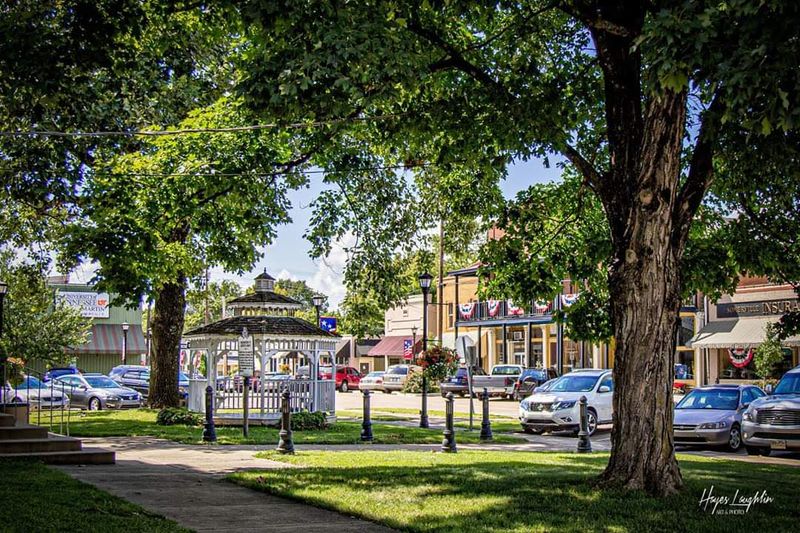
About an hour from Memphis, Somerville represents the quintessential small Tennessee town where the courthouse square still functions as the community’s beating heart. This isn’t a destination built around a single major attraction or packed with tourist-oriented businesses.
Instead, it offers an authentic glimpse into how smaller towns maintain their identity and serve local residents while welcoming visitors who appreciate unhurried exploration.
The courthouse itself commands attention with its traditional architecture and central position, serving as both a functioning government building and a visual anchor for the surrounding square. Historic buildings ring the courthouse, many housing businesses that have served the community for decades.
Walking the square means encountering hardware stores, law offices, beauty salons, and other everyday establishments alongside the occasional antique shop or cafe.
Locally owned businesses define Somerville’s commercial landscape, offering a refreshing alternative to the homogenized retail experience found in larger towns. You might discover a family-run restaurant serving plate lunches, a store selling farm supplies and local honey, or a vintage shop filled with treasures that reflect the area’s agricultural heritage.
Conversations with shopkeepers often reveal family histories intertwined with the town’s development.
The square’s layout makes navigation effortless. You can park along any side street and cover the entire downtown area in a leisurely hour or two, with plenty of time for browsing, eating, and simply observing daily life in a community where people still know their neighbors.
Seasonal decorations transform the square during holidays, and occasional events bring residents together for festivals or farmers markets.
Somerville works beautifully for visitors seeking authenticity over polish, community over commerce. There’s no pressure to spend money or rush through a predetermined itinerary.
The point is wandering, noticing architectural details, chatting with locals, and experiencing a pace of life that feels increasingly rare. This is Tennessee as many residents actually live it, preserved not for tourism but because the community values its heritage and character.
5. Bolivar Historic Court Square

Bolivar sits about an hour and fifteen minutes from Memphis and clusters several attractions around its historic court square, making it exceptionally well-suited for a park-and-walk afternoon. The downtown area combines architectural interest, local dining, shopping, and entertainment options, all within a compact footprint that never requires you to drive between stops.
The restored Luez Theater serves as a cultural centerpiece, offering both historic significance and ongoing programming.
The Luez Theater’s facade immediately catches your eye with its vintage marquee and classic movie palace architecture. Originally opened in the early twentieth century, the theater underwent careful restoration that preserved its period character while updating technical capabilities.
Today it hosts films, live performances, and community events, functioning as both a historical landmark and an active entertainment venue that draws visitors from across the region.
Surrounding streets contain restaurants and boutiques that reflect local ownership and regional flavors rather than national chains. Lunch options range from traditional Southern cooking to contemporary cafes, many occupying historic storefronts with original tin ceilings and hardwood floors.
Shopping emphasizes antiques, home décor, gifts, and specialty items that give you reasons to browse rather than just pass through.
When the farmers market operates seasonally, it adds another dimension to the downtown experience, bringing local growers, craftspeople, and food vendors together in a central location. Even when the market isn’t running, the square maintains an active, welcoming atmosphere that feels genuinely connected to the surrounding community rather than staged for tourists.
Courthouse architecture provides the visual anchor, while the arrangement of businesses and public spaces around it creates natural walking circuits that let you explore systematically or wander according to whim. Benches, shade trees, and green spaces offer rest stops between explorations, and the overall scale keeps everything manageable without feeling cramped or limited.
Bolivar succeeds because it balances preservation with practicality, maintaining historic character while supporting businesses and cultural institutions that give residents and visitors genuine reasons to spend time downtown. The result is a destination where history enriches the present rather than simply existing as something to observe from a distance.
6. Fort Pillow State Historic Park
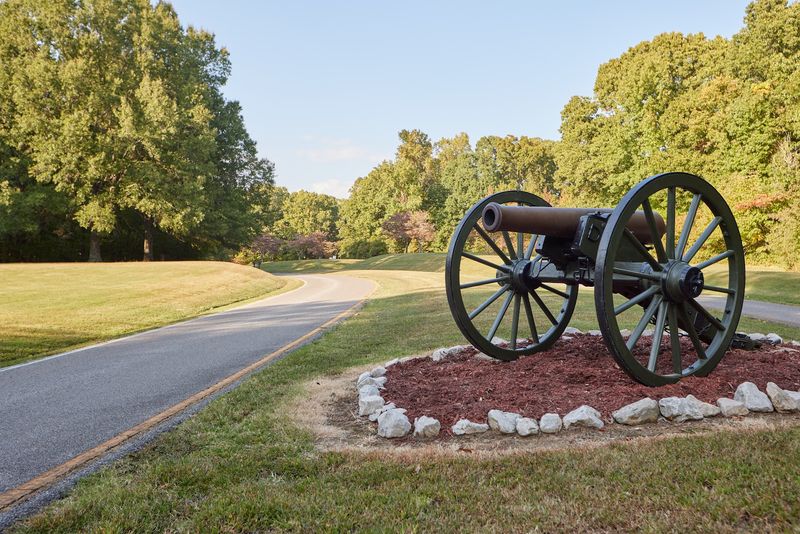
Located about an hour and twenty minutes from Memphis, Fort Pillow State Historic Park breaks the pattern of downtown walking tours with a destination centered on natural beauty, Civil War history, and outdoor exploration. The park occupies bluffs overlooking the Mississippi River, combining preserved earthworks, reconstructed fortifications, wooded trails, and interpretive facilities that explain one of the war’s most controversial battles.
Once you park, trails and historical sites spread across the landscape, offering hours of walking without repeating your route.
The reconstructed inner fort gives you a tangible sense of the fortification’s original scale and strategic importance. Walking the earthworks that Confederate and Union forces fought to control connects you physically to terrain that shaped military decisions and soldier experiences.
Interpretive signs throughout the park explain troop movements, tactical considerations, and the brutal 1864 battle that made Fort Pillow a subject of congressional investigation and ongoing historical debate.
The park’s museum houses artifacts recovered from the site, including weapons, personal items, uniform pieces, and equipment that bring individual soldier experiences into focus. Exhibits provide historical context, explaining Fort Pillow’s role in controlling river traffic and its place in the broader Western Theater of the Civil War.
The museum doesn’t sanitize the controversial aspects of the battle, instead presenting evidence and interpretations that help visitors understand why historians continue debating what happened here.
Beyond the historical attractions, Fort Pillow offers genuine natural beauty. Trails wind through hardwood forests, offering seasonal wildflowers, bird watching opportunities, and peaceful walking through landscapes that contrast sharply with urban Memphis.
Overlooks provide sweeping views of the Mississippi River, where you can watch barge traffic and contemplate the waterway’s enduring importance to regional commerce and transportation.
Picnic areas scattered throughout the park make it easy to turn your visit into a full-day outing. You can alternate between historical exploration and nature walking, spending as much or as little time on either aspect as your interests dictate.
The park rarely feels crowded, even on pleasant weekends, giving you space to explore at your own pace and absorb the site’s layered significance.
7. Casey Jones Village, Jackson

Jackson sits about an hour and twenty-five minutes from Memphis, and Casey Jones Village offers a family-friendly destination where railroad history, shopping, dining, and nostalgia blend into a walkable complex that entertains multiple generations. Once you park, everything clusters together within easy walking distance, centered on the legendary engineer whose fatal 1900 crash made him an American folk hero.
The village doesn’t pretend to be anything other than cheerfully commercial, but it delivers genuine historical content alongside the gift shops and ice cream.
The Casey Jones Home and Railroad Museum occupies the actual house where Jones lived with his family, moved to this location and carefully restored. Walking through rooms where Jones slept, ate, and spent time with his wife and children before that final run creates an intimate connection to the man behind the legend.
Period furnishings, family photographs, and personal items help you understand his life beyond the dramatic ending that made him famous.
Engine 382, the locomotive involved in Jones’ fatal crash, sits on permanent display, allowing visitors to examine the massive machine up close. Interpretive signs explain the accident’s circumstances, the heroic decisions Jones made to save passengers, and how his story spread through songs, news accounts, and popular culture.
The railroad museum contains additional artifacts, model trains, vintage equipment, and exhibits tracing railroading’s impact on West Tennessee development.
Beyond the historical attractions, Casey Jones Village embraces its role as an entertainment and shopping destination. The Old Country Store restaurant serves Southern comfort food in generous portions, while an ice cream parlor offers treats perfect for warm afternoons.
Shops scattered throughout the complex sell everything from railroad memorabilia to local crafts, vintage signs to Tennessee souvenirs, creating browsing opportunities that range from genuinely interesting to pleasantly kitschy.
Antique displays throughout the village add visual interest even if you’re not shopping, with vintage advertisements, old farm equipment, and period artifacts creating an atmosphere of nostalgic Americana. The entire complex feels designed for leisurely wandering rather than rushed touring, with benches, shade, and a layout that accommodates families with young children or older visitors who need frequent rest stops.
It’s unabashedly tourist-oriented but delivers enough substance to justify the visit.
8. Downtown Dyersburg

Dyersburg, located about an hour and twenty-five minutes from Memphis, adds public art and urban trail systems to the historic downtown formula, creating a destination where culture, recreation, and small-town commerce intersect. The downtown district has embraced murals as a defining characteristic, with colorful artwork transforming building facades into canvases that celebrate local history, natural beauty, and community identity.
Combined with walkable streets, local businesses, and trail access, Dyersburg offers variety that keeps your afternoon interesting.
The murals alone justify a walking tour, with each piece telling stories about Dyersburg’s agricultural heritage, musical traditions, or natural surroundings. Some murals span entire building sides, visible from blocks away and serving as landmarks that help you navigate the downtown area.
Others occupy smaller spaces, rewarding observant walkers who take time to explore side streets and alleys. The art ranges from realistic portraits to abstract designs, reflecting different artists’ visions and techniques.
Historic downtown contains the expected mix of locally owned shops, restaurants, and coffee spots, but the presence of public art and trail connections gives these businesses a more contemporary, arts-friendly atmosphere. You’ll find cafes with outdoor seating, boutiques emphasizing local makers, and restaurants that balance traditional Southern cooking with updated menus designed to attract younger diners and visitors seeking something beyond standard small-town fare.
The River Park Trail extends the downtown experience beyond commercial streets, offering paved pathways suitable for walking or cycling along scenic corridors. The trail system connects parks, green spaces, and waterfront areas, giving you options for extending your visit beyond shopping and dining.
Seasonal farmers markets bring additional energy to downtown, with vendors selling produce, baked goods, crafts, and prepared foods in central gathering spaces.
Dyersburg works particularly well for visitors who appreciate when towns actively invest in public spaces and cultural amenities rather than simply preserving what existed decades ago. The downtown feels like a community that’s evolving thoughtfully, honoring its history while creating new reasons for residents and visitors to spend time in the center.
The combination of art, trails, commerce, and gathering spaces creates multiple entry points for engagement, whether you’re primarily interested in culture, recreation, food, or simply pleasant surroundings for an afternoon walk.
9. Chickasaw State Park
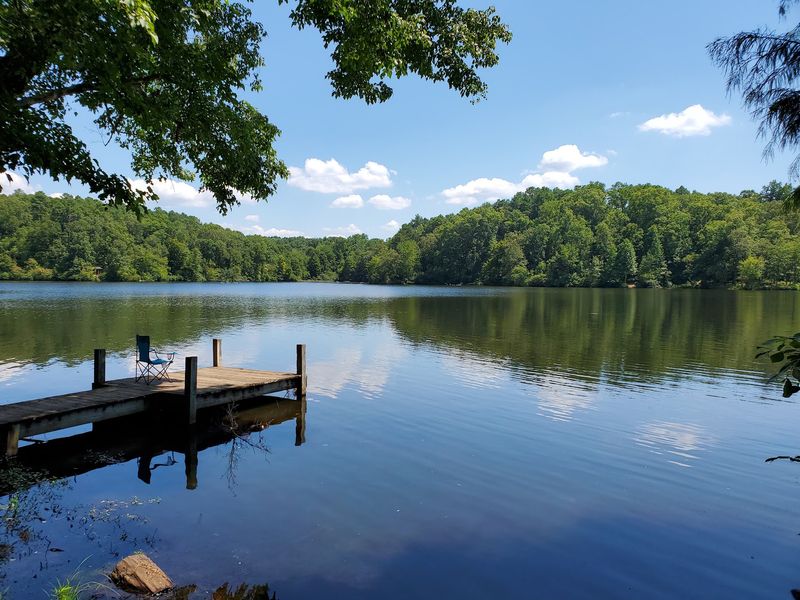
About an hour and thirty minutes from Memphis, Chickasaw State Park delivers the classic outdoor escape where trees replace storefronts and trails substitute for sidewalks. This destination appeals to visitors ready to trade historic architecture and local shopping for woodland walking, lakeside scenery, and the kind of green, quiet spaces that feel increasingly precious in our urbanized world.
Park your car at any trailhead or picnic area and you can spend hours exploring without seeing the vehicle again until you’re ready to leave.
The park’s trail system winds through hardwood forests that showcase seasonal changes in spectacular fashion. Spring brings wildflowers carpeting the forest floor, summer offers deep shade under full canopies, autumn explodes with color as leaves turn, and winter reveals the forest’s underlying structure when branches stand bare.
Trail difficulty ranges from easy lakeside strolls to more challenging routes that climb ridges and explore the park’s varied terrain.
Lake Placid forms the park’s centerpiece, offering shoreline walking that combines water views with forest settings. The lake’s perimeter trail lets you circle the entire body of water, passing coves, peninsulas, and vantage points that shift your perspective throughout the walk.
Benches and overlooks provide rest stops where you can watch for waterfowl, listen to bird songs, or simply enjoy being surrounded by nature rather than buildings.
Picnic facilities scattered throughout the park make it easy to pack lunch and turn your visit into an all-day affair. Tables sit in shaded groves near the lake, in open meadows with long views, and along trails where you can claim a spot away from other visitors.
The park’s layout and size mean you can find solitude even on busy weekends, especially if you’re willing to walk beyond the most accessible areas near parking lots.
Chickasaw works beautifully when you need to reset after too much time in cities or when you simply want to walk for the pleasure of movement through beautiful surroundings. There are no museums to tour, no shops to browse, no historical markers demanding attention.
The park offers something simpler and perhaps more valuable: space to breathe, move, and remember that Tennessee’s appeal extends far beyond its towns and cultural attractions.
10. Pinson Mounds State Archaeological Park
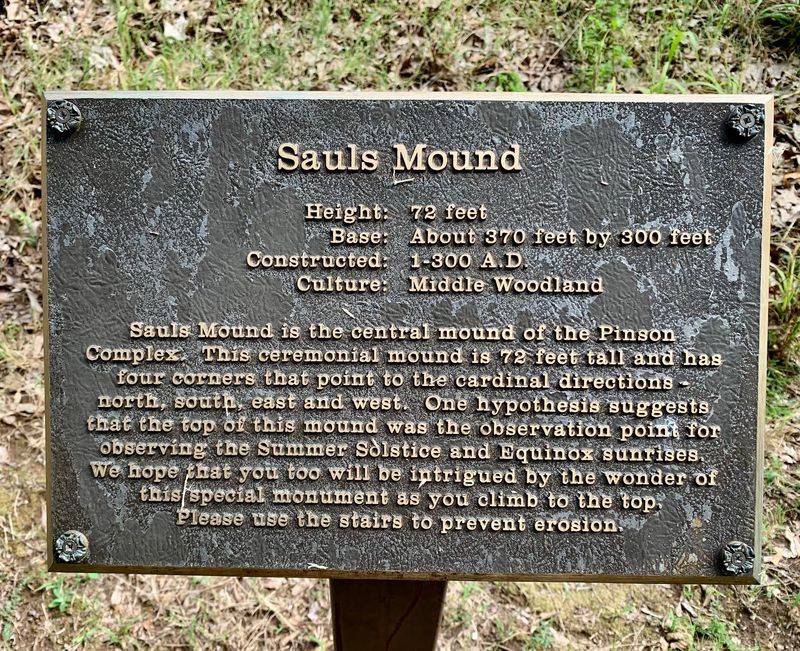
Located about an hour and forty minutes from Memphis, Pinson Mounds State Archaeological Park offers one of the most distinctive and historically significant destinations on this entire list. Walking these grounds means traversing a major Native American ceremonial landscape containing earthworks and mounds constructed roughly 2,000 years ago by Middle Woodland peoples.
Sauls Mound rises approximately 72 feet, earning recognition as the tallest known Middle Woodland mound in the United States. The scale and preservation of this site create an experience unlike anything else within two hours of Memphis.
The park’s museum provides essential context before you explore the mounds themselves, with exhibits explaining the archaeological evidence, the cultures that created these structures, and the ceremonial purposes these earthworks likely served. Artifacts recovered from the site, including pottery, tools, and burial goods, help you understand the sophistication and organizational capacity required to construct mounds of this magnitude using only human labor and simple tools.
Walking trails connect the major mounds, letting you move through the ceremonial landscape much as ancient peoples did during gatherings and rituals. Standing at the base of Sauls Mound and contemplating the thousands of basket-loads of earth required to build it creates a visceral appreciation for the dedication and coordination these projects demanded.
The mound’s height becomes even more impressive when you remember it was constructed without modern machinery, draft animals, or wheeled vehicles.
Additional earthworks scattered throughout the park reveal the complex’s full extent, with smaller mounds, geometric enclosures, and other features that archaeologists continue studying. Interpretive signs explain current understanding of the site’s layout and function while acknowledging the many questions that remain unanswered.
The park preserves not just the physical structures but also the mystery and wonder of encountering human achievements from a distant past.
Pinson Mounds rewards visitors who approach with curiosity and respect rather than expecting flashy attractions or entertainment. The site’s power comes from its authenticity, its age, and the connection it provides to Indigenous peoples whose descendants still honor these sacred grounds.
Walking here means stepping into a landscape shaped by human hands millennia before European contact, experiencing Tennessee history that extends far deeper than colonial settlements or Civil War battles.
11. Trenton & the Tennessee Teapot Museum

Trenton sits about an hour and forty-five minutes from Memphis and offers something genuinely quirky rather than another conventional historic downtown. The Tennessee Teapot Museum houses an unexpectedly extensive collection of teapots in various styles, materials, and historical periods, creating a destination that combines genuine curatorial effort with the kind of specialized enthusiasm that makes small-town museums so charming.
Center your visit on the courthouse area and this unusual collection, then explore surrounding downtown streets to complete the experience.
The teapot collection ranges from fine porcelain pieces to novelty designs, antique treasures to modern creations, documenting both the functional evolution of tea service and the creative impulses that transformed everyday objects into artistic expressions. Walking through the displays, you’ll encounter teapots shaped like animals, buildings, famous people, and abstract forms that push the definition of what a teapot can be.
The sheer variety keeps the experience engaging even if you’ve never given teapots much thought before visiting.
Beyond their aesthetic appeal, the teapots tell cultural stories about tea drinking traditions, social customs, manufacturing techniques, and design trends across different eras and regions. Interpretive information explains how teapot styles reflected broader artistic movements, how materials and construction methods evolved, and how something as simple as brewing tea became enmeshed in complex social rituals and status displays.
Downtown Trenton surrounds the courthouse square with the typical mix of local businesses, historic buildings, and small-town infrastructure that defines West Tennessee communities. After visiting the teapot museum, you can walk nearby streets, discovering antique shops, cafes, and storefronts that serve local residents while welcoming curious visitors.
The town doesn’t overwhelm you with attractions, making the teapot collection stand out as the clear focal point that distinguishes Trenton from similar-sized communities.
This destination works especially well when you want something off the beaten path, a story you can tell friends that begins with “there’s this teapot museum in Tennessee.” The collection is genuinely impressive, the setting is authentically small-town, and the combination delivers exactly the kind of unexpected discovery that makes road trips memorable.
Sometimes the best destinations are the ones you’d never think to seek out until someone mentions them, and Trenton’s teapot collection fits that category perfectly.
12. Discovery Park of America, Union City

Roughly two hours from Memphis, Discovery Park of America in Union City serves as the perfect grand finale for this list because the complex is specifically designed for visitors to park once and spend an entire day exploring without needing their vehicle again.
The facility combines a massive museum filled with exhibits covering dinosaurs, science, space exploration, art, Native American history, and vintage transportation with a 50-acre outdoor heritage park containing gardens, a recreated historic settlement, train depot, church, waterways, and extensive walking areas. The scope and quality rival major metropolitan museums while maintaining a distinctly regional focus.
Inside the main museum building, exhibits flow through multiple floors and themed galleries that keep you engaged for hours. Dinosaur skeletons tower overhead, interactive science displays invite hands-on experimentation, space exploration exhibits showcase actual artifacts from NASA missions, and art galleries rotate collections that range from regional folk art to nationally significant works.
The museum doesn’t talk down to visitors or oversimplify complex subjects, offering depth that satisfies adults while remaining accessible to younger learners.
Transportation exhibits feature everything from vintage automobiles to military aircraft, displayed in settings that provide historical context and technical information. You can examine a World War II-era fighter plane up close, trace the evolution of automobile design across decades, or learn how transportation innovations transformed West Tennessee’s economy and culture.
Each gallery connects specific objects to broader stories about American innovation, regional development, and technological change.
The outdoor heritage park extends the experience beyond climate-controlled galleries into landscapes that combine natural beauty with historical recreation. Walking paths connect a recreated pioneer settlement where period buildings demonstrate frontier living conditions, a vintage train depot that explains railroading’s regional impact, a church representing rural religious traditions, and gardens showcasing native plants and agricultural heritage.
Water features, bridges, and thoughtfully designed landscapes make the walking itself pleasurable even before you factor in the educational content.
Discovery Park succeeds because it refuses to compromise on quality or scope despite its location in a small West Tennessee town. The facility demonstrates what’s possible when communities invest in world-class educational and cultural resources, creating a destination that draws visitors from across the region while serving local residents year-round.
You genuinely can leave your car in the parking lot when you arrive and not think about it again until you’re exhausted from exploring, making this the ultimate park-and-walk destination within two hours of Memphis.