A small retirement budget can go further in some Pennsylvania towns than it might in larger cities. These communities can offer more modest housing options, local services, and everyday activities that do not require spending much, which may help retirees keep their monthly expenses under control. Still, living on $1,200 a month is a tight goal, particularly for anyone paying market-rate rent on their own.
Housing is only one part of the monthly budget, too, with groceries, utilities, transportation, insurance, and other expenses adding up quickly. The best fit will depend on your housing costs, health needs, transportation options, and the kind of lifestyle you want to maintain. Before making a move, it is worth looking beyond home prices and considering the full cost of everyday life.
1. Shamokin
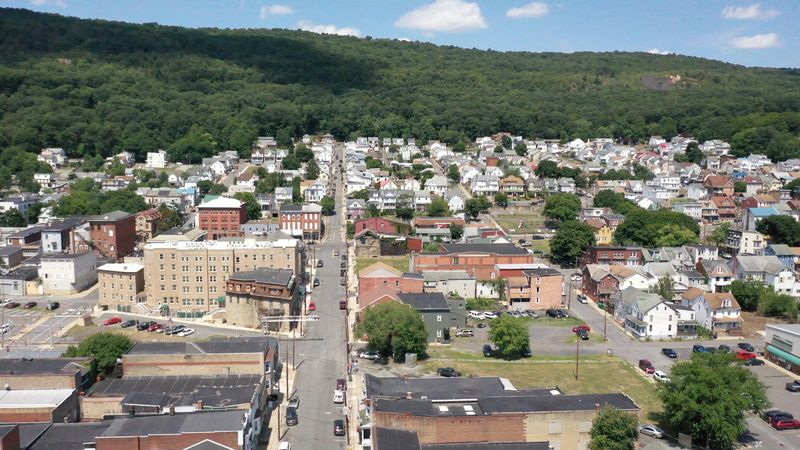
Old brick buildings and steep green hills give Shamokin a look that is hard to mistake.
For a retiree who enjoys small towns, its compact center may feel easier to manage than a spread-out suburb.
The key is finding a home whose total monthly cost fits the budget, not simply one with a low asking price.
Shamokin is in Northumberland County, where older houses can sometimes attract bargain hunters.
Yet a cheap house may need a new roof, safer stairs, or heating work.
Before buying, pay for an inspection and request utility bills from the seller.
Renters should ask whether heat, water, and trash service are included.
A $1,200 monthly income leaves little room for surprise bills.
Put housing, electricity, food, medication, phone service, and transportation on one sheet of paper before making a move.
If rent takes most of the money, even a low-cost town will not feel affordable.
Income-based senior housing may be worth exploring, though waiting lists can be long.
Daily life can be pleasantly simple here.
A short walk around town costs nothing, and local libraries or community events may offer an easy way to meet people.
Check the hours and locations of the grocery store, pharmacy, and medical offices you expect to use.
A place that looks close on a map may still sit up a steep hill.
Cold weather deserves special attention.
Pennsylvania winters can raise heating costs and make snowy sidewalks hard to navigate.
Ask who clears the steps, where you would park, and whether your home has a first-floor bedroom and bathroom.
Shamokin may suit someone who values a familiar neighborhood feel, but the best bargain is a safe, comfortable home with predictable bills.
2. Bradford
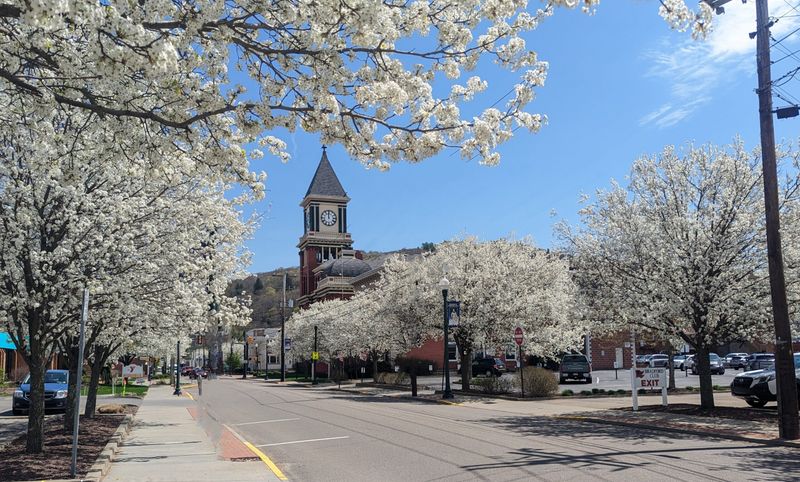
Picture a morning with a warm coat, a cup of coffee, and wooded hills just beyond downtown.
That is part of Bradford’s appeal.
This northern Pennsylvania city offers a small-city setting for retirees who prefer familiar streets to heavy traffic.
Its location also makes winter planning more than a minor detail.
Housing may be less costly here than in many larger markets, but individual listings tell the real story.
Compare at least three rentals or homes before deciding what is affordable.
Ask landlords for the average winter heating bill, not just the summer figure.
In an older building, drafty windows can turn a tempting rent into a costly mistake.
Bradford has a downtown, local services, and access to outdoor spaces.
Nearby woods can make an ordinary afternoon feel like a trip, even if you only take a short drive to enjoy the view.
Free activities matter when money is tight.
Libraries, public events, and simple walks can help fill the week without filling a shopping bag.
Medical access should come before scenery on your checklist.
Confirm that your doctors accept your insurance and that routine appointments will be practical to reach.
If you no longer drive, ask about local transit or ride options and test a trip to the grocery store.
A low rent offers little comfort if every errand requires an expensive ride.
For a $1,200 monthly target, look carefully at subsidized senior apartments and any benefits for which you qualify.
Set aside money for boots, snow removal, and a backup plan during storms.
Bradford could be a good match for someone who likes a quieter pace and four clear seasons, provided housing and heating costs stay within a written budget.
3. Titusville
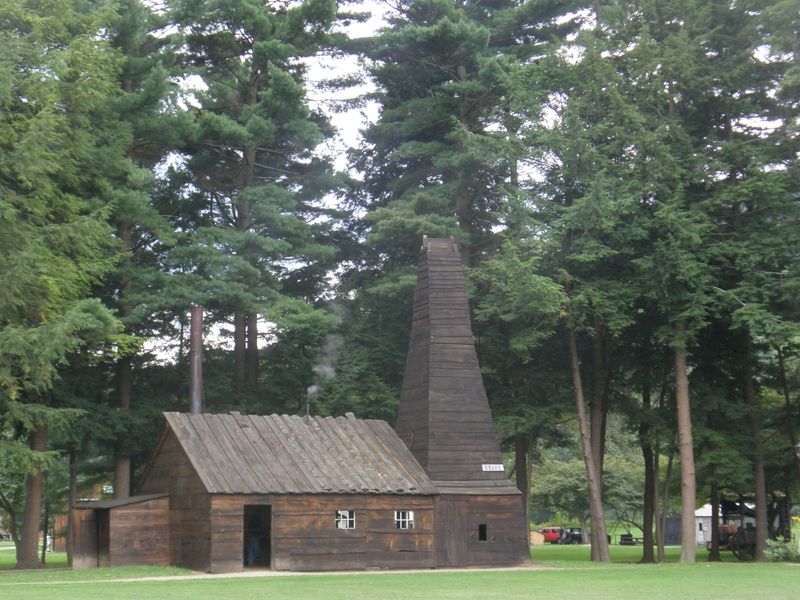
Oil history is part of the scenery in Titusville, but a retiree’s everyday life here can be wonderfully ordinary.
A trip to the library, a chat downtown, and a walk near home may be enough to make a good day.
Small-town routines can also help keep spending under control.
Titusville sits in Crawford County and has links to Pennsylvania’s early oil industry.
That history gives residents places to learn and explore, though not every outing needs an admission ticket.
Before moving, spend a weekday in town.
See how busy the streets feel, where you would shop, and whether the neighborhood suits your pace.
Begin the money search with housing.
Older houses and apartments may have appealing prices, but age can bring repair or heating costs.
A renter should request a clear list of included utilities.
A buyer should budget for taxes, insurance, upkeep, and major repairs.
Neither choice should be judged by its monthly payment alone.
Next, map your essential trips.
Locate a grocery store, pharmacy, primary care office, and any specialists you visit regularly.
Ask about transportation if driving might become difficult.
Pennsylvania’s shared-ride programs may help eligible residents in some areas, but service rules and schedules vary.
Check what is available before depending on a ride.
With $1,200 coming in each month, steady costs are the goal.
Compare phone plans, check eligibility for food or utility assistance, and keep a small amount aside for emergencies.
Titusville may reward someone who enjoys history and an unhurried day.
The town is not a promise that everyone can live on a fixed amount, but it is a place where careful planning and modest habits may work well together.
4. Altoona
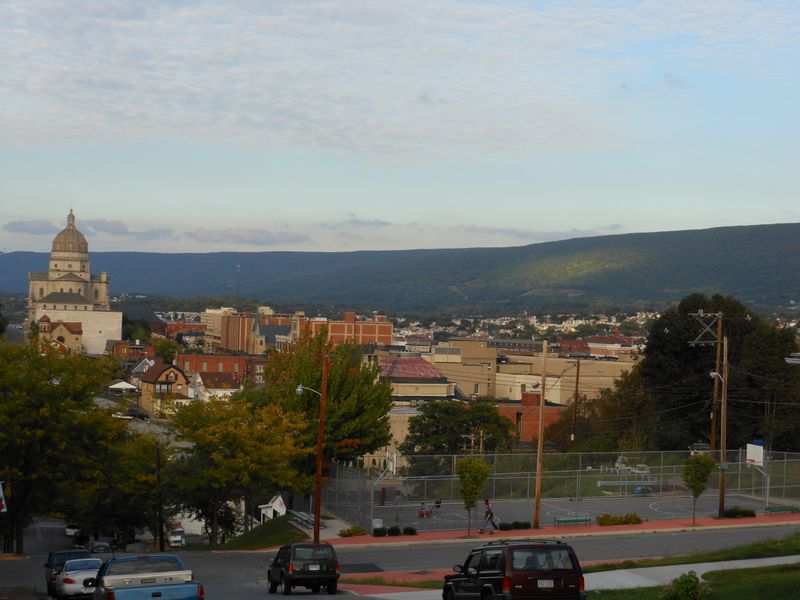
Trains helped shape Altoona, and that working-city past still gives the place character.
For retirees, the bigger draw may be its mix of neighborhoods, services, and things to do.
Altoona offers more choices than many tiny towns, which can help when you need a certain type of apartment or medical care.
Start by choosing a neighborhood, not just a price.
Visit a possible home during the day and after dark.
Check the condition of sidewalks, the distance to groceries, and the number of stairs you would climb.
An apartment near a bus route may be more useful than a cheaper one that leaves you dependent on a car.
The city has shopping and health services, but never assume a doctor is accepting new patients.
Call your insurance plan and medical offices before you sign a lease.
If you use public transportation, study the route and schedule for a real trip to an appointment.
A practice run can reveal long waits or difficult transfers.
For low-cost enjoyment, explore local parks, libraries, and rail history.
Some outings have fees, so save those for special days and look for free community activities between them.
Staying involved can make retirement feel richer without adding much to the monthly budget.
A neighbor or club can also be a helpful source of local advice.
A $1,200 income calls for a strict housing limit.
Add rent, utilities, renter’s insurance, food, and health costs before deciding what remains for fun.
Ask about income-based senior housing and benefit programs if ordinary rentals do not fit.
Altoona can offer convenience and a lively local identity, but living well here depends on choosing a manageable home and keeping essential trips simple.
5. New Castle
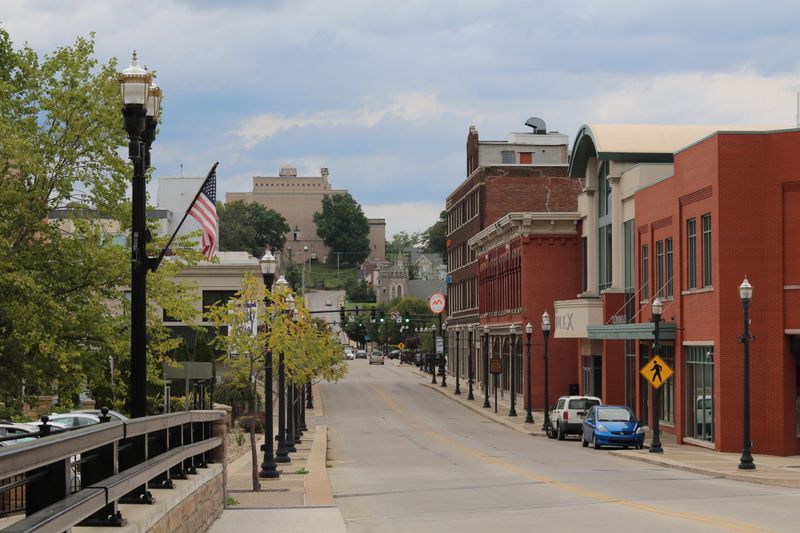
A former industrial city can offer a surprising amount of room for a modest budget.
New Castle has older neighborhoods, a downtown, and the kind of local identity that comes from a long history.
For a retiree, the useful question is not whether a listing looks cheap.
It is whether daily life there will be comfortable and affordable.
Walk a neighborhood before choosing it.
Look at the sidewalks, street lighting, nearby shops, and upkeep of surrounding homes.
Then make the walk again at the time you would normally run errands.
A ground-floor apartment close to essentials may be worth more to you than extra space across town.
New Castle is in Lawrence County in western Pennsylvania.
Its location gives residents options for local outings, but transportation still deserves a close look.
If you drive, budget for gas, insurance, and repairs.
If you do not, find out exactly which trips can be made by transit or shared ride.
Ask how appointments must be booked.
Older housing often carries hidden costs.
Request recent utility totals and ask whether the furnace and plumbing have been maintained.
Buyers should get an inspection, even for a low-priced property.
Renters should read the lease for fees, snow removal duties, and rules about rent increases.
A clear answer today may prevent a stressful bill later.
Small pleasures can help the numbers work.
A library visit, a local event, or time in a public park can replace more expensive habits.
Still, $1,200 a month is tight for a person paying full market rent.
Check senior housing options and public benefits early.
New Castle could suit a practical retiree who wants city services on a smaller scale and is willing to compare homes carefully.
6. Sharon
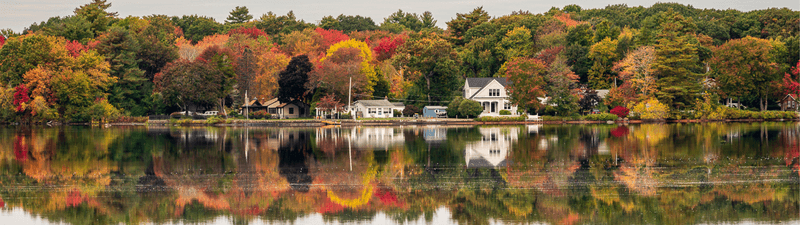
Some places make an easy afternoon feel like an event.
In Sharon, a look around downtown can be paired with a visit to a local shop or a quiet stop by the Shenango River.
That gives retirees simple ways to get out of the house without planning a costly trip.
Sharon is a small city in Mercer County.
Housing choices can include older homes and apartments, so inspect the details instead of trusting a low price.
Check for safe steps, working smoke alarms, and windows that close tightly.
If you rent, ask which bills are yours.
If you buy, remember that taxes and repairs do not stop after the mortgage is paid.
Think about your weekly routine before picking an address.
How often will you need groceries, prescriptions, or a ride to a doctor?
Test those trips from any home you are considering.
A short distance on a map can still be awkward if crossings are busy or sidewalks are uneven.
Practical access can save both money and effort.
For recreation, start with free choices such as the library, community gatherings, and outdoor spaces.
Check event calendars for low-cost programs, but keep room in the budget for ordinary needs first.
An enjoyable retirement is often built from repeatable little habits, not expensive entertainment.
Knowing a few neighbors can make those habits even better.
To see whether $1,200 a month is possible, write down every fixed expense and use realistic winter utility estimates.
Ask local housing offices about income-based senior apartments if regular rents are too high.
Also review assistance programs for food, heating, and health costs.
Sharon may offer a friendly balance of town life and services, but the right home and dependable transportation will decide whether your budget holds.
7. Oil City
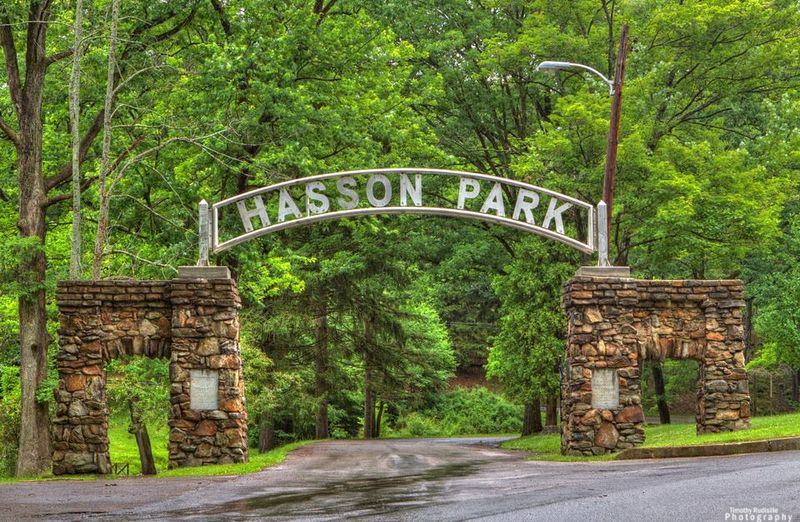
Two rivers and a hillside setting give Oil City a view that feels bigger than its size.
The city’s oil-era history adds another layer of interest.
For retirees who enjoy walking, local art, and familiar faces, it may offer more to do than a low-cost address alone would suggest.
Oil City lies in Venango County, along the Allegheny River.
Before choosing a home, pay attention to its exact location.
Hills can make walking harder, while riverfront areas call for questions about flood risk and insurance.
Check an official flood map and ask an insurer for a quote if you are considering a property near the water.
Housing deserves a careful inspection.
A modest purchase price can be offset by an aging roof, damp basement, or high heat bill.
Renters should ask for utility averages and look at the lease before paying a deposit.
Try to choose a place where the bathroom, kitchen, and bedroom are easy to reach as mobility changes.
The city’s parks, river views, and community events can support an active routine without constant spending.
Some activities cost money, so look for free days and public programs.
Visit in different seasons if possible.
A lovely summer street may be icy in winter, and an easy drive may feel different after dark.
At $1,200 a month, housing and health care will likely shape every other choice.
Confirm access to a pharmacy, groceries, and the doctors you need.
Check local ride services if you plan to stop driving.
Oil City may appeal to a retiree who likes scenery with a strong sense of place.
A realistic budget, though, must include insurance, transportation, utilities, and a little money for surprises.
8. Johnstown
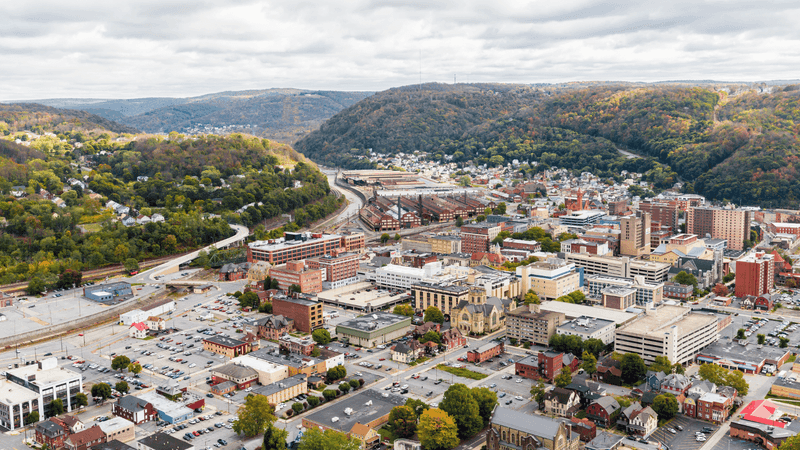
Stories of rebuilding are woven into Johnstown’s identity.
Today, the city offers museums, neighborhoods with distinct feels, and hills that frame the streets.
A retiree looking for a lower-cost Pennsylvania city may find useful options here, but choosing the right block matters as much as choosing the right town.
Begin with your daily needs.
Visit possible neighborhoods and find the nearest grocery store, pharmacy, and medical office.
Ask whether the route is practical on foot, by bus, or by car in winter.
Johnstown’s hills can turn a brief trip into a demanding one.
If stairs are difficult, check the home’s entrance and floor plan closely.
Older properties sometimes carry attractive prices.
They can also require repairs, extra heat, or flood insurance in certain locations.
Check flood maps for a specific address rather than guessing from its neighborhood name.
For a rental, request a full list of monthly charges.
A low base rent does not help if necessary bills push you over budget.
Local history gives residents affordable ways to stay curious, even when some attractions charge admission.
Look for library programs, community events, and free outdoor spaces.
A regular coffee with a friend can be as valuable as a paid outing.
Build social time into your plan, especially if you are moving away from family.
Living on $1,200 a month will usually require a modest housing payment and tight control of other costs.
Ask about subsidized senior housing well before you need it, since availability can change.
Review help with heating, food, or medical expenses if you qualify.
Johnstown offers character and practical city services, but a safe address, reliable transportation, and a complete budget should guide the decision.
9. McKeesport
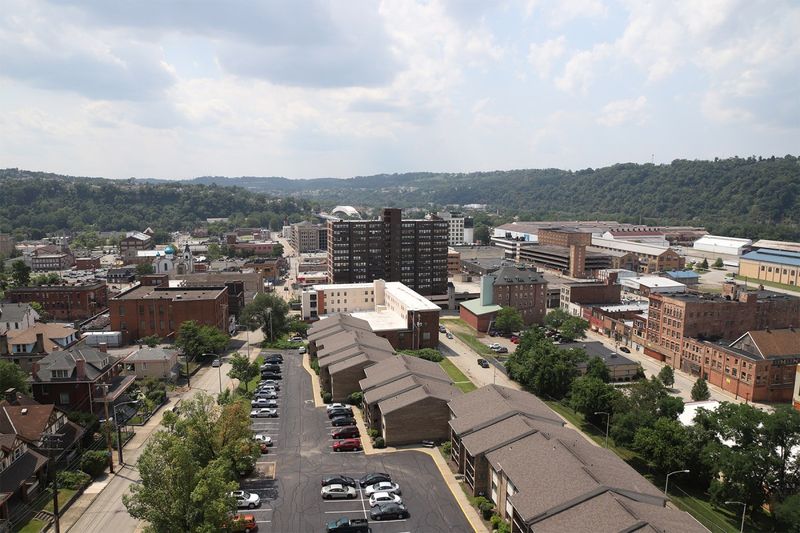
River valleys and old mill towns tell much of western Pennsylvania’s story, and McKeesport is part of it.
For retirees, the city may stand out because of its location in Allegheny County and its range of older housing.
Those points are worth exploring, but they do not replace a careful visit to each neighborhood.
Spend time on the exact street where you might live.
Notice lighting, traffic, sidewalks, and how comfortable you feel waiting for a ride or walking to a shop.
Conditions can differ from block to block.
Ask local residents about everyday errands, then check their answers for yourself on a normal weekday.
Transportation is a major budget question.
Public transit links may help with some trips, but routes, schedules, and travel times must be checked for your address.
If your health care is outside town, plan the full journey before signing a lease.
Owning a car adds insurance, repairs, fuel, and parking costs that can quickly strain $1,200 a month.
Look closely at rental terms and building condition.
Ask about heat, pests, laundry, accessibility, and who handles snow.
A low-cost apartment with steep stairs or unreliable heat is not a good retirement bargain.
Buyers should consider inspections, insurance, taxes, and the cost of work needed soon after moving in.
There can still be room for pleasant routines.
Libraries, public spaces, and community activities offer ways to connect without paying for every hour of fun.
Explore income-based senior housing if market rent is beyond reach.
McKeesport could work for someone who wants access to a larger county’s services while keeping a close eye on expenses.
The best test is a budget built around a real home and real trips.
10. Connellsville
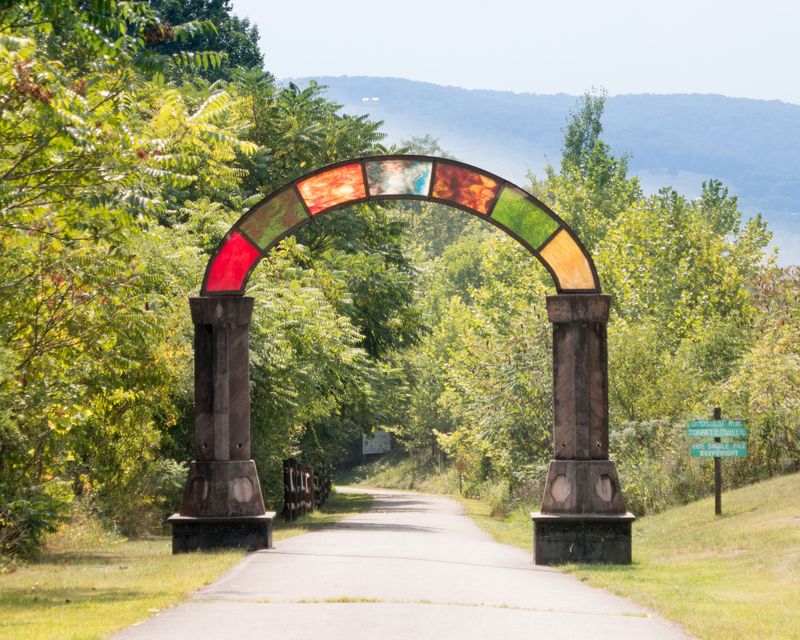
A trail can change the shape of a whole day.
In Connellsville, the Great Allegheny Passage gives residents a place to walk, watch cyclists, or enjoy fresh air without buying a ticket.
The Youghiogheny River adds to the scenery, making this Fayette County city appealing to retirees who like an active but unhurried routine.
Before falling for a river view, check the practical details of the property.
Ask about flood risk, insurance, and any past water problems.
A home on higher ground may have a different set of challenges, such as steps or a steep walk.
Visit in person and picture yourself carrying groceries home in cold weather.
Connellsville has older homes and rentals that may interest people on limited incomes.
Compare total monthly costs rather than advertised rent alone.
Request utility estimates, check how the home is heated, and ask who clears snow.
If you are considering a purchase, an inspection can reveal repairs that would overwhelm a small savings account.
Outdoor time is a real benefit here, but it should not be the only reason to move.
Find your likely grocery store, pharmacy, and doctor first.
If you drive now, think ahead to the day you may not want to.
Learn what transit or senior ride services can actually do for your usual appointments and shopping trips.
A $1,200 budget leaves little room for expensive surprises.
Set a housing limit, list your health costs, and check eligibility for assistance programs.
Then enjoy the low-cost parts of town: the trail, public events, and time with neighbors.
Connellsville may suit a retiree who values fresh air and small-town company, as long as the chosen home is safe, accessible, and affordable year-round.
11. Pottsville
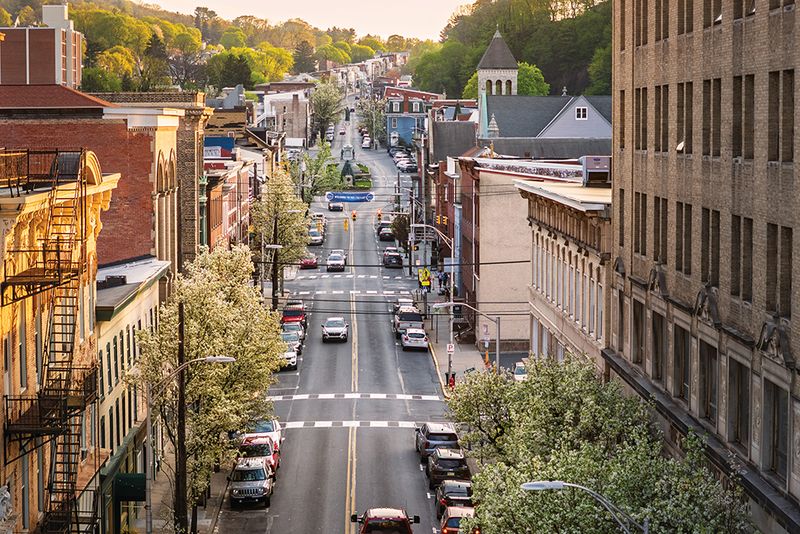
Hilly streets, brick buildings, and a strong local identity give Pottsville plenty of personality.
As Schuylkill County’s seat, it has a downtown that can put useful services within reach.
Retirees who like a city with history may enjoy exploring it, provided they choose a home that fits their needs as well as their budget.
Topography matters here.
An apartment that seems close to a shop may require a steep walk back.
Visit during a normal weekday and try the route to groceries, the pharmacy, and a bus stop if you expect to use one.
Check for safe crossings and winter sidewalk care.
A convenient location can be worth more than an extra room.
Pottsville’s older housing stock may offer modestly priced choices, but low prices need a second look.
Ask for heating costs from the coldest months.
Check stairs, railings, windows, and signs of moisture.
Buyers should include taxes, insurance, and repairs in the monthly plan.
Renters should confirm deposits, fees, and which utilities are included.
Free or low-cost activities can help stretch retirement income.
Browse the library’s programs, look for community events, and get to know a park near home.
History can make an ordinary walk interesting, too.
You do not need to buy something every time you go out to feel part of a place.
If your monthly income is $1,200, start the housing search with a firm number you can pay after food, medicine, and utilities.
Ask about income-based senior apartments and assistance for eligible residents.
Make sure your health providers and transportation plans are settled before moving.
Pottsville can offer a lively setting on a modest scale, but the right address is one that keeps everyday life comfortable and bills predictable.
12. Sunbury
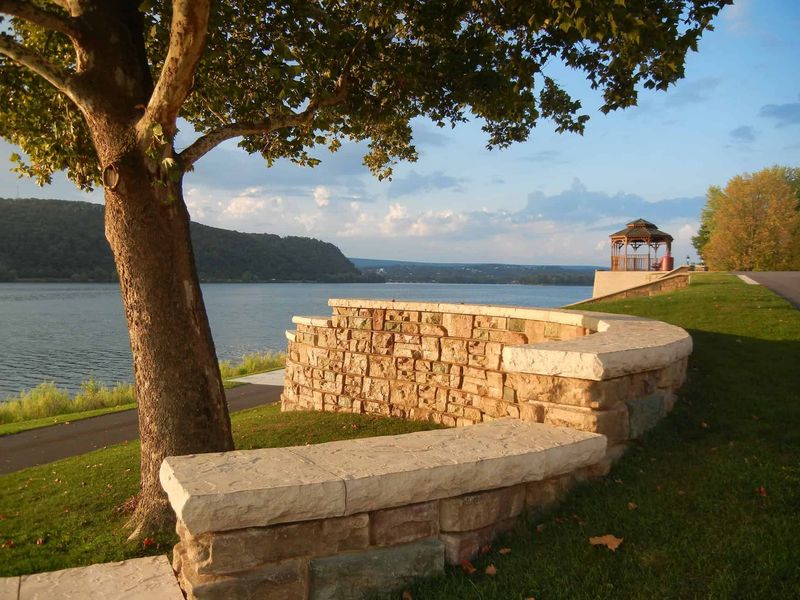
Where two branches of the Susquehanna meet, Sunbury has a setting that invites a pause.
A retiree might enjoy a river view, a trip downtown, and a small city where familiar routes are easy to learn.
The water is beautiful, but it also makes checking flood risk a practical part of any home search.
Sunbury sits in Northumberland County and offers a mix of older housing and local services.
Do not pick an apartment from photos alone.
Visit the building, test the stairs, and ask about heating and cooling bills.
If a property is near the river, check official flood maps and discuss insurance costs before committing to it.
A good address can save money in several ways.
Living near a grocery store, pharmacy, and bus stop may mean fewer car trips.
Walk the routes you would use, paying attention to crossings, shade, and places to rest.
If you depend on a car, include repairs and insurance in your monthly figures, not just the price of gas.
Enjoyment need not be costly.
River views, library programs, and public events can bring variety to the week.
Keep an eye on seasonal weather and have a plan for days when outdoor walks are not comfortable.
Making one or two local connections can also help a new town begin to feel like home.
For someone with $1,200 a month, affordable housing is the deciding piece.
Explore senior housing and other income-based options early, then check whether you qualify for food, utility, or medical help.
Sunbury’s riverside location offers charm, but no view can make up for a budget that does not add up.
Choose a safe home first, then enjoy what is outside its door.
13. Jeannette
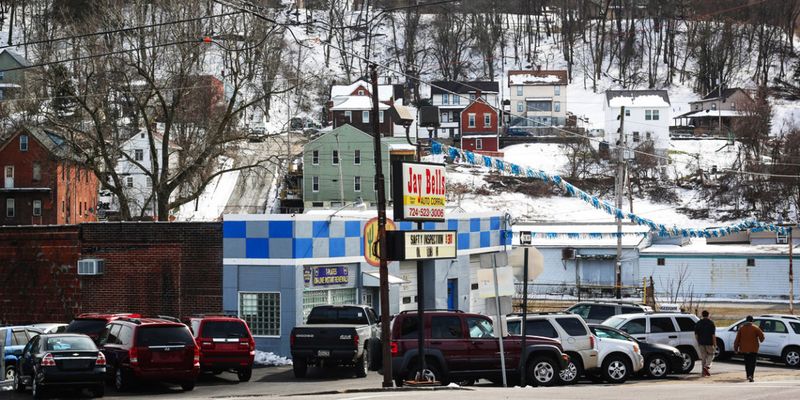
A town does not need grand attractions to feel like home.
Jeannette’s neighborhoods and small-city setting may appeal to a retiree who wants a straightforward daily routine.
Located in Westmoreland County, it offers a different choice from a rural village or a much larger city.
The right fit comes down to the home and the trips around it.
Start with a walk around any address you are considering.
Check street conditions, traffic, lighting, and the distance to basic shops.
Visit more than once if possible.
A block that feels peaceful in the afternoon may have a different rhythm in the evening.
Talk with a prospective landlord about building upkeep and winter snow removal.
Older houses can make the price tag look inviting.
Before buying, find out what the roof, furnace, and plumbing may need.
For rentals, ask for average utility bills and a written list of fees.
If you hope to remain in the home for years, a first-floor bathroom and few entrance steps can be as valuable as a low monthly payment.
Plan for medical care and transportation together.
Confirm that your providers accept your coverage, then test how you would reach appointments.
Look into available bus or shared-ride services if driving is uncertain.
A trip that requires several connections may cost more time and energy than expected.
Keep regular errands close whenever you can.
For free time, seek out library activities, nearby parks, and local gatherings rather than relying on paid entertainment.
Those simple choices can leave money for necessities.
At $1,200 a month, full market rent may still be too much, so ask about income-based senior housing and assistance programs.
Jeannette may suit a retiree who prizes a manageable routine, provided the final budget has room for both bills and the unexpected.
Share this story