More than a century of Denver gardening history is still growing inside the greenhouses at City Floral Garden Center. Founded in 1911, this longtime east Denver destination has evolved from the city’s early flower-growing days into a sprawling stop for houseplants, vegetable starts, trees, flowers, pots, and plenty of gardening inspiration.
The historic setting gives browsing extra character, especially for anyone who enjoys wandering through rows of greenery without a strict shopping list. Even visitors who arrive for one plant may find themselves lingering much longer than planned. For gardeners and curious plant lovers alike, City Floral makes a wonderfully leafy weekend detour.
Glass Walls, Green Everything: Stepping Inside on Kearney Street
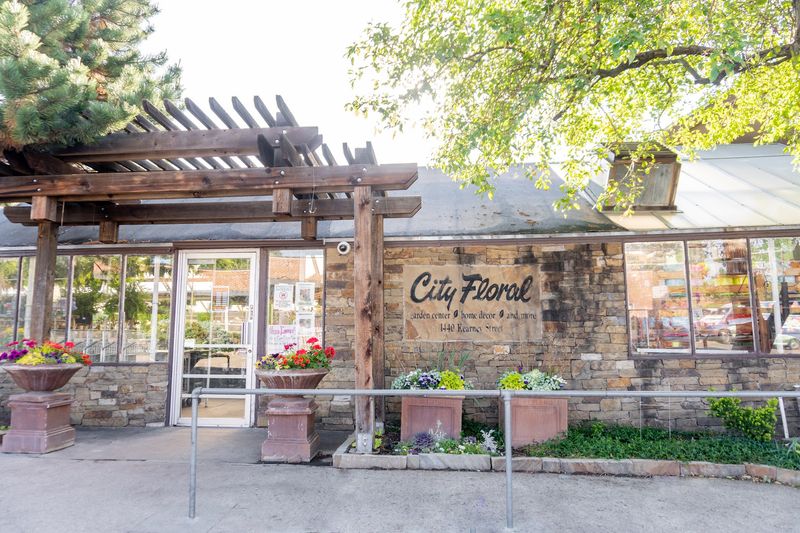
From the sidewalk on Kearney Street, the building looks almost modest. Step through the doors, though, and the space keeps opening up, one greenhouse leading into another like rooms in a leafy maze. First-timers are often surprised by how big it is inside compared to how small it seems from the street.
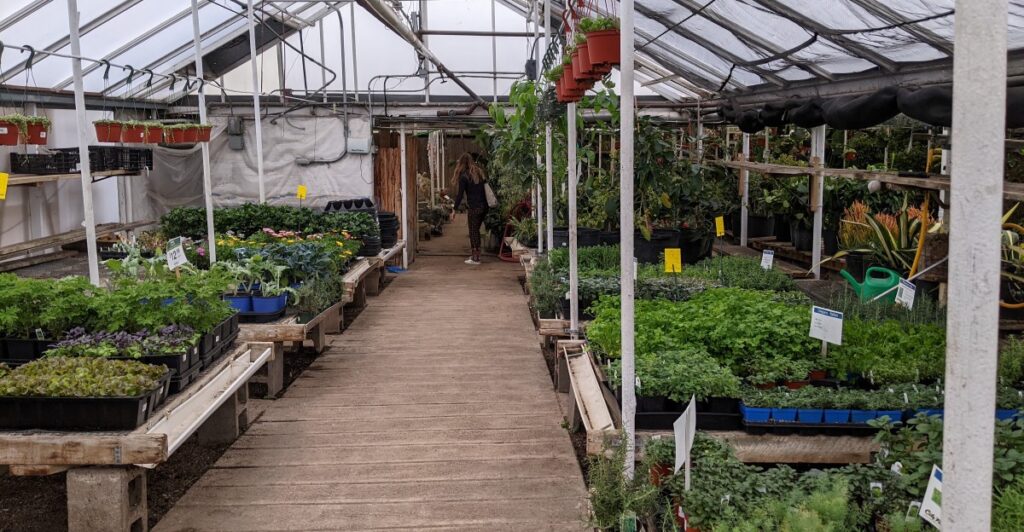
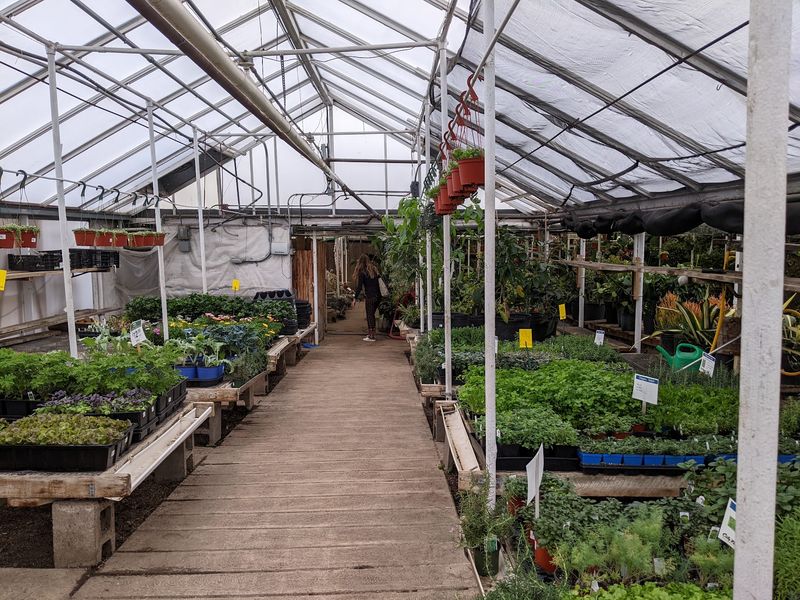
The light is the first thing to notice. Sun pours through the glass roof and lands on thousands of leaves, so everything glows in shades of lime, emerald, and deep forest green. On a cold Colorado morning, the warm, damp air hits your face like a soft blanket.
Then come the smells. Wet soil, fresh greenery, and the faint sweetness of blooms mix together in a way no candle company has ever copied. Hanging baskets drip with trailing vines overhead, so it pays to look up as often as you look down.
The aisles are narrow, and that is part of the charm. Plants crowd in from both sides, and you will squeeze past shelves of ferns, orchid cacti, and variegated leaves that look painted by hand. On busy days, a little shoulder-turning and a friendly nod go a long way.
Every greenhouse has its own personality. One might be heavy with tropical houseplants, while the next leans toward succulents with chunky, sculptural shapes. Moving between them feels like switching channels on a nature show.
Kids tend to race ahead, pointing at giant leaves bigger than their heads. Grown-ups usually slow down, reading tags and running fingers over fuzzy or waxy foliage. Either pace works fine here.
Give yourself at least an hour on a first visit. The layout rewards wandering, and the best finds often hide in back corners, tucked behind a tall palm or under a shelf of hanging pothos.
From Carnation Capital to Neighborhood Nursery
Picture Denver a hundred years ago, when the city had a surprising nickname: the Carnation Capital of the world. Greenhouses across town grew flowers for shops all over the country. City Floral was one of those growers, and its specialty was miniature carnations and other cut flowers sold wholesale.
The original greenhouses went up in 1911. Some of that same glass-and-frame structure still stands today, which makes it the oldest remaining greenhouse in Denver. When you walk the aisles, you are literally shopping inside a piece of city history.
Things changed in the mid-1950s thanks to one clever employee. Instead of tossing lower-grade flowers, the idea was to sell them straight to the public. Carnations went for about a dollar a dozen, and neighbors lined up for the deal.
All that foot traffic gave the owners an idea. If people were already coming in for flowers, why not offer houseplants, garden supplies, and more? Little by little, the grower became a shop.
Big shifts in the flower world pushed that change further. Cheaper cut flowers from South America made it hard for U.S. growers to compete, and City Floral sold its very last carnation in 1985. Rather than close, the business turned fully into a retail garden center and added a landscaping team.
The buildings grew along the way. The greenhouses were expanded for shoppers in 1976, and offices and a warehouse joined the west side in 1990.
That story explains a lot about how the place feels now. It was never designed as a shiny big-box store. It grew one step at a time, shaped by a neighborhood that kept showing up for flowers.
Houseplant Heaven and a Wall of Pots
Monsteras with leaves like green umbrellas. Money trees with braided trunks. Pothos in speckled cream and gold.
For houseplant fans, the indoor collection here is the main event, and plant selection is the thing City Floral is best known for.
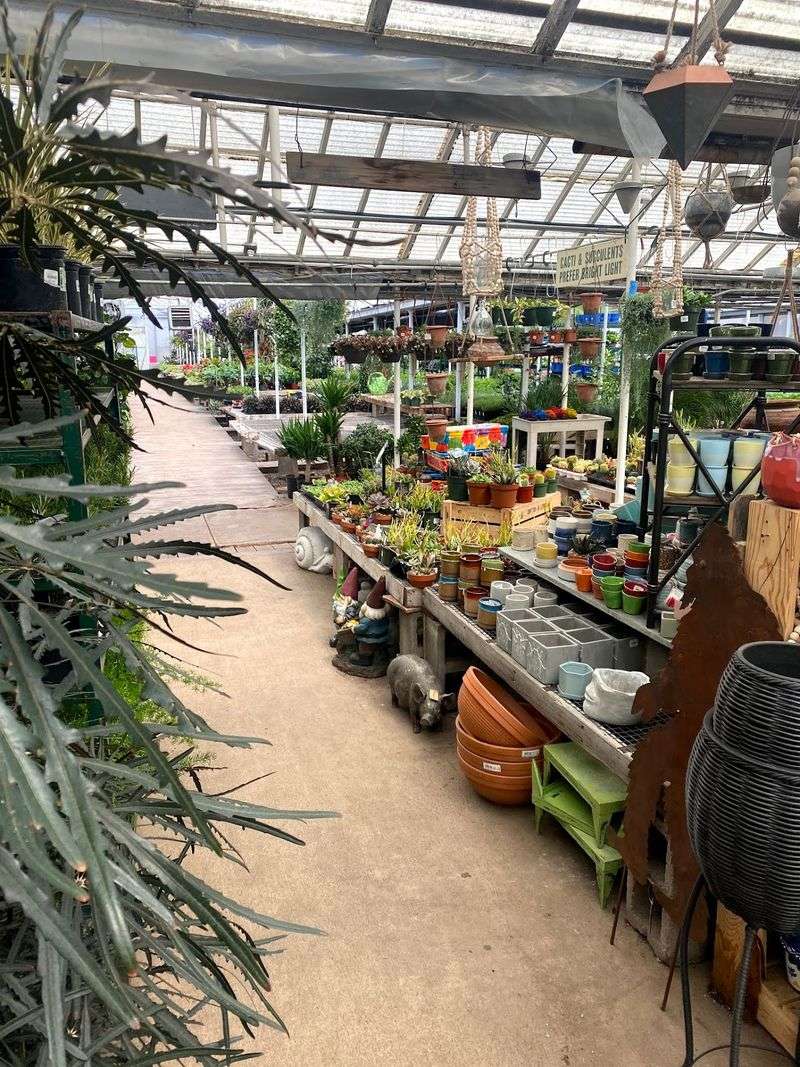
Variety is the big win. You can find beginner-friendly snake plants right next to rarer variegated picks that collectors hunt for online. There is also a large succulent area and a solid bonsai collection, so tiny-tree fans have something to study too.
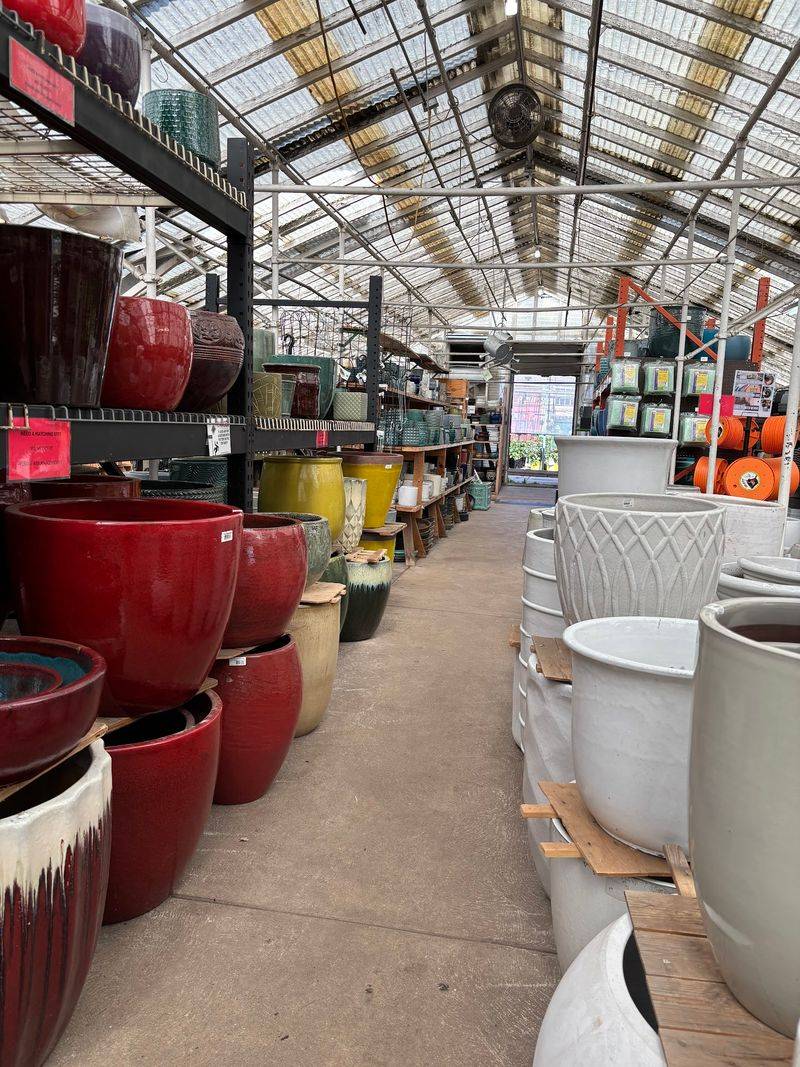
Right beside the plants sits one of the best pot selections in the city. Containers come in so many colors, sizes, and finishes that picking one can take longer than choosing the plant. Glossy blue glazes, earthy terracotta, and big statement planters all share shelf space.
Here is a handy trick: bring your plant choice over to the pots and test the match on the spot. Staff can do custom container potting and in-store repotting, which saves you a messy afternoon on the kitchen floor.
A smart shopper checks every houseplant before buying. Tip the pot and look under leaves and near the soil line for tiny white fluff or specks, since pests like mealybugs and thrips can hitch a ride on any greenhouse plant. Keeping new plants away from your others for a week or two at home is a good habit anywhere you shop.
Staff will often wrap delicate plants in plastic bags to hold in humidity for the ride home. On a dry Denver day, that little step helps tender leaves survive the trip.
Prices cover a wide range, from small starter plants to big floor specimens. Setting a budget before you walk in is wise, because the pot aisle has a way of tempting everyone.
Cats, Chickens, and a Bigfoot in the Leaves
Keep your eyes peeled, because not every resident here is a plant. City Floral has working cats that roam the greenhouses, and spotting one curled between pots is a small thrill.
These cats have a job, too. Greenhouses can attract mice, and a few furry patrol officers help keep the benches tidy. Some days they nap in plain sight, and other days they vanish completely, so seeing one feels like winning a tiny prize.
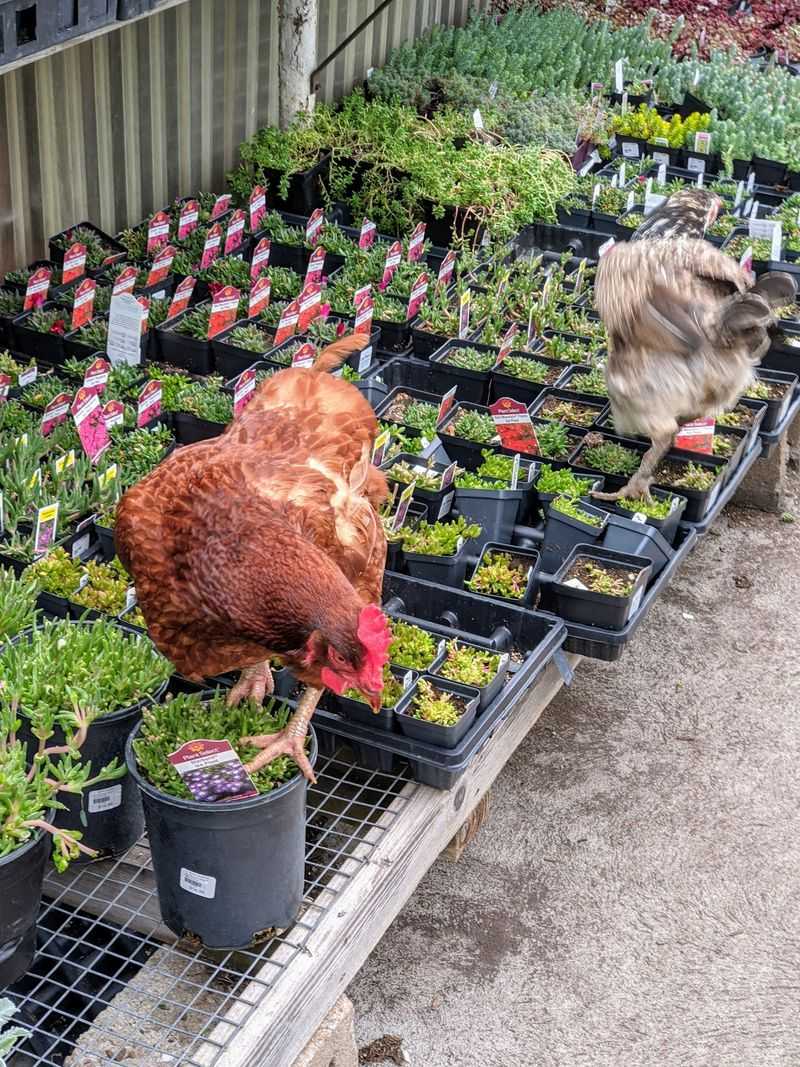
Then there are the chickens. Young kids especially love them, and they add a barnyard surprise to a trip that started as a hunt for soil or tomato starts. It is a nice reminder that gardens and animals have always gone together.
And yes, a Bigfoot figure lurks somewhere among the plants. Finding it turns a boring errand into a scavenger hunt. Challenge your kids to find the cats, the chickens, and the Bigfoot before checkout, and watch the whining disappear.
The statuary section adds even more fun. Garden figures, stone pieces, and quirky outdoor decor pop up around the store, and some are silly enough to earn a double take.
A quick note on manners: let the cats come to you. They are working animals in a busy space, and not all of them want a cuddle. Gentle hands and quiet voices keep everyone happy, including the humans shopping nearby.
Families should also remember that aisles are tight and some plants are fragile. Holding little hands in the crowded tropical rooms helps avoid bumped pots and broken stems.
These small characters give the place its neighborhood personality. A garden center with a cat on the potting bench is hard to forget, even for kids who swear they hate shopping.
Growing Smart in Colorado’s Tricky Climate
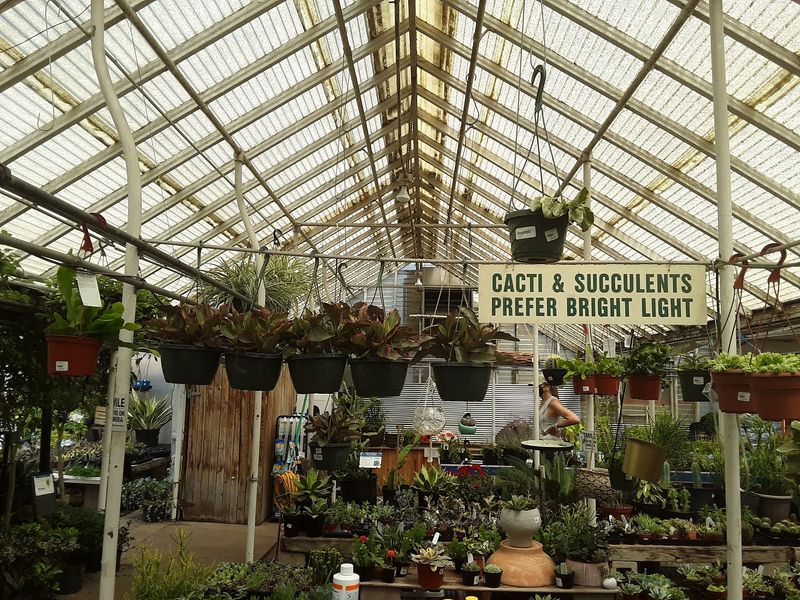
Colorado gardening is a special kind of puzzle. The air is dry, the sun is intense at high altitude, and a surprise May snowstorm can flatten tomato plants overnight. Shopping at a local nursery that understands those quirks gives your garden a real head start.
City Floral stocks plenty of outdoor options built for this region. Look for the Plant Select tags, a program that highlights plants proven to handle Rocky Mountain conditions. Native plants show up too, though the selection leans more toward named cultivars than straight wild species.
Spring is when the veggie section shines. Tomatoes, peppers, herbs, and leafy greens fill the tables, and for many Denver gardeners this is the go-to stop for starts. Annuals and perennials pile up nearby in bright waves of color.
The yard also carries trees, shrubs, and fruit trees. If you dream of picking your own apples or plums someday, this is where that plan can begin.
Timing matters in this climate. Denver’s average last frost falls around mid-May, so buying tender veggies early means covering them on cold nights or waiting to plant. Hardy perennials and cool-season crops can go in sooner.
Fall brings a new round of treasures. Bulbs arrive in big batches, ready to plant before the ground freezes for tulips and daffodils next spring. By winter, the lot switches over to fresh Christmas trees.
Staff can help with plant identification and diagnosing problems. Bringing a photo or a bagged leaf sample of a struggling plant makes that conversation much easier.
Water-wise choices are always a smart move here. Ask about drought-tolerant perennials that can handle hot July afternoons without constant hose duty, and your water bill will thank you.
Beyond the Checkout: Landscaping, Delivery, and Plant Help
Buying a plant is only half the job. Getting it home, into the ground, and thriving is where many gardeners get stuck, and City Floral offers a long list of services to help with that part.
The landscaping division handles full design and construction projects. That can mean planning new beds, choosing trees and shrubs, and building the whole yard from scratch. Some local families have landscaped more than one home through the team over the years.
For smaller jobs, there is a tree planting service. Before you sign up, read the planting form carefully. Staking, delivery, and other extras can come with separate charges, and asking for every fee in writing helps avoid surprises.
Delivery is available for large purchases. Costs depend on distance, and some areas, like downtown, may cost extra. Confirm the final number at the register before you leave.
Indoor services are just as useful. The store offers custom potting, repotting, plant rentals, and an interior design partnership program for businesses and designers who want greenery in their spaces.
Plant doctors are part of the deal too. Staff provide pest and disease diagnosis and plenty of care tips. When a leaf is yellowing or a trunk looks strange, a quick visit with a sample can save a plant you love.
A small tip: plant guarantees are not offered, so choosing healthy stock and learning its needs matters a lot. Ask how much light, water, and space a plant wants before carrying it to the register.
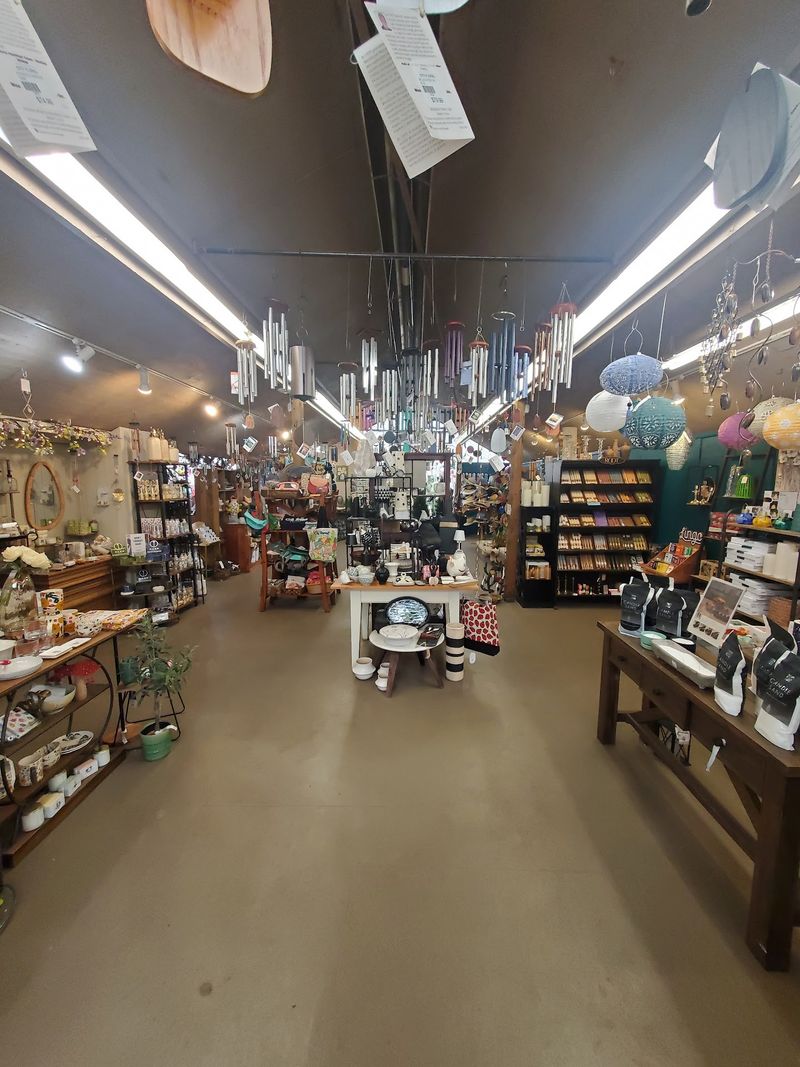
The gift shop rounds things out with unique finds for gardeners and non-gardeners alike. It is a handy stop when you need a birthday present that is a little more thoughtful than a gift card.
Plan Your Visit Like a Denver Local
Saturday at 11 a.m. in May is basically the garden center version of rush hour. Carts bump, aisles clog, and the line at the register stretches past the pots. If crowds make you twitchy, plan around them.
Weekday mornings are the sweet spot. Doors open at 9 a.m. Monday through Saturday and close at 6 p.m., while Sunday runs from 10 a.m. to 5 p.m. Arriving right at opening means fresher shelves, calmer aisles, and more chances to ask staff questions.
The location is handy for central Denver. It sits at 1440 Kearney Street in a residential area near Colfax Avenue, so it works well as a quick stop on the way home or part of a Saturday errand loop.
Dress for the conditions inside. The tropical greenhouses are warm and humid even in winter, so layers you can peel off help. Closed-toe shoes are smart, since floors can be damp near watering zones.
Bring a few tools of your own. A phone photo of your sunny window or garden bed helps staff recommend the right plant. Measurements for pots save a second trip.
Watch the mail for coupons, and bring the physical copy. Paper postcards may be required, and a picture on your phone might not be accepted.
Seasons shape every visit. Spring brings veggie starts and flowering baskets, summer is great for perennials, fall means bulbs, and winter turns the lot into a Christmas tree forest.
Leave room in the car. Big leaves and tall trees need space, and a blanket in the trunk protects both plants and seats. With a little planning, a trip to this 1911 greenhouse becomes one of the easiest adventures in Denver.
Share this story