Plenty of longtime Austin residents are packing boxes and pointing their cars south on I-35. San Antonio has been climbing retirement rankings, and it is easy to see why. The city mixes old Texas history, friendly prices, and a calendar full of things to do.
Here are eight reasons boomers are trading Austin for the Alamo City.
1. Housing That Leaves Room in the Budget
Sell a house in Austin, buy one in San Antonio, and watch what happens to your bank balance. Many movers find they can pick up a comfortable home and still have serious cash left over. That leftover money can turn into travel, grandkid visits, or a healthier savings cushion.
San Antonio offers a wide menu of housing styles. You can choose a single-story ranch home in a quiet neighborhood, a low-maintenance condo near downtown, or a patio home in a gated community. Areas like Alamo Heights, Stone Oak, and Southtown each have a different feel, so it pays to test-drive a few.
Property taxes in Texas are not small, so read the numbers carefully. Ask about the homestead exemption, and if you are 65 or older, ask about the senior freeze on school taxes. Those two details can make a real difference year after year.
Renting first is a smart trick. A six-month lease lets you learn which neighborhoods are noisy on weekends and which ones roll up the sidewalks at nine. Drive around at rush hour, too, because San Antonio traffic can surprise you.
Finally, look at flood maps and shade. Live oaks are lovely, and a shaded yard can cut summer cooling bills more than you might expect. A little homework now saves headaches later.
2. A River Walk You Can Actually Enjoy
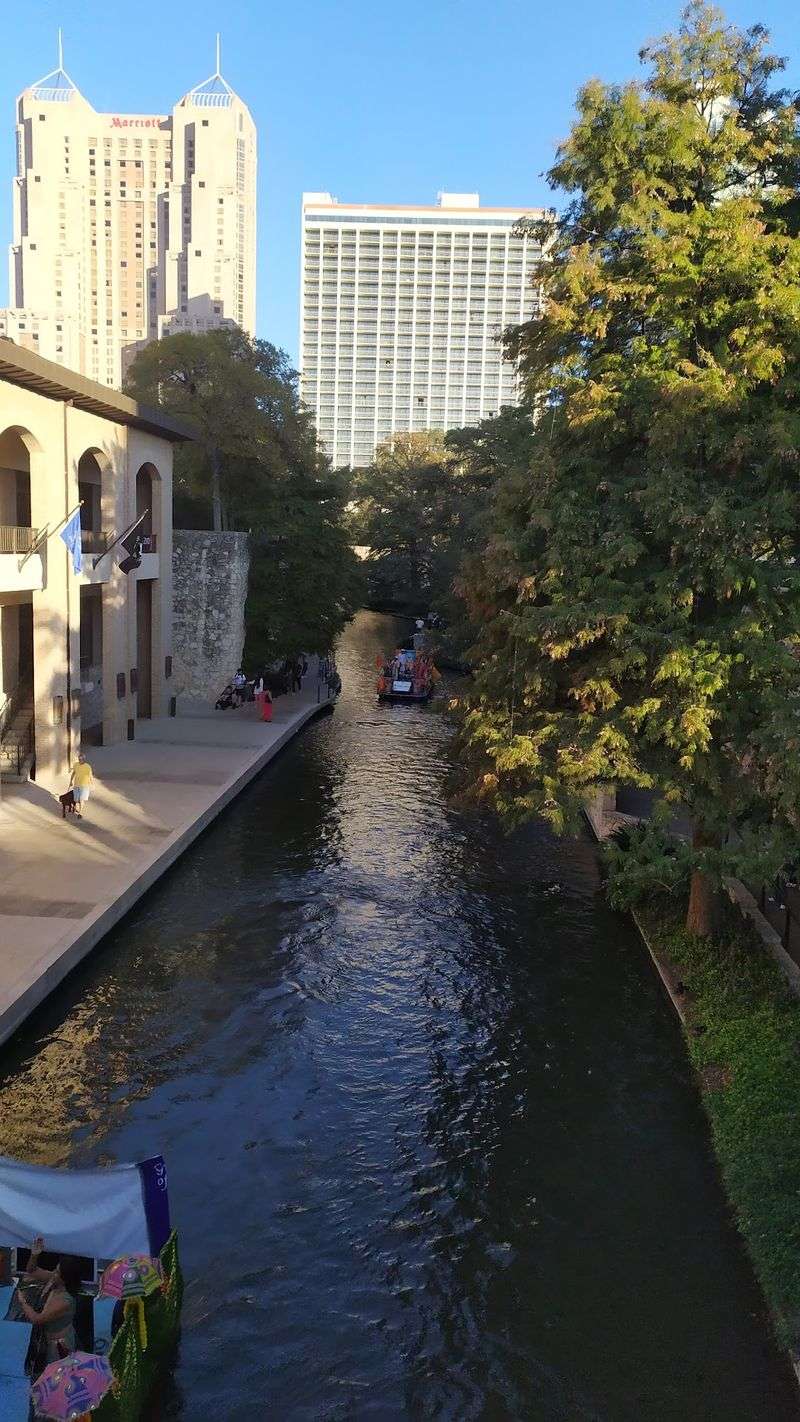
Everyone knows the River Walk is a tourist magnet, but locals know the trick: go early. At sunrise the water is calm, the cypress trees glow, and the crowds have not shown up yet. Coffee in hand, it feels like a private garden.
The paved path stretches for miles, and much of it is flat and easy on the knees. Stairs connect it to street level, but there are also elevators and ramps at several spots. That makes it friendly for walkers, cane users, and anyone who wants a gentle stroll.
Beyond the busy downtown loop, the Museum Reach heads north past public art and the Pearl district. The Mission Reach goes south toward the historic missions, with native plants and birds along the way. Bring binoculars, because herons and egrets are common.
Did you know the river was once a flood risk so serious that the city considered paving it over? Citizens pushed back, and the beautiful bend we see today was saved. That kind of civic spirit still shows up in the community.
Save the dinner-and-margarita scene for guests from out of town. On a normal Tuesday, a slow lap and a quiet bench are just as satisfying.
3. History Around Every Corner
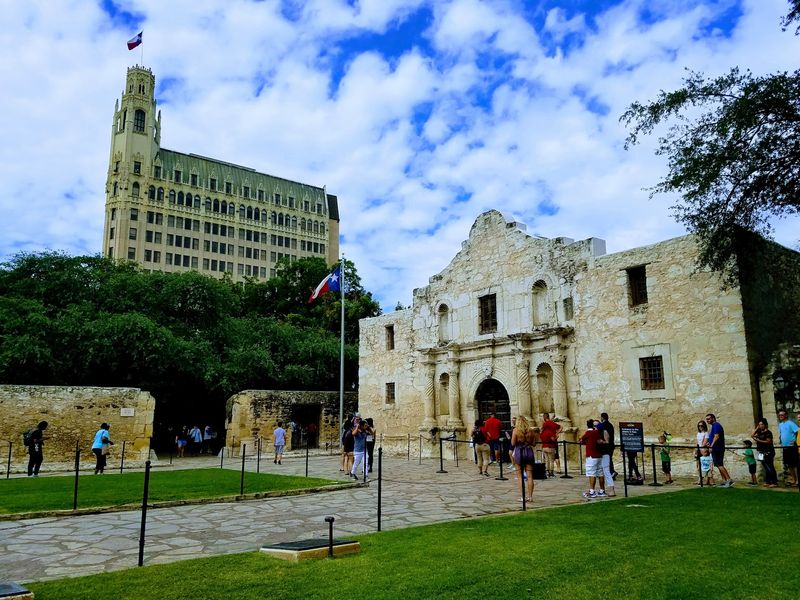
Remember the Alamo? In San Antonio, you can do a lot more than remember it. You can stand in front of the limestone chapel where the famous 1836 battle took place and feel the weight of the story.
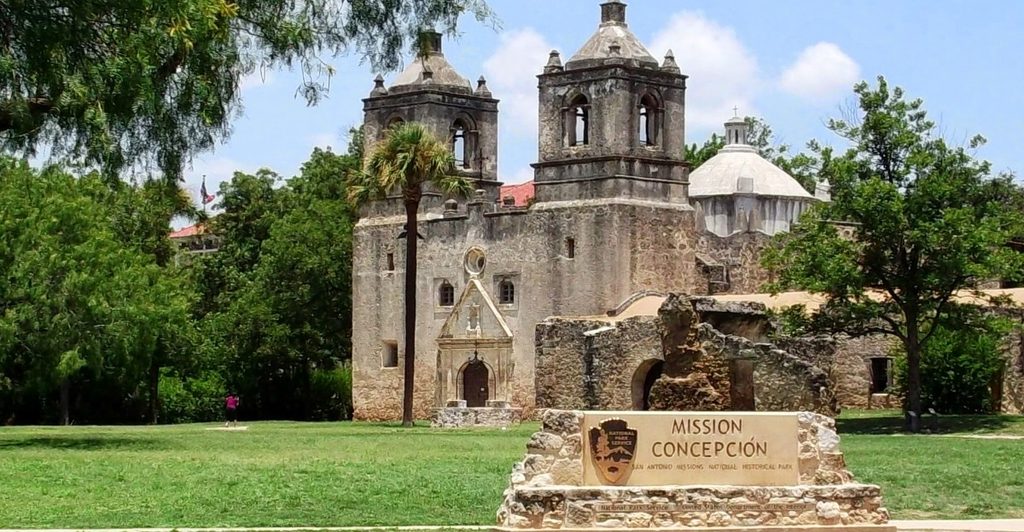
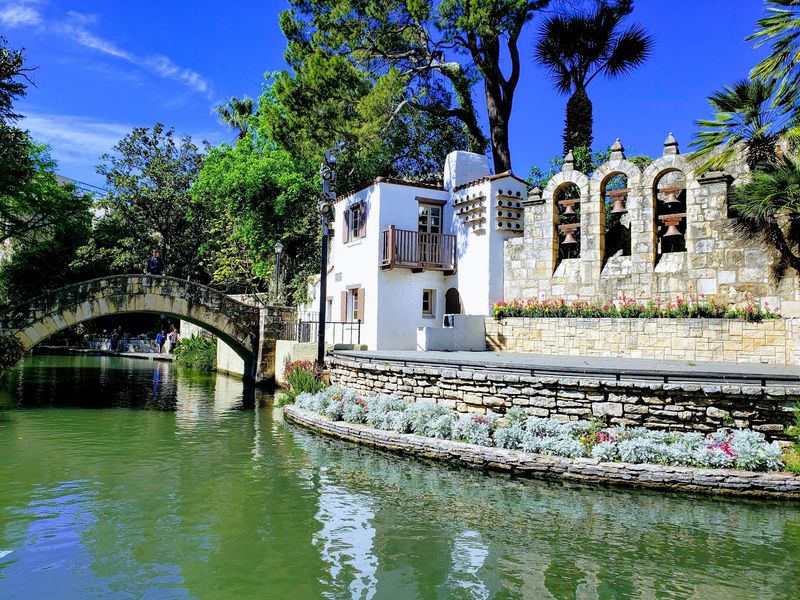
The Alamo is just the beginning. Four other Spanish colonial missions, Concepcion, San Jose, San Juan, and Espada, form a UNESCO World Heritage site. Each one is still tied to a living parish, so you might catch a Sunday service with the sound of church bells.
History fans will also love the Spanish Governor’s Palace and the King William Historic District. The King William area has grand homes from the late 1800s built by German merchants. A slow drive through it feels like flipping through a photo album.
A fun tip: many museums and historic sites offer senior discounts, and some local groups offer volunteer docent programs. Retirees often sign up to lead tours, which is a great way to make friends and learn something new.
Pack a hat and water for outdoor sites. Texas sun does not care about your itinerary, and shade can be scarce between mission stops.
4. Tex-Mex and Beyond on Your Plate

Breakfast tacos are practically a civic duty here. Warm flour tortillas, potato and egg, a scoop of salsa, and you are set for the day. Austin folks will argue about who does it better, but San Antonio holds its own.
The city has a food story that goes beyond tacos. Puffy tacos, with a fried, airy shell, are a local original. Chili queens once served bowls of chili in the plazas, and that tradition still echoes in the spicy stews around town.
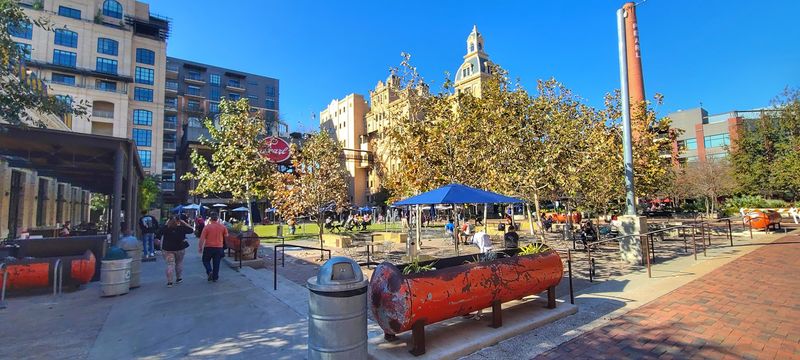
The Pearl district brings a fancier side, with chefs, farmers markets, and a food hall. San Antonio is also a UNESCO Creative City of Gastronomy, and the title fits. You can find everything from old family taquerias to modern kitchens turning out fresh takes on Texas flavors.
Retirees like the unhurried dining scene. Lunch specials are common, and many restaurants offer early-bird hours. Ask for a table on a shaded patio and stay awhile.
If you cook at home, visit Historic Market Square for dried chiles, fresh masa, and spices. A weekend of experimenting with mole or tamales can become a new hobby.
5. Top-Notch Healthcare Nearby
Here is a number worth remembering: San Antonio has one of the largest medical hubs in the state. The South Texas Medical Center campus is packed with hospitals, clinics, and research centers. For retirees, that means specialists are close by.
Major systems include University Health, Methodist, Baptist, and others. The UT Health San Antonio campus adds teaching and research, which can mean access to newer treatments and clinical trials. Military health care also has a strong footprint thanks to the city’s many bases.
Veterans will find good news here. The Audie L. Murphy Memorial VA Hospital serves a large community of former service members.
There are also strong veteran groups if you want company and shared stories.
When choosing a home, check how far it sits from your preferred doctors. A twenty-minute drive at noon can become forty at rush hour. Also compare Medicare Advantage plans, since networks differ from county to county.
Wellness is not only about hospitals. Community centers, senior fitness classes, and swimming pools give you low-key ways to stay active. Many offer sliding fees or discounts for older adults.
6. Parks, Trails, and Sunshine
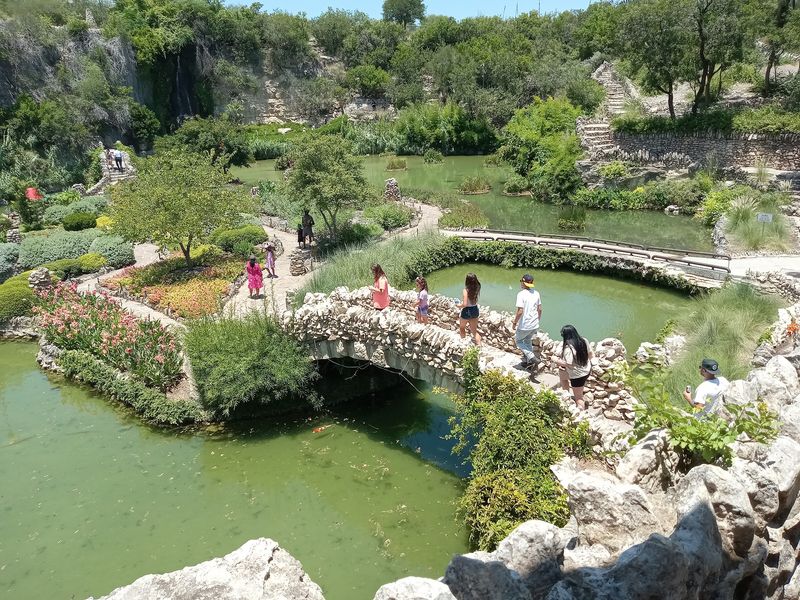
Picture a park with towering pecan trees, a miniature train, and a Japanese garden tucked in an old rock quarry. That is Brackenridge Park and the neighboring Japanese Tea Garden. It is a favorite spot for a slow morning walk.
San Antonio has a growing network of greenways. The Leon Creek and Salado Creek trails offer miles of paved paths for biking and walking. Many are flat, so they suit riders who prefer an easy pace.
Winter is the real prize. While other parts of the country dig out of snow, San Antonio often enjoys mild, sunny afternoons. Golf courses stay open most of the year, and pickleball courts fill up fast.
Summer is another story, with heat that can top 100 degrees. Smart locals switch to early morning walks and evening swims. Splash pads are for kids, but the city pools and indoor gyms are lifesavers for adults.
For a nature escape, Government Canyon State Natural Area sits on the northwest edge of town. Trails there range from easy to rugged. Bring sturdy shoes and check trail conditions first.
7. Culture, Music, and Festival Season
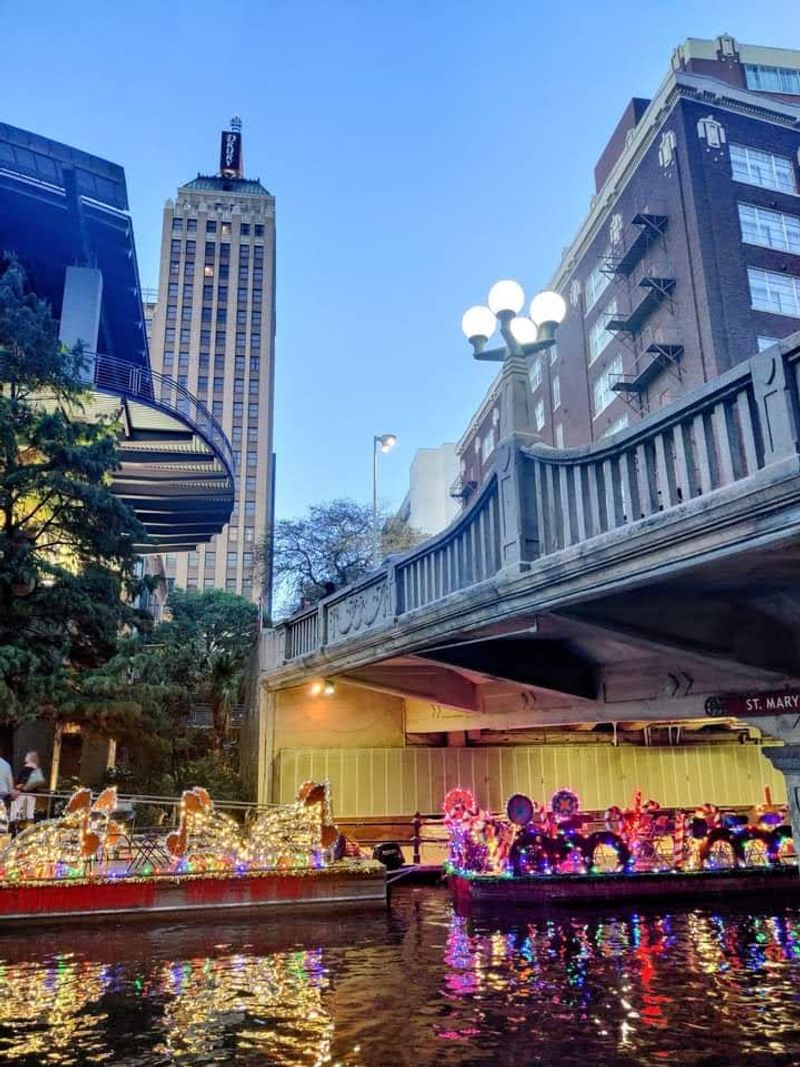
Once a year, San Antonio throws a party so big it lasts about ten days. Fiesta brings parades, food booths, music, and the famous flower-covered floats. Even folks who dislike crowds tend to find a favorite event.
The rest of the year is not quiet either. The Tobin Center hosts concerts and touring shows, while the San Antonio Symphony tradition and local theaters keep the stage busy. The San Antonio Museum of Art and the McNay Art Museum offer calm afternoons among paintings and sculpture.
Music runs deep in this town. Tejano legends, mariachi, conjunto accordion, and country all share the airwaves. Catch a free concert at a park or plaza and you will get a lesson in local sound.
Retirees often say the city feels welcoming because the culture is shared across generations. Families gather for holidays like Dia de los Muertos and Las Posadas, and visitors are usually invited to join in. It feels more like a big neighborhood than a big city.
Spurs games add a hometown pride boost. Even if you never buy a ticket, the black-and-silver spirit is everywhere.
8. Easy Travel and a Friendly Pace
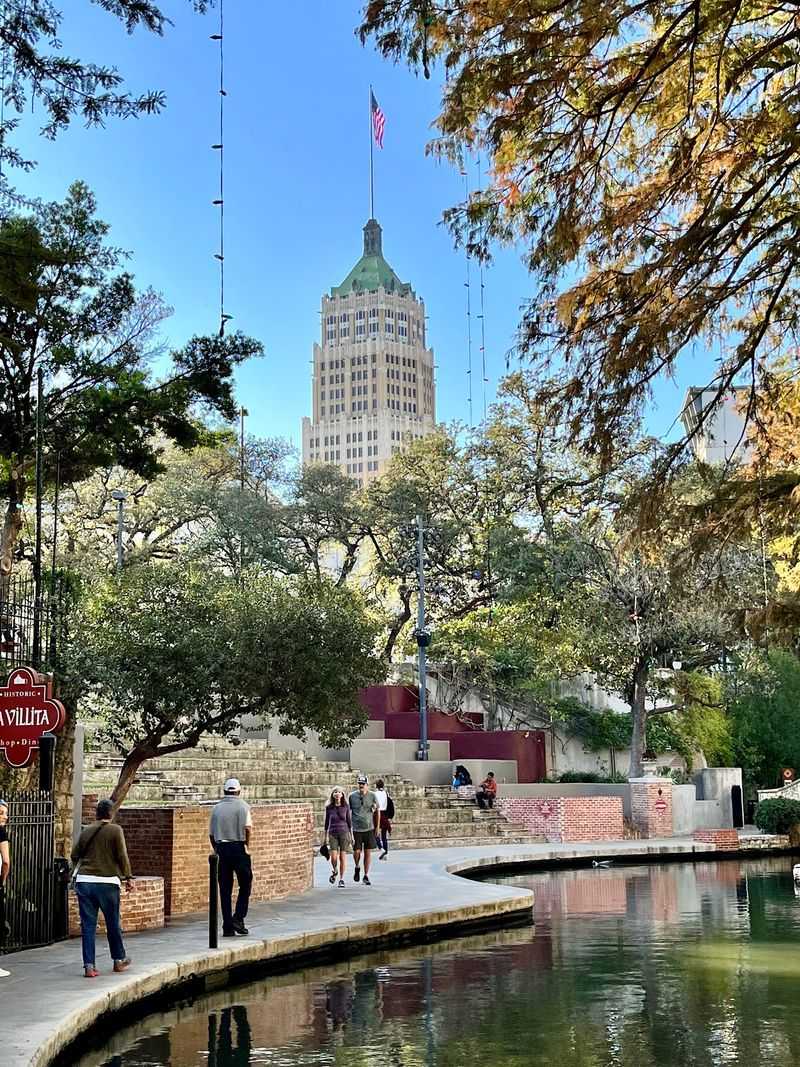
One line sums up the appeal: big city perks without the big city stress. San Antonio is huge by size and population, yet it moves at a relaxed rhythm. Neighbors wave, cashiers chat, and small talk is still alive.
Getting around is manageable. San Antonio International Airport is easy to navigate and offers many direct flights, which is great for visiting family. VIA buses and senior fare programs help if you would rather leave the car at home.
Day trips are a bonus. Head north to the Hill Country for wineries and wildflowers, or east to Gruene for dance-hall charm. The Gulf coast is about a two-and-a-half-hour drive, so a seafood lunch is within reach.
Back home, HemisFair Park and the Tower of the Americas offer a nice evening outing. Ride up for the view at sunset and you will see the whole city stretch out in gold light.
Lastly, Austin is still close by, about an hour and a half up the road. You can visit old friends, catch a show, and be back in your own bed by bedtime. That may be the best perk of all.
Share this story