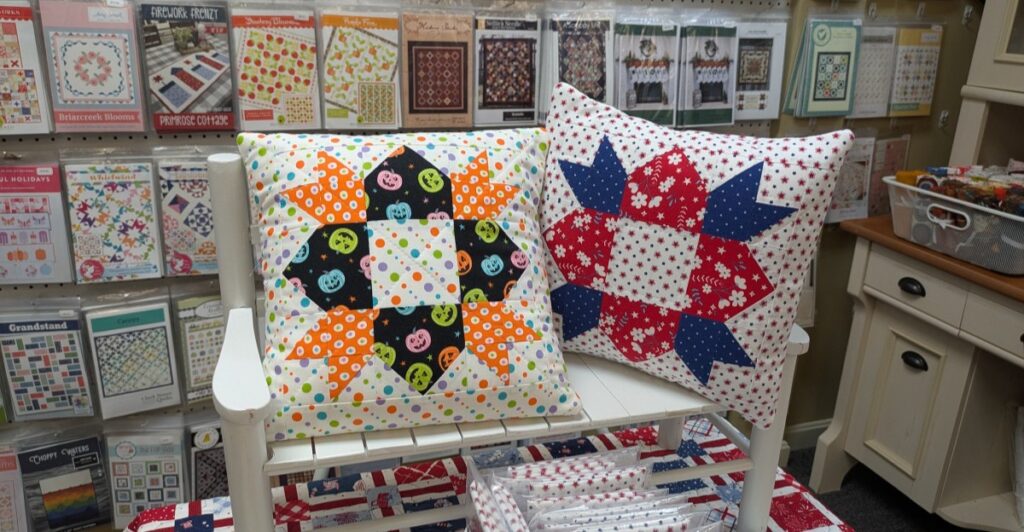
Cincinnati is known for its river views, old brick buildings in Over-the-Rhine, and busy spots like Findlay Market. Tucked between those famous places are small shops that sewing fans love to keep to themselves.
Some sell bright quilting cotton, some carry fine silks, and others fix machines so they hum like new. Whether you are making your first pillowcase or finishing a prize-worthy quilt, the right shop can make the whole project feel easier.
Good supplies matter because strong thread, sharp needles, and soft fabric help every stitch look better and last longer. Local shops also come with something big box stores rarely offer, which is friendly advice from people who sew every day.
Each stop on this list has its own personality, from cozy classrooms to wide aisles packed with color. Grab a tote bag, bring your project list, and get ready to meet the shops that make Cincinnati a wonderful place for makers.
1. Seams Sew Easy
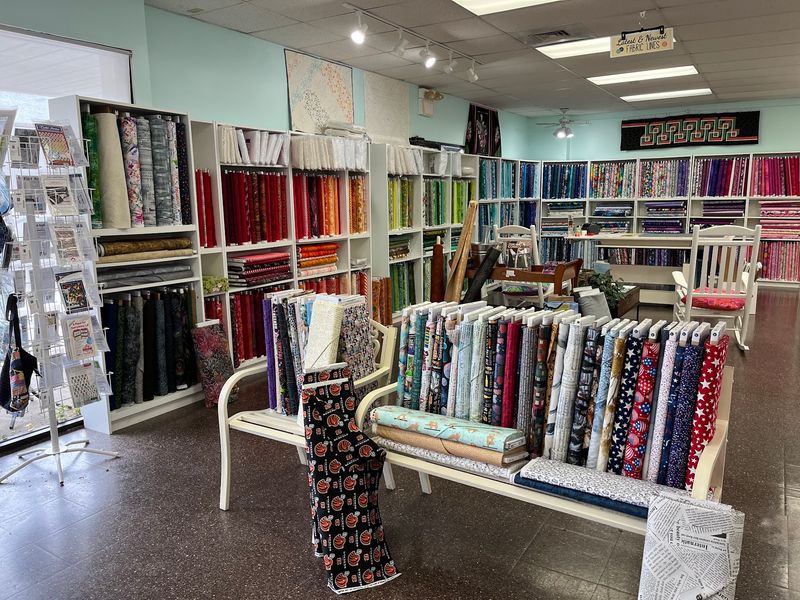
Picture walking in with a crumpled pattern and a whole lot of doubt, then walking out with a plan. That is the kind of feeling a shop like this is known for around Cincinnati.
The staff tends to welcome beginners as warmly as seasoned sewers.
Start with the fabric wall. Cotton prints, solid colors, and soft flannels are usually sorted so you can match shades without guessing.
Bring a swatch from home, hold it up to the bolts, and let the natural light help you decide.
Notions are another good reason to visit. Good scissors, seam rippers, rotary cutters, and measuring tools can change how a project feels in your hands.
Ask which ones the team uses at home, because honest favorites beat fancy packaging every time.
Classes are a big part of the draw. Many learners begin with simple projects like tote bags, pillow covers, or pajama pants.
A short lesson with someone patient can fix problems that would take weeks to solve alone.
Here is a handy trick for first-time visitors. Write down your project, the yardage on the pattern, and the width of the fabric before you shop.
If you are unsure, ask for a little extra, since shrinkage and cutting mistakes happen to everyone.
Prices are fair for the quality you get, and sale tables can hide real treasures. Check them first for remnants that work well for pockets, bags, and doll clothes.
Walk out with a few small pieces, and your scrap bin will thank you later.
Before you leave, ask about upcoming events or sewing groups. Meeting other makers is one of the best ways to stay motivated.
In a city full of creative energy, this stop helps your ideas turn into finished things.
2. HomeGrown HomeSewn
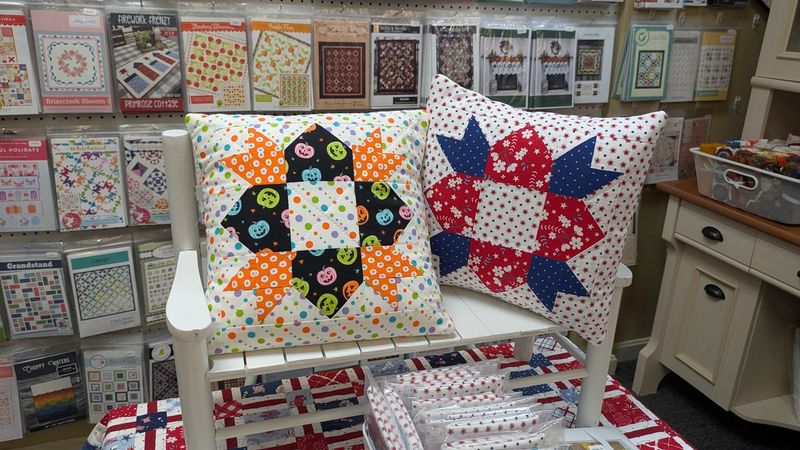
Some shops feel like stepping into a friend’s sunny craft room. This one leans into that homespun spirit, with a focus on making things yourself and enjoying every minute.
It fits right in with Cincinnati’s love of local, handmade goods.
Look for fabrics with a fresh, modern feel. Bold florals, playful geometrics, and earthy tones often share shelf space, so you can mix styles without much effort.
If you like unique prints, give yourself extra time to wander.
Many sewers come for the patterns and stay for the ideas. Clothing patterns, bag designs, and home decor projects are often displayed with finished samples.
Seeing a pattern made up in real fabric helps you picture the final result before you buy.
Thread and zippers may not sound exciting, but they hold everything together. Pick thread that matches the fiber of your fabric, and choose zippers a bit longer than you need so they are easier to handle.
The team can steer you toward the right weight if you are not sure.
Fun fact: the word handmade became popular again as people grew tired of items that all look the same. Sewing your own pillow or apron gives you something no one else owns.
That idea sits at the heart of this place.
Kids and teens can feel welcome here, too. Small starter kits and simple patterns make a great first project for a young sewer.
Pair a kit with a pack of sturdy needles, and you have a gift that lasts.
Leave with a little more than you planned, perhaps a fat quarter or a spool in a surprising color. Those extras often become the spark for your next project.
3. The Quilter’s Studio Of Loveland & QSL Workshop
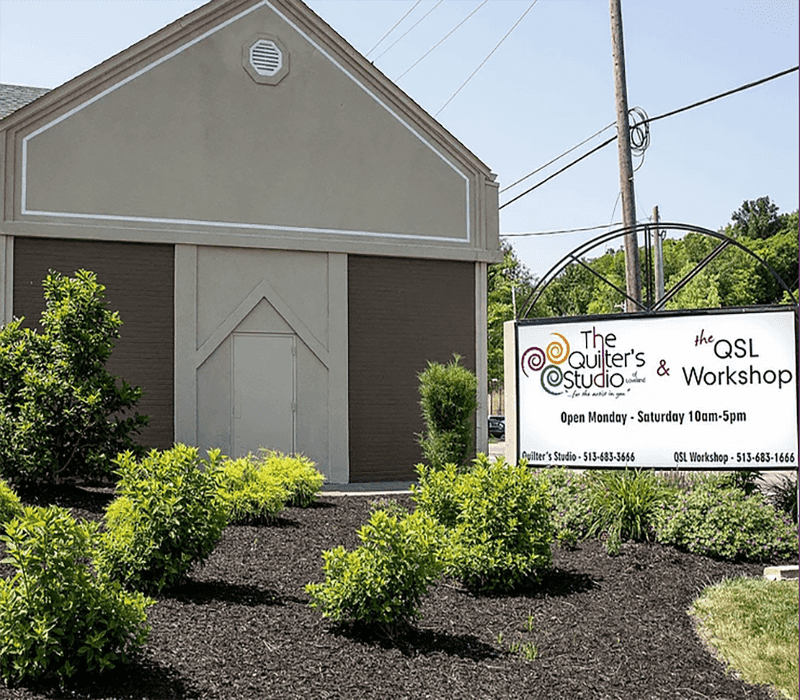
A quilt tells a story one patch at a time, and this studio seems to know that well. Just outside Cincinnati in Loveland, the shop pairs a full store with a separate workshop space.
That combination makes it a great stop for both shopping and learning.
The fabric selection is the first thing you will notice. Rows of quilting cotton are arranged by color, so building a palette feels like painting.
Grab a few bolts, stack them together, and step back to see what sings.
Quilters often say batting and backing can make or break a finished piece. Ask about cotton, wool, and blend options, since each one changes the weight and warmth.
A knowledgeable team member can explain which one suits a wall hanging and which one suits a bed quilt.
The workshop is where things get lively. Classes cover skills like piecing, binding, and free-motion quilting, and many are friendly to newcomers.
Working beside others makes tricky steps feel far less scary.
Do not skip the tools. Rulers, rotary mats, clips, and pins in good condition make cutting cleaner and seams straighter.
A sharp blade alone can save you from wobbly edges and wasted fabric.
Tip for planning: write down the finished size of your quilt, then add extra yardage for backing and binding. It is better to bring home a little too much than to run short midway.
Many shoppers keep the leftovers for future scrap quilts.
Leave time to admire the samples on display. They often spark ideas you can borrow, adjust, and make your own.
4. Stitches Quilt Shop
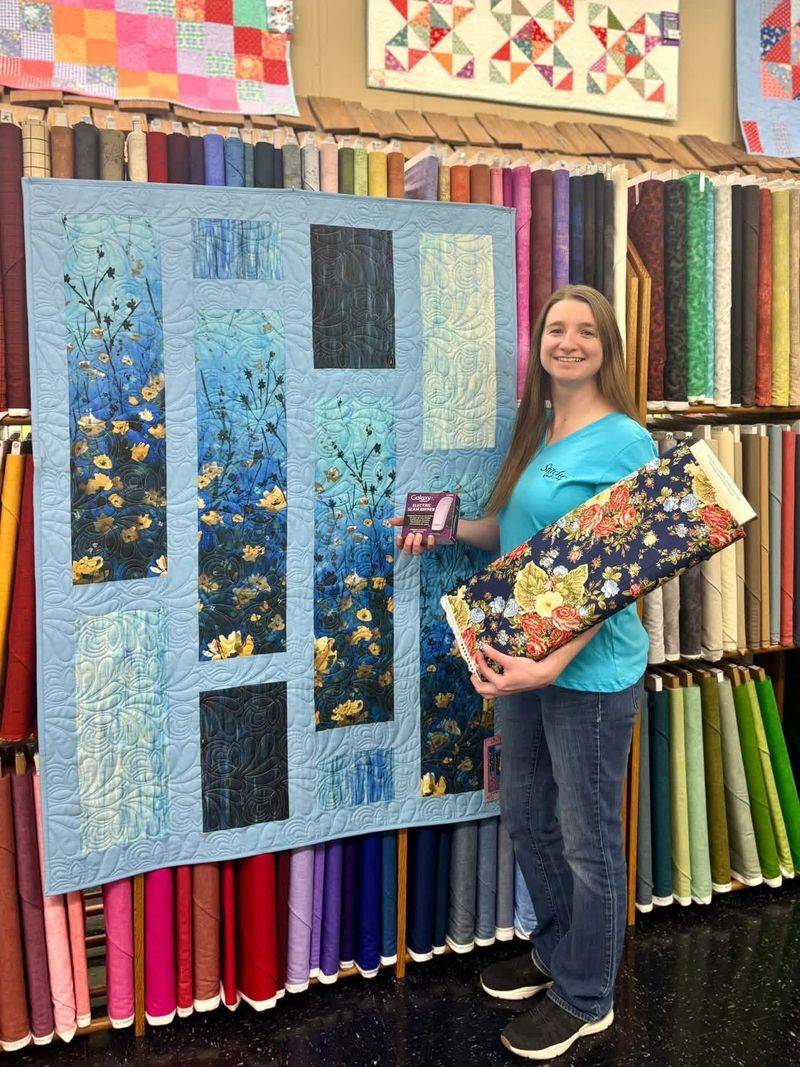
Ask any quilter about their favorite fat quarter bundle, and you will likely get a story. This shop is built for that kind of talk.
Shelves of folded fabric make it easy to browse, touch, and compare.
Quilting cotton is the star here, and the range of colors can feel like a box of crayons. Look for collections that pair well, such as soft pastels with crisp whites or deep jewel tones with warm neutrals.
Many shoppers pick one focus print and then build around it.
The thread wall deserves a slow look. Cotton thread is a favorite for piecing, while heavier threads shine for decorative stitching.
Matching thread to your fabric keeps seams smooth and helps your work last through many washings.
Staff members tend to enjoy helping with puzzle-like problems. If a block turns out too small or a corner will not line up, bring a photo or the piece itself.
A quick tip from an experienced quilter can save an entire evening of frustration.
Fun fact: quilts were once made mostly to keep families warm, and scraps were saved carefully. Today, quilters still love scrap projects, though now it is as much about creativity as it is about saving.
Ask for pre-cut strips and squares if you want to skip the cutting.
Patterns here range from easy baby quilts to detailed showpieces. Pick one that matches your time, since a smaller project can be finished sooner and boost your confidence.
You can always move on to something grander next.
Walk out with a small bundle and a big smile. Few things feel better than starting a new quilt with fabric you truly love.
5. Sew-Ezy Sewing Studio
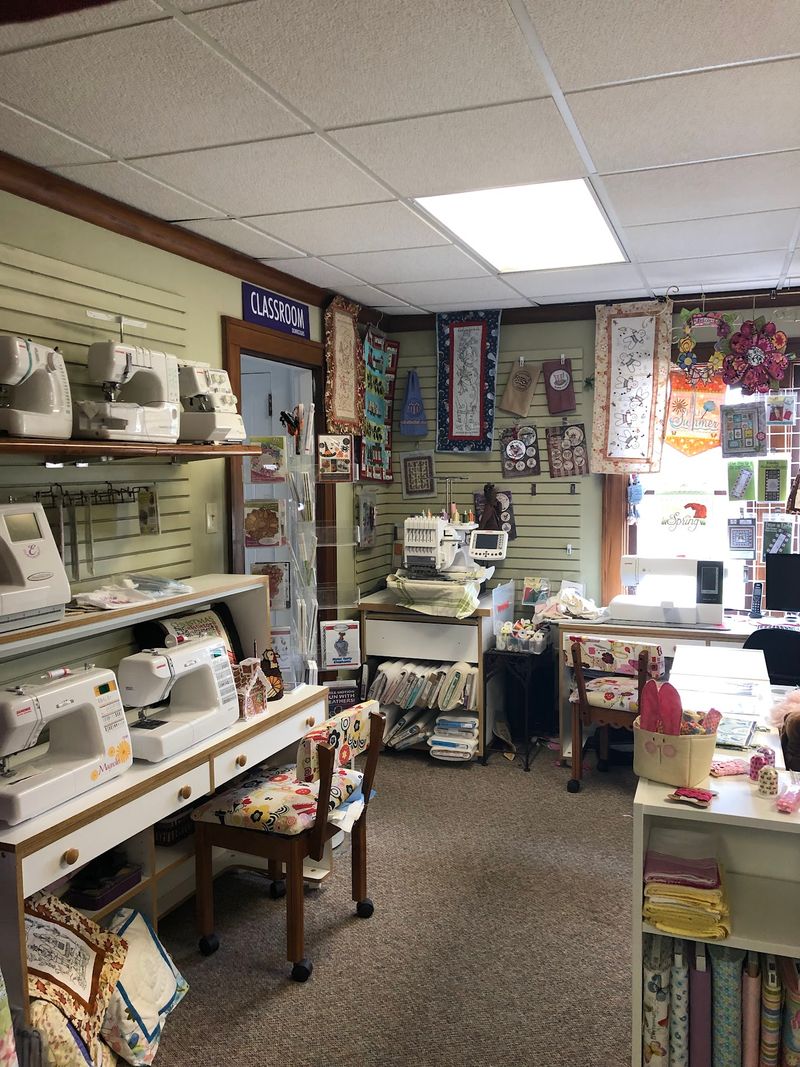
Here is a number worth remembering: most people can learn to sew a straight seam in a single afternoon. A studio like this one proves it.
The setting is relaxed, hands-on, and built for people who learn by doing.
Classes are the main attraction. You might start with machine basics, like threading, winding a bobbin, and adjusting stitch length.
From there, simple projects such as zipper pouches and skirts help build real skills.
Supplies are chosen with learners in mind. Sturdy scissors, clear rulers, and bright pins make early projects easier to manage.
If you are shopping for a gift, a basic sewing kit is a thoughtful choice for a new hobbyist.
Fabric selection leans toward friendly, forgiving materials. Cotton and linen blends are easier to handle than slippery silk or stretchy knits.
Start with those, and save the tricky fabrics for when your confidence grows.
One helpful habit the teachers often share is pressing as you go. Ironing each seam before moving on gives crisp results, even on a first project.
It takes a few extra minutes but makes your work look far more polished.
The studio also welcomes people who already own machines but feel stuck. Bring your machine, ask questions, and learn how to fix skipped stitches or tangled thread.
Many sewers find that a quick tune-up lesson changes everything.
Birthday parties and group sessions are popular, too. Gathering friends around a table of fabric makes a memorable day.
In a city that loves creative outings, this studio makes learning feel like play.
6. Silk Road Textiles
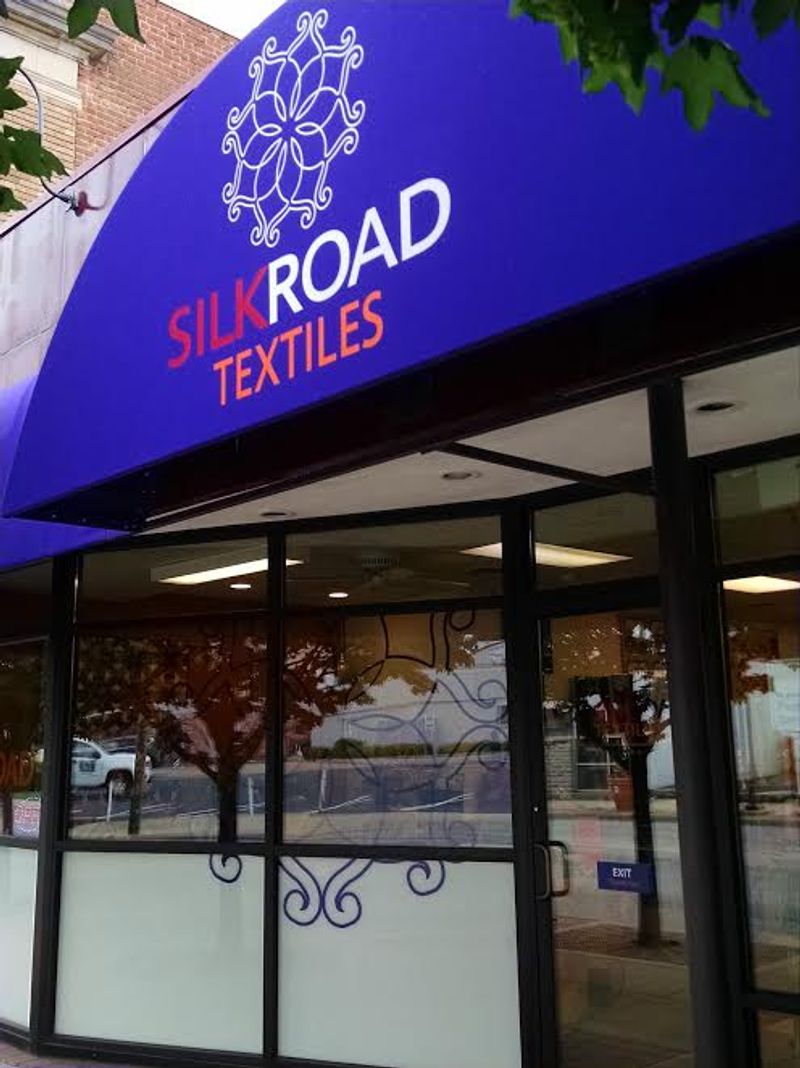
Silk has a way of making a room go quiet. Rolls of shimmering cloth in ruby, teal, and gold can stop a shopper in mid-step.
This shop is the place in Cincinnati to see fabric that feels like a small piece of art.
Fabrics from around the world are the draw. Silks, brocades, and woven cottons carry patterns with deep cultural roots.
Ask about where a textile comes from, and you may hear a story as rich as the cloth.
Working with fine fabric takes a gentle touch. Use sharp, fine needles and thin pins so you do not leave holes.
A tissue paper layer under slippery silk can keep it from shifting while you stitch.
Many sewers visit for special projects, such as wedding outfits, scarves, and costumes. Because these fabrics cost more, buy a little extra for mistakes, and always test a scrap first.
Washing instructions matter, so ask before you cut.
Color is where this shop really shines. Holding a swatch up to your skin tone or your room’s lighting helps you choose a shade that works every day.
Take a picture of your top choices and compare them at home.
Not every project needs to be big. A single yard of patterned fabric can become a lined pouch, a headband, or a framed piece of wall art.
Small purchases let you enjoy beautiful materials without a large budget.
Leave time to simply look, because inspiration hides in every corner. Even if you buy nothing, the visit can fill your head with fresh ideas.
7. Valley Quilts
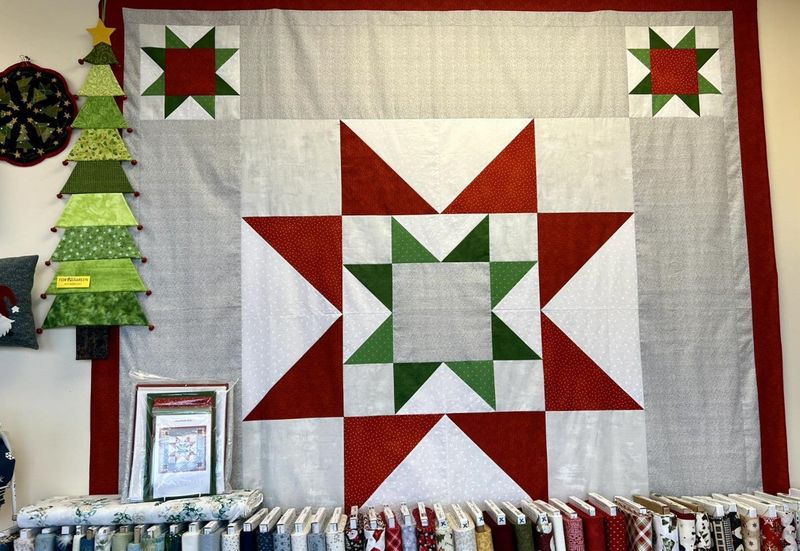
“Measure twice, cut once” is advice every quilter hears, and the folks here repeat it with a smile. Valley Quilts has a loyal following among people who love traditional patterns and fresh twists.
It feels like the kind of place where regulars know each other by name.
The fabric walls are organized so you can browse by color or by theme. Barn reds, sky blues, and garden greens sit near modern brights and crisp black and white.
That mix means you can build anything from a classic sampler to a bold, modern throw.
Patterns and books fill another section, and they are worth a slow flip-through. Look at the finished photos, then check the difficulty level.
If a quilt has many small pieces, plan extra time and patience.
Helpful staff can guide you on how much fabric to buy. A rule many quilters follow is to add about ten percent for mistakes and trimming.
It is a small step that saves a second trip.
Fun fact: the log cabin block, a favorite in quilting, was popular in the 1800s and is still loved today. Many shops, including this one, keep patterns that honor those old designs.
Try one and you will join a long line of makers.
Tools such as seam guides, pressing mats, and quilting gloves can make long sessions more comfortable. Choose items that fit your hands well, since you will hold them for hours.
Your wrists will appreciate the thought.
Before you go, ask about sample quilts and local guilds. Joining a group can lead to new friends and shared projects.
It is a cozy way to turn a hobby into a community.
8. Kramer’s Sew & Vac
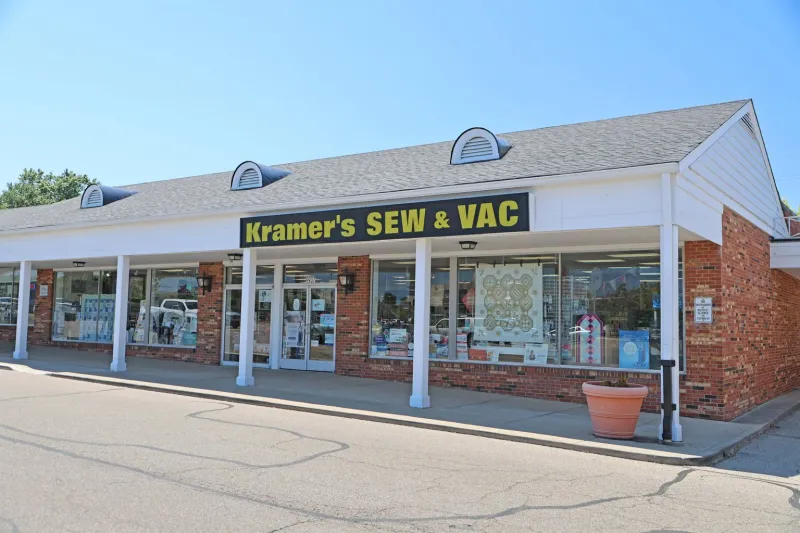
When a sewing machine starts to skip stitches, it can feel like a good friend has gone quiet. That is where a shop like Kramer’s earns its fans.
It blends machine sales, repairs, and supplies under one roof.
Choosing a machine is one of the biggest sewing decisions you will make. The team can show you the difference between simple mechanical models and computerized ones.
Try a few, sew on scrap fabric, and notice which one feels smooth and comfortable.
Repairs and cleaning are a major reason people stop in. Lint builds up inside machines over time, and regular servicing keeps them running well.
Many sewers schedule a checkup once a year, much like a car tune-up.
Small parts are easy to find here, too. Bobbins, presser feet, needles, and belts are all items you may need sooner than you think.
Bring your machine’s model number so you get a perfect fit.
A quick tip from the repair bench is to change your needle often. A dull needle can cause puckering, snagging, and noise, and it costs very little to replace.
Many repairs begin with something that simple.
The vacuum side of the business is handy for a sewing room. Threads and fabric bits get everywhere, and a good vacuum makes cleanup fast.
It is a sensible pairing for a crafty household.
Leave with answers, not just products. Whether you need a new machine or a rescued old one, this shop helps keep your sewing life running smoothly across Cincinnati.
Share this story