Imagine holding a creature that lived in an ancient sea hundreds of millions of years ago. At Fossil Park in Sylvania, Ohio, that can really happen, and it costs nothing.
Kids and grown-ups can dig through piles of rock and take home the fossils they find. Here are nine things to know before you grab your bucket and go.
1. A Free Trip Back In Time
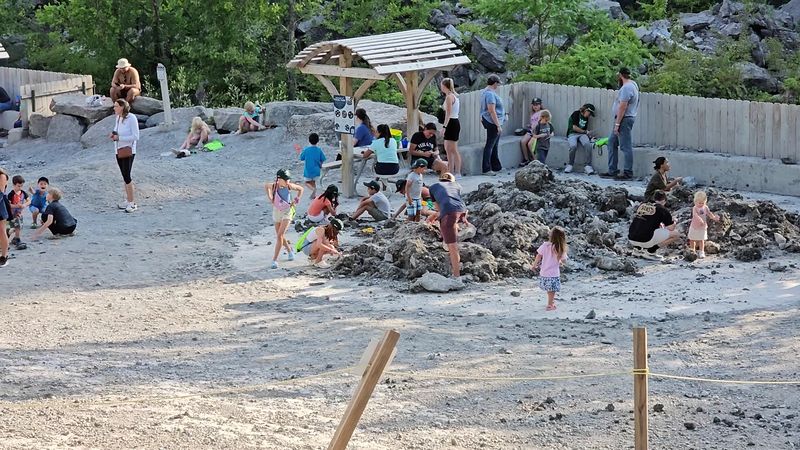
Few outings let you leave with a piece of ancient history in your pocket for zero dollars. Fossil Park does exactly that.
There is no ticket booth, no fee, and no sign-up sheet.
The rocks here came from a nearby limestone quarry and hold sea life that swam in warm, shallow water long before dinosaurs existed. Ohio was once covered by that sea, which is why the ground is packed with shells and tiny animals.
Visitors often say the very first rock they pick up has a fossil on it. One guest spent two hours digging and left with a respectable pile.
Whether you stay thirty minutes or five hours, the price stays the same, which makes this a wonderful choice for families watching their budget, teachers planning a trip, or curious adults who want a low-stress adventure.
2. Meet the Trilobite
Picture a bug-like sea creature with a hard, ridged shell and a body split into three sections. That is the trilobite, and its name literally means three lobes.
These animals crawled along the ocean floor for hundreds of millions of years.
Fun fact: trilobites shed their shells as they grew, so a single animal could leave behind many pieces. Some fossils you find may be just a tail or a head shield.
Finding a whole one is a real thrill, and people do find them here, though they are rarer than shells. One visitor spent five hours and came away with tons of other fossils but no trilobite, then vowed to return.
Keep your eyes open for tiny curved segments and a ribbed pattern in the gray stone.
3. Brachiopods, Crinoids, and Horn Coral
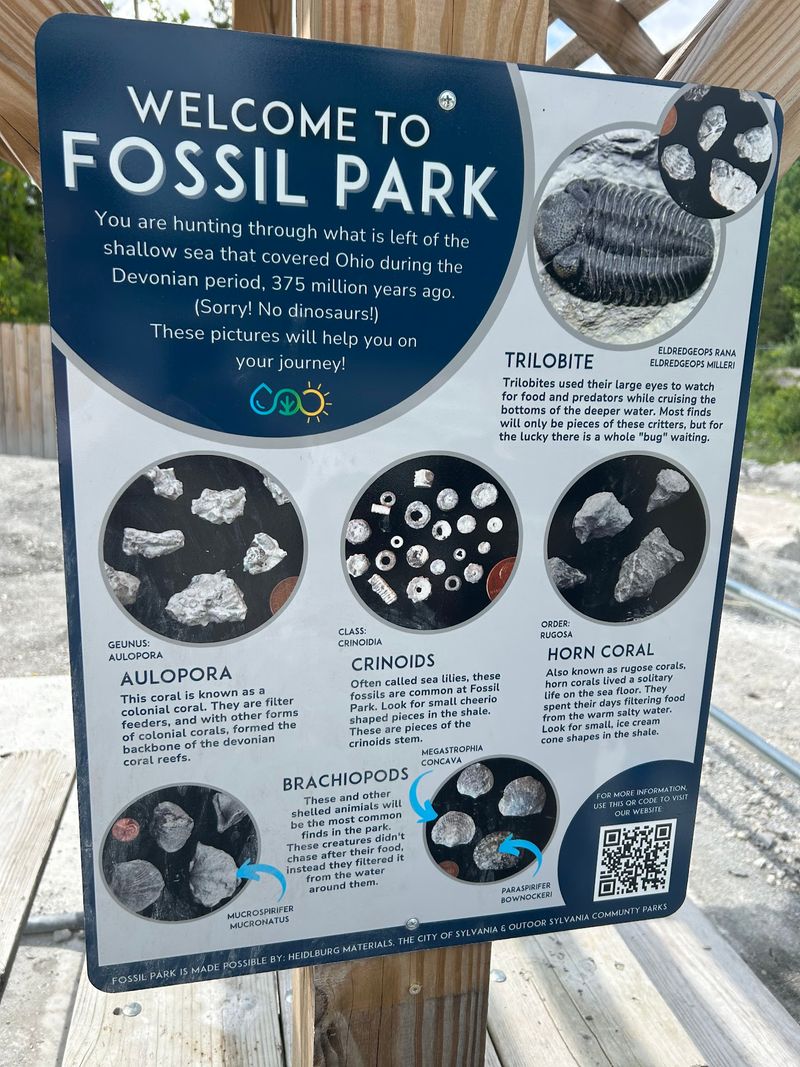
Trilobites may get the fame, but they are not the only stars. Most people head home with brachiopods, which look like little clams.
Some fans call the round ones walnuts because of their shape.
Crinoids are another common find. They were animals that looked like flowers on stalks, and their stem pieces appear as tiny discs or beads in the rock.
Horn coral is everywhere too. It looks like a small curved cone with fine lines inside.
One family reported tons of it in a single afternoon.
Learning these three shapes gives you a head start. Once your eyes know what to look for, the ground suddenly seems full of clues.
Try sorting your finds into groups on a picnic table and count how many kinds you collected.
4. How the Dig Area Works
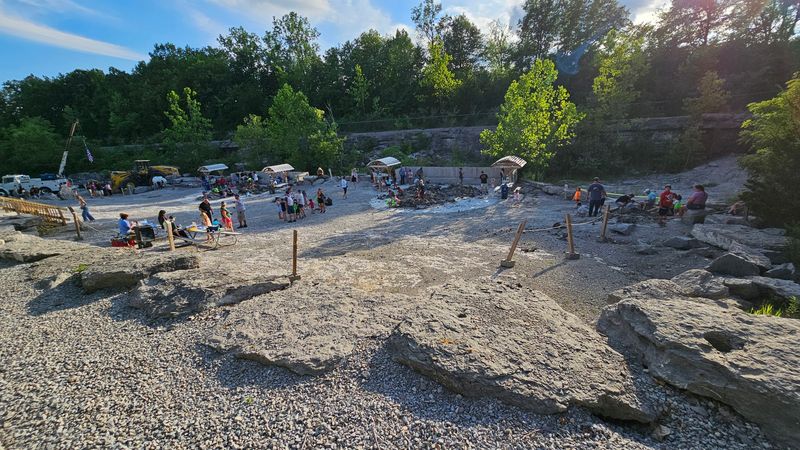
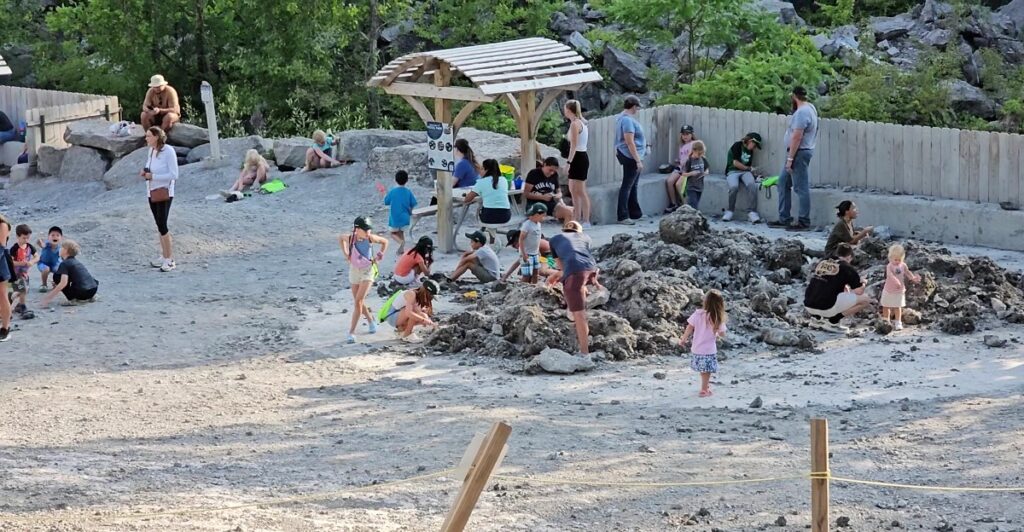
Do not expect a giant open pit. The dig zone is a modest roped-off area filled with piles of rock and dirt brought in from the quarry.
One visitor felt worried at its small size, then found a shell fossil on the very first stone.
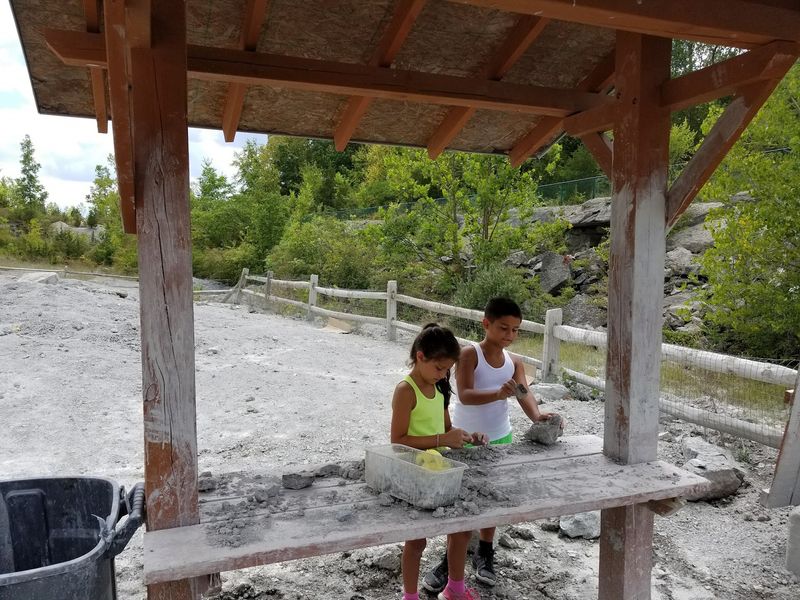
You simply walk in, choose a pile, and start turning over rocks. Split the flat pieces of shale gently, because fossils often hide between the layers.
Several families said opening the shale brought awesome surprises.
Timing matters. Piles get picked over as the season goes on, so many regulars suggest visiting after April but before July.
Damp ground is easier to dig, while very dry conditions make the work harder. If the piles look thin, try moving to fresh spots instead of staying in one place.
5. Rules About Tools and Takeaways
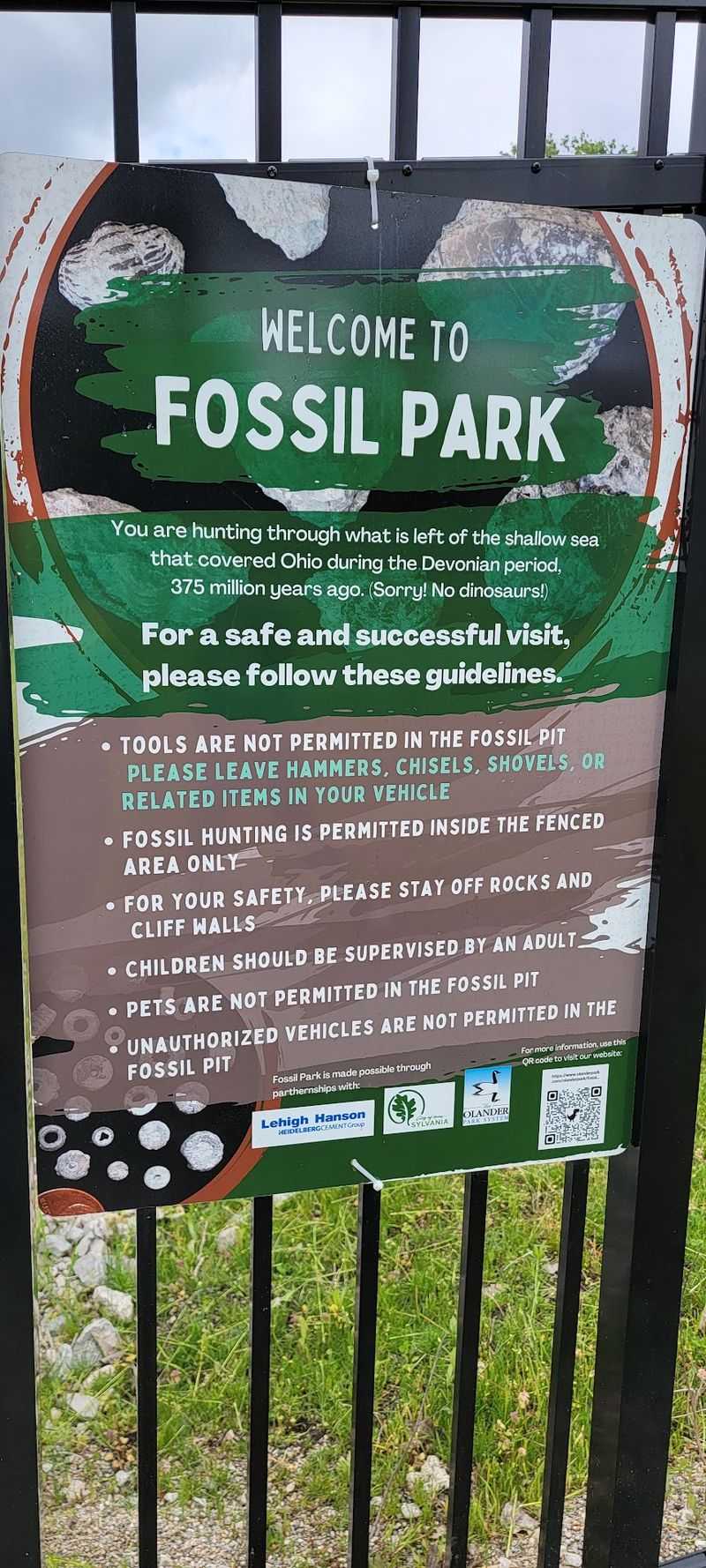
Here is the part that surprises many guests: metal tools are not allowed. The park wants to keep everyone safe, especially with lots of children around.
Some visitors wish they could bring hammers, and others find the rule frustrating with large slabs.
Plenty of people manage well without metal. Old toothbrushes, plastic scoops, and even a sturdy stick work for brushing and scraping.
One little girl used a stick and a dried flower head as her toolkit and stayed happy for hours.
As for taking fossils home, the guideline is simple. If you can carry it out yourself, it is yours to keep.
Check the park website or call before your visit, since rules can change, and follow posted signs and staff directions.
6. Friendly Volunteers Who Love Fossils
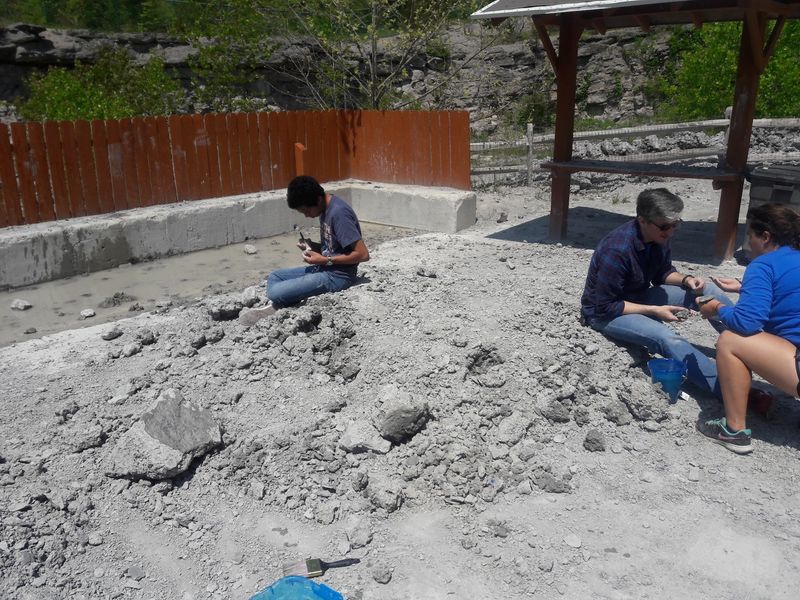
Ask almost any repeat visitor and they will mention the people. Volunteers and staff often stand near the dig area, ready to show you what to look for.
Reviewers have called them treasures for sharing so much knowledge.
One family said the gentlemen there listened to their children’s endless questions and never seemed rushed. Another guest learned the names of several shell types in a single afternoon and wished for a notebook.
Do not be shy. Hold up a strange rock and ask what it might be.
Posters around the park also explain geology and fossil identification, so you can learn even when nobody is nearby. Bring a small notebook or use your phone to jot down names, then compare them with your finds at home.
7. What to Wear and Pack
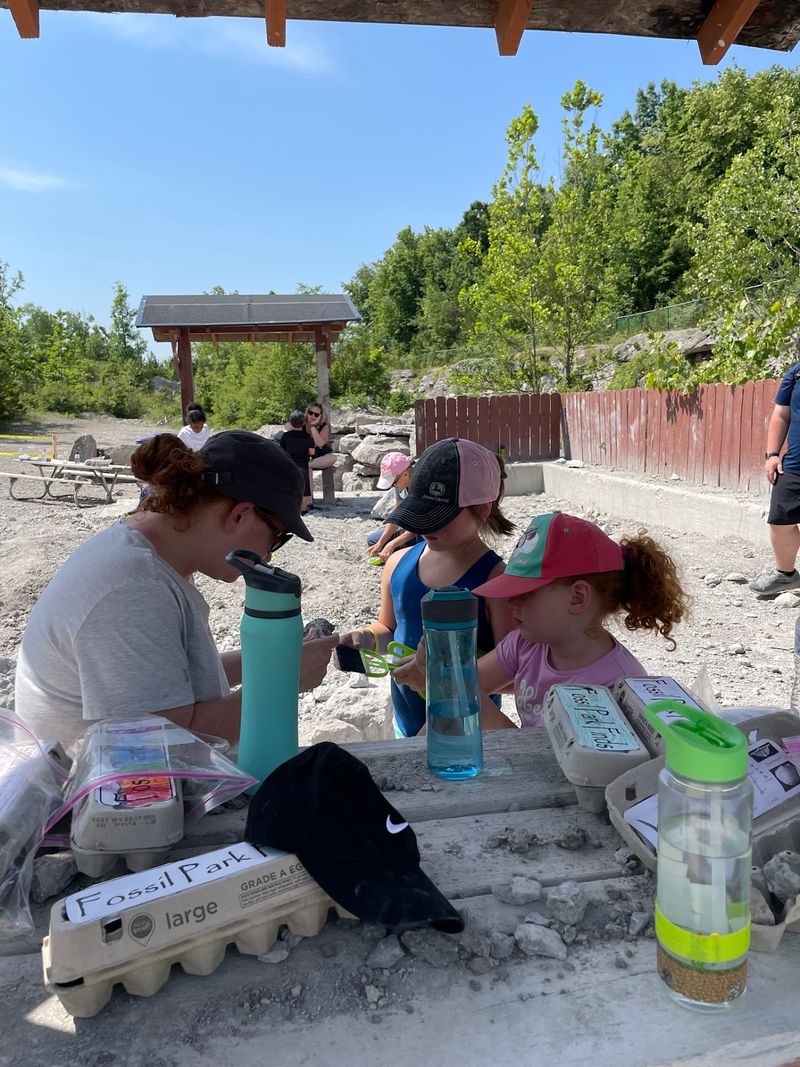
Clay sticks to everything. Ask the parents who reported kids covered head to toe.
Old sneakers, play clothes, and a spare outfit for the ride home will save your car seats.
Shade is limited around the dig, so sunscreen, hats, and plenty of cold water matter, especially in summer. Several guests said hot days cut their visit short.
A small bucket or box helps carry your treasures. Some people bring paper towels or bags to wrap delicate pieces, plus an old toothbrush and a plastic scoop.
Wet wipes are handy for sticky hands before snacks. After the hunt, rinse your finds at home with a soft brush and cool water.
Cleaning often makes tiny crystals shine and shells stand out beautifully.
8. More Than Digging: Trails, Picnics, and Climbing
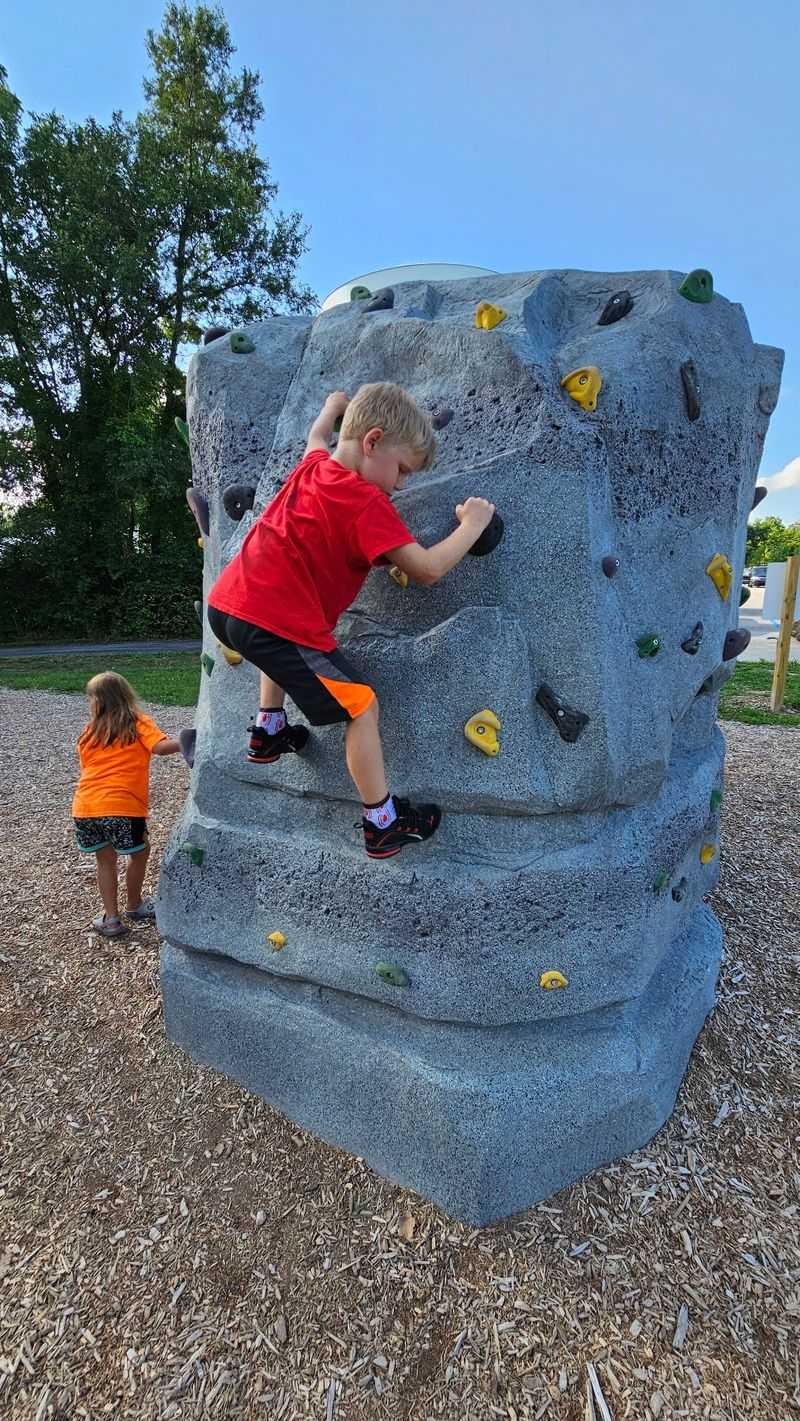
When little diggers need a break, the park has plenty to offer. A well-kept path lets you walk or bike, and it links nicely with nearby trails.
Reviewers describe the scenery as calm and pleasant.
Several covered pavilions with picnic tables give you a place to eat lunch and sort fossils out of the sun. A large group picnic area works for birthday parties or class outings.
Big climbing rocks near the parking lot burn off extra energy, though they suit older kids best. One parent called the park a great way to tucker out the children.
Restrooms get lots of praise for being clean, and the parking lot is huge. Together, these extras turn a quick dig into a full afternoon outing without much planning.
9. Planning Your Visit
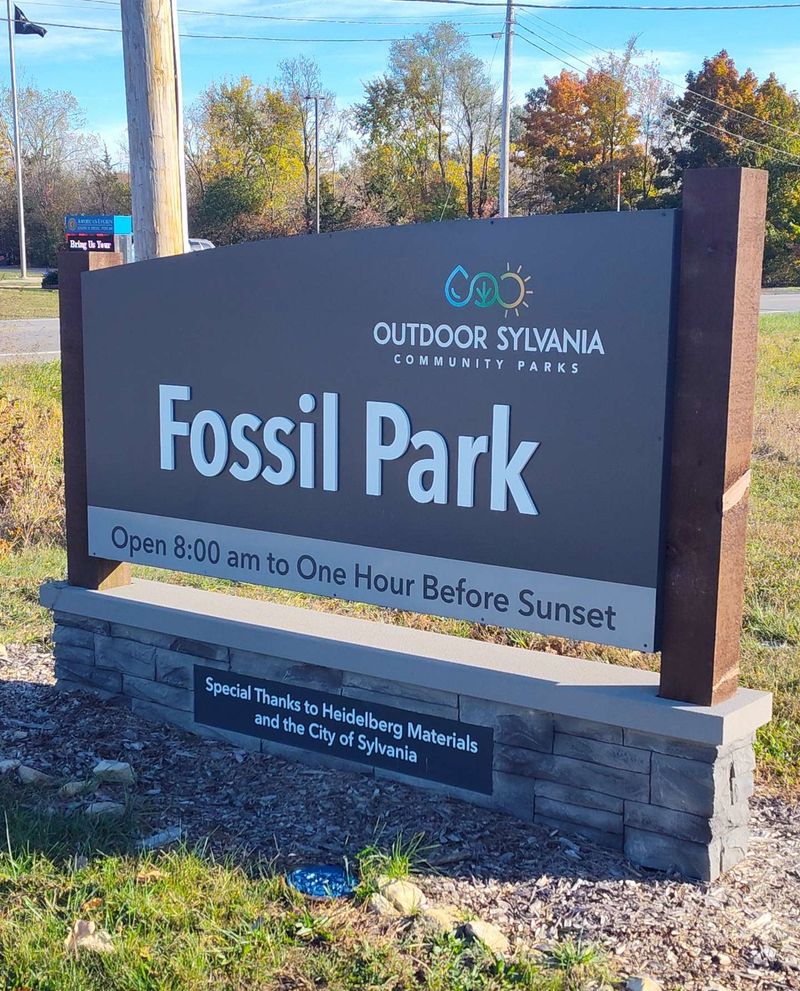
Fossil Park sits at 5705 Centennial Road in Sylvania, Ohio. It is open daily from 8:30 am to 5:30 pm, so you can go any day of the week.
Call 419-882-8313 or check the official website for updates.
Guests rate it about 4.3 stars from hundreds of reviews. Fans love the free fun, while a few felt underwhelmed when the piles were dry or picked over.
Go with realistic hopes and you will likely have a good time.
Spring and early summer seem to be the sweet spot, and cooler, damp days make digging easier. Weekday mornings can be quieter, since school buses sometimes arrive.
Set aside two hours or more, bring patience, and let the kids lead the search.
Share this story