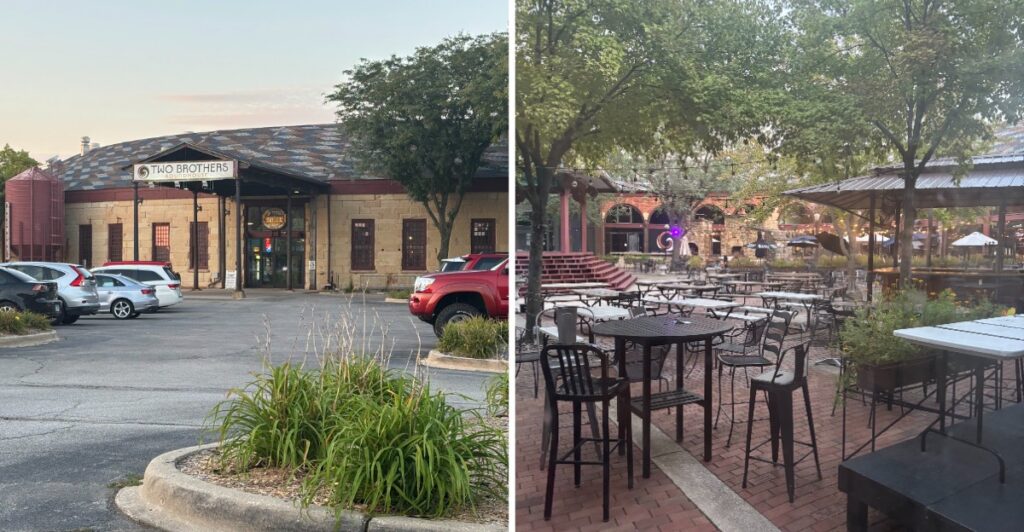
Steam locomotives once rolled through the massive doors of Aurora’s historic Chicago, Burlington, and Quincy Roundhouse, leaving behind a railroad legacy that remains visible more than 150 years later. Built in 1856, the distinctive limestone structure curves around what was once a working turntable, with its unusual shape immediately hinting at the building’s original purpose.
Today, the restored roundhouse has traded locomotive repairs for dining, live entertainment, and special events without erasing its industrial character. Look closely and reminders of its working railroad days still surround you. For architecture and train enthusiasts, this Aurora landmark turns an ordinary outing into a trip through Illinois history.
A Curved Wall of Batavia Limestone
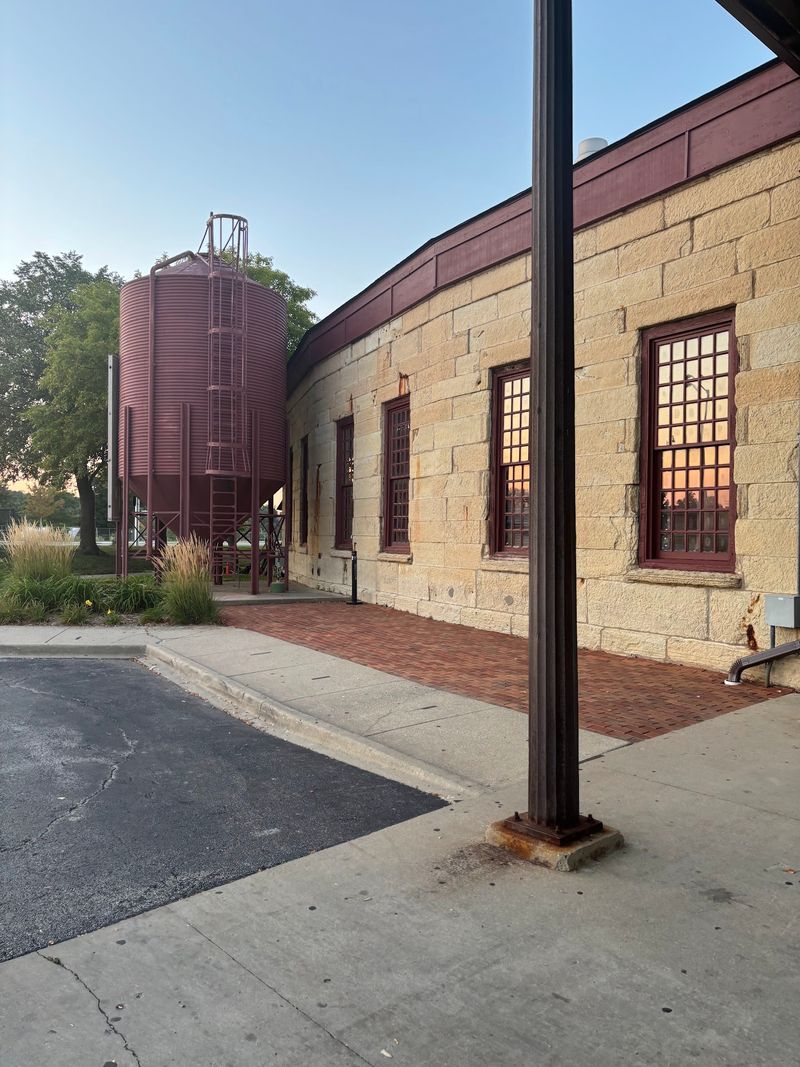
Picture a stone horseshoe big enough to hug a dozen steam engines. Drive down North Broadway in Aurora, and the roundhouse rises beside the street in a sweeping curve of pale, chunky limestone. Nothing else in the neighborhood is shaped quite like it.
The stone itself tells a local story. Builders used limestone quarried just up the Fox River in Batavia, so the walls are basically a piece of the surrounding landscape stacked into a building. Each block is rough and slightly uneven, with tan, gray, and cream tones that shift as the sun moves across the sky.
Look closely at the openings along the curve. Tall arched bays line the wall, one after another, like the gates of a giant stable. Back in the steam era, each of those bays welcomed a locomotive that needed cleaning, fixing, or a little rest between runs.
Why a circle at all? Roundhouses were designed around a turntable in the middle. A train engine would roll onto the turning platform, spin around, and then slide straight into whichever stall was free.
The curved shape kept every bay pointed at that center spot, which saved space and time. That clever layout explains why the building looks so different from a regular warehouse. There are no long straight sides to march along. Instead, your eyes keep following the arc, waiting to see where it ends.
For the best view, stand back near the parking area and take in the whole curve at once. Morning light warms the stone, while evening light makes the arches glow against darker sky. Phone cameras love this spot, so frame the bays in a row and let the curve lead toward the horizon.
Where Locomotives Once Got Their Tune-Ups
Grease, steam, clanging hammers, and the hiss of hot metal. That was the soundtrack here for decades, back when this building served as a working railroad shop for engines passing through Aurora.
The roundhouse was built to keep trains healthy. Steam locomotives were tough machines, yet they needed a lot of care. Boilers had to be cleaned, wheels checked, and parts replaced, and all of that work happened inside these stalls.
Think of it as a car garage, only scaled up for machines weighing many tons. Workers would climb under, around, and on top of the engines. The stone walls held in some warmth during cold Illinois winters, which mattered when crews spent long hours on the job.
Aurora grew partly because of the railroad. Trains carried people and goods between farms, towns, and Chicago, and a town with a repair shop became a busy place. Jobs at the shop helped families settle in the area and build lives nearby.
The original line connected with what became the Chicago, Burlington, and Quincy Railroad, a major name in Midwest rail history. Over time, the railroad expanded, and the roundhouse became one piece of a much bigger network stretching across the region.
Steam engines eventually gave way to diesel ones, and repair needs changed. Many roundhouses across America were torn down once they stopped being useful. This one survived, which is a big reason it earned a spot on the National Register of Historic Places.
Standing inside today, try to imagine the noise. Picture a black engine puffing smoke, easing backward into a bay, while a worker waves it in. The space is quieter now, but those same walls watched it all happen.
Track Ends, Pulleys, and Other Clues to Spot
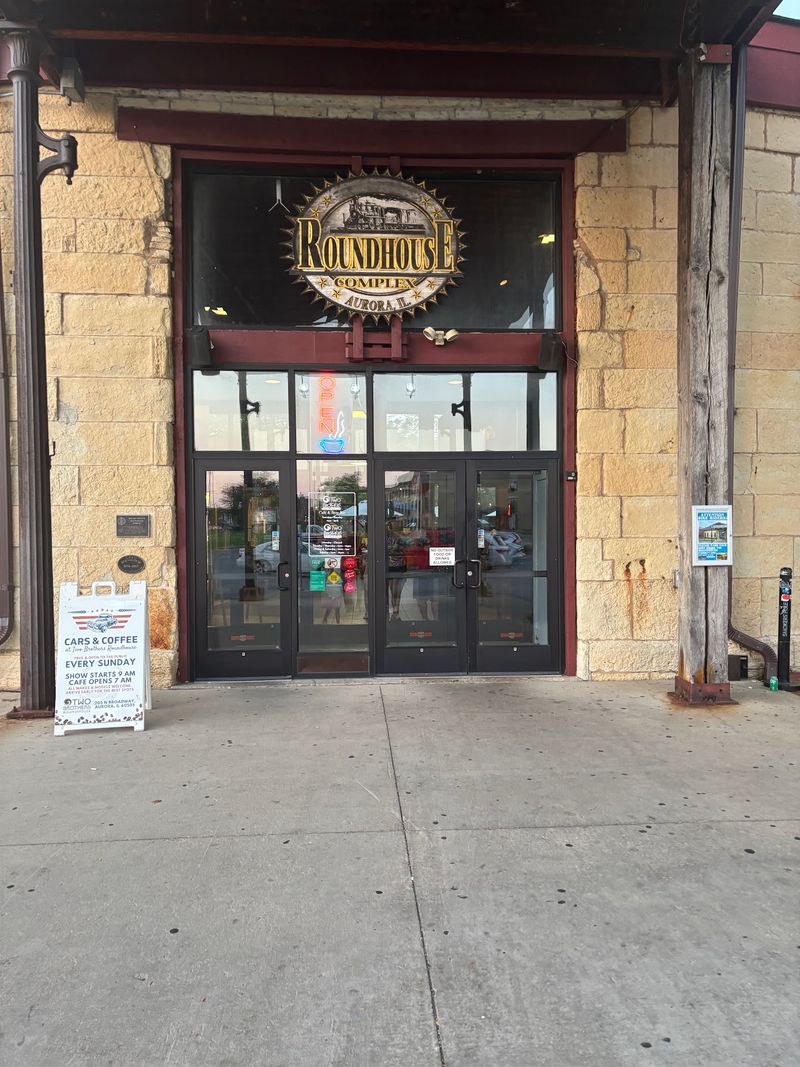
Treasure hunters, this section is for you. The roundhouse has been renovated, yet small pieces of its railroad life were left behind on purpose, and spotting them turns a regular visit into a mini scavenger hunt.
Start at the bays. Each of the original train stalls has short track endings sticking out, like the building is still waiting for an engine to roll in. These steel stubs are easy to miss if you walk too fast, so slow down and glance toward the floor near the openings.
Next, look up. In a few spots where there is no finished ceiling, old pulleys still hang from the structure. Workers once used equipment like this to lift heavy engine parts, which could weigh far more than any person could carry.
Then check the walls themselves. Thick stone, deep window wells, and worn edges show how long this place has been standing. Some surfaces look smooth from years of use, while others still show the rough cut of the original limestone.
A fun challenge for families is to count how many railroad clues each person can find. Kids tend to notice the track pieces first. Adults often catch the pulleys or the way the beams fan out toward the center of the curve.
Pay attention to the floor plan too. The rooms still follow the wedge shapes of the old stalls, narrower at one end and wider at the other. Walk from the inner side to the outer wall, and the space slowly opens up around you.
None of these details come with flashing signs. That is the fun part. Keep your eyes moving, and the building quietly reveals how it used to work.
From Rail Yard to Walter Payton’s Vision
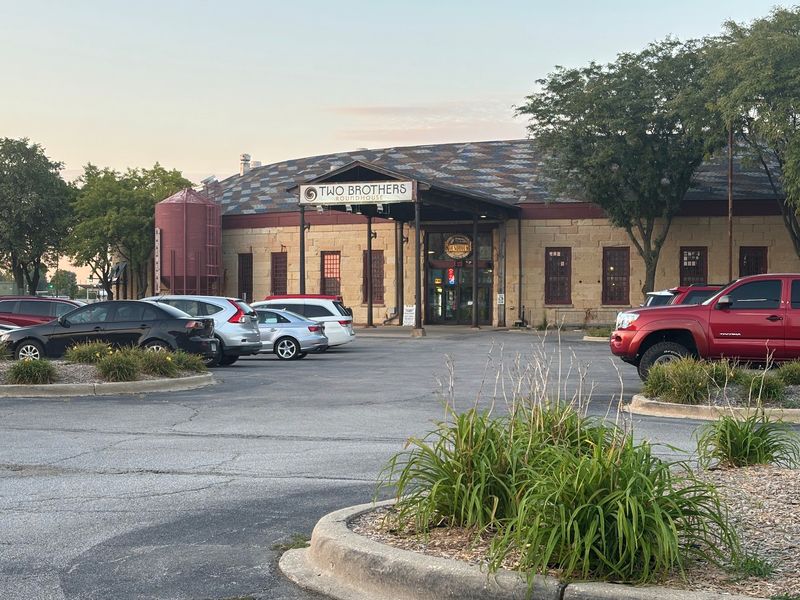
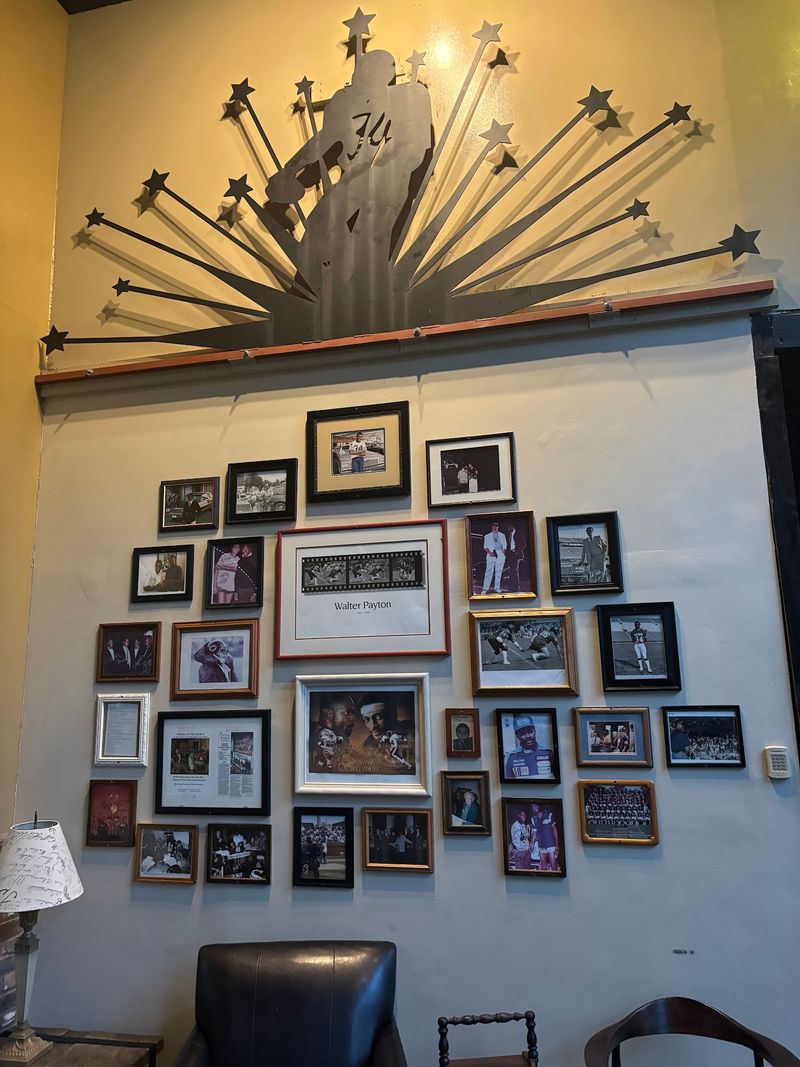
Here is a twist few people expect. After the trains left, this railroad shop sat waiting for a new purpose, and one of its later owners was Walter Payton, the legendary Chicago Bears running back.
Old industrial buildings often face a tough choice. They either get torn down or find a new job. The roundhouse got lucky, because people saw value in its stone walls and unusual shape instead of seeing only an old, empty shell.
The renovation turned the space into a place for food and gatherings while keeping the historic bones. Thick walls stayed. The curve stayed. Railroad hints, like the track ends and pulleys, stayed too.
Football fans in Illinois still talk about Payton with huge respect, so his connection adds a fun layer to the building’s story. A sports hero and a steam-era repair shop make an unlikely pair. Somehow, the mix fits a town that loves both its history and its Chicago teams.
Today the property is home to Two Brothers Roundhouse, which runs a restaurant, cafe, distillery, music space, and event rooms across roughly 70,000 square feet. That is a lot of room for one historic structure, and every section reuses the old layout in a different way.
Adaptive reuse is the official name for this kind of project. Instead of building something brand new, people give an old building a fresh role. It saves history, and it also keeps a landmark active and cared for.
Nearby, an exhibit in the railroad station area shares a photographic history of the railroad and the roundhouse. Old photos make a great before-and-after comparison, so stop by and match the pictures to the walls in front of you.
Dinner Around the Old Turntable
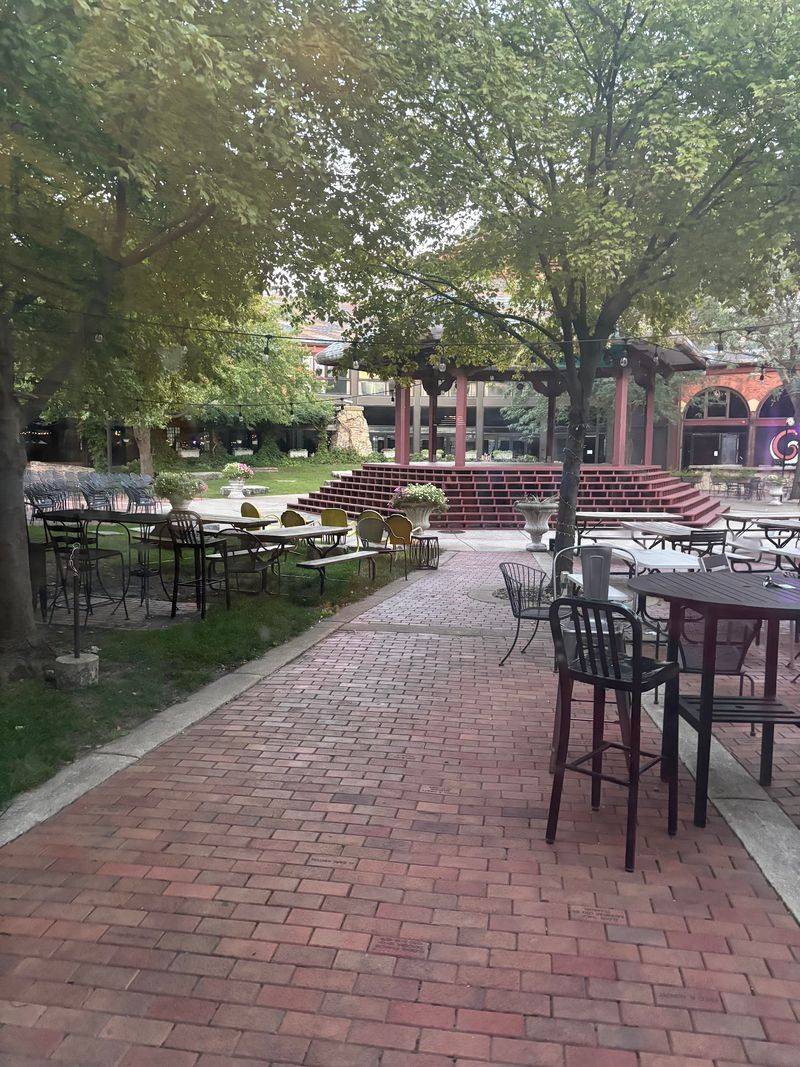
Grab a seat in the exact spot where giant engines used to spin. The center of the roundhouse, once home to the locomotive turntable, now holds a gazebo surrounded by a lovely outdoor dining area.
This is the heart of the whole design. The curved stone building wraps around the courtyard, so diners are hugged by history on nearly every side. The arrangement gives the space a cozy, enclosed feeling, a little like eating in a European plaza.
Warm evenings are prime time out here. Lights glow against the limestone, conversations drift between tables, and the arches turn darker as the sky fades. On cool nights, indoor rooms with a fireplace and bars offer a toasty backup plan.
Food is a big draw. Two Brothers is known for its beer roots, and the menu pairs well with a casual night out. Roasted Brussels sprouts have earned a loyal fan club, so put them near the top of the order list.
Inside, some rooms show off vintage bars and old-style decorations that match the building’s age. Wood, metal, and stone work together without feeling fussy. Even a regular weeknight dinner gets a dose of railroad style.
Families can enjoy the setting too. Kids can look for the track ends between bites, and the courtyard gives everyone a little elbow room. Adults can sample drinks made on site, since the property includes its own distillery.
Timing helps. Weekend evenings get busy, especially when events are happening in other parts of the building. A slightly earlier dinner usually means an easier time grabbing a courtyard table before the lights come on and the crowd rolls in.
Planning a Visit or Event in Aurora, Illinois
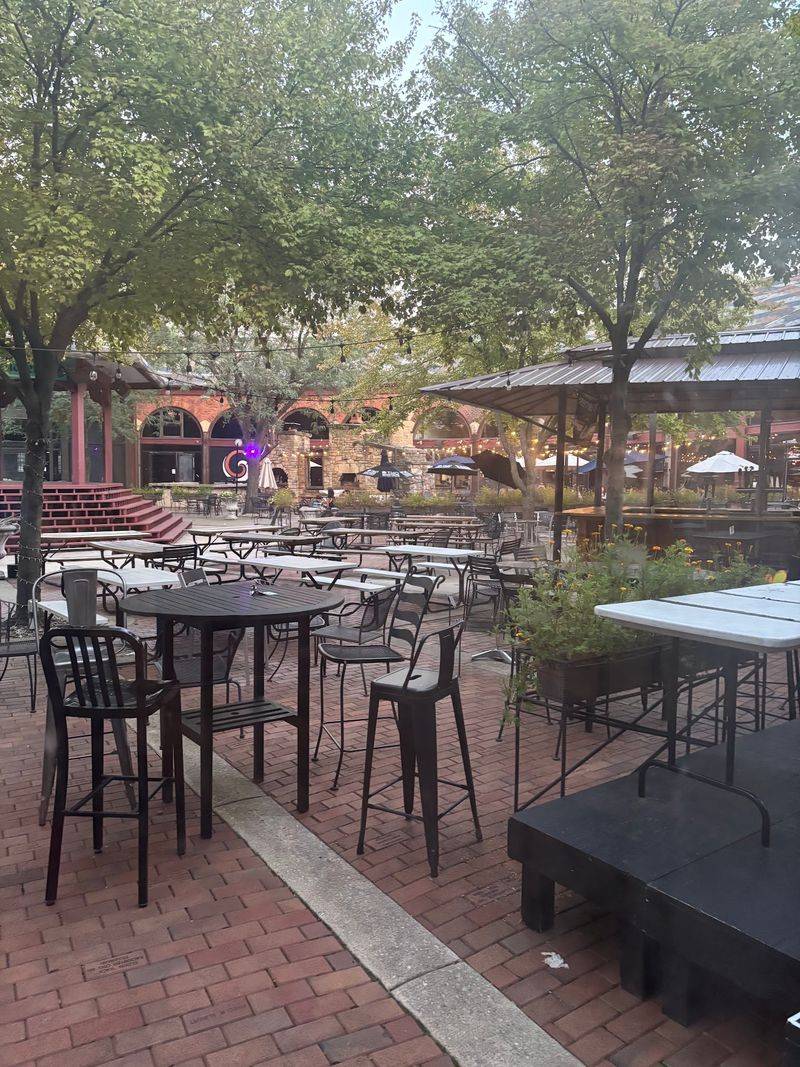
Practical folks, start here. The roundhouse sits at 205 N Broadway in Aurora, close to the Fox River and an easy drive from Chicago’s western suburbs. Plenty of parking makes arriving simple, even when events are underway.
Different visits call for different plans. A quick lunch or coffee works great at the on-site cafe. A longer evening might mean dinner, a drink, and a slow stroll around the curve to spot the railroad leftovers.
Big celebrations are a major part of life here. The building hosts weddings, banquets, meetings, and parties, with spaces ranging from private rooms for about 50 people to a ballroom with an illuminated outdoor terrace that fits up to 250 guests.
Event planners appreciate how much is handled on site. Catering, bar service, tables, chairs, linens, and dishes are available, and setup and cleanup are part of the package. WiFi is available too, which helps for business gatherings.
Couples searching for a wedding venue with a story should take notice. Exchanging vows inside the oldest limestone roundhouse in the country makes for great photos and even better conversation. Stone walls and arched bays create backdrops that need very little extra decoration.
Small surprises pop up as well. A barbershop has operated within the property, showing how the space has hosted all kinds of local businesses over the years. Check what is open before you go, since offerings can change.
Seasons shape the experience. Summer brings courtyard dining and terrace parties, fall adds crisp air and cozy fireplace evenings, and winter turns the indoor rooms into warm hideouts. Spring is a sweet spot for quieter visits before wedding season fills the calendar.
Why Aurora Kept Its Stone Giant
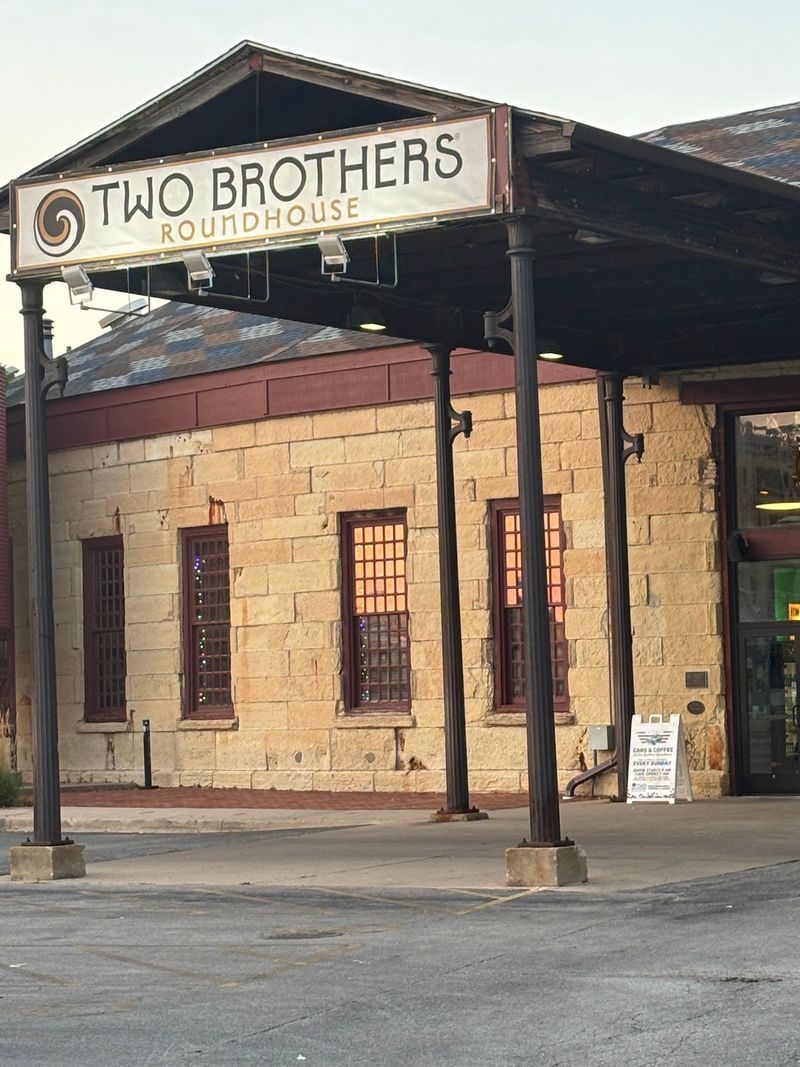
Plenty of American towns once had a roundhouse. Very few still do, and almost none can claim one that dates back to 1856 and is built from local limestone. Aurora can, and that alone makes this building rare.
Survival took more than luck. Somebody had to decide the old shop deserved saving, then spend the money and effort to repair it. Listing on the National Register of Historic Places helped recognize its value on a national level.
Locals who grew up in Aurora often have deep ties to the place. Some remember visiting again and again over the years, watching it change while the walls stayed the same. Landmarks like this become part of a community’s shared story, a spot where birthdays, first dates, and family dinners pile up.
The building also teaches without lecturing. A kid eating dinner in the courtyard can learn what a turntable did just by looking around. A curious adult can trace how railroads helped shape small Midwest cities, all while waiting for an appetizer.
Compare that to reading about steam trains in a textbook. Here, the history is under your feet and over your head. The track stubs, the pulleys, and the curved stalls turn a lesson into something you can actually touch.
Fresh uses keep the building alive. Music nights, weddings, and busy dinners bring in new faces who might never visit a museum. Each visit adds money, attention, and care that help protect the stone walls for future generations.
So next time you roll through Aurora, swing by North Broadway. Find the arches, count the bays, and stand where the engines once turned in a slow, steady circle.
Share this story