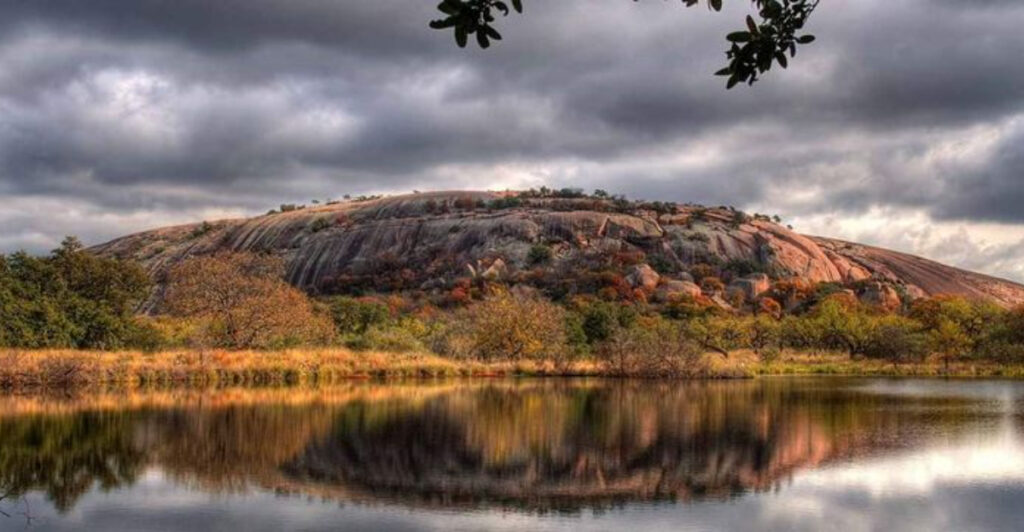
Rising 425 feet above the Texas Hill Country, Enchanted Rock looks like something straight out of a sci-fi movie. This massive pink granite dome near Fredericksburg has been drawing adventurers, hikers, and curious visitors for centuries with its otherworldly appearance and challenging terrain. Whether you’re planning your first visit or returning for another climb, understanding what makes this geological wonder so special will help you make the most of your trip to one of Texas’s most unique natural landmarks.
1. That Massive Pink Granite Batholith Everyone Talks About
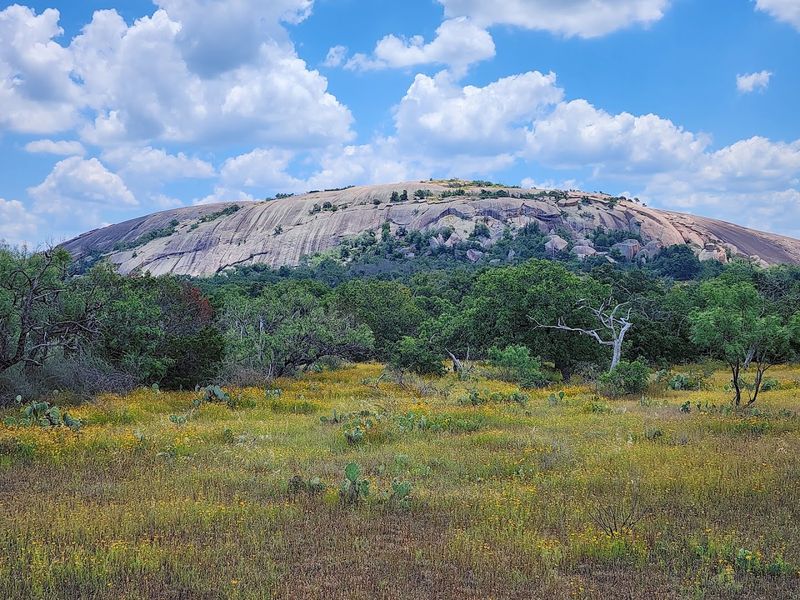
Geologists get excited when they see Enchanted Rock, and for good reason. This isn’t just any old hill—it’s a batholith, which means it formed underground over a billion years ago when molten rock slowly cooled beneath the Earth’s surface. Erosion eventually stripped away the softer surrounding material, leaving this massive dome of solid granite exposed.
The pink color comes from the specific minerals in the granite, mainly feldspar, which gives the rock its distinctive salmon hue especially during sunrise and sunset. When you’re standing on top, you’re literally walking on rock that’s older than most fossils you’ll ever see.
What really sets this formation apart is its sheer size and smooth surface. The dome covers 640 acres and rises to 1,825 feet above sea level. Unlike many mountains with jagged peaks and rough terrain, Enchanted Rock features surprisingly smooth slopes that make the climb challenging but doable for most fitness levels.
The rock also makes creaking and groaning sounds at night as it cools and contracts after heating up all day. Early Native American tribes found this phenomenon so mystical they believed spirits inhabited the rock. That’s actually how it got its enchanted name, and when you hear those eerie sounds yourself during a camping trip, you’ll understand why.
2. Summit Trail That Tests Your Leg Muscles
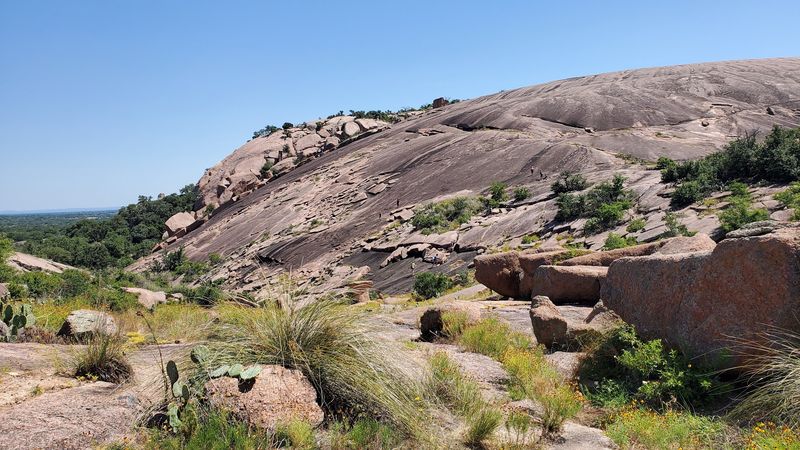
The Summit Trail is what most people come here to conquer, and it delivers exactly what you’d expect from a giant rock climb. Starting from the parking area, this trail takes you straight up the dome’s face in about half a mile. Don’t let that short distance fool you—the elevation gain hits hard, especially when the Texas sun is beating down on that exposed granite surface.
Most visitors complete the climb in 20 to 40 minutes depending on fitness level and how many photo breaks they take. The trail itself doesn’t require technical climbing skills, but you’ll definitely feel the burn in your calves and thighs. Good hiking shoes with solid traction are essential because while the granite provides decent grip when dry, it can get slippery.
Once you reach the summit, you’re rewarded with 360-degree panoramic views of the Hill Country that stretch for miles. On clear days, you can see the surrounding smaller domes, valleys, and even spot wildlife below. The summit area is surprisingly spacious, giving everyone room to spread out and enjoy the scenery.
Early morning climbs offer cooler temperatures and stunning sunrise views, while sunset hikes provide magical golden hour lighting. Just remember that descending in darkness requires extra caution and a good flashlight. Park rangers recommend starting early to beat both the heat and the crowds that typically arrive after 10 AM.
3. Loop Trail Adventures Through Echo Canyon
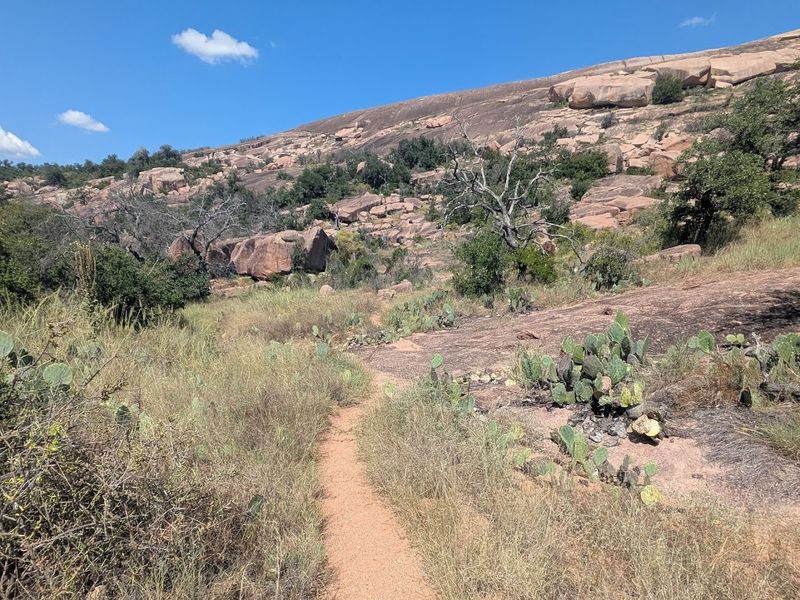
Echo Canyon offers a completely different experience from the summit climb. This section of the Loop Trail takes you between towering granite formations where the acoustics create natural sound amplification. Kids love testing out the echo effect, and honestly, so do adults.
The Loop Trail itself spans about 4 miles and provides a moderate alternative to the straight-up summit route. You’ll wind through varied terrain including the canyon, around the base of the dome, and past interesting geological features. Many families choose this option because it offers adventure without the intense cardio workout of the summit.
Inside Echo Canyon, you’re walking between massive boulders that have split off from the main formation over millions of years. The narrow passages and towering walls create a completely different atmosphere from the exposed dome surface. During hot days, the canyon provides welcome shade and noticeably cooler temperatures.
Some sections require scrambling over rocks and navigating uneven terrain, making it slightly more technical than the Summit Trail in spots. The payoff includes discovering small caves, interesting rock formations, and unique plant life that thrives in the shaded microclimate. Combining the Loop Trail with the summit climb takes most hikers about three to four hours total, creating a satisfying half-day adventure that showcases multiple aspects of the park’s geology and natural beauty.
4. Those Tiny Tidal Pools Full of Surprises
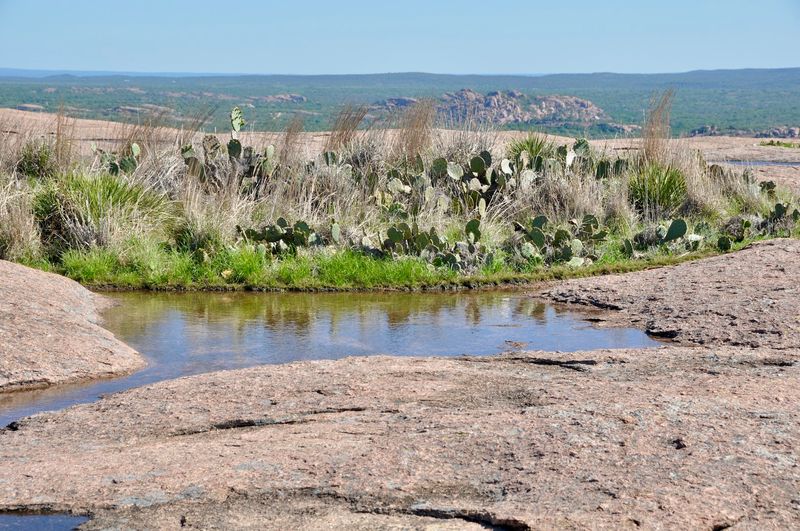
Scattered across the dome’s surface, small depressions collect rainwater and create miniature ecosystems called vernal pools. These temporary habitats might seem insignificant at first glance, but they’re actually fascinating little worlds supporting specialized plants and creatures that have adapted to survive in harsh conditions.
During wetter seasons, these pools fill with water and come alive with fairy shrimp, tadpoles, and various insects. Specialized plants grow around the edges, taking advantage of the moisture while they can. The whole system operates on borrowed time since the pools evaporate when dry weather returns.
What makes these pools remarkable is their resilience. The organisms living here have evolved strategies to survive complete drying. Some produce drought-resistant eggs that can wait years for the next rainfall.
Others complete their entire life cycle in just a few weeks before the water disappears.
Rock rose and other specialized vegetation create green patches against the pink granite, making the pools easy to spot from a distance. Photographers love capturing these contrasting colors and the miniature landscapes they create. Just remember to look but don’t touch—these fragile ecosystems are easily disturbed, and stepping in the pools can destroy months of growth.
The pools also provide important habitat for migrating birds and other wildlife that depend on these water sources in an otherwise dry landscape.
5. Cave System That’s Not for the Faint of Heart
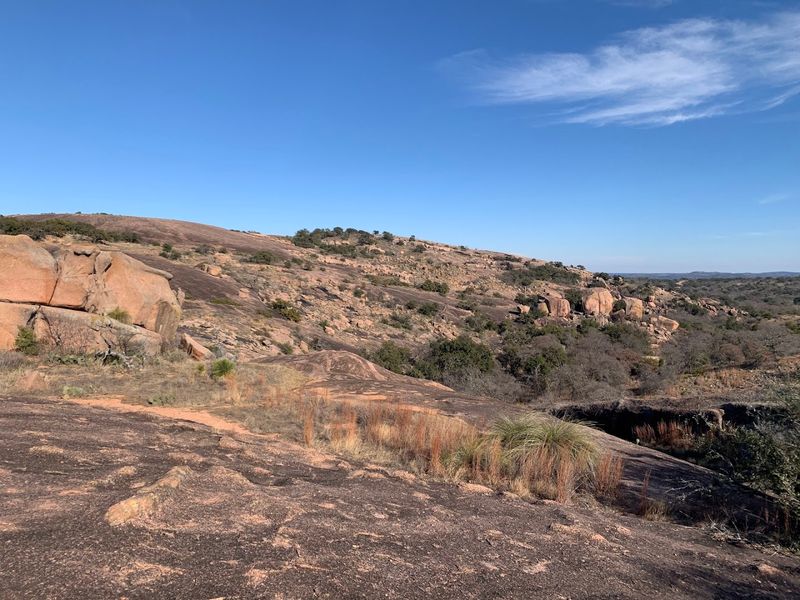
Finding the cave entrance requires some detective work. After reaching the summit, look for a pile of boulders on the opposite side from where you climbed up. Squeeze between these massive rocks and you’ll discover passages leading into a surprisingly complex cave system that most casual visitors never explore.
This isn’t your typical cave with stalactites and guided walkways. The Enchanted Rock cave system consists of narrow passages, tight squeezes, and significant drops between boulders. You’ll need a reliable flashlight because natural light disappears quickly once you venture inside.
The temperature drops noticeably, providing relief from the heat but also creating slippery conditions.
White arrows painted on the rocks attempt to guide explorers deeper into the system, though many have faded over time. Navigation becomes tricky as passages branch off in multiple directions. Some routes require crawling through tight spaces or carefully climbing down drops where one wrong move could mean injury.
Only attempt cave exploration if you’re comfortable with confined spaces and have proper equipment including backup lighting and sturdy shoes. Going with experienced cavers is highly recommended for first-timers. The caves aren’t officially maintained or monitored, so you’re truly on your own down there.
Despite the challenges, discovering these hidden chambers and passages adds an element of genuine adventure that makes you feel like an explorer uncovering secrets beneath the alien landscape above.
6. Sunrise and Sunset Views Worth Losing Sleep Over
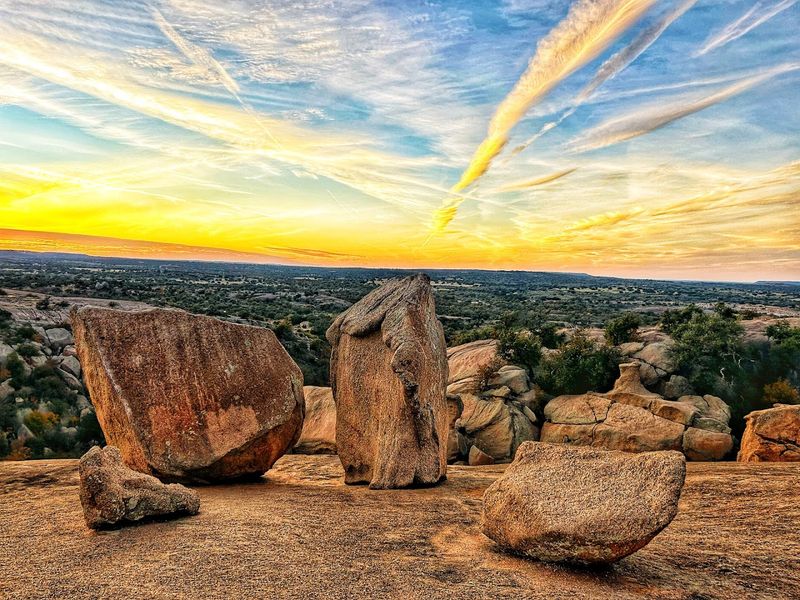
Sunrise at Enchanted Rock transforms the landscape into something magical. The pink granite glows even pinker as the first light hits it, creating colors that cameras struggle to capture accurately. Watching dawn break from the summit means setting your alarm painfully early, but veterans insist it’s the best time to experience the rock.
Early morning brings cooler temperatures, fewer crowds, and wildlife that’s more active before the heat sets in. Deer often graze near the base, and birds create a natural soundtrack as the sky lightens. The air feels crisp and fresh before the Texas sun starts baking everything in sight.
Sunset offers equally spectacular views with different advantages. The golden hour bathes the Hill Country in warm light, and you can watch shadows lengthen across the valleys below. Many visitors time their descent to catch the changing colors, though this requires careful planning since hiking down in darkness presents challenges.
During full moon nights, some adventurous souls hike up to watch moonrise, experiencing the rock under completely different lighting conditions. The park occasionally offers guided moonlight hikes that provide safer exploration after dark. Whether you choose sunrise or sunset, the 360-degree panoramic views from the summit showcase the Hill Country’s rolling terrain stretching to the horizon, making you feel like you’re standing on top of the world—or at least on top of a very impressive chunk of billion-year-old rock.
7. Park Entry System You Need to Know Before Arriving
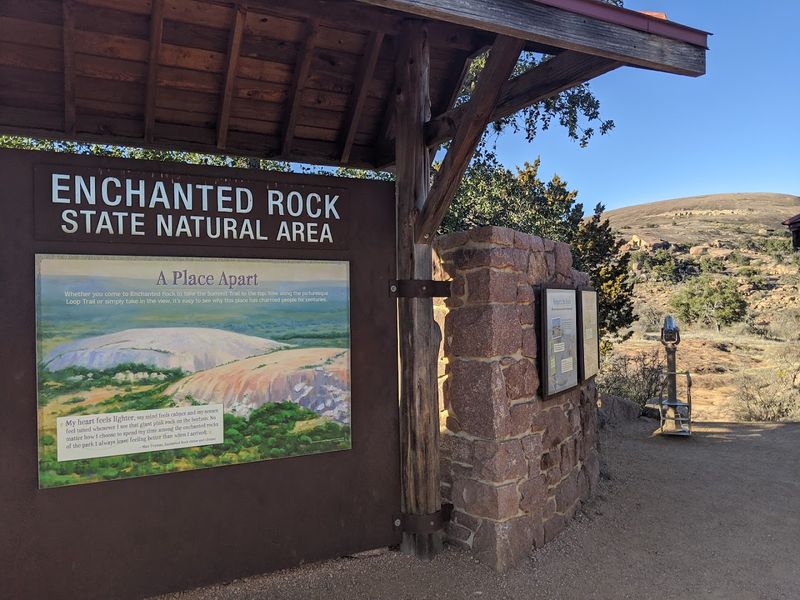
Enchanted Rock operates on a timed entry system that catches unprepared visitors off guard. You can’t just show up whenever you feel like it—you need to reserve a two-hour entry window in advance through the park’s website. This system prevents overcrowding and ensures everyone has a decent experience without fighting for parking spots.
Entry slots fill up quickly, especially on weekends and during pleasant weather months. Booking several days ahead is smart, particularly if you’re planning a weekend visit. The day-use fee runs eight dollars per person, paid at the entrance kiosk where you’ll also check in for your reserved time slot.
Arriving during the earliest entry window around 6:30 AM gives you the best experience. Parking is plentiful, trails are less crowded, and temperatures remain comfortable. By mid-morning, the parking lot fills up and the summit trail gets congested with hikers of all skill levels moving at different paces.
The park closes its gates when capacity is reached, turning away visitors without reservations even if they drove hours to get there. This happens frequently on beautiful weekend days, leaving disappointed families staring at the closed entrance. Once you’re inside, you’re not strictly limited to your two-hour window—that’s just your entry time.
Most people stay three to five hours to complete hikes and explore different areas, which the park allows as long as you entered during your designated slot.
8. What to Pack Because There’s No Shade or Water Fountains
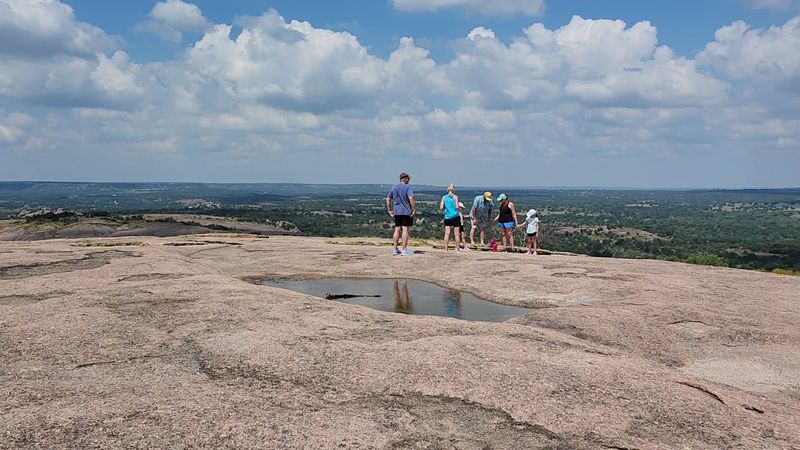
Packing properly for Enchanted Rock can make the difference between an amazing adventure and a miserable experience. Water tops the essential list—bring way more than you think you’ll need. The exposed granite reflects heat and offers virtually zero shade, meaning you’ll sweat more than expected even during cooler months.
Most experienced visitors recommend at least one liter of water per person for just the summit climb, and double that if you’re tackling longer trails. The park has turned off some water fountains seasonally, so assuming you can refill at the trailhead is risky. Dehydration hits hard and fast when you’re exerting yourself in direct sunlight.
Proper footwear ranks second in importance. Those smooth granite slopes might look easy, but they require shoes with good traction. Reviewers consistently mention seeing struggling hikers in inappropriate footwear like sandals or worn-out sneakers.
Hiking boots or trail runners with aggressive tread patterns work best.
Sunscreen, hats, and sunglasses protect you from intense UV exposure since there’s nowhere to hide from the sun on the dome. Snacks like fruit, beef jerky, or energy bars help maintain energy levels during longer explorations. A small first-aid kit, phone for emergencies, and a flashlight if you’re staying past dusk round out the essentials.
The little store at the park office sells some supplies and souvenirs, but prices are higher and selection is limited, making advance preparation the smarter choice.
9. Night Sky That Rivals Any Planetarium
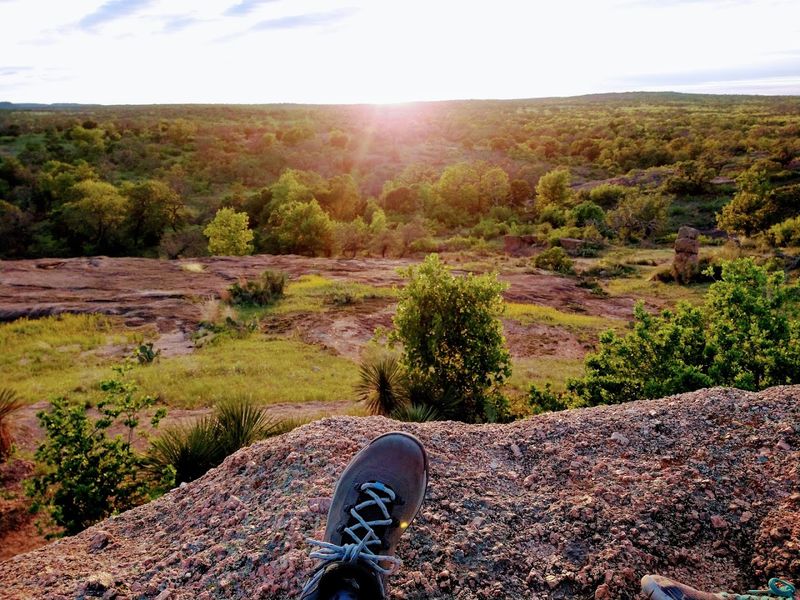
When the sun goes down, Enchanted Rock reveals another stunning feature—some of the darkest skies in the Texas Hill Country. The park’s remote location away from major cities means minimal light pollution, creating ideal conditions for stargazing that urban dwellers rarely experience. On clear nights, the Milky Way stretches across the sky in a brilliant band of stars.
Campers who stay overnight get the full astronomical experience. Lying on the warm granite after dark, you can watch constellations wheel overhead while the rock beneath you releases the day’s accumulated heat. The contrast between the still-warm stone and cooling night air creates comfortable conditions for extended stargazing sessions.
Full moon nights present a different spectacle. While bright moonlight washes out fainter stars and makes the Milky Way harder to see, it illuminates the granite landscape in silvery light that creates an otherworldly atmosphere. Some visitors specifically plan trips around moon phases to experience this lunar landscape effect.
The park occasionally offers guided night hikes and astronomy programs where rangers help identify constellations and share stories about how different cultures interpreted the night sky. These programs require flashlights for safe hiking but emphasize red-filtered lights that preserve night vision. Whether you’re an astronomy enthusiast with a telescope or just someone who wants to see more stars than you knew existed, the night sky at Enchanted Rock delivers an experience that reminds you just how vast the universe really is.
Share this story