Tennessee’s biggest attractions may get most of the attention, but some of the state’s most memorable places are found far from the crowds.
Hidden across the Cumberland Plateau, quiet forests, and rugged natural areas are waterfalls, canyons, caves, historic ruins, and backcountry trails that feel worlds away from the usual tourist stops. Some require a short walk, while others demand sturdy boots, extra water, and a willingness to work for the view. That effort is often exactly what makes them special.
These are places where you can hear the wind through the trees, stand beneath a secluded waterfall, explore unusual rock formations, or stumble across pieces of Tennessee’s industrial past. From Pogue Creek Canyon and Virgin Falls to forgotten coke ovens and the wild backcountry of Savage Gulf, these 10 Tennessee hidden gems reward curious travelers who are ready to venture beyond the familiar.
1. Pogue Creek Canyon State Natural Area, Jamestown
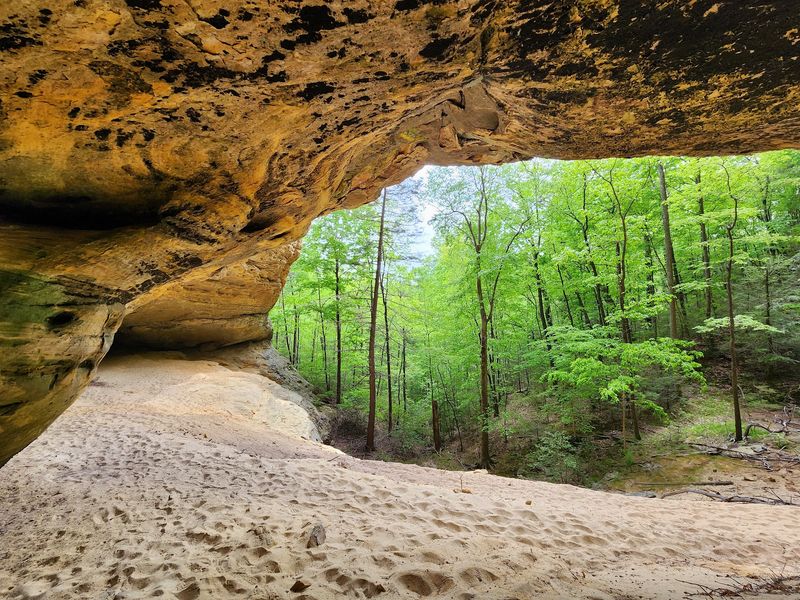
Right next door to Pickett State Park sits a canyon that most visitors drive straight past. Pogue Creek Canyon has sandstone arches, narrow gorges, and rock shelters that look carved by a patient giant.
Because the crowds go elsewhere, you can hear the creek and the wind in the trees. That kind of quiet is getting harder to find.
Plan on a full day. Trails here ask for sturdy shoes, since stone steps and damp rock can get slick after rain. Pack more water than you think you need, and tell someone where you are headed, because cell service can fade in the gorge.
Photographers will love the way light slips into the shaded corners. Early morning is best, when mist lingers and the rock glows warm. Look closely at the cliff faces for tiny ferns and mosses clinging to every crack.
Kids who enjoy scrambling will have a blast exploring the rock shelters. Just remind them to stay on marked paths and leave everything exactly as they found it. These shelters have sheltered people and animals for a very long time, and they deserve respect.
Spring brings wildflowers along the trail edges, while fall paints the canyon walls in orange and gold. Summer is greener and cooler under the trees, though bugs can be pesky, so bring repellent.
Since the area is a protected natural space, there are no snack bars or gift shops. Bring your lunch, pack out your trash, and enjoy the feeling of having a big piece of the Cumberland Plateau almost to yourself.
Pair this visit with a stop in nearby Pickett State Park for extra trails, a lake, and a place to rest. Together, they make a great weekend plan for anyone who loves quiet woods and big rock views.
Check current trail conditions before you go, since weather can change access quickly. A little planning turns this hidden canyon into a day you will talk about for years.
2. Northrup Falls, Jamestown
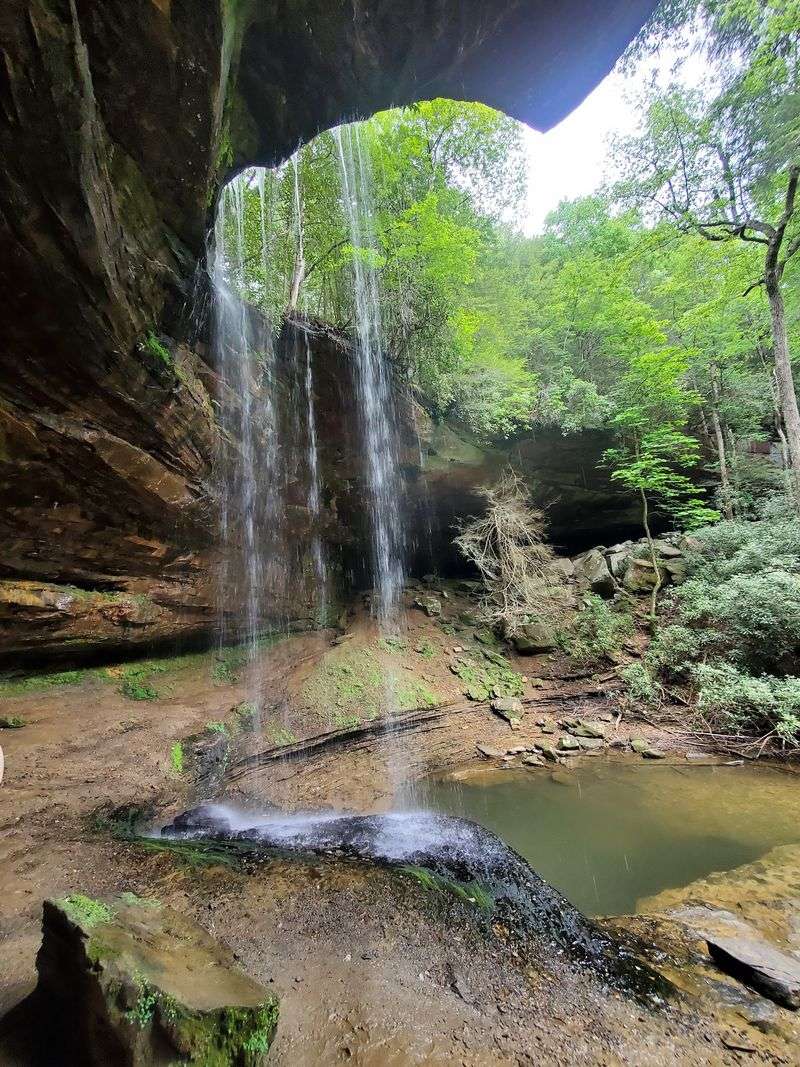
Picture a waterfall that does not just fall, it sneaks out from under a giant stone roof. Northrup Falls does exactly that, spilling over a massive rock shelter in a hidden corner near Jamestown.
The best part is how few people know about it. While big-name falls draw long lines of cars, this one often feels like a secret you stumbled onto.
The walk in is short enough for most families, but the ground can be uneven. Wear shoes with real grip, because rocks near the water stay wet and slick. Keep little ones close, especially near the edge of the pool.
Once you arrive, take a slow lap around the base. Standing under the rock overhang, you can look up at the stone ceiling and watch water curtain down in front of you. The sound bounces around in a way that feels almost like a quiet concert.
Visit after a good rain for the strongest flow. In dry months, the stream can shrink to a thin ribbon, which is pretty but less dramatic. Checking recent weather will help you pick the right day.
Bring a small snack and sit for a while. Birds, dripping water, and the cool air under the shelter make this a nice place to slow down. A camera with a wide view helps capture the scale of the overhang.
Leave no trace here. Carry out every wrapper, skip carving into rock, and keep to existing paths so the plants around the falls can recover from foot traffic.
Fall is especially lovely, with leaves floating in the pool and a crisp bite in the air. Winter can bring icy edges, so move carefully. No matter the season, this waterfall rewards anyone willing to wander a little off the usual map.
3. Window Cliffs State Natural Area, Baxter

Getting your feet wet is part of the deal at Window Cliffs. The trail crosses a creek several times, and that small hurdle keeps the casual crowd away.
Your reward is a narrow ridge of limestone with openings that frame the sky like stone picture frames. Below, the land rolls toward the Caney Fork River in a patchwork of green.
Wear shoes you do not mind soaking, or bring a spare pair for the drive home. Trekking poles can help on slick rocks, and a dry bag protects your phone. After heavy rain the creek rises, so skip the trip if water looks high or fast.
The climb is steady, not brutal, but expect a real workout. Take breaks, sip water often, and enjoy the forest along the way. Moss, ferns, and wildflowers pop up in surprising places.
At the top, the ridge gets narrow, so go slowly and keep a safe distance from drop-offs. Kids and pets should stay close. Wind can gust, and loose gravel is easy to slip on.
The windows themselves are the star. Peek through them for views that change with the light. Late afternoon turns the limestone gold and makes the valley glow.
Plan for a few hours round trip, and start early so you are not rushing back before dark. Pack a lunch to eat on a flat rock somewhere safe.
As a protected natural area, it has no facilities, so bring everything you need and carry out your trash. Few places in Middle Tennessee offer this much drama for the price of a little muddy effort.
Go on a weekday if you can. Quiet makes the ridge feel even bigger.
4. Walls of Jericho, Huntland Area

Few trails tell you what you are in for like this one: steep down, steep back up. The Walls of Jericho sits on the Tennessee-Alabama line, and it rewards effort with a canyon that feels like a lost world.
Towering limestone walls curve around a gorge shaped like a giant amphitheater. Caves, small waterfalls, and clear creek water pop up along the way.
The hike down drops quickly through switchbacks, which means the return trip is the tough part. Save some energy and water for the climb. Start early, especially in summer when heat settles into the hollow.
Once at the bottom, wander slowly. The creek crossings are part of the fun, and the cool air near cave openings feels like natural air conditioning. Stay out of any cave areas that are closed or marked off, and never go into caves alone.
Look up often. The walls rise high, and sunlight changes their color as the day goes on.
Bring layers, because the canyon can be cooler than the trailhead. A small first aid kit, extra snacks, and a charged phone all help. Signal may be weak, so download a map ahead of time.
Spring is a favorite season for wildflowers and stronger water flow. Fall brings crisp air and color. Winter can be quiet and beautiful, though leaves hide uneven ground, so take care with each step.
Respect the land by staying on the trail and packing out trash. Horses also use parts of this area, so yield when you meet them. It is a wild, rugged place that feels worlds away from any city.
5. Dunlap Coke Ovens, Dunlap

Row after row of stone arches sit in the woods like a forgotten village for giants. These are the Dunlap Coke Ovens, leftovers from a time when coal shaped life on the Cumberland Plateau.
Workers once baked coal in these beehive-shaped ovens to make coke, a fuel used in making iron and steel. Today, moss and ferns cover the old stone, and the forest has slowly moved in.
Walking among the arches feels like stepping into a history book without the dull parts. Peek inside the openings, but do not climb on the walls. Old stone can crumble, and staying off keeps the site safe for the next visitor.
Bring a camera. The mix of curved stone, green leaves, and filtered light is a dream for photos. Morning and late afternoon give soft shadows that make the textures pop.
Trails around the site are wooded and peaceful. Bring good shoes, bug spray in warm months, and a bit of curiosity. Reading about the area before you go adds a lot of meaning to the scene.
Check local information before visiting, since access and conditions can change. Respect any posted rules and stay on established paths.
Fall is a showstopper, with leaves framing the stone arches in warm colors. Winter reveals the full layout of the ovens when branches are bare. It is a quick stop that leaves a lasting impression, and a good reminder that Tennessee has stories hiding in its forests.
6. Stillhouse Hollow Falls State Natural Area, Mount Pleasant

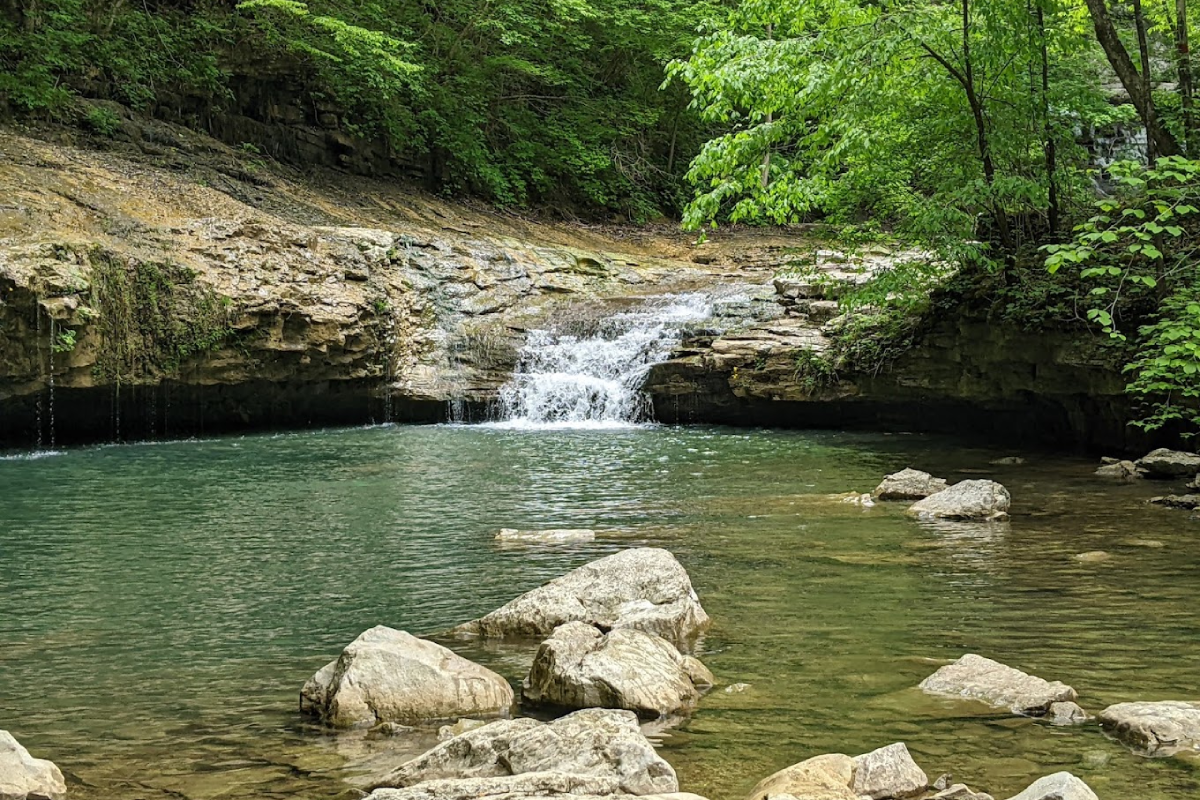
South of Nashville, a short forest walk ends at a waterfall that deserves far more fans. Stillhouse Hollow Falls is pretty, peaceful, and easy to enjoy in an afternoon.
The trail is brief, so it works for casual hikers and families with energetic kids. Along the way, you pass leafy trees and the gentle sound of running water that grows louder with each step.
At the end, the falls spill over rock into a calm pool, framed by green walls. It is the kind of scene that makes you stop talking and just look.
Go after rain for fuller flow, but expect muddy patches. Shoes with traction are a smart choice. Stay on the trail and off slippery ledges so everyone leaves with dry socks and good memories.
Bring a picnic if the weather is nice. Finding a spot to sit and listen is half the fun. Quiet visitors often spot birds and small critters nearby.
This is a great place for beginner photographers. Try slower shutter settings to blur the water into silk, or just snap a simple phone picture of the whole scene. Either way, the setting does most of the work.
Because it is a protected natural area, treat it gently. Carry out trash, keep dogs under control if allowed, and avoid picking plants.
Spring and early summer bring the lushest green. Fall adds color and cooler hiking weather. Pair it with a drive through the nearby countryside for an easy day trip from the city that feels like a real escape.
7. Big Cypress Tree State Park, Greenfield

Some places are worth visiting for what used to be there. Big Cypress Tree State Park in Greenfield honors the landscape where one of the largest bald cypress trees ever recorded once stood.
The park is tiny, which is part of its charm. You will not need hours, but you will want to linger anyway.
West Tennessee has a different feel than the hills farther east. Here, the land is flat, the air is soft, and the trees reach up from damp ground. Bald cypress are special because they can grow in wet soil, and they have knobby roots called knees.
Walk slowly and look for details. Moss, birds, and bits of reflected light on the water make small scenes worth noticing. A pair of binoculars makes the visit even better.
Bring a notebook or sketchpad. Quiet spots like this are perfect for drawing, journaling, or just thinking. Kids can turn it into a scavenger hunt for leaves, bugs, and tree shapes.
The park makes an easy stop on a road trip across the state. Pack a snack and take a short break from the highway. You will feel recharged in a very short time.
Check for seasonal conditions, since wet weather can make paths soft. Wear shoes that can handle mud, and bring bug spray in warmer months.
Tennessee is full of big mountain views, yet this gentle spot proves that quiet corners matter too. It is a nice reminder that nature stories are not only about what we see today, but also what we choose to protect.
8. Devilstep Hollow Cave, Cumberland County

Underneath the Cumberland Plateau lies a hidden world most people never imagine. Devilstep Hollow Cave is part of a protected cave landscape full of passages, sinkholes, and rare species.
Geologists call this kind of terrain karst. It forms when water slowly dissolves limestone, leaving behind caves, holes, and winding underground rooms.
This is not a casual walk-in attraction. Cave areas are delicate and can be dangerous without training and proper permission. Before planning any visit, check with the managing agency to learn what is allowed, what is closed, and how to stay safe.
Many caves shelter bats and other creatures found nowhere else. Even small disturbances can harm them, so rules matter. Stay out of closed areas, and never take anything from a cave or leave anything behind.
Above ground, you can still appreciate the setting. Look for sinkholes, rocky outcrops, and forests that hint at the hidden spaces below. Learning about the area first makes any visit feel richer.
Books, ranger programs, and local caving groups are great ways to explore the topic safely. Organized trips led by experienced guides are far better than going alone.
Think of it as a lesson in respect. Some of Tennessee’s most amazing places are best protected by admiring them carefully and sharing what you learn.
If you enjoy science, this is a perfect subject to read about with family. Kids love hearing how water can carve stone over thousands of years.
Wherever your curiosity leads, remember that wild places stay wild when visitors follow the rules and leave nothing but footprints.
9. Virgin Falls and Scott’s Gulf Wilderness, Near Sparta

A waterfall that appears from a cave, drops about 110 feet, then vanishes underground again sounds like a tall tale. Virgin Falls is real, and it is worth the sweat.
The hike through Scott’s Gulf is demanding, with rocky ground, steep sections, and long miles. That effort keeps crowds thin and the mood peaceful.
Start early and pack plenty of water and food. Good boots matter here, and a trail map is smart since the area is remote. Tell someone your plan and expect little or no cell signal.
Along the way, you pass other pretty features, including small falls and cave openings. Each stop gives you a reason to catch your breath and look around.
When you finally reach the main falls, the scene feels almost unreal. Mist drifts, water roars, and the cave mouth adds mystery. Give yourself time to rest and take it all in.
Remember the return trip. Many hikers underestimate it and run low on energy. Pace yourself, snack often, and watch the daylight so you finish before dark.
Weather can change the experience a lot. Rain boosts the flow but makes trails slick. Dry spells reduce the water, though the hike stays pretty.
Camping is possible in the backcountry with the right rules and permits, so check the latest guidance. Pack out all trash and leave the place cleaner than you found it.
Tennessee has easy waterfalls near parking lots, but this one belongs to hikers who like a challenge. The payoff is a memory that lasts far longer than sore legs.
10. Savage Gulf State Park’s Stone Door Backcountry, Palmer

Stone Door sounds like something from a fantasy novel, yet it is a real crack in the bluff that leads down into a wild gorge. Savage Gulf near Palmer offers big views and bigger quiet once you head past the main overlook.
Many visitors snap a photo at the rim and leave. The backcountry beyond is where the real adventure begins.
Trails here lead into deep forest, along creeks, and past rocky ledges. Distances can be long, so plan carefully. Bring a map, enough water, and snacks that keep you going.
The narrow passage itself is a thrill. Walking through feels like entering a secret hallway in the mountain. Watch your step, because stone and roots can be uneven.
Backcountry camping is popular with people who want to stay overnight. Permits and rules apply, so check current requirements before you go. A good night under the trees is hard to beat.
Weather shifts fast on the plateau. Pack a rain layer, even if the morning looks sunny. Fog can roll through and turn the forest moody and beautiful.
Wildlife is part of the show. Listen for birds, watch for deer, and keep a respectful distance from anything wild. Store food securely so animals are not tempted.
Fall is stunning, with color covering the gorge like a quilt. Spring brings flowing creeks and fresh leaves. Either season gives you a reason to linger.
Leave the trail as you found it, and the next hiker will enjoy the same sense of wonder. This is Tennessee at its wildest and most rewarding.
Share this story