Take the smaller road in Massachusetts and you may end up somewhere far more memorable than the places on every travel list. Quiet gardens, woodland waterfalls, unusual sanctuaries, and even a hilltop castle ruin offer a different kind of day out beyond the state’s famous beaches, historic landmarks, and busy city streets.
Many of these spots reward a slower pace, giving you more room to wander, look around, and enjoy the setting without rushing. Some require a short hike, while others are easy to explore at your own speed.
If you are ready to skip the obvious stops for a day, these enchanting Massachusetts places give you plenty of reasons to start exploring.
1. Three Sisters Sanctuary – Goshen
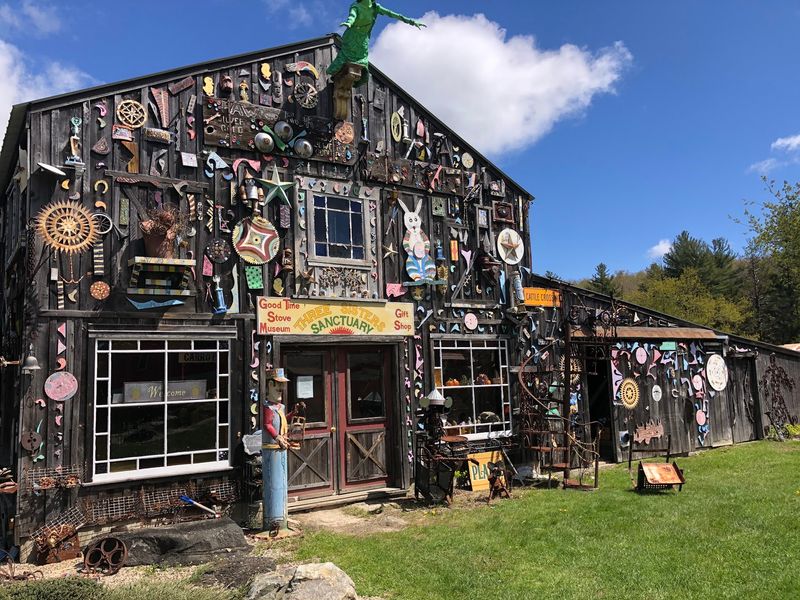
A garden dragon is a pretty good clue that your afternoon will not follow the usual sightseeing script. At Three Sisters Sanctuary in Goshen, outdoor art and planted spaces share the spotlight.
Sculptures, stonework, and unexpected details turn a walk into a slow hunt for whatever catches your eye next.
Artist Richard Richardson created the sanctuary, giving the grounds a personal style rather than the neat sameness of a formal public garden. Look closely at the materials and shapes instead of rushing toward one main attraction.
A small detail tucked beside a path can be as interesting as a larger piece.
You do not need an art background to enjoy the place. Follow your curiosity, compare favorite discoveries with your group, and give yourself time to circle back.
Children may enjoy spotting unusual creatures and colorful features, but adults should explain that artwork is for looking unless signs clearly say otherwise.
Before driving out, check the sanctuary’s current visiting information, including opening times, admission, and any special arrangements. Because this is an outdoor setting, weather can change your plans quickly.
Comfortable shoes help on garden paths, while a light layer is useful during cooler mornings in the western Massachusetts hills.
For photographs, try framing a sculpture with nearby leaves or stone instead of capturing everything at once. Cloudy weather can soften bright reflections and bring out textures.
Keep paths clear while taking pictures, and avoid stepping into planted areas for a better angle.
Build your visit around a relaxed pace rather than a packed schedule. Bring water, leave food where permitted, and check rules before arriving with a dog.
Goshen’s rural setting makes this a natural stop during a scenic drive, but the artwork deserves more attention than a quick roadside glance before you head onward to your next planned local stop.
2. Glendale Falls – Middlefield
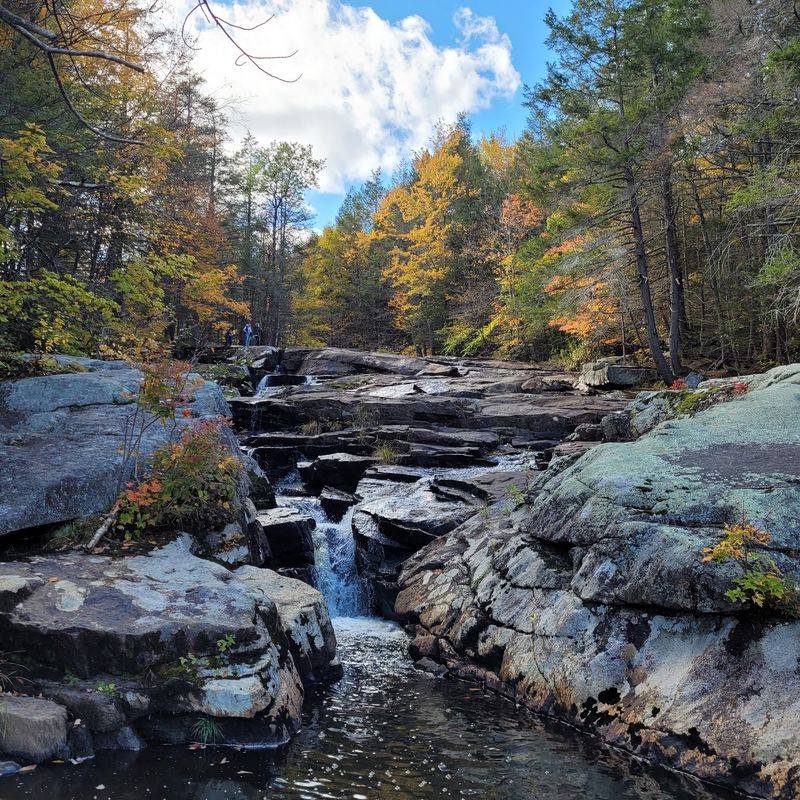
You may hear the water before the trees let you see it. Glendale Falls sends Glendale Brook over a broad stretch of sloping rock, creating a lively woodland scene in Middlefield.
Rather than one neat vertical drop, the water spreads, tumbles, and finds several routes down the ledges.
That changing shape is part of the appeal. After wet weather, the falls can look powerful; during drier periods, more of the rock may show.
Plan around recent conditions, but never treat high water as an invitation to get closer to the stream.
The Trustees manage the reservation, so their current property information is the best starting point for directions and access details. Rural roads can make the drive slower than a map first suggests.
Download your route beforehand and avoid depending on strong phone service once you reach the surrounding hills.
Wear shoes with reliable grip and expect roots, uneven ground, and damp surfaces. A short outing still calls for care, especially when children are excited to see the water.
Stay on established routes and keep away from slick ledges, since spray can make apparently dry stone slippery.
Photographers can do plenty from a secure viewpoint. Include a tree trunk or the curve of the brook to show the scale, and let the moving water be the subject.
You do not need to climb onto the rocks or cross a barrier to bring home a memorable picture.
Bring a snack for a permitted stopping place, then carry every wrapper back out. There is no reason to turn this into a rushed waterfall checklist; watch how the flow changes around different rocks.
Before leaving, check your shoes for mud and make sure everyone has their layers, water bottles, and belongings for the drive back through Middlefield’s quiet roads and nearby hill towns.
3. Bancroft’s Castle – Groton

A stone ruin on a grassy hill is not the first thing most travelers expect in Groton. Yet Bancroft’s Castle gives you exactly that: weathered walls, open sky, and a setting that invites a closer look.
The approach across Gibbet Hill is part of the outing, not merely the route there.
Despite the name, this is not a medieval fortress. The surviving structure belongs to a much later chapter of local history, which makes its castle appearance a fun surprise.
Read available information on site rather than filling the gaps with tales of knights or royal residents.
The uphill walk can raise your heart rate, especially in warm weather. Choose sturdy shoes, carry water, and allow enough time to pause on the climb.
Open ground also means less protection from sun and wind than you might expect on a typical woodland trail.
At the ruins, keep your feet on safe ground and respect any posted restrictions. Old masonry is not climbing equipment, even when a wall looks solid or a window opening suggests a dramatic photo.
Families should set clear boundaries before children begin exploring the edges and openings.
For a strong picture, place the stonework against the sky or use an opening to frame the countryside. Late light can bring out the rough surface of the walls, but check access hours before planning an evening visit.
Other walkers deserve room to enjoy the view without waiting behind a lengthy photo session.
Confirm current parking and trail guidance before heading out, since nearby businesses and land uses should not be treated as automatic public access. Stick to designated routes and give any livestock plenty of space.
A modest picnic works only where permitted; otherwise, save your meal for town and finish the hill walk with clean hands, empty pockets, and no litter.
4. Ashintully Gardens – Tyringham
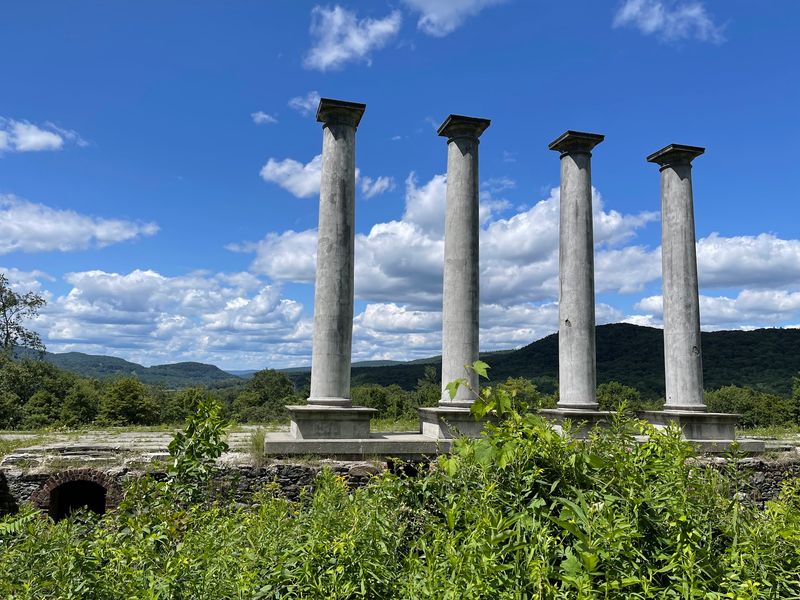
Leave the hurry at the gate. Ashintully Gardens rewards a slower pace, with garden spaces that lead your eye between open lawn, trees, and traces of an earlier estate.
In Tyringham’s tucked-away valley, the setting gives even a simple walk a clear sense of shape and order.
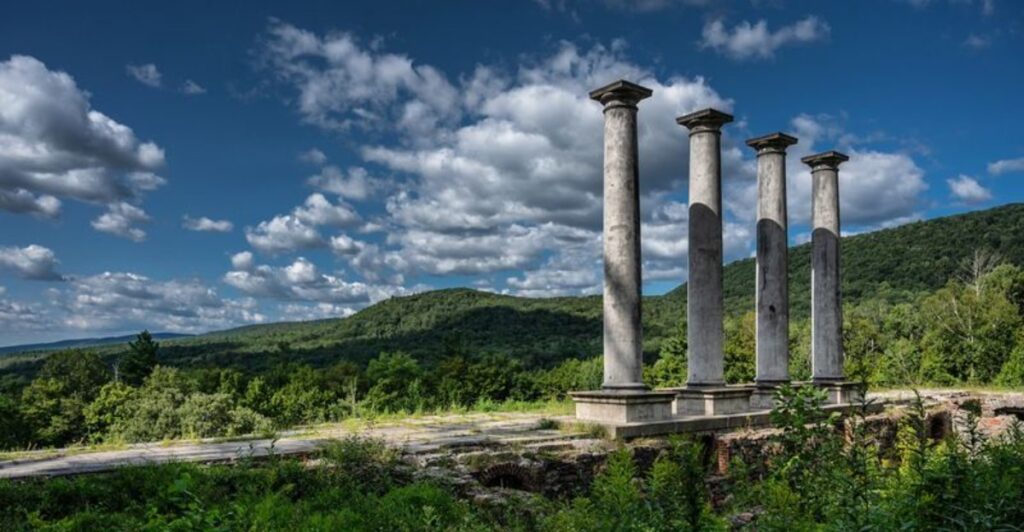
The grounds combine designed garden features with the surrounding Berkshire landscape. Surviving columns from the former mansion add a striking historical note without turning the visit into a house tour.
Notice how stone, planting, and open space work together rather than searching only for flowers.
Composer John McLennan Jr. shaped the gardens over many years, and that creative background offers a useful way to view them. Think in terms of pauses, changes, and repeating forms as you move through the grounds.
No special knowledge is needed; looking carefully is enough.
Check The Trustees’ current visiting schedule before making the drive, because garden access may be seasonal or limited to particular times. Wear walking shoes rather than dress shoes, and bring a light jacket when the forecast is uncertain.
Garden paths and grass can stay damp after rain.
A small notebook or camera suits this stop better than a long list of activities. Sketch a column, photograph a path’s curve, or simply sit where seating is provided.
Keep your voice low around other guests and avoid moving furniture or entering planted beds to arrange a picture.
Allow room in your plans for a quiet visit, then explore Tyringham’s surrounding roads only where public access is clear. Pack water and confirm food options before arrival instead of assuming a café will be waiting nearby.
When leaving, take one last look at the garden’s layout; the relationship between its spaces is often more interesting than any single feature you noticed during your first pass through the grounds.
5. Rock House Reservation – West Brookfield
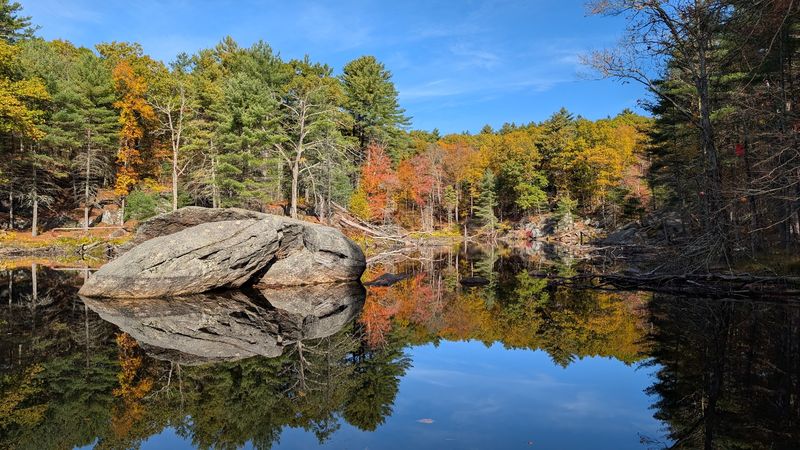
Forget fancy architecture; a massive rock shelter does the heavy lifting here. Rock House Reservation in West Brookfield centers on a striking natural formation that gives the property its name.
Huge stone surfaces, wooded paths, and nearby water make the landscape interesting without needing a long or difficult expedition.
The shelter also has a human history, including use by Indigenous people. Treat that connection with respect rather than imagining the site as an untouched playground.
Any interpretive material can help you understand the place while reminding you that its story reaches beyond today’s hiking trails.
Pick up or download the current trail map before starting. The reservation offers more to explore than the main rock feature, but connecting paths can make an easy wander less obvious on the return.
Choose a route that matches your group’s energy and leave time for careful footing.
Underfoot, expect the usual woodland mix of roots, stones, and occasional mud. Around large rocks, resist the urge to scramble higher just because someone else has done it.
Children can enjoy comparing shapes and spotting small plants without climbing onto risky ledges or squeezing into tight spaces.
Bring a camera that handles shade well, since the shelter’s darker areas can contrast sharply with bright sky. A person standing safely nearby can show scale, provided you keep the path open.
Look for textures on the stone and reflections near the water instead of relying on one wide shot.
This is a useful choice when your group wants an outdoor destination with a clear focal point. Check current parking, property rules, and any trail notices through The Trustees before departure.
Carry drinking water, use a permitted picnic area if available, and pack out leftovers so the next group finds clean ground rather than crumbs, wrappers, or abandoned tissues beside the trail.
6. Garden of Sweet Remembrance at Prospect Park – Shrewsbury

Not every good discovery needs a steep climb or a roaring waterfall. The Garden of Sweet Remembrance at Prospect Park offers a quieter reason to explore Shrewsbury.
Its name sets a reflective tone, while the surrounding park gives you space to stretch the visit into a woodland walk.
Prospect Park occupies a former estate landscape, so garden traces and natural growth sit beside one another. That mix is more interesting when you slow down and look closely.
Stone details, changes in ground level, and mature plants can reveal how a place was shaped over time.
Because historic garden conditions can change, arrive with curiosity rather than expecting a fully restored display. Flowers depend on season and maintenance, and photographs online may show the site at a different stage.
Check town information for current access guidance, park rules, and any work affecting the grounds.
Wear comfortable shoes for the wider park, not just the garden area. Paths may have roots, leaves, or damp patches, especially after rain.
If you are bringing someone who needs a smooth, level route, confirm conditions ahead of time instead of relying on the word garden.
This stop suits a short conversation, a few thoughtful photographs, or time spent noticing small details. Keep voices considerate, respect planted spaces, and leave stones and other historic features where they belong.
A close picture of texture or greenery may capture the setting better than a sweeping view.
For a fuller outing, use an official park map to connect the garden visit with nearby walking paths. Bring water and turn back before tired legs make uneven footing a problem.
Shrewsbury has other places to eat and explore, so there is no need to carry a large picnic into a delicate garden setting; save that part of the day for another suitable stop nearby.
7. Bartholomew’s Cobble – Sheffield
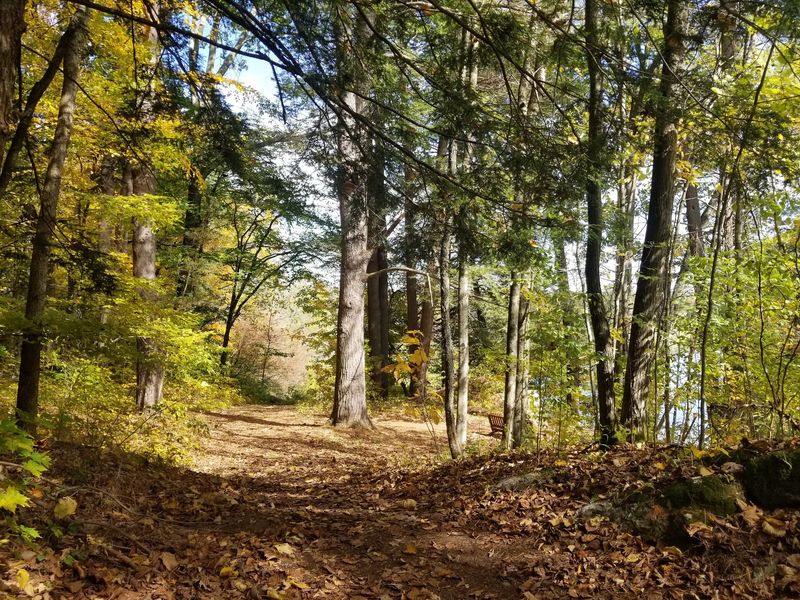
The word cobble has nothing to do with a quaint shopping street here. At Bartholomew’s Cobble in Sheffield, it refers to rocky hills that help give the reservation its unusual character.
Woodland plants, limestone outcrops, and the nearby Housatonic River landscape provide plenty to notice at walking speed.
This property is known for its rich plant life, including ferns. You do not have to identify every species to appreciate the differences in leaf shape and texture.
Look without picking, and stay on marked routes so delicate growth does not become the price of a closer inspection.
Decide early whether your day calls for a gentle exploration or a hillier route. The trail network includes different experiences, and an official map will help you choose sensibly.
An uphill option can offer broader views, but it also adds effort that may not suit every member of your group.
Binoculars are useful for watching birds without approaching them. Pause near a safe stopping place, listen before moving, and let wildlife choose its own distance.
Quiet observation usually reveals more than constantly searching for the next photo or talking over every sound in the trees.
Check The Trustees’ latest information for hours, admission, trail updates, and dog restrictions before you arrive. Bring water, insect protection, and shoes suited to dirt paths and rock.
In warmer months, long socks or lightweight trousers can help reduce contact with brush and make tick checks easier afterward.
Give the reservation enough time that you can stop when a patch of ferns or a river view holds your attention. Pack a field guide only if it adds pleasure, not homework.
Before heading back through Sheffield, clean mud from your footwear and review any plants you photographed; identifying them later lets you keep moving carefully instead of crowding around fragile growth beside narrow trails.
8. Chapel Brook – Ashfield
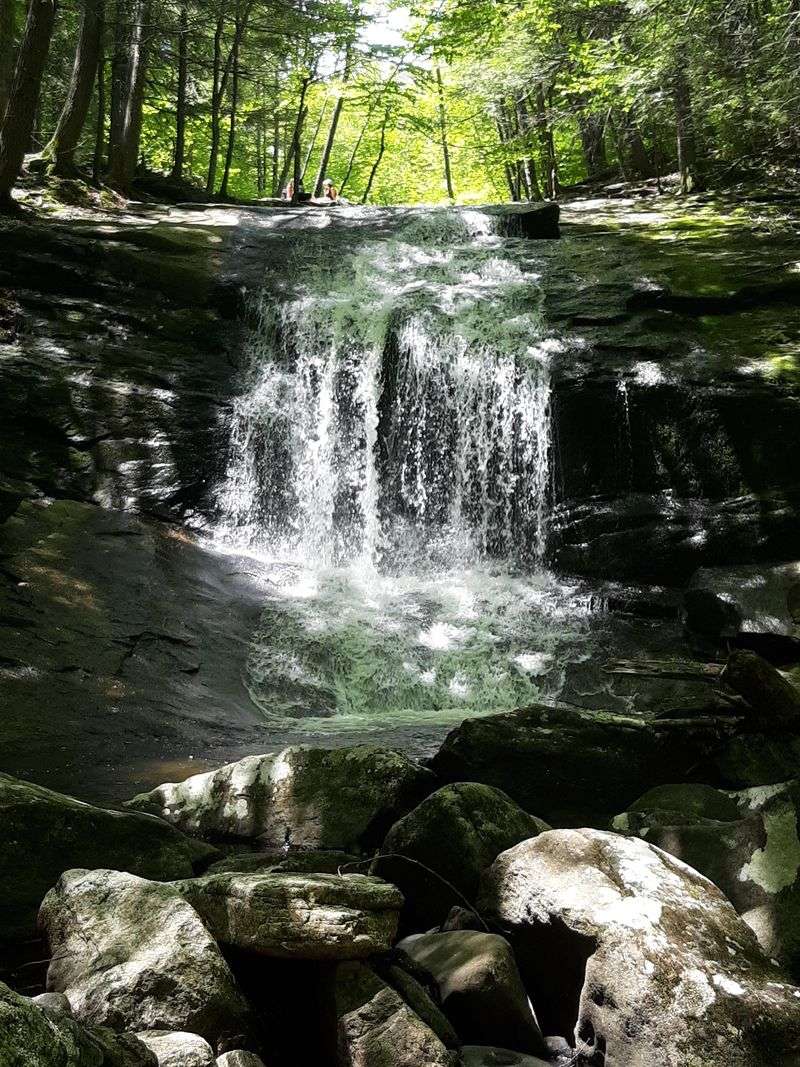
Two very different outings share the same patch of Ashfield woods. Chapel Brook offers a waterfall setting for a shorter visit and access to Pony Mountain for a more active plan.
That combination makes it useful when your group wants scenery but has mixed opinions about climbing hills.
Start by checking the property map and choosing your priority. A visit focused on Chapel Falls is different from a hike that includes higher ground.
Do not let a promising trail pull you into extra distance without considering daylight, water, and the energy needed for the return.
The brook drops across rock ledges, with its appearance changing as water levels rise and fall. Enjoy the view from secure ground and treat the surrounding stone as potentially slippery.
A calm-looking pool does not make the area safe for casual swimming, jumping, or climbing beside the falls.
Pony Mountain also attracts rock climbers, but watching someone with equipment is not a reason to attempt the same route. Climbing requires appropriate skills, gear, and an understanding of current access rules.
Walkers should use designated hiking routes and keep clear of activity around climbing areas.
For an ordinary day hike, pack sturdy footwear, drinking water, and a layer for changes in temperature. Check The Trustees’ current guidance before leaving, including parking details and any closures.
Download directions because rural navigation is easier when you are not searching for a signal at every turn.
A practical plan is to enjoy one part thoroughly rather than squeeze in everything. Let children watch leaves move in the current from a safe distance, or take a few pictures of the ledges before continuing.
Finish with a quick gear check at the car, especially for wet shoes and missing jackets, so your next stop does not begin with an avoidable scramble through bags.
9. Maudslay State Park – Newburyport

Newburyport has more up its sleeve than waterfront shops and harbor views. At Maudslay State Park, broad lawns and wooded paths spread across a former estate beside the Merrimack River.
The change of scene is quick: trade busy sidewalks for open space, old trees, and room to wander.
Remnants of the estate’s designed landscape give the park a different look from a simple forest preserve. Garden areas and ornamental plantings sit alongside less formal stretches.
Rhododendrons and azaleas can add seasonal color, although bloom timing shifts with weather and should never be treated as a guarantee.
Use the park’s current map to plan a loop rather than setting off along the first inviting path. Some routes provide broad walking surfaces, while others may bring roots or uneven ground.
Check accessibility information directly if anyone in your group needs a reliable surface or limited walking distance.
Spring draws attention to flowers, summer brings leafy shade, and autumn changes the color palette across the grounds. Choose your season based on what you want to see, then check the forecast.
Open lawns can be sunny, while shaded areas may remain damp well after a shower.
Bring water and a picnic if current rules allow, but plan around available facilities instead of assuming everything operates year-round. Massachusetts state park parking policies and fees can change, so review official information before arrival.
Keep dogs under the required control and give cyclists, walkers, and other trail users room.
Leave time for the less dramatic details: a branching tree, an old garden edge, or a river glimpse between trunks. This park works well as a counterweight to a busier day in town.
Before returning to Newburyport’s streets, brush off your shoes and check for ticks, especially if you spent time near tall grass or the wooded borders of lawns.
10. Bear’s Den – New Salem
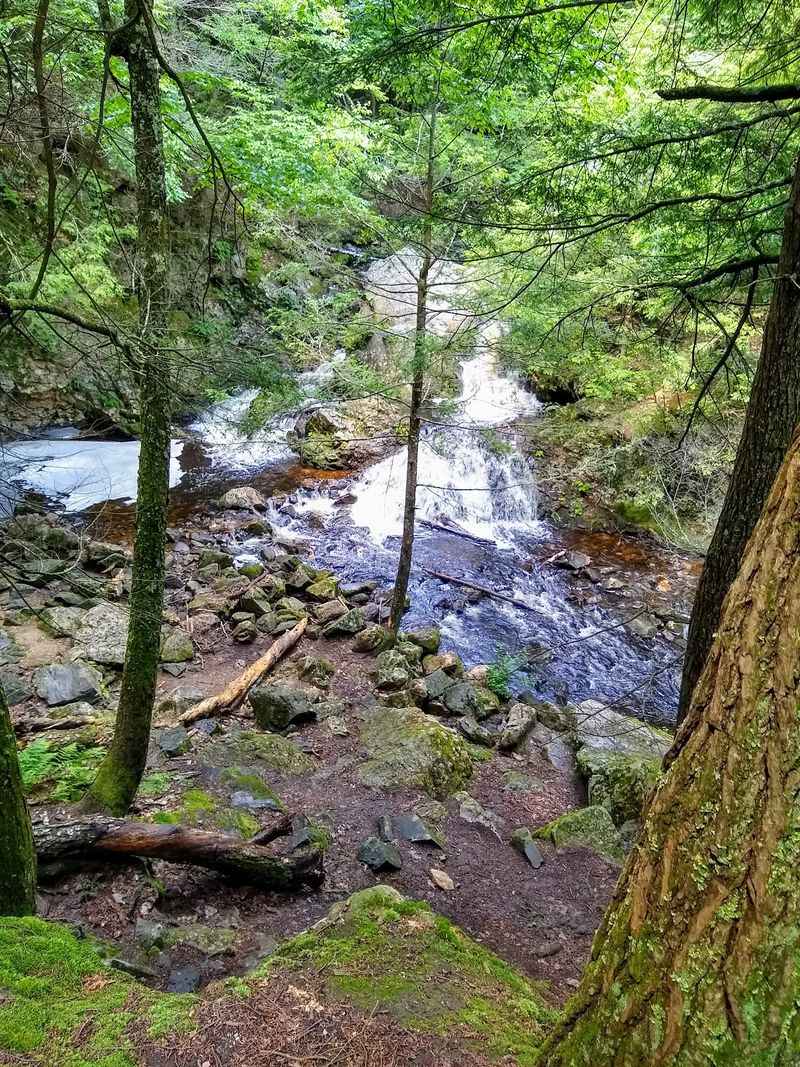
The name sounds like a warning, but the main draw is water and rock, not a scheduled bear encounter. Bear’s Den in New Salem leads you into a wooded setting where a waterfall breaks up the quiet.
It is a compact destination that rewards attention more than mileage.
Use The Trustees’ property information to find the correct access point and understand the current trail layout. A short approach does not mean the ground will be smooth or dry.
Roots, stones, and leaf cover can make the walk more demanding than its distance suggests.
Once the water comes into view, find a stable place to stop. The stream and surrounding rocks deserve the same caution you would use at a much larger waterfall.
Keep children within easy reach and do not step onto wet ledges for a clearer look downstream.
This is a good place to practice looking at a small scene in several ways. Notice where the current narrows, how moss grows near spray, and which leaves gather in slower water.
A few minutes of quiet can reveal details that vanish when everyone treats the visit as a quick photo stop.
Bring water even for a brief walk, and wear footwear with tread rather than smooth casual soles. Insect protection can help in warm weather, while cooler months may bring ice that makes an otherwise simple route unsuitable.
Check conditions and be willing to skip the falls when footing is uncertain.
Keep your plans flexible rather than assigning the place a fixed amount of excitement. Water flow varies, and peaceful conditions can be just as interesting as a louder cascade.
Carry out everything you bring, avoid disturbing rocks or plants, and save any larger meal for an appropriate picnic location; narrow streamside ground is better left clear for safe movement and other walkers passing through.
11. Farandnear – Shirley
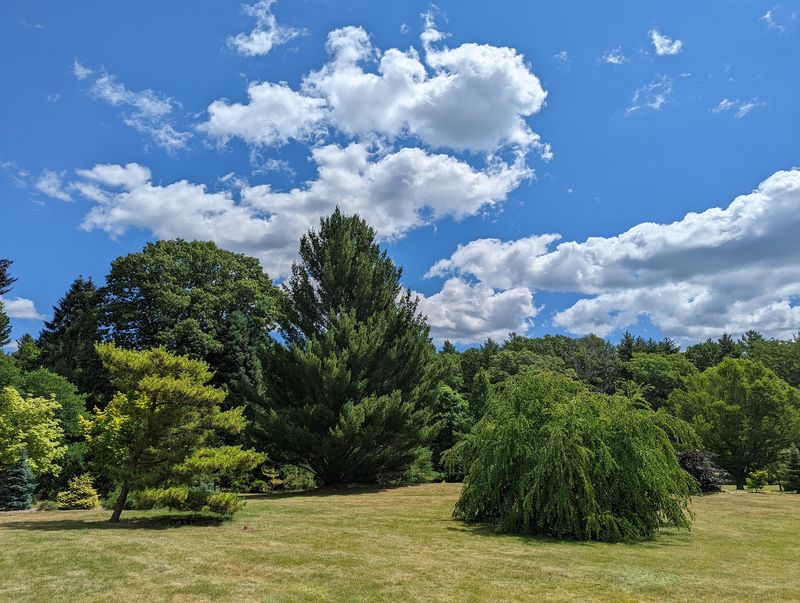
Some destinations are best approached without a big agenda. Farandnear in Shirley gives you a mix of open space, woods, and distinctive plantings, making it a good choice for an unhurried walk.
You can pay attention to the landscape instead of chasing a single landmark.
The property includes an arboretum with an emphasis on evergreen trees. That adds interest beyond the usual search for seasonal flowers, especially when you compare shapes, needles, and shades of green.
Any labels or official guides can help with identification, but there is no quiz at the end.
Open areas and woodland routes create different walking moods within the same visit. Begin with the current trail map and choose a route that suits your time.
A shorter loop can work well when you want fresh air without committing the entire afternoon to a hike.
Watch the ground as much as the trees. Grass may be wet, wooded sections can have roots, and seasonal mud can change an easy path into a slower walk.
Bring shoes that you do not mind cleaning, along with water and protection from sun or insects as conditions require.
Farandnear is managed by The Trustees, so check their latest information for parking, access, and property rules. Do not assume an open lawn means every activity is allowed.
Keep dogs under the required control, respect other walkers, and avoid approaching wildlife for photographs.
For a satisfying visit, choose a small focus: compare tree silhouettes, listen for birds near the woods, or photograph the meeting point of meadow and forest. Children can look for differences between cones without collecting material or pulling branches.
After your walk, check clothing for ticks and take any snacks back to the car; leaving the grounds clean matters more than extending the outing with an improvised picnic in a sensitive planted area.
12. Doane’s Falls – Royalston
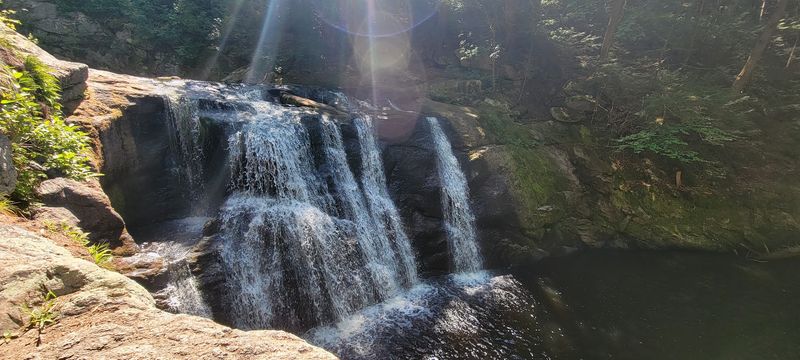
One waterfall would be enough, but Lawrence Brook has more than one drop to show you. At Doane’s Falls in Royalston, the stream works its way through a rocky woodland channel in a series of cascades.
Different viewpoints reveal different sections rather than one complete scene.
That layout encourages exploration, but it also calls for restraint. Follow designated trails and respect barriers or warning signs around the gorge.
A promising angle is never a good reason to approach an edge, scramble down unstable ground, or step onto rocks beside fast water.
Water levels have a strong effect on the visit. Recent rain can increase the sound and movement, while dry spells expose more of the underlying stone.
Both conditions offer things to notice, although wet weather can also leave paths muddy and make nearby rock dangerously slick.
Check The Trustees’ current property page before driving to Royalston for access details, parking guidance, and any closures. Study the map so you understand your route before walking downhill.
The return may require more effort than the first stretch, especially when your group has already spent time exploring.
Keep your packing simple but useful: water, a light layer, and shoes with reliable traction. Children need close supervision, and anyone uncomfortable with uneven terrain should review trail information in advance.
Leave swimming, jumping, and waterside climbing out of the plan, regardless of what older online photos may show.
For pictures, concentrate on one cascade at a time and include nearby trees or rock to give it context. Put the camera away while moving between viewpoints, since watching your footing matters more than recording the walk.
Before leaving, check that everyone has returned with their belongings and enough energy for the climb; a measured pace makes this waterfall outing easier to enjoy without taking unnecessary risks near the brook.
Share this story