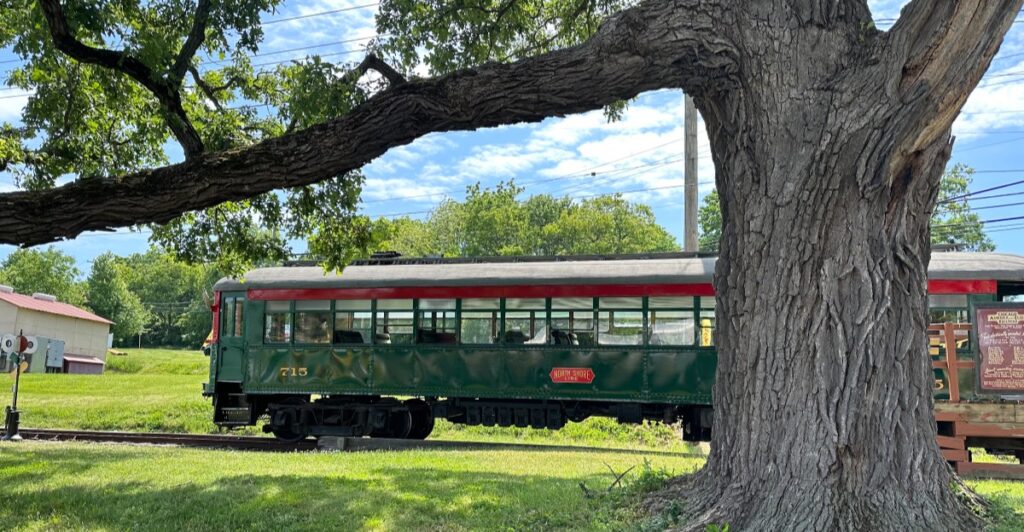
The gentle hum of an electric motor sets the mood before the scenery even starts rolling past the windows. At the Fox River Trolley Museum in South Elgin, historic railway cars return to the tracks for leisurely rides beside the Fox River, giving passengers a moving glimpse of transportation from another era.
The volunteer-run museum preserves cars dating from 1887 to 1959, including vintage equipment that still carries visitors today. Between the river views, rhythmic sway, and unmistakable sounds of an old trolley, the journey feels refreshingly removed from modern travel. Climb aboard, settle in, and enjoy Illinois railroad history the way it was meant to move.
Rails Beside the Water in South Elgin
Picture a narrow ribbon of track squeezed between tall trees and a slow, wide river. Overhead, a single wire stretches from pole to pole. Then a bell clangs, and an old trolley car glides into view like it never got the memo that the 1950s ended.
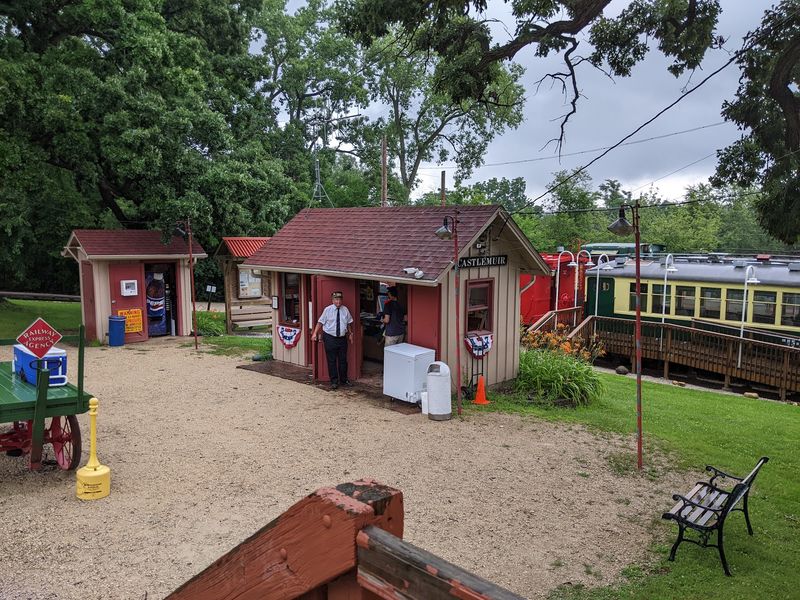
The setting at 365 S La Fox Street is small and outdoorsy. There is no giant exhibit hall here. Instead, the museum spreads out along the riverbank, with a modest depot, a few sidings full of parked cars, and the line itself running south along the Fox River.
The river is the real backdrop. On a sunny day, the water flashes silver through gaps in the leaves, and you might spot herons standing in the shallows or kayakers drifting past. In fall, the trees along the bank turn gold and rust, which makes the ride look like a postcard from another century.
Arrival is simple once you find the place. Free parking sits close to the depot, so families with strollers or older relatives do not have to walk far. The depot doubles as the ticket window and gift shop, so it is the first stop for everyone.
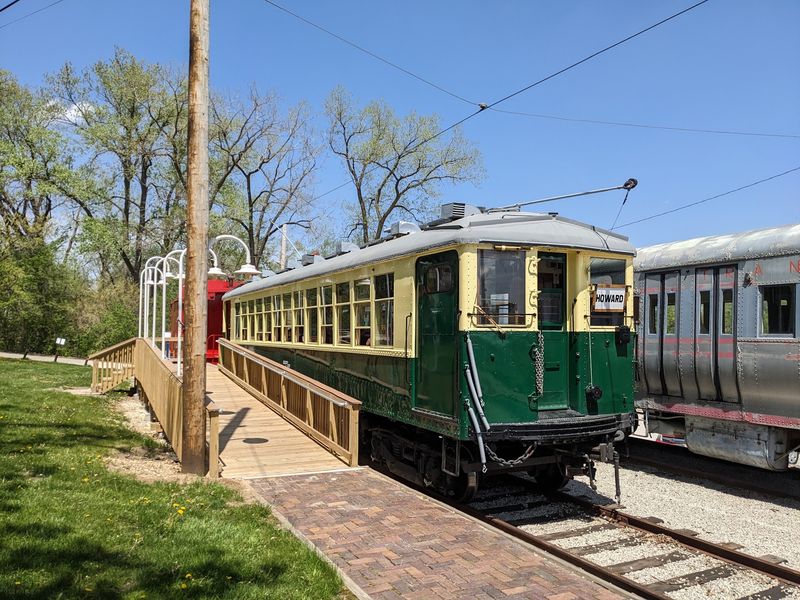
From the platform, you can already see a lineup of cars in different stages of life. Some shine with fresh paint and polished brass. Others look tired and patched, waiting their turn for restoration.
Road construction in the area has sent some drivers on confusing routes in the past. Phone maps have even pointed people into private driveways, so check the museum’s posted detour information before you leave home.
Once you see the overhead wires and the little depot, you know you have arrived, and the next trolley is probably humming somewhere down the line, heading back your way.
Climbing Aboard for the Main Event
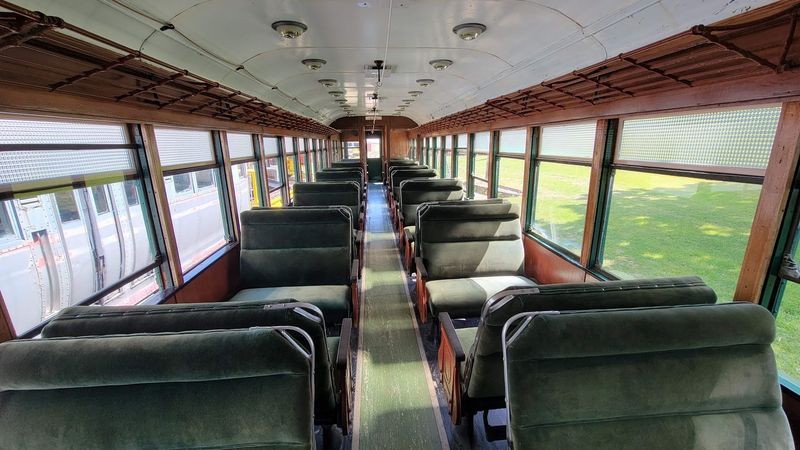
Step up, grab a seat, and listen. The motors under the floor start with a low whine, the car lurches gently, and the whole thing begins to rock as it picks up speed. That rhythm is the heart of a visit here.
A typical trolley ride lasts around 30 to 45 minutes round trip. The line runs about two miles, heading south along the river and into a forest preserve before reversing back to the depot. It is long enough to settle in, but short enough that younger kids stay interested.
Look up while you ride. Many of the cars still carry old-style advertising cards above the windows, selling products and services from decades past. Kids love reading the strange slogans, and adults often recognize a brand or two.
The windows are the best seats in the house. On one side, the river opens up in wide views. On the other, thick woods crowd close to the track, and branches sometimes sweep near enough to make you lean back.
Every trip includes a guide or operator who talks as the car moves. You will hear about the history of the line, the town, and the specific car you are sitting in. The stories are packed with local detail, the kind you will not find on a plaque.
Tickets have historically been budget friendly, often in the range of about 8 to 15 dollars, with small children sometimes riding free. Prices can change, so confirm before you go. Even so, it remains one of the more affordable family outings in the Chicago suburbs.
When the car slows near the end of the line, you will feel the brakes grab and the wheels squeal softly against the rail. Then the operator walks to the other end, flips the controls, and the journey home begins.
Old Cars, Cabooses, and a Subway Surprise
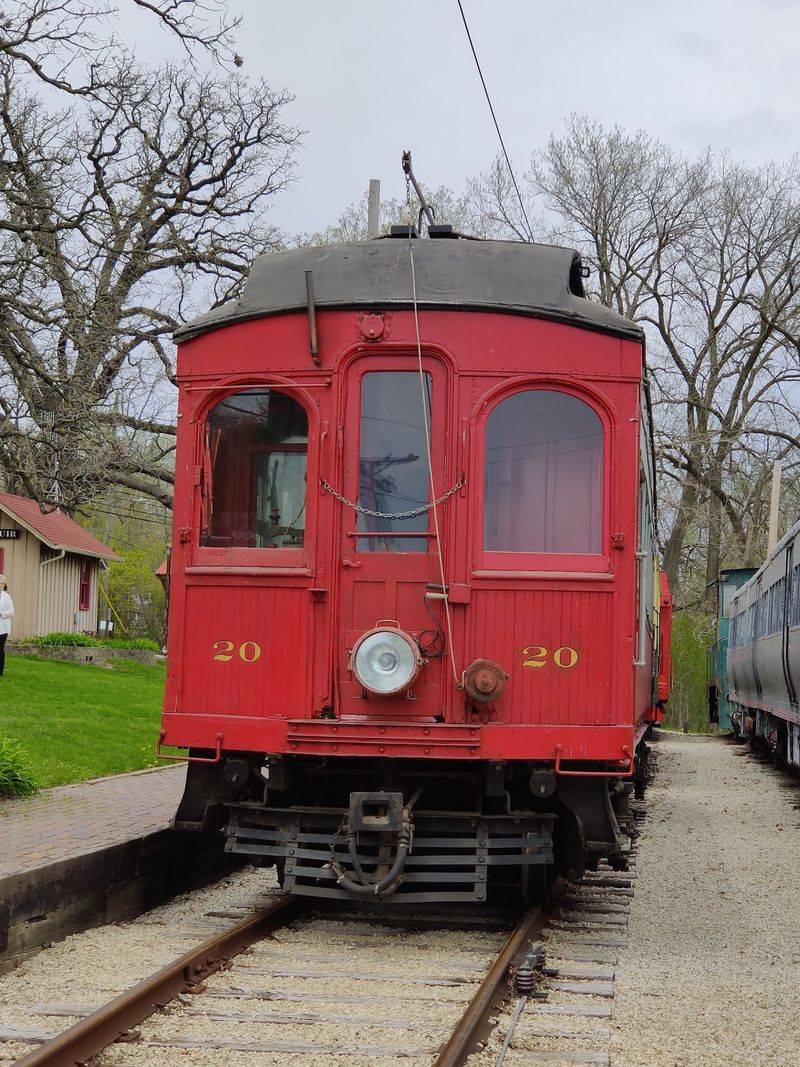
Walk the grounds and the collection starts telling its own story. The equipment here spans from 1887 to 1959, which covers the rise and fall of the electric railway era in America.
Not every car runs. Some are fully restored and gleaming, while others sit with peeling paint and exposed frames. That mix is actually one of the best parts, because you get to see what restoration looks like halfway through.
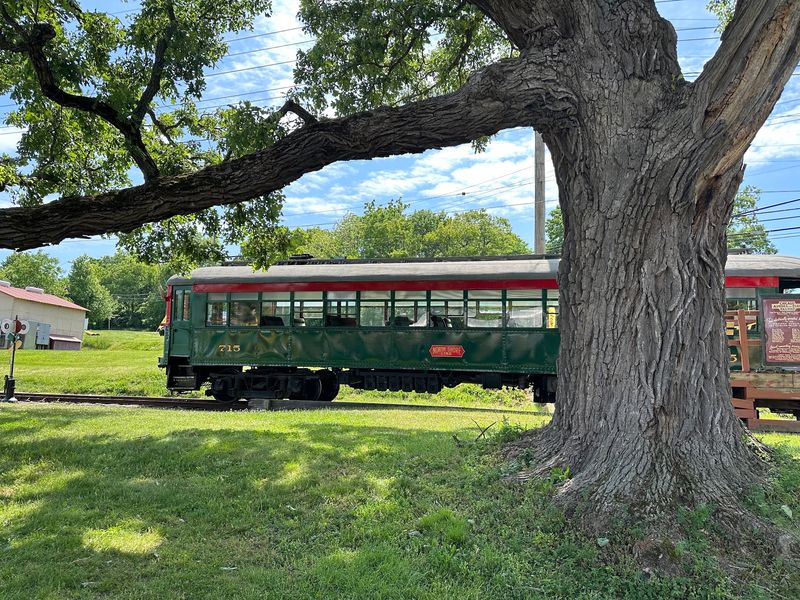
Car 715 is a crowd favorite. Its shape and finish make it a star for photographs, and lucky visitors sometimes ride it on regular days. It shows what these cars looked like when they were the pride of their lines.
Cabooses add another flavor. The museum runs a diesel-powered caboose train on some occasions, which gives a different feel from the quiet electric trolleys. The engine rumbles louder, and the caboose windows offer a fun, boxy view of the river.
There is even an old subway car in the mix. It has been used for special holiday events, and riders are often surprised to find a piece of big-city transit rolling through a quiet forest preserve.
Look closely at small details. Brass fittings, old fare signs, wooden window frames, and hand-painted lettering all show how much craftsmanship went into these machines. Many parts are hard to replace, so volunteers sometimes fabricate pieces by hand.
Ask about World War II connections too. The era shaped railroads across the country, and the crews here enjoy explaining how wartime travel and rationing affected trolleys and trains. Kids who like history class will eat this up.
Bring a camera with a decent zoom. Many cars sit on sidings where you can view them from outside, and the light around late afternoon makes old paint glow in rich reds and greens.
Volunteers Who Keep an Illinois Railway Alive
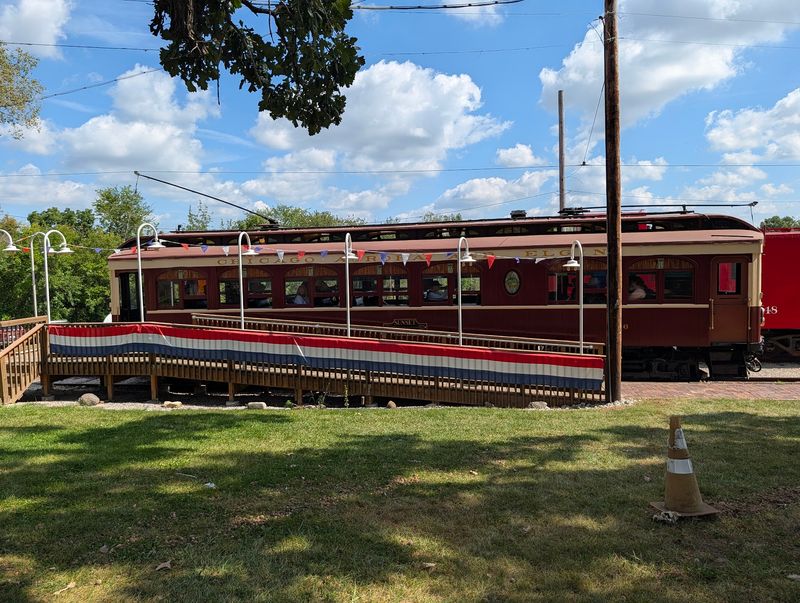
Nobody here is collecting a paycheck. The Fox River Trolley Museum is run entirely by volunteers, and that single fact explains a lot about how the place works.
These are people who spend weekends fixing motors, painting car bodies, checking track, and selling tickets. Some are retired railroaders. Others are lifelong fans who simply love old machines and want kids to see them in action.
Their knowledge runs deep. Ask a question about a car’s builder or the year it was retired, and you will likely get a detailed answer plus a story or two. On board, the guides mix local history with railroad facts in a way that keeps both adults and children listening.
The line itself has a story too. Its original route was shorter, and the tracks into the forest preserve were added in the early 2000s. Private property boxes in both ends, so the line cannot simply grow longer. Every foot of track you ride took real effort to build.
Ticket money and gift shop sales help pay for restoration. When you buy a souvenir, you are helping fund paint, parts, and repairs for cars that might otherwise rust away.
Volunteers also go out of their way for visitors. The museum has welcomed school field trips and homeschool groups, and has even hosted a family photo shoot when a pandemic canceled a child’s birthday party. Those small favors show how personal this operation can be.
If your kid lights up around trains, chat with the crew. Some little riders get to pull a whistle or peek into a cab. And if you live nearby and have free weekends, the museum always welcomes new helpers, whether you can rewire a motor or just hand out tickets with a smile.
Take the Throttle and Other Ways to Ride
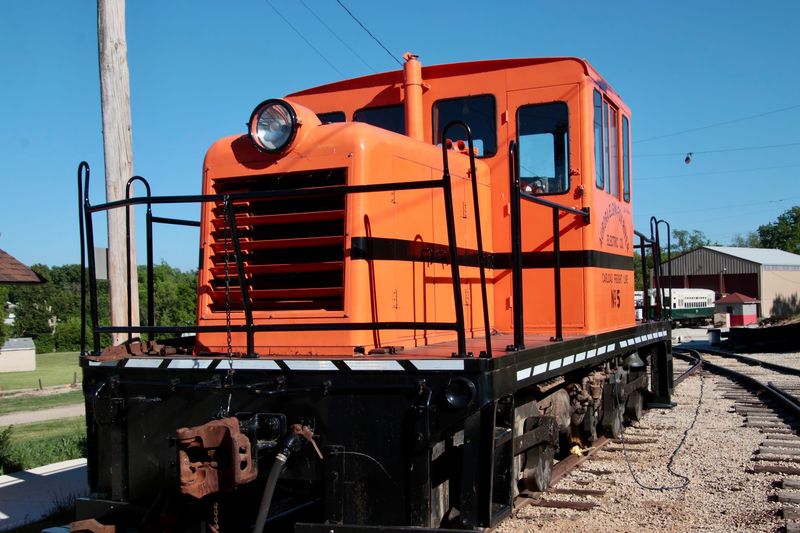
Ever wanted to run a locomotive yourself? At this museum, that dream is actually on the menu. The Take the Throttle experience lets a guest climb into the cab of a diesel locomotive and drive it down the line with a trained crew member at their side.
The trip runs about two miles down the track and back, along the river, and the whole program lasts roughly an hour or more. Family members can ride behind in a caboose, watching their relative pull the train.
It makes an incredible gift for a train-loving parent or grandparent. Birthdays, retirements, and Father’s Day are natural fits. Book early, since spots are limited and it is a popular request.
For a slower day, try the picnic plan. Ride the trolley out to the forest preserve, hop off, spread a blanket, and catch a later car back. Pack your own lunch, because the museum does not sell food.
Arriving early helps here. Grab the first ride, explore the preserve, then return for a second trip in a different car if one is running. Two rides give you two views of the river and often two different guides with different stories.
Groups have options too. School classes, scouts, and homeschool groups have toured the grounds, learning about the parked cars in addition to riding.
Little kids get their own thrills. A toddler pulling a whistle cord can be the highlight of the whole afternoon, so ask the crew if that is possible.
Dress for the outdoors. Cars can be warm in summer and breezy in spring, and you will spend time walking on gravel near the platform. Sneakers beat sandals, and a light jacket is smart from September onward.
Bunny Trains, Santa Trolleys, and Holiday Lights
Snow on the ground, lights glowing in old trolley windows, and a car full of kids singing carols. Holiday season changes this museum completely.
Santa’s Trolley Express is the big winter event. Families check in, warm up in a heated car, sip hot chocolate, and ride to a pretend North Pole. Along the way, a conductor leads sing-alongs and story time, and elves move seat to seat chatting with kids.
One elf named Mr. Waffles has become a local celebrity. Santa spends time with each group, and Mrs. Claus has joined the fun too. Children have gone home with small souvenirs such as buttons and sleigh bells.
Set your expectations, though. The actual moving portion is short, often around ten minutes each way, while the full experience runs about 40 minutes. Tickets cost more than a regular ride, so families who mainly want a long train trip might prefer a summer visit.
The event is still fairly new, and organizers have been adjusting it based on feedback. That means each season can bring tweaks and improvements.
Spring brings the Bunny Train, aimed at children about seven and under. Kids ride through the greening woods and meet the Easter Bunny, which makes it a sweet first train trip for preschoolers.
Holiday rides fill quickly. Reserve tickets well ahead and dress little ones warmly for the platform, even if cars are heated. Mittens, hats, and a thermos of extra cocoa never hurt.
Bring a camera that handles low light. The sight of lit trolley cars against a dark, snowy forest is the kind of photo that ends up on the fridge for years.
Timing Your Trip and Why It Stands Apart
Weekends only. That is the first rule to remember when planning a visit here. During the operating season, the museum opens Saturday evenings from 4:30 to 8:30 PM and Sundays from 11 AM to 5 PM.
Weekdays are closed. Schedules can shift for special events, weather, and seasons, so check the official schedule before you drive out.
Each time slot has its own personality. Sunday late morning is great for families who want a ride followed by a picnic in the forest preserve. Saturday evening rides catch softer light on the river, and the air cools down after a hot summer day.
Plan for around two hours. That leaves time for one ride, a look at the parked cars, a stop in the gift shop, and maybe a second trip. Pack snacks and drinks, since there is no food stand on site.
Compared with big theme parks or giant museums, this place is small. A visitor looking for dozens of exhibits may finish quickly. But that compact size is the point, because nothing feels rushed or crowded, and you can actually talk to the people running the cars.
The museum sits close enough to Chicago’s western suburbs for an easy half-day trip. Pair it with a walk in downtown South Elgin or a stroll along the Fox River trail for a full outing.
Few places let you ride real equipment from more than a century ago on a working electric line beside a river. Add volunteers who know every bolt, a fair price, and seasonal events kids beg to repeat, and you have a weekend plan worth circling on the calendar. Watch for the bell, find a window seat, and let the river slide by.