Oklahoma City did not always hold the title of state capital. Long before the Capitol dome rose over OKC, the young state did its official work in a small brick town just north of the city.
That town was Guthrie, and its story is packed with land runs, lawmen, and one very famous capital move that people still argue about today. A museum there tells the whole tale, from the first settlers to statehood, inside a building that is more than a century old.
It is close enough for a day trip, easy on the wallet, and full of surprises for kids and grown-ups alike. Keep reading to learn where it is, what waits inside, and how to plan a visit this weekend.
1. A Museum on East Oklahoma Avenue
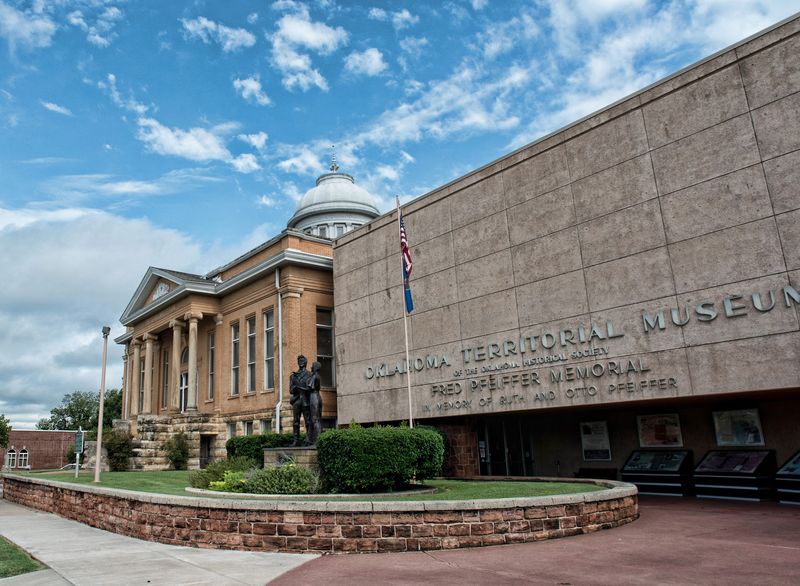
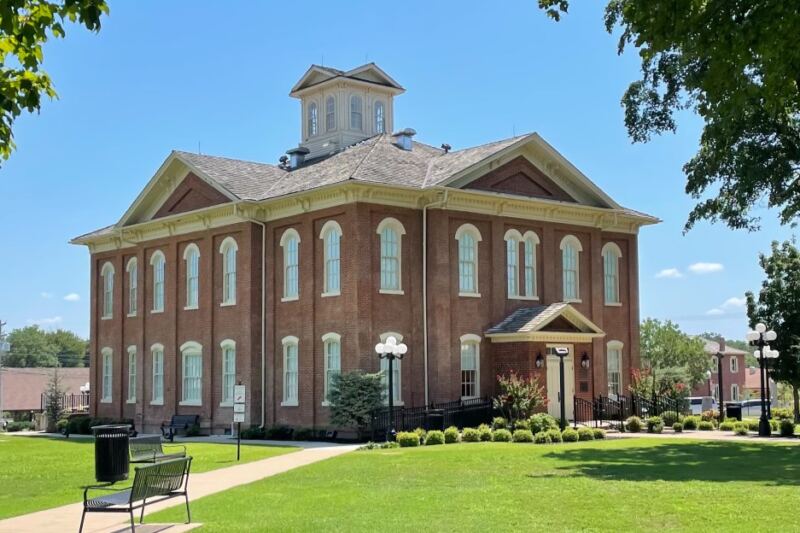
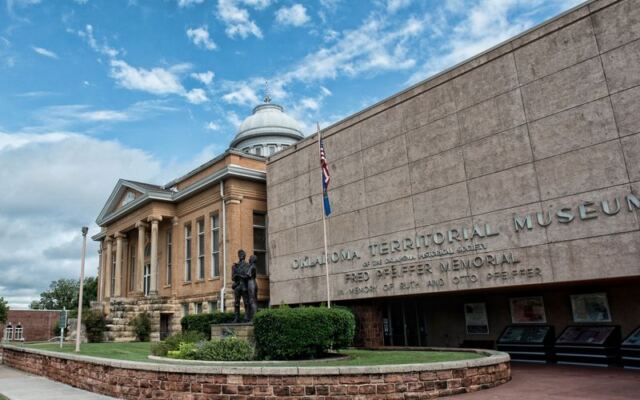
Guthrie keeps its biggest secret in plain sight. The Oklahoma Territorial Museum sits at 406 E Oklahoma Ave, Guthrie, OK 73044, in the heart of a town that once led a whole territory.
The museum is run as a site of the Oklahoma Historical Society. Its focus is local history and heritage, with special attention on the years before and around statehood.
Here is the twist that makes this place special. Guthrie, not Oklahoma City, served as the first capital, back when Oklahoma was still a territory and then a brand new state.
So the museum is more than a building full of old things. It stands in the very town where early government work happened, which gives every exhibit a little extra weight.
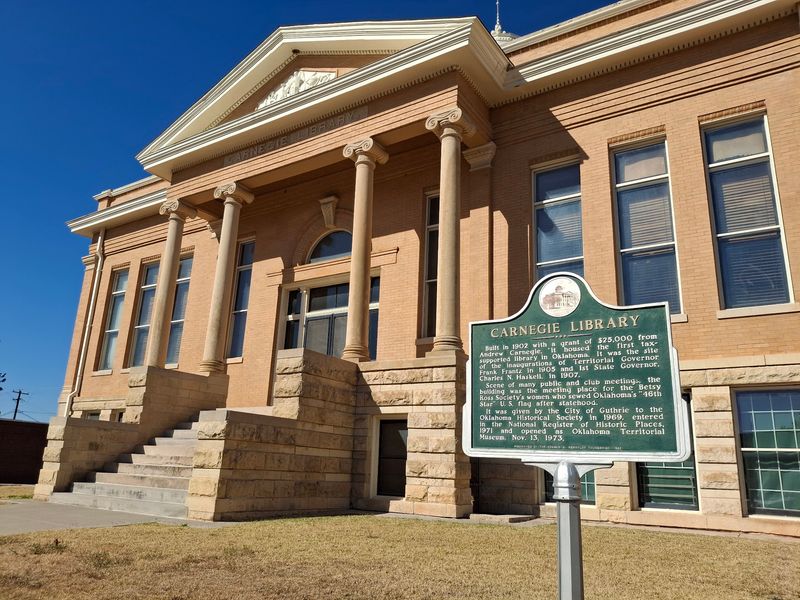
The setup is simple to understand. A modern museum space connects to the historic Carnegie Library, and guests can explore both in one trip.
That pairing is a big reason the site shows up on so many Oklahoma history lists. One ticket covers the story and the setting at the same time.
For families in OKC, Edmond, or Stillwater, Guthrie is an easy drive. That makes this stop a natural fit for a Saturday outing that does not require a hotel or a long road trip.
The next question is obvious, though. How did a small prairie town end up running a territory in the first place?
2. The Capital That Came First
Few states can say their first capital is now a quiet small town. Oklahoma can, and Guthrie is that town.
Before Oklahoma became the 46th state, it existed as a territory. Guthrie served as the capital of Oklahoma Territory during that era.
The museum traces this period from the start. Exhibits follow the story from the beginning of the land run all the way through the move of the capital to Oklahoma City.
That move is one of the most talked about chapters in the building. Some people still describe it as a capital that was taken rather than simply relocated, and the museum lays out how it all unfolded.
Kids who know OKC as the capital are often surprised by this. It is a fun fact that turns into a great car conversation on the way home.
The exhibits also cover the state constitution and the path to statehood. Guests leave with a clear picture of how Oklahoma went from open land to an official state.
None of this feels like a dry textbook. The layout walks guests through history in order, so the story builds step by step.
Of course, a capital needs settlers first. That is where the land run enters the picture.
3. Eighty-Niners and the Land Run
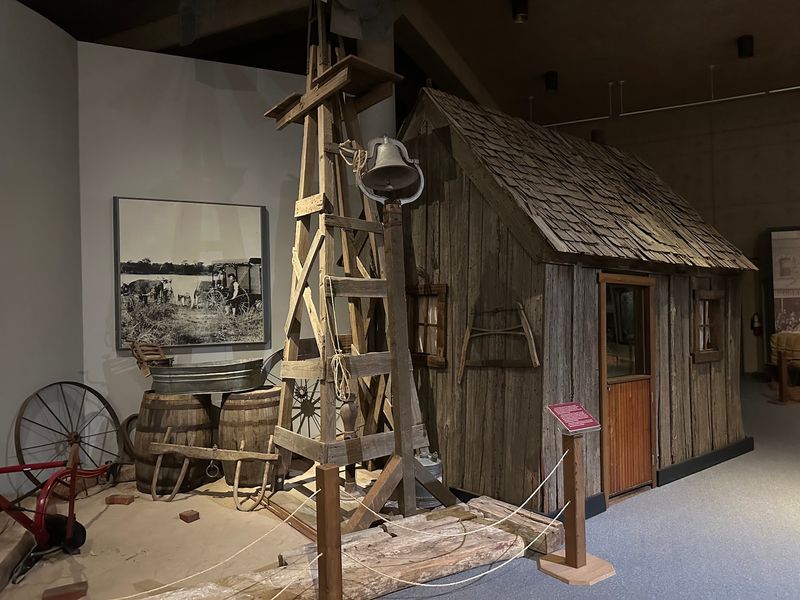
The settlers who arrived in 1889 earned a nickname that stuck. They were called the Eighty-Niners, and they carved out a huge home for themselves in Oklahoma Territory.
Their story gets a full and honest treatment here. Exhibits show what pioneer life looked like, from claiming land to building towns almost overnight.
The collection uses artifacts, documents, and photographs to tell this part of the tale. Each piece helps explain how ordinary families shaped a brand new territory.
Exhibits also explore the growth of government and infrastructure. Towns needed roads, laws, and leaders, and the museum shows how those pieces came together.
Families with school-age kids will find a lot to talk about in this section. It connects directly to the Oklahoma history lessons many students learn in class.
The organization makes it easy to follow. Guests move through the history of the state in an orderly path, so nothing feels jumbled.
Some guests wish the first floor had a few more genuine artifacts with explanations. Still, the information panels are thorough and give plenty to read on each topic.
Once the land was settled, another problem showed up fast. Where there are new towns, there are often outlaws.
4. Lawmen, Outlaws, and a Jail Cell
Frontier justice gets its own spotlight inside these walls. An exhibit on the U.S.
Marshals service explains how lawmen worked to track down outlaws in the territory.
This section is a favorite for anyone who likes Western history. It ties the museum to the rough and lively days before statehood brought more order.
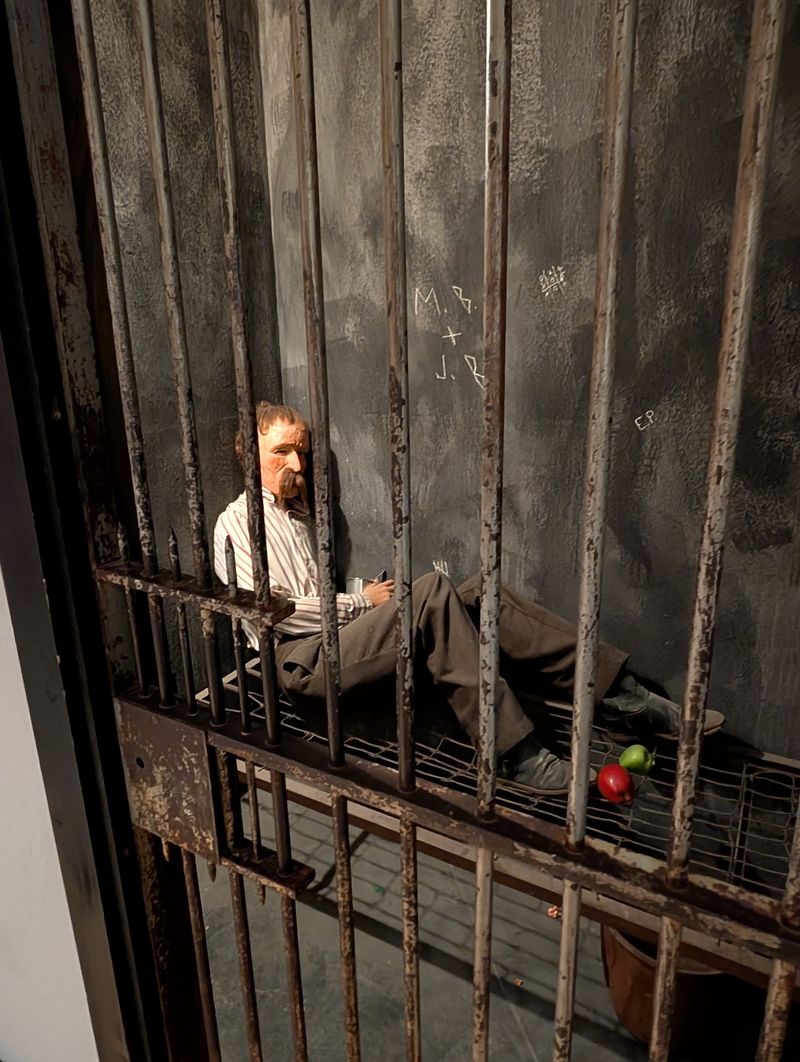
Keep an eye out for the jail display. A mannequin sits inside, and it has given more than one guest a jump when they turned the corner.
Kids tend to remember that moment long after the trip. It is a playful scare that makes the lesson stick.
The museum also points guests toward Judge Frank Dale, a key figure from the era. Reading about him adds a human face to the story of territorial law.
Here is a bonus tip for curious travelers. The judge’s home still stands about a mile away and operates as a bed and breakfast, so a quick drive-by can extend the history lesson.
Look for references to The Judges Chambers while exploring the exhibits. These small details reward guests who slow down and read.
After the outlaws, though, the real showstopper waits upstairs. It is a building with a story of its own.
5. The 1902 Carnegie Library
Save the best for the second floor. The connected Carnegie Library is the part of the visit people mention again and again.
Built in 1902 in the Renaissance Revival style, it was the first Carnegie library in Oklahoma Territory. It also ranks among the oldest libraries in the state.
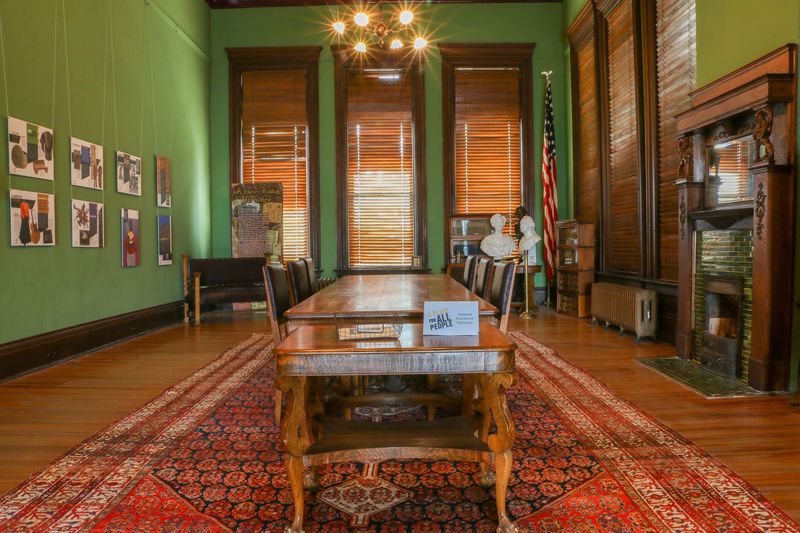
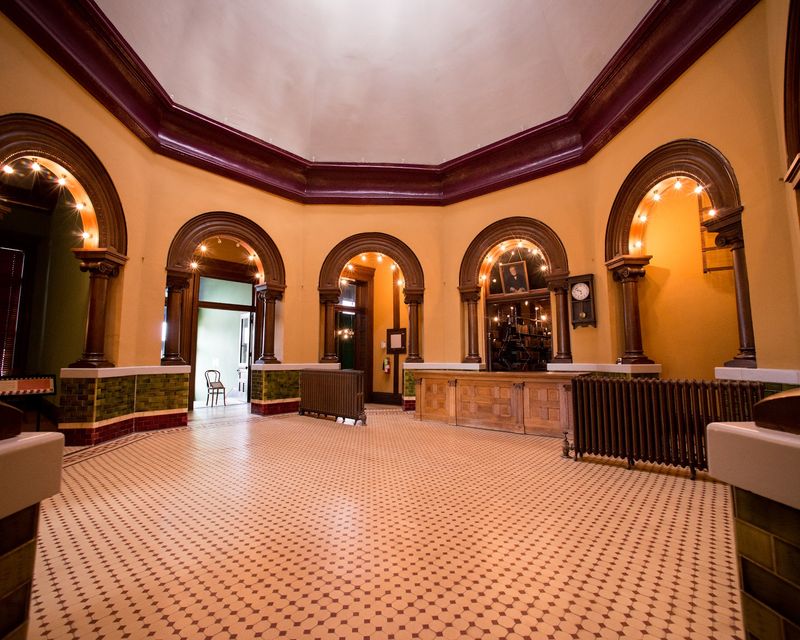
The upstairs space stands out for its high ceiling and wood floors. Many guests call it the jewel of the whole visit.
The floors creak a bit underfoot. That only adds to the old-building charm.
This area holds more genuine artifacts with explanations, which history fans appreciate. The library is clearly well cared for, with plenty of interesting details tucked around the room.
Small discoveries happen here too. One family found an old Sears book that described a building near where they grew up in Chicago.
A practical note for summer trips matters here. The library portion is not air conditioned, so a scorching 100 degree afternoon is not the ideal time to linger upstairs.
Spring, fall, and winter visits work nicely for this reason. Off-season trips also tend to be quieter, which leads to the next question about the overall mood.
6. A Quiet Place for Curious Minds
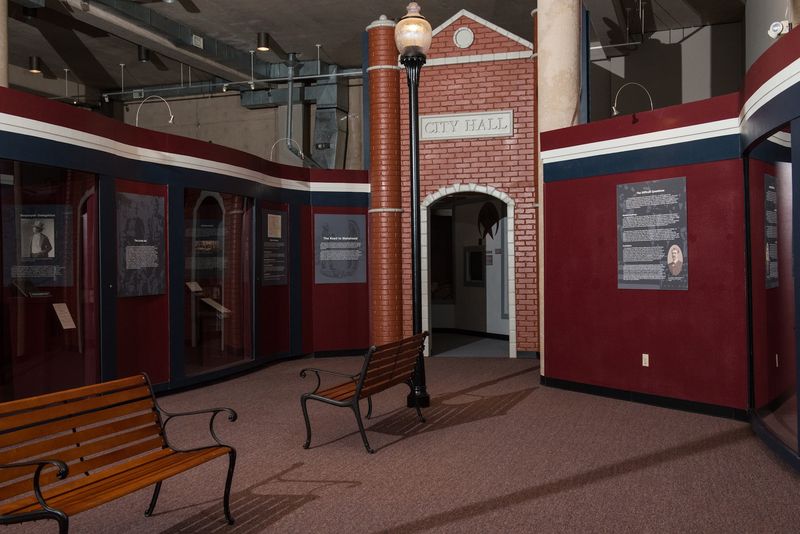
Crowds are rarely a problem in Guthrie. Weekday visits in particular tend to be calm, with only a handful of other guests.
That peaceful setting suits people who like to read every panel. Plan on at least two hours to take it all in at an easy pace.
Serious history buffs may want even longer. The exhibits are packed with information on each topic.
The size is part of the appeal. This is a small museum spread over two floors, so families can see everything without wearing out little legs.
School groups and field trips are a natural fit as well. The museum offers educational programs and resources for all ages.
Newcomers to Oklahoma get a lot out of it. Transplants and out-of-state guests from places like Texas often leave knowing far more about the state than when they arrived.
A couple of small quirks are worth knowing about. Some areas could use brighter lighting, and the cooling system has struggled on hot days.
None of that takes away from the main draw, though. Much of the charm comes from the people behind the front desk.
7. Friendly Faces and a Small Gift Shop
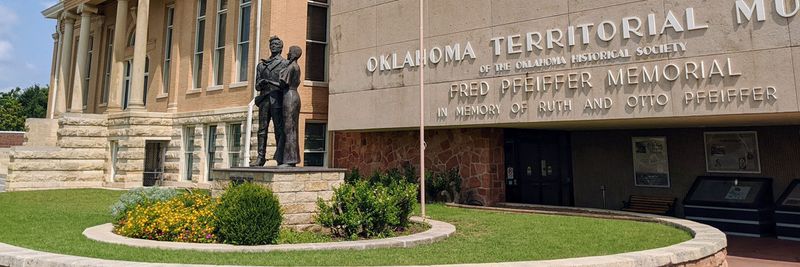
Good museums need good people, and Guthrie has them. The staff here are known for being warm, helpful, and full of smiles.
The curator is happy to answer questions. Front desk staff often share extra details about the building and its history right at check-in.
That personal touch makes a small museum feel welcoming. It is the kind of place where asking a question can turn into a mini history lesson.
A small gift shop sits near the entrance. It carries gift options that suit families looking for a keepsake.
Do not skip the guest book. Signing it is a simple way for kids to leave their mark on a place tied to Oklahoma’s very first capital days.
The restrooms are kept very clean, which parents will appreciate on a day trip. Little comforts like that make a longer stay easier.
Everything inside shows signs of care. The exhibits are well put together and flow smoothly from one room to the next.
Of course, families also want to know what all of this costs. Thankfully, the answer is friendly to most budgets.
8. Hours, Admission, and Getting There
Planning ahead takes only a minute. The museum is open Tuesday through Saturday from 9 a.m. to 5 p.m.
It is closed on Sundays and Mondays. Weekend trips should aim for Saturday.
Admission has been listed at $7 for adults and $5 for seniors. Military guests have been able to get in free.
Some guests have also mentioned free entry with donations encouraged. Because prices can change, it is smart to check the Oklahoma Historical Society website before heading out.
Either way, the cost is low for the amount of history packed inside. Many guests call it a lot of museum for a very small price.
Getting there is simple from central Oklahoma. Guthrie sits north of Oklahoma City, making it an easy day trip from the metro.
Give yourself time beyond the museum, too. The Judge Frank Dale home is about a mile away, and downtown Guthrie offers more historic buildings to explore.
Summer visitors should plan around the heat, since the library upstairs lacks air conditioning. Cooler months are the sweet spot for a comfortable walk through both floors.
With the details sorted, only one question remains. Is it worth the drive?
9. Why Guthrie Deserves a Saturday
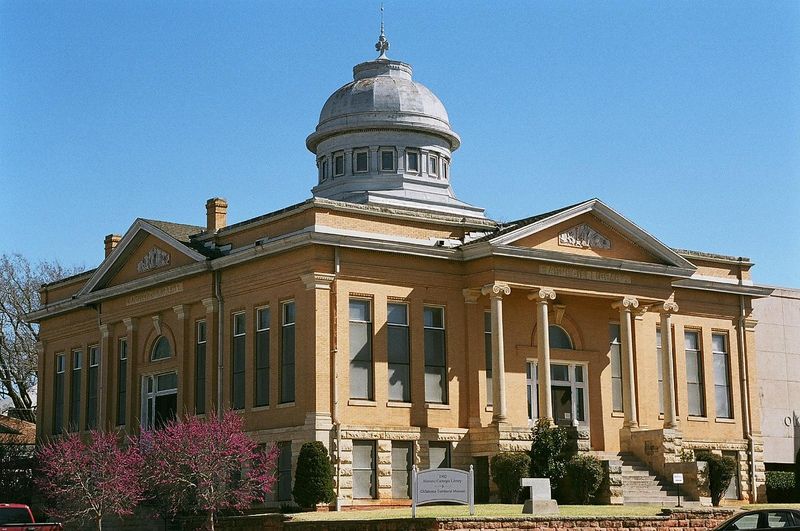
Oklahoma pride runs deep, and this museum gives it plenty of fuel. It proves the state’s story is far richer than flat prairie and open sky.
Guests have called it one of the best museums they have seen in Oklahoma. With a 4.7 star standing from more than 240 people, that praise is easy to believe.
The appeal is clear. Land runs, lawmen, a stolen capital story, and a 1902 library all fit under one roof.
Families get a budget-friendly outing that teaches without feeling like homework. History lovers get hours of reading and a building that is part of the story itself.
It is not a giant museum, and it does not try to be. Its strength is focus, telling one important chapter of Oklahoma history and telling it well.
Pair it with a stroll through downtown Guthrie for a full day. The town that once ran the state still has plenty to show off.
Before the dome, before OKC took the title, this little town held the keys. A Saturday trip here is a fine way to meet the Oklahoma that came first.
Share this story