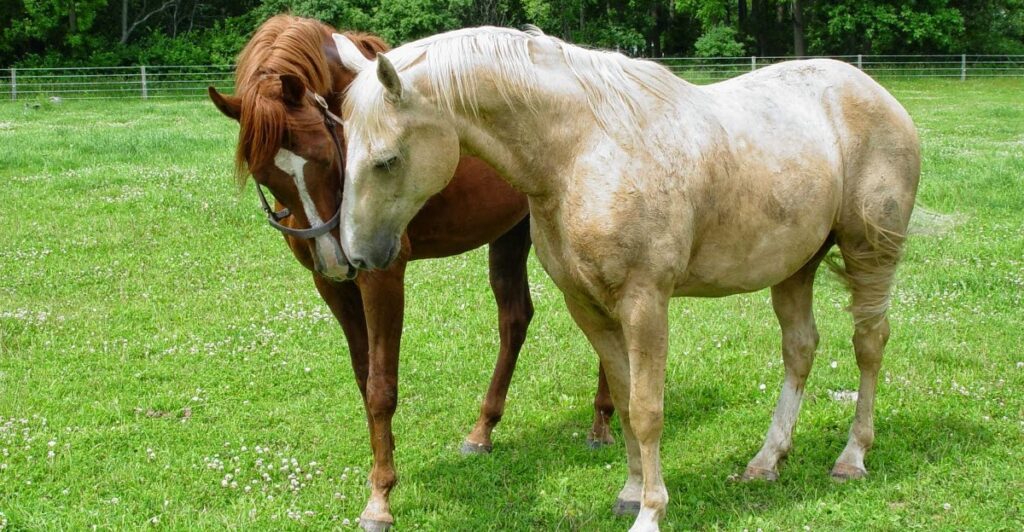
Tucked along a quiet road in Tower Lakes, a peaceful Illinois sanctuary is giving horses and other hooved animals the fresh starts they deserve. The Hooved Animal Rescue & Protection Society, better known as HARPS, cares for animals rescued from neglect, starvation, and other difficult circumstances.
Each horse, donkey, and goat has its own story, and visitors can get an up-close look at the remarkable work that goes into helping them recover. For animal lovers looking for a meaningful experience north of Chicago, this special place offers a chance to meet the residents and see what a second chance can look like.
Pastures, Fences, and a Whole Lot of Quiet in Tower Lakes
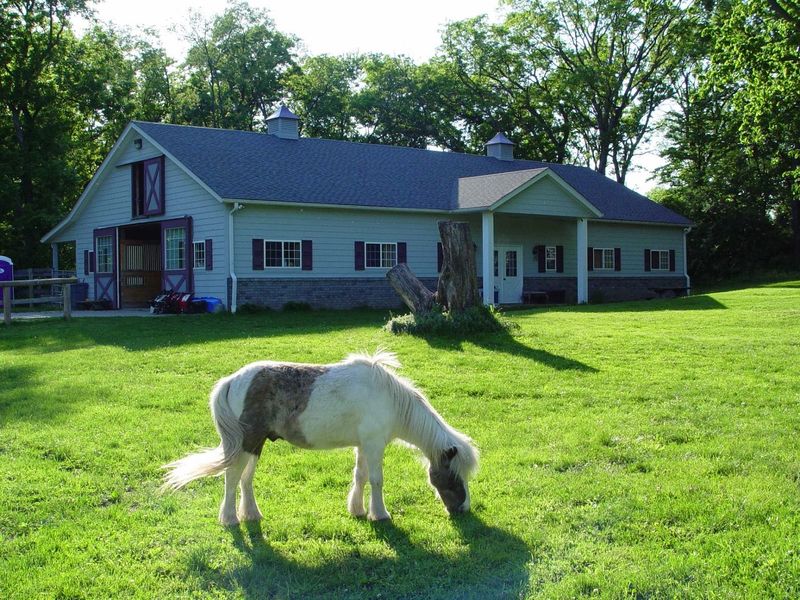
Turn onto Oak Knoll Road and the suburbs start to loosen their grip. Houses spread out, trees grow taller, and soon you spot fence lines and grazing shapes in the distance. Tower Lakes is a small village in Lake County, and the ranch fits right into its leafy, low-key setting.
The first thing you notice is the space. Rescued horses need room to roam, rest, and rebuild strength, so the land is laid out with open paddocks and simple shelters. Nothing here is flashy. The focus stays on what the animals need, not on looking pretty for visitors.
Even so, the ranch is lovely to look at. Wooden rails stretch across the grass, and big oak trees throw patches of shade where horses like to stand on warm afternoons. In the morning, mist can hang low over the fields, and you might hear a soft snort before you see who made it.
Sound plays a big part in the visit. Instead of traffic, you get hooves thudding on dirt, hay rustling in a feeder, and birds calling from the treetops. A donkey might let out a loud bray that cuts through the calm and makes everyone laugh.
Wear shoes that can handle mud, because a working ranch is not a sidewalk. After rain, gates and walkways get soft and messy. Boots or old sneakers will save you a lot of worry.
Bring your eyes and your patience, too. Animals that once lived through hard times may hang back at first, watching you from across the field. Give them a few minutes, and curiosity often wins.
A long face may slowly drift closer to the fence, ears pointed your way, checking out the new visitor who came all this way to say hello.
Horses With a Comeback Story
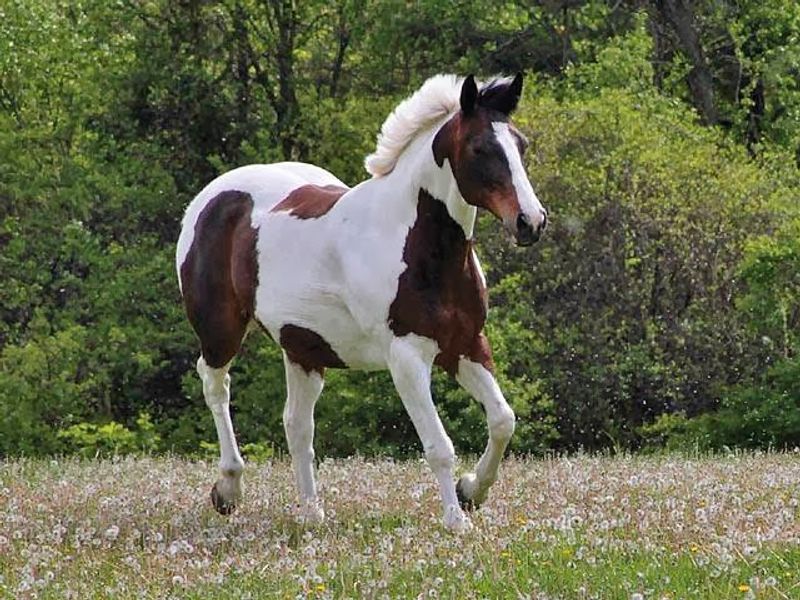
Picture a horse so thin you can count every rib. Its coat is dull, its hooves are overgrown, and it barely lifts its head. That is how many animals arrive at HARPS, and it is exactly why the group exists.
The Hooved Animal Rescue & Protection Society has worked for decades to help horses and other hooved animals that suffered from neglect or abuse.
Rescues can come from all over northern Illinois. Volunteers have traveled to places like the Rockford area to bring home emaciated horses that needed help fast.
Recovery does not happen overnight. A starved horse cannot just be handed a giant pile of food, because eating too much too quickly can make it very sick. Caretakers slowly build up meals, work with vets and farriers, and watch for small signs of progress.
Those signs are worth celebrating. A horse might gain a little weight, then start to trot instead of shuffle. Its coat begins to shine again, and one day it kicks up its heels in the pasture just because it feels good.
When you meet these animals, you are seeing the result of months of steady work. The shiny mare dozing by the fence may have once been too weak to stand for long. The gelding nudging your hand may have learned to trust people all over again.
Ask about the animals you meet, if staff have time to share. Each one has a name and a history, and hearing it changes how you see them. A plain brown horse turns into a survivor with a personality, quirks, and favorite snacks.
Not every horse looks dramatic or famous. That is the point. Ordinary animals deserve rescue too, and this ranch treats every single one as worth saving.
Donkeys, Ponies, and Other Hoofed Surprises
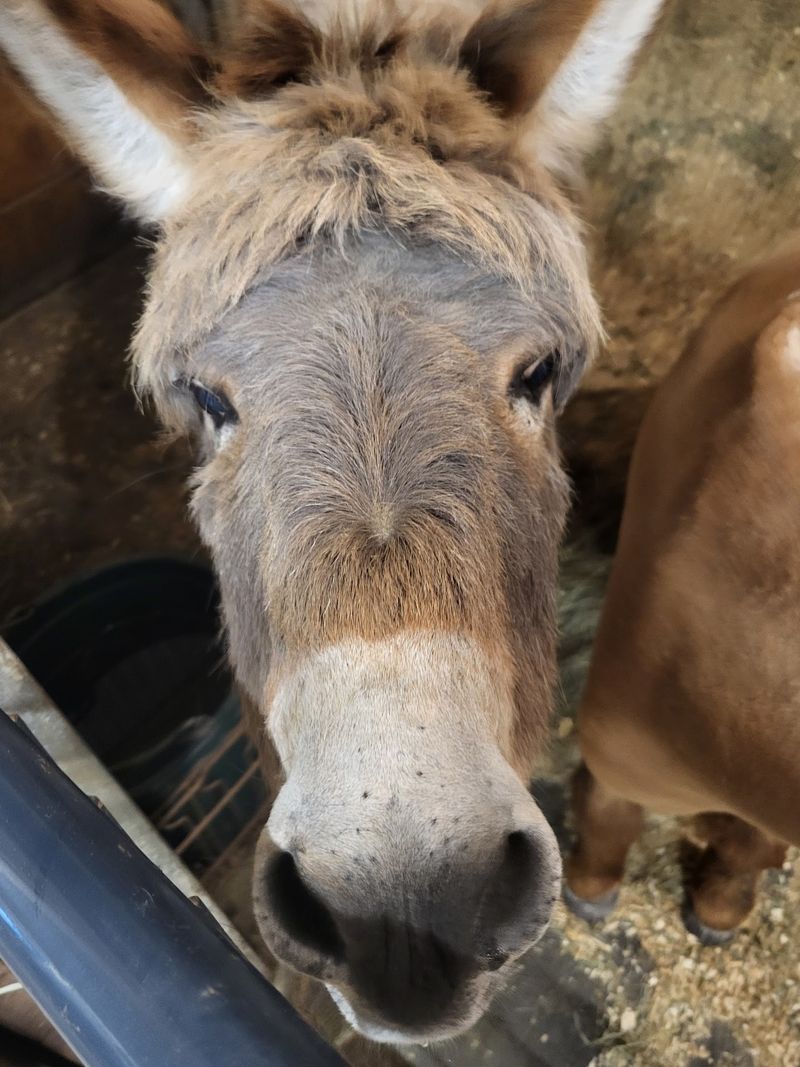
Horses may get top billing, but the word hooved covers a lot more ground. Donkeys, ponies, mini horses, and even goats can fall under the group’s care. If it walks on hooves and needs help, HARPS wants to know about it.
Donkeys are a treat to watch. Their huge ears swivel like little satellite dishes, picking up every sound. They tend to be more cautious than horses, so they often stand still and think things over before deciding whether you are friend or stranger.
Ponies bring a different kind of energy. Many are clever, a bit stubborn, and very good at finding the one spot of grass you forgot about. Their thick, fuzzy winter coats make them look like stuffed animals when the weather turns cold.
Here is a fun bit of trivia. Donkeys do not like rain nearly as much as horses, because their coats are not as waterproof. That is one reason they need good shelter on stormy days.
Small animals can have big problems, though. Overgrown hooves are a common issue with neglected minis and donkeys. Left alone, the hooves curl up like elf shoes and make walking painful. Regular trimming slowly fixes that, and the change in how an animal moves can be amazing.
When visiting, notice how different animals get along. Some donkeys pick a horse as a best buddy and follow it everywhere. A pony might boss around animals three times its size without a second thought.
These friendships teach a simple lesson. Animals that lived alone or in bad conditions can learn to relax once they have company and care. Spend a few minutes watching one small herd, and you will start to spot who leads, who follows, and who always sneaks to the front at feeding time.
The People Behind the Hay Bales
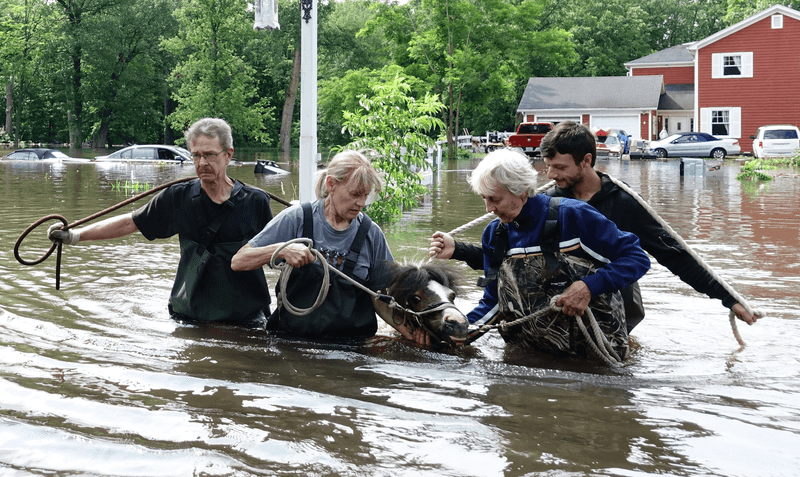
Behind every healthy horse is a person who showed up at dawn with a bucket. At HARPS, those people are a mix of longtime leaders, staff, and volunteers who put in hours most of us never see.
Names like Donna and Ronda come up often when people talk about this rescue. Donna has been described as someone who dedicated her life to saving animals, even heading out on rescues of badly starved horses. That kind of hands-on commitment sets the tone for the whole place.
Running a sanctuary is not glamorous work. It means mucking stalls, hauling water when pipes freeze, and checking on a sick animal in the middle of the night. It also means making hard phone calls, working with authorities, and comforting animals that are scared of people.
Yet the spirit around the ranch stays warm. Volunteers chat with each other while filling feeders. Someone hums while brushing out a tangled mane. Small jokes and kind words keep the long days moving.
The organization also serves as a lifeline for the wider community. If you know of a hooved animal that is in trouble, this is the kind of group you can contact for help. Many rescues start with a neighbor who noticed something wrong and decided to speak up.
That is a lesson worth carrying home. You do not need to own a farm to make a difference. Paying attention, asking questions, and reaching out to the right people can change an animal’s whole future.
Watch how the caretakers move around the animals. They speak softly, approach from the side, and let each horse set the pace. These small habits show years of experience and deep respect, and they are a good model for any visitor stepping up to the fence.
Grab a Pitchfork: Volunteering at an Illinois Horse Rescue
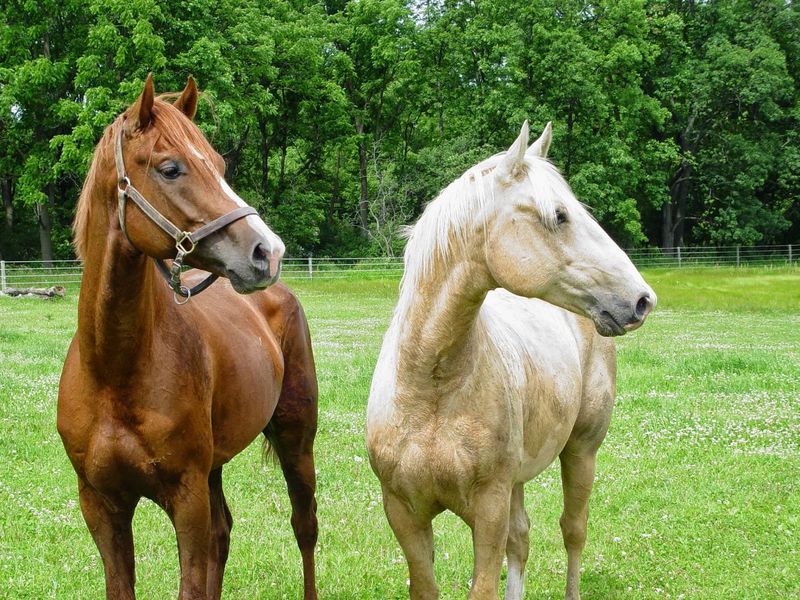
Want the best seat in the house? Pick up a pitchfork. Volunteering is one of the most rewarding ways to experience this sanctuary, and it is a big part of how the place keeps running.
Volunteers help with daily chores that animals depend on. That can mean cleaning stalls, refilling water tanks, spreading fresh bedding, or helping at feeding time. Some jobs are simple, while others require training and a calm, steady hand.
Expect to get dirty. Manure, dust, and hay will find their way onto your clothes, into your hair, and maybe into your pockets. Dress in layers, wear gloves, and leave your nice shoes at home.
The payoff is real, though. Working near the animals week after week lets you notice changes that a one-time visitor might miss. You see a nervous horse finally take a treat from your hand, or a once-limping donkey trot across the yard.
Families and teens interested in animal careers can learn a ton here. Chores teach responsibility, and watching caretakers work offers a peek into horse health, feeding, and behavior. Age rules and training steps can vary, so it is smart to contact the group directly before showing up.
Reliability matters more than experience. Animals need care every single day, not just on sunny weekends. Showing up when you say you will is one of the most helpful things a volunteer can do.
Not able to give regular hours? Other kinds of help count too. Donations of money, feed, or supplies keep the barn stocked, and spreading the word about the rescue brings in new supporters.
Fundraising events also give the community a chance to pitch in. Every bale of hay starts somewhere, and often it starts with someone who simply decided to lend a hand.
Timing Your Trip and Visiting the Right Way
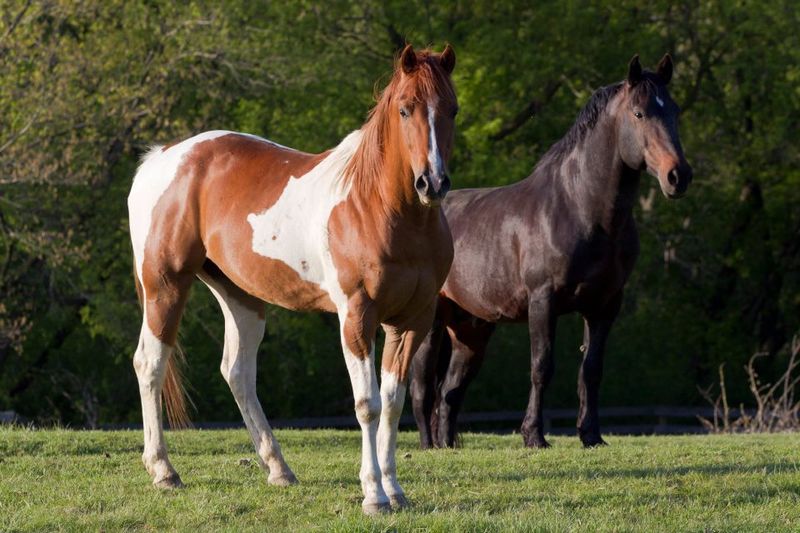
Planning ahead makes a big difference here. HARPS is a working rescue, not a petting zoo or theme park, so visits often depend on staff schedules, events, and the needs of the animals.
Reach out before you go. Calling ahead helps you learn when visitors are welcome, whether any open house or tour days are coming up, and what rules to follow. Showing up unannounced at a quiet ranch can disturb animals that are still healing.
Seasons shape the experience. Spring brings green grass and frisky horses shedding winter coats in big fuzzy clumps. Summer can be hot and buggy, so bring water and bug spray.
Fall offers crisp air and colorful trees, while winter turns the pastures white and the horses into fluffy, frosty-whiskered snowballs.
Follow a few simple habits once you arrive. Never feed an animal without permission, since many rescues are on special diets. Keep fingers flat if you are allowed to offer a treat, and do not climb fences or wander into paddocks.
Move slowly and keep voices low. Horses are prey animals, which means sudden noises or quick movements can startle them. A calm visitor gets far more friendly attention than a loud one.
Kids should stay close to an adult at all times. Even sweet horses are large and heavy, and a surprised step can happen fast. Teaching children to stand beside, not behind, a horse is a smart lesson for life.
Getting there is easy from much of the northwest suburbs. Tower Lakes sits near Barrington, and the drive winds through wooded neighborhoods and lake views. Plan for limited parking and country-road conditions, then leave a little extra time to stop by the fence and simply watch.
Small Ranch, Big Mission
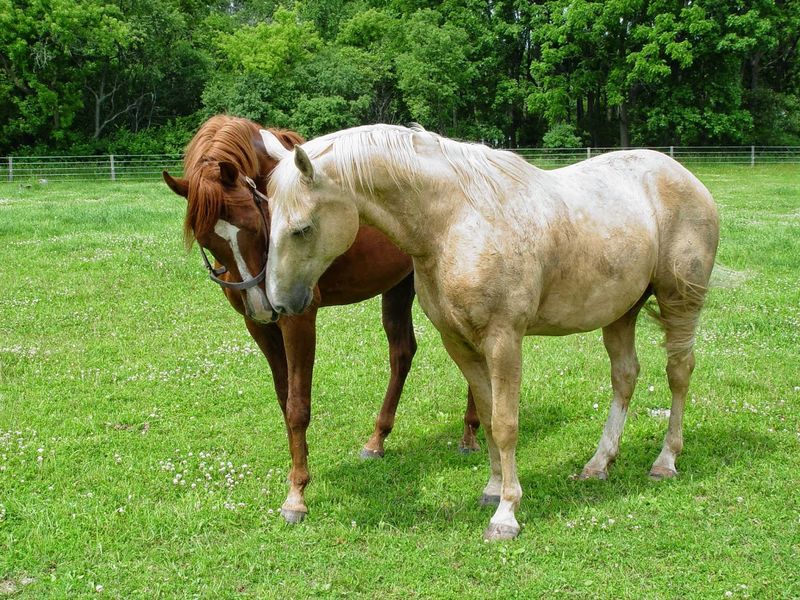
Sixteen reviews, sixteen perfect scores. Numbers like that are rare for anything, and they hint at how much this little ranch means to the people who know it.
HARPS does not try to be huge or fancy. Its strength comes from focus. The group sticks to one clear purpose, which is protecting hooved animals and giving them a safe place to heal, and it has stayed true to that goal for many years.
Visiting gives you more than cute photos. You get a close look at what happens after a rescue headline fades. The feeding plans, the hoof trims, the patience, and the slow return of trust are all on display in the fields.
There is also a bigger message about responsibility. Horses can live 25 to 30 years or longer, which is a huge commitment. Seeing what happens when owners cannot or will not care for them helps visitors understand why careful planning and kindness matter.
Some rescued animals may even be ready for new homes. Adoption is one path the organization offers for the right match, giving a recovered horse a fresh start while freeing up space for the next animal in need.
For locals in Lake County and the northwest suburbs, this ranch is a neighbor worth supporting. A donation, a volunteer shift, or a simple share with friends all help keep the gates open. For travelers, it is a calm break from city noise with a real purpose behind it.
Picture the scene one last time. A horse that once arrived weak and frightened now gallops across the grass, tail high, hooves drumming the ground. A volunteer leans on the fence and grins. Out here on Oak Knoll Road, that moment is the whole reason the work goes on.
Share this story