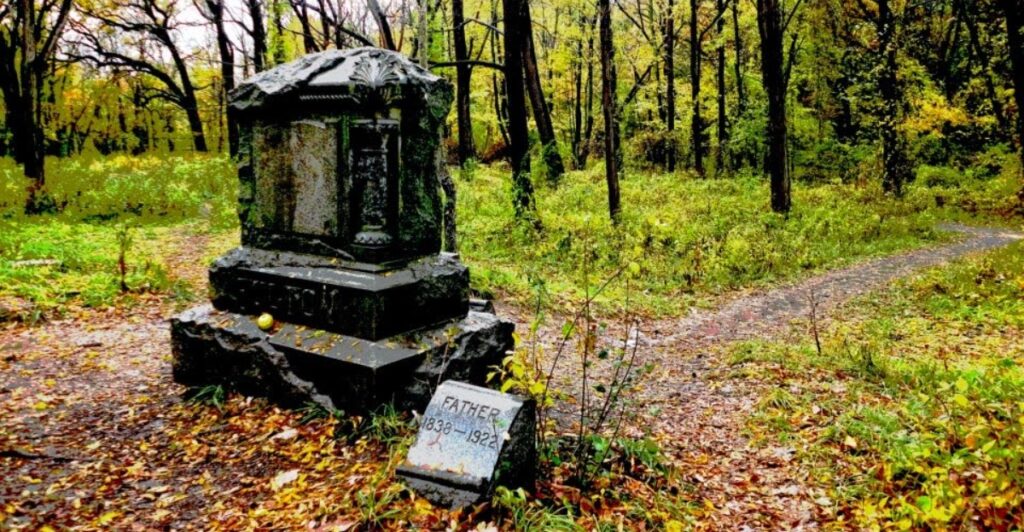
A short walk into Rubio Woods leads to one of the Chicago area’s most enduringly mysterious places. Bachelor’s Grove Cemetery near Midlothian is a small, secluded burial ground surrounded by trees, weathered headstones, and decades of stories that have given it an outsized reputation.
Local legends tell of unexplained lights, a woman in white, and even a phantom farmhouse said to appear before vanishing again. The tales are folklore, but the cemetery’s isolation and long history give visitors plenty to think about without embellishment. Whether you come for local history or spooky legends, this little woodland cemetery leaves a surprisingly lasting impression.
A Graveyard Hiding in Plain Sight
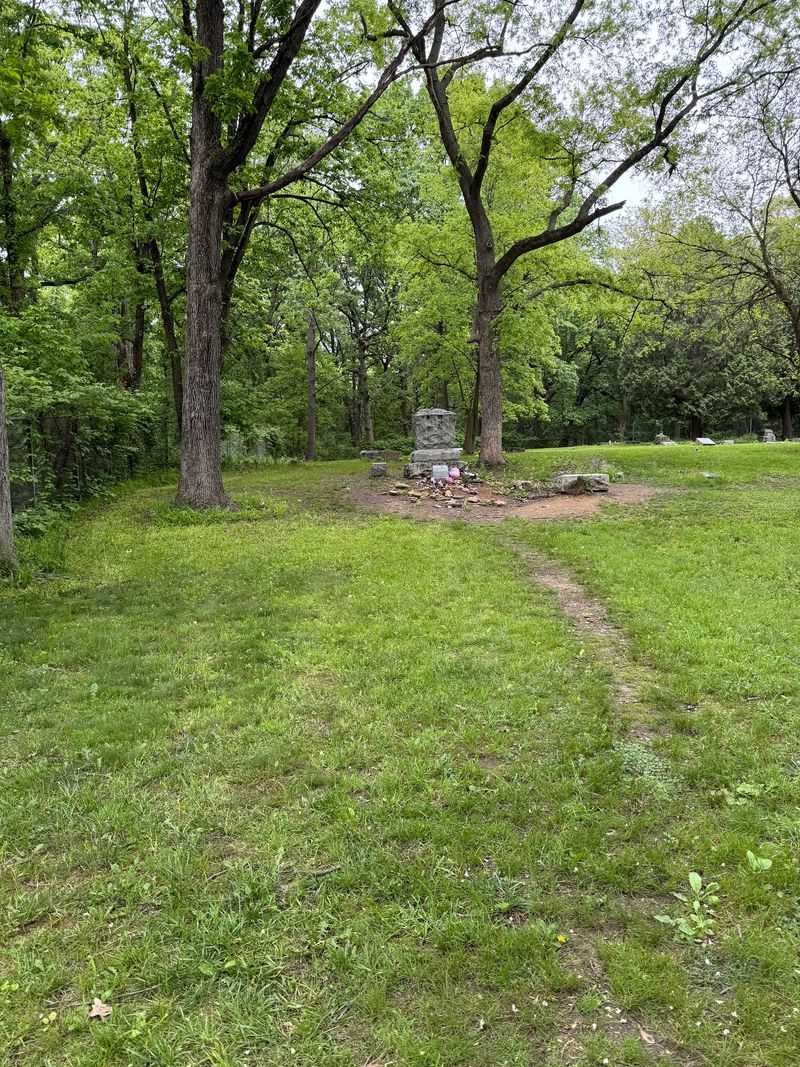
Cars rush along Midlothian Turnpike all day long, and most drivers have no clue a pioneer cemetery sits just a short stroll away. There is no grand gate, no sign flashing from the road, and no parking lot with its name on it. You have to know where to look.
The approach starts at the Rubio Woods forest preserve, across the road from the cemetery. From there, you cross the turnpike carefully and step onto an old, narrow path that used to be a public road decades ago.
Tall trees close in quickly, and the traffic noise fades faster than you would expect. That walk sets the mood before you ever see a headstone. Branches arch overhead, and the trail is lumpy in spots, with cracked bits of old pavement poking through the dirt.
In summer, everything is green and buzzing. In late fall, bare limbs make the woods look thin and gray, almost like a sketch.
A handy landmark helps first-timers. The path sits just west of the tall cell towers near the road, so keep your eyes on those metal giants as you head out. Once you spot the trail opening, the rest is simple.
Plenty of people actually find the trail spookier than the cemetery. Out in the open woods, every snapping twig and rustling leaf seems louder. It is the kind of place where you suddenly start walking a little faster without meaning to.
Then the trees part, and a fence appears. Behind it lies a small clearing dotted with weathered stones, some upright, some tilted, and some broken. After all that buildup, the cemetery itself looks surprisingly calm, like a little island the forest decided to leave alone.
The Lady in White and Other Illinois Ghost Tales
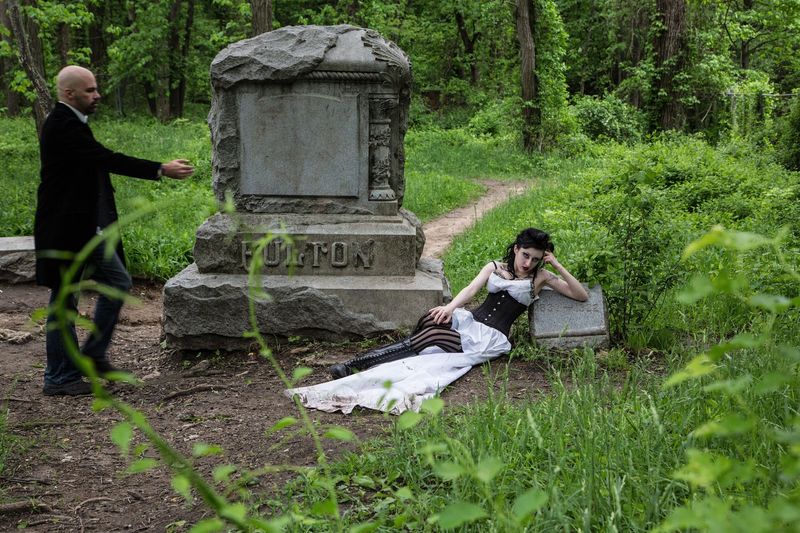
Ask anyone in the south suburbs about Bachelor’s Grove, and you will probably hear about the Madonna. Locals call her the White Lady or the Lady in White. Legend says she wanders the grounds on moonlit nights, sometimes carrying a baby in her arms.
Her story got a huge boost from a famous photo taken decades ago by ghost researchers. The black-and-white image appears to show a see-through woman sitting on a gravestone, calmly gazing into the distance. Skeptics have argued about it for years, but the picture helped make this small graveyard famous far beyond Illinois.
She is far from the only tale. The best-known story might be the phantom farmhouse. People claim to see a white house with a glowing light in the window, sitting in the woods where no house stands. As you walk closer, it supposedly shrinks and disappears.
Other legends pile on top. There are reports of floating blue orbs, ghostly cars on the old road, and a hooded figure lurking near the edge of the trees.
Some visitors swear their fully charged phones suddenly die once they arrive. Others claim strange humming sounds or car radios acting up on the drive in.
Nobody can prove any of it, of course. Still, the stories keep spreading because they are so specific. A farmhouse with a lantern-like light is a lot more fun to imagine than a vague cold breeze.
Here is a smart way to enjoy the legends. Read up on the major stories before your visit, then match them to real spots in the cemetery. Finding the stone tied to the Madonna photo turns a quick walk into a mini history hunt.
Reading the Stones Up Close
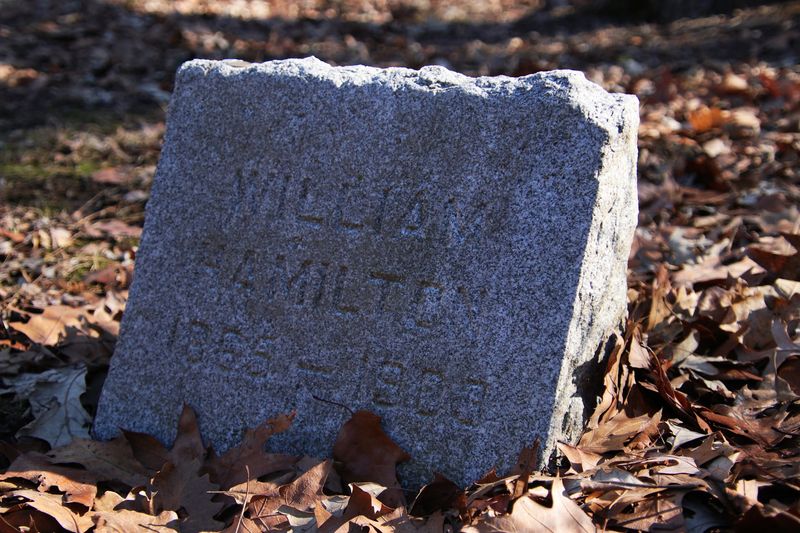
Bend down near almost any marker here and you will notice how soft the carvings have become. Many of the stones are old marble, and well over a century of Illinois rain, snow, and freezing winters has smoothed the letters. Some names are easy to read. Others take patience and a bit of squinting.
Size is the first surprise. Pictures online can make the cemetery look sprawling, but it is a compact plot you can circle in just a few minutes. Records suggest far more people were buried here than the number of visible stones, and only a few dozen markers remain today.
That gap tells its own story. Over the years, many headstones were stolen, smashed, or moved, especially during rough decades when vandals treated the place as a party spot. Some broken pieces were gathered and placed in new spots, so not every stone sits exactly where it started.
Look for the small details. A few graves mark infants and young children, and these tiny stones hit harder than the big family monuments. Family names repeat across several markers, hinting at the farming households who once lived nearby.
You will also spot modern touches left by visitors. Coins, flowers, small toys, painted rocks, and handmade trinkets often rest on top of headstones. Some offerings are sweet. Others are a little odd, and those can sometimes feel out of place in a burial ground.
Bring a notebook or snap clear photos of the names you can read. Back home, you can look up those families in local history records. It is a simple way to connect a real person to a stone that might otherwise just look old and mysterious.
From Pioneer Farms to Midnight Trouble
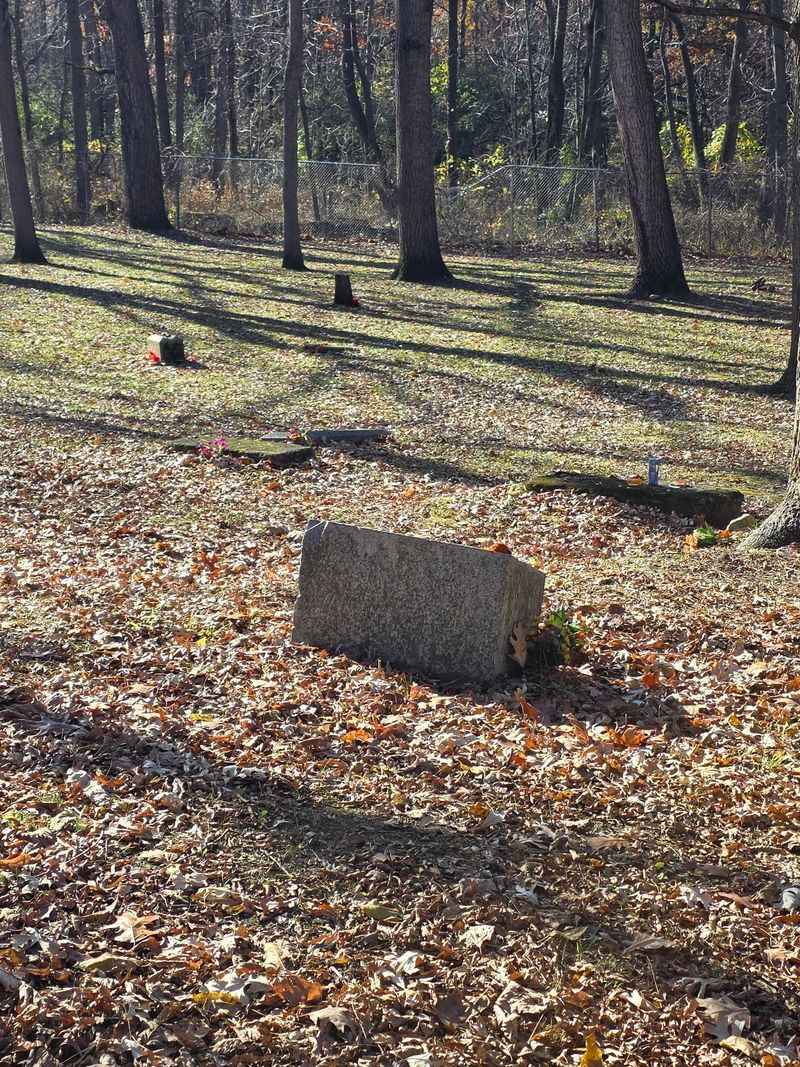
Long before anyone hunted ghosts here, this was simply a working cemetery for local settlers. The area was farmland and woods in the 1800s, and families needed a place to bury their loved ones close to home. Burials began in the mid-1800s and continued for many decades.
The name has a couple of competing stories. One idea says it came from a group of single men who settled nearby. Another links it to a family named Batchelor who lived in the area. Historians have not landed on a single answer, which fits a place surrounded by mystery.
As the twentieth century rolled on, things changed. The old road beside the cemetery was eventually closed to cars, and the grounds became cut off from everyday traffic. With fewer people around, the spot turned into a hangout for late-night visitors who had no interest in paying respects.
The 1960s and 1970s were especially hard. Vandals tipped over stones, sprayed graffiti, and caused damage that still shows today. Some gravesites were even disturbed, a sad chapter that left lasting scars and fewer markers than the cemetery once had.
Here is the part that surprises many folks. The cemetery is still respected as an actual burial ground, and it has received care in more recent years. Grass is cut more often now, and the grounds look tidier than old photos suggest, with fewer tangled vines than its wild reputation implies.
Knowing this backstory changes how the place looks. Those tilted, broken stones are not movie props. They are the leftover pieces of real families, survivors of both time and people who should have known better.
Visit Like a Guest, Not a Ghost Hunter
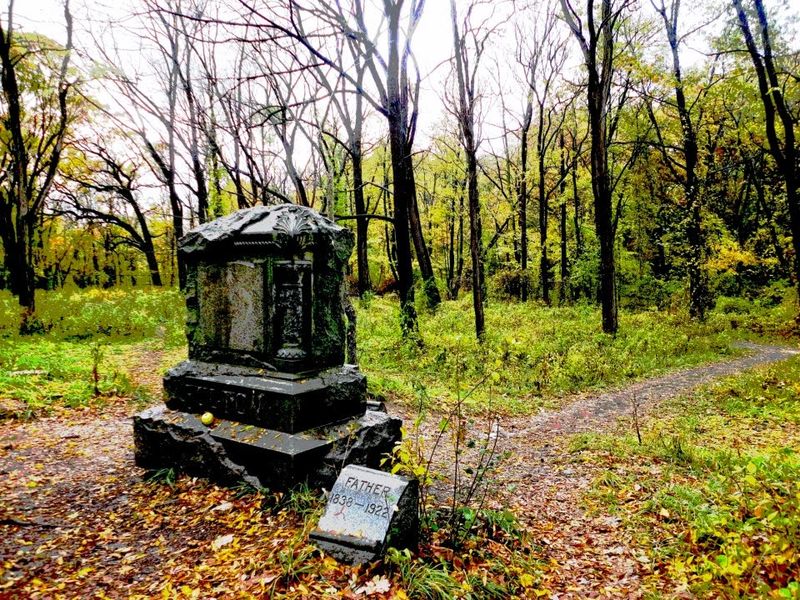
Picture a stranger setting up odd gadgets on your great-grandmother’s grave, shouting questions into the air, and leaving weird objects behind. Not great, right? That simple test is the best guide for how to act at Bachelor’s Grove.
Fame has brought crowds, and not all of them behave well. Some come purely for the thrill and forget that real people rest beneath the grass. Treating the place like a haunted house ride is the fastest way to ruin it for everyone else.
Good manners here are easy. Walk around graves instead of over them when you can, and never sit or climb on headstones, since old marble can crack. Keep voices low, especially if other visitors are quietly reading names nearby.
Photography is generally fine, and the light through the trees makes for striking shots. Just be thoughtful about what you photograph and how. A slow, careful approach usually gets better pictures anyway.
Some visitors like to softly announce themselves when they enter, saying they are there to visit in peace. It might sound silly, but it can set a respectful tone for your group. Others simply take a moment of quiet before wandering.
If you want to leave something, keep it small and harmless, like a flower. Skip anything that could litter the grounds or bother families who still care about the graves. Trash, candles, and strange objects do not belong here.
Group tours do pass through on some weekends, so you might share the space. Give them room, and expect the same courtesy back. A calm, polite visit lets you hear the birds, the wind, and the creak of branches, which is honestly the best soundtrack this place has.
Parking, Hours, and Bug Spray Math
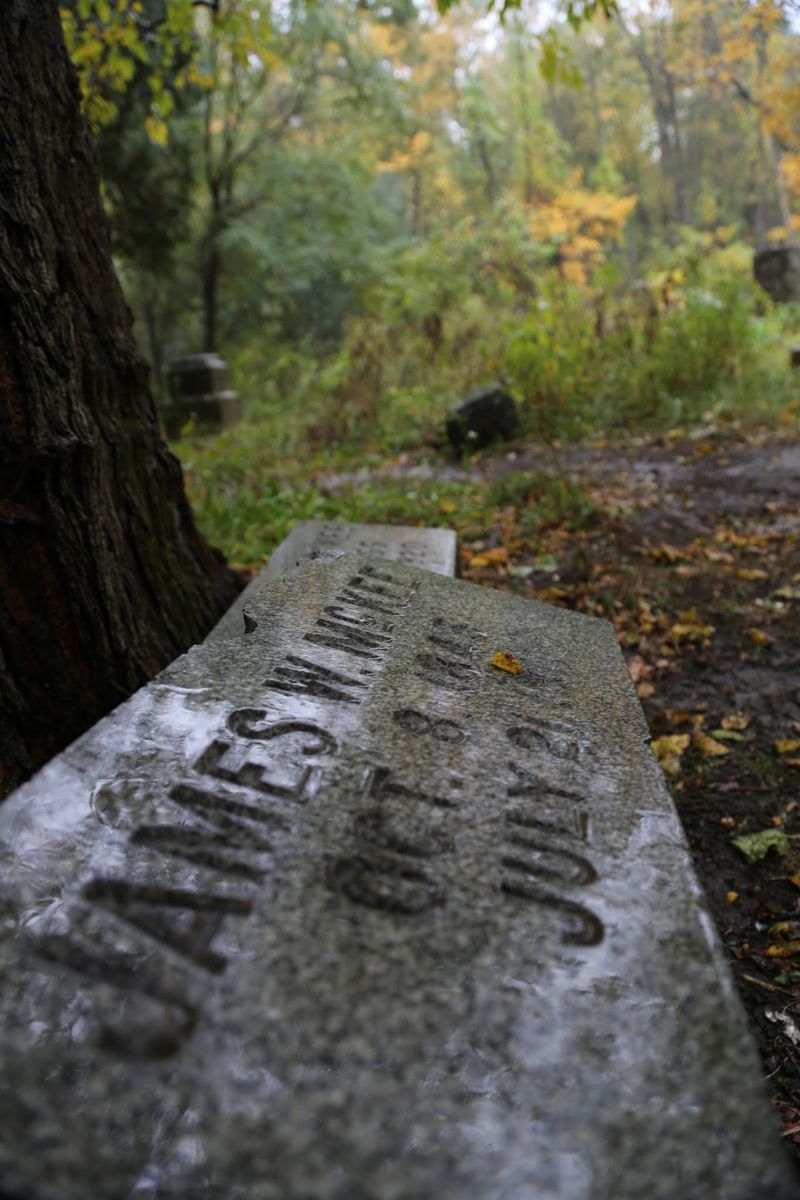
First things first: there is no parking lot at the cemetery itself. Pull into Rubio Woods, the forest preserve across Midlothian Turnpike, and leave your car there. From the lot, it is a short walk to the trail entrance.
Crossing the turnpike takes care. Traffic moves fast, and the road can be busy, so wait for a solid gap and keep kids close. Once you reach the other side, look for the path just west of the cell towers.
Timing matters a lot. The cemetery is open daily from 6 a.m. to 8 p.m., and those hours are taken seriously. Police patrol the area, and cameras have been set up near the entrance, so sneaking in after dark can earn you a ticket.
Daytime visits are also just easier. You can read the stones, see the trail clearly, and avoid tripping on roots or broken pavement. Late afternoon offers long golden light without breaking any rules.
Now, about bugs. The surrounding woods are damp and shady, which means mosquitoes can be fierce in late spring and summer. Pack strong repellent, and consider long sleeves even when it is warm. Ticks can show up in the grass too, so check yourself after the walk.
Footwear deserves a thought as well. Sturdy sneakers or hiking shoes handle the uneven path much better than sandals. After rain, parts of the trail get muddy fast.
Plan on about thirty minutes to an hour for the full visit, including the walk. If you have extra energy, the forest preserve trails nearby make a nice add-on. Bring water, charge your phone before you go, and maybe toss a backup battery in your bag, just in case those rumors are true.
Rain, Fall Leaves, and the Best Season to Go
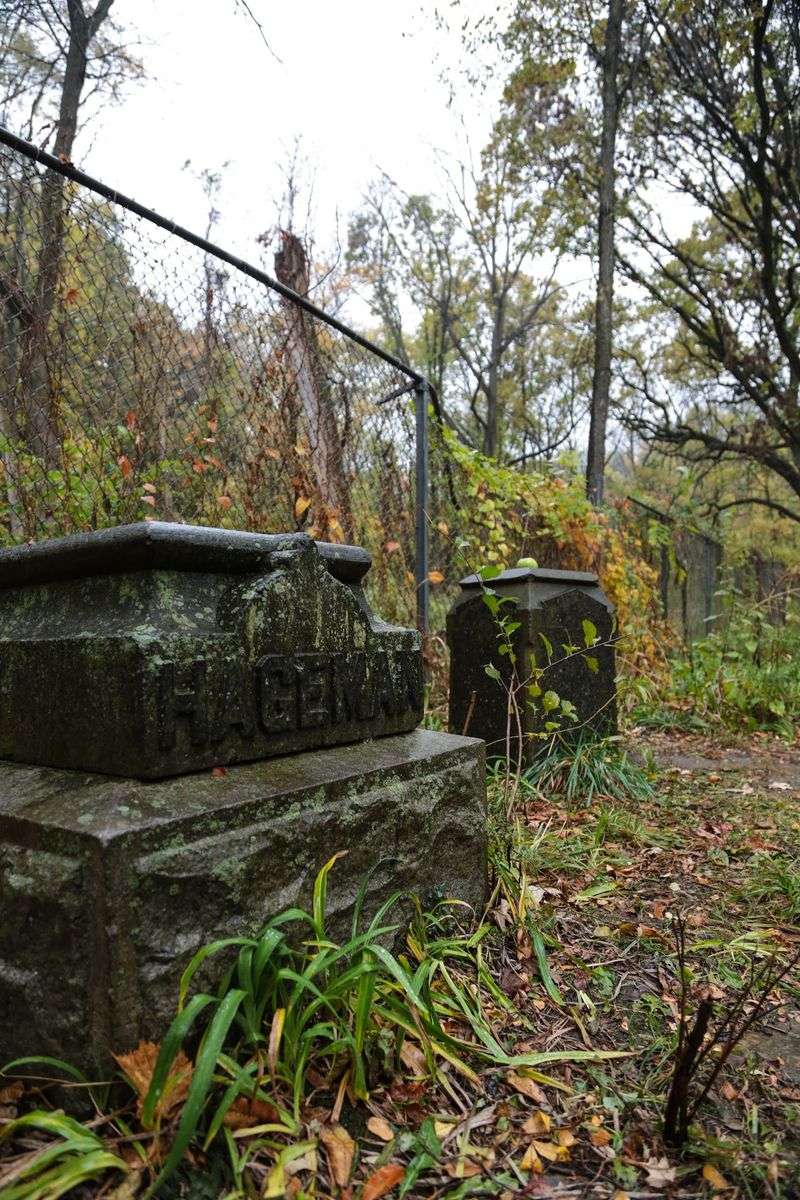
Gray skies might sound like a reason to stay home, but a rainy afternoon could be the most striking time to visit. Drops patter on the leaves, the stones darken to a deeper shade, and the clearing goes hushed. Photographers love this kind of weather for good reason.
Each season changes the cemetery’s look. Spring brings fresh green leaves and birds singing loudly in the canopy. Summer is lush and shady but comes with heat and those relentless mosquitoes.
Fall is the crowd favorite. Orange and yellow leaves blanket the graves, and the woods glow on sunny days. October also brings the biggest crowds, since ghost season draws curious people from all over the Chicago area.
If you want quiet, try a weekday morning instead of a weekend. Early hours often mean fewer people, softer light, and a better chance of spotting wildlife. Deer sometimes wander through the woods, and a silent one stepping between the stones is a sight you will not soon shake.
Winter is the wild card. Snow outlines every headstone, and the bare trees open up views you cannot see in summer. Paths can be icy, though, so careful footing is a must.
Whatever the season, the contrast is what makes this place unusual. A busy road hums just beyond the trees, yet inside the clearing, the noise nearly vanishes. History, nature, and legend all squeeze into one small plot of land.
So pick your weather, grab your boots, and head for the trail by the cell towers. The stones will be waiting, a little more worn each year, while the stories about them only seem to grow louder.
Share this story