When autumn rolls into Ohio, the whole state seems to light up like a box of crayons. Maple trees turn bright red, oaks shift to deep orange, and birch leaves glow a sunny yellow.
Now picture all that color framing a rushing waterfall, with cool mist floating through the crisp air. That is exactly what you get when you plan a fall road trip to see the waterfalls of the Buckeye State.
Many people think of Ohio as flat farm country, but the state hides rocky gorges, sandstone caves, and limestone ledges where water tumbles and splashes all year long. Fall is one of the best times to visit, because the summer crowds thin out and the trails feel calm and peaceful.
Rain in autumn also helps the falls flow stronger after the dry days of late summer. You can find these beautiful spots in big parks near Cleveland, in quiet nature preserves near Dayton, and deep in the forests of the Hocking Hills.
Some are just a short walk from the parking lot, while others reward you after a fun hike through the woods. Whether you are traveling with family, friends, or just your camera, there is a waterfall here waiting for you.
Pack some snacks, grab a warm jacket, wear sturdy shoes, and get ready to explore. Below you will find thirteen amazing waterfalls, along with tips to help you enjoy each stop on your colorful adventure across Ohio.
1. Brandywine Falls, Sagamore Hills Township
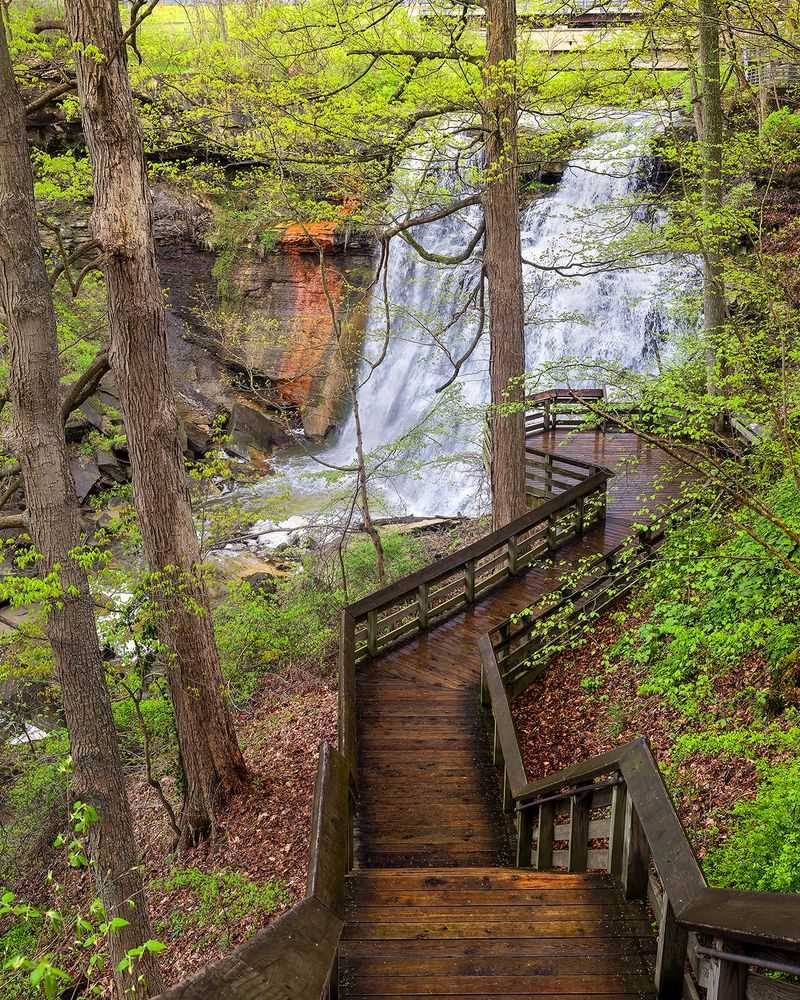
Sixty-five feet of lacy white water make a stunning first stop on any autumn trip. The water spreads out as it drops, flowing over layers of rock in a pattern that looks like a bride’s veil.
It sits inside Cuyahoga Valley National Park, the only national park in the whole state.
Getting a good look is easy, even for younger kids or grandparents. A wooden boardwalk leads from the parking lot down to a viewing deck right in front of the falls.
The walk takes only a few minutes, but it does include some stairs, so take your time.
If you want more of a workout, try the Brandywine Gorge Trail. This loop is about 1.5 miles long and follows the creek through a rocky valley.
In October, the maple and beech trees along the path glow with gold and scarlet leaves.
Here is a fun bit of history. Back in the early 1800s, a man named George Wallace built a sawmill right at the top of the falls.
The rushing water powered his mill, and soon a small village called Brandywine grew around it.
Today, the village is mostly gone, but the waterfall still roars just like it did then. The nearby Inn at Brandywine Falls is a cozy bed and breakfast in an old 1848 farmhouse.
Staying there makes a great way to turn your visit into a full weekend.
Parking fills up fast on sunny fall weekends, especially in mid-October. Try arriving early in the morning or on a weekday for a calmer experience.
Morning light also makes the colors pop in your photos.
Bring a light jacket, because the mist from the falls can feel chilly on a cool day. After a heavy rain, the falls become extra loud and powerful.
That is the perfect time to see them at their very best.
2. Great Falls Of Tinkers Creek, Bedford
Old stone walls and crumbling foundations give this spot a mysterious, almost storybook feel. Long ago, a busy mill stood beside the rushing water, and you can still see pieces of it today.
Walking here feels a bit like discovering a lost village in the woods.
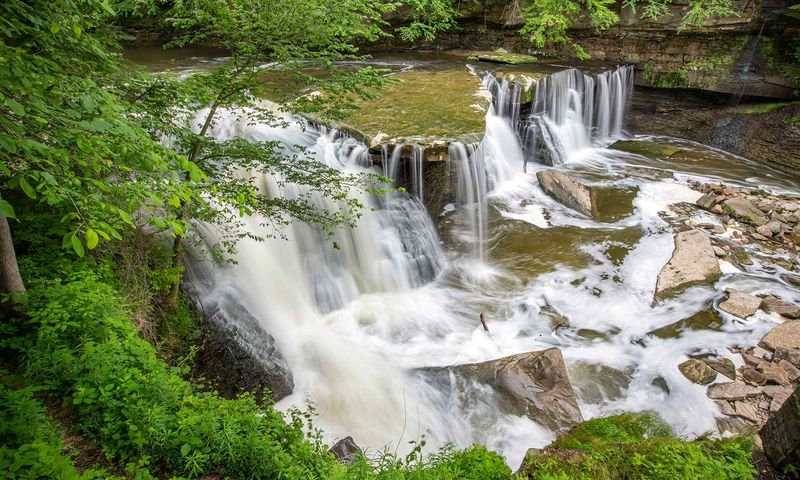
The waterfall is located in Viaduct Park, part of the Bedford Reservation in the Cleveland Metroparks system. Tinkers Creek tumbles over wide rock steps, creating a broad and noisy cascade.
It is not the tallest waterfall in Ohio, but its width and power make it very impressive.
Tinkers Creek cuts through a deep gorge that is so special it was named a National Natural Landmark. The gorge walls rise steeply on both sides, and in fall they are covered with trees in every warm shade.
Hemlocks add touches of dark green that make the reds and oranges stand out even more.
A short paved path leads to a scenic viewing area, so most visitors can reach it with ease. You will also cross near an old stone railroad viaduct built in the 1860s.
Kids usually love spotting the big arches and imagining trains rolling overhead.
Want to explore more? The Bedford Reservation has many miles of trails, including the popular Gorge Parkway overlook.
Several picnic areas are nearby, so pack sandwiches and make a lunch stop part of your plan.
Photographers often visit just after a rainstorm. The extra water turns the creek frothy and dramatic, and the wet leaves look extra bright.
Cloudy days are actually great for photos here, since soft light keeps the water from looking too white.
Remember to stay behind the railings and off the slippery rocks. The current can be stronger than it looks.
Enjoy the view safely and let the sound of rushing water relax you.
3. Berea Falls Scenic Overlook, Berea
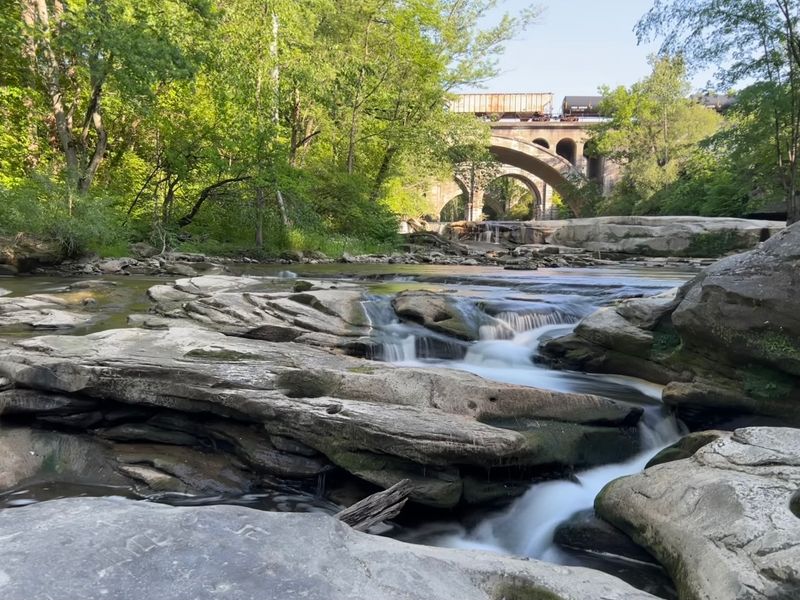
Right in the middle of a busy suburb, you will find a hidden gorge with a waterfall that surprises almost everyone. Most people driving through town have no idea it is there.
Finding it feels like being let in on a local secret.
The falls drop over walls of Berea sandstone, a famous type of rock. During the 1800s, workers cut huge blocks of this stone from quarries all around town.
Berea sandstone was shipped across the country and even used in buildings in other nations, which earned the city the nickname Grindstone Capital of the World.
The scenic overlook sits along the East Branch of the Rocky River. A sturdy viewing platform lets you look down at the water spilling over the rock ledges.
You do not need to hike at all, which makes it a quick and easy stop.
Autumn adds a lot of magic here. The trees clinging to the cliff walls turn shades of copper and gold.
Their reflections shimmer in the pools below, creating a beautiful mix of colors.
Since the overlook is close to downtown Berea, you can pair your visit with other fun activities. Grab a warm drink or snack at a local cafe nearby.
Baldwin Wallace University is also close by, and its campus looks lovely in fall.
If you want to see more of the area, head to Coe Lake Park or the nearby Rocky River Reservation. These spots offer walking paths, picnic tables, and more chances to enjoy the leaves.
Plan to spend about 20 to 30 minutes at the overlook itself. It works great as a short break on a longer drive around northeast Ohio.
Bring a camera and enjoy this little piece of nature tucked inside the city.
4. Chagrin Falls Waterfall, Chagrin Falls
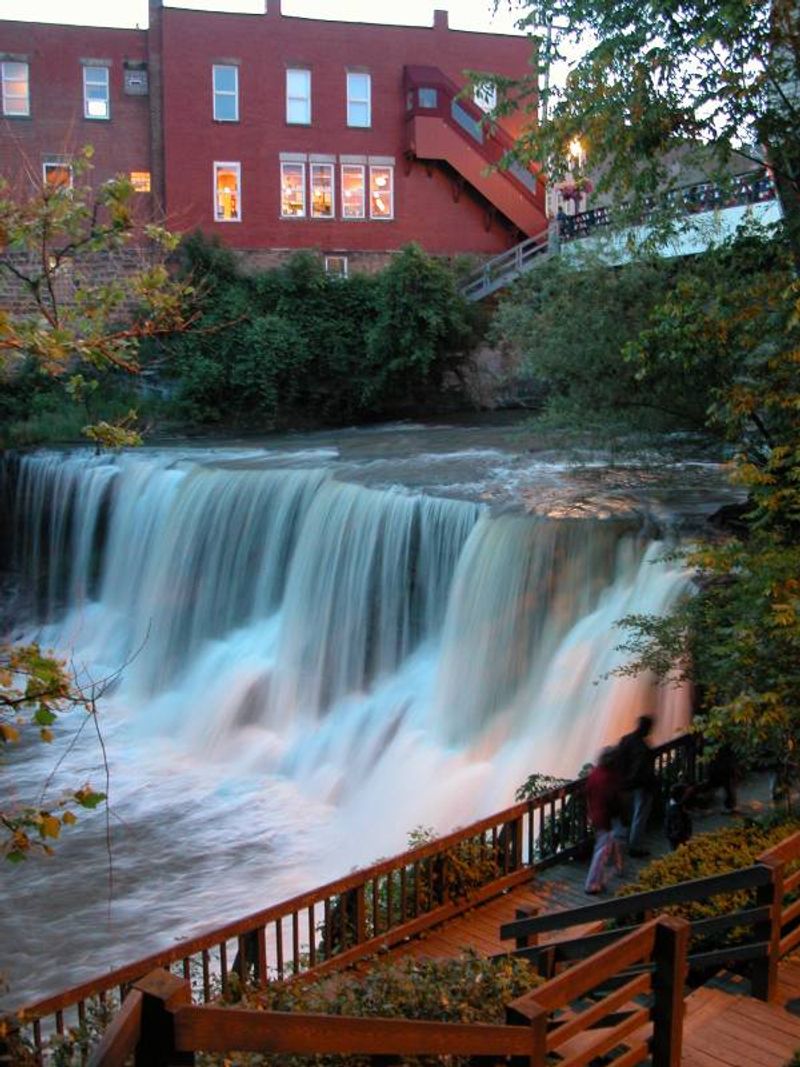
Ice cream in one hand and a waterfall view in front of you sounds like a pretty perfect afternoon. In this charming village, you can enjoy exactly that.
The falls sit right in the center of town, just steps from shops and restaurants.
The Chagrin River flows under Main Street and tumbles over a rocky ledge about 20 feet high. A staircase next to the bridge leads down to a viewing platform.
From there, you can watch the water splash while the town buzzes above you.
Many visitors grab a cone at the Popcorn Shop, a local favorite that has been around for decades. Its little white building sits right next to the falls.
Munching on fresh popcorn while watching the river is a tradition for many families.
In fall, the village looks like a painting. Trees along the riverbanks turn fiery orange, and shop windows fill with pumpkins and autumn decorations.
The whole town feels warm and welcoming.
Fun fact: the village got its name from the falls, not the other way around. There are a few stories about how the Chagrin River got its name, and some people say it came from a mistake made by early explorers.
Either way, the name stuck.
Walking is the best way to explore here. After seeing the main waterfall, stroll along the river to find smaller falls nearby.
Browse bookstores, gift shops, and bakeries along the brick sidewalks.
Parking can be tricky on busy weekends, so look for public lots behind the main street. Evening visits are also lovely, since the falls are lit up after dark.
It is a great spot for anyone who wants nature and small-town fun in one stop.
5. Paine Falls Park, Leroy Township
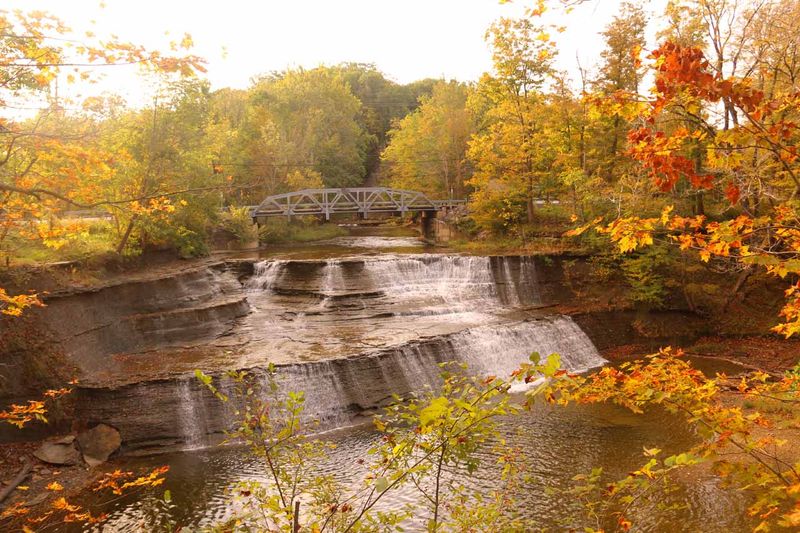
Quiet and tucked away, this little park is a favorite among locals who want peace without crowds. You will not find gift shops or big signs here.
Instead, you get a lovely waterfall and the soft sound of rushing water.
Paine Creek tumbles down a series of shale steps, creating a waterfall that looks like a staircase made of water. The layered rock gives the falls lots of small tiers.
Each step splashes into the next, making a lacy and delicate pattern.
The park is run by Lake Metroparks and is located in Leroy Township, east of Cleveland. It covers only about 10 acres, which makes it easy to explore in a short time.
A short trail and wooden platform bring you right up to a great viewpoint.
Autumn is when this park truly shines. The trees around the falls blaze with bright reds and sunny yellows.
When leaves float down onto the water, they swirl and dance along the creek.
Because the walk is so short, this is a wonderful stop for families with small children. It is also a nice choice for anyone who does not want to tackle a long hike.
Plan to spend 30 minutes or so enjoying the scenery.
Pro tip: visit after a few days of rain. Paine Creek can get low during dry spells, and the falls are much more impressive when the water is high.
A quick look at recent weather can help you time your trip.
Nearby, you can explore other Lake Metroparks spots or visit local orchards for apple picking. Lake County is known for its wineries and farm markets too.
Make it a full day of fall fun in the countryside.
6. Chair Factory Falls, Concord Township
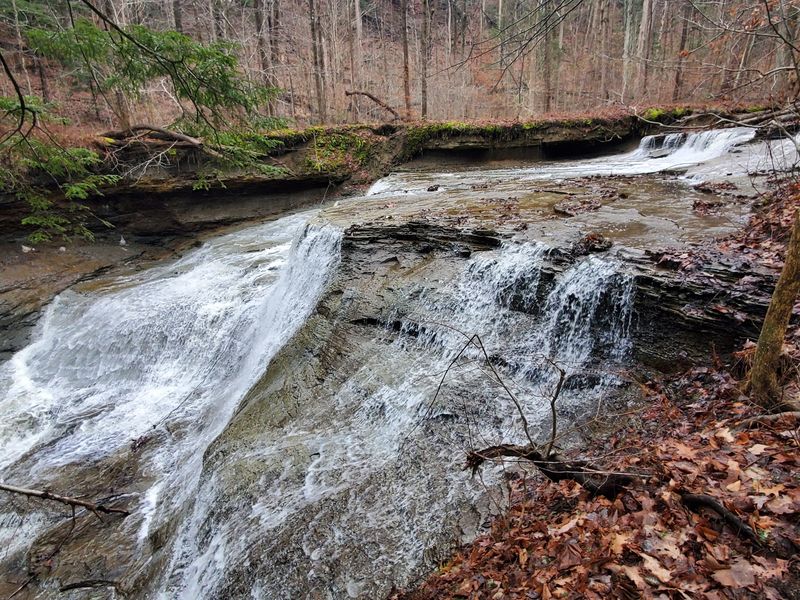
Believe it or not, a chair factory once stood beside these falls. Back in the 1800s, the rushing water of Big Creek helped power a business that made furniture.
The factory is gone now, but the name lives on.
Today, the falls are part of Helen Hazen Wyman Park, managed by Lake Metroparks. The water spreads across a wide shale ledge, creating a broad curtain rather than a tall drop.
It is a peaceful spot that feels far away from busy roads.
Reaching the falls requires a short walk through the woods. The trail is fairly easy, though parts can get muddy after rain.
Wear shoes with good grip so you can explore with confidence.
Fall turns this forest into a colorful tunnel. Golden leaves crunch under your feet, and the creek reflects bright orange trees overhead.
It is the kind of place where you want to slow down and just breathe the crisp air.
Wildlife lovers will enjoy this park too. Keep your eyes open for deer, woodpeckers, and squirrels busy gathering nuts for winter.
Bring binoculars if you have them, since birds are active in autumn.
Because the falls are not very well known, you may have the place almost to yourself. That makes it great for a calm picnic or a quiet moment of reading.
Remember to carry out any trash so the park stays beautiful.
Here is a helpful tip: the falls look best when Big Creek is running full. Late fall rains often bring higher water.
Combine this stop with a visit to Paine Falls nearby for a fun two-waterfall afternoon in Lake County.
7. Cascade Falls At Nelson-Kennedy Ledges State Park, Garrettsville
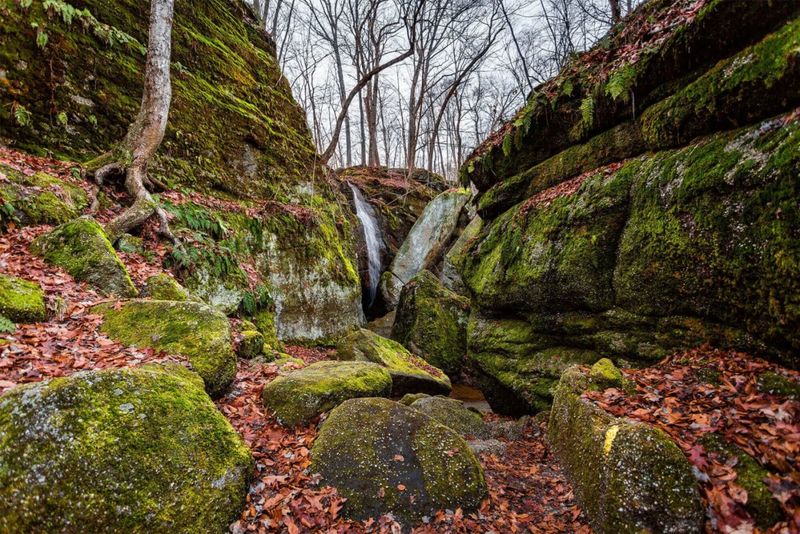
Squeezing through narrow cracks in giant rocks is half the fun of visiting this park. Huge boulders and towering ledges create a maze that feels like an adventure movie.
Hidden among it all is a beautiful waterfall.
Nelson-Kennedy Ledges State Park sits near Garrettsville in Portage County. The rocks here are made of Sharon conglomerate, a type of stone filled with tiny white quartz pebbles.
Scientists believe the pebbles were carried by ancient rivers millions of years ago.
Cascade Falls pours over a rocky ledge into a shady grotto. The falls are thin and graceful, especially during the wetter months.
Moss and ferns cling to the damp rock walls, adding bright green touches.
Trails in this park are color coded, which makes it easier to plan. The White Trail leads to Cascade Falls and is about a mile long.
Other trails pass through tight spots with fun names like Fat Man’s Peril and Devil’s Icebox.
Safety matters a lot here. Stay on marked trails, because the cliffs are high and the rocks can be slippery.
Climbing and rappelling are not allowed, and rangers take that rule seriously.
Fall is a fantastic time to explore. Cool temperatures make the hike comfortable, and colorful leaves look striking against the gray stone.
Shafts of sunlight shining through the trees make the whole place glow.
Wear sturdy shoes and dress in clothes you do not mind getting a little dirty. Some passages are quite narrow, so leave big backpacks in the car.
Kids who love climbing and exploring will probably call this the best stop of the whole trip.
8. Lanterman’s Falls, Youngstown
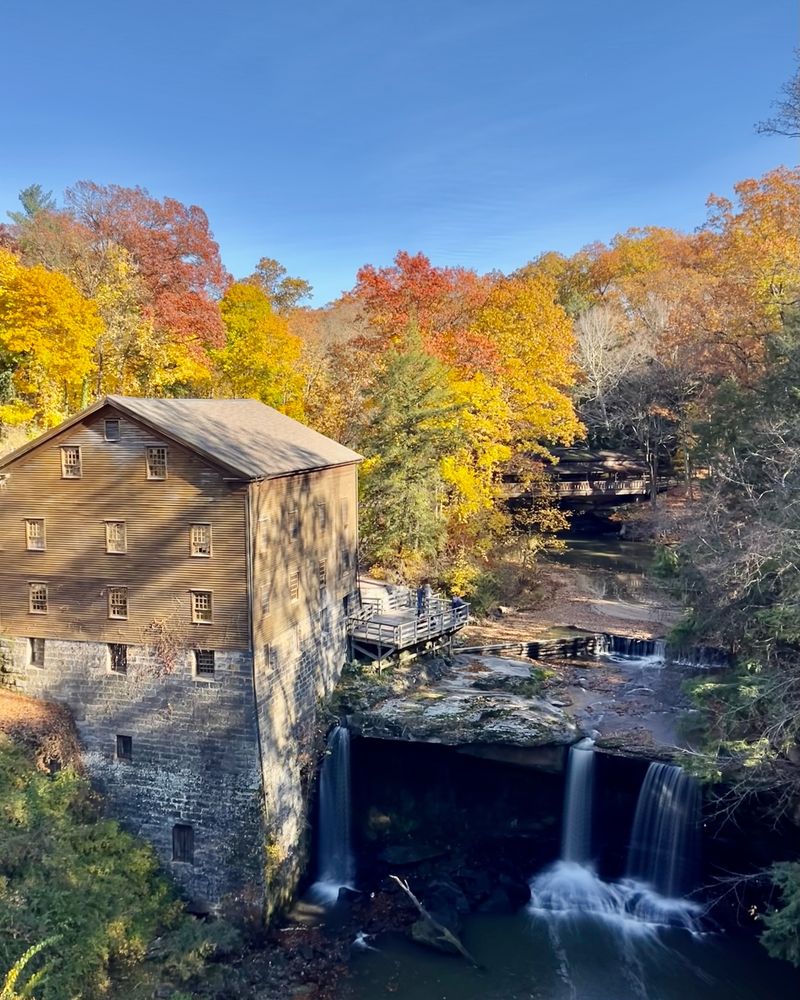
Picture a historic gristmill, a giant wooden water wheel, and a covered bridge all in one spot. It sounds like a scene from an old postcard, but it is real.
Mill Creek Park in Youngstown brings all of this together beside a lovely waterfall.
The falls drop about 20 feet over a rocky ledge along Mill Creek. Right next to them stands Lanterman’s Mill, built in 1845 by German Lanterman.
The mill was carefully restored and still grinds corn, wheat, and buckwheat today.
Visitors can tour the mill from spring through fall. Inside, you can watch the huge gears turn and learn how flour was made long ago.
You can even buy freshly ground cornmeal or pancake mix to take home.
Just a short walk away is a red covered bridge that crosses the gorge. It makes a perfect backdrop for family photos, especially when the leaves change.
Many couples take wedding pictures here because it is so pretty.
Mill Creek Park itself is huge, with more than 4,000 acres to explore. It includes lakes, gardens, and miles of trails.
The Fellows Riverside Gardens are a great stop if you enjoy flowers and fall mums.
Fun fact: Mill Creek Park was created in 1891 and is one of the oldest park districts in Ohio. Its founder, Volney Rogers, worked hard to protect the area from development.
Thanks to him, families still enjoy this green space today.
Plan at least an hour or two to see the falls, mill, and bridge. Parking is available nearby, and trails are fairly easy.
Bring a jacket and enjoy a trip back in time.
9. Cedar Falls, Logan
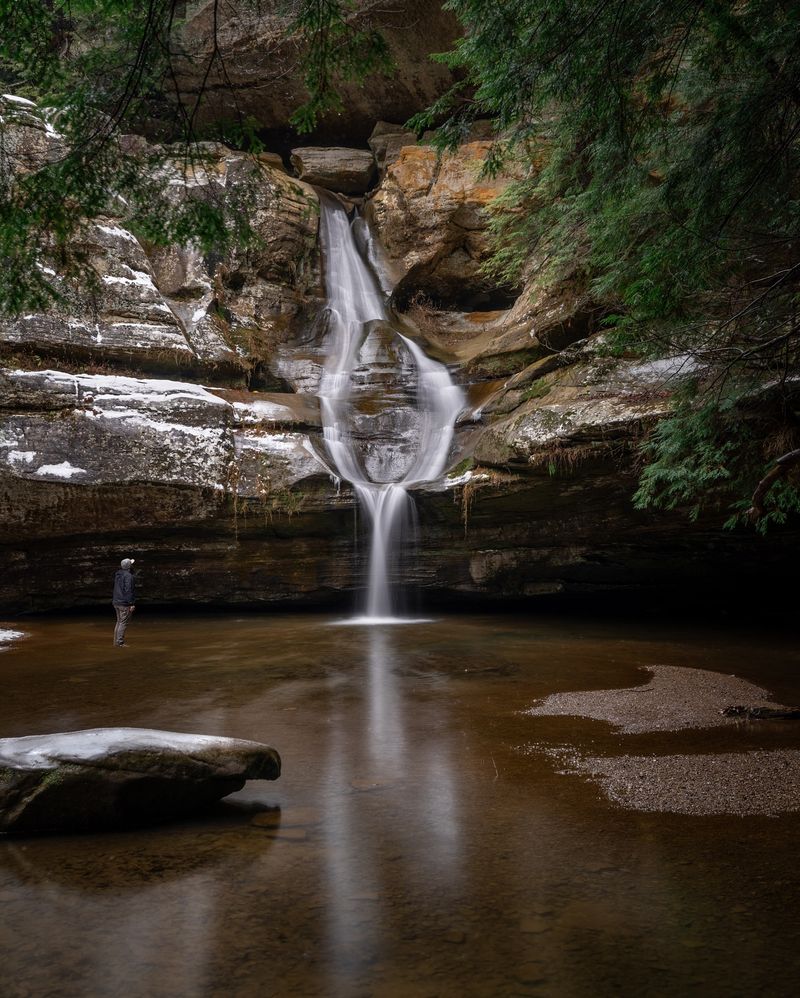
Early settlers made a funny mistake when they named this place. They thought the tall evergreens nearby were cedar trees, but they were actually hemlocks.
The name stuck anyway, and today Cedar Falls is one of the most famous spots in the Hocking Hills.
By the amount of water that flows over it, this is often called the largest waterfall in the Hocking Hills region. Queer Creek pours over a cliff of Blackhand sandstone and splashes into a pool below.
The sound is loud and powerful, especially after a good rain.
A short but steep trail leads down to the base of the falls. Expect some stone stairs and uneven paths, so take it slow.
The view at the bottom is worth every step.
Back in the 1800s, a gristmill used the power of these falls to grind grain. The mill is long gone, but you can imagine the busy scene from long ago.
Today the area is quiet except for the roar of water.
The Hocking Hills are famous for their amazing fall colors. Leaves of red, orange, and yellow spread across the rolling hills like a giant quilt.
Many people say mid to late October is the best time to visit.
Try hiking the Grandma Gatewood Trail, which connects Cedar Falls with Old Man’s Cave and Ash Cave. The trail is about six miles long one way.
It is named after Emma Gatewood, a hiker who walked the whole Appalachian Trail in her sixties.
Bring water, snacks, and comfy hiking boots. Weekends get busy in fall, so arrive early.
You will leave with amazing memories and great photos.
10. Upper Falls At Old Man’s Cave, Logan
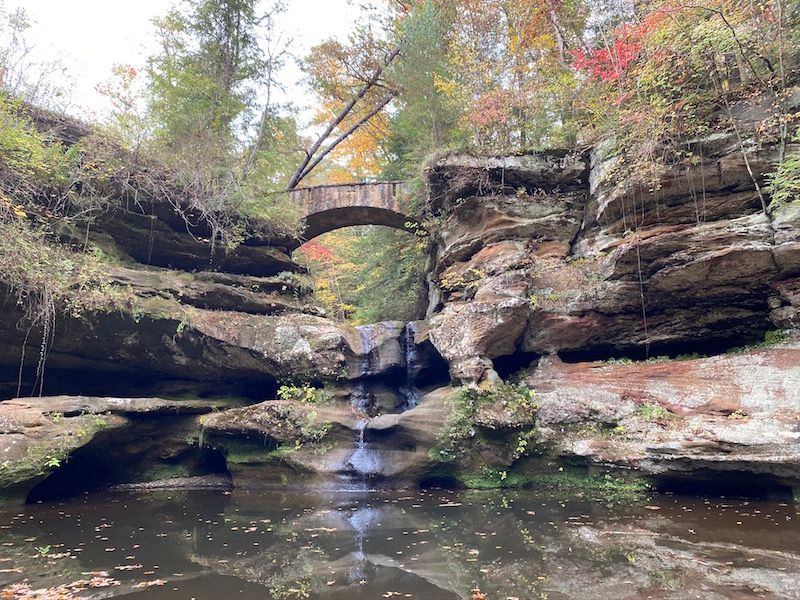
Legend says a hermit named Richard Rowe once lived in the large recess cave here in the 1800s. He came to the area with his dogs and spent the rest of his life in the gorge.
People started calling his home Old Man’s Cave, and the name has lasted ever since.
Today, Old Man’s Cave is the most visited area in Hocking Hills State Park. The gorge is packed with stunning sights, but Upper Falls is a true highlight.
Water drops into a deep green pool, and a stone bridge arches right above it.
The trail through the gorge is about one mile long and loops past several waterfalls. You will see Upper Falls, Lower Falls, the Devil’s Bathtub, and of course the cave itself.
Stone steps and tunnels carved into the rock make the hike feel like a fantasy quest.
Some stairs are steep, so wear sturdy shoes and take breaks when needed. Hold onto railings in wet areas.
Always stay on the trail, since the cliffs can be dangerous.
Fall paints the gorge in glowing colors. Sunlight filters through orange and gold leaves and reflects on the swirling water.
It is one of the most photographed scenes in all of Ohio.
The Devil’s Bathtub is a must-see spot. The water spins in a round hole worn into the rock, and an old story says it goes all the way to the underworld.
Of course, that is just a legend, but kids love hearing it.
A visitor center near the parking lot has maps, restrooms, and helpful staff. Stop in before your hike.
It is a great place to begin your Hocking Hills adventure.
11. Charleston Falls Preserve, Tipp City
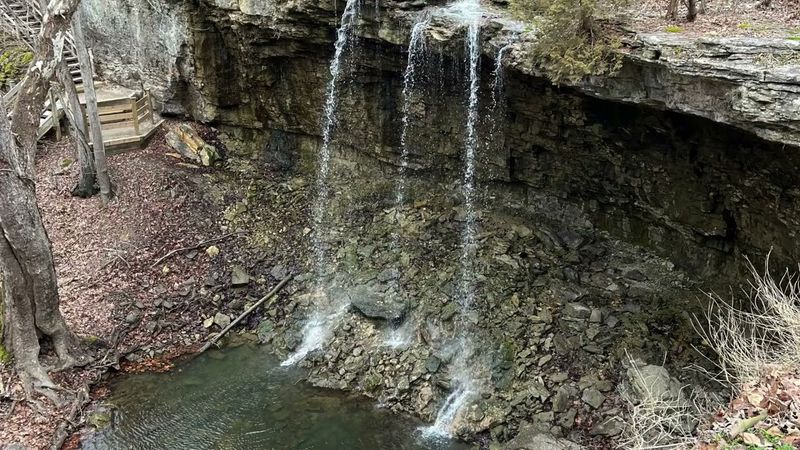
Southwest Ohio is mostly flat farmland, so a 37-foot waterfall here feels like a wonderful surprise. Tucked inside a nature preserve near Tipp City, these falls are a gem of the Miami Valley.
Many visitors cannot believe such a tall cascade exists in this part of the state.
Water flows over layers of limestone and shale, dropping into a small ravine. The rock here formed from an ancient sea that covered Ohio more than 400 million years ago.
If you look closely, you might even spot tiny fossils in the stone.
The preserve covers about 216 acres and is run by Miami County Parks. It has roughly three miles of trails that wind through woods, prairies, and wetlands.
Some paths lead to overlooks above the falls, while others bring you closer to the base.
A fun extra feature is a small cave near the falls. Kids enjoy peeking in and imagining what animals might live inside.
Just remember to look and not disturb any wildlife.
Autumn here brings a different kind of beauty. Tall prairie grasses turn golden and copper, and trees in the woods glow with warm colors.
The mix of forest and prairie makes the scenery feel varied and fresh.
Birdwatchers often bring binoculars, since many birds pass through during fall migration. You might spot hawks soaring overhead or songbirds hopping through the brush.
A nature guide app can help you identify them.
The trails are mostly easy to moderate, making this a good choice for families. Visit after rain to see the falls flowing strong.
Pack a picnic and enjoy a peaceful afternoon in nature.
12. Greenville Falls State Scenic River Area, Covington
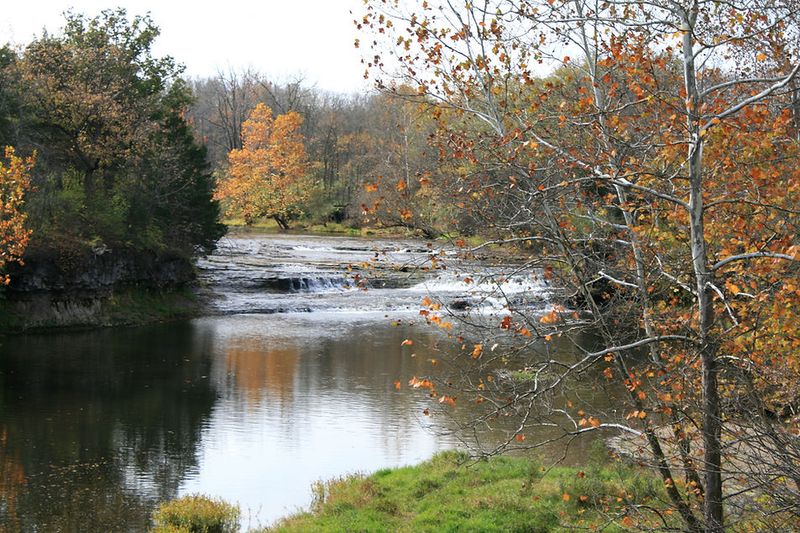
Two waterfalls for the price of one? That is what makes this hidden spot near Covington so interesting.
One falls is natural, and the other was built by people more than a century ago.
Greenville Creek tumbles over a natural rock ledge, creating a pretty cascade about 20 feet tall. Nearby, a man-made spillway was built in the late 1800s to help power a mill.
Today you can see both side by side, along with stone ruins of the old mill.
The area is managed by the Ohio Department of Natural Resources and is part of a state scenic river. That means the creek is protected because of its natural beauty and wildlife.
It is a great example of how Ohio works to save special places.
A short trail leads from the parking area down to viewing spots. Wooden stairs and a platform help you get close to the falls.
The walk is easy and takes only a few minutes.
In autumn, the trees along the creek turn shades of crimson, amber, and gold. Leaves drift across the water and gather in little pools.
The old stone ruins look extra charming with colorful leaves all around them.
History fans will love imagining what life was like when the mill was busy. Farmers once brought grain here to be ground into flour.
Later, the site was used to generate electricity for the nearby town.
Because this spot is not widely known, it rarely gets crowded. It is perfect for a calm walk or a quiet lunch break.
Combine it with a trip to Charleston Falls for a fun day exploring western Ohio.
13. Honey Run Waterfall, Howard
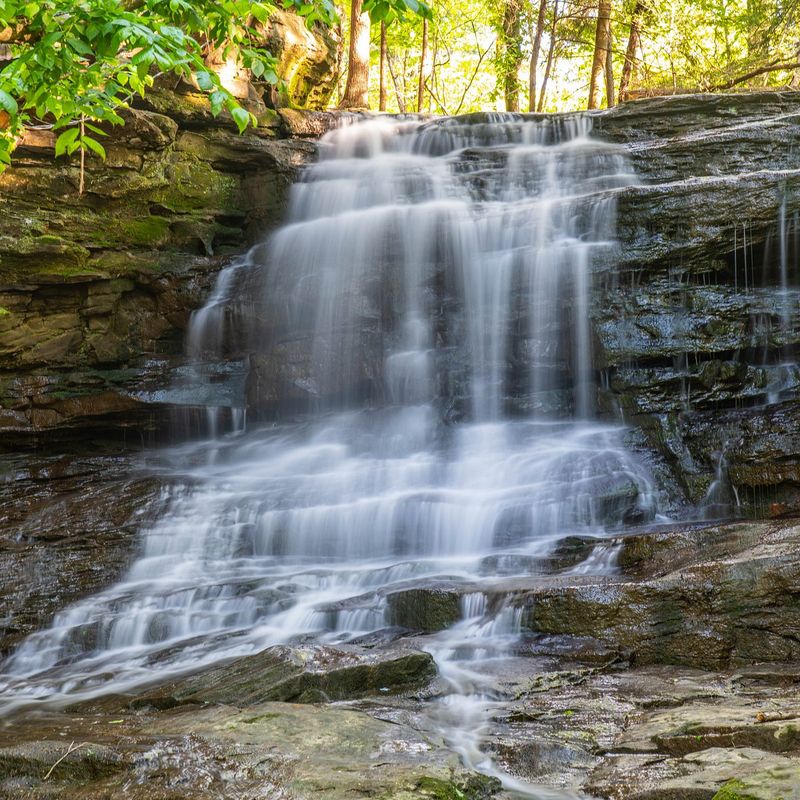
Sweet name, sweet view. Tucked into the rolling hills of Knox County, this waterfall is one of central Ohio’s best kept secrets.
It sits inside the Honey Run Highlands Park, run by the Knox County Park District.
The falls drop about 25 feet over a sandstone ledge into a shady gorge. Moss and ferns grow along the rocky walls, giving the area a cool and fresh feel.
After rain, the water rushes down with a soothing roar.
Getting there is fairly simple. A short trail of less than half a mile leads from the parking area to a viewing platform.
Some parts include stairs, so take your time and watch your step.
Fall in Knox County is truly special. The countryside is filled with farms, barns, and tree-covered hills that turn brilliant shades of red and orange.
Driving the winding back roads is a treat all by itself.
Want to make a day of it? The nearby Kokosing Gap Trail is a paved path great for biking or walking.
The town of Mount Vernon has cozy shops and places to eat, and historic Gambier is home to the pretty Kenyon College campus.
The park is also close to Amish country, where you can find farm stands selling apples, pumpkins, and homemade treats. A stop for fresh apple cider makes the trip extra sweet.
It pairs perfectly with the honey-themed name of these falls.
Visit on a weekday for the most peaceful experience. Wear shoes with good grip, since rocks near the creek can be slick.
Ending your Ohio waterfall tour here is a lovely way to wrap up a colorful autumn adventure.
Share this story