Fall changes the way Ohio looks and feels. Forest paths turn gold, rocky cliffs stand out behind thinning leaves, and cool mornings make a walk through the woods especially inviting.
A nature preserve offers more than a pretty view: it protects plants, wildlife, and landscapes that help tell the story of the state.
Across Ohio, you can find deep sandstone hollows, quiet ponds, old forests, and rushing streams. Some preserves offer fairly level walks, while others ask you to climb steep slopes or cross rough ground.
That variety makes it easier to choose an outing that fits your energy, interests, and available time.
Autumn color does not arrive everywhere at once. Weather, tree species, and location all affect the show, so check current conditions rather than planning around a single date.
A cloudy afternoon can bring out rich leaf colors, while early sunlight can turn a simple creek crossing into your favorite photograph.
Before leaving home, look up the current trail map, parking information, and preserve rules. Wear shoes with good grip, bring water, and remember that fallen leaves can hide roots and slippery rocks.
Many preserves have limited facilities, and rules for pets, bicycles, and other activities may differ from those at nearby parks.
The places below offer different ways to enjoy Ohio’s fall season, from bold cliff views to small details along a wooded path. Pick one that suits your pace, leave plants and rocks where they belong, and give yourself time to notice what makes each protected landscape worth exploring.
1. Conkles Hollow State Nature Preserve, Rockbridge
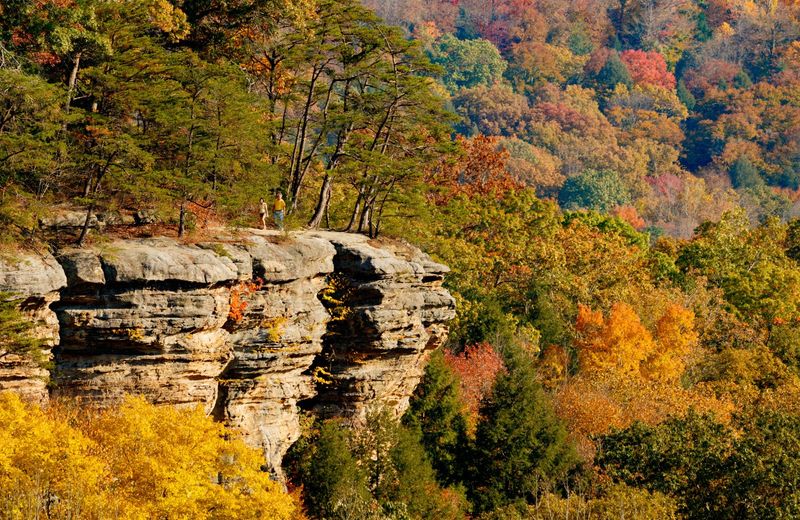
A narrow valley can make the outside world feel surprisingly far away. At Conkles Hollow State Nature Preserve near Rockbridge, tall sandstone walls frame a quiet walk through one of the most striking landscapes in the Hocking Hills region.
Fall adds bright leaves above the shaded gorge floor. Hemlocks stay green while nearby hardwoods turn yellow, orange, and red, creating layers of color against the stone.
Look closely at the cliffs, where moisture and shade support a different world from the sunny rim.
Your biggest planning choice is between the lower gorge route and the more demanding rim trail. The lower route offers a gentler outing, while the rim involves rougher ground and serious dropoffs.
Check the current trail information before deciding which fits your group.
On the upper route, attention matters more than speed. Wet leaves can cover roots and slick rock, and cliff edges are not places to pose for a dramatic photo.
Keep children close and stay well back from every exposed edge.
For pictures, try framing the golden canopy between the rock walls rather than only searching for a wide overlook. Soft light often works well in the gorge, where strong midday sun can create deep shadows.
A small camera or phone is enough to capture the contrast.
Popular autumn weekends can bring plenty of visitors, so an early weekday arrival may offer a calmer experience. Bring water and a light layer, since the hollow can feel cooler than the parking area.
Review preserve rules, including restrictions on pets, before leaving home.
Allow room in your schedule to stop without blocking the path. The best memory may be a drifting leaf, a small patch of fern, or the sudden hush beneath the cliffs.
Enjoy the scenery from marked trails and leave its fragile details untouched for everyone who follows.
2. Blackhand Gorge State Nature Preserve, Heath
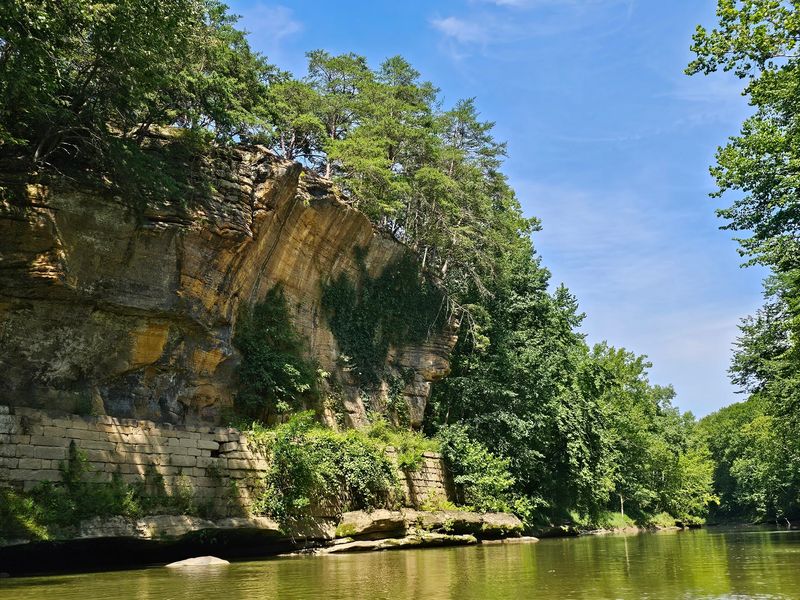
A river, an old travel corridor, and autumn woods share the stage here. Blackhand Gorge State Nature Preserve near Heath follows a scenic stretch of the Licking River, where sandstone formations give an ordinary afternoon walk a strong sense of place.
The paved main route makes this preserve stand out among Ohio’s rougher woodland destinations. It follows a former railroad corridor and offers a more even surface than many dirt trails.
Still, check current access information and choose a distance that works for your group.
Walking beside the river brings a different kind of fall color. Leaves brighten the banks, reflections shift with the water, and openings in the trees reveal rock faces.
You do not need to cover the entire route to enjoy those changing views.
History adds another layer to the scenery. The gorge’s name is linked to a former hand-shaped marking on the sandstone, and transportation projects changed the landscape over time.
Read any available interpretive signs rather than treating the cliffs as simply a photo backdrop.
If you plan to cycle, verify which routes permit bicycles. The paved corridor and narrower footpaths do not necessarily have the same rules.
Walkers should stay aware of other trail users, especially when stopping to photograph a bright tree or river bend.
Pack a snack, water, and an extra layer for breezy stretches near the river. Fallen leaves may look harmless but can become slippery when wet, even on pavement.
After heavy rain, check notices before heading out because river conditions and trail access can change.
Try visiting when daylight reaches the water without glaring straight into your camera. A simple composition with a colorful branch, sandstone wall, and river can tell the whole story.
Leave time to pause, listen, and enjoy a place where Ohio’s natural scenery and transportation history meet along the same path.
3. Clifton Gorge State Nature Preserve, Yellow Springs
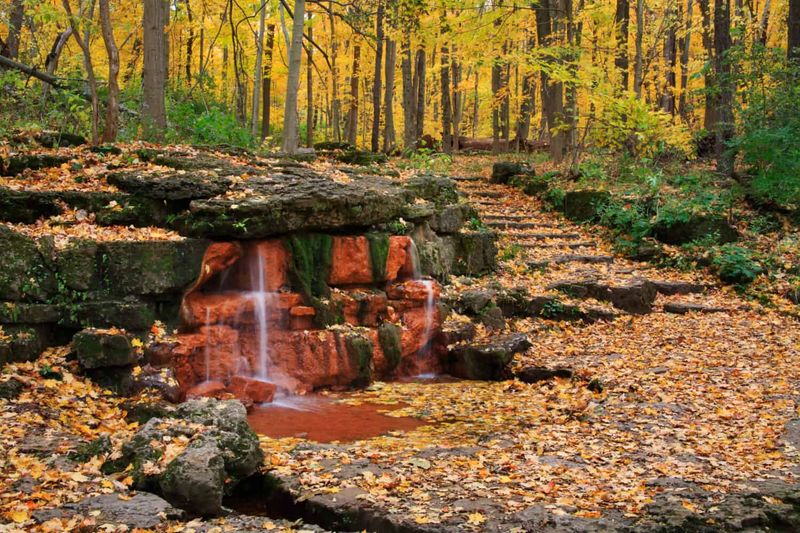
Water supplies the soundtrack before the views take over. At Clifton Gorge State Nature Preserve near Yellow Springs, the Little Miami River moves through a limestone gorge, giving fall hikers a lively mix of rushing water, rock walls, and colorful woods.
Unlike the sandstone scenery found in parts of southeastern Ohio, this landscape features limestone shaped by water and erosion. The narrow gorge makes the river feel especially powerful.
Stop at designated viewing areas to watch how the current changes around rocks and bends.
Autumn leaves soften the hard edges of the cliffs. Yellow branches hang above the water, while fallen leaves gather along the trail and in quiet pockets near shore.
On cloudy days, the softer light can make both the foliage and stone easier to photograph.
Expect an outing that asks you to watch your footing. Roots, uneven surfaces, and damp rock can slow your pace, particularly after rain.
Wear sturdy shoes and resist the urge to step off the route for a better angle over the river.
Nearby John Bryan State Park offers additional walking opportunities, but the park and preserve have different purposes and rules. Check a current map before linking routes together.
Planning your turnaround point early helps prevent a pleasant short walk from becoming a tiring late return.
A family visit works best when everyone understands that cliff edges and fast water require space. Give children something safe to notice, such as leaf shapes or the sound of the river.
Binoculars can bring distant details closer without anyone leaving the trail.
After the walk, nearby Clifton or Yellow Springs can provide a comfortable break, depending on your plans. Carry your own water rather than counting on facilities within the preserve.
The gorge rewards a patient pace, with each bend offering another meeting of moving water, ancient stone, and Ohio’s changing autumn canopy.
4. Boch Hollow State Nature Preserve, Logan
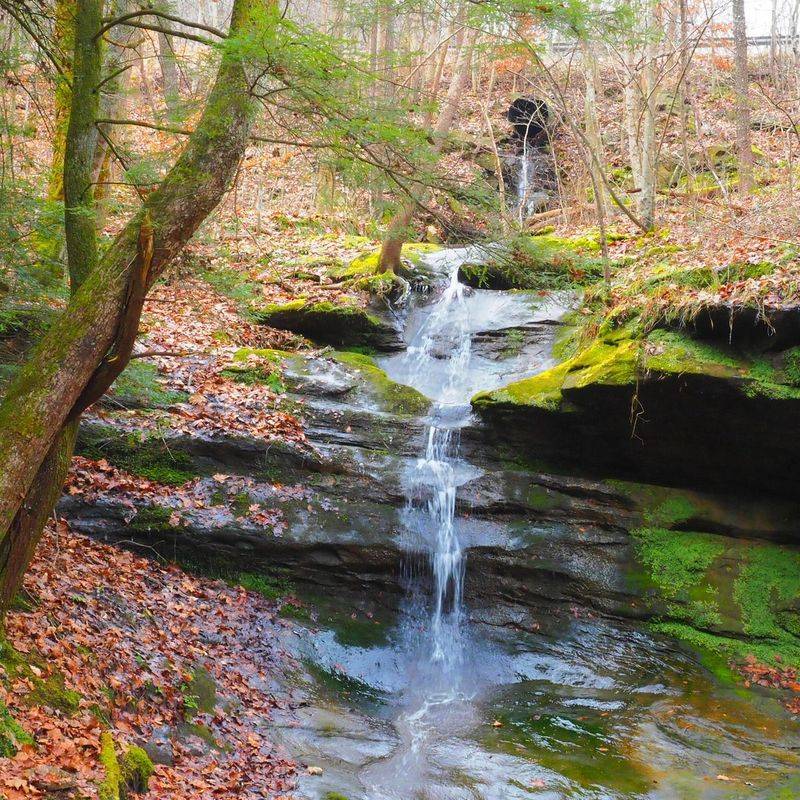
Sometimes the best fall outing leaves room for wandering thoughts. Boch Hollow State Nature Preserve near Logan offers wooded hills, open areas, and a pond, creating a varied walk without relying on one famous overlook to hold your attention.
The landscape changes as you move between habitats. A trail may lead from a brighter opening into shady woods, where leaves collect around roots and low plants.
Those transitions make the preserve appealing to anyone who enjoys noticing small differences rather than chasing a single destination.
Choose your route using the current preserve map. Multiple access points and trail connections can make planning less obvious than at a simple out-and-back location.
Note where you parked and save a map before entering areas with uncertain phone service.
Rolling terrain still takes effort, even when the surroundings look peaceful. Allow extra time for climbs and for stops beside the pond or beneath colorful trees.
Comfortable footwear will help on leaf-covered slopes, especially when recent rain has softened the ground.
A protected waterfall area associated with the preserve has special access requirements. Do not assume every photographed feature is open for a casual visit, and verify current permit rules through official sources.
The public trails offer plenty to enjoy without entering restricted areas.
Bring binoculars if birdwatching interests you. Woodland edges and open spaces offer different opportunities, though sightings depend on season, weather, and luck.
Listening quietly for a few minutes often reveals activity that a steady walking pace would miss.
For a relaxed autumn plan, pack a small snack and keep your schedule flexible. Take photos from the trail, avoid picking leaves from living plants, and carry out every scrap of trash.
Boch Hollow suits visitors who want a less hurried day, with enough variety to keep the walk interesting and enough breathing room to let the season set the pace for everyone.
5. Christmas Rocks State Nature Preserve, Lancaster
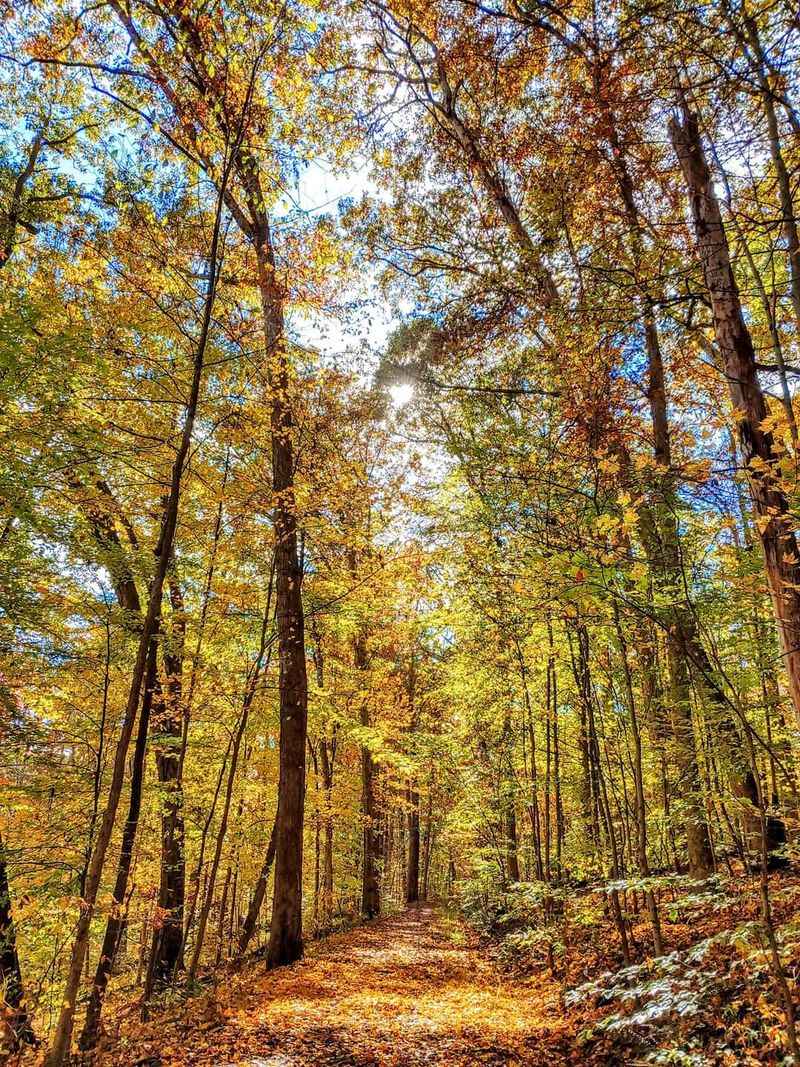
The name sounds festive, but the real celebration is a hillside full of changing leaves. Christmas Rocks State Nature Preserve near Lancaster gives autumn hikers a chance to climb through woodland and reach memorable views from its sandstone landscape.
Jacob’s Ladder is the best-known scenic feature, with an elevated perspective over the surrounding hills. Fall can turn that view into a broad quilt of warm colors.
The exact display depends on weather, so arrive ready to appreciate the scenery even outside peak foliage.
Getting uphill is part of the experience. Expect more effort than a flat riverside stroll, and choose a route based on your group’s comfort with climbing.
A current trail map helps you understand the loops before you commit to a longer walk.
Take breaks before you feel worn out. A slow climb gives you time to notice bark patterns, scattered acorns, and sunlight filtering through the canopy.
Carry water even on cool days, since crisp air can hide how much energy you are using.
At any exposed rock or overlook, keep a generous distance from the edge. Loose leaves can disguise uneven footing, and damp sandstone may be slick.
Photos are not worth stepping beyond a safe position or encouraging someone else to stand near a drop.
The preserve protects more than its view. Plants growing among rock outcrops can be damaged by shortcuts and off-trail exploring, so follow marked routes.
Leaving natural objects in place also keeps the experience intact for wildlife and future visitors.
A bright morning offers a satisfying way to start the day, while an afternoon visit requires careful attention to sunset. Woodland trails grow dim before open areas do, so leave enough time for the return.
With sensible planning, the outing feels like a small achievement: a steady climb, a rewarding pause, and a colorful walk back through Ohio woods.
6. Lake Katharine State Nature Preserve, Jackson
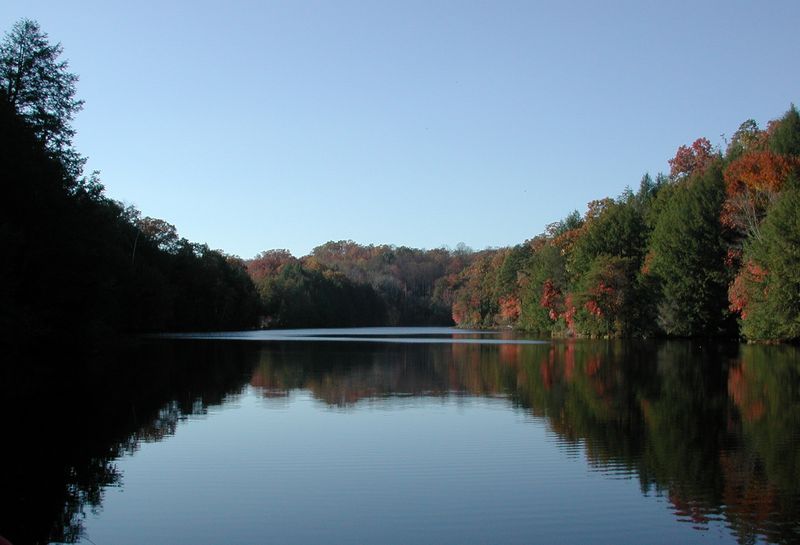
A still lake can show autumn twice, once in the trees and again on the water. Lake Katharine State Nature Preserve near Jackson pairs that reflective beauty with wooded trails and rugged features of southern Ohio’s sandstone landscape.
The lake is a natural focal point, but the surrounding forest deserves equal attention. Evergreen growth adds dark color beside changing hardwoods, and sheltered areas can feel quite different from sunny slopes.
Walking slowly helps you notice those shifts in light and vegetation.
Use the official trail map to choose an outing that matches your stamina. Routes around the preserve vary in terrain, and a lakeside setting does not guarantee a flat walk.
Check current notices before traveling, especially after storms or prolonged wet weather.
Photographers may enjoy a calm morning when the water holds clear reflections. If wind breaks the mirror effect, look for smaller scenes along the shore instead.
A bright branch above dark water can make a stronger image than a wide view with distracting glare.
Wear shoes that handle roots and uneven ground, and bring an extra layer for cool conditions near the lake. Keep snacks sealed and carry out your waste.
Facilities may be limited, so handle basic needs before arriving rather than expecting a developed recreation area.
Remember that a nature preserve is not automatically a swimming, fishing, or boating destination. Follow posted rules and check permitted activities through official information.
Respecting those limits helps protect the water, shoreline plants, and wildlife that make the setting special.
The nicest visit may involve fewer miles and more pauses. Watch a leaf drift across the surface, listen for birds in the trees, and let the changing reflections hold your attention.
Lake Katharine offers a softer side of an autumn adventure, where the reward is not just reaching a viewpoint but spending unhurried time beside the water.
7. Goll Woods State Nature Preserve, Archbold
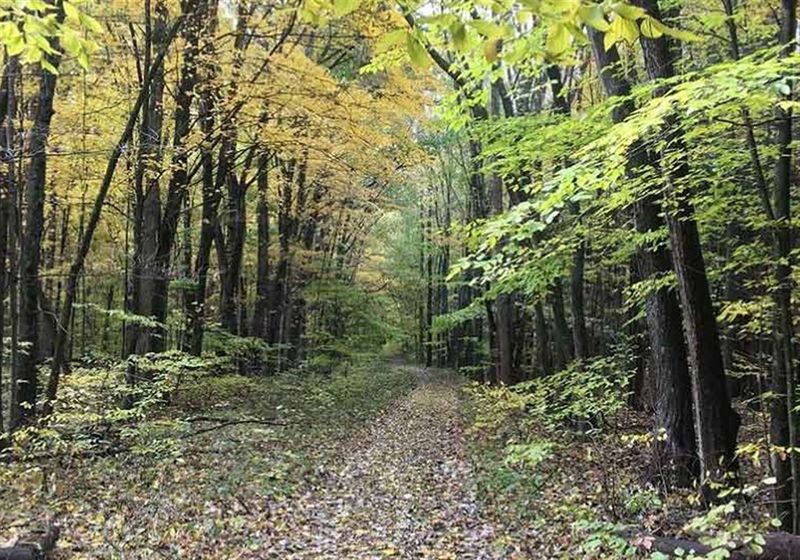
Big trees have a way of making everyday worries seem smaller. Goll Woods State Nature Preserve near Archbold protects a rare remnant of the forest that once covered much of northwestern Ohio, including impressive old oaks and other mature hardwoods.
Here, autumn is less about a cliff-top panorama and more about standing beneath a towering canopy. Look upward to follow thick trunks into spreading branches.
Then look down, where fallen leaves reveal the shapes and sizes of the trees overhead.
The relatively level landscape offers a welcome change from Ohio’s hillier preserves. Even so, flat does not always mean dry or effortless.
Low ground can hold moisture, so check conditions and choose shoes that can manage mud and damp leaves.
Old forests contain more than their largest living trees. Fallen logs and standing dead wood provide habitat and return nutrients to the soil.
Leave those features alone, and notice how fungi, insects, and smaller plants make use of them.
For children, this can become a friendly observation game rather than a race. Compare the bark of two trees, count different leaf shapes, or search from the trail for signs of animal activity.
Avoid touching unfamiliar mushrooms or taking natural objects home.
Bring binoculars if you enjoy watching the upper branches. Birds and squirrels can be easier to spot as leaves thin, although wildlife never follows a visitor’s schedule.
A quiet pause may reveal movement that disappears when people talk loudly or rush past.
Check the current trail map, hours, and preserve rules before the drive. Insect activity can linger during warm fall spells, so pack protection when needed.
Goll Woods is especially rewarding for visitors who appreciate age, scale, and the feeling of a forest left to grow, offering an autumn walk measured not by dramatic climbs but by the quiet presence of enormous trees.
8. Caesar Creek Gorge State Nature Preserve, Oregonia
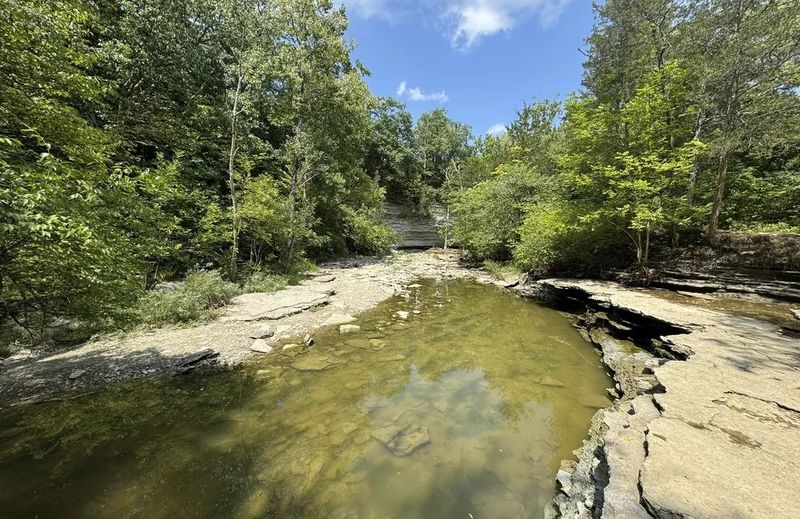
Rock layers turn a woodland walk into a glimpse of Ohio’s distant past. Caesar Creek Gorge State Nature Preserve near Oregonia combines a creek corridor, wooded slopes, and exposed geology that becomes easier to notice as autumn leaves begin to fall.
The gorge offers a different setting from the broad lake associated with nearby Caesar Creek State Park. Expect to focus on the stream valley and surrounding woods rather than open-water recreation.
Confirm the preserve’s entrance and parking location before following directions to the larger park.
Fall color appears in both sweeping patches and smaller scenes. A yellow tree against gray rock can be just as striking as an entire hillside.
Watch for places where the trail opens a safe view toward the creek without requiring any off-trail scrambling.
Uneven ground calls for a steady pace. Roots, slopes, and leaf-covered rocks may be harder to see after rain, and stream conditions can change quickly.
Check current notices and avoid entering water or crossing where the marked route does not direct you.
The area’s rocks connect to an ancient marine environment, a surprising thought when you are surrounded by forest. Enjoy any visible geological details without removing material.
Fossil collecting rules at designated nearby sites should never be assumed to apply within a nature preserve.
Pack water and a snack, and give yourself enough daylight for the return. A walking stick may help with balance if you already use one comfortably.
Keep your hands available on rough sections instead of carrying loose items while trying to take pictures.
Choose this outing when you want your fall scenery served with a little curiosity. Notice how water shapes the valley, how roots hold the slopes, and how leaves gather along the creek.
The experience brings color and geology together without needing a grand summit or a long list of planned stops.
9. Miller Nature Sanctuary, Bainbridge
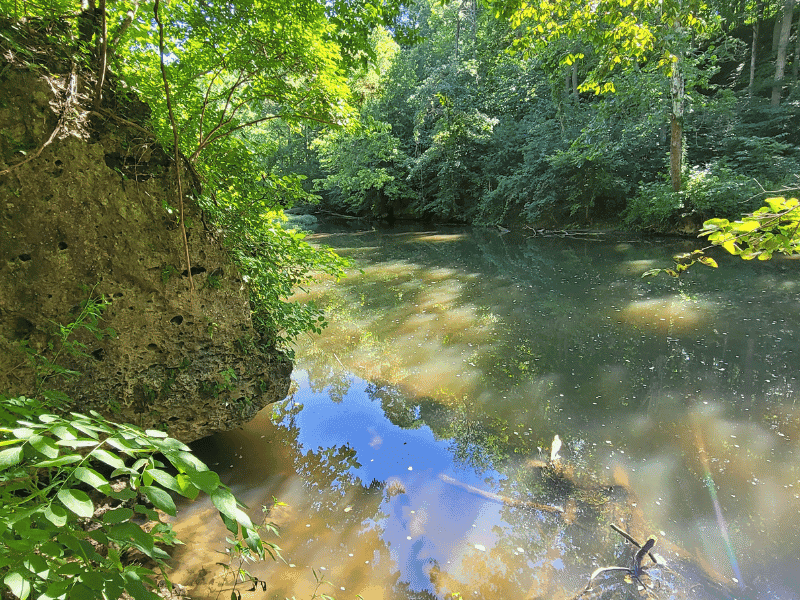
A tucked-away creek valley can feel like a discovery even when you arrive with directions. Miller Nature Sanctuary near Bainbridge protects a scenic stretch of the Rocky Fork area, where wooded slopes and rock formations create an inviting autumn setting.
The sanctuary rewards close attention rather than hurried mileage. Water, stone, and changing leaves share the view, and the character of the walk shifts with weather.
A creek that looks gentle during a dry spell may sound much stronger after rain.
Check official access information before setting out. Smaller preserves may have fewer facilities and less obvious navigation than major parks.
Save the location and trail information ahead of time, and do not depend entirely on a phone signal once you arrive.
Sturdy footwear matters along uneven or damp ground. Fallen leaves can hide small holes, loose stones, and roots, especially in a shaded ravine.
If recent rain has made conditions difficult, choose a shorter outing rather than pushing toward every possible view.
For photography, search for contrasts in texture. A rough rock face beside delicate yellow leaves can capture the season without needing a sweeping landscape.
Use designated paths and safe viewing positions, even when the most tempting angle appears only a few steps away.
Pack what you need for a simple, self-contained visit: water, a snack, a weather layer, and a bag for your trash. Check pet rules before bringing a dog.
Keep voices low when possible so the sounds of the creek remain part of everyone’s experience.
There is no need to turn the visit into a checklist. Pause where the woods open toward the water, study a line of fallen leaves, or watch sunlight move across the valley wall.
Miller Nature Sanctuary suits an autumn afternoon built around curiosity, careful footing, and the pleasure of finding beauty in a quieter corner of Ohio.
10. Desonier State Nature Preserve, Coolville
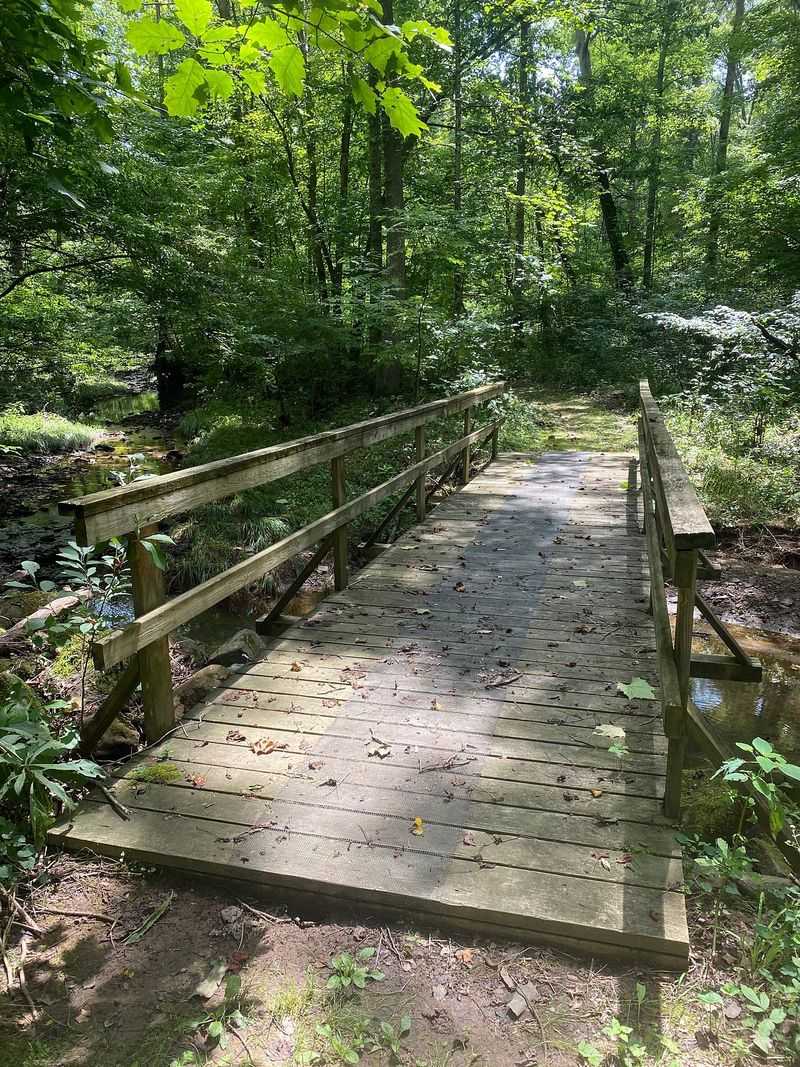
Not every memorable hike needs a famous landmark. Desonier State Nature Preserve near Coolville offers the kind of woodland outing where the path itself becomes the attraction, especially when autumn color settles over the hills of southeastern Ohio.
The preserve includes forested slopes and a stream valley, giving the walk a pleasant sense of movement through the landscape. Instead of expecting one grand reveal, watch for changing patterns.
Light on a hillside can look entirely different a few bends later.
Follow the marked trail and consult the current official map before starting. Woodland routes can feel less obvious when fallen leaves cover the tread.
Knowing the route shape and expected distance helps you relax without losing track of your return.
This is a good place to practice noticing ordinary things. A curled leaf, a squirrel’s movement, or a patch of moss can hold your interest when you slow down.
Bring children into the experience by asking them to find colors rather than collect objects.
Terrain in this part of Ohio can involve climbs, so allow more time than the mileage alone suggests. Carry water and wear shoes with reliable grip.
After wet weather, expect mud or slick surfaces and be ready to adjust your plan.
Quiet visits also call for practical preparation. Tell someone where you are going, save directions in advance, and bring a charged phone without assuming reliable service.
Check opening hours and any current closures before making a special trip.
For an autumn photo, try a path disappearing beneath colorful branches rather than searching for an overlook that the preserve does not promise. The appeal is a comfortable sense of being surrounded by woods.
Desonier gives you room to enjoy that feeling, with a visit shaped by careful observation, a manageable walking plan, and the simple pleasure of following a trail through changing leaves.
11. Rhododendron Cove State Nature Preserve, Lancaster
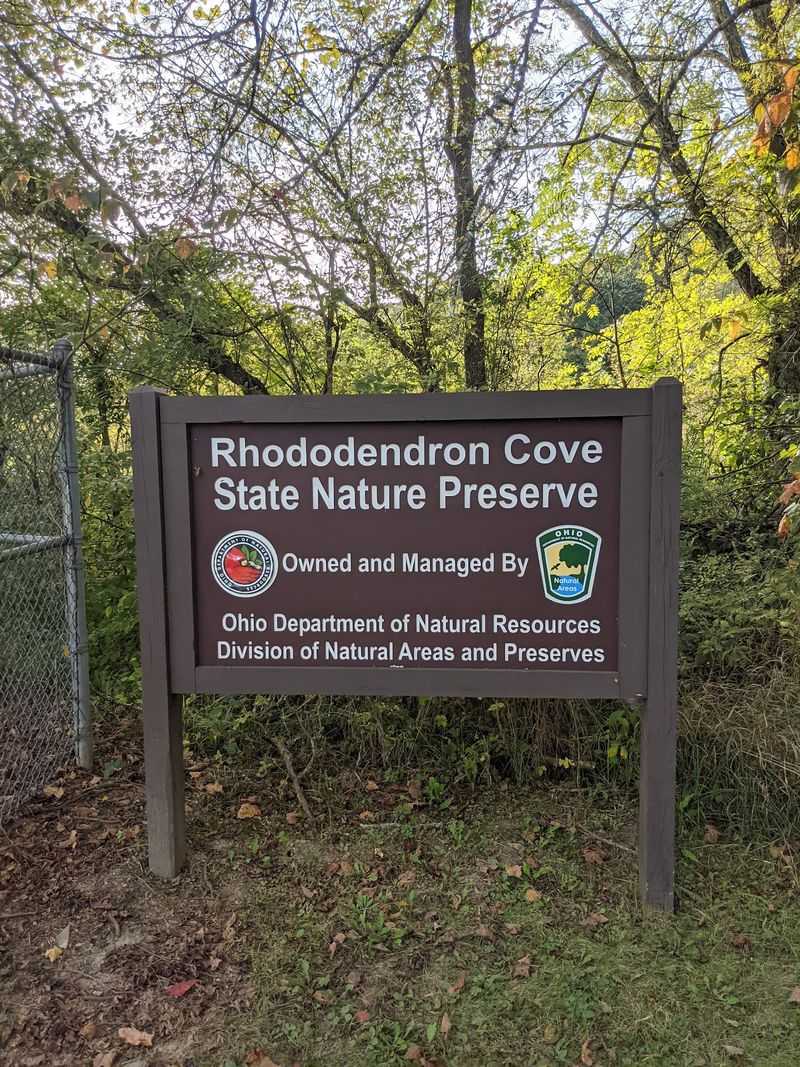
Green leaves can be just as eye-catching as golden ones in the right setting. Rhododendron Cove State Nature Preserve near Lancaster is known for its rhododendrons and sandstone terrain, making autumn a season of contrasts rather than a flower display.
Do not arrive expecting the blooms associated with the plant’s name. Fall highlights the evergreen foliage against changing hardwoods, along with the shapes of rock outcrops and wooded slopes.
That mix gives the preserve a character unlike a simple stand of colorful deciduous trees.
The approach includes climbing, so plan for a more active outing than the small setting might suggest. Check the current map and access details before leaving home.
A short route can still demand effort when it rises steadily or crosses uneven ground.
Take your time on slopes covered with leaves. Roots and stones may be hidden, and damp surfaces can make both ascent and descent tricky.
Shoes with a good tread help, but careful steps and a sensible pace matter just as much.
The plants are part of the reason the area is protected. Stay on marked routes, avoid brushing through shrubs for photographs, and never remove cuttings or flowers.
Fragile vegetation around rock features can suffer when visitors create even a small shortcut.
Photograph the layers rather than looking only for a distant view. Dark green rhododendron leaves, pale sandstone, and yellow branches can fit together beautifully in one frame.
Overcast light often keeps those details clear without harsh shadows across the rocks.
Bring water and keep enough energy for the walk back down. Review preserve rules, including pet restrictions, and arrive with realistic expectations about facilities.
An autumn visit here is a chance to see familiar seasonal color beside plants that keep their green, proving that a memorable fall landscape can come from contrast, texture, and a closer look at the living hillside.
12. Eagle Creek Nature Preserve, Garrettsville
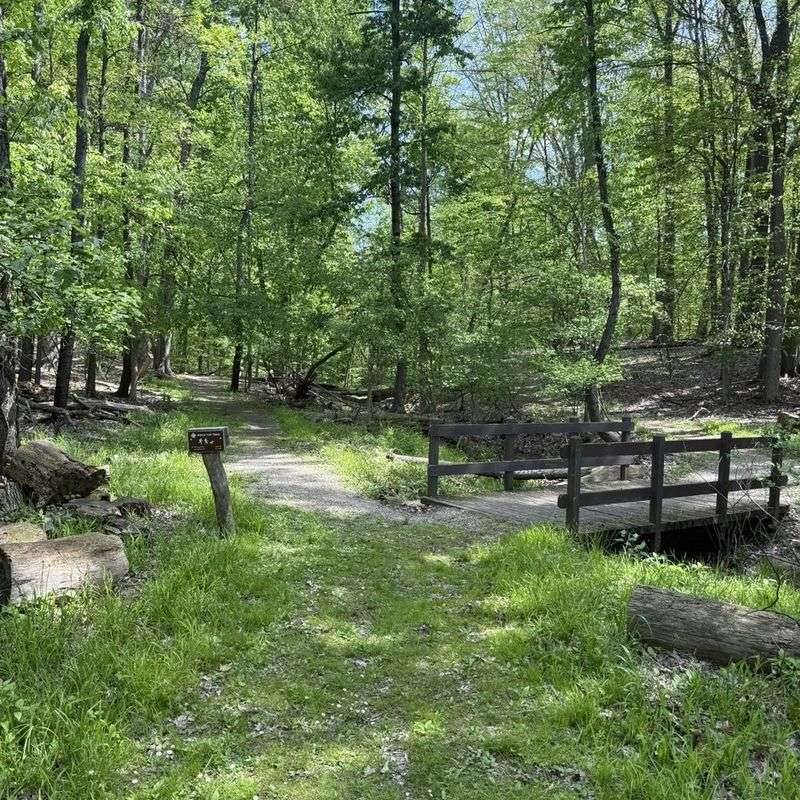
Some fall walks are best enjoyed with your ears as well as your eyes. Eagle Creek Nature Preserve near Garrettsville brings visitors into a protected landscape of woods, waterways, and wet areas, where seasonal color shares attention with the sounds of wildlife.
The variety of habitats gives you more than one way to experience autumn. Trees frame the trail, water changes the light, and more open areas offer a different view of the sky.
Look for transitions where one kind of landscape meets another.
Before visiting, check the managing agency’s current map, access information, and trail notices. Preserve names do not always tell you how developed the facilities are.
Arrive prepared for a nature walk rather than assuming there will be restrooms, drinking water, or staffed buildings.
Water nearby can mean damp footing. Wear practical shoes and expect some surfaces to remain muddy after rain, even when roads are dry.
Follow posted directions around wet areas instead of stepping off the trail to avoid a puddle.
Birdwatchers should bring binoculars and patience. Fall movement and changing foliage can create interesting opportunities, but no particular sighting is guaranteed.
Pause at a comfortable spot and scan slowly rather than chasing every sound through the woods.
The preserve’s name is not a promise that you will see an eagle. Enjoy whatever appears, from common woodland birds to small animals along the path.
Giving wildlife room and keeping a respectful distance makes the visit better for both animals and people.
For photos, combine a section of creek with the colors above it, or capture leaves reflected in still water. Keep equipment light enough to manage on uneven ground.
Eagle Creek offers an autumn outing with a thoughtful rhythm: walk a little, listen a little, and leave enough time for the landscape to reveal details that a rushed visit would pass by unnoticed.
13. Shallenberger State Nature Preserve, Lancaster
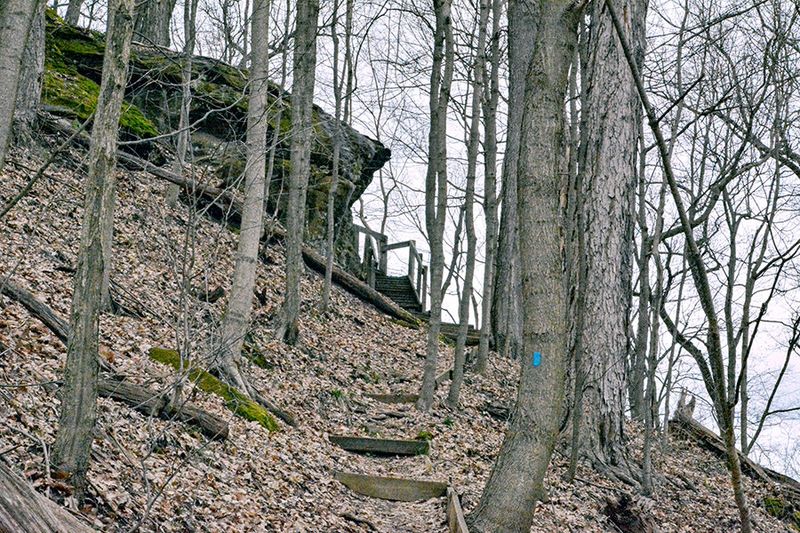
A modest stretch of woodland can hide a surprisingly satisfying climb. Shallenberger State Nature Preserve near Lancaster protects distinctive sandstone knobs, giving fall visitors a chance to explore wooded slopes and rocky landforms without planning a full-day hiking trip.
Allen Knob and Ruble Knob help define the preserve’s landscape. Their shapes stand out from the surrounding ground, and autumn foliage adds color to the climb.
As leaves thin, portions of the terrain may become easier to see through the trees.
Choose your route with the current official map rather than assuming every visible path is open. The preserve offers a compact outing, but uphill sections can still raise your breathing rate.
Match the walk to your group’s ability and leave time for breaks.
A good approach is to treat the ascent as part of the fun. Notice how the trees change around rockier ground and how the light shifts with elevation.
You do not have to hurry toward the highest point to get something valuable from the visit.
Use caution near exposed rock and any steep edges. Dry leaves can slide underfoot, while wet leaves may hide slick surfaces.
Keep children nearby, avoid scrambling beyond marked routes, and choose safe positions for photos instead of dramatic poses.
Bring water, comfortable hiking shoes, and a layer suited to the forecast. Review pet rules and current access notices before setting out.
Since this is a protected natural area, leave rocks, plants, and fallen wood exactly where you find them.
The Lancaster area has several nature preserves, but giving this one its own unrushed visit is worthwhile. A short climb, colorful woodland, and an unusual sandstone setting can make a complete autumn afternoon.
Finish while daylight is still strong, and carry away only photographs and memories of a place where Ohio’s fall beauty rises from the forest in small but memorable heights.
Share this story