Out near Salt Flat, a rocky path climbs through the Guadalupe Mountains and walks you straight across an ancient sea floor. The Permian Reef Trailhead launches a hike packed with fossils, big views, and plenty of sun. Visitors give it a 4.7 star rating, but the heat and distance can catch you off guard.
Here are eight things to know before you lace up your boots.
1. A Sea Floor Turned Into Mountains
Picture a warm, shallow ocean teeming with sponges, shells, and tiny sea creatures. Now fast forward about 260 million years, and that ocean is gone. What remains is a massive limestone ridge you can walk across.
The Permian Reef Trailhead sits near Salt Flat, in far West Texas. From here, the path leads you along the remains of one of the best-preserved fossil reefs on Earth. You are not just hiking a mountain.
You are strolling along the edge of a prehistoric sea.
That story is what makes this trail special. Most hikes give you views and sweat. This one gives you a time machine, too.
Visitors love the mix. One hiker called it a really cool trail, and the fossils and scenery came up again and again in reviews. Even people who only did part of it came away happy.
Before you go, read up a little on how reefs form. A basic idea of what you are looking at turns every gray rock into a clue. Kids especially enjoy the idea that the ground under their boots used to be underwater.
Bring a notebook or use your phone to jot down what you spot. Your future self will thank you when you try to remember which ledge had the best fossils. It also gives you a good excuse to slow down and catch your breath.
2. Fossil Hunting With Your Eyes Only
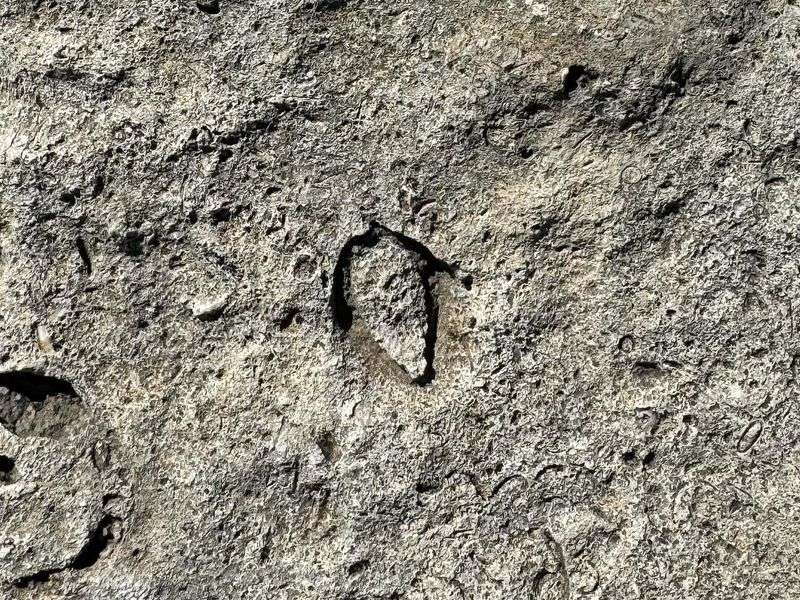
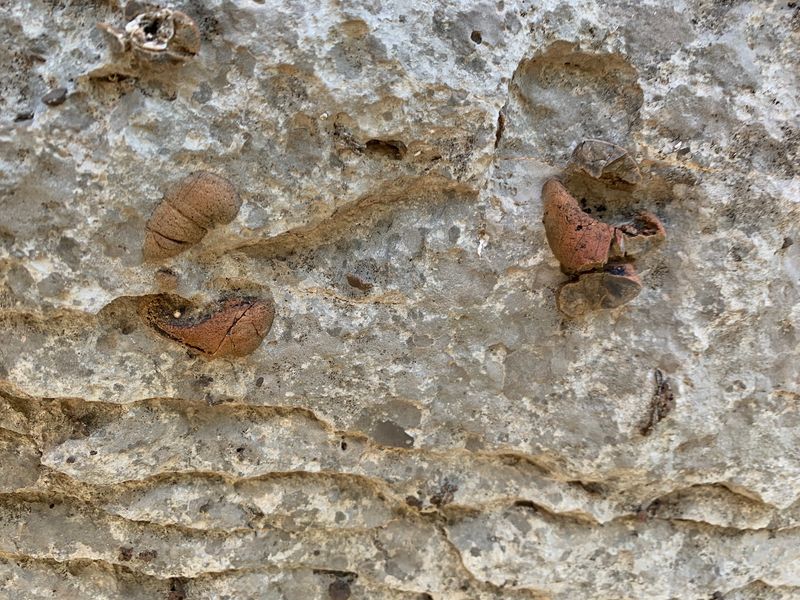
Here is the golden rule: look, snap a photo, and leave it be. The tiny fossilized critters in the rocks are the star attraction, and reviewers mention them again and again. Everything stays in place so the next hiker gets the same thrill.
Fossils here can be small, so train your eyes. Look for swirly shapes, ridged shells, and bumpy patterns in the gray stone. Sometimes a rock looks plain until the sunlight hits it from a low angle.
Morning and late afternoon light works best. Shadows make the tiny details pop. At noon, everything can look washed out and flat.
A small magnifying glass is a fun trick to pack. It weighs almost nothing and turns a boring rock into a mini museum. Kids will treat it like a treasure hunt.
Remember that this area is part of a national park, so collecting is not allowed. Taking even a small piece damages the story for everyone else. Photos last longer anyway, and they do not weigh down your pack.
Take your time. One reviewer said they saw a good amount of fossils, and that is true if you slow your pace. Hurry, and you will miss half of them.
3. Know the Real Mileage
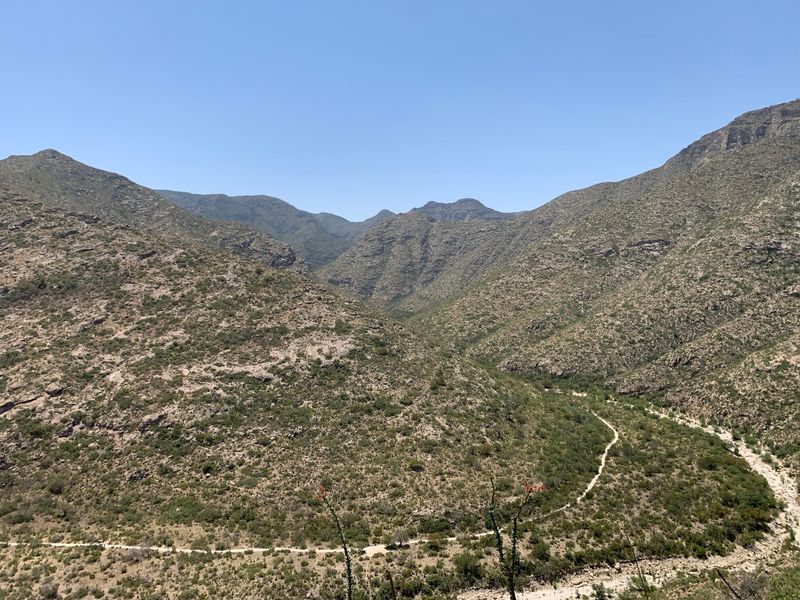
Nine miles sounds like a number you can plan around. On this trail, it behaves more like a suggestion. Elevation changes and loose rock make each mile feel longer than it looks.
Plan on a full chunk of your day. A comfortable pace for many hikers is around two miles per hour here, and stops for photos add up fast. Starting without a clear plan is how people end up finishing in the dark.
One past visitor called the hike not too difficult, while another turned back early. Both are right, depending on fitness, weather, and water. Be honest about your own limits before you leave the parking area.
Look at a map the night before. Note where you can turn around if the day goes sideways. Picking a turnaround time, like noon, is a smart habit.
Tell someone where you are going. Cell service is spotty out here, so do not count on your phone. A paper map or a downloaded offline one is worth every ounce.
Also check the trail conditions at the park visitor center if you can. Rangers know when a stretch is rough or a storm is rolling in.
4. Beat the Heat Before It Beats You
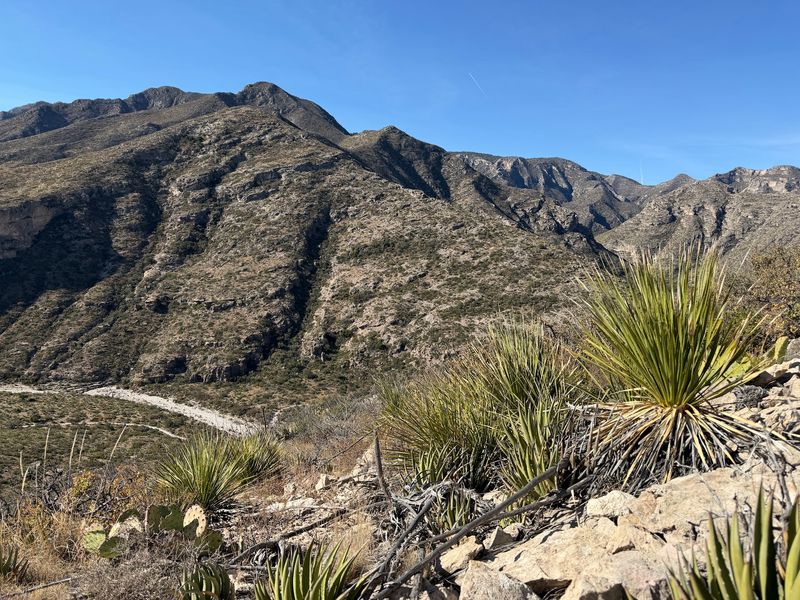
102 degrees. That is the number one reviewer remembered, and it is why they turned around early. Smart move.
Summer in this corner of Texas is no joke. Rock soaks up sun and throws it right back at you. Shade is rare, and a breeze can feel like a hair dryer.
Start at sunrise in warm months. By the time the heat peaks, you should be heading back down or already finished. Fall, winter, and spring are far friendlier seasons for this hike.
Carry more water than seems reasonable. A good rule is at least a gallon per person for a long day. Add salty snacks like pretzels or nuts to keep your body balanced.
Wear a wide-brim hat, light long sleeves, and sunscreen. Cotton gets soggy, so try fabrics that dry fast. Sunglasses help with the glare off pale limestone.
Know the warning signs of heat trouble: headache, dizziness, and feeling strangely chilly. If they show up, stop, rest, and sip. Pride is not worth a hospital trip.
5. Views That Make the Climb Worth It
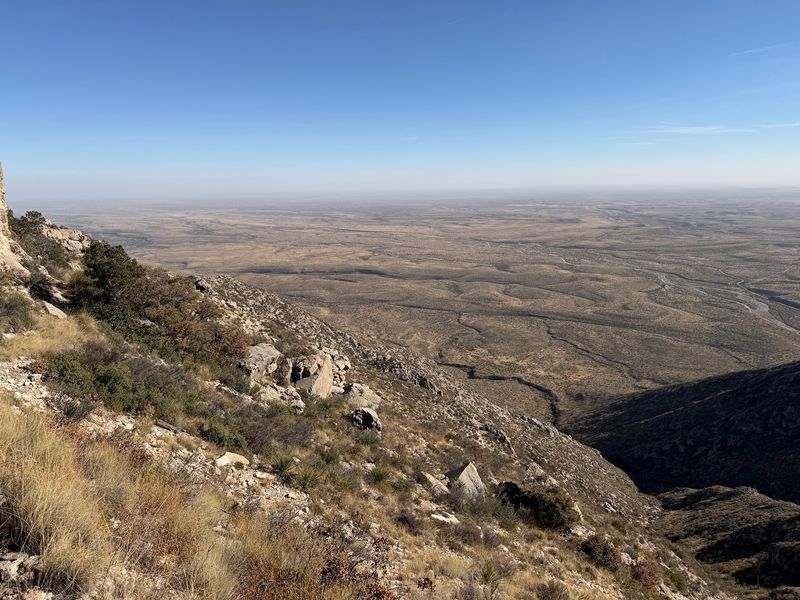
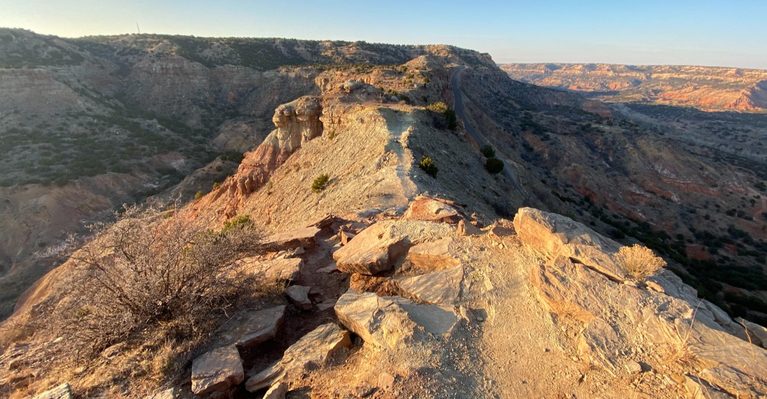
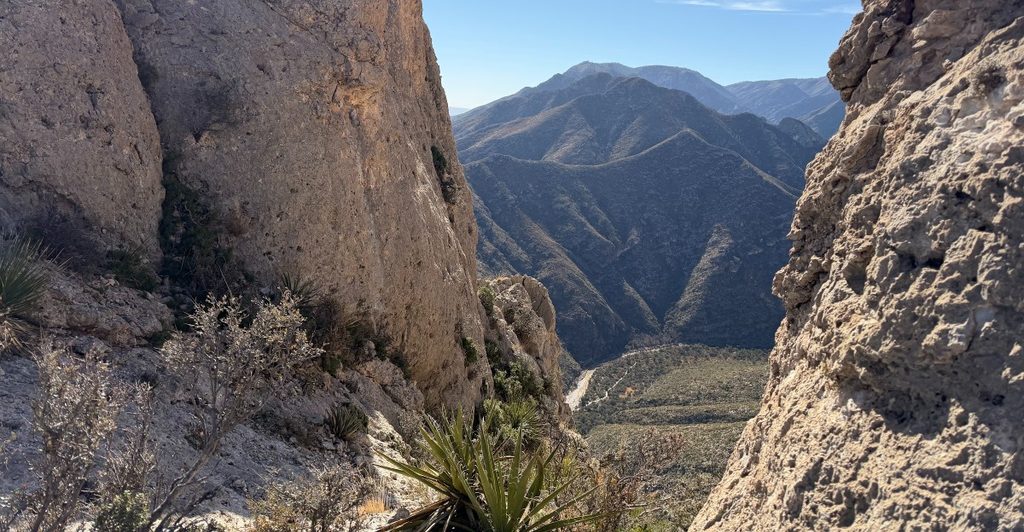
Somewhere on the climb, you turn around and the whole desert opens up. Flat salt basin, hazy ranges, and a sky that seems twice as big as normal. Reviewers called the views pretty nice, and that is modest praise.
The higher you go, the wider the picture gets. You can see how the ridge once formed a barrier at the edge of an ancient sea. Standing there makes the geology click without any textbook.
Bring a camera, but also put it away for a few minutes. Just stand still. The quiet out here is deep, broken only by wind and the occasional bird.
Golden hour is magic if you plan it safely. Just make sure you can get back before dark. A headlamp is smart to keep in your pack, even on day trips.
Look for layers of rock along the slopes. Each band is a clue to a different moment in the reef’s long life. Pointing them out makes you feel like a real field scientist.
Snack breaks taste better with a view like this. Pick a flat rock, sit down, and enjoy the payoff.
6. What to Pack Without Overpacking
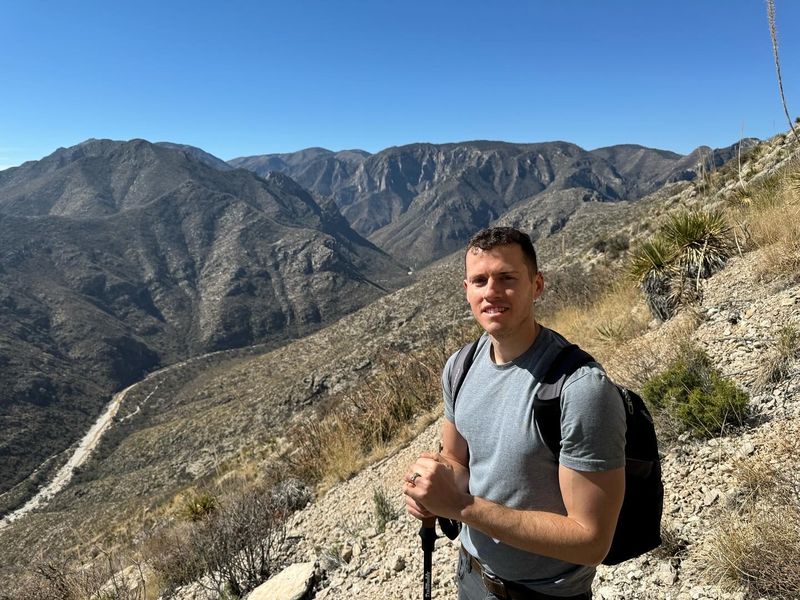
A good pack feels like a helpful friend, not a boulder. Aim for the essentials and skip the rest. Your shoulders will notice every extra pound by mile six.
Start with water, then add food. Trail mix, jerky, and fruit are easy winners. Pack a little extra in case the hike runs long.
Sturdy shoes matter more than anything else here. Loose rock can roll ankles fast, so choose boots or trail shoes with real grip. Cushy socks help prevent blisters over nine miles.
Add a basic first aid kit with bandages, blister pads, and tweezers. Cactus and thorny brush grow along the way. Tweezers will rescue you more than once.
Do not forget sun gear, a whistle, a light jacket, and a charged phone. Winds can pick up on the ridge, and temperatures swing. A thin layer takes almost no space.
Finally, bring a small bag for trash. Whatever you carry in, carry out. That includes orange peels and snack wrappers, which linger longer than you think.
7. Trail Manners and Desert Wildlife
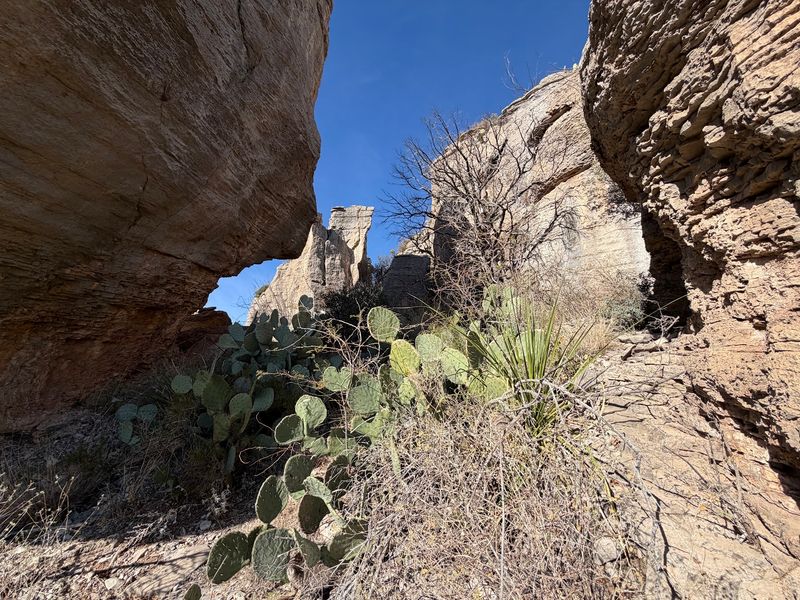
You are a guest in a very old neighborhood. Lizards, birds, and the occasional snake were here long before the trail. Give them space and they will mostly ignore you.
Watch where you put your hands and feet. Snakes love shady rock crevices, especially in warm months. Stay on the path, and never reach into spots you cannot see.
Stay on the marked route to protect fragile plants. Desert soil and tiny growth take years to recover from one careless step. Shortcuts cause erosion that spoils the trail for others.
Keep your voice friendly, not booming. Sound carries a long way across open rock. Quiet hikers often spot more wildlife.
Yield to uphill hikers when you meet on a narrow stretch. A smile and a quick hello go far. Out here, everyone is in the same boat, sweating and snacking.
Do not feed animals, no matter how cute. Human food harms them and teaches bad habits. Enjoy from a distance and let them stay wild.
8. Getting There and Planning Your Day
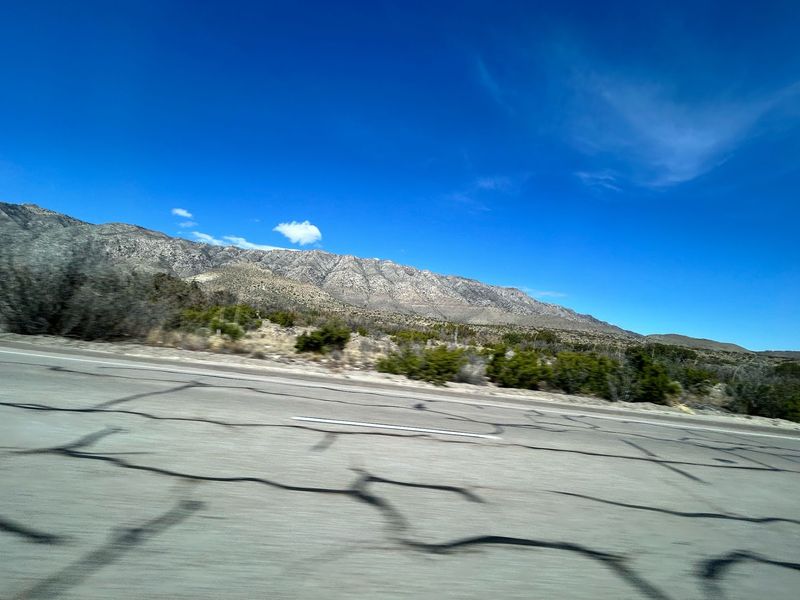
Salt Flat is about as far-flung as Texas gets, so plan ahead. The trailhead sits near 31.9778, -104.7523, and services nearby are limited. Fill your gas tank and stock up on water before you leave a bigger town.
Drive times can surprise you, since the roads stretch long and empty. Give yourself a cushion so you are not rushing at the start. Arriving early also means a better parking spot and cooler temperatures.
With a 4.7 star rating, this trail has happy fans, though the number of reviews is small. That means crowds are usually light, which is a gift. You may have long stretches all to yourself.
Download maps ahead of time, because signal fades fast. Write down your start time and your turnaround time. Tell a friend your plan.
Pair the hike with a stop at nearby Guadalupe Mountains National Park sites if you have extra time. A relaxed second day lets you soak up more of the landscape. Tired legs deserve a gentler plan.
After the hike, celebrate with a cold drink and a big meal. You earned it.
Share this story