Texas is huge, and the best stories often wait far from the famous spots. Quiet canyons, old forts, tiny towns, and surprising museums are scattered across the state. Pack a water bottle, point the car down a back road, and get ready to find places most visitors skip.
1. Hueco Tanks State Park & Historic Site (El Paso)
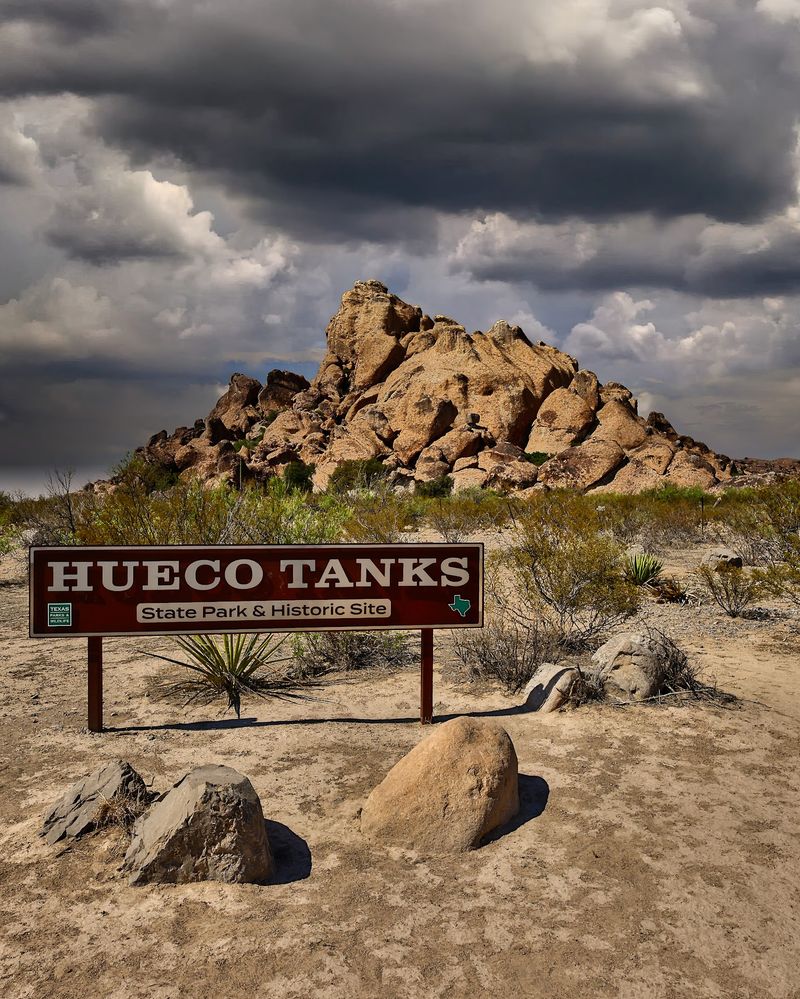
Picture a pile of giant boulders rising out of the Chihuahuan Desert like a stone playground built for grown-ups. That is Hueco Tanks, a spot where climbers, hikers, and history fans all find something to love. The name comes from natural basins in the rock that catch rainwater.
Those basins have drawn people for thousands of years. Visitors can still see rock art left behind by many cultures, and the park protects it carefully. Some areas can only be explored with a guided tour, so plan ahead and check the rules before you go.
Reservations are a big deal here. The park limits how many people enter each day, which keeps the place from getting trampled. Book your spot early, especially for weekends and cooler months.
Bring more water than you think you need. Desert sun can sneak up on you, even on a breezy day. A hat, sturdy shoes, and sunscreen make the trip much more fun.
If you like bouldering, you will meet people from all over who travel here just to test their grip on the rock. If climbing is not your thing, a slow walk among the formations still feels like exploring another planet. Look for shady nooks where the rock curves overhead, and take a moment to listen.
The desert is quieter than you expect.
Go early in the morning for softer light and cooler air. Photographers love the glow on the stone around sunrise. Afterward, grab tacos in El Paso and let your legs rest.
You earned it.
Tip for first timers: start with the guided tour. Rangers know the hidden corners and the stories behind the markings, and you will notice details you would walk right past on your own.
2. Palacios
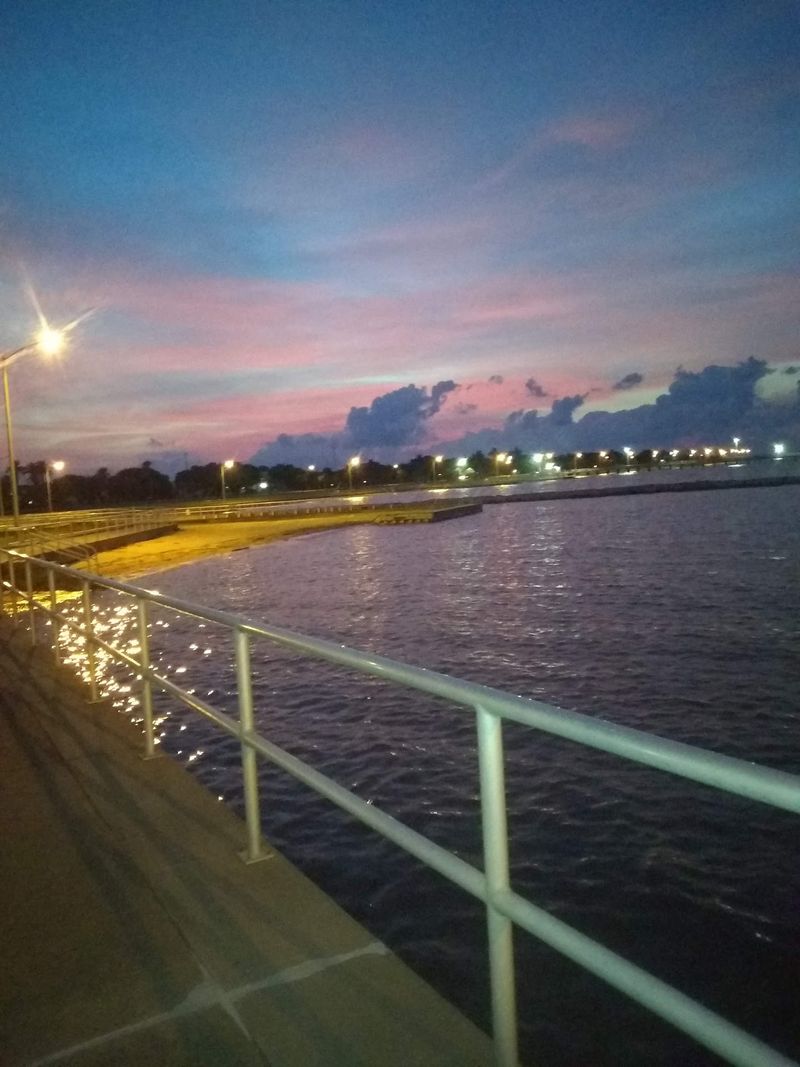
Shrimp boats bobbing in the harbor, pelicans lined up on pilings, and a pier that stretches into the bay. Palacios feels like a Gulf Coast postcard that nobody mailed out. It is a small fishing town on Matagorda Bay, and it moves at a happily slow pace.
Start at the waterfront. The long Palacios Pier is a fine place to stroll, fish, or simply watch the light change over the water. Locals say the sunsets here beat the crowded beach towns, and it is hard to argue.
Seafood is the main event. Fresh shrimp and Gulf fish show up on menus all around town, so ask what came in that day. Order something you have not tried before.
Birdwatchers should bring binoculars. The bay and nearby marshes attract many shorebirds, and the area is a stop on migration routes. Even beginners can spot a few species with a little patience.
Want to get out on the water? Look into local guides for fishing trips or bay tours. Weather and tides matter, so check conditions before you set a plan.
Fun fact: the town has a long history tied to the fishing trade, and that heritage still shows in the working docks. You will see real boats doing real work, not just props for photos.
Give yourself a full weekend if you can. Mornings on the pier, afternoons wandering, and evenings with a plate of something salty make a perfect rhythm. Leave the schedule at home.
3. Fort Davis National Historic Site (Fort Davis)
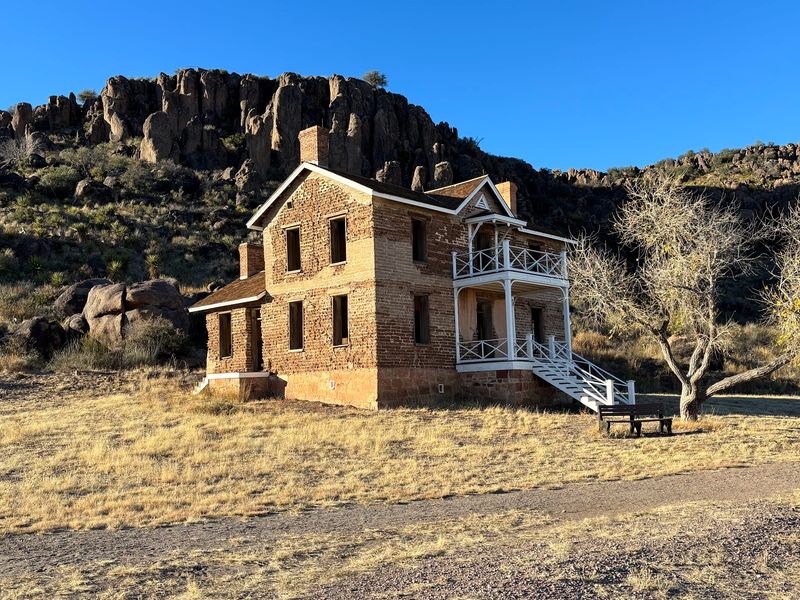
Few places let you stand on a parade ground with mountains looming right behind it. Fort Davis sits in the cool, rocky Davis Mountains of West Texas, and the setting alone is worth the drive. Add the well-kept buildings, and you get a real peek into frontier army life.
The fort was active in the 1800s and helped protect travelers along busy trails. Today many of the buildings have been restored, and some rooms are furnished to show how soldiers and their families lived. Walking through them makes history feel a lot less dusty.
Start at the visitor center. Short exhibits and a film set the scene before you wander the grounds. Rangers are happy to answer questions, so ask away.
Look for the story of the Buffalo Soldiers, the Black cavalry and infantry regiments who served at this post. Their history is a major part of what the site shares. Take your time with those exhibits.
Summer afternoons can be warm, even at this higher elevation. Aim for morning or late afternoon, and carry water. The air is dry, so you will notice it.
After the fort, explore the small town of Fort Davis. You can find cozy spots to eat, and the nearby mountain drives are scenic. At night, the dark skies are great for stargazing, since the region is known for clear views of the stars.
Tip: wear comfortable shoes. The grounds are bigger than they look from the entrance.
4. Jefferson
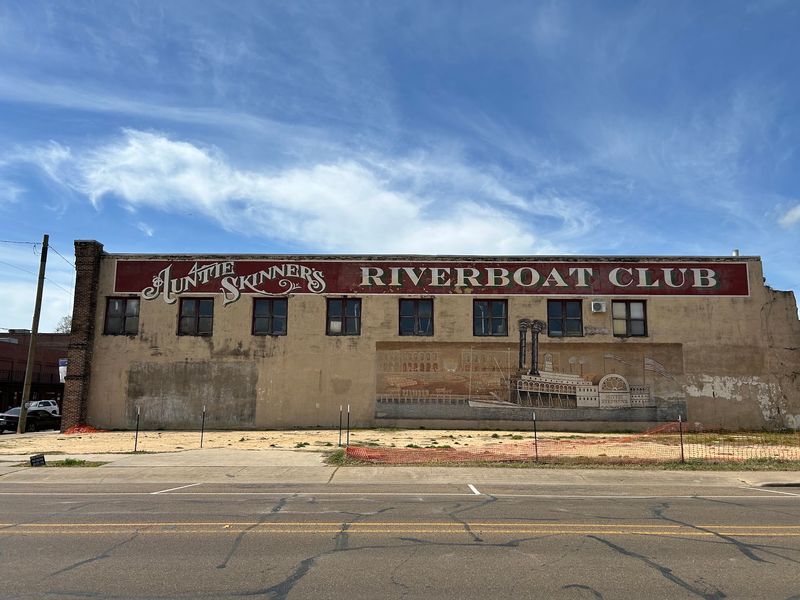
Ghost stories, creaky porches, and a downtown that looks frozen in a more charming century. Jefferson in East Texas is the kind of town where you slow down without being asked. Pine trees, old brick, and bayou air set the mood.
The town once bustled as a river port, and its historic buildings still tell that tale. Walk the downtown streets and peek into antique shops, bookstores, and small galleries. Every block has something odd or lovely to look at.
History fans can tour old homes and museums that explain how the town grew. Many guides share local legends too, and some of them are spooky. Evening ghost walks are a popular way to spend an hour, even if you think you do not believe.
Nature lovers have options as well. Caddo Lake sits nearby, with cypress trees draped in Spanish moss, and it is a beautiful spot to paddle. Rent a boat or join a guided trip so you do not get turned around in the maze of water.
Hungry? Small-town cafes serve comfort food that fits the setting. Save room for dessert, because a sweet treat feels required here.
Plan an overnight stay if you can. Many historic inns and bed-and-breakfasts welcome guests, and a rocking chair on a porch is the best way to end the day.
Visit in spring or fall for comfortable weather. Summers can be sticky, so bring a light layer and a sense of humor.
5. Wild Basin Wilderness Preserve (Austin)
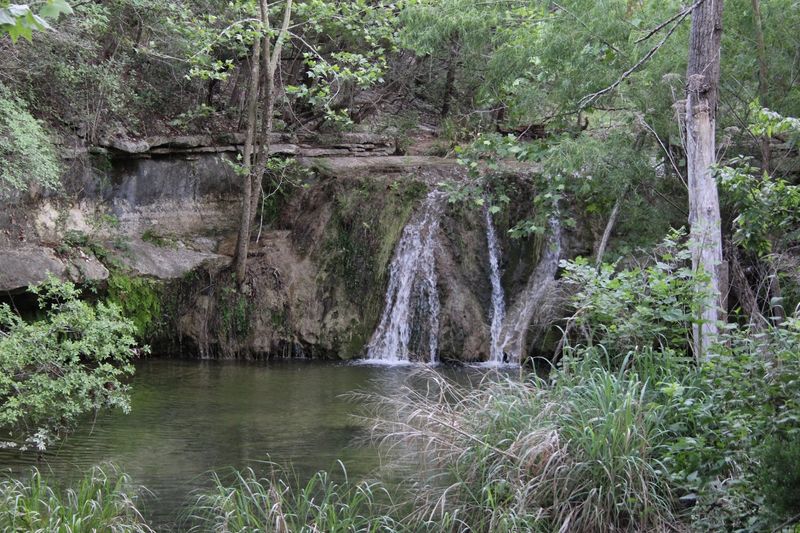
You can be stuck in Austin traffic one minute and standing beside a quiet creek the next. Wild Basin is a small nature preserve tucked into the Hill Country edge of the city, and it surprises almost everyone who visits. Trails wind through woods, over limestone, and past peaceful overlooks.
The paths are well marked, so you do not need to be an expert hiker. Families, solo walkers, and curious kids can all find a route that fits. Some trails are easy, while others add a little climbing.
Keep your eyes open. Birds, lizards, and butterflies show up along the way, and the plant life changes from shady spots to sunny ridges. Bring a small notebook if you like to jot down what you see.
The preserve is run to protect the land, so trails and rules matter. Stay on the path, pack out your trash, and leave rocks and plants where they are. That is how places like this stay wild.
Morning is a lovely time to visit. The air is cooler, and wildlife tends to be more active. Austin summers get hot, so carry water and wear a hat.
Check hours and any entry details before you go, since policies can change. The staff and volunteers often host programs, and those can be a fun way to learn more about local nature.
Afterward, treat yourself to something cold in town. A quiet hike followed by a snack feels like the perfect Austin escape.
6. San Saba
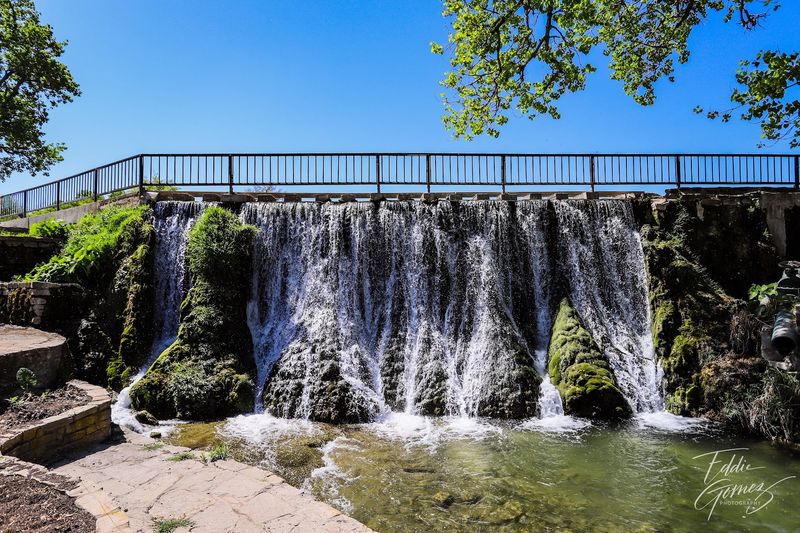
Pecans are the headline act in San Saba, and the town proudly wears the title of the Pecan Capital of the World. Rows of trees stretch across the countryside, and the whole place has a friendly, unhurried feel. It is a great reward for anyone willing to drive a little off the main highways.
Start with the courthouse square. Small shops and local businesses surround it, and many sell pecan treats you will want to carry home. Pies, candies, and roasted nuts are common finds.
The town sits near the San Saba River, which adds a calm, green backdrop. A walk along the water is easy and relaxing. Bring a camera, because the light in the late afternoon is lovely.
History runs deep around here. The area has old stories tied to Spanish missions and frontier times, and local spots share some of them. Stop by a museum or visitor center to learn what shaped the region.
Fall is a great time for a visit, since pecan harvest season brings extra energy. You may see trucks, orchards, and roadside stands busy with activity. Ask locals for their favorite way to crack and eat a fresh pecan.
Bring a cooler if you plan to buy goodies. Fresh baked items are best enjoyed soon, but nuts travel well. Spend a slow weekend here, and you will start to understand why people brag about this tiny town.
7. Seminole Canyon State Park & Historic Site (Comstock)
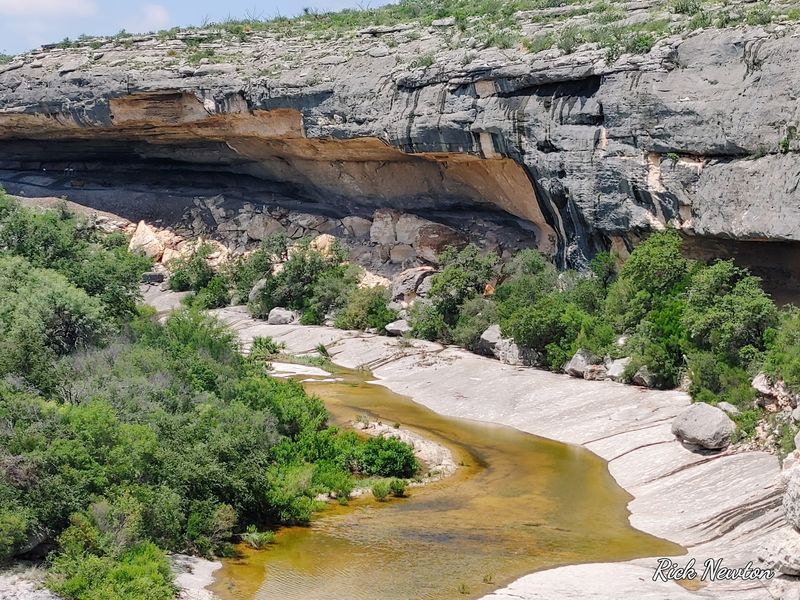
Some of the oldest art in North America hides in the cliffs near Comstock. Seminole Canyon protects rock shelters filled with ancient paintings, and seeing them feels like reading a story written thousands of years ago. The scenery is wild, wide, and wonderfully quiet.
The best way to see the most famous art is on a guided tour of Fate Bell Shelter. Check the schedule ahead of time, because tours are not always offered at every hour. Rangers explain what the images may mean and how to protect them.
Beyond the paintings, the park has hiking and biking trails across rugged canyon country. Views open up suddenly, and the land seems to drop away beneath your feet. Stay on marked routes, and watch your step near edges.
This is far West Texas, so prepare like it. Bring plenty of water, snacks, and sun protection. Cell service can be spotty, so a paper map is a smart backup.
Camping here is a treat. At night, the stars can be dazzling because the sky is so dark. Listen for desert sounds after sunset, when the temperature finally eases.
Nearby, the Pecos River and Amistad Reservoir add more places to explore if you have extra time. Plan for a long drive, since distances are big out here. Think of the trip as part of the adventure.
Visit in cooler months for the most comfortable hiking, and keep your camera ready for golden evening light.
8. Goliad State Park & Historic Site (Goliad)
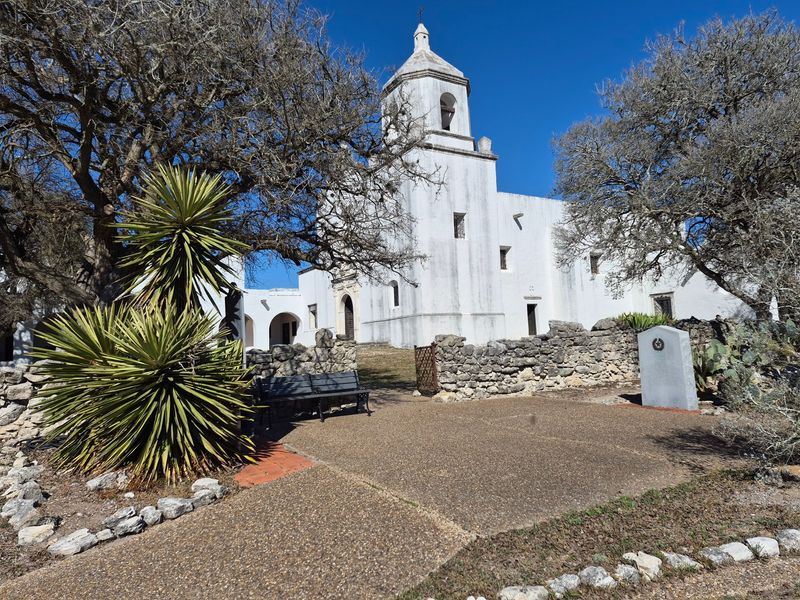
Goliad is where Texas history gets personal. The state park and historic site include a restored Spanish mission, and its stone walls have seen centuries of change. Stepping inside feels like slipping into a quieter, older world.
The mission, Nuestra Senora del Espiritu Santo de Zuniga, was rebuilt in the 1930s. Visitors can walk the grounds, look at the chapel, and learn how daily life worked in a mission community. Small exhibits add helpful context.
Close by is the birthplace of General Ignacio Zaragoza, a hero remembered in Mexican history. That connection adds another layer to the park. It is a good reminder that Texas stories reach far beyond the state line.
The park is also a pleasant place to relax. Shade trees, picnic spots, and the San Antonio River make for a calm afternoon. Bring lunch and enjoy a slow break.
History buffs should plan more time in the town of Goliad. Other sites nearby share the story of the Texas Revolution and the events that shaped it. Visitors often like to see them all in one trip.
Travel tip: go on a weekday if possible. Crowds are lighter, and you can wander without feeling rushed. Mornings are cooler, especially in summer, when south Texas heat can feel heavy.
Wear comfortable shoes and bring water. The grounds are easy to walk, and the history is easier to enjoy when you are comfortable.
9. National Cowgirl Museum & Hall of Fame (Fort Worth)
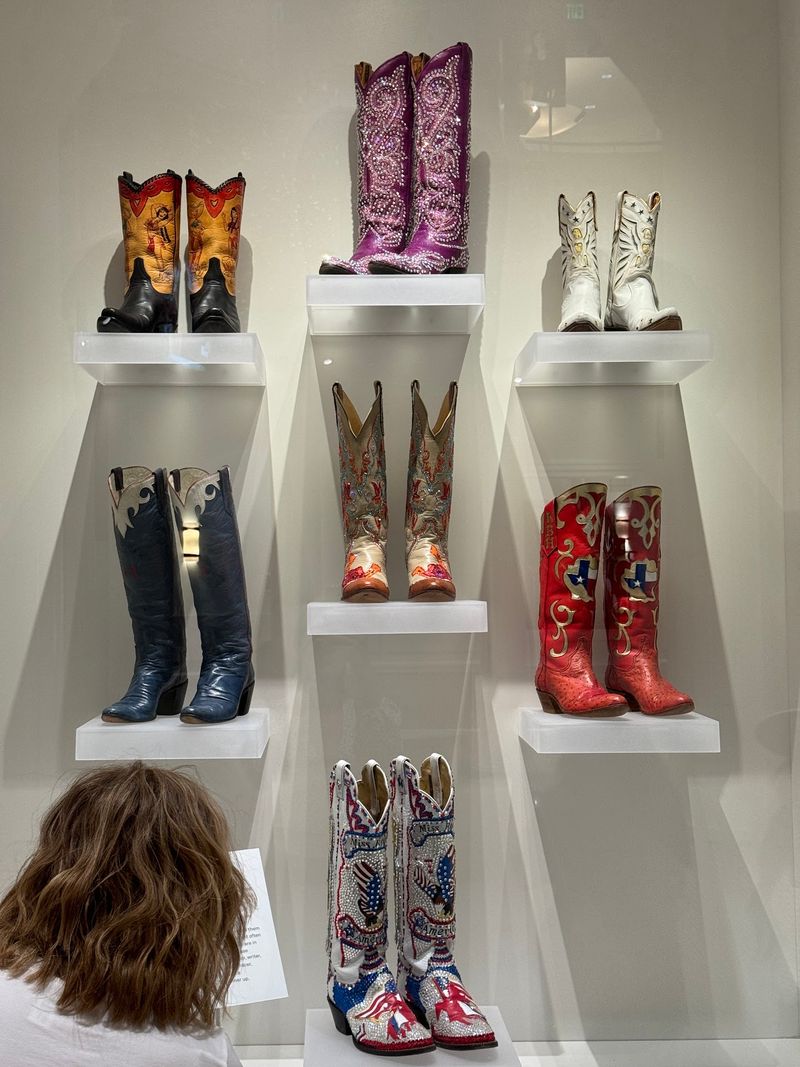
Forget the old idea that the Wild West belonged only to men. The National Cowgirl Museum and Hall of Fame in Fort Worth celebrates women who shaped Western life, from ranchers and rodeo stars to artists and trailblazers. It is a bold, inspiring stop in a city famous for its cowboy culture.
Inside, exhibits share stories through photos, clothing, and artifacts. You will meet honorees from many backgrounds and eras. Each one shows a different kind of grit.
Take your time with the displays. Short biographies make it easy to learn a lot without feeling overwhelmed. Kids and adults alike tend to find a favorite hero before they leave.
The museum sits in the Cultural District, close to other attractions. That makes it easy to pair with an art museum or a stroll through the neighborhood. Plan a half day, and you can see plenty.
Check the museum website before you visit for hours, ticket details, and special events. Temporary exhibits change, so there may be something new each time. Programs sometimes include talks and hands-on activities.
For a full Fort Worth day, add a trip to the Stockyards afterward. You can watch the cattle drive, browse boot shops, and soak up even more Western spirit. It is a fun contrast to the quiet reflection of the museum.
Wear comfortable shoes and bring curiosity. You will leave with new names to remember.
Share this story