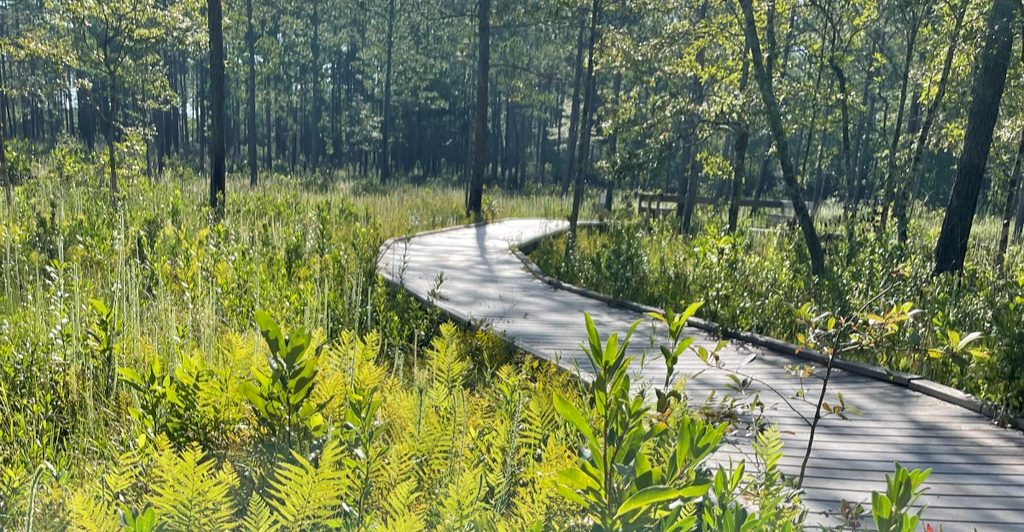
In the piney woods of Southeast Texas, the Pitcher Plant Trail in Big Thicket National Preserve offers a short walk with an unexpectedly big payoff. The loop is about one mile, mostly flat, and lined with strange plants that eat bugs. You will not hear much traffic out here, just birds and wind in the pines.
Here are eight things that make this little boardwalk such a peaceful escape.
1. A Short Loop With Huge Rewards
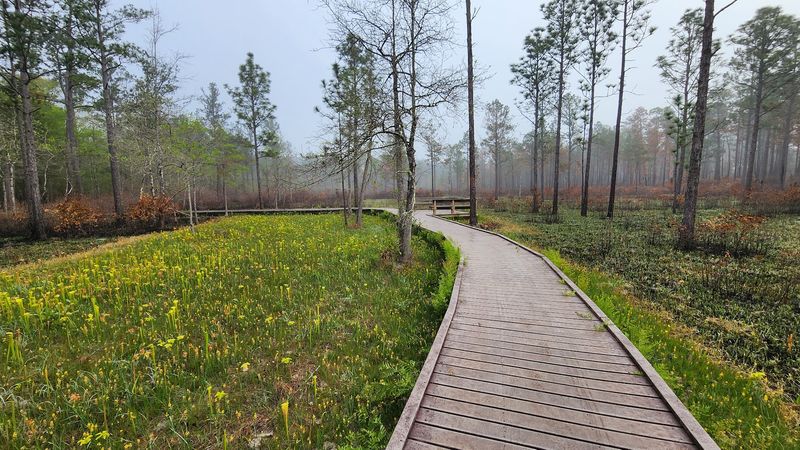
One mile. That is all the Pitcher Plant Trail asks of you, and it gives back far more than most longer hikes do. The loop is flat, easy to follow, and rarely feels crowded.
Plenty of visitors say the best scenery starts just a five minute stroll from the trailhead. Others walk only a short block, snap their photos, and head back happy. You can also finish the entire loop at a relaxed pace in under an hour.
That flexibility makes the trail a smart pick for tired travelers, families with restless kids, or anyone squeezing a quick outing into a road trip. You do not need special boots or a big plan. A water bottle and a little curiosity will do.
Still, the best advice from past visitors is simple: slow down. Walk a few steps, stop, and look closely at the ground, the grasses, and the edges of the boardwalk. The small details are the whole show here, and they are easy to miss if you rush.
Because the trail is open around the clock, you can fit it into almost any schedule. Daylight is the best choice for seeing color and details. Plan on bringing a phone or camera, since you will want photos at nearly every bend along the way.
2. Thousands of Carnivorous Pitcher Plants
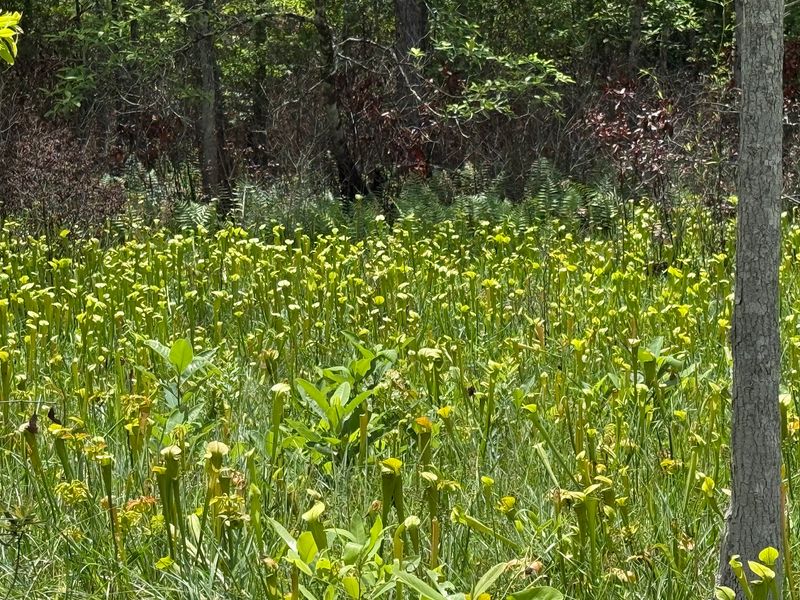
Imagine a field where the plants fight back against the bugs. Here, pitcher plants rise from the wet soil like tall green trumpets, and one reviewer swore there were thousands in every direction.
Insects are lured in by sweet nectar, then slip down the slick inside of the tube. The plant slowly digests them, which is how it gets nutrients the poor, sandy soil cannot provide. Pretty clever for something that never moves.
The boardwalk keeps you close without letting you trample anything. Many plants sit right beside the wood, so you can study the veins, colors, and little hoods up close. Early spring blooms add nodding flowers on tall stems.
Timing matters a bit. Visitors have seen plants in full show in early April, in early May, and even in late September. One hiker came in a different season and saw only a few small ones, so check with the rangers before you go.
Look, but do not touch or pick. These plants are protected, and part of what makes the trail special is that everyone leaves the field exactly as they found it.
3. Easy Access for Almost Everyone
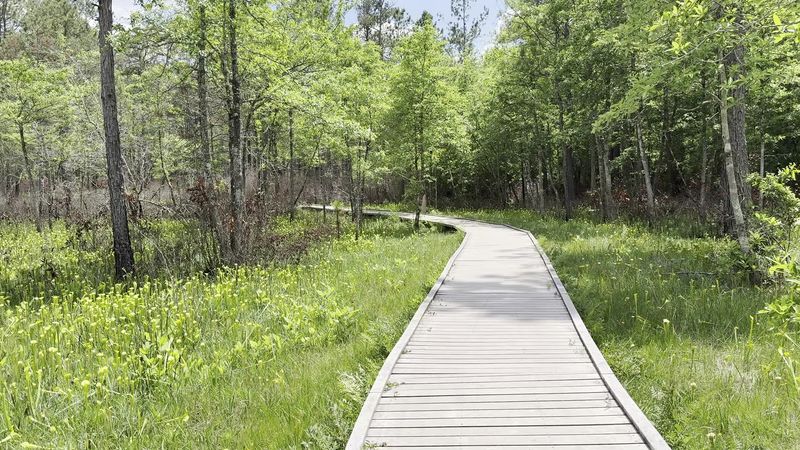
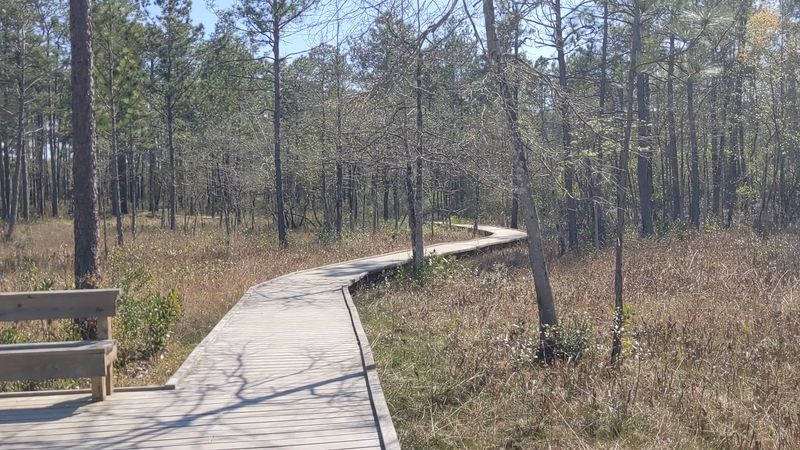
Not every wild place welcomes strollers and wheelchairs, but this one does. The first 0.3 mile of the trail is fully accessible, and past reviewers describe it as wheelchair friendly and well maintained.
The boardwalk is smooth, the grade is almost nonexistent, and the pitcher plants can be seen right from the path. That means grandparents, toddlers, and everyone in between can share the same view.
Beyond that first stretch, the ground can turn muddy after rain, so the experience changes a little. Still, the incline stays small, and the walk remains gentle. Some slippery patches show up in a few spots, but nothing that hikers called dangerous.
At the trailhead you will find a primitive restroom, a trail map, a concrete picnic table, and a small trash can. It is simple, tidy, and just enough. Clear signs along the route explain what you are looking at, which helps if nobody in your group is a plant expert.
If mobility is a concern, start on the boardwalk and decide as you go. You can turn around whenever you like and still see the highlight. Nobody gets graded on distance out here.
4. Sundews, Butterworts, and Other Oddballs
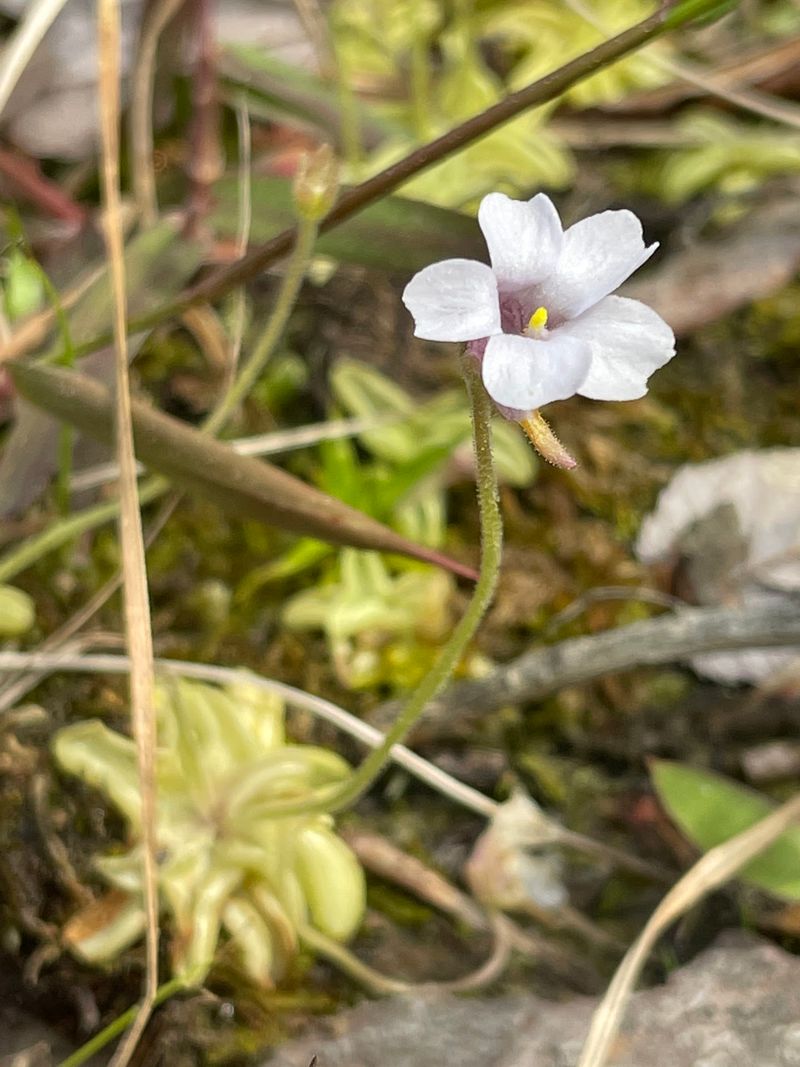
Pitcher plants get the headlines, but they have co-stars. Sundews wear tiny sticky droplets that sparkle like morning dew, and those droplets trap small insects. They are small, so you may need to hunt for them.
One visitor on National Public Lands Day in late September counted hundreds of pitchers plus a few butterworts. Butterworts have flat, greasy leaves that catch bugs and violet-like blooms on thin stalks. Spotting one feels like finding a prize.
Here is a fun bit of history. Big Thicket was the first national preserve in the country, set aside in 1974 because so many types of habitat crowd together here. That mix of wet and dry ground is why such odd plants thrive.
Fires matter too. A prescribed burn in March left parts of the trail looking rough, yet the plants burst back with color a few weeks later. Ferns returned fast as well.
Fire clears out brush that would otherwise shade the delicate bog dwellers.
Bring patience and sharp eyes. Crouch near the boardwalk edge, scan the low ground, and let your eyes adjust. The reward is a miniature jungle of hungry little plants.
5. Tall Pines and Shifting Habitats
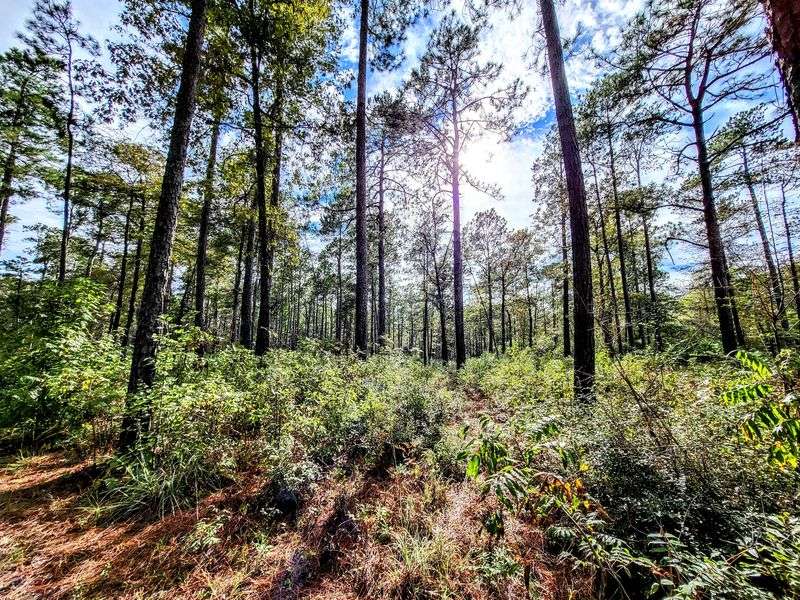
Walk the back half of the loop and the scenery changes fast. Open bog gives way to grand pine trees that stretch overhead and make the air feel cooler and quieter.
One hiker who took the green trail marveled at how many ecosystems fit into such a small walk. That is the Big Thicket trick. Pine uplands, wet savanna, and creek bottoms sit close together, so you can cross several worlds in a single afternoon.
Two loop trails branch into the neighboring forest, and one stretches all the way to Turkey Creek. Anyone craving more miles can keep going, while casual walkers can stay on the short route. Along the way you will spot other native plants, mosses, and wildflowers.
Shade helps, but it does not cancel out Texas weather. A July visitor warned that the heat can wear you out even under tall trees. Spring, fall, and winter are much kinder seasons for longer wandering.
Stay on marked paths, since the preserve protects fragile ground. Pay attention to signs at junctions, and carry a copy of the trail map from the trailhead. A few minutes of planning keeps the trip relaxed.
6. Birds, Butterflies, and Surprise Critters
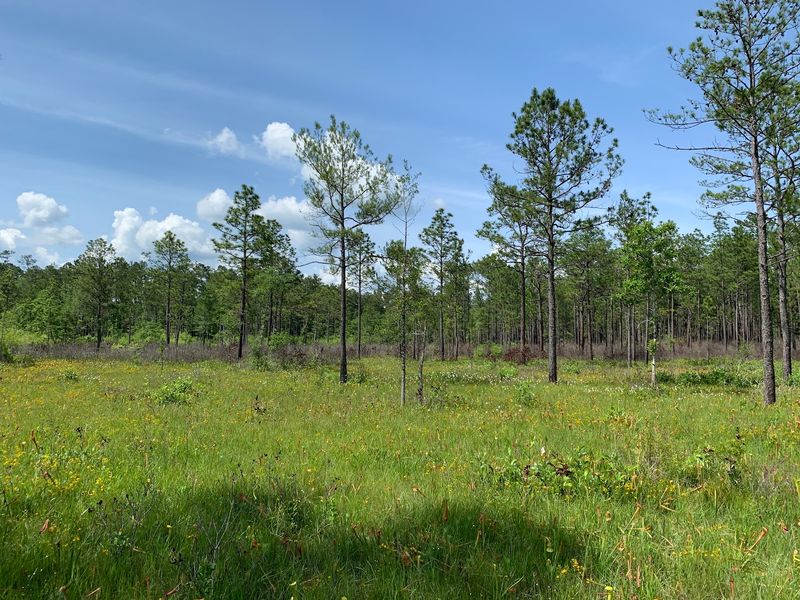
Cardinals flash red between the pines, and the soundtrack never really stops. One visitor heard so many different birds that the walk felt like a free concert. The trail has a solid reputation as a birding spot.
Butterflies drift over the wet meadows too, especially when flowers are open. Move slowly and you may get close enough for a good photo. Quick steps scare them off.
Then there are the stranger sightings. One hiker came across a colony of leaf cutter ants hauling pieces of leaves along the ground, a first for them. Another spotted a copperhead on the trail, which is a good reminder to watch where your feet land.
Snakes want nothing to do with you, so give them space and keep walking. Stay on the boardwalk when possible, keep a bit of distance from brush, and keep pets and kids close. Calm and caution go a long way.
Wildlife is more active early in the morning and near dusk. Pack binoculars if you own a pair, and bring a small notebook to jot down what you see. Even a casual list makes the trip feel like a tiny expedition.
7. Bugs, Mud, and Smart Packing
Mosquitoes here mean business. One walker said they bit right through clothing, and another simply warned, bring bug spray, you will need it. Take that advice seriously.
Pack insect repellent, sunscreen, and plenty of water. Light long sleeves help, and a hat keeps the sun off. Even on a short trail, Texas humidity makes you thirsty faster than you expect.
Weather changes the whole feel of the visit. A rainy day still gets praise, but wet ground turns the approach road muddy. The dirt road is about 1.9 miles, well maintained, and a regular car can handle it in decent conditions.
After heavy rain, though, drivers have gotten stuck, so check the forecast.
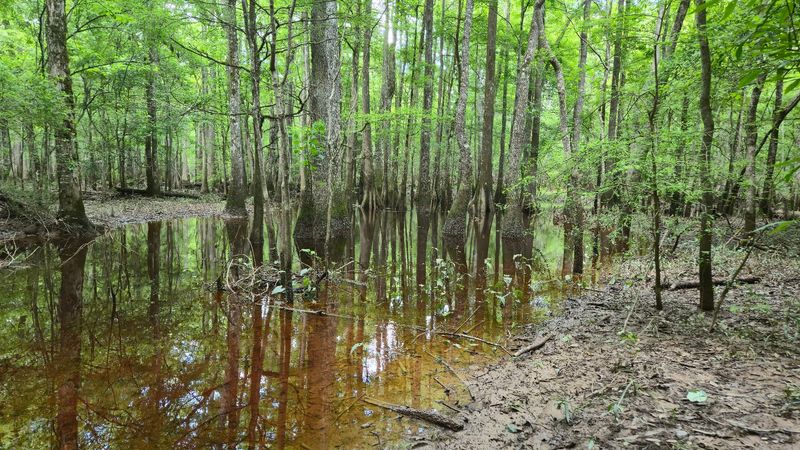
Wear shoes you do not mind getting dirty. The boardwalk stays dry, but the extended trails can be soggy, and a few spots get slick. Trekking poles are not needed, though they will not hurt.
Remember there is no cell service guarantee in a preserve, so download directions ahead of time. Pack out your trash, since the can at the trailhead is small. A little prep turns a possibly buggy day into a comfortable one.
8. Planning Your Visit and Making a Day of It
Free parking at a national preserve surprised one traveler, and it is true that the trailhead has no fee. Add open-all-day hours, and the trip is easy on the wallet and the schedule.
Start at the visitor center if you can. Rangers give helpful advice on what is blooming, which roads are passable, and which other trails fit your time. One family took those tips and spent the whole day hopping between different habitats.
From the visitor center, plan on roughly 20 to 23 minutes to reach the trailhead. The final drive is a dirt road, so leave extra time. Call 409-951-6700 if you want a current update on conditions.
Pair this walk with the nearby Sundew Trail for a fuller picture. Weekday mornings tend to be quiet, and one visitor met just one other group the entire time. Weekends in peak bloom may feel busier.
Thinking about camping? Backcountry rules require you to be 500 feet off the trail, which may be tough for beginners. Day visits are easier, and many people leave already planning a return trip.
Share this story