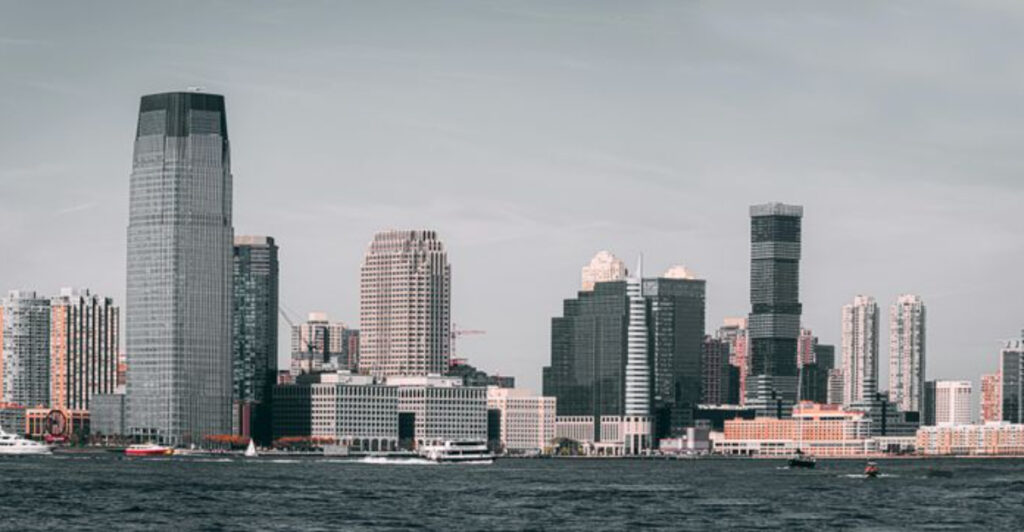
New Jersey has never exactly been the bargain rack of American suburbia, but lately the math has gotten especially rude. The state’s average property-tax bill climbed to a record $10,095 in 2024, and that headline number only tells part of the story.
In plenty of towns, the real squeeze comes from the full suburban package: high home prices, big annual tax bills, insurance, maintenance, commuting costs, and the general expense of keeping a house running when everything from contractors to utility bills seems to cost more than it did five minutes ago.
Against that backdrop, a number of towns have also posted population declines in recent Census estimates. That does not prove every departing resident packed up because of one tax bill, but it does point to a pattern.
In these 13 places, the numbers suggest the same thing many locals already feel: staying put has gotten very expensive.
1. Demarest
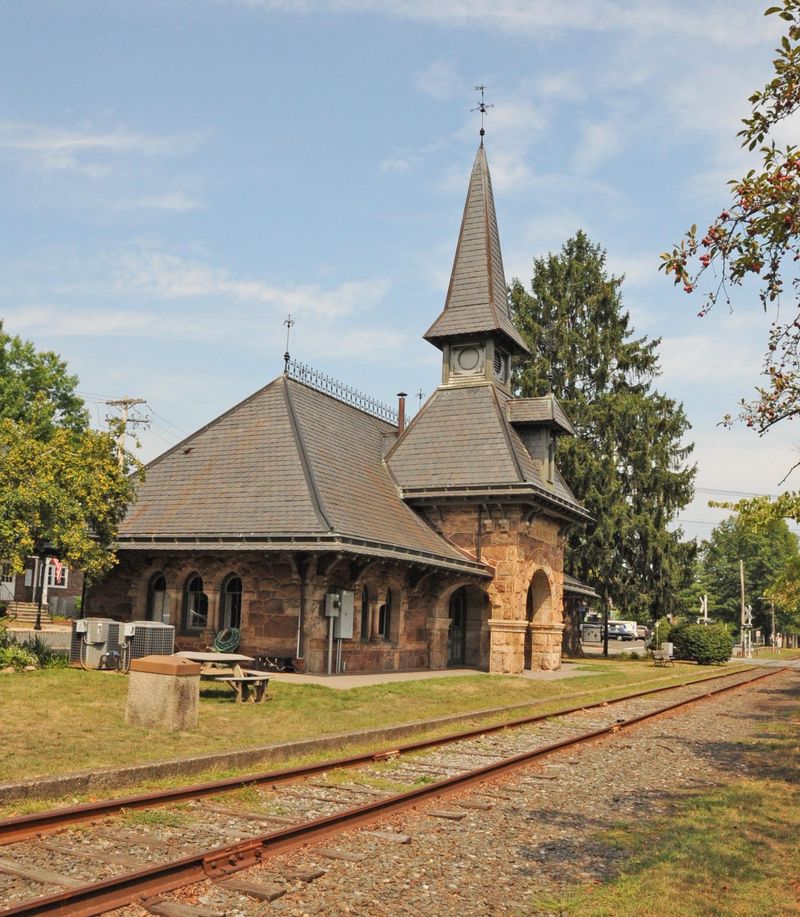
Tucked into Bergen County, Demarest has long sold a very polished version of North Jersey suburban life: tree-lined streets, highly regarded schools, and that quiet, immaculate atmosphere that makes every lawn look like it has a private management team.
The catch, of course, is that this level of suburban ease comes with a bill attached, and in Demarest that bill is enormous.
The town’s average residential property-tax bill hit $24,741 in 2024, placing it among the most heavily taxed municipalities in the state. At the same time, its population estimate slid from 4,955 in 2020 to 4,859 in 2024.
That is not a collapse, but it is movement in the wrong direction, especially for a place that is supposed to represent stable, top-tier suburban desirability. Demarest’s issue is not a lack of charm.
It is the cost of hanging onto it. For longtime owners, rising taxes can turn a paid-off house into a yearly stress test.
For younger families, the hurdle is even steeper because they are not just buying into Bergen County real estate, they are buying into one of the priciest versions of it.
Add in renovation costs, insurance, utilities, and all the little prestige-suburb expenses that somehow never stay little, and the town starts looking less like a dream address and more like a very expensive subscription.
Demarest still has its appeal, obviously, but the numbers suggest that even beautiful towns are not immune when the carrying costs start behaving like luxury goods.
2. Rumson
For years, Rumson has occupied that rare New Jersey category of “coastal, wealthy, and unapologetically picturesque.” Big homes, manicured streets, access to the shore, and a reputation that practically announces itself before you even cross into town. None of that has changed.
What has changed is how punishing the price of that lifestyle looks on paper. Rumson’s average residential property-tax bill reached $22,890 in 2024, and its estimated population slipped from 6,408 in 2020 to 6,219 in 2024.
That combination matters because Rumson is exactly the kind of place people assume will stay insulated forever. But even affluent towns feel pressure when ownership costs keep climbing.
High taxes here do not exist in a vacuum; they sit on top of high property values, expensive upkeep, flood and coastal insurance concerns, and the broader reality that maintaining a large suburban home near the water is not getting cheaper. Some residents may cash out because values are strong.
Others may decide the annual cost of staying no longer makes sense, especially retirees or households whose wealth is tied up in the house itself. And for would-be buyers, Rumson can start to feel less like a hometown option and more like an exclusive club with a very aggressive membership fee.
It is still one of Monmouth County’s marquee addresses, but the population dip suggests a subtle shift. When even a status town starts losing people while taxes soar, it says something about how far New Jersey’s cost burden has spread.
3. Fair Haven
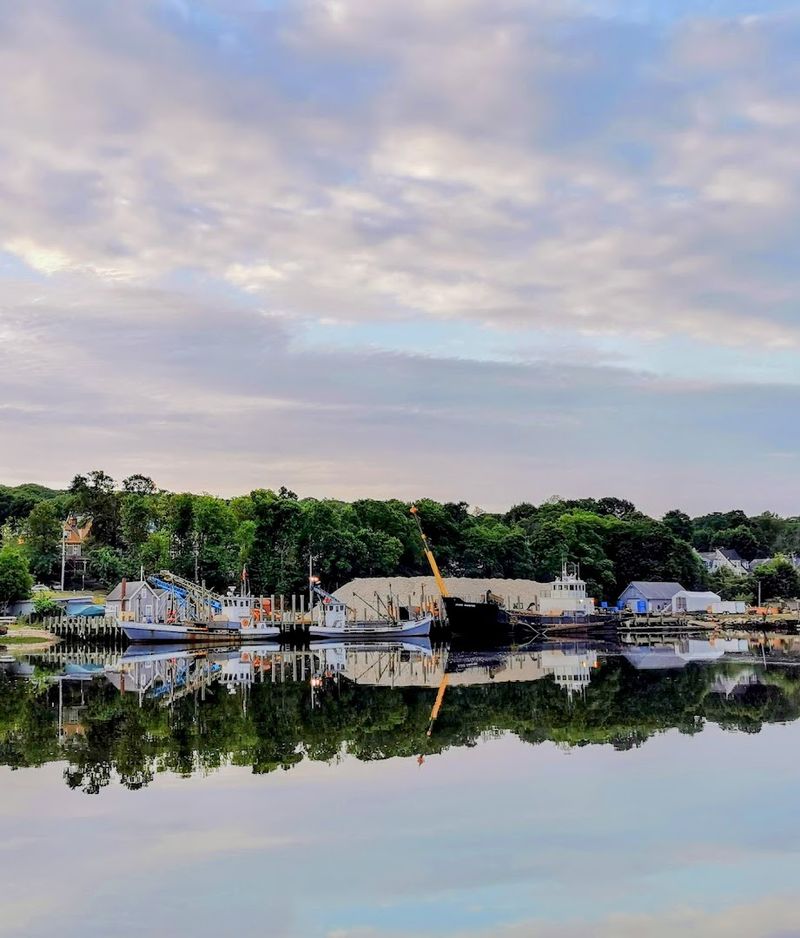
Fair Haven has the kind of small-town polish that people in other states imagine when they hear “nice New Jersey suburb,” even if locals know that phrase usually needs several footnotes. It is compact, desirable, close to the water, and full of the sort of residential charm that keeps demand high.
But this is also where the suburban math gets mean. In 2024, the average residential property-tax bill in Fair Haven reached $17,848, while the town’s population estimate edged down from 6,076 in 2020 to 5,978 in 2024.
That may sound modest, but slow erosion is still erosion, and it tends to show up first in towns where affordability has quietly stopped making sense. Fair Haven is not losing people because it suddenly lost its appeal.
Quite the opposite. The problem is that demand can push a place into a cost category where only a narrower slice of buyers can participate.
Existing owners have to absorb tax increases, insurance, maintenance, and everyday household expenses in a county where very little runs cheap. Prospective buyers are often staring at a purchase price that already hurts before the annual tax bill arrives to finish the job.
The result is a town that remains attractive but gradually less accessible, which is not the same thing. In places like Fair Haven, population softness can reflect fewer younger households moving in, older residents downsizing out, or families deciding there are limits to how much they are willing to pay for a zip code, no matter how lovely.
Fair Haven still sells the classic Monmouth County suburban package. It just now sells it at a price that screens out more people than it used to.
4. Little Silver
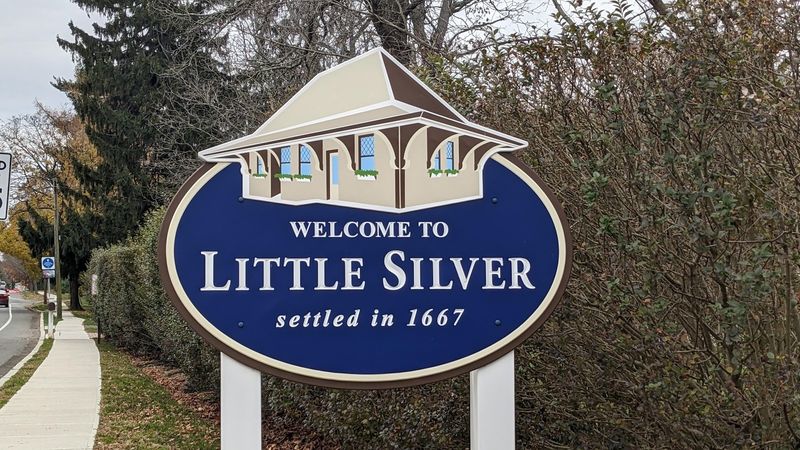
Little Silver has that understated Monmouth County confidence that never really needs to announce itself. It is attractive without being loud, well-located without being chaotic, and exactly the kind of town that makes people say they want “space, good schools, and a real neighborhood feel.”
The trouble is that those nice, sensible suburban priorities have gotten wildly expensive.
Little Silver’s average residential property-tax bill climbed to $15,535 in 2024, and the town’s estimated population dipped from 6,011 in 2020 to 5,935 in 2024. Again, this is not a dramatic emptying-out story.
It is a pressure story. The town remains desirable, but the cost of owning there keeps rising faster than many households can comfortably tolerate.
In a place like Little Silver, buyers are not just paying for square footage. They are paying for access, for school reputation, for a polished local environment, and for a level of suburban calm that is increasingly treated like a premium product across New Jersey.
Then come the annual taxes, which can feel less like a line item and more like a second mortgage. For older residents thinking about whether to age in place, that matters.
For families trying to enter the market, it matters even more. A town can stay attractive and still become financially exclusionary.
That is part of what makes Little Silver a useful example in this story. It is not struggling because it lacks quality.
It is losing some residents because quality in New Jersey now often arrives with a carrying cost that keeps climbing long after the moving truck leaves.
5. Madison
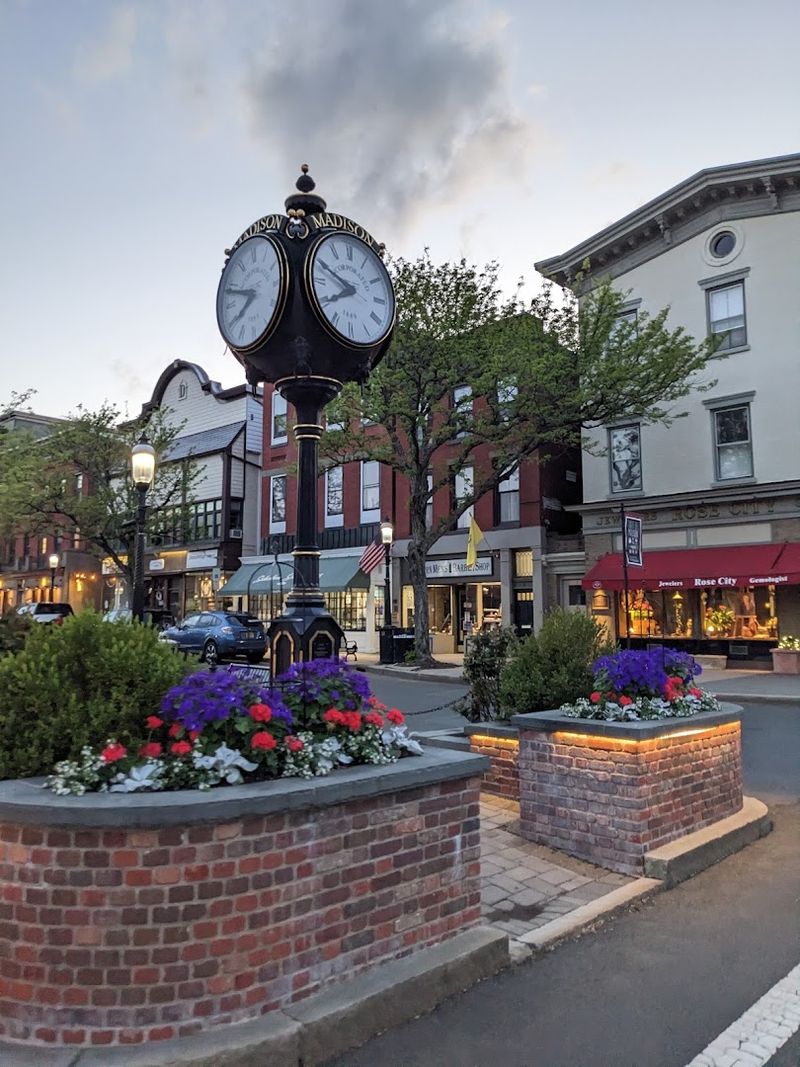
Madison brings a slightly different flavor to this list. It is not a tiny shoreline borough or an ultra-exclusive enclave.
It is a well-known Morris County town with a commuter-friendly location, a walkable center, and the kind of classic suburban identity that has made it a favorite for years. That broader appeal is exactly why its numbers stand out.
Madison’s population estimate eased from 16,244 in 2020 to 16,066 in 2024, while the average residential property-tax bill hit $14,959 in 2024. For a larger, more established suburb, that combination suggests the affordability squeeze is not limited to a handful of luxury addresses.
Madison offers plenty: rail access, strong schools, attractive neighborhoods, and the convenience of being connected without feeling overbuilt. But none of those benefits are cheap anymore.
Buyers have to contend with a home market that already asks a lot upfront, then tack on a property-tax bill that would be eye-watering in most of the country. And that is before routine suburban expenses start their usual nonsense.
For families balancing childcare, commuting, mortgage payments, and household upkeep, the question becomes less “Do we like Madison?” and more “Can we justify the whole package?”
That distinction matters. Madison remains very livable and very wanted, but a town can be both admired and increasingly difficult to sustain financially.
Population drift in a place like this often reflects that subtle, steady sorting process where only households with more income flexibility can comfortably remain. Madison still looks like a textbook North Jersey success story.
It just also looks like a town where the cost of entry and the cost of staying have both become serious filters.
6. Shrewsbury Borough
Small, tidy, and strategically located, Shrewsbury Borough has long benefited from being close to bigger Monmouth County destinations while still feeling quiet and self-contained. It is the kind of town people love because it is convenient without being hectic, polished without trying too hard, and suburban without the sprawl fatigue.
But those strengths now come with a sharper price tag. In 2024, the average residential property-tax bill in Shrewsbury Borough reached $13,572, and the estimated population dipped from 4,184 in 2020 to 4,078 in 2024.
That makes it another example of a place that still has plenty going for it yet is not fully escaping the statewide affordability crunch. The issue here is less about one spectacular cost than the cumulative burden.
Housing in desirable Monmouth County communities does not exactly ease buyers in gently, and once residents are in, yearly taxes add another layer of pressure.
Even households that can afford the mortgage may start side-eyeing the ongoing cost of ownership, especially when repairs, insurance, utilities, and ordinary life expenses all rise at the same time.
Shrewsbury Borough’s size also matters. In smaller towns, modest population changes can reveal real shifts in who can stay and who is getting priced out of the conversation.
Some residents may leave for more affordable counties. Some may downsize.
Some younger buyers may never get in at all. None of that means the borough is in trouble.
It means the financial threshold for living there keeps moving upward. And when that happens year after year, even a very appealing small town starts to show signs of resistance in the numbers.
7. North Haledon
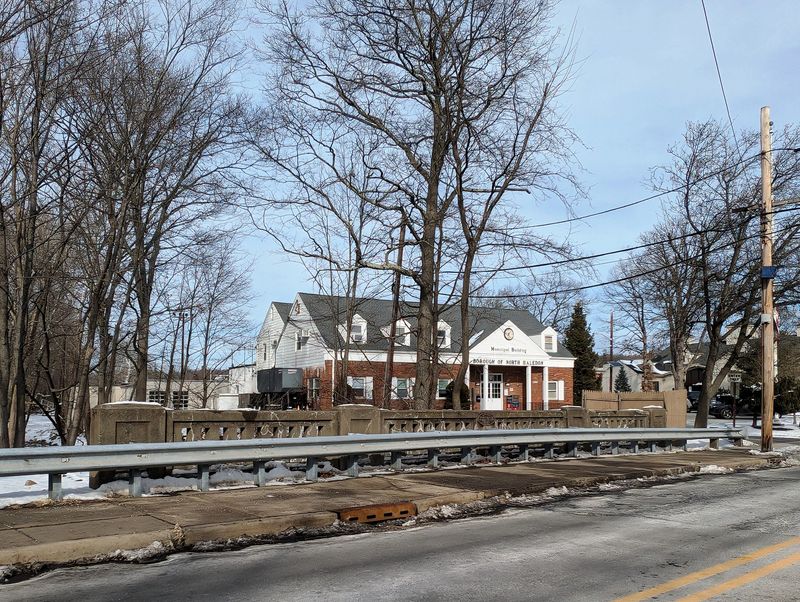
Passaic County does not always dominate the glossy lifestyle version of the New Jersey conversation, but North Haledon deserves attention because it shows how the affordability squeeze reaches well beyond the obvious prestige enclaves.
The town’s estimated population dropped from 8,349 in 2020 to 8,125 in 2024, while the average residential property-tax bill climbed to $11,709 in 2024.
That tax number may not touch the Bergen County extremes, but it is still well above what many households can shrug off, especially when layered onto already expensive regional housing costs.
North Haledon has the ingredients many buyers want: suburban streets, decent access to larger job centers, and more breathing room than denser nearby areas.
For a while, towns like this often felt like the semi-sensible compromise—still pricey by national standards, sure, but not quite as brutal as the headline zip codes. That gap has narrowed.
When taxes rise, home prices stay elevated, and the everyday cost of maintaining a suburban life keeps inching upward, the old “value” argument starts to weaken. Households that once might have stretched for North Haledon may now be looking farther out, downsizing expectations, or leaving New Jersey entirely.
Existing residents can feel the squeeze too, especially if incomes have not kept pace with the annual cost of keeping the same roof over their heads. North Haledon’s population decline makes the point plainly: this is not just a story about wealthy towns losing a few residents at the margins.
It is also about solid suburban communities becoming harder to sustain for the people who helped make them stable in the first place.
8. Manasquan
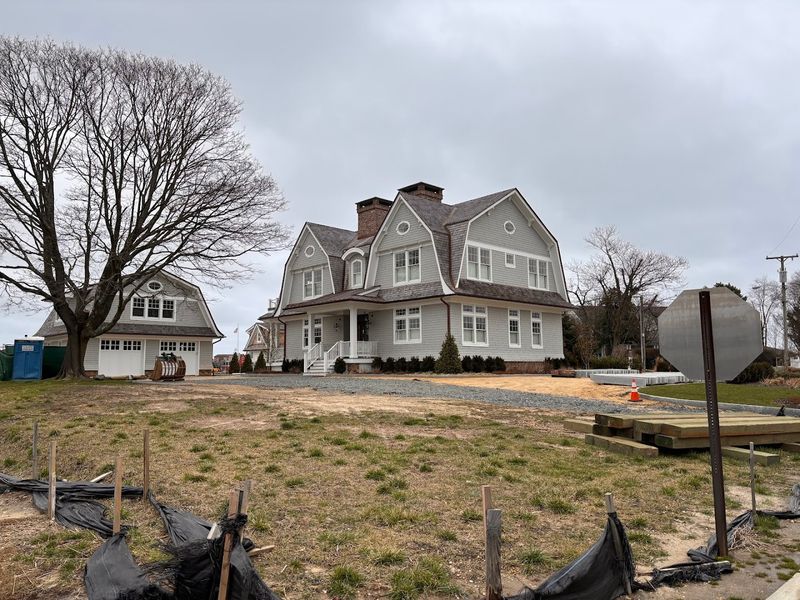
Some shore towns operate like summer postcards. Manasquan, though, has long worked as something more valuable: a place people genuinely try to build full-time lives.
That makes its cost pressures especially interesting. The borough’s estimated population slipped from 5,935 in 2020 to 5,772 in 2024, and its average residential property-tax bill reached $11,344 in 2024.
For a community that combines shore appeal with year-round livability, that is a revealing mix. Manasquan still has the walkable downtown, the beach-town identity, and the kind of local loyalty that makes residents sound like they are discussing a relative instead of a municipality.
But living near the shore in New Jersey has become a financial balancing act.
Beyond taxes, there is the broader premium attached to coastal housing, the rising cost of insurance, property maintenance in a harsh salt-air environment, and the broader reality that anything remotely “desirable near the water” now attracts buyers with very different budgets.
That can reshape a town gradually. Some homeowners cash out because the values are there.
Some younger households cannot buy in. Some year-round residents decide the cost of staying in a beloved shore town no longer adds up the way it once did.
Manasquan is not losing its identity, but it is facing the familiar New Jersey problem where charm and scarcity combine to push ownership costs higher and higher. What makes the town notable is that it still feels like a real community first and a lifestyle label second.
When even that kind of place starts posting population declines, it suggests the cost issue is not theoretical. It is showing up in who can remain part of the neighborhood.
9. Kearny
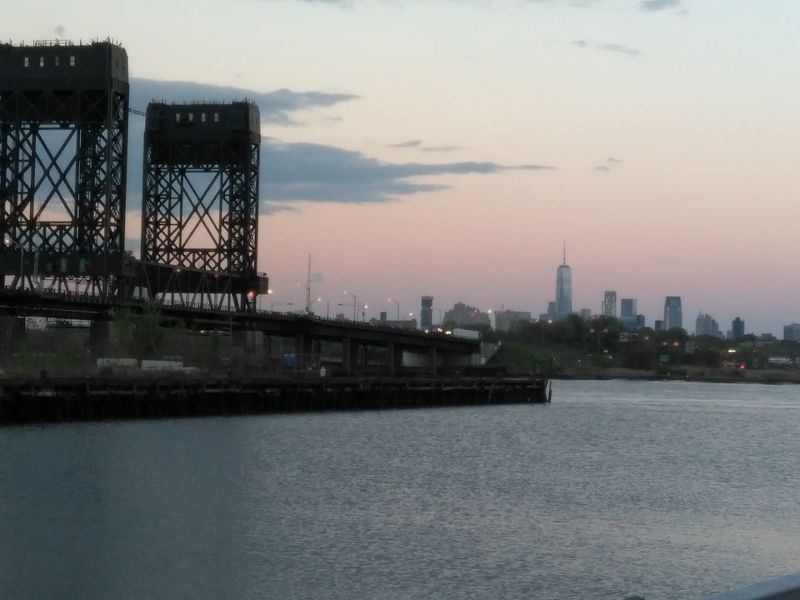
Kearny brings an important reality check to this list. Not every town losing residents under cost pressure looks like a country club brochure or a waterfront dream sequence.
Kearny is a larger, more working- and middle-class community with deep roots, practical location advantages, and a long history of being a place where families could build a life without needing hedge-fund money. That is why its recent numbers matter.
Kearny’s estimated population fell from 41,998 in 2020 to 41,545 in 2024, while the average residential property-tax bill climbed to $10,568, topping the new statewide average. This is the point where New Jersey’s tax story stops being just a luxury-suburb complaint and starts looking like a broad household affordability issue.
Kearny is close to job centers, transit options, and Hudson County demand, which should theoretically keep it highly attractive. It does.
But attractiveness is not the same thing as affordability. A town can be well-positioned and still feel expensive to the people trying to stay there.
In Kearny, the pressure is less about sprawling estates and more about the cumulative burden facing ordinary homeowners and would-be buyers. Taxes above the statewide average are one thing.
Add mortgage rates, older-home maintenance, commuting costs, insurance, and the general price of life in North Jersey, and the financial margin gets tight fast. That makes Kearny especially useful in this conversation because it shows the problem is not confined to elite markets.
When a practical, well-located town starts losing residents while taxes push higher, the message is pretty clear: suburban New Jersey is becoming tougher to hold onto even in places that once felt comparatively attainable.
10. Atlantic Highlands
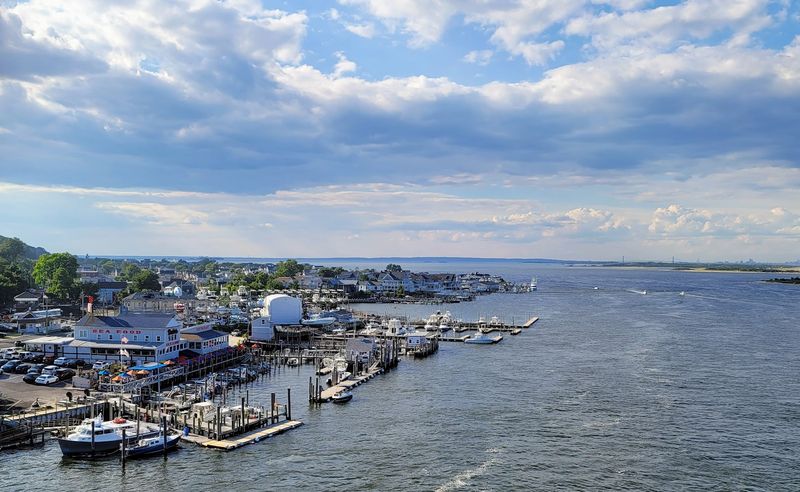
Perched above the bay with serious views and a very specific kind of Monmouth County charm, Atlantic Highlands has the advantage of feeling distinctive without being oversized or overhyped. It is scenic, compact, and close enough to bigger hubs to remain desirable for commuters and shore lovers alike.
It is also getting more expensive to hang onto. The borough’s population estimate dipped from 4,385 in 2020 to 4,294 in 2024, and its average residential property-tax bill hit $10,344 in 2024, just above the record statewide average.
That is enough to place it squarely in the “beautiful, but increasingly costly” category that defines a lot of New Jersey right now. Atlantic Highlands is not a place people leave because it lacks atmosphere.
Quite the opposite. The appeal is obvious.
But a scenic, in-demand small town near the water brings a premium, and that premium keeps growing once you account for taxes, housing costs, insurance, upkeep, and the ordinary expense of maintaining a home in a high-demand coastal-adjacent area.
Smaller boroughs often feel these shifts more intensely because there is less room for turnover to hide.
A slight population decline can reflect larger affordability dynamics simmering beneath the surface. People who might once have stretched to live here may now stop short.
Existing residents may decide the annual cost no longer makes sense relative to what they use or need. Atlantic Highlands still reads like a place people want.
The issue is that wanting a town and being able to comfortably afford the full price of living there are now two very different questions in New Jersey, and this borough sits right in that uncomfortable gap.
11. Red Bank
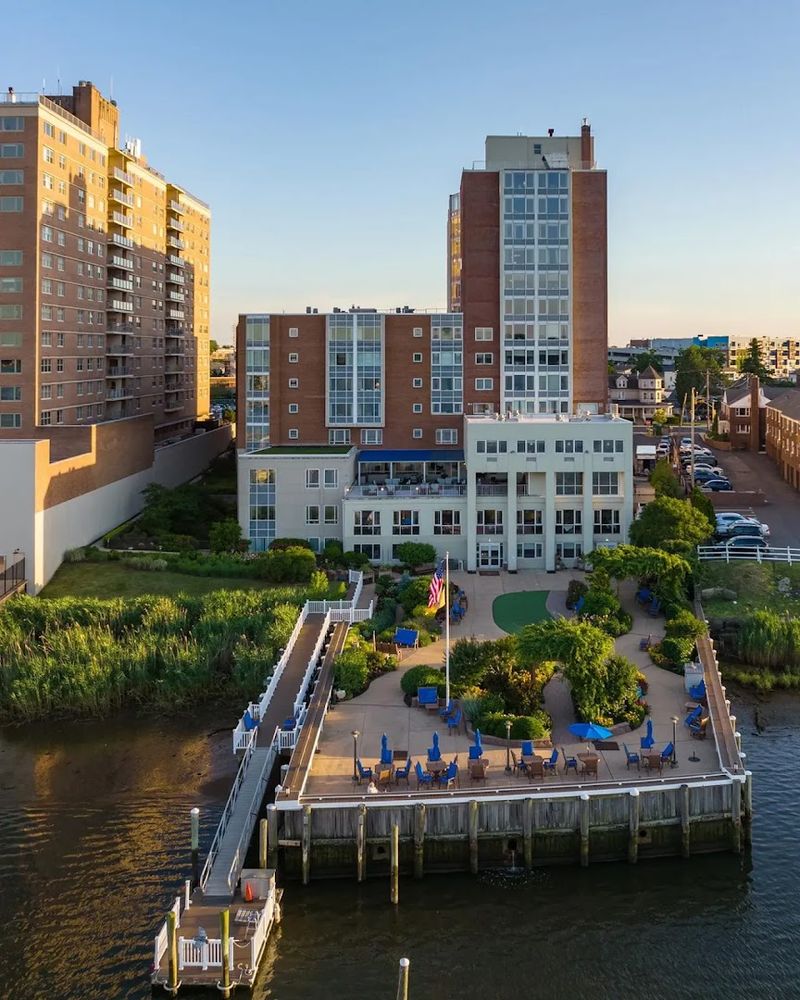
Red Bank has spent years perfecting the trick of being both a real town and a brand. It offers restaurants, nightlife, theater, shopping, a recognizable downtown, and the kind of built-in energy many suburbs would absolutely love to fake.
That popularity should be a population magnet, yet the numbers still show some slippage. Red Bank’s estimated population fell from 12,845 in 2020 to 12,635 in 2024, while the average residential property-tax bill reached $10,167 in 2024, just over the statewide record average.
The interesting part is that Red Bank is not selling the old-school giant-lawn suburban fantasy. It is selling convenience, walkability, and culture.
But none of that is cheap either. In a town with strong demand and limited room to expand gracefully, housing costs stay elevated, and annual taxes become another reminder that even a compact, amenity-rich place can hit households hard.
For owners, there is the ongoing cost of remaining in a town whose popularity keeps nudging expenses higher. For buyers, there is the challenge of entering a market where the fun factor and the location premium are already baked into the price.
Red Bank’s population softness may reflect the same pattern seen elsewhere: the people who love it are not always the people who can still comfortably afford it. That does not mean the town is fading.
Not remotely. It means the cost of participating in one of Monmouth County’s most recognizable communities has risen to the point where some residents inevitably tap out, cash out, or simply look for someplace where the numbers are less dramatic.
12. Hackettstown
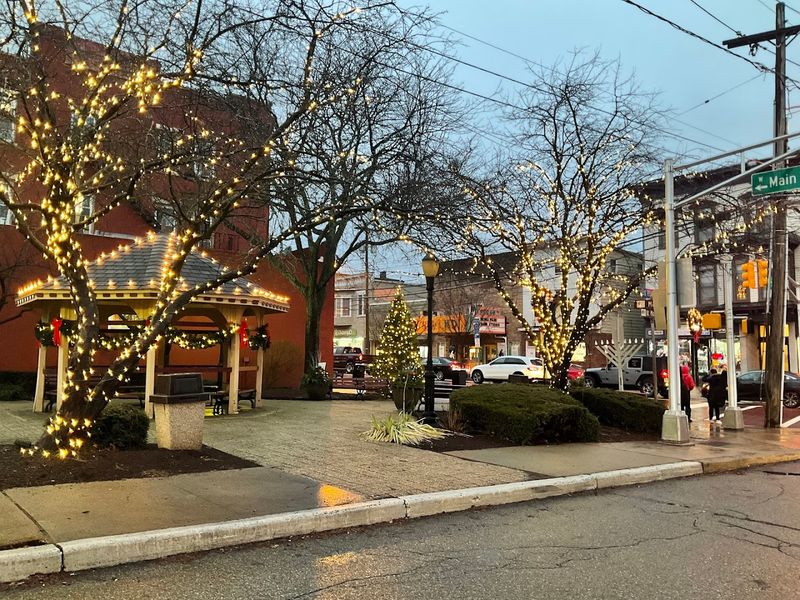
Hackettstown tends to land in conversations as one of those towns that feels a little more grounded, a little less glossy, and therefore, in theory, a little more manageable on the wallet. That perception is exactly why its recent numbers deserve a closer look.
The town’s estimated population dropped from 9,916 in 2020 to 9,672 in 2024, and the average residential property-tax bill reached $9,484 in 2024. That tax bill sits below the statewide average, but it is still hefty enough to matter, especially when paired with the rest of the ownership equation.
Hackettstown has appeal because it offers some breathing room from the fiercer pricing of closer-in commuter towns while still functioning as a real community with a recognizable downtown and regional draw. Yet “less expensive than other New Jersey options” is not the same thing as genuinely affordable.
That distinction gets lost a lot in this state. A town can seem like a relative deal and still demand a great deal from household budgets once mortgage costs, taxes, utilities, repairs, commuting, and general inflation join forces.
Hackettstown’s population decline suggests that even secondary markets are not automatically benefiting from the affordability crunch elsewhere. Some people may indeed look west for savings, but others may decide that if they are already paying serious New Jersey money, they might as well go farther or leave the state entirely.
Hackettstown stands out because it shows how broad the pressure has become. This is not just a story of elite towns pricing out the upper-middle class.
It is also a story of “more reasonable” communities becoming expensive enough that the old escape hatch no longer feels especially roomy.
13. Neptune City
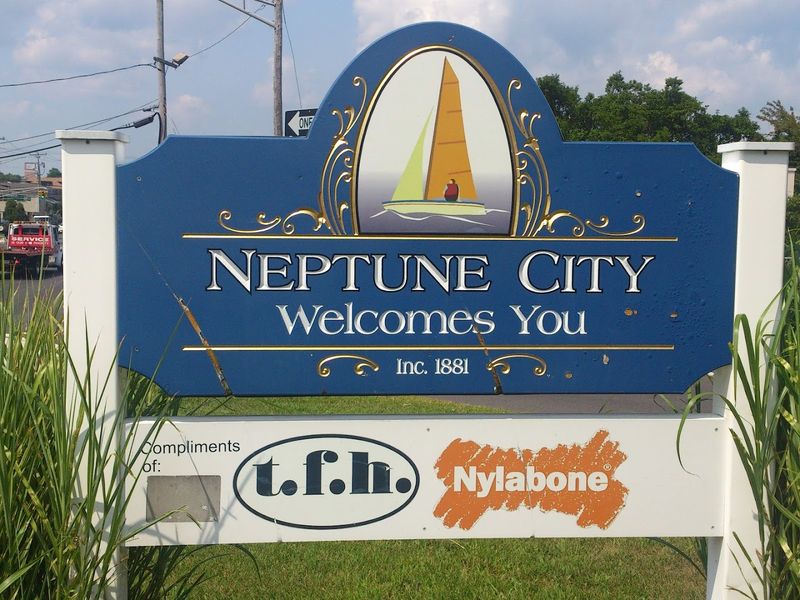
Small borough energy can be one of New Jersey’s best features when it works well, and Neptune City has that compact, shore-adjacent practicality that attracts people who want access without always paying for the flashiest zip code on the map. It is not the biggest name in Monmouth County, but that is part of the appeal.
The problem is that even quieter options near desirable areas are no longer especially cheap. Neptune City’s estimated population eased from 4,870 in 2020 to 4,807 in 2024, while the average residential property-tax bill reached $8,542 in 2024.
That tax number is lower than many towns on this list, but it still matters when you place it inside the wider cost structure of life near the Jersey Shore. Housing pressure in the region does not stay politely contained to one or two marquee beach towns.
It spills. Buyers search nearby.
Investors search nearby. Households priced out of one place start bidding up the next place.
That ripple effect can make a modest borough feel less modest on paper very quickly. For Neptune City residents, the issue is not just the tax bill itself.
It is the whole question of whether the town still functions as a relatively attainable option or whether the broader shore market has dragged it into a more expensive category. Population drift hints that the balance is shifting.
Some residents may still find Neptune City more workable than neighboring hotspots, but “more workable” has become a sliding scale in New Jersey.
And when even the quieter, less flashy places start losing people while carrying substantial annual tax costs, it becomes hard to argue that the affordability problem belongs only to the obvious towns everyone likes to blame.
Share this story