In the quiet town of McLean, Texas, you’ll find a museum dedicated entirely to barbed wire. Yes, you read that right—barbed wire. The Devil’s Rope Museum might sound like a quirky roadside stop, but it’s actually one of the most fascinating places you’ll ever visit.
This free museum tells the surprising story of how a simple strand of twisted metal changed the American West forever, plus it’s packed with Route 66 history and Dust Bowl exhibits that’ll keep you there way longer than you planned.
1. Free Admission Makes This Hidden Gem Accessible to Everyone
Walking into the Devil’s Rope Museum won’t cost you a single penny. The museum operates entirely on donations, which means families can explore without worrying about admission fees adding up. This approach makes history accessible to road trippers on tight budgets and curious locals alike.
The donation-based model reflects the community spirit of small-town Texas. Visitors consistently mention how welcoming the staff members are, creating an atmosphere that feels more like visiting a friend’s collection than a formal institution. You’ll find donation boxes throughout the space, and most people happily contribute after seeing how much work goes into maintaining the exhibits.
Because there’s no pressure to pay upfront, you can take your time wandering through the various rooms. Some folks spend thirty minutes, while others lose track of time for two hours or more. The freedom to explore at your own pace without watching the clock makes the experience feel relaxed and genuine.
The gift shop offers reasonably priced souvenirs, from Route 66 memorabilia to handmade barbed wire art. Many visitors grab a sweatshirt or unique piece to remember their trip. Supporting the museum through purchases helps keep this unusual attraction open for future travelers discovering McLean’s surprising treasures.
2. Barbed Wire History Is Way More Interesting Than You’d Think
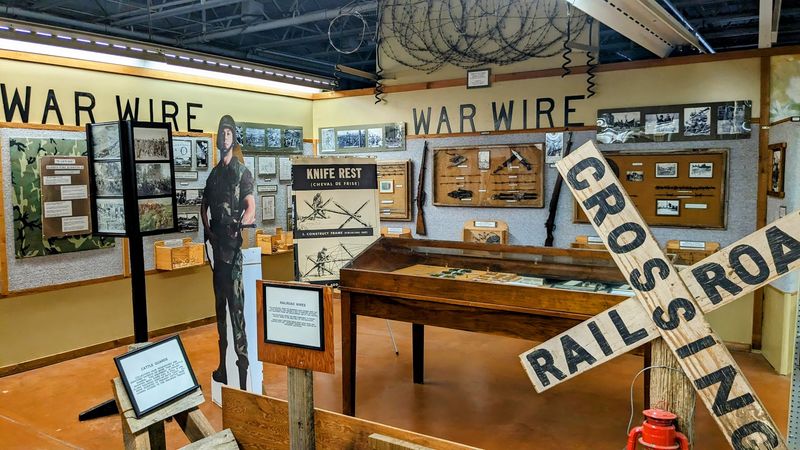
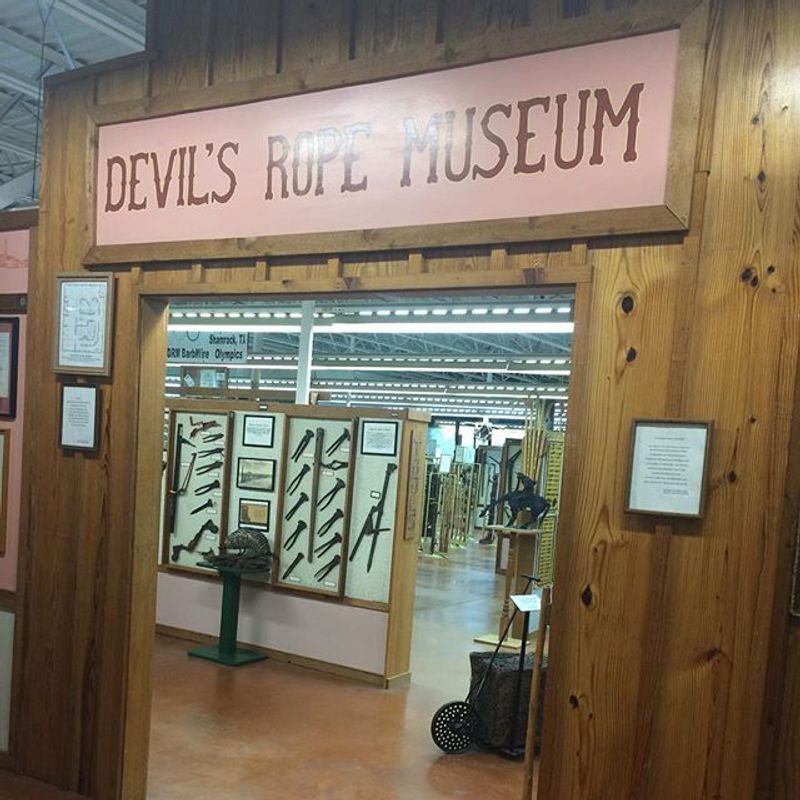
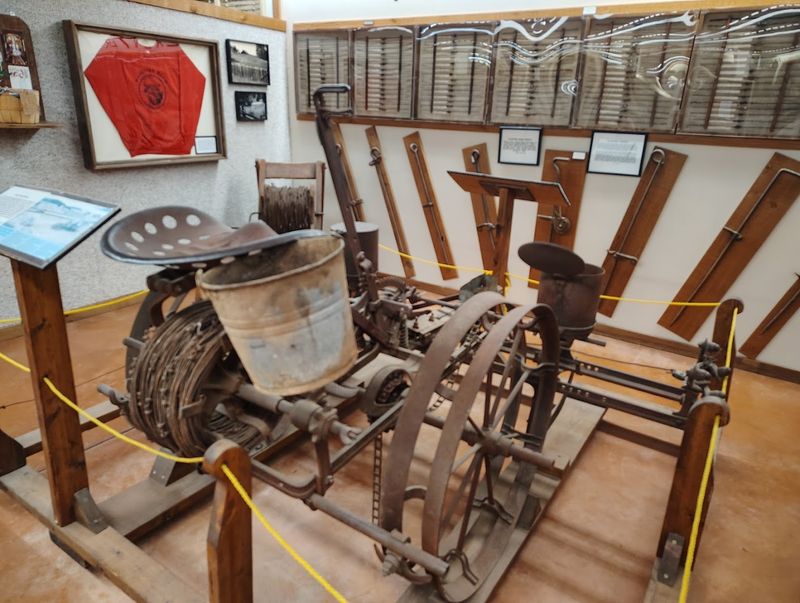
Before visiting, most people can’t imagine spending more than ten minutes looking at barbed wire. Then they arrive and discover entire rooms filled with hundreds of different wire patterns, each with its own backstory and purpose. The variety is genuinely shocking—twisted designs, spiked versions, decorative styles that ranchers used to mark their territory in creative ways.
Native Americans called barbed wire the devil’s rope because it changed their way of life dramatically. The museum explains how this invention transformed open rangeland into defined properties, ending the era of free-roaming cattle drives. You’ll see tools used for installation, patents from competing inventors, and explanations of the legal battles that erupted over wire designs.
Barbed wire even played roles in wartime, and the museum covers these military applications thoroughly. From World War I trenches to prisoner-of-war camps, the darker side of this invention gets proper attention. These exhibits add depth beyond ranching history, showing how one product influenced global conflicts.
The art pieces made from barbed wire steal the show for many visitors. Local artists transform rusty strands into sculptures, wall hangings, and functional items you can actually purchase. Seeing creativity emerge from something so utilitarian changes how you view both the material and the craftsmanship involved in working with it.
3. Dust Bowl Exhibits Bring a Difficult Era to Life
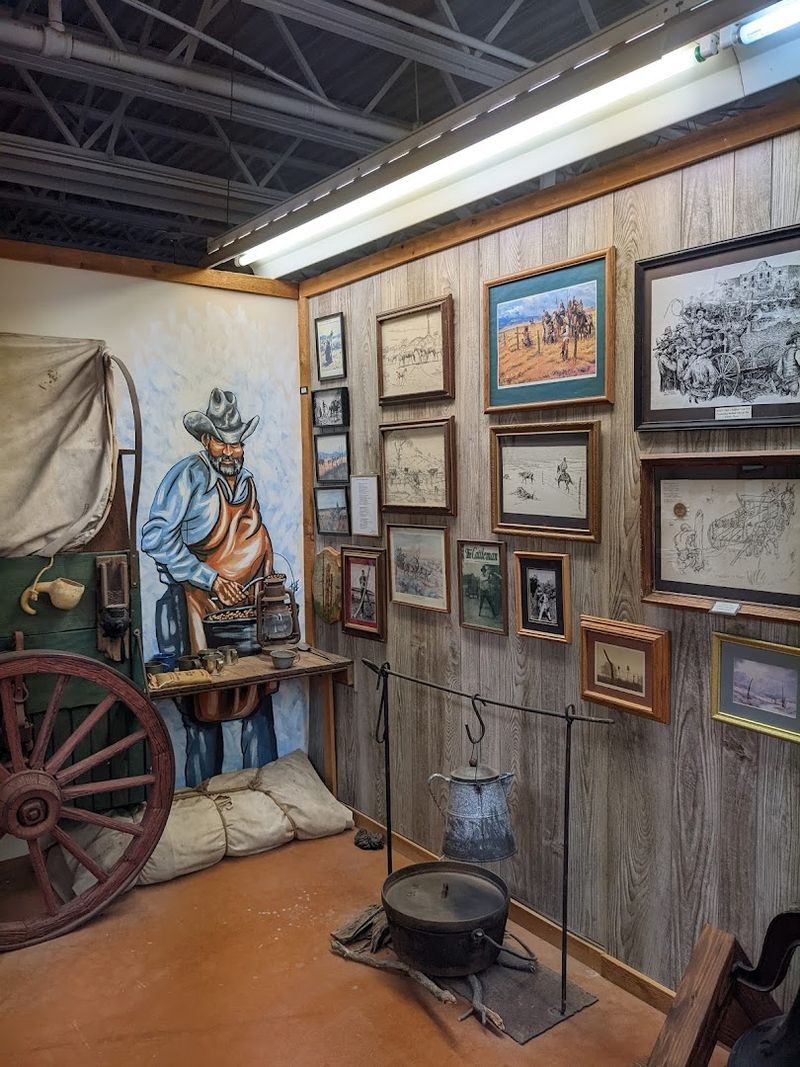
The Dust Bowl section hits differently than reading about it in textbooks. Photographs from the 1930s show families struggling through years without rain, crops failing, and massive dust storms that turned day into night. These images come from the McLean area and surrounding Texas Panhandle communities, making the history feel immediate and personal rather than distant.
You’ll learn that some areas went over two years without significant rainfall. Imagine trying to farm, raise children, or simply survive in those conditions. The exhibits include firsthand accounts from people who lived through the environmental disaster, giving voice to their resilience and determination during America’s toughest agricultural crisis.
What makes this section powerful is how it connects environmental policy to everyday consequences. The museum explains farming practices that contributed to soil erosion and the government programs created to prevent future disasters. These lessons remain relevant today, especially in Texas where drought conditions still challenge communities.
Many visitors say the Dust Bowl room was their favorite unexpected discovery. They came for barbed wire and left with a deeper understanding of regional history. The photographs alone justify the stop, capturing human struggle and strength in ways that stick with you long after leaving McLean behind on your journey down Route 66.
4. Route 66 Memorabilia Creates a Nostalgic Journey
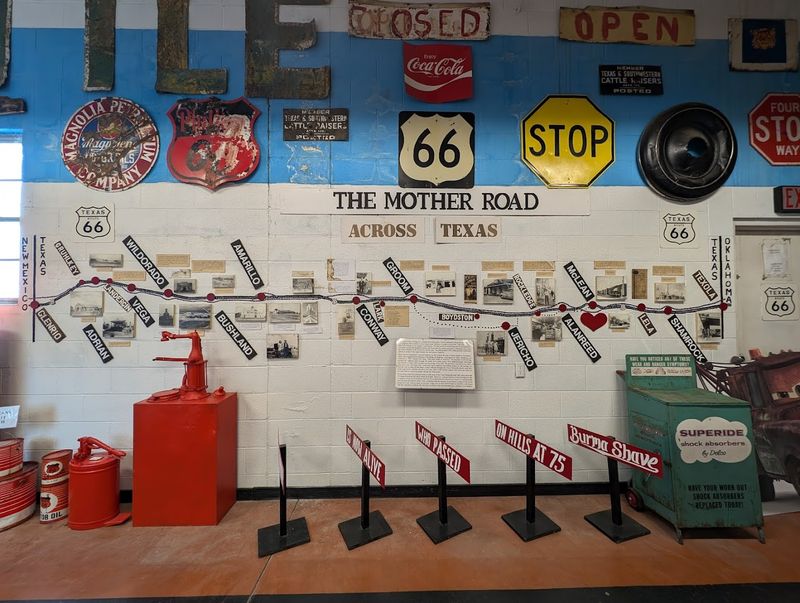
Step into the Route 66 room and you’re suddenly surrounded by mid-century Americana. Neon signs, vintage gas station pumps, old license plates, and photographs of the Mother Road in its heyday cover every surface. This section celebrates McLean’s place along one of America’s most famous highways, back when road trips meant two-lane adventures through small towns instead of interstate bypassing.
The collection includes images of Elvis Presley, Marilyn Monroe, and classic cars that defined the era. You’ll find Cadillac Ranch photographs and memorabilia from other iconic stops along the route. These pieces trigger nostalgia even for people who never experienced Route 66 during its peak years, capturing something uniquely American about hitting the open road.
Route 66 sodas are available for purchase, along with other themed items you won’t find at typical tourist traps. The gift shop selection focuses on authentic pieces rather than mass-produced junk. Collectors especially appreciate finding genuine vintage items and locally made goods that reflect the region’s character.
For road trippers specifically following Route 66 across the country, this museum ranks as a must-stop destination. You can grab a Texas Route 66 passport here and collect your first coin, starting a tangible record of your journey. The combination of barbed wire history and highway nostalgia creates an experience that perfectly captures Texas Panhandle culture.
5. The Building Itself Is a Time Capsule
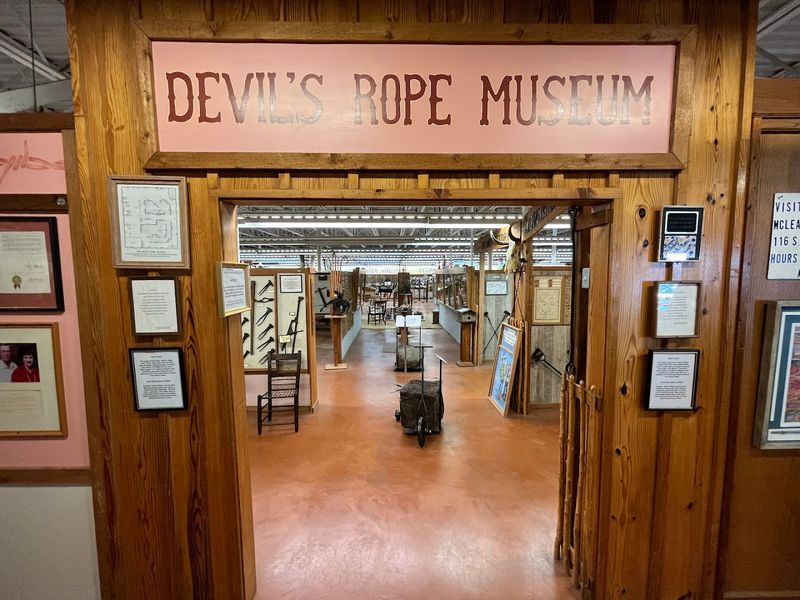
Walking through the door feels like stepping back to the 1960s. The building hasn’t been modernized with sleek displays or digital interactive screens, and that’s exactly what makes it special. Everything has a rustic, authentic quality that professional museums often try to recreate but can’t quite capture because this place genuinely hasn’t changed much in decades.
This isn’t a criticism—the frozen-in-time atmosphere is part of the charm. You’re experiencing a roadside attraction exactly as travelers did generations ago. The lack of corporate polish or trendy design makes the museum feel honest and unpretentious, like discovering a secret your grandparents kept.
Some visitors arrive expecting a tiny room with a few wire samples and leave amazed by how much space the museum actually occupies. Multiple rooms branch off in different directions, each packed with exhibits that someone clearly spent years assembling. The layout encourages wandering and discovery rather than following a prescribed path through carefully curated spaces.
The old-fashioned presentation won’t appeal to everyone, especially people who prefer modern museum experiences with multimedia presentations. But for those who love authentic roadside Americana, this place delivers exactly what they’re seeking. It’s rough around the edges, wonderfully weird, and completely genuine—everything a Route 66 attraction should be when you’re exploring the real Texas rather than polished tourist versions.
6. Friendly Staff Enhance the Experience
The people running the Devil’s Rope Museum consistently earn praise in visitor reviews. They’re not just sitting behind a desk waiting for closing time—they genuinely care about the collection and love sharing information with curious travelers. Their enthusiasm makes exploring the exhibits feel like a conversation rather than a self-guided tour through silent rooms.
Staff members can answer questions about specific wire patterns, explain local history, and recommend other nearby attractions worth visiting. They’ve heard every joke about barbed wire museums and still manage to make newcomers feel welcome. This personal touch transforms what could be a quick stop into a memorable interaction with real Texans who know their community’s stories.
The museum operates on limited hours, typically closing at 4:00 PM on weekdays. Arriving close to closing time means you might feel rushed, so planning to show up earlier in the day works better. Staff members have occasionally stayed late for scheduled groups, though they understandably want to head home after a long day of welcoming visitors.
One aspect that stands out is how the volunteers encourage kids to engage with the exhibits. Children can participate in scavenger hunts, searching for specific items throughout the museum and earning small souvenirs as rewards. This interactive element keeps younger visitors entertained while parents appreciate the educational value of learning about regional history through hands-on exploration.
7. Perfect Stop for Route 66 Road Trippers
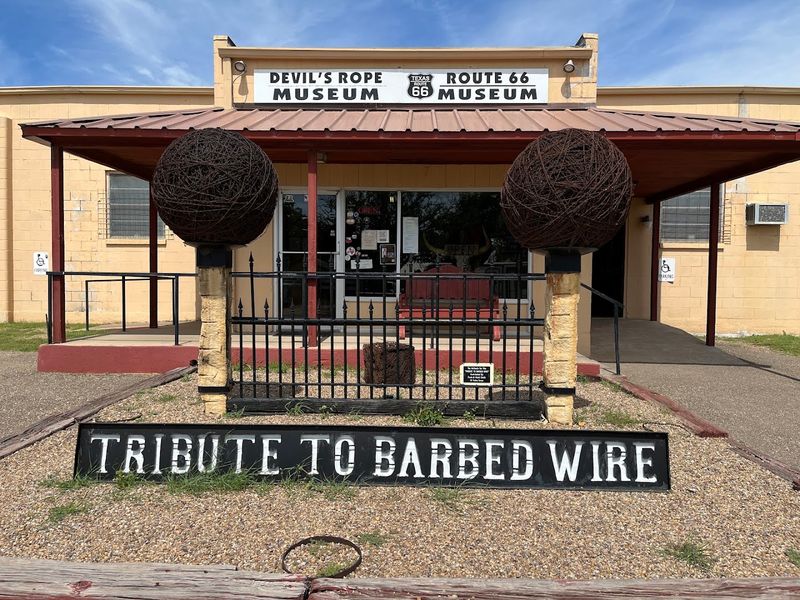
McLean sits right on historic Route 66, making the Devil’s Rope Museum a natural stopping point for people driving across the country. After hours of flat Texas Panhandle highway, pulling over to stretch your legs and see something completely unexpected breaks up the monotony. The museum gives you a legitimate reason to explore a small town you’d otherwise blow past without a second thought.
Many Route 66 enthusiasts specifically plan their itineraries around quirky museums like this one. They’re not looking for the Grand Canyon or other famous landmarks—they want authentic roadside attractions that capture the spirit of mid-century American travel. Devil’s Rope delivers that experience perfectly, combining local history with the kind of offbeat subject matter that makes road trips memorable.
The museum pairs well with other McLean attractions, including the nearby Conoco gas station. Together, these stops give you a genuine feel for Texas Panhandle culture and Route 66 history. You can grab photos, collect passport stamps, and stock up on unique souvenirs all within a few blocks.
Timing your visit requires checking seasonal hours since the museum closes during winter months. Some travelers have driven from Amarillo only to find locked doors, so calling ahead or checking the website prevents disappointment. When it’s open, though, the Devil’s Rope Museum ranks among the best free attractions along the entire Route 66 corridor through Texas.
8. Handmade Western Decor Available for Purchase
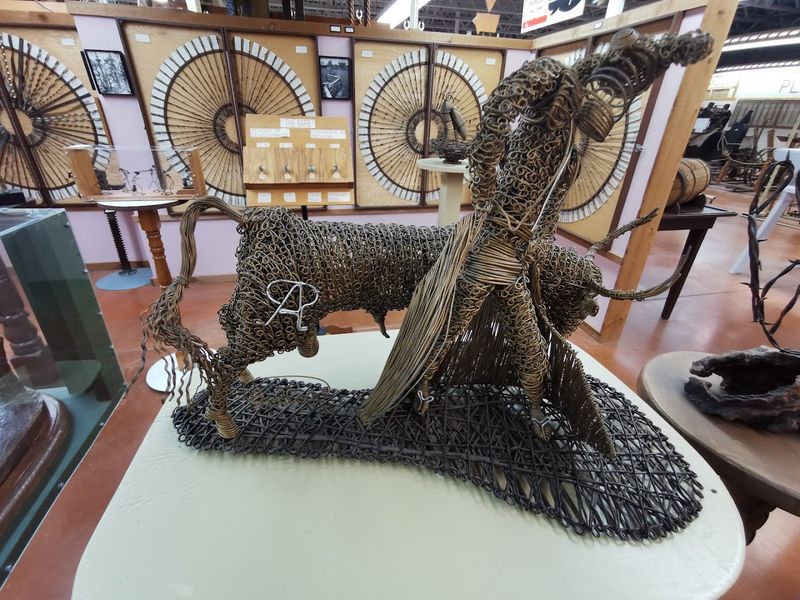
The gift shop surprises visitors with its quality selection of locally made items. Instead of generic magnets and keychains, you’ll find handcrafted western decor pieces made from actual barbed wire. Artists transform this rough material into beautiful wall hangings, decorative items, and functional pieces that work in modern homes despite their rustic origins.
Prices remain reasonable compared to similar handmade goods at upscale boutiques or art galleries. You’re buying directly from the source without markup from middlemen, which means your money supports local artists and the museum simultaneously. Many people purchase pieces as unique gifts for friends who appreciate western aesthetics or unusual conversation starters.
Beyond barbed wire art, the shop stocks hats, sweatshirts, and other wearable items at fair prices. These aren’t cheaply made tourist trap products—they’re decent quality goods you’ll actually use after your trip ends. The selection reflects what locals would buy themselves rather than what out-of-towners might expect from a museum gift shop.
Vintage items and authentic Route 66 memorabilia fill the shelves alongside new merchandise. Collectors browse carefully, looking for that perfect addition to their personal collections. The shop operates on the honor system near closing time, though staff prefer you browse during regular hours when they can assist with questions and process purchases properly.
9. Way Bigger Than It Looks from Outside
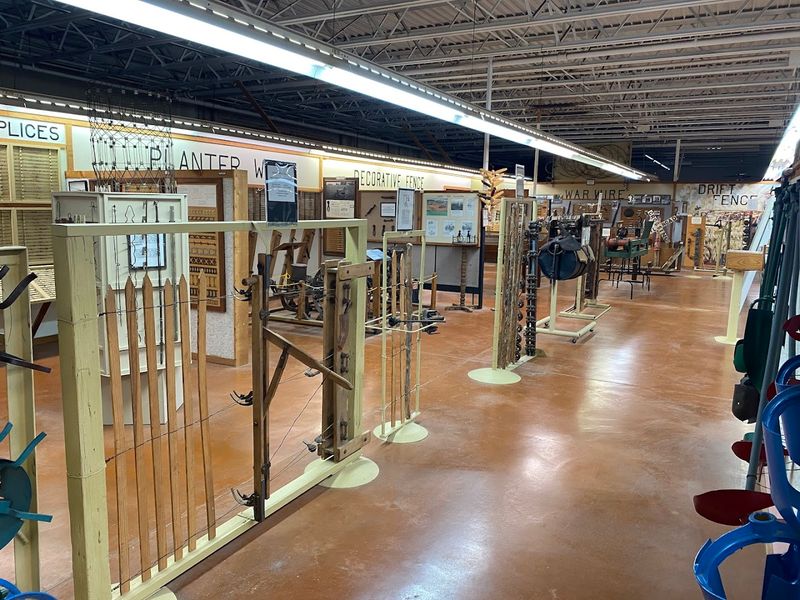
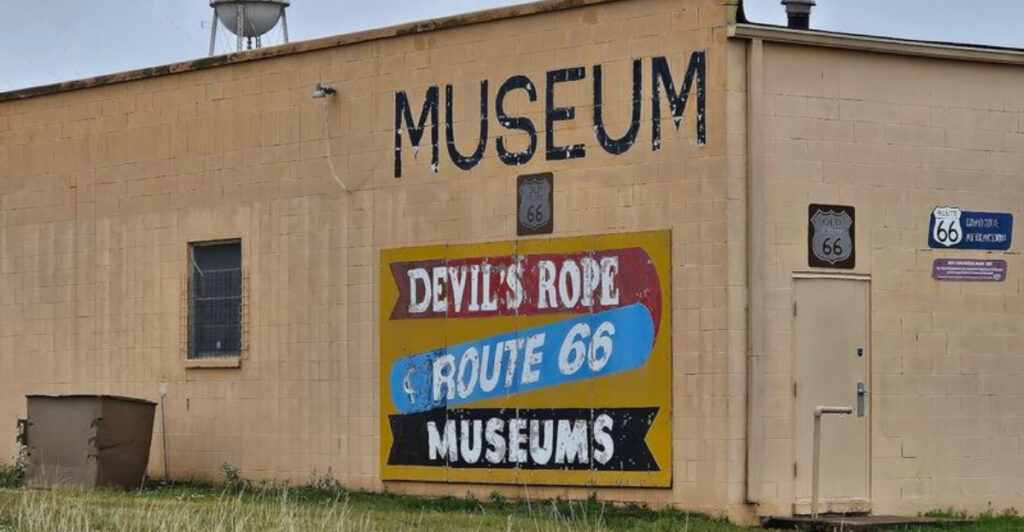
First impressions can be deceiving when you pull up to the Devil’s Rope Museum. The exterior doesn’t hint at how much space exists inside, and visitors consistently express shock at the museum’s actual size. What looks like a modest building from the street opens into multiple connected rooms, each packed with exhibits that someone spent decades assembling with obvious passion.
You could easily spend two hours exploring if you stop to read every information panel and examine each display carefully. Rushing through in thirty minutes is possible, but you’d miss fascinating details that make the museum special. The layout encourages slow wandering rather than quick passes, rewarding people who take time to absorb the stories behind seemingly simple objects.
Each section flows into the next without obvious boundaries, creating an experience that feels organic rather than rigidly structured. You might start with barbed wire patents, wander into Dust Bowl photographs, and end up surrounded by Route 66 memorabilia without consciously deciding to change topics. This natural progression keeps the visit interesting even for people who normally find museums boring.
The unexpected size and depth of the collection elevate the Devil’s Rope Museum above typical roadside attractions. It’s not just a quick photo opportunity—it’s a legitimate museum that happens to focus on an unusual subject. That combination of quirky topic and serious curation makes McLean’s hidden gem worth the detour for anyone passing through the Texas Panhandle.
Share this story