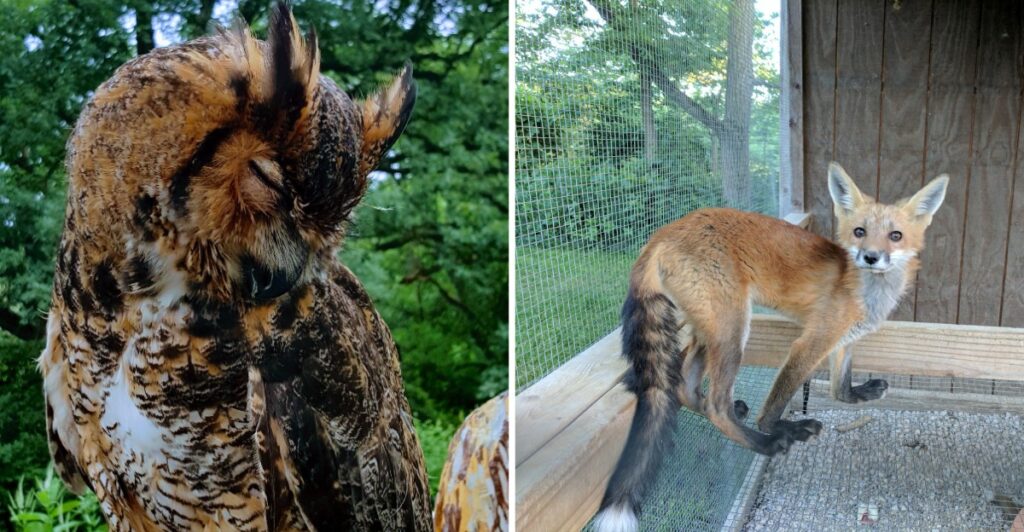
A baby rabbit alone in the grass or an injured bird beneath a tree can leave even the biggest animal lover wondering what to do next. Near Sycamore, Oaken Acres Wildlife Center has spent decades answering that question by rehabilitating orphaned and injured native wildlife with the goal of returning animals to their natural habitats.
Rabbits, raccoons, birds of prey, and countless other creatures have received care here over the years. Much of this important work happens quietly, far from the typical tourist spotlight. For Illinois residents who encounter wildlife in trouble, knowing a place like Oaken Acres exists can make all the difference.
A Rural Sycamore Road With a Surprising Job
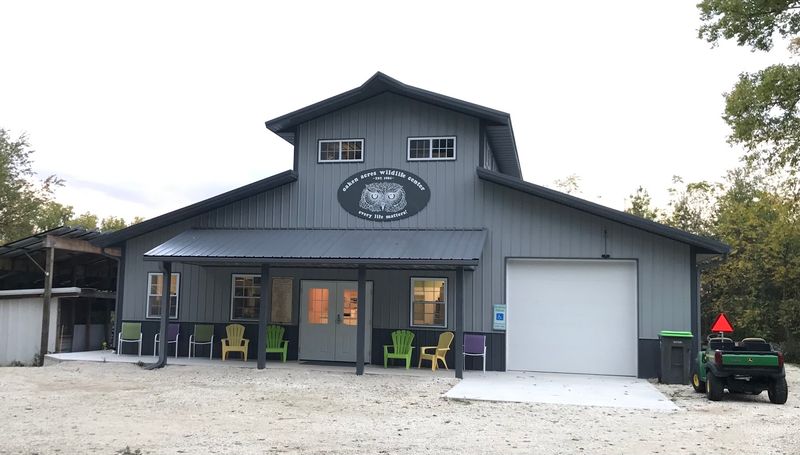
Drive west of Sycamore on Aldrich Road and the scenery turns to cornfields, fence lines, and tall oaks. Nothing about the landscape shouts emergency room. Yet tucked along this stretch sits one of northern Illinois’ busiest wildlife rehab centers.
Oaken Acres Wildlife Center has been working out here for more than four decades. The center recently marked its 40th year, which puts it in rare company among small rescue groups.
Plenty of local operations start with big hearts and fade after a few seasons, so lasting this long says a lot about steady hands and careful planning.
The quiet setting is no accident. Wild animals recover better away from traffic noise, barking dogs, and crowds. A stressed bird or rabbit can burn through energy it badly needs for healing, so calm surroundings act almost like medicine.
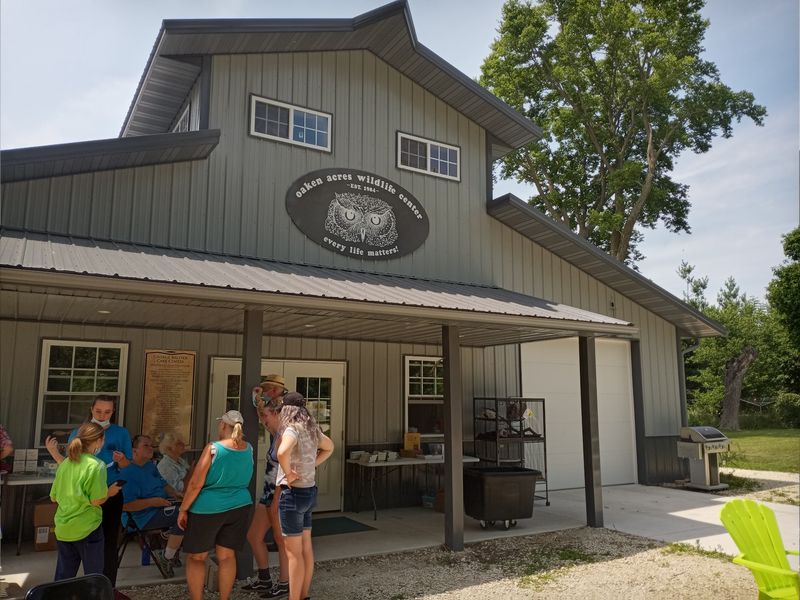
Arriving here, you will notice the place is tidy and well kept. Enclosures, outbuildings, and an office area are laid out in a practical way, built for animal care rather than for show. The grounds look more like a working farm than a tourist stop, and that matches the mission perfectly.
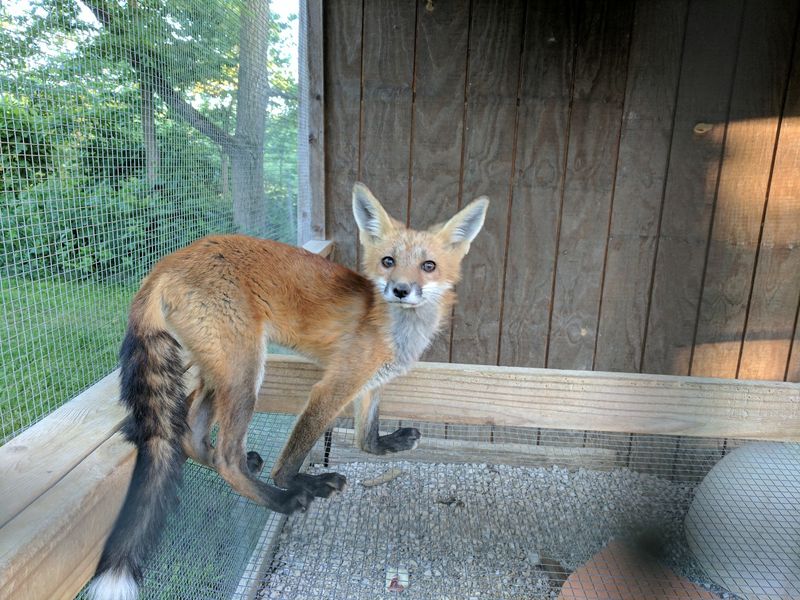
Neighbors from across DeKalb County and beyond make the drive. Some come from close by with a shoebox of baby rabbits. Others travel a long way, like one rescuer who hauled a two-week-old fox kit across the region so it could get proper care in an incubator.
That reach matters. Licensed wildlife rehabbers are not on every corner, and in spring and summer many of them are overloaded. Having a reliable center with consistent hours gives people a real option when they find an animal in trouble.
So the next time you pass farm country outside Sycamore, remember that behind those trees, somebody may be bottle-feeding a baby squirrel right now.
Baby Bunnies, Raccoon Families, and Over 30,000 Patients
Thirty thousand. That is roughly how many animals Oaken Acres has admitted since it opened, and the majority were released back into the wild. Picture a whole small city made of rabbits, squirrels, songbirds, and turtles, all getting a second chance.
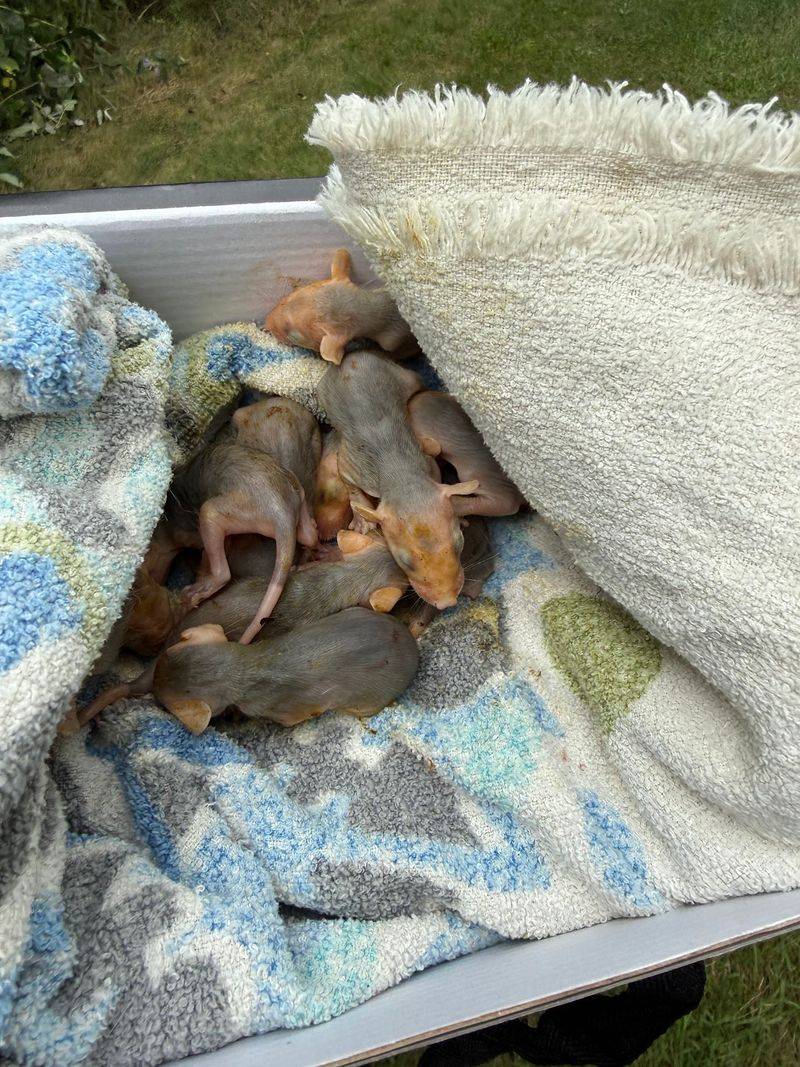
Cottontail bunnies might be the most common arrivals. Every spring, people find nests in lawns, playgrounds, and even construction sites. One school worker discovered six babies on a playground, while another rescuer found three with eyes still closed beside a building project.
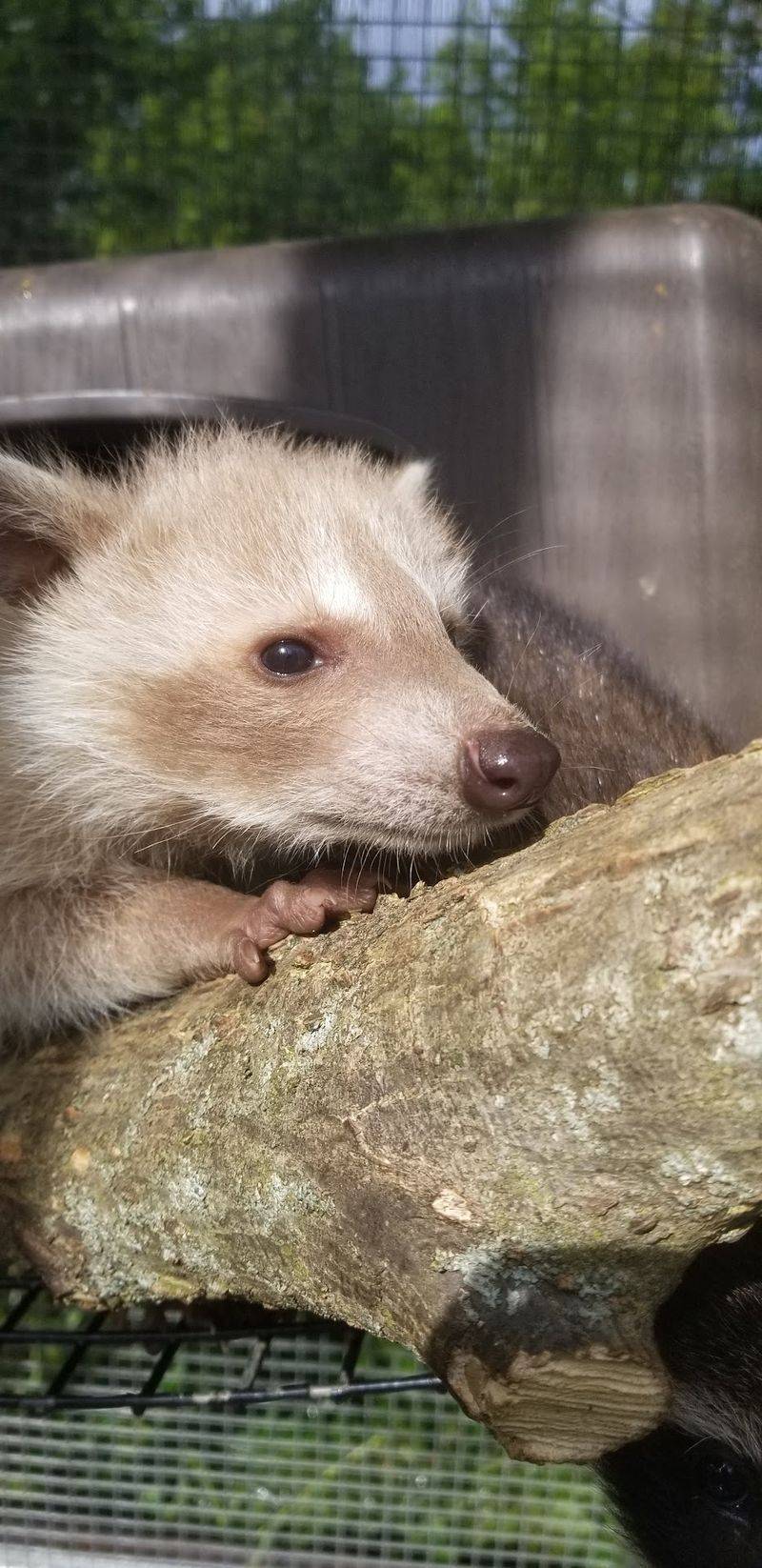
Raccoons are another big part of the workload. Young ones often show up orphaned after a mother is hit by a car or trapped. Staff raise them in groups so they grow up acting like raccoons, not pets, which is key for survival later.
The patient list keeps going. Gray and fox squirrels with broken legs, newly hatched sparrows found on driveways, painted turtles with cracked shells, emaciated opossums, and even red-tailed hawks hit by cars have all passed through. Each species needs different food, housing, and handling.
Think about how much knowledge that takes. A baby bird might need feeding every 20 minutes during daylight, while a rabbit kit needs special formula and very little handling. A hawk needs a large space to rebuild flight strength before it can hunt again.
Release is always the goal. When an animal is strong, eating well, and old enough, it goes back outdoors where it belongs. For people who dropped off a patient, hearing that news on a follow-up call is often the best part of the whole experience.
Numbers like 30,000 can sound abstract. But each one started as a single phone call from a worried person holding a box.
Meet Sassy, the Coyote Who Lives Near the Office
Not every resident at Oaken Acres is passing through. Near the office lives a coyote named Sassy, raised by the center from a pup, and she has her own large home to roam.
Spotting her is a fun surprise for people dropping off animals. She has been seen tossing around a toy like a playful dog, though she is very much a wild species. Her enclosure gives her room to move, sniff, and explore instead of pacing in a cramped pen.
Why would a rehab center keep one animal long term? Sometimes a creature cannot safely return to the wild. It might have grown too used to people as a youngster, or it might have a lasting physical limit that would make hunting or escaping danger impossible.
Federal and state rules control which animals can stay in captivity, and for what reasons. Generally, a non-releasable animal needs to have a decent, pain-free life, and often helps with education. Rehabbers cannot simply keep any animal they like.
Sassy also quietly teaches a lesson. Coyotes have a rough reputation in the Midwest, often seen as pests or threats. Seeing one up close, curious and calm with a chew toy, helps people understand these animals are smart, social, and part of the local ecosystem.
Other glimpses happen too. A family of young raccoons in an outdoor enclosure may catch your eye on the way to the door. Those animals are not on display, though. They are being prepared for release, so staff keep contact limited.
If you happen to arrive at the right moment, look toward the office area. A flash of tan fur and a bushy tail might be Sassy checking out the newest visitor, ears perked high.
The Hard Calls Behind the Healing
Here is a truth many people never hear: not every animal can be saved. Wildlife rehab includes some tough decisions, and Oaken Acres makes them based on what is best for the animal, not what a finder hopes for.
Take one case involving an injured crow. The bird looked alert and was eating, so its rescuer expected a recovery. But the exam showed a shoulder fracture plus an elbow break that had healed wrong.
Fixing it would have meant amputating the wing above the elbow. Federal rules from the U.S. Fish and Wildlife Service do not allow placement of birds with that kind of amputation. Without surgery, the crow would have faced lifelong pain.
The center chose a humane end, explaining that placement in a sanctuary had been their first hope. Stories like that are hard to read. Still, they show something important about how responsible rehabbers think. An animal living in constant pain in a cage is not a happy ending, even if it is technically alive.
Many injuries hide below the surface, too. A bird can hop and eat normally while bones are badly damaged inside. Distemper in raccoons and mites in fox families are other problems that need trained eyes to spot.
On the brighter side, the center rarely euthanizes animals with a real shot at release or a good life in captivity. One red-tailed hawk brought in after a car strike was a challenge to treat, yet it eventually flew free again.
If you ever drop off an animal, ask questions. What injuries were found? What are the chances? Knowing the details helps you understand the outcome, whichever way it goes, and keeps expectations realistic from the start.
Found a Baby Animal in Illinois? Call Before You Grab
Your dog just sniffed out a nest of tiny rabbits in the backyard. Your first instinct is probably to scoop them up and rush somewhere. Pause, and pick up the phone first.
Oaken Acres staff spend a huge part of every day giving advice by phone. Plenty of so-called orphans are not orphans at all. Mother rabbits, for example, visit the nest only a few times a day, mostly at dawn and dusk, to avoid leading predators to their babies.
Staff can walk you through simple checks. Sometimes they suggest watching the nest overnight or placing light markers to see whether mom returns. If she does not come back, they will tell you to bring the babies in, which is exactly what happened for several families who found bunnies.
Birds work a little differently. A fully feathered fledgling hopping on the ground is often fine, with parents nearby. A freshly hatched bird with no nest in sight, though, needs help fast, and the team will explain how to keep it warm on the way.
Overnight instructions matter, too. One school employee who found six bunnies late in the day got clear directions on caring for them until the next morning. Simple steps like a warm, dark, quiet box can make a real difference.
A few general rules help. Do not give water or food unless told to, since the wrong thing can harm a baby animal. Keep pets and kids away, and handle the animal as little as possible.
Spring and early summer bring a flood of calls, so be patient if lines are busy. A real person usually answers, which is rarer than you might think among wildlife groups.
Hours, Drop-Offs, and the Once-a-Year Open House
Timing is simple at Oaken Acres. The center keeps hours from 9 a.m. to 6 p.m., seven days a week, including weekends. Animals do not get hurt on a schedule, so having Saturday and Sunday coverage is a big deal.
Call ahead before driving out. Staff will confirm whether the animal should come in and give instructions for the trip. A sturdy cardboard box with air holes and a soft towel works well for most small creatures.
Keep the car quiet on the way. Turn off the radio, avoid peeking, and keep the box out of direct sun or blasting air vents. Small animals stress easily, and calm travel helps them arrive in better shape.
Do not expect a zoo visit. Oaken Acres is not open for casual tours, because the whole focus is animal care. Too many visitors would disturb patients and could make young animals too comfortable around humans.
There is one exception. The center hosts an open house once a year, by invitation through donation. Volunteers explain how animals are fed, housed, and prepared for release, and one grandmother spent the day watching her volunteer granddaughter teach guests about the process.
Follow-up calls are welcome too. Several finders have phoned in later to check on a bunny, squirrel, or bird and learned it had been released. Staff are generally patient with these updates, even during busy season.
Plan around the season if you can. Late spring through summer is baby season, the busiest stretch of the year, when phone lines fill up fast. Early morning calls tend to be the easiest time to get through, before the day’s rush of nest discoveries and injured animals piles up across the region.
Free Care, Funded by Neighbors Who Chip In
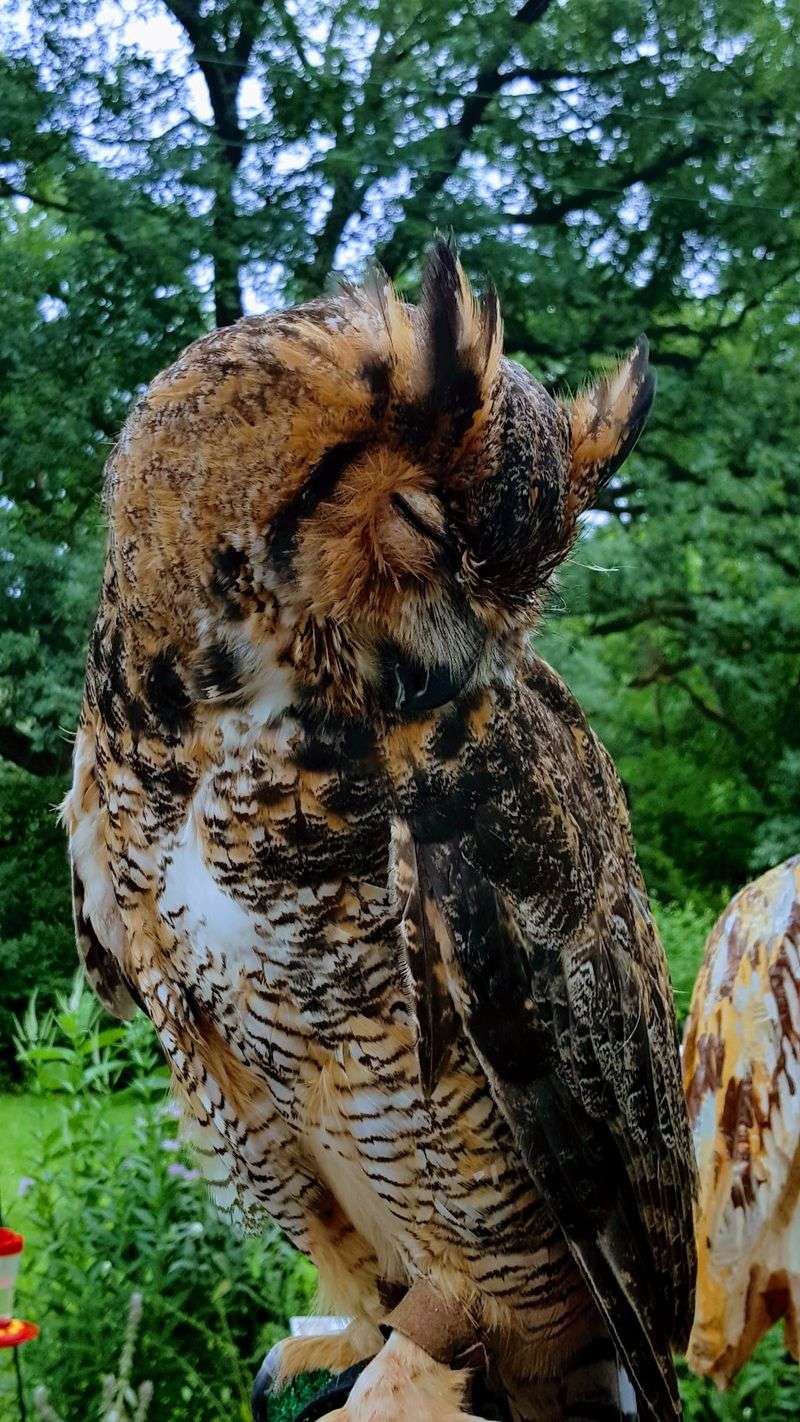
Bring in an injured hawk, a box of bunnies, or a turtle with a cracked shell, and you will not get a bill. Oaken Acres does not charge for its care. That surprises a lot of first-time visitors.
Of course, healing animals costs real money. Formula for baby mammals, insects and seed for birds, incubators, medicine, heating, cleaning supplies, and enclosure repairs all add up quickly. Multiply that by thousands of patients, and the yearly price tag becomes huge.
The center runs on a mix of paid staff and volunteers. Volunteers handle feeding, cleaning, and many daily chores, and some are teenagers learning about wildlife science firsthand. Paid team members bring the steady experience needed for medical care and tricky cases.
Donations keep everything moving. Many people who drop off animals leave a gift while they are there, and some return year after year with more. Even a small amount can buy several days of food for a nest of baby squirrels.
You can help without spending much, too. Spreading the word matters, since plenty of people living nearby still have no idea the center exists. Teaching friends not to grab every baby animal they see also eases the workload.
Consider the bigger picture. Without places like this, a hurt fox kit or broken-winged hawk would have almost nowhere to go. Local animal control and regular vets are usually not licensed to rehab wild species.
After four decades and tens of thousands of animals, Oaken Acres has proven it can stretch every dollar. Keeping that run going depends on ordinary people who once found a frightened creature in a box and decided to give back.
Share this story