A Colorado River flood in 1905 accidentally filled a desert basin and created one of the lakes on this list. Nobody planned it, and the water has been strange ever since.
Another lake here is about two and a half times saltier than the ocean. One reservoir even has a giant concrete hole that swallows overflow water.
I love how weird these places get the closer you look.
California has plenty of gorgeous lakes, and most of them look like perfect swim spots on a hot day. The problem is what you can’t see.
Toxic algae, sudden drop-offs, cold water, and broken glass can turn a fun afternoon into a rough one.
So I rounded up seven lakes where getting wet deserves a second thought. Some are still worth the trip for the views and the photos.
1. Salton Sea
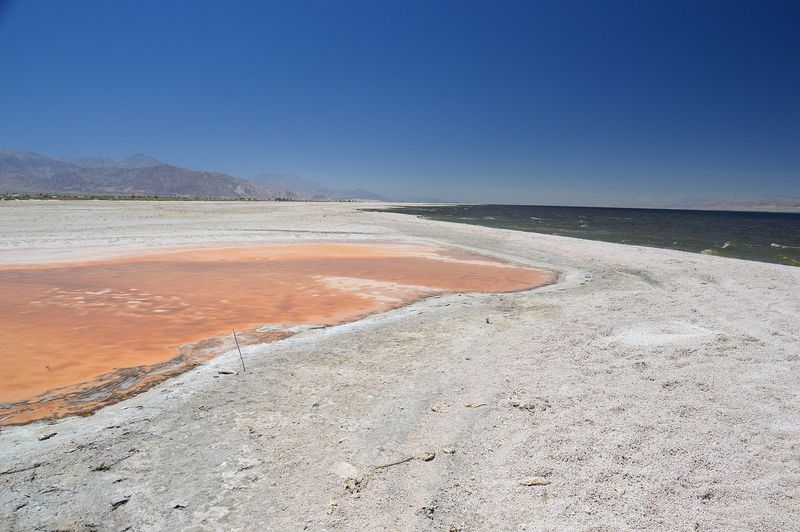
Few lakes can say they were born from an engineering mistake. Between 1905 and 1907, the Colorado River broke loose and flooded a dry desert basin, and the Salton Sea appeared.
Back in the 1950s and 60s, people flocked here to swim and water ski. Celebrities showed up too, and the shoreline buzzed with holiday energy.
Today the story feels very different. The water is two to three times saltier than the Pacific Ocean, and many fish species simply can’t handle it.
Farm runoff has added chemicals over the decades. Harmful algae blooms pop up, oxygen levels drop, and hydrogen sulfide gas can drift off the water with a rotten egg smell.
Park officials and health experts strongly advise against swimming or wading. Kids and pets are especially at risk, so keep paws and little feet on dry ground.
Still, you don’t have to skip the trip entirely. California’s largest lake makes a fascinating desert day out, with huge skies and sunsets that look painted.
The Sonny Bono Salton Sea National Wildlife Refuge sits at the southern tip, and birders love it. Nearby Bombay Beach adds quirky art installations that feel like a scavenger hunt.
Bring snacks and plan restroom stops before you arrive, since services are limited. Then enjoy the strange beauty from the shore, camera in hand and swimsuit packed away.
2. Mono Lake
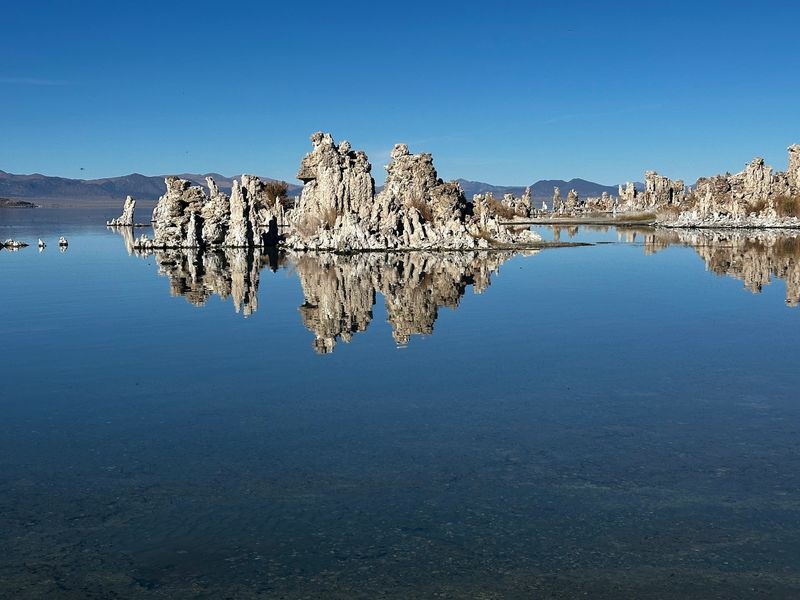
Alien planet vibes, anyone? Towering calcium carbonate spires called tufa rise out of the water here, and the whole scene looks borrowed from a sci-fi movie.
Mono Lake sits in a drainless basin below the Sierra Nevada in Mono County. Water flows in but has nowhere to go, so salts and minerals keep piling up.
The result is a soda lake roughly two and a half times saltier than the ocean. It’s also very alkaline, which is a fancy way of saying it’s a lot like slippery soap water.
That combo can really sting your eyes and any little cuts on your skin. Kids who splash or rub their faces tend to regret it fast.
You won’t find any fish swimming around either. Instead, the lake is packed with tiny brine shrimp that feed huge numbers of birds.
Honestly, that’s the best reason to visit. Grab binoculars, follow the walking path to the shore, and watch the birds work the water like a buffet line.
Sunrise and sunset light up the tufa towers in soft colors that make photos look almost unreal. The quiet sounds of the basin add to the calm feeling.
3. Lake Piru
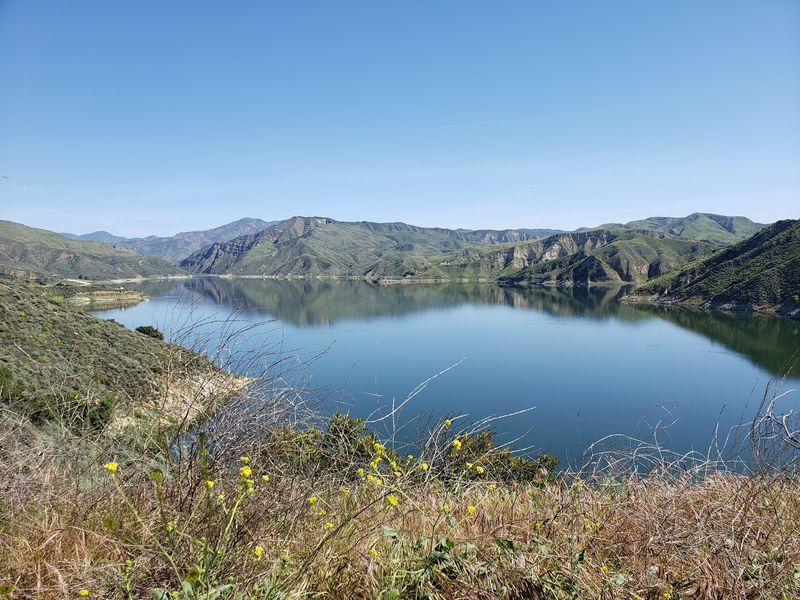
Here’s a lake with a playground, a basketball court, and barbecue grills, yet you can’t wade in it. Sounds like a cruel joke on a summer afternoon, right?
Lake Piru sits inside a national forest, ringed by hills and shady campgrounds. On paper, it looks like the perfect family swim day.
The catch is simple. The swimming areas are closed, and getting in the water, even just wading, isn’t allowed.
Dangerous currents and a sad history of water accidents are part of why. So that cool blue water is strictly for looking, boating, and fishing.
Don’t cross it off your list just yet, though. You can still have a full day here without ever getting your toes wet.
Bring a boat, a kayak, or a paddle board and explore the lake from above. Anglers can cast from a boat or from the bank.
Disc golf is another fun surprise, and the hiking trails let you stretch your legs between snacks. Restrooms and picnic areas make longer visits easier.
Campsites are on the small side, so pack smart if you’re staying overnight. Think compact tents and fewer extras.
Families with younger kids will appreciate the play area when the little ones beg to splash. A good water fight with spray bottles at camp might save the day.
4. Clear Lake
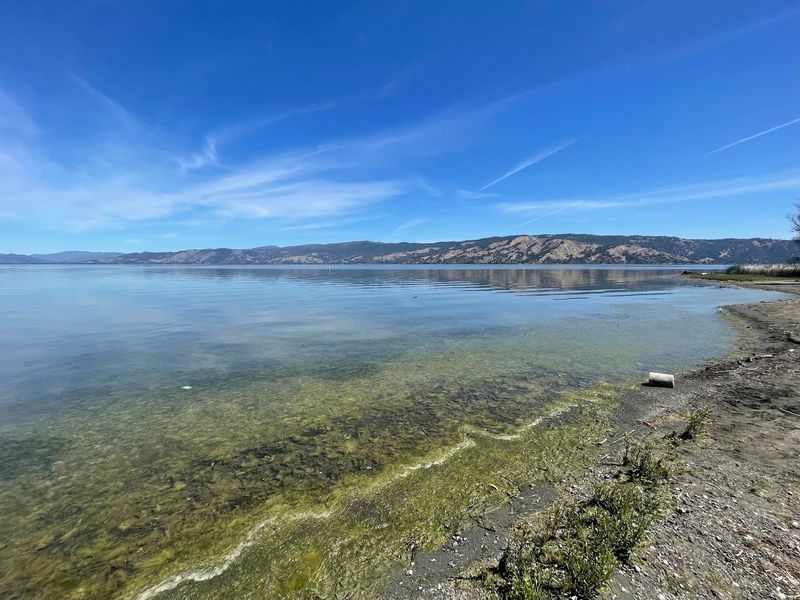
The name promises crystal water, but summer doesn’t always cooperate. Clear Lake has battled toxic blue-green algae blooms for decades.
That’s a bummer, because this place has serious bragging rights. It’s the largest natural freshwater lake entirely inside California, and it’s around 2.5 million years old.
When temperatures climb, cyanobacteria can explode across the shallow, warm water. Advisories move between caution, warning, and danger levels depending on the spot.
A danger advisory means no water contact at all. Touching or swallowing toxic algae can cause rashes, eye irritation, headaches, and other unpleasant symptoms.
In 2025, parts of the Oaks Arm hit the state’s highest danger category. The Clear Lake Keys area is often called one of the worst spots for blooms.
So check current advisories before anyone cannonballs off the dock. Conditions can look fine in one cove and nasty in the next.
On clean stretches, the lake really shines with calm, uncrowded water. People come for fishing, sailing, wakeboarding, jet skiing, and even boat races.
The area also offers hiking, plenty of wildlife, boat ramps, and roadside fruit stands worth a stop. Snapping turtles are among the creatures you might spot.
Keep dogs out of scummy water too, since pets are extra sensitive to the toxins. A quick rinse after any splash is a smart habit here.
5. Lake Berryessa
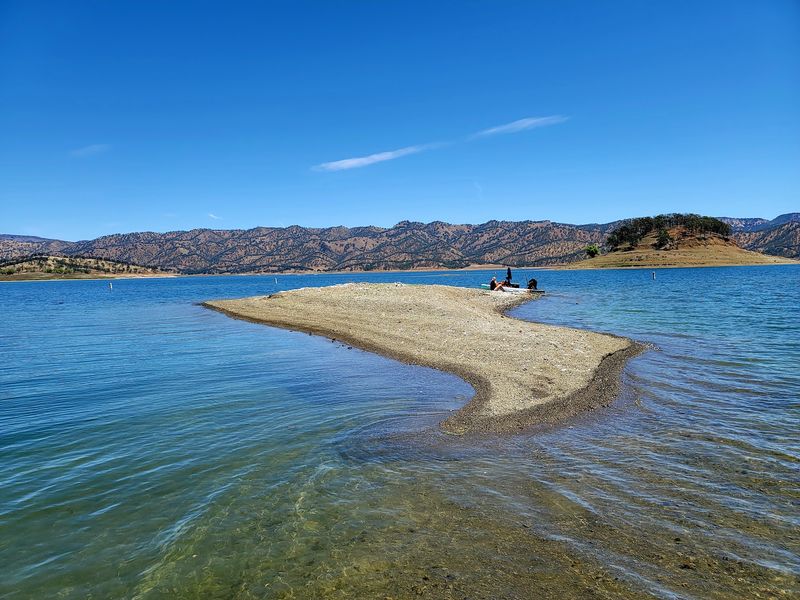
Ever seen a lake with a giant drain? Lake Berryessa has a famous round spillway near Monticello Dam that swallows overflow water like a massive bathtub plug.
When the water gets high, that spillway becomes a jaw-dropping sight. It’s also a big reason to respect this lake from a safe distance.
Swimming is allowed, but it’s completely at your own risk. There are no designated or lifeguarded swim areas anywhere on the lake.
The bottom is uneven, and steep drop-offs can appear without warning. One step you’re standing, the next step you’re way over your head.
Summer surface water can top 80 degrees, which feels amazing. Deeper down, though, the water can be surprisingly cold.
That sudden chill can shock your body and tire you out fast. Several water accidents here have involved younger swimmers without life jackets.
The good news is that help is easy to find. A life jacket loaner program runs at day-use areas, so grab one even if you swim well.
The Napa County Sheriff’s Office runs marine patrols, and lighted buoys guide boaters back to launch ramps after dark. Marinas, boat rentals, and campsites round things out.
Algae advisories can pop up too, so check local conditions before your trip. Then enjoy the woodland views with a life jacket buckled on tight.
6. Pinto Lake
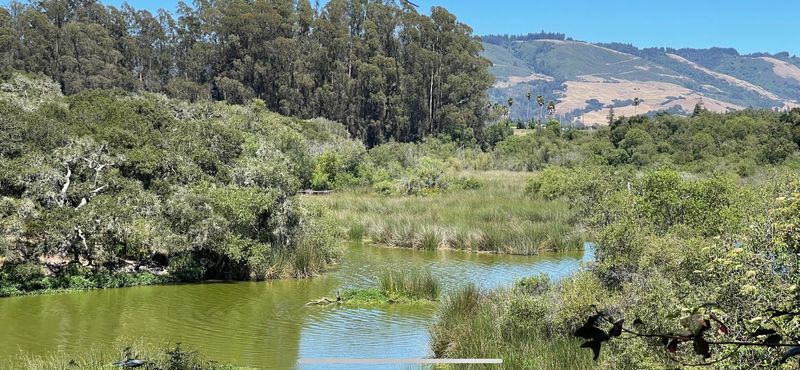
Ten thousand years is a long time to hang around, and this little lake near Watsonville has the age to prove it. Sadly, it also has a long history of algae trouble.
Pinto Lake has dealt with recurring toxic cyanobacteria blooms for years. Those blooms can release microcystin, a toxin that’s bad news for people and pets.
Because of that, swimming and wading here are prohibited; this is a restriction, not a preference. Park fun focuses on boating, fishing, and enjoying the shoreline instead.
Honestly, the land side has plenty to offer. Shady trails wind through the park, and a small playground keeps kids busy.
Birders get a treat too, since the lake attracts a lot of feathered visitors. Bring binoculars and see how many species you can count.
Picnic spots make it easy to turn a quick stop into a lazy afternoon. Boat rentals let you get out on the water without getting into it.
One heads-up for the grassy areas. Geese love Watsonville City Park, and they leave plenty of droppings behind.
Watch where you spread that picnic blanket, and maybe skip the flip-flops. Hand wipes are a smart thing to tuck in your bag.
Keep dogs away from the water’s edge, especially if you spot green scum. A pup that takes a drink could get sick quickly.
7. Lake Elsinore
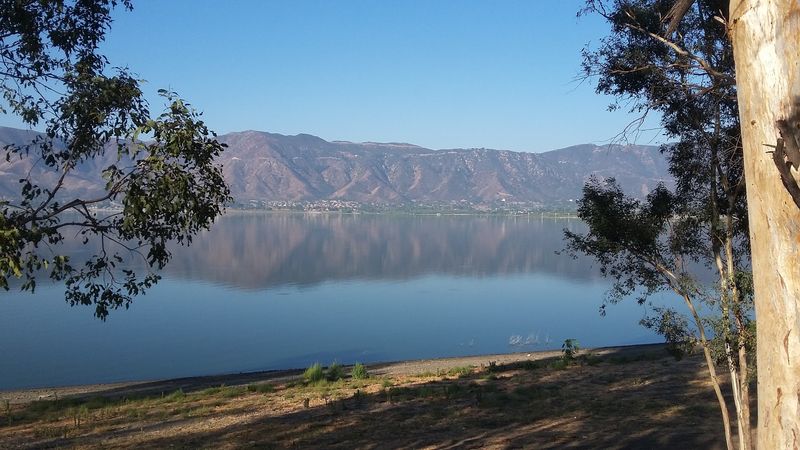
Southern California’s largest natural freshwater lake sounds like a dream beach day. Then you read the algae reports and start rethinking the cannonball.
Lake Elsinore deals with harmful algal blooms over and over. Advisories bounce between caution, warning, and danger, sometimes within the same summer.
In June and July 2024, several spots hit danger level because of very high toxin readings. That meant no water contact at all for people or pets.
Blooms were also reported in 2018 and 2022. Conditions can flip fast, so a clear day last week doesn’t promise a safe swim today.
The beach itself needs a careful eye too. Broken glass has turned up in the sand, so shoes are a smart move here.
On the bright side, the city takes shoreline safety seriously. You’ll find controlled access points, life ring buoys, and loaner life jacket stations.
Elm Grove Beach is one of the spots with safety measures in place. It’s a handy starting point if you want sand time with fewer surprises.
Boating and fishing keep the lake busy, and the mountain views are hard to beat. You can enjoy plenty without ever dunking your head.
Before you go, check the latest advisory and look for posted signs. If the water looks green or scummy, let it win this round.
Share this story