A Gold Rush rest stop from 1849 officially became California’s 483rd city in July 2024. More than 90 percent of voting residents approved the change.
That’s not a small nudge. That’s a whole town raising its hand at once.
I love details like that because they show how fast a place can transform. Another spot on this list has grown by more than half since 2020.
A third one used to be best known for cherries, and now it’s known for rooftops.
Growth like this changes daily life in a big way. Farm roads turn into school routes.
Empty fields become sports parks with splash pads. Quiet freeway exits suddenly have grocery stores and traffic lights.
I can’t help wondering what longtime residents think when they drive past a brand-new neighborhood. So which towns are changing the fastest, and what’s actually there now?
1. Mountain House
Few California cities can say they were a Gold Rush pit stop and a brand-new city at the same time. Back in 1849, Thomas Goodall set up the first structure called the Mountain House as a rest stop for travelers.
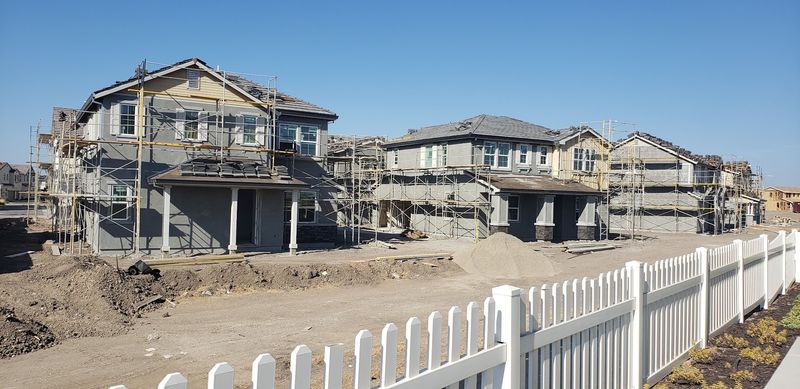
Fast forward to modern times, and the story gets wild. San Joaquin County approved a planned community here in 1994, and construction started in 2001.
Then came the big moment. On July 1, 2024, Mountain House became California’s 483rd incorporated city after over 90 percent of voting residents said yes.
You’d have a hard time recognizing the old rest stop today. The community is laid out in 12 separate villages, with parks, schools, sports facilities, and miles of multi-use trails.
Bookworms get a treat too. The library offers computer workstations, study space, a MakerSpace, and books in English, Spanish, Hindi, and Punjabi.
That language mix tells you something about who’s moving in. Families from many backgrounds are calling this place home, and the library clearly keeps up.
Growth here isn’t slowing down. At full buildout, planners expect about 44,000 people living in roughly 16,000 homes, with around 21,000 jobs.
Everyday conveniences keep arriving as well. A Safeway has opened at The Market at Mountain House, so residents no longer need a long drive for groceries.
Mountain House High School opened in 2014, and the Town Hall and Library followed in 2020. For a city this young, that’s a lot of first chapters.
2. Dublin
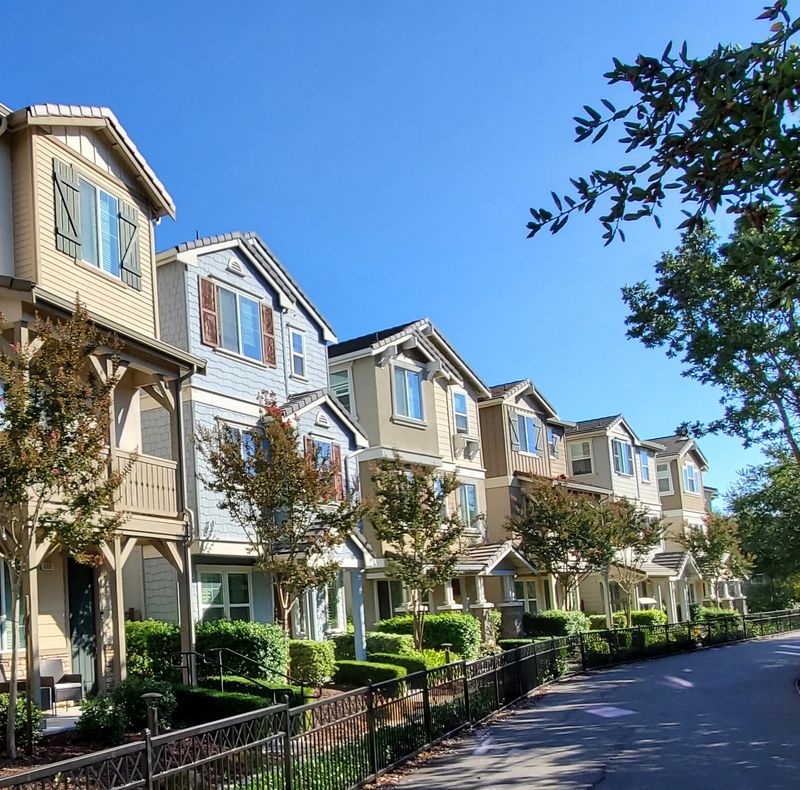
Here’s a fun one for trivia night. Dublin had just under 30,000 residents in the 2000 census, and by 2020 it had more than doubled to over 72,000.
That kind of jump doesn’t happen quietly. Former open land on the east side of town turned into neighborhoods, schools, and shopping centers within a couple of decades.
Location explains a lot of the appeal. Dublin sits in the Tri-Valley area of the East Bay, right where Interstate 580 and Interstate 680 meet.
Commuters have another big reason to pay attention. The city has two BART stations, which makes trips toward Oakland and San Francisco a lot easier than sitting on the freeway.
Of course, a growing town needs places to burn off energy. Emerald Glen Park is one of the city’s larger parks, and it’s home to The Wave, a city aquatic center with water slides.
Sports fans can also check out Fallon Sports Park on the east side. It’s a big newer park built for fields and games, which fits a city packed with young families.
And yes, the name matters here. Dublin, California throws a St. Patrick’s Day celebration, so the Irish theme isn’t just on the welcome sign.
If you knew this area years ago, the change can feel startling. Grassy hills that once framed empty land now frame rooftops, parks, and busy shopping streets.
3. Beaumont
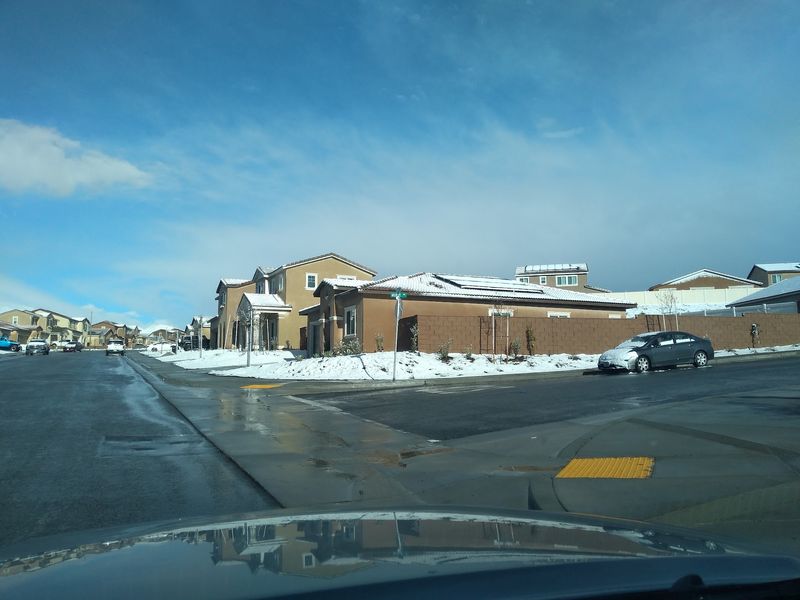
Cherries used to be the headline in Beaumont. These days, the bigger story might be how many new driveways keep showing up.
Back in 2000, the town had roughly 11,000 residents. By the 2020 census, that number had climbed past 53,000, which is close to five times bigger.
Try picturing your own town growing that fast. Schools, roads, and parks all have to race to keep up, and Beaumont has been doing exactly that.
Geography plays a starring role. Beaumont sits in the San Gorgonio Pass in Riverside County, along Interstate 10, between the Inland Empire and the desert.
That spot makes it handy for folks who work in either direction. You can reach Palm Springs or the Riverside area without crossing the whole state.
The cherry roots haven’t disappeared, either. Beaumont still hosts its annual Cherry Festival, a nod to the orchards that once defined the area.
I love when a growing town hangs onto its old personality. It reminds newcomers that the place had a life long before the housing tracts showed up.
Big mountain views are part of the package too. Snow on the nearby peaks in winter makes a pretty backdrop for all those new neighborhoods.
For anyone who drove through here 25 years ago, the change is huge. The quiet pass town has become one of the busier communities in this part of California.
4. Roseville
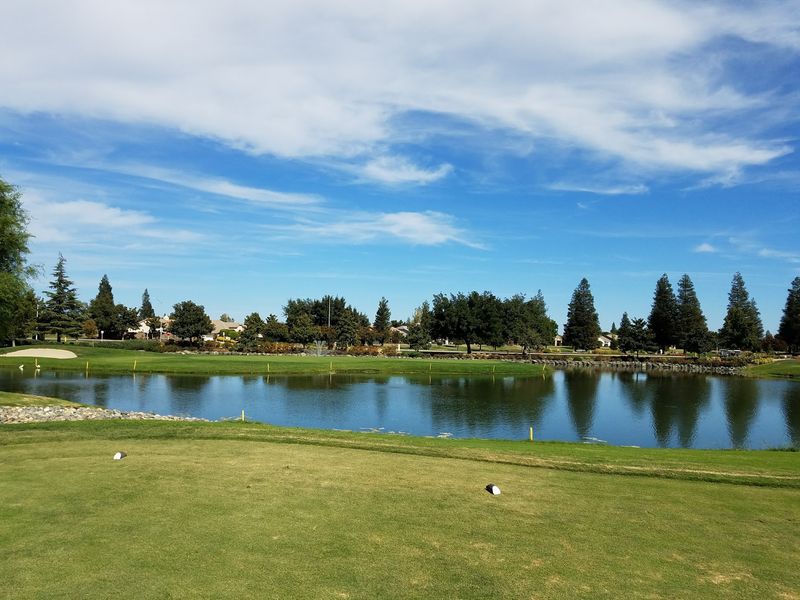
Gold medals and growth charts have something in common in Roseville. Both keep climbing.
As of January 2026, Roseville ranked first in population growth among California cities with fewer than 300,000 people. The city reached 165,455 residents, up 2.7 percent in a single year.
That’s a lot of new neighbors. It also helps explain why Placer County was named the fastest-growing county in California between 2025 and 2026.
So what keeps people coming? Parks are a big part of the answer, since the city has more than 70 of them.
Royer Park is a good place to start. It covers over 17 acres and connects by trail to the Downtown Library, Town Square, and historic Vernon Street.
Inside the park, you’ll find two playgrounds, a Children’s Art Center, picnic areas, and horseshoe pits. It’s a pretty solid lineup for one stop.
Over at Mahany Park, things get even bigger. The park links to the Martha Riley Library, the Roseville Sports Center, and the Roseville Aquatics Complex.
That aquatics complex is no ordinary swim spot. It’s the training ground for California Capital Aquatics, a program that has trained Olympic swimmers.
Kids splashing next to future champions? I can’t think of a better reason to learn the backstroke.
5. Lincoln
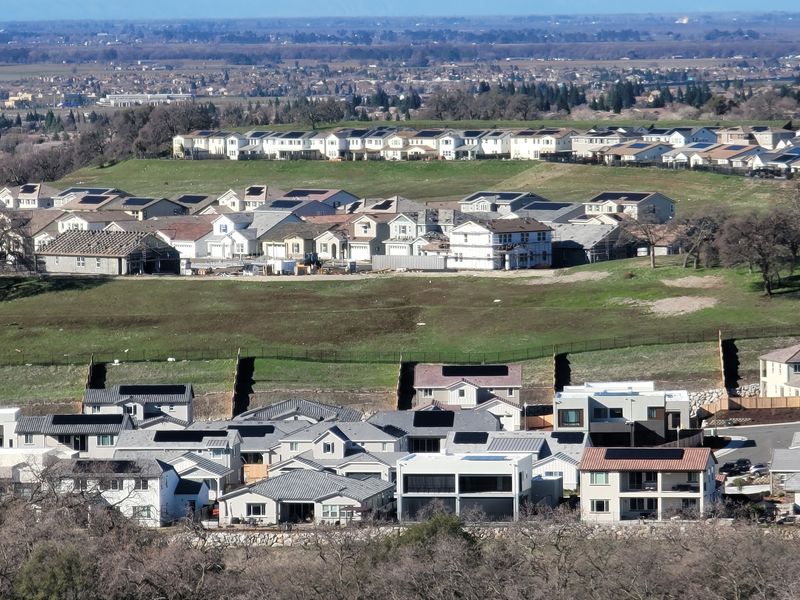
Construction cranes might be Lincoln’s unofficial city bird right now. New homes, parks, and shopping centers are popping up across town.
At the 2020 census, Lincoln had just under 50,000 residents. Since then, the count has been climbing steadily toward the high 50,000s.
Like its neighbor Roseville, Lincoln sits in Placer County. That county ranked as California’s fastest-growing in January 2026.
The biggest project to watch is Liberty at Lincoln. This master-planned development has more than 3,500 homes in the works.
Its centerpiece clubhouse is called The Farmhouse. Plans include a pool, spa, fitness center, pickleball courts, playgrounds, barbecue areas, and a dog park.
Trail lovers, take note. The development includes 56 acres of parks and over 18 miles of trails, and a 3-acre park with a sports field is already open.
Shopping is catching up too. Construction on the Ferrari Pavilion started in December 2025, with an opening expected by fall 2026.
Confirmed tenants include Grocery Outlet, Starbucks, Jersey Mike’s, and Wendy’s. A Quick Quack Car Wash and a childcare center are on the list as well.
Meanwhile, Bella Breeze Park in Twelve Bridges is getting shaded playgrounds and a walking loop. It’s the kind of change you notice on your morning stroll.
6. Menifee
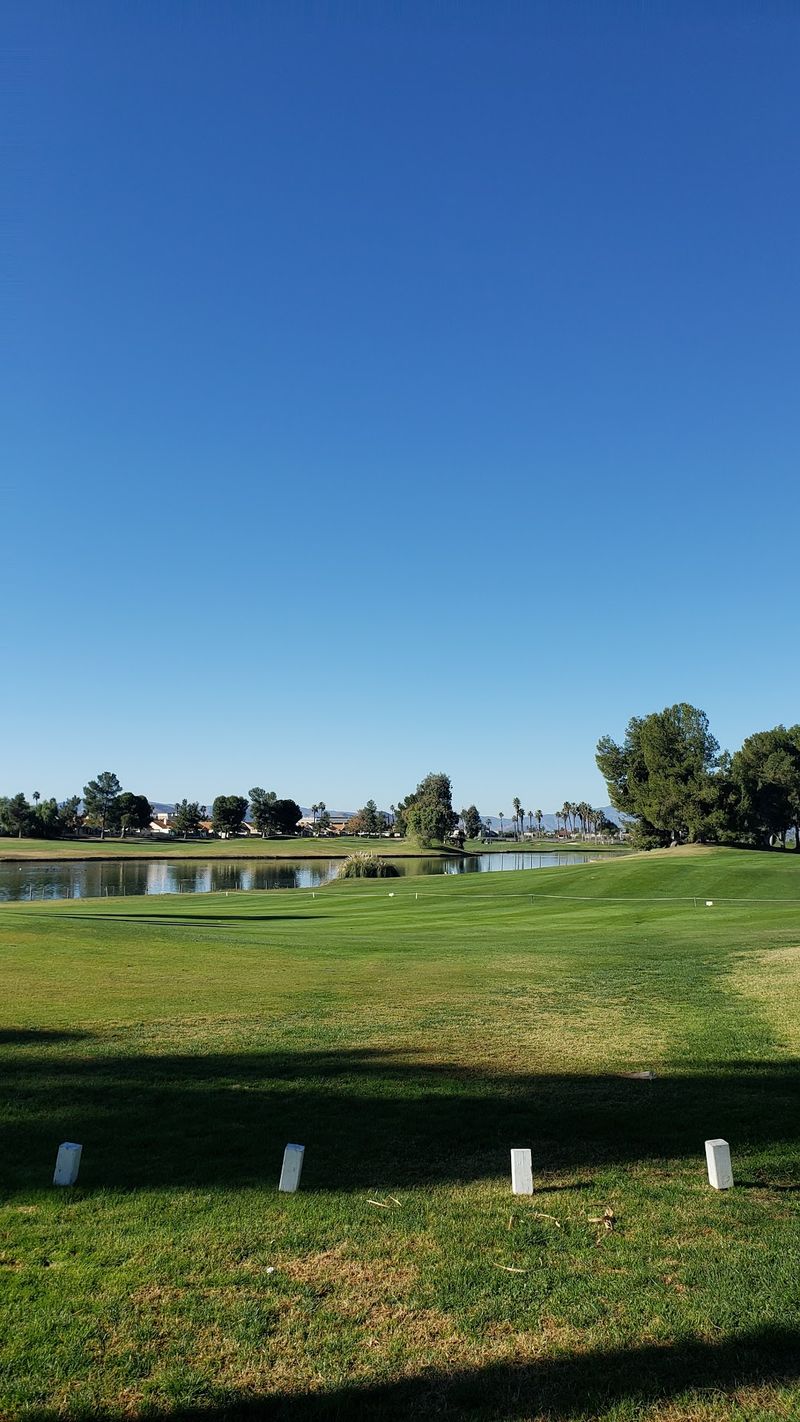
Menifee is technically a teenager. The city only became official in 2008, and it’s been having a serious growth spurt ever since.
In 2010, about 77,500 people lived here. By July 2026, the population reached roughly 117,000, which is a huge leap for such a young city.
SmartAsset even named Menifee one of the top boomtowns in the country in 2022. Clearly, this Southern California city has been on the radar for a while.
All those new residents need room to play. The city has invested over 484 million dollars in roads, parks, and other infrastructure to keep up.
Banner Village Park is a great example. It has basketball courts, soccer fields, a skate park, a splash pad, and trailheads for hiking.
Got a kid who loves bumps and turns? Gale Webb Action Sports Park has a BMX-style course with hills, plus separate tracks for little riders and scooters.
For something calmer, Menifee Lakes offers lakeside walks and trails for jogging or biking. You can even feed the ducks, which never gets old.
Nova Park got a big makeover in 2021, too. The 3.5-acre park added a walking path, trail lighting, and a new playground.
7. Clovis
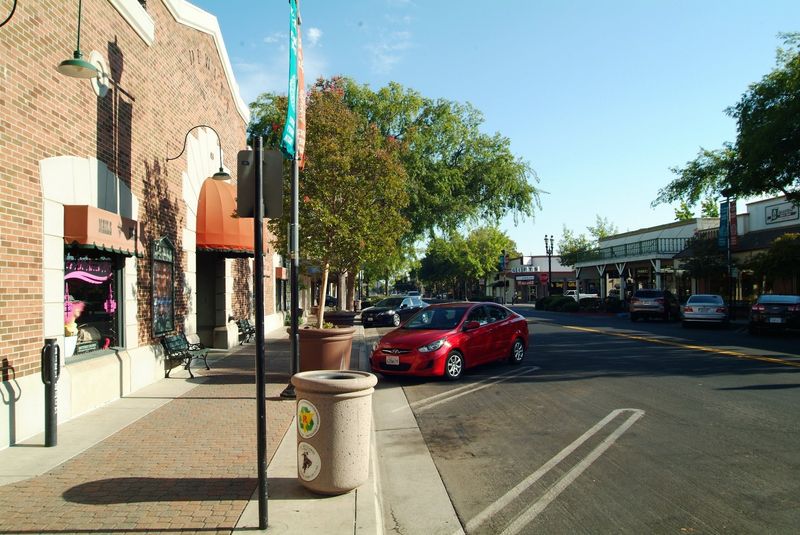
Cowboy boots and new subdivisions make an interesting pair. In Clovis, you get both.
The city calls itself the Gateway to the Sierras, and it sits right next to Fresno in the Central Valley. Head east, and the foothills start rising toward the mountains.
Western roots run deep here. The Clovis Rodeo dates back to 1914, and it remains one of the town’s best-known events each spring.
Old Town Clovis keeps that history front and center. The downtown district is full of shops, restaurants, and older storefronts that feel far from the newer suburbs.
Out past downtown, things look very different. Fresh neighborhoods have spread across former farmland, pushing the population well past 120,000.
Families often point to the schools as a big reason they move here. Clovis Unified School District has a strong reputation across the region.
If you like to walk or bike, you’ll find trails winding through the city. The Clovis Old Town Trail connects neighborhoods with downtown, so you can skip the car.
I love that Clovis didn’t trade its rodeo spirit for a cookie-cutter look. The old and new sides seem to coexist, even as the map keeps getting bigger.
Visit Old Town on a weekend, then drive the newer edges. You’ll see two very different versions of the same California city.
8. Irvine
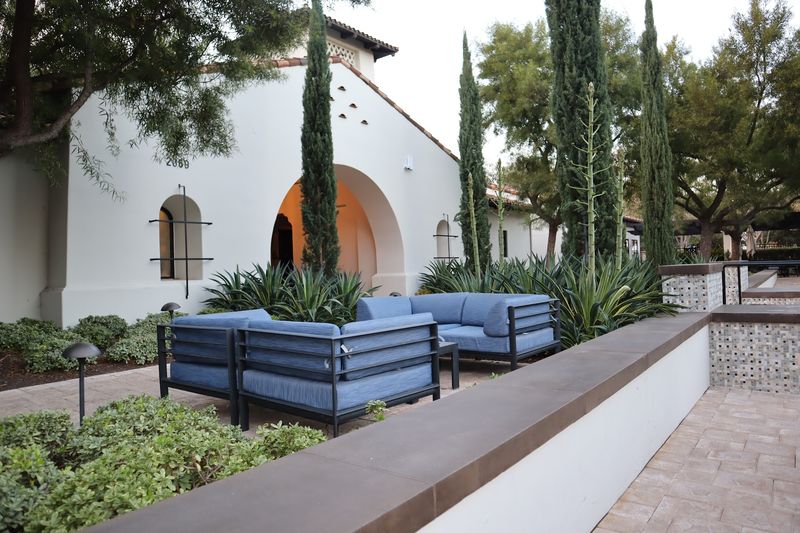
Few cities can say their biggest park used to be a military air base. Irvine can.
The Orange County Great Park sits on land that was once Marine Corps Air Station El Toro. Today it’s home to sports fields, open space, and a big orange balloon that lifts visitors into the sky.
That balloon gives you a great view of how much the city has grown. New neighborhoods have filled in around the park in recent years.
Planning is basically in Irvine’s DNA. Much of the city grew out of the old Irvine Ranch and was designed as a master-planned community.
The city officially incorporated in 1971. Since then, it has grown into one of the largest cities in Orange County, with a population over 300,000.
College life adds to the energy. The University of California, Irvine opened in 1965 and brings students and researchers from around the world.
Neighborhoods here are often called villages, each with its own parks and pathways. Bike trails link many of them, which makes getting around without a car more realistic.
Big business has followed the rooftops too. Tech, health, and gaming companies have offices in the area, giving residents plenty of nearby jobs.
Looking for proof that a former runway can become a family hangout? Irvine is a strong case, and it’s still growing.
Share this story