A river slipping around boulders makes a much better soundtrack than someone circling a full parking lot. Trade a Saturday outing for a Tuesday morning, and a park visit can become a very different afternoon: more time beside the water, fewer interruptions on the trail, and no particular reason to hurry back to the car.
New Jersey has plenty of state parks suited to that slower pace, from former ironmaking villages to lakeside woods and a stretch of Shore where dunes take the place of development. The trick is choosing the right corner, not simply arriving on the right day.
Swimming beaches, scheduled events, and popular trailheads can still attract company during the week. These twelve parks offer promising places to look for breathing room, especially outside holidays and peak summer hours.
Pack lunch, choose a manageable route, and leave enough time to stop whenever something catches your eye.
1. Voorhees State Park: A Wooded Reset
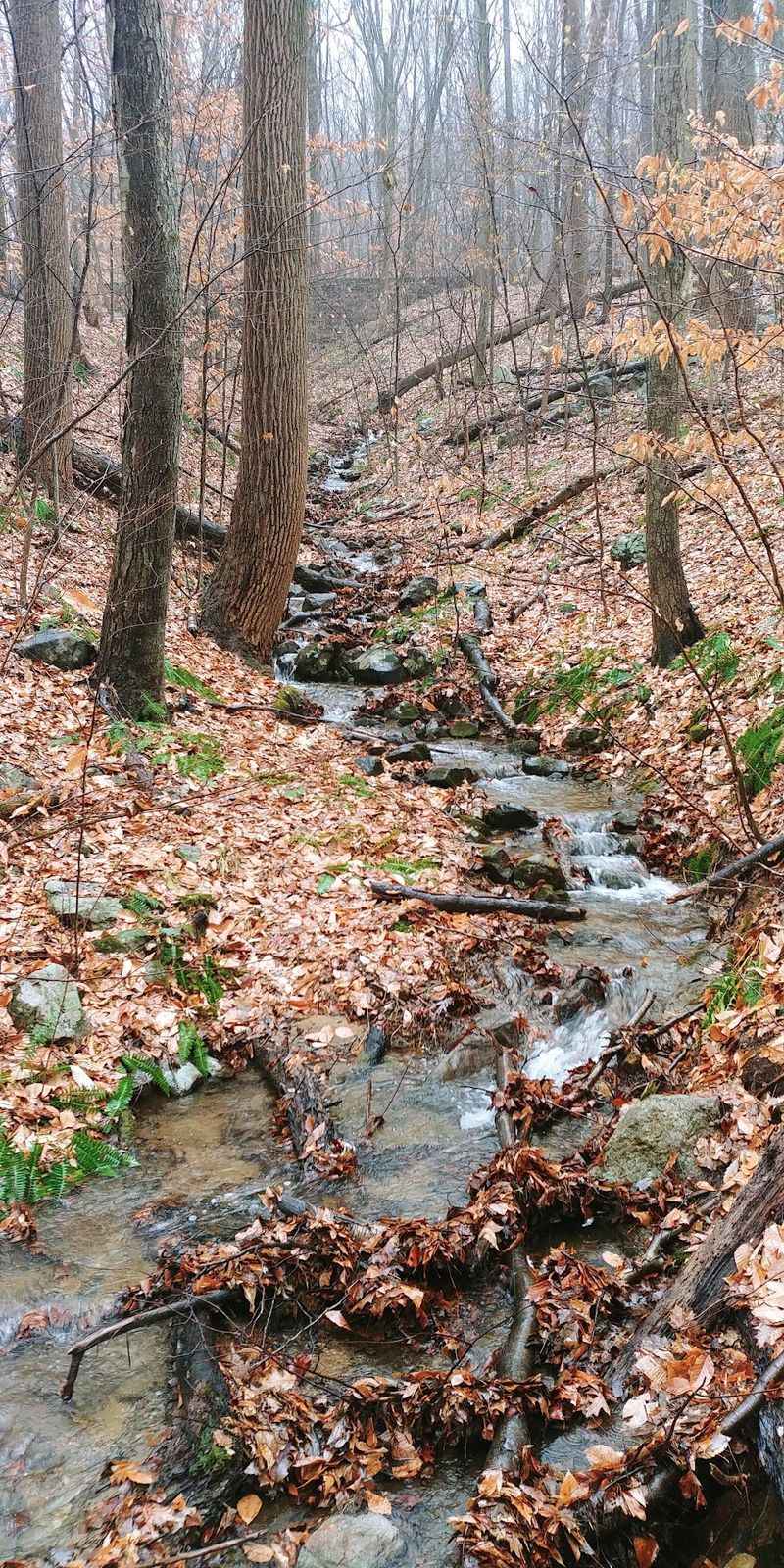
Two reservoir views give this Hunterdon County park a satisfying payoff without requiring an all-day expedition. The Vista Trail overlooks Spruce Run Reservoir, while the Solar System Trail connects the observatory area with an overlook toward Round Valley Reservoir.
Those are useful anchors for a weekday visit: choose a view, build a walk around it, and resist the temptation to turn a pleasant outing into a mileage competition. The wooded setting near High Bridge suits hikers who enjoy smaller discoveries along the way as much as the destination.
Look for changes in the canopy, listen for birds, and allow a little time at the overlook before heading back. A section of the Hunterdon Highlands Trail also passes through the park, offering another option for visitors who want a longer walk.
What makes Voorhees a good quiet-day candidate is the combination of forest trails and places worth lingering, rather than one attraction everyone needs to squeeze around. For a first visit, a shorter route followed by lunch is a sensible approach.
Bring the trail map so connecting paths remain a choice rather than an accidental extension. The New Jersey Astronomical Association observatory adds an interesting wrinkle, but public observing depends on scheduled opportunities.
Treat it as a separate reason to return, and let the daylight visit belong to the woods and those reservoir views.
2. Stephens State Park: Let the River Do the Talking
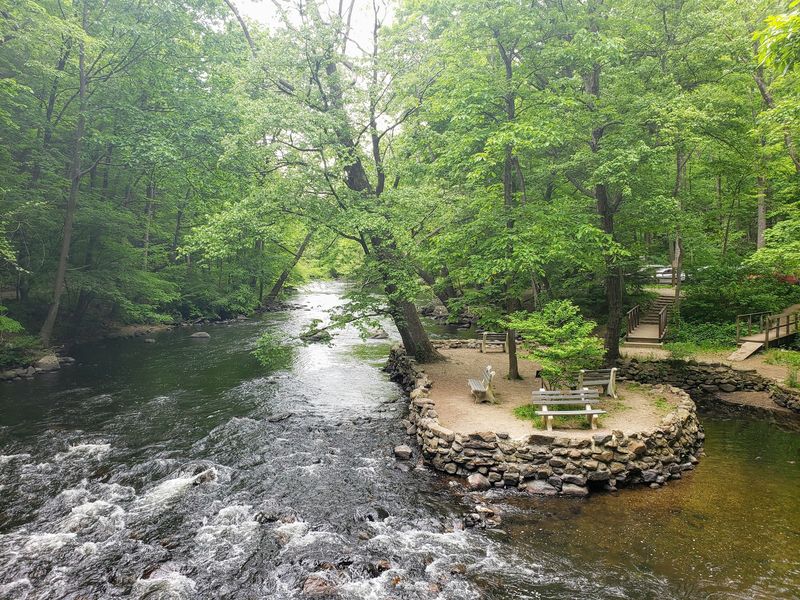
The Musconetcong River does much of the entertaining here. Its trout-stocked water gives anglers a reason to settle in, while walkers can make the river the centerpiece of an outing near Hackettstown.
Start with an unhurried look at the water before deciding how much hiking the day needs. Sometimes the answer is less than expected.
Six miles of marked trails provide options for walking and hiking, with routes also used by mountain bikers and horseback riders. That shared use means a weekday visit should be approached as a chance for more breathing room, rather than a promise of complete solitude.
Stay aware at bends and give other trail users room to pass. For visitors who find lakeside parks a little too focused on beaches and summer activity, the river offers a different kind of attraction.
You can watch the current, examine the shapes of rocks along the bank, or simply let moving water hold your attention for a while. Pair a short walk with a packed lunch instead of trying to explore every available path.
Fishing visitors should check current license requirements and regulations before casting. Stephens is also close enough to Hackettstown to make food afterward an easy part of the plan.
The strongest reason to come, though, is simpler: a walk with a river beside it rarely needs much embellishment.
3. Allamuchy Mountain State Park: Room to Roam
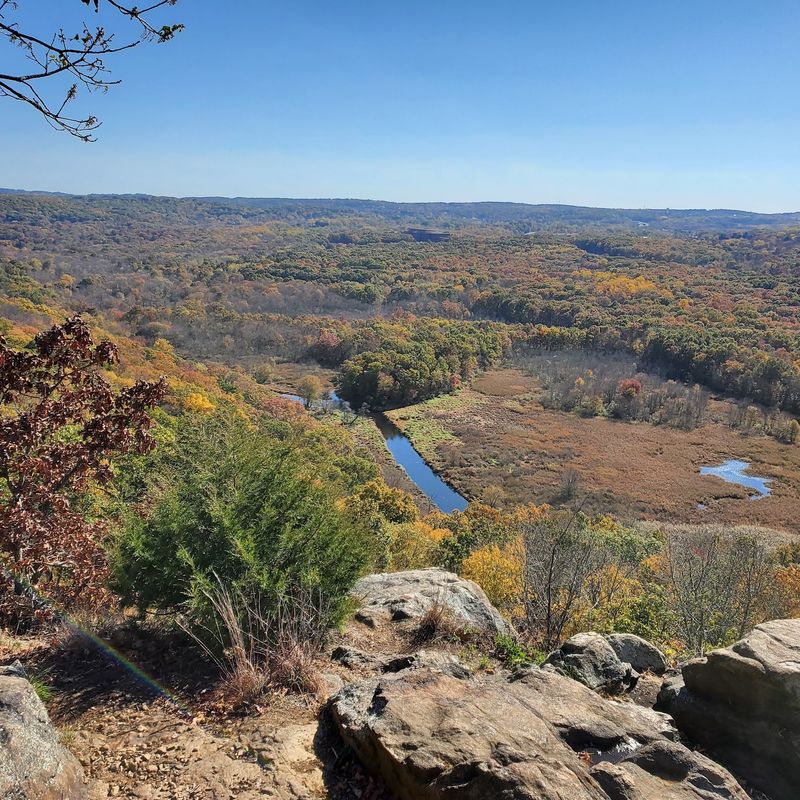
Pick your trailhead before you pick your playlist. This sprawling northern New Jersey park has multiple areas and an extensive trail network, so arriving with only its name entered into a navigation app can leave you with a different outing than intended.
The Deer Park section, with Deer Park Pond as a natural focal point, makes a useful starting place for a visit built around woods and water. Elsewhere, the northern section offers a larger network, including unmarked paths that make careful navigation especially worthwhile.
A ten-mile portion of the Highlands Trail passes through Allamuchy and neighboring Stephens State Park, giving experienced walkers scope for a longer day. You do not need to take on anything that ambitious to appreciate the place.
Choose a marked route suited to your ability, carry the map, and give yourself permission to turn a modest hike into a generous afternoon. Mountain bikers and other trail users share parts of the landscape, so the quieter experience comes from timing and route selection as much as acreage.
A weekday morning is a sensible opportunity to explore without building the trip around the busiest leisure hours. Expect uneven ground and wear shoes that can handle it.
The appeal is the room to keep walking as the forest changes around you, rather than a single overlook demanding a queue and a photograph.
4. Rancocas State Park: Slow Down Near the Creek
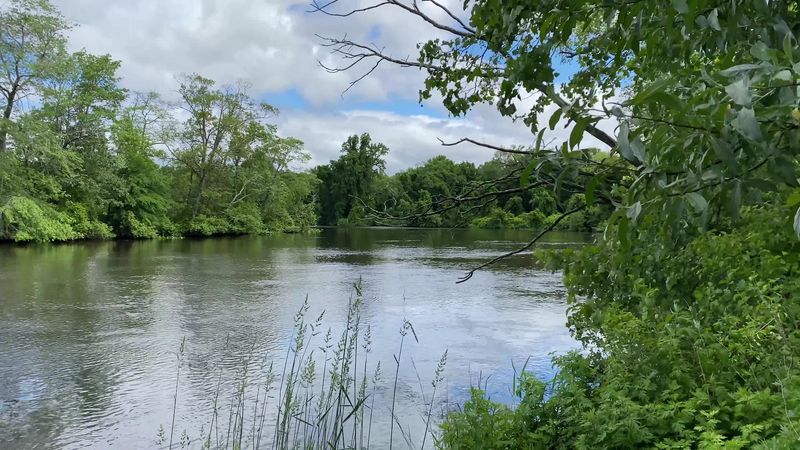
A freshwater tidal marsh changes the definition of a good view. Instead of climbing toward a distant ridge, you can spend your time studying water, vegetation, and the movement of birds at the edge of the woods.
In Burlington County, trails wind through upland and lowland hardwood forest and follow the North Branch of Rancocas Creek, giving the park a landscape that rewards close attention. This is a strong choice for a weekday outing when you want an absorbing walk without making elevation gain the main event.
Bring binoculars if you have them, but do not let a lack of equipment become an excuse to skip the visit. Pausing quietly beside suitable viewing spots can be more useful than marching through with an ambitious checklist.
The variety between wooded stretches and marsh edges gives the walk its rhythm; a change in habitat becomes a reason to slow down. Plan your entrance and route beforehand, since the park includes different access areas and a creek-centered landscape.
After wet weather, choose footwear with muddy ground in mind. The quiet-day attraction is that there is no need to reach one famous landmark to feel you have accomplished something.
An hour spent watching the landscape change can be enough. Add lunch afterward, and you have a weekday escape that leaves plenty of energy for the rest of the day.
5. Double Trouble State Park: Pine Barrens Without the Rush
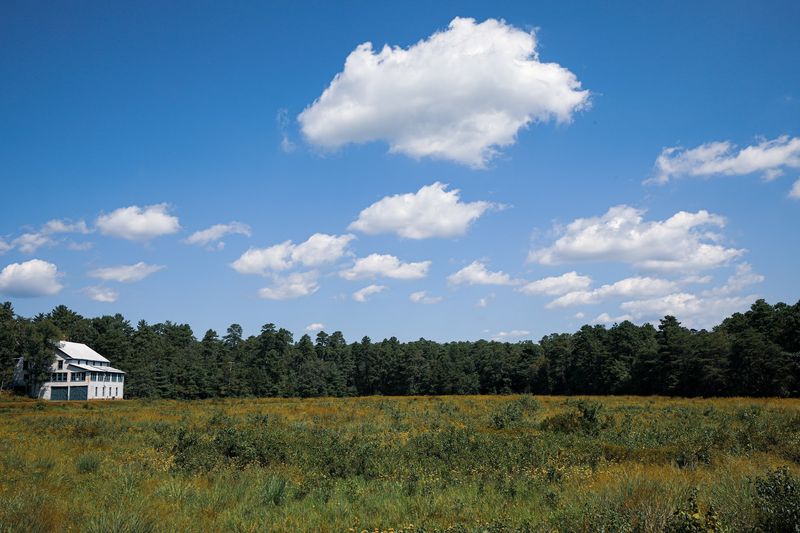
The name suggests commotion; the old cranberry village offers a better reason to slow down. Preserved buildings and bogs give this Ocean County park a distinctly Pine Barrens identity, with the history of timber production and cranberry growing woven into the landscape.
Begin around the historic village, where the relationship between the buildings and surrounding land is easier to understand on foot than from a passing car. Then choose a marked trail through pine forest and cedar swamp to extend the visit beyond the historic core.
Cedar Creek is another major draw, particularly for canoeists and kayakers, so paddling activity can still bring company on a weekday. For a quieter walk, make the village and trails your focus rather than assuming the creek access will be empty.
The contrast is the interesting part: an old working community surrounded by a landscape that now invites recreation and observation. Read the interpretive material, notice how the terrain changes, and leave time to look across the bogs.
Do not expect to wander freely into every historic building. Interior access varies, and the sawmill and packing house are associated with guided tours.
A satisfying independent visit can still come from exploring the outdoor setting. Bring water and a hat for exposed stretches, and choose a route that fits the weather. History supplies the subject here; the forest gives you room to think about it.
6. Fort Mott State Park: History With Breathing Room
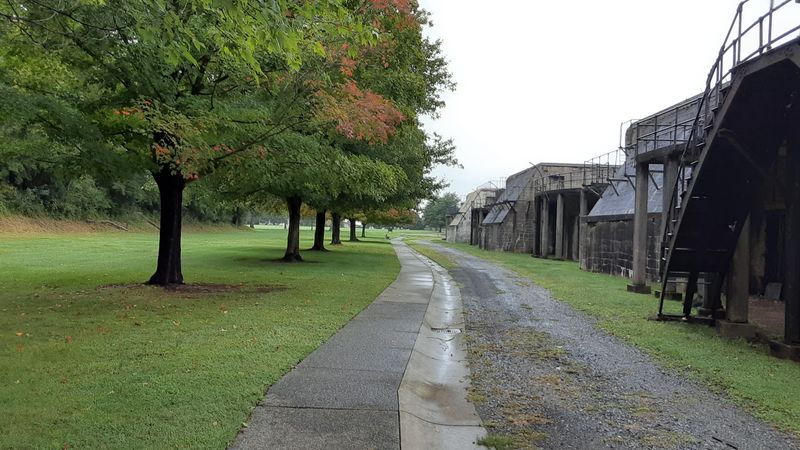
Concrete gun batteries beside the Delaware River make an unusual setting for a peaceful afternoon. In Pennsville, the fortifications tell the story of a defensive system built to protect the river, with construction dating to the 1890s.
The scale becomes clearer as you walk: substantial structures, earthworks, and a broad waterway that explains why the location mattered. Start with the historic features and their interpretation, then give the riverfront some unstructured time.
You do not need to turn the visit into a military-history examination to enjoy the contrast between heavy defenses and an open river view. A weekday is a good time to plan a leisurely circuit, particularly when no special event is scheduled.
Living-history programs are a reason to visit in their own right, but they create a different experience from the quiet walk this list is after. Bring lunch and make the outdoor grounds the heart of the outing, checking ahead if a particular indoor facility is important to your plans.
This is also a useful choice for someone who likes having concrete things to examine during a walk. The batteries supply details to inspect, while the waterfront offers a change of focus when you have read enough.
Allow time for both. The result can be a pleasantly varied afternoon with history, fresh air, and no need to chase a demanding hiking route.
7. Long Pond Ironworks State Park: Follow the Old Working Landscape
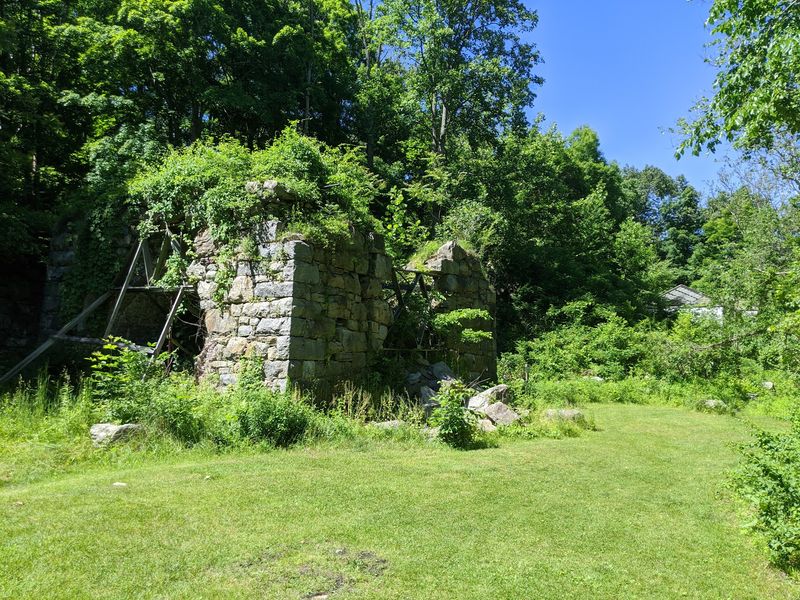
Before these woods became a place for an afternoon walk, they supported an ironmaking community. German ironmaster Peter Hasenclever founded the works in 1766, and production continued until 1882.
Today, the historic district in West Milford gives visitors a chance to connect surviving structures and industrial remains with the Wanaque River landscape that helped sustain the operation. Make that district the starting point for a weekday visit.
The history becomes more compelling when you take time to understand how the settlement functioned rather than treating the ruins as a quick photo stop. Walk the designated paths, examine the interpretation, and let the river provide a pause between the details.
The surrounding park offers a broader outdoor setting, but a quiet first visit does not require a complicated itinerary or a lengthy hike. A modest walk around the historic area can carry plenty of interest on its own.
Museum access and organized tours depend on operating schedules, so check ahead if either is central to your plans. Otherwise, build the outing around what you can appreciate outdoors.
Wear shoes suitable for uneven ground and leave historic masonry undisturbed. The appeal lies in seeing an industrial landscape at a slower pace: water, woods, and remnants of the work that once shaped them.
Give yourself enough time to notice those connections, and the visit becomes richer than a simple stroll past old stone.
8. Monmouth Battlefield State Park: Big Skies, Slower Steps

On June 28, 1778, these fields witnessed a long Revolutionary War battle in punishing heat. Knowing that changes the way you look at the open landscape in Manalapan and Freehold townships.
Hills and field edges become parts of a larger story, while a present-day walk gives you space to consider what happened without the noise and spectacle of a reenactment. Begin at the visitor center when it is open, then take that context onto the grounds.
A little orientation helps the landscape mean more than an attractive sweep of countryside. This park suits visitors who prefer room around them and a walk with a subject to think about along the way.
Choose a manageable route instead of trying to cover the whole battlefield, and pause where interpretation helps explain the terrain. Weekday visits outside scheduled programs are a sensible choice for this slower experience.
Annual commemorations and guided events can be rewarding, but checking the calendar matters when quiet is the goal. Open stretches also deserve practical planning: carry water, bring sun protection, and remember that a pleasant breeze does not supply shade.
The battlefield’s strongest feature is the combination of physical space and historical weight. You can spend part of the visit reading closely and another part simply walking.
Neither needs to crowd out the other, and both benefit from having enough time to move at your own pace.
9. Kittatinny Valley State Park: Give Your Binoculars a Job
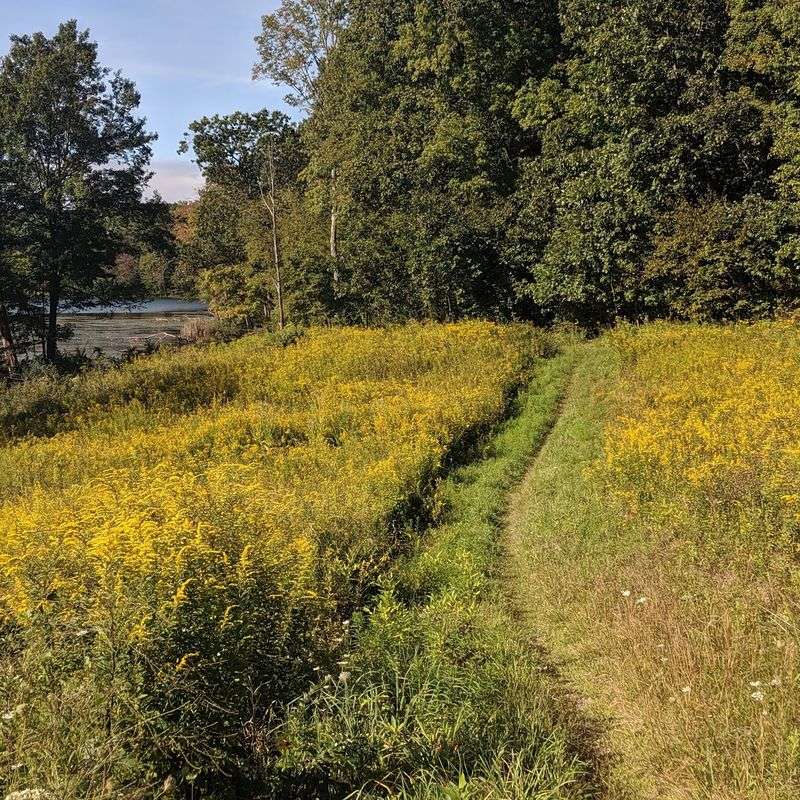
A small airport inside a state park is a useful reminder that peaceful does not always mean silent. Aeroflex–Andover Airport is part of this Sussex County landscape, so aircraft activity can punctuate a visit near the lake.
Keep that in mind when choosing where to walk, then appreciate the broader mix of glacial lakes, limestone outcrops, woodland, and former railroad routes. The Sussex Branch Trail provides an option for visitors who prefer a rail-trail outing, while other paths let you build a walk around the park’s varied terrain.
That flexibility is the main reason to consider Kittatinny Valley for a weekday escape. You can choose a straightforward stretch, add distance if you feel energetic, or linger near the water without committing to a strenuous summit.
Bring a map and settle on a route that matches the kind of afternoon you want. Trail runners, cyclists, and walkers may still share the paths, so a little courtesy keeps the relaxed pace intact.
Near the airport, follow signs and respect gates; the runway is an active facility, not part of the walking route. Rather than promising hushed wilderness, this park offers an appealing combination of space, accessible walking choices, and changing scenery.
Pick a nonholiday weekday, avoid rushing through the interesting bits, and let the lakes and trail network do the work.
10. Swartswood State Park: Choose the Lake’s Quieter Side
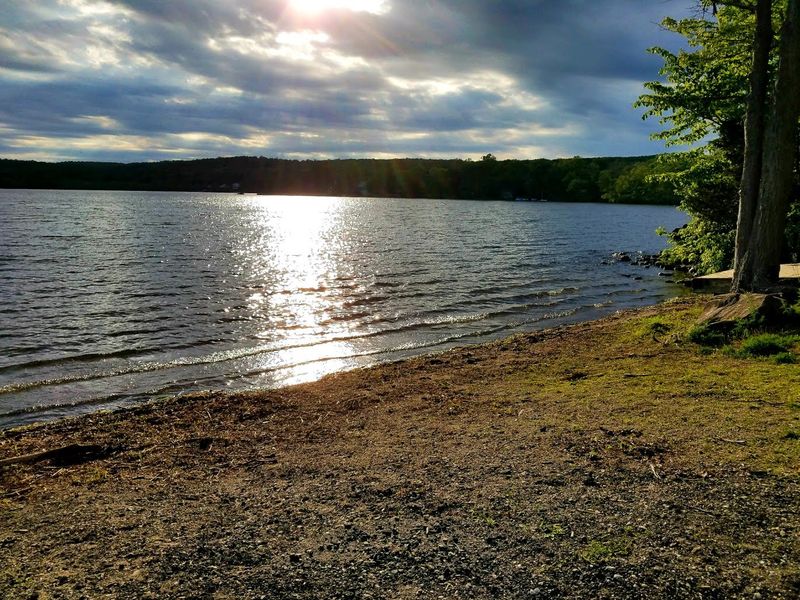
New Jersey’s first state park was established in 1915 to protect public access to Swartswood Lake. More than a century later, the water remains the reason to come.
For a visit aimed at quiet, build your day around the shoreline, a woodland walk, or a paddle rather than making the swimming beach the automatic destination. Summer beach activity can change the mood quickly, even during the week.
Boats on the lakes are restricted to electric motors, a detail that makes this a particularly appealing place for visitors who enjoy time on the water without gasoline-powered boat traffic. If you bring a kayak or canoe, use the designated launch areas and choose conditions suited to your experience.
Staying on land works just as well. A 1.5-mile loop near the southern end of Swartswood Lake offers a manageable walking option, and there is no rule requiring you to fill the rest of the day with more mileage.
Bring lunch, spend time looking across the water, and let a short outing remain short if that feels right. Spring, autumn, and nonholiday weekday mornings are sensible times to consider when avoiding beach-centered activity matters most.
The attraction here is wonderfully straightforward: a lake with public access, walking opportunities, and enough reason to sit still for a while. Sometimes that is the entire itinerary you need.
11. Parvin State Park: Take the Scenic Loop Slowly
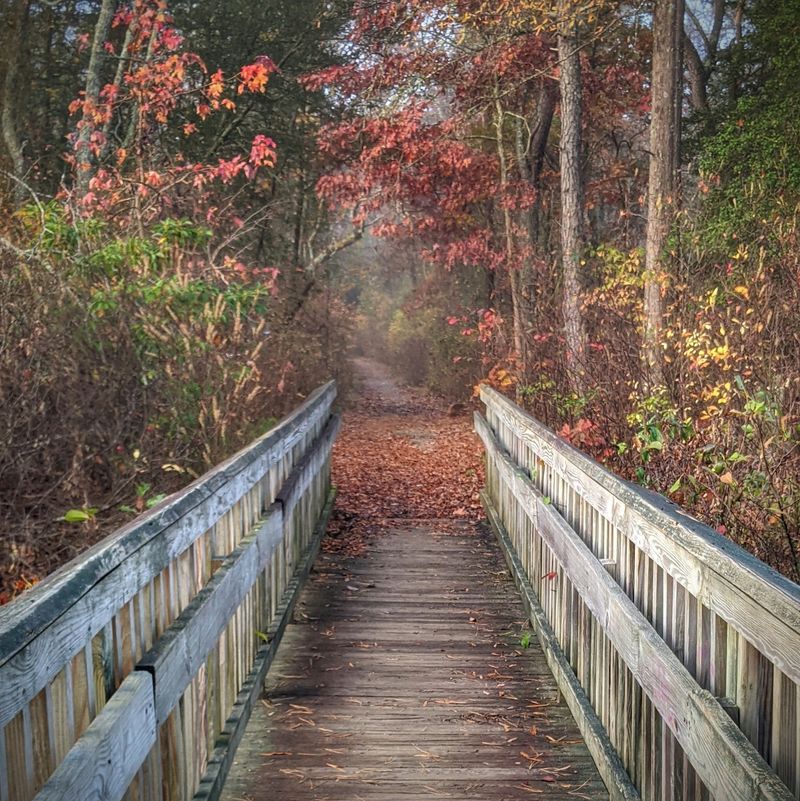
Pine forest, hardwood swamp, and open water give this Pittsgrove park more variety than a quick glance at the map suggests. Parvin Lake and Thundergust Lake provide the water, while roughly fifteen miles of multiuse trails offer different ways to explore the surrounding woods.
For a weekday visit, choose one lake as your focus instead of trying to sample everything. The mapped Parvin Lake route is about 3.1 miles, making it a useful option for walkers who want a substantial outing with a clear organizing feature.
Thundergust offers another reason to look beyond the most obvious beach-centered plan. The park’s mix of habitats also makes birdwatching worthwhile, particularly if you are willing to stop rather than keep a steady marching pace.
Listen at transitions between woods and water, and let those pauses become part of the walk. Swimming, camping, and other recreation mean Parvin can attract plenty of visitors, so weekday quiet is best pursued through route choice and timing.
Avoid assuming that an active summer beach will feel secluded simply because it is Wednesday. Away from that activity, the forest and lakes supply a different experience.
Pack water, use footwear suitable for the trail conditions, and leave room in the schedule for an unplanned rest. This is a good park for a full morning outdoors without needing either a summit or a complicated adventure to justify the trip.
12. Corson’s Inlet State Park: Find the Shore’s Softer Volume
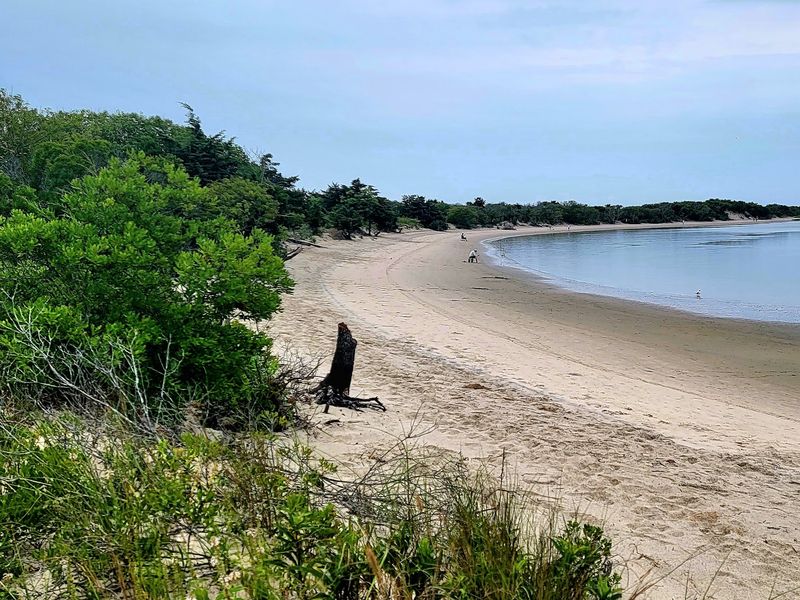
At Ocean City’s southern end, dunes and undeveloped beachfront offer a different Shore outing from the boardwalk routine. Here, the landscape includes sandy shoreline, estuary habitat, and areas protected for nesting birds, giving walkers plenty to observe without shops or rides setting the pace.
Choose a weekday morning outside peak summer activity and approach the visit as a coastal walk. Look at the changing line of the water, watch birds from a respectful distance, and allow more time than the mileage suggests.
Walking through sand takes effort, and exposed stretches can feel very different depending on wind and temperature. Bring water, sun protection, and a layer when the forecast calls for it.
Protected nesting areas are an essential part of the park’s purpose, so respect fencing and seasonal restrictions rather than seeking a shortcut or a closer photograph. Stay on permitted routes and enjoy the wildlife from there.
Swimming is prohibited, making this a place to plan around walking, observation, or appropriately permitted fishing rather than a beach-swimming afternoon. The inlet and boat access can still draw visitors, so complete solitude should never be assumed.
What earns Corson’s a place on this list is the chance to experience a less developed coastal setting on a quieter day. Let the dunes, shorebirds, and movement of the tide hold your attention, and the Shore can feel surprisingly spacious.
Share this story