A train stop in Dennison, Ohio, holds a story much bigger than its small-town setting suggests. The Dennison Railroad Depot Museum shows how railroads shaped a community and how local volunteers welcomed troops during World War II.
Between its historic depot, railway cars, and hands-on activities, there is plenty to keep both adults and children curious. Come for the trains, but leave remembering the people.
1. A Historic Depot With a Bigger Story
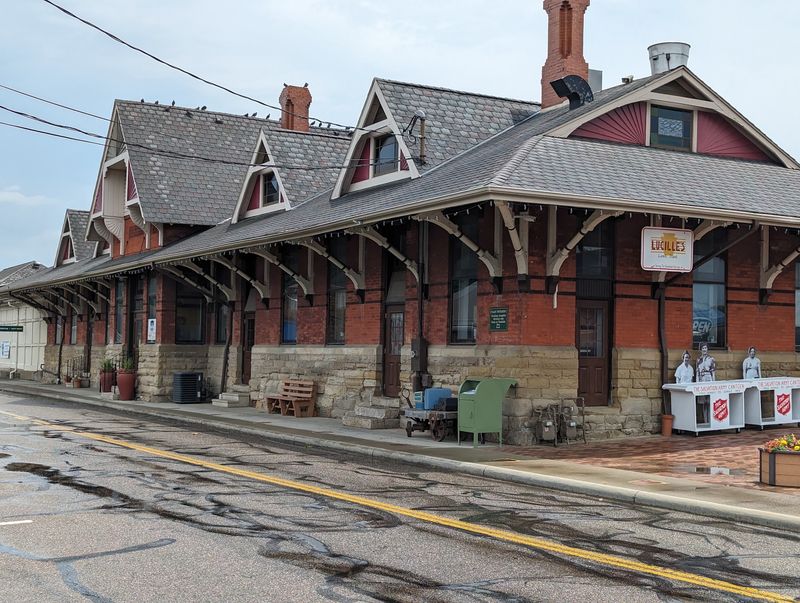
Before you look at a single display, the depot itself sets the mood. Standing beside the tracks in Dennison, it reminds visitors of a time when railroad stations connected small communities with the wider world.
The museum uses both the restored depot and railway cars to tell its story. That setting makes the visit feel different from walking through an ordinary building filled with glass cases.
Start with the staff’s introduction, when available, rather than rushing straight toward the trains. A little background helps explain how the exhibits connect railroad work, local life, and military service.
Outside, take a moment to study the building and its relationship to the tracks. Then head indoors ready to look beyond engines and equipment.
The most rewarding part of this museum is discovering how one busy stop became a place remembered for kindness, hard work, and community pride that still matters to visitors arriving here today.
2. The Canteen That Made Kindness Count
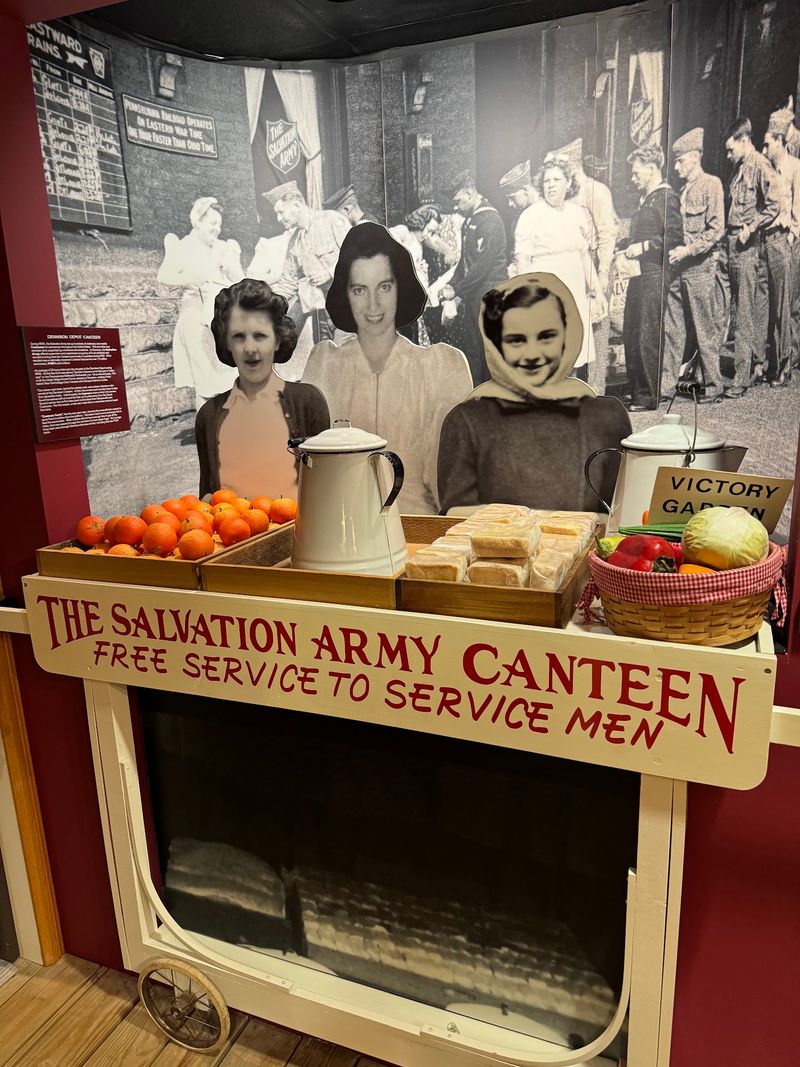
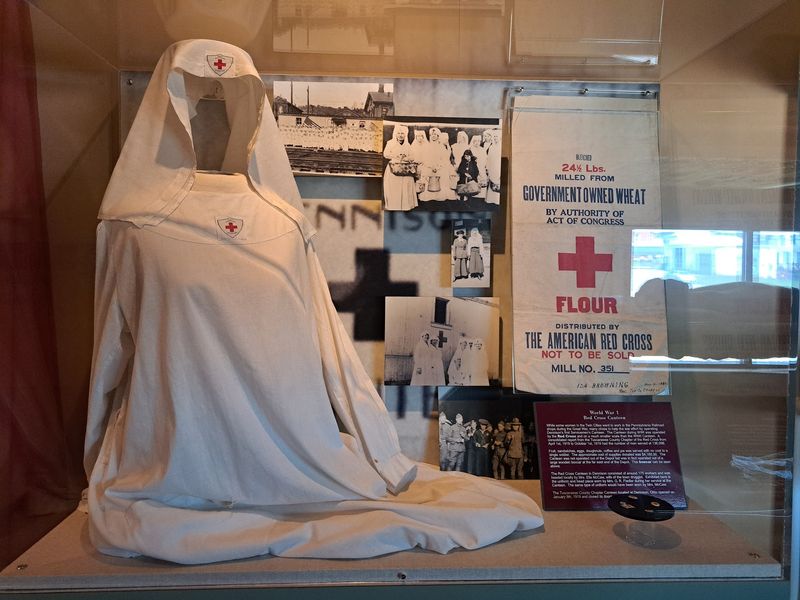
A sandwich can seem like a small thing until you imagine receiving one far from home. During World War II, volunteers in Dennison offered food and friendly greetings to troops passing through by train.
The museum’s canteen story gives that simple act its proper weight. Feeding travelers meant gathering supplies, preparing food, and showing up again and again while wartime shortages made everyday tasks harder.
Instead of treating the canteen as a quick side exhibit, give yourself time to understand the people behind it. Look for details about volunteers and the community effort that kept the welcome going.
Families can use this section to talk about helping others without expecting anything in return. Ask children what they would pack for someone facing a long journey.
Suddenly, a story from decades ago becomes easy to understand: ordinary neighbors used what they had to make strangers feel cared for during a frightening, uncertain time.
3. Why Soldiers Remembered Dreamsville
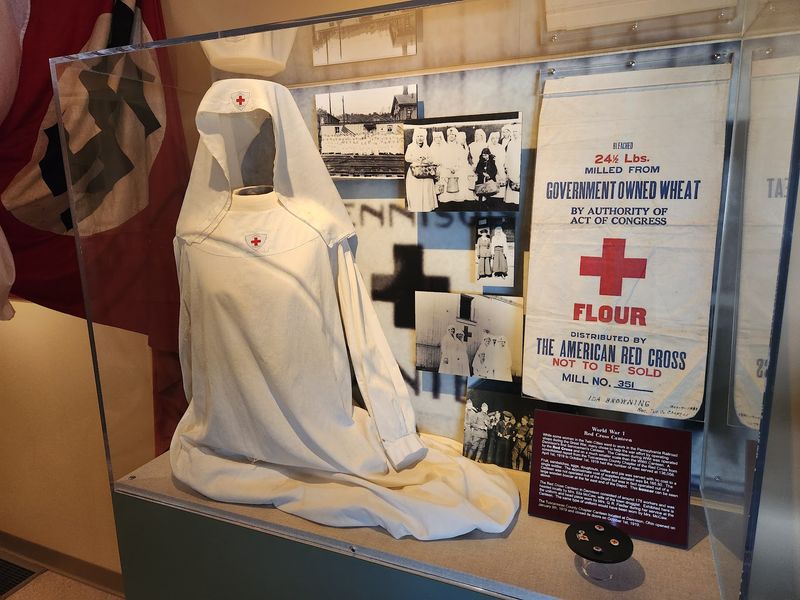
Dreamsville sounds like a nickname from a storybook, but here it carries real meaning. Troops came to associate Dennison with the welcome they received during their journeys, and that memory remains central to the museum.
For someone facing military service, a friendly face and a meal could break up hours of worry. The exhibits help visitors see the depot through those travelers’ eyes rather than only as a transportation stop.
Watch for personal stories, photographs, and other material that connects broad wartime history with individual experiences. When a detail catches your attention, pause long enough to consider the person behind it.
You do not need a deep interest in trains to appreciate this part of the visit. It speaks to anyone who has missed home or needed encouragement.
Remembering the Dreamsville name afterward is also a simple way to keep Dennison’s remarkable tradition of hospitality alive beyond the museum’s walls today, too.
4. Railroad History You Can Walk Through
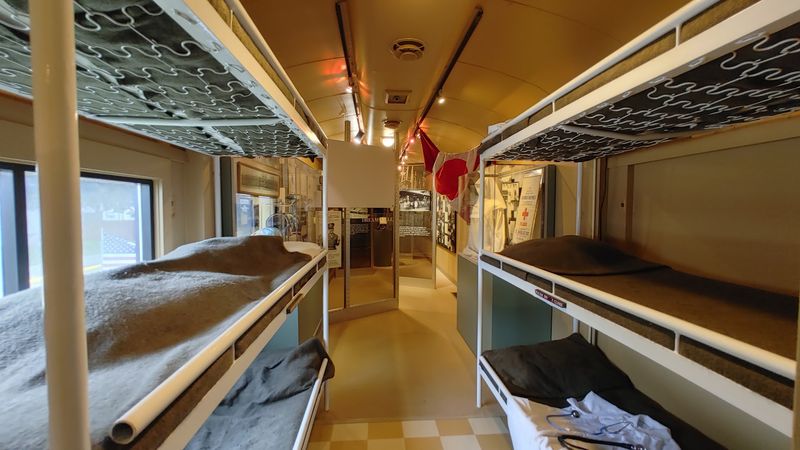
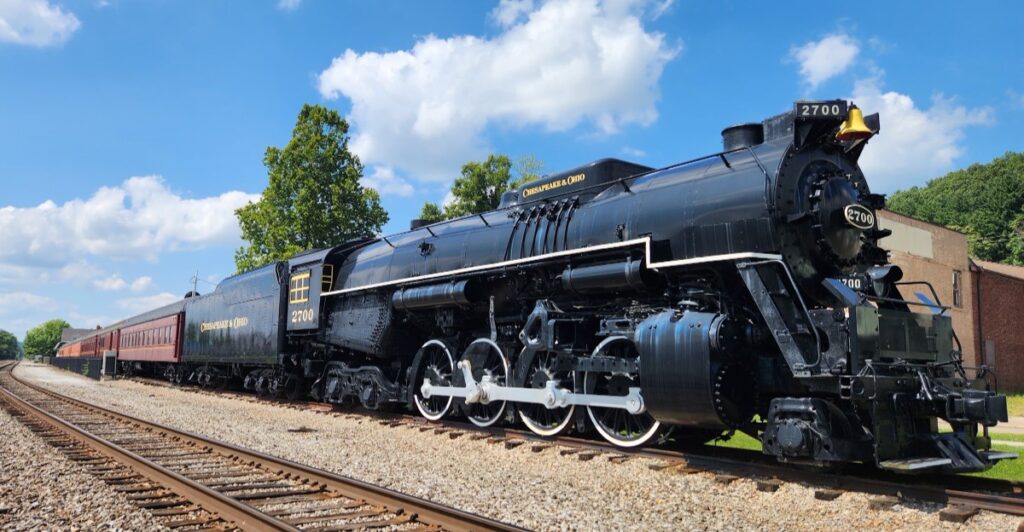
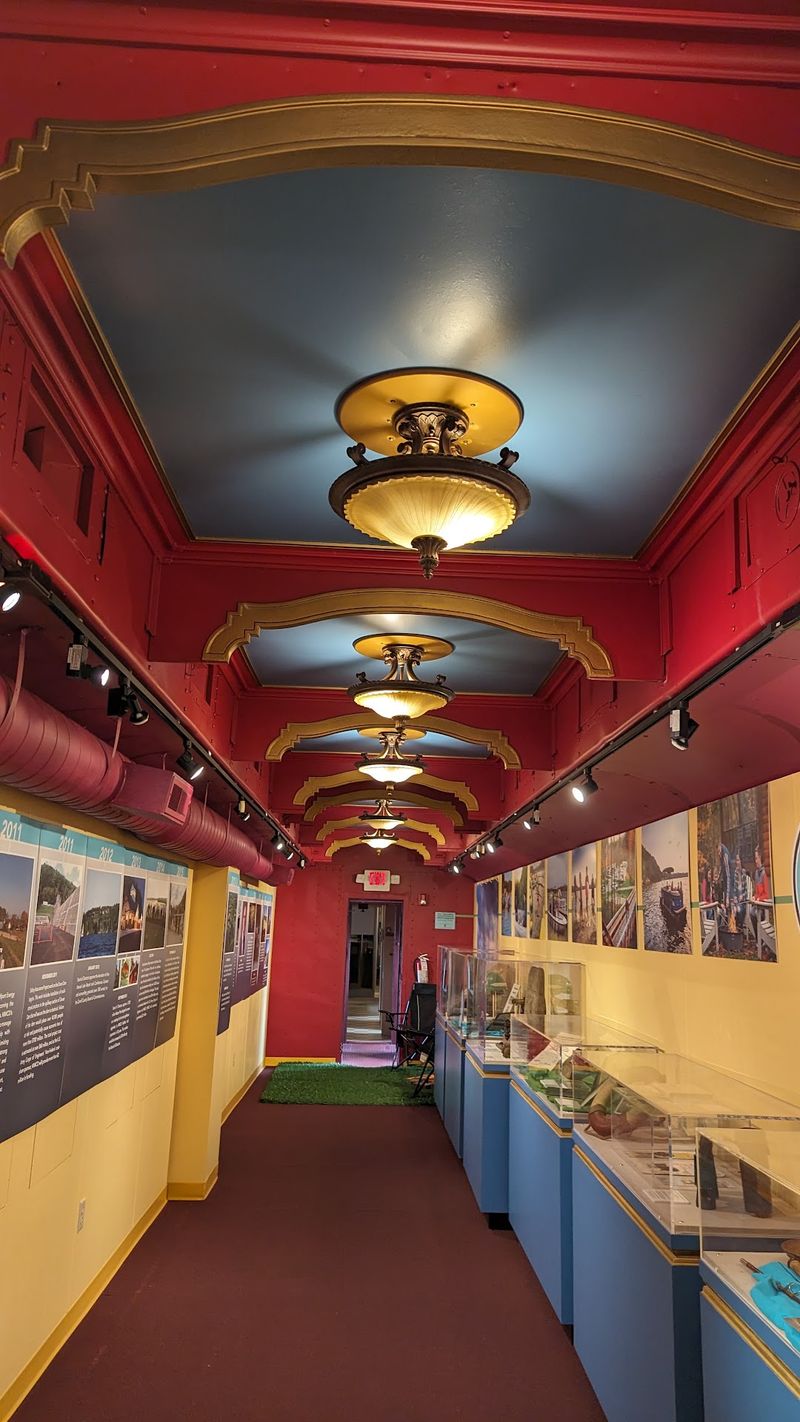
Walking into a railway car changes how you picture travel in the past. The narrow spaces and long layout give railroad history a physical shape that photographs alone cannot provide.
Several cars form part of the museum experience, with interiors used for exhibits or historical interpretation. Keep in mind that an exhibit car may have been adapted for displays rather than preserved exactly as passengers once knew it.
That distinction makes the visit more interesting, not less worthwhile. Notice the structure around the exhibits, and ask staff which features are original, restored, or arranged to explain a particular story.
Move at an easy pace through the cars, especially when visiting with children or someone who needs extra time. Doorways and passageways deserve attention.
Seeing history inside actual railway equipment helps you understand both the appeal of train travel and the practical limits that shaped daily life aboard these long, connected spaces years ago.
5. A Hospital Car With a Human Connection
Not every railway journey was about reaching a vacation or returning to work. The museum’s hospital car brings attention to the movement and care of injured service members, adding a serious note to the visit.
Visitors have singled out this exhibit as especially memorable. Its setting helps explain how a train could serve a medical purpose while carrying people who needed treatment and support.
Take your time here rather than treating the car as another stop on a checklist. Consider how limited space, movement, and the needs of patients would have affected the work of medical staff.
For younger children, keep the conversation simple and reassuring: some trains helped people receive care. Older visitors may find themselves thinking about recovery, duty, and the workers whose efforts happened away from the battlefield.
The exhibit broadens the museum’s story by showing that railroad service could involve comfort and healing as well as transportation itself.
6. Hands-On Discoveries for Young Visitors
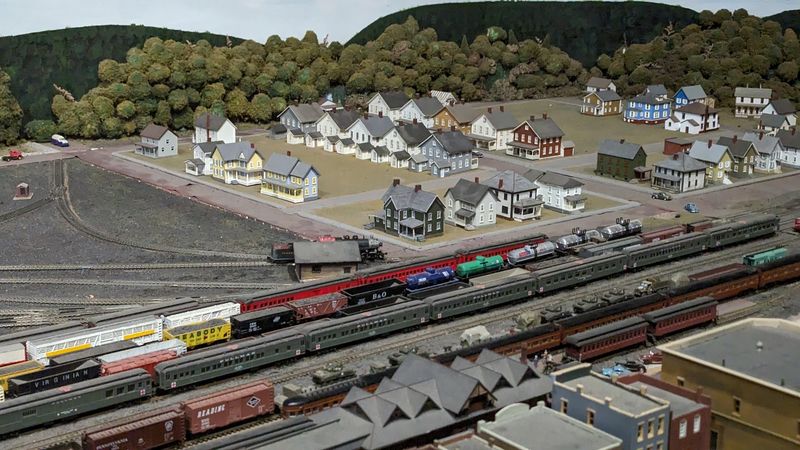
Little train fans do not always want to stand still and read labels. Fortunately, visitors regularly praise the museum’s interactive features and scavenger hunt for giving children something active to do while exploring.
Ask at the entrance whether the hunt is available during your visit. Having a few things to find can turn wandering into a mission and help younger guests notice details they might otherwise pass.
Let children set the pace for part of the tour, but leave room for adults to enjoy the history too. Taking turns choosing the next display can keep everyone involved without making the outing feel like homework.
Follow posted instructions about what can be touched, since hands-on activities and historic objects have different rules. A successful family visit does not require reading every panel.
Finding one surprising object, finishing a search, and sharing a favorite discovery can make the day memorable for the whole family together.
7. Small Details That Reward a Slower Look
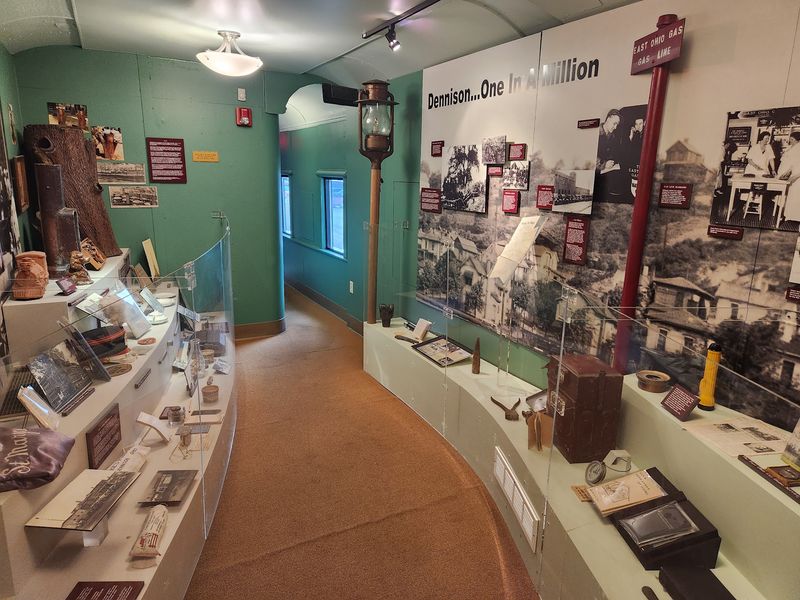
Big railway equipment may draw you in, but smaller objects often hold your attention. Visitors describe a museum packed with details, including material that helps explain railroad work and life in the surrounding community.
Rather than trying to absorb everything at once, choose a few displays that match your interests. A photograph, tool, or personal item can open a much larger story when you stop to examine it.
Some reviewers have wanted more explanation beside certain objects. If a label leaves you wondering, ask a staff member or volunteer instead of guessing what an item was used for.
Allow roughly two hours if you enjoy reading and looking closely, while recognizing that your pace may differ. A shorter visit can still be worthwhile, but extra time gives the collection room to surprise you.
The pleasure here comes from noticing connections, not from racing past every case before heading back through the exit doors.
8. Holiday Magic Aboard the Polar Express
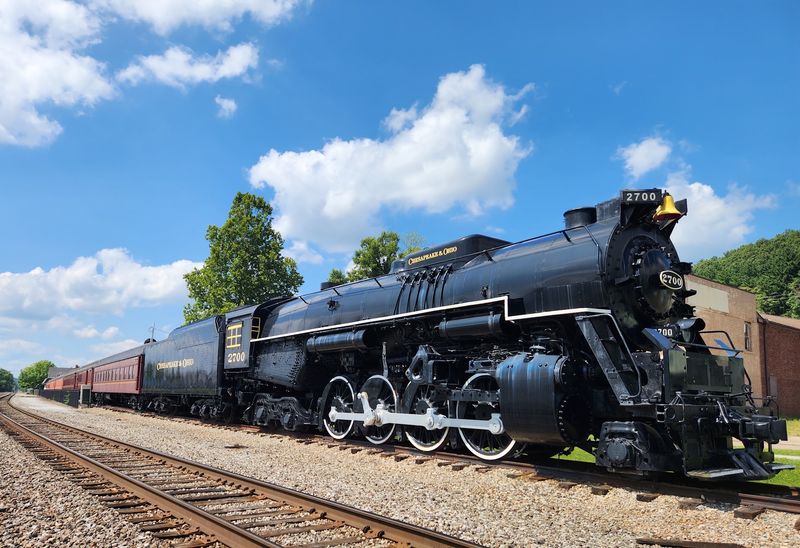
Pajamas, excited children, and a train ride give the museum’s Polar Express events a very different energy. Many families describe these seasonal trips as a highlight, with festive activities making the journey part of the fun.
Past reviewers mention cocoa, cookies, songs, and visits from Santa. Treat those accounts as examples of previous experiences, not promises about every future departure or ticket package.
Check the museum’s official event information for current dates, seating choices, prices, boarding instructions, and included activities. Read your confirmation carefully, and leave enough time to arrive without turning a special outing into a stressful rush.
Set expectations kindly before traveling, especially with children who imagine actual snow or a literal trip to the North Pole. The attraction is a holiday story brought to life through performance and railway travel.
When families understand that playful idea, they can focus on the shared adventure rather than comparing every detail with fantasy.
9. Friendly Guidance and Thoughtful Questions
A good question can uncover more than another quick lap around the exhibits. Many visitors mention helpful staff and volunteers, making conversation a useful part of the Dennison experience when someone is available.
Ask about the canteen, the depot’s railroad role, or a detail you noticed inside a car. Specific questions give people a clear starting point and can lead you toward displays that fit your interests.
Veterans may also want to ask about admission policies before arriving. Several reviews report free admission for veterans, but current eligibility and any required identification should be confirmed directly with the museum.
Visitors using wheelchairs or walkers should discuss their needs with staff as well. Reviews describe access through parts of the train exhibits, yet personal accounts cannot establish every current condition.
Checking entrances, routes, seating, and restroom access ahead of time helps make the visit comfortable without relying on assumptions about a historic railway setting.
10. An Easy Plan for Your Depot Visit
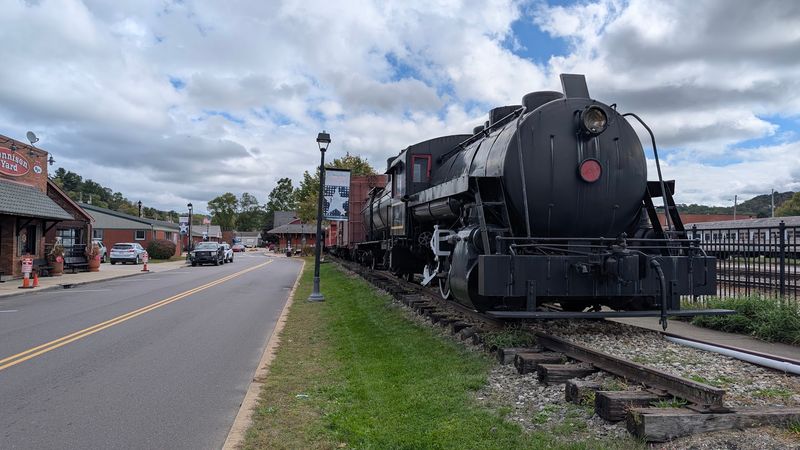
Finding the museum is straightforward: head to 400 Center Street in Dennison, Ohio. Before leaving home, check dennisondepot.org or call 740-922-6776 for current admission details, events, and any changes that could affect your plans.
The supplied schedule lists Tuesday through Friday hours as 10 AM to 5 PM. Saturday is listed as 11 AM to 4 PM, Sunday as 11 AM to 3 PM, and Monday as closed.
Confirm those hours near your travel date, especially around holidays or special programs. Museum admission and an excursion ticket should not be assumed to cover the same activities, so read booking details closely.
Plan time for the exhibits, a few questions, and perhaps a look through the gift shop. Verify parking arrangements and nearby meal options rather than counting on an onsite cafe.
With those basics handled, you can give your attention to what makes Dennison special: railway history told through a deeply human story.
Share this story