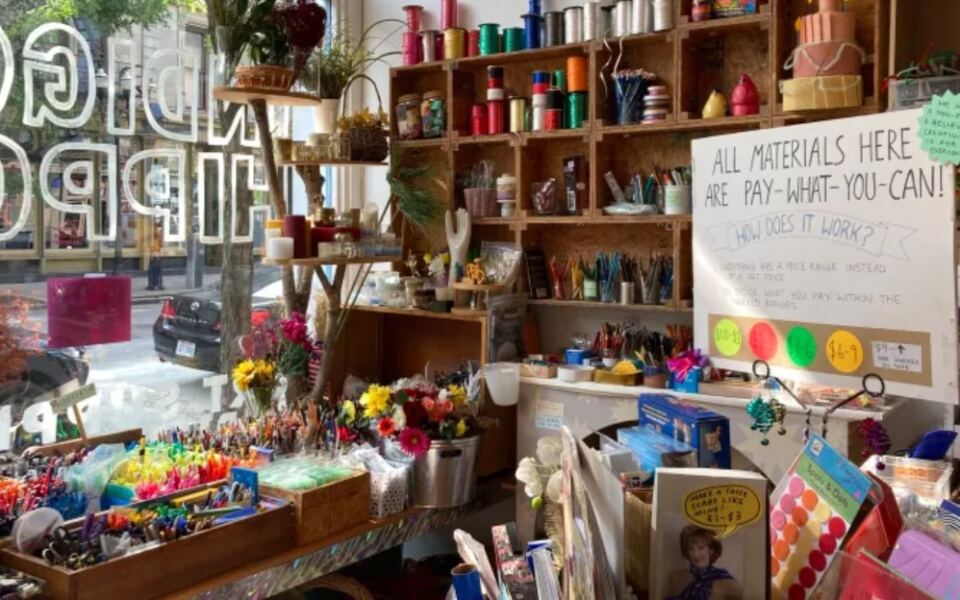
At this Ohio craft thrift store, colorful stickers help shoppers choose a price that fits their budget. Yarn, fabric, beads, and paint are all part of a pay-what-you-can system designed to make creativity more accessible.
The supplies are donated, gently used or brand new, and saved from the trash. I like how one person’s abandoned hobby becomes another person’s next big project.
This Ohio shop is a creative reuse center run as a nonprofit. The stock changes constantly, so the shelves rarely look the same twice.
I can’t imagine a better place for a curious crafter with a small budget. I’d probably walk in looking for a few scraps of fabric and leave with enough beads, yarn, and colorful odds and ends to keep me busy all weekend.
1. Your Wallet Gets A Vote On Every Price Tag
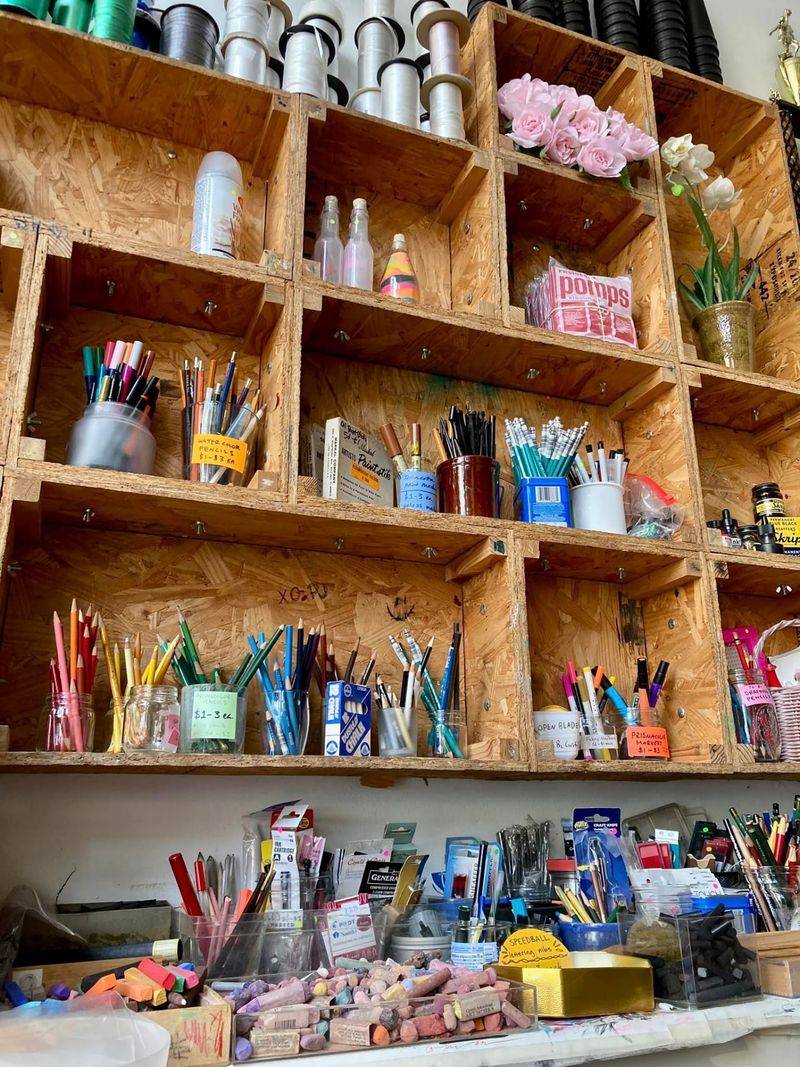
Pay-what-you-can pricing sounds like a dream until you realize it’s real. At Indigo Hippo, that model has been in place since January 2017.
Each item carries a sticker with four colors. Those colors show a sliding scale, so you get a helpful guide without a strict price tag.
You pick the spot on the scale that fits your budget. It takes the stress out of shopping for supplies you might only use once.
The idea is simple but powerful. Creativity shouldn’t depend on how much money sits in your bank account.
Students, teachers, retirees, and brand-new hobbyists can all shop the same shelves. Nobody needs to explain their situation to anyone.
If your budget feels roomy that day, paying toward the higher end helps keep the system running. If money is tight, the lower end is there for a reason.
That flexibility is the heart of the whole shop. It turns a regular errand into something that feels a lot more like community.
One small tip helps here. Take a quick look at the color guide before you start filling your basket, so checkout feels easy and fair.
2. Knitters, Bring A Bigger Bag Than You Planned
Yarn lovers know the thrill of a fresh skein. Now picture that thrill without the full retail price attached.
Knitting and yarn supplies are one of the main categories here. You can hunt for skeins, needles, and other tools that someone else no longer needed.
Since everything is donated, the colors and fibers vary from visit to visit. That makes every trip feel a little like a treasure hunt.
Got a scrappy blanket idea? Mixed skeins are perfect for granny squares, striped scarves, or patchwork projects that love variety.
Beginners benefit most. Learning to knit or crochet goes easier when practice yarn doesn’t cost much, so mistakes sting less.
Experienced makers can grab extras for stash-busting projects or charity knitting. You might stumble onto the exact shade you’ve been missing.
A smart move is to bring a project in mind. It helps you shop with purpose while still leaving room for a happy surprise or two.
Just don’t be shocked if you leave with more yarn than you expected. That’s a common side effect of affordable fiber.
3. Fabric Fans Can Stock Up Without The Guilt
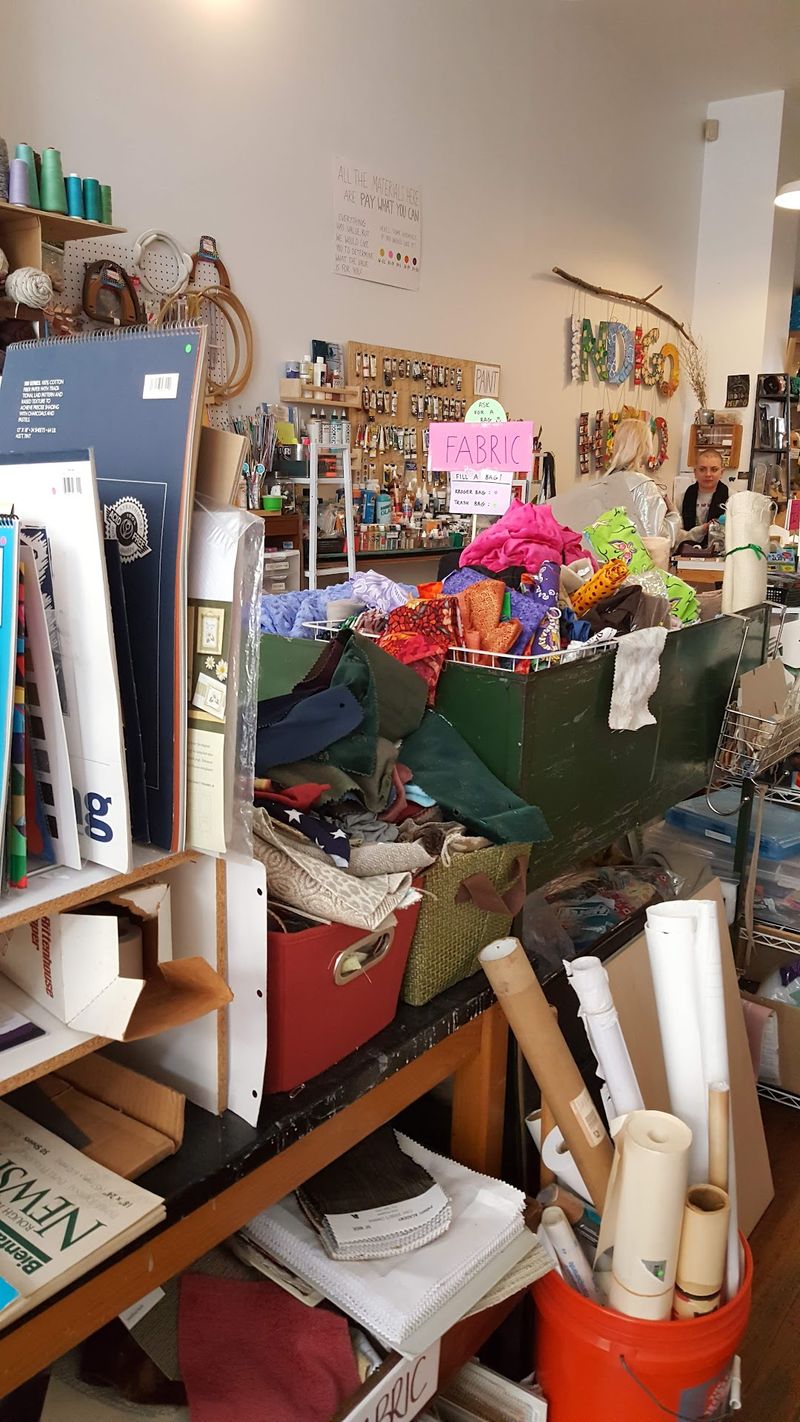
Sewing projects eat fabric fast. Quilts, costumes, and pillow covers all need yards of material that add up quickly.
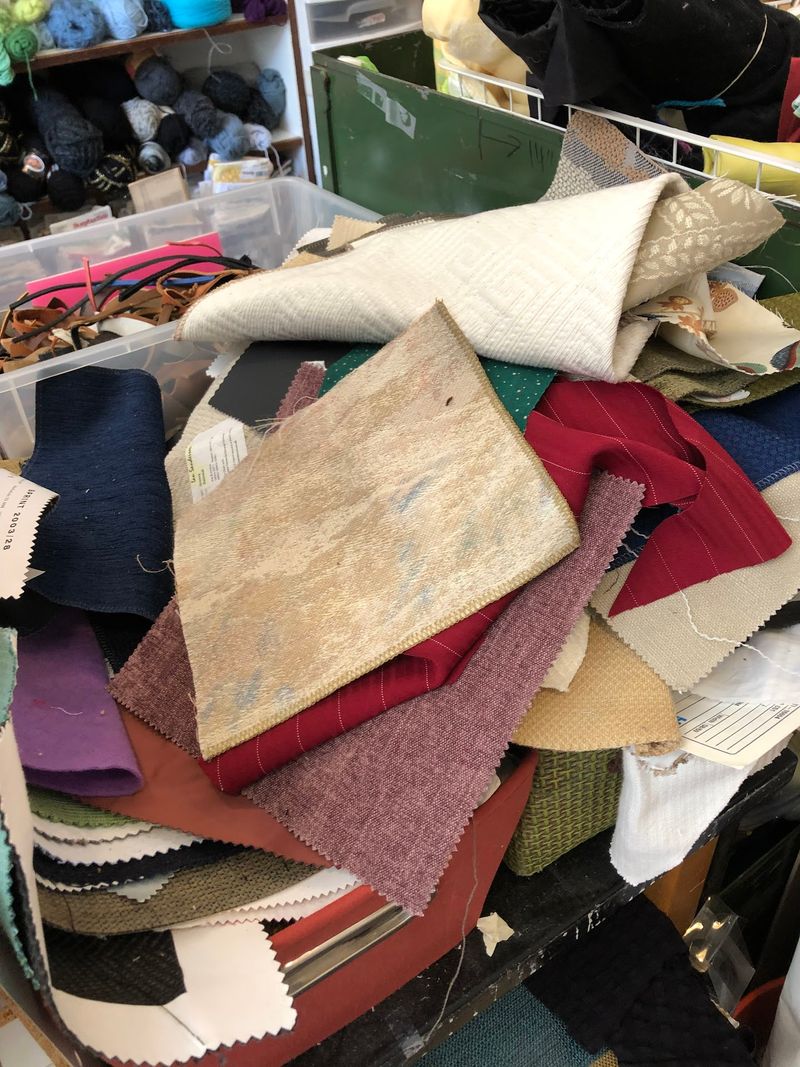
Fabric and sewing supplies have their own spot in the store. Expect a rotating mix of cloth, notions, and sewing tools brought in by donors.
Small pieces can be a big win. Scraps work great for quilting squares, doll clothes, or patches on worn jeans.
Notions are worth a careful look too. Buttons, zippers, and thread can quietly finish a project that has been stuck for months.
Buying secondhand fabric also supports the shop’s mission of reducing waste. Giving donated materials another purpose helps keep usable supplies in circulation instead of letting them go unused.
Indigo Hippo exists partly to reduce waste. Your next tote bag can help with that goal in a small but real way.
Planning a costume for a school play or a holiday party? The fabric shelves can be a budget-friendly first stop before any big-box store.
Bring rough measurements if you have them. It saves guesswork when you find something you love.
4. Beads, Stamps, And A Whole Lot Of Wonderful Odds And Ends
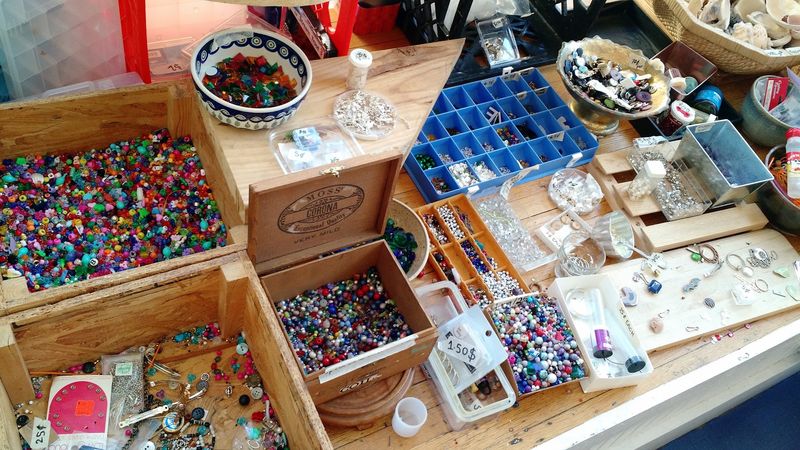
Here’s a sampling of the categories, and it’s a long one. Jewelry and beads, stamps, stickers, paper, books, picture frames, floral items, and kits all share space.
That variety is the fun part. You might come in for one thing and spot five others you didn’t know you needed.
Bead lovers can sort through supplies for necklaces, bracelets, or earrings. Stamps and stickers make card-making and scrapbooking easier on the budget.
Picture frames deserve a second glance. A thrifted frame and a fresh coat of paint can make any print look gallery-ready.
Kits are handy for kids or curious beginners. They bundle supplies together so you can start a project right away.
Floral items work well for wreaths, centerpieces, and seasonal decor. Containers help organize all your new goodies once you get them home.
The mix changes constantly. That means a quick browse now might look completely different two weeks from now.
So take your time and open the bins. The best finds often hide in the most ordinary-looking box.
5. Painters And Printmakers Get Their Own Corner Of Happiness
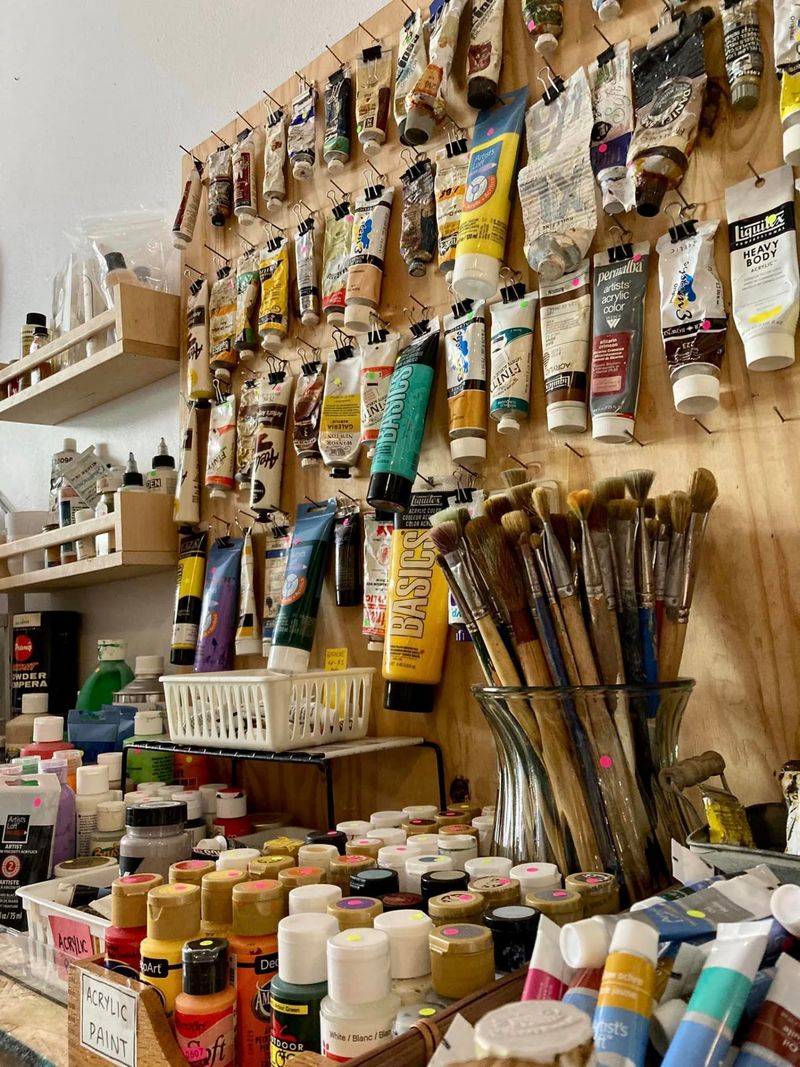
Art supplies can cost a small fortune when bought new. Paint, ink, and good brushes add up before you’ve made a single mark.
The shop carries paint and printmaking supplies, plus drawing and illustration materials. Sketchers, painters, and block printers all have something to dig through.
Trying a new medium is the perfect use for this section. Curious about printmaking but nervous about the startup cost? This is a low-risk way to test it.
Drawing tools like pencils, pens, and paper turn up regularly. Photography supplies are part of the inventory too.
Teachers can find a lot to love here. Classroom projects often need small amounts of many things rather than huge packs of one.
That’s one of the clever parts of a reuse store. You can grab just what a project needs instead of buying a full set.
It’s smart to test pens and check paint tubes before buying. Then you can head home ready to create.
Your sketchbook, honestly, has been waiting long enough.
6. Got A Closet Full Of Craft Supplies? They Have A Plan
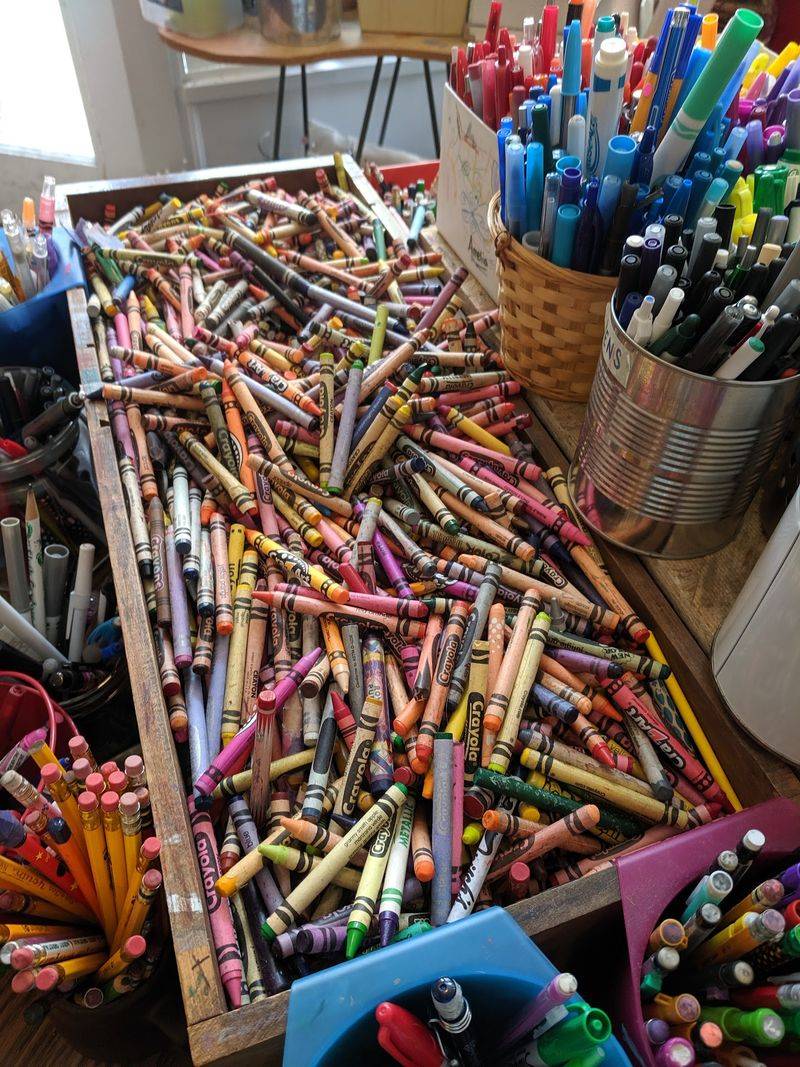
Almost everyone has a drawer of abandoned craft supplies. Half a scrapbook kit, a box of beads, maybe some yarn from a hobby that faded.
Indigo Hippo takes in gently used and new art supplies. They give these materials a second life with someone who will actually use them.
That’s the core of the creative reuse idea. Supplies leave the waste stream and land back in creative hands.
Donating feels oddly satisfying. Your forgotten paint set could become a kid’s first real art kit.
Before packing up a box, check the official guidelines for accepted items. Not every material may be a good fit, and knowing ahead saves a trip.
Wood, tile, tools, and hardware are among the categories the store carries. Office supplies show up too, so that stack of unused folders might have a future.
It’s a nice cycle to join. You clear space at home, and someone else gets to start something new.
Plus, you’ll likely browse while you’re there. Fair warning, your empty donation box may not stay empty.
7. Free Workshops Turn Leftovers Into Art
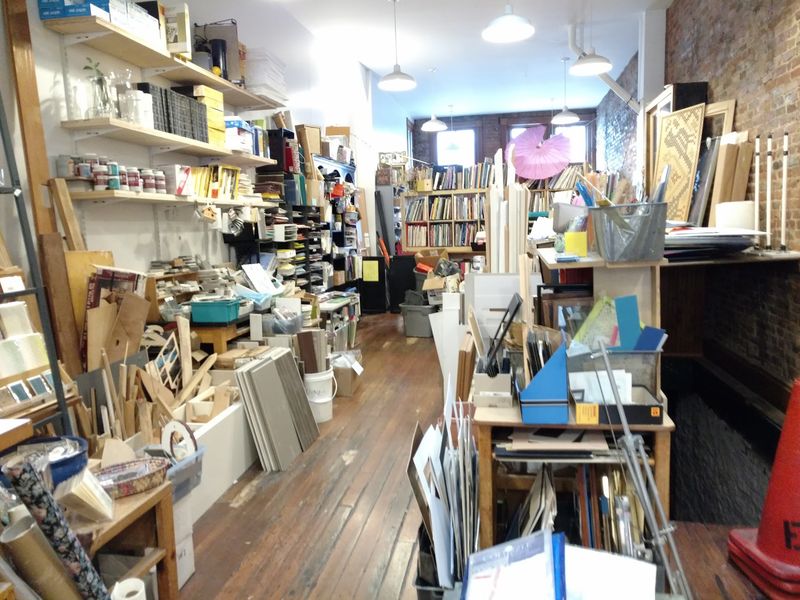
Material Play is the name, and the price is free. It’s a creative arts workshop series open to all ages and skill levels.
Participants learn new skills using upcycled materials. Indigo Hippo provides the supplies, so you just bring your curiosity.
That makes it a great family outing. Kids, parents, and grandparents can all sit at the same table and make something together.
No experience is required. If you think you can’t draw a straight line, you’re still invited.
The organization also partners with other local groups. Those collaborations help bring community-based arts programs to more people in Ohio.
Workshops are a relaxed way to try something new. You get guidance, materials, and a little push to experiment.
Dates and topics change, so check the official schedule before you plan your day. Spots and timing can vary by event.
Leftovers rarely look this exciting. A pile of scraps becomes a collage, a card, or something nobody expected, and that’s the whole point.
8. Ten Years Of Second Chances Deserves A Party
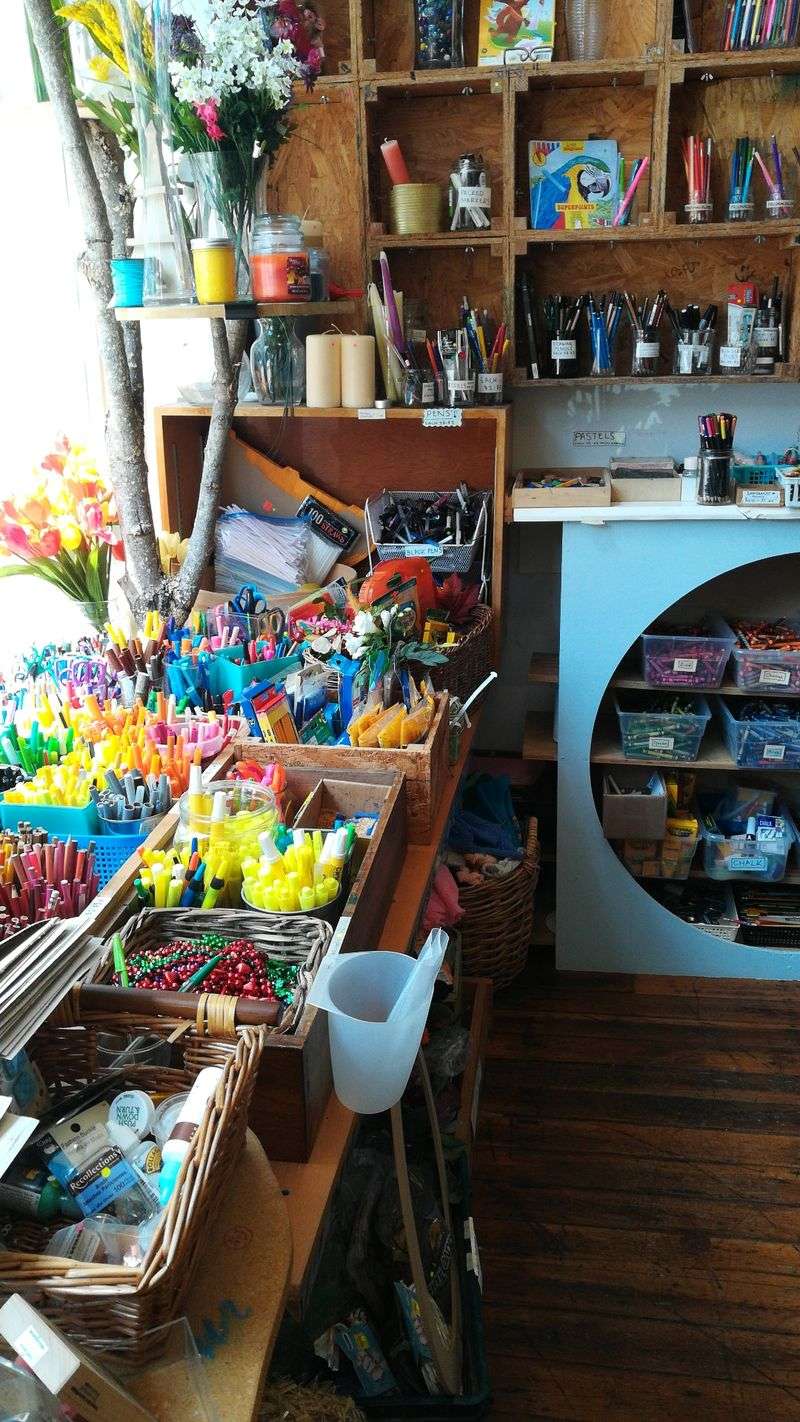
March 2016 marked the start of it all. That means 2026 is a big birthday year for this nonprofit.
Indigo Hippo marked its 10th anniversary in 2026, a milestone for a nonprofit built around giving discarded art supplies a second life. The organization began in March 2016 and has spent the past decade making creative materials more accessible to the community.
The anniversary also ties into ReMADE. That event showcases local artists and celebrates the organization’s mission.
Art lovers will appreciate the community gallery inside the store. It’s a fun reminder of what reused materials can become.
The mission itself is worth knowing. It aims to broaden access to creativity, reduce waste, and inspire a sense of possibility.
Care for the earth and for people sits at the center of that work. The organization operates as a 501(c)(3) nonprofit.
Ten years of keeping supplies out of the trash adds up to a lot of projects. Every one of them started with somebody’s donation.
The anniversary is a reminder of how much a community can accomplish through donations, creativity, and a shared commitment to reducing waste.
9. Plan Your Over-The-Rhine Craft Run Around These Hours
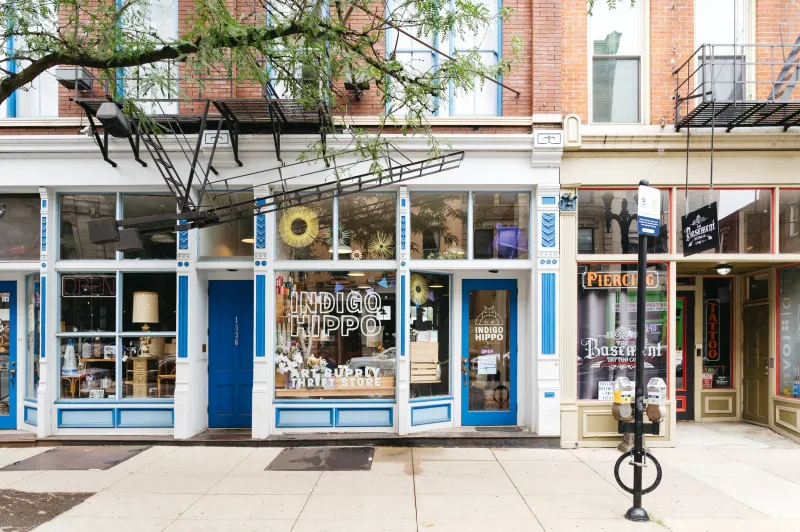
Timing matters with this shop. In-store hours run Wednesday through Saturday, from noon to 6 p.m.
You’ll find it at 1334 Main St., Cincinnati, OH 45202. That puts it right in the Over-the-Rhine neighborhood.
OTR makes a fun place to build a whole afternoon. Grab supplies, then wander the neighborhood with a bag full of project ideas.
Sunday through Tuesday, the doors stay closed. Plan ahead so you don’t show up excited and find a locked door.
Live farther north? Indigo Hippo also runs a smaller creative reuse center in Hamilton, Ohio. It operates inside Tide Pool on Shuler Avenue.
Still, the Cincinnati store is the main event for most shoppers. It holds the full rotating mix of supplies.
A few quick tips help. Bring a reusable bag, give yourself time to browse, and check for workshop dates before you go.
Leave a little room in your schedule, too. Sorting through bins of beads and yarn can eat up an hour before you even notice.
Share this story