Tennessee is packed with places where history, art, and nature are free to enjoy. From quiet gardens to battlefield trails, there is something here for every pace and every interest. Many of these spots offer benches, paved paths, and slow-moving exhibits that make a visit relaxed.
Grab a hat, charge your camera, and get ready to explore without spending a dime on admission.
1. Dixon Gallery & Gardens – Memphis
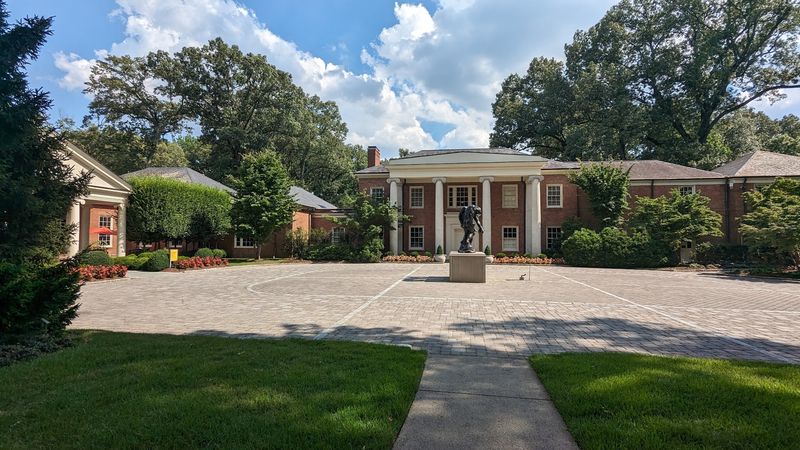
Picture a morning stroll where azaleas glow and a Monet is waiting just inside. That is the kind of day the Dixon offers in Memphis. The grounds spread across several acres of tidy paths, shady corners, and seasonal blooms.
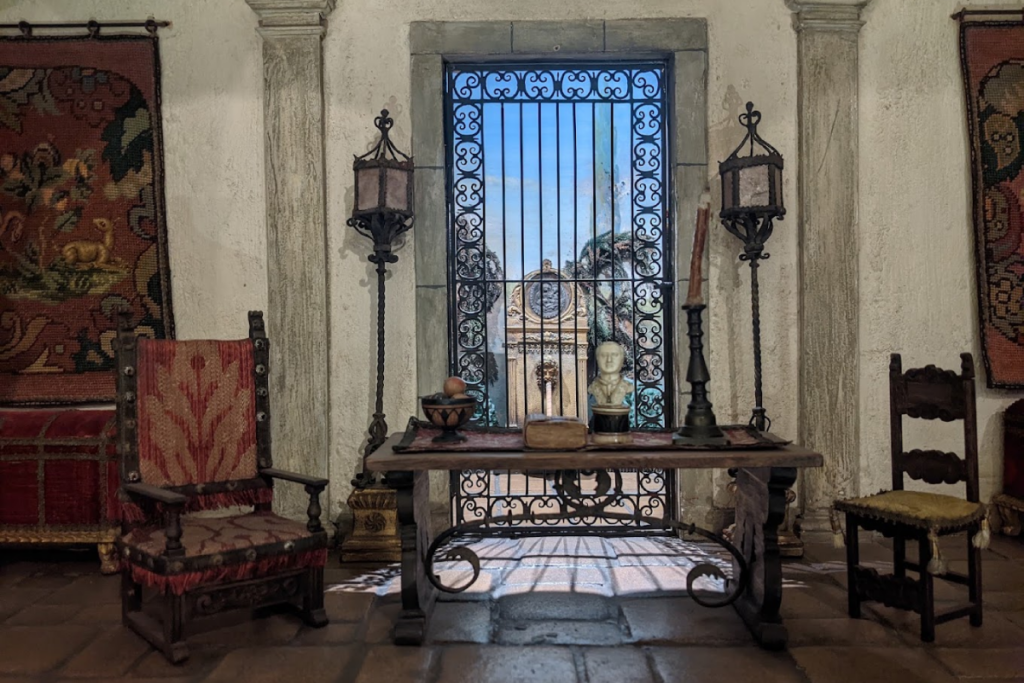
Inside, the gallery shows French and American Impressionist paintings, along with European works and decorative arts. The rooms are calm and well lit, which suits anyone who likes to linger. Seats are placed here and there, so you can rest while you look.
The gardens change with the calendar. Spring brings dogwoods and tulips, summer offers deep green shade, and fall adds warm color. Winter has its own charm, with quiet walkways and crisp air.
Check the museum’s current admission policy before you go, since free days and programs can shift over time. Many visitors like to go early, when the paths are cool and the crowds are small. Comfortable shoes help, since the garden paths are longer than they look.
Sculptures are tucked among the plantings, so keep your eyes open as you wander. A garden bench makes a fine spot for a thermos of coffee and a little people-watching. Photographers will find plenty of angles, from reflecting pools to arched tree branches.
Plan on about two hours to see the art and the grounds without hurrying. If your knees want a break, do the gallery first and save the garden for last. Memphis has no shortage of loud attractions, but this one is the soft, pretty counterpoint.
It is a lovely choice for a slow, thoughtful afternoon with a friend or grandchild.
Bring a light jacket, because gallery rooms can run cool. Ask staff about guided tours or talks, which often add stories you would never catch alone. Parking is simple, and the entrance is easy to find.
2. West Tennessee Delta Heritage Center – Brownsville
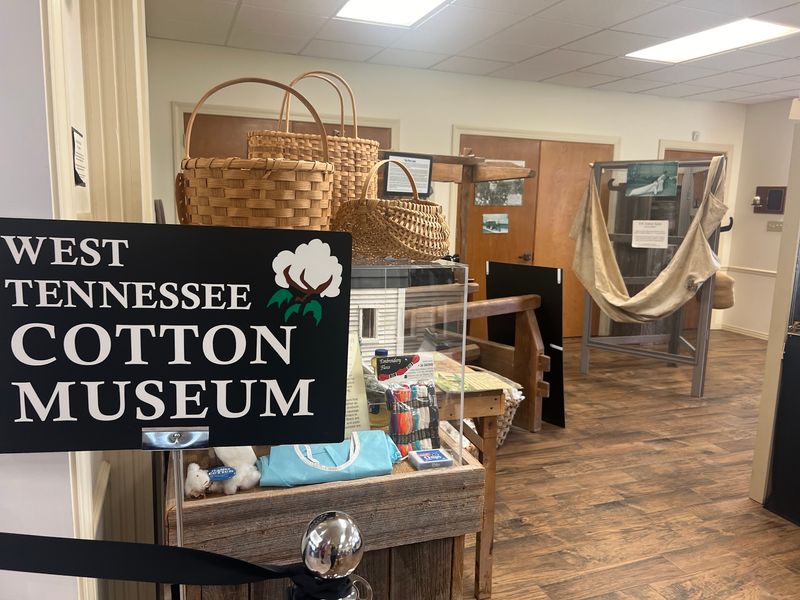
Tina Turner grew up not far from here, and her story is only one thread in this place. The Heritage Center in Brownsville gathers the music, farming, and folk life of the Delta into one friendly stop. It is the kind of museum where you leave humming.
Exhibits cover West Tennessee’s musical roots, including blues and early rock and roll. Sleepy John Estes, a blues singer from the area, gets his due. There are also displays about cotton farming and the people who worked the land.
Nearby you may find a restored Hatchie River landscape and a small local sense of place. The Sleepy John Estes home has been tied to the center’s story as well. Ask at the desk what is open the day you visit.
The building is compact, so you will not need a full day. An hour or two feels right, and the pace is easy. Seating and indoor air conditioning make it a comfortable summer stop.
The Delta region is known for its rich soil, which shaped both the economy and the songs. Listen for that connection as you move from room to room. Music has a way of explaining history faster than a textbook.
Pair your visit with a walk around downtown Brownsville and a meal at a local diner. Call ahead for hours, since small museums sometimes change their schedule. Bring a notebook if you like writing down names to look up later.
Families will enjoy it too, which makes it a good outing for a multigenerational trip. Grandparents can share their own memories of the music while the kids ask questions. It is a warm, human-sized place.
3. Shiloh National Military Park – Shiloh
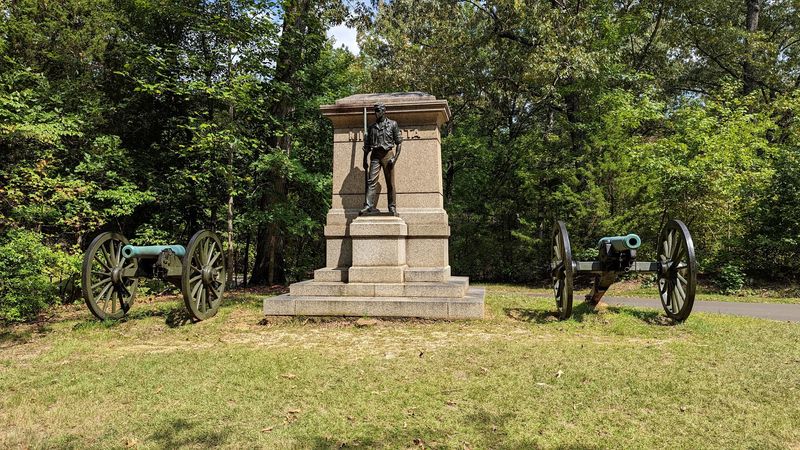
Quiet hangs over Shiloh in a way that makes people lower their voices. In April 1862, this ground saw one of the Civil War’s bloodiest battles. Today it is a calm park of fields, woods, and stone monuments.
The best way to start is the visitor center, where a short film and exhibits set the scene. After that, a driving tour links the major stops, so you can see a lot without much walking. Pull-offs are easy to use, and many have short paths.
Look for Bloody Pond, the Hornets’ Nest, and the Shiloh Indian Mounds. The mounds are a reminder that people lived here long before the war. Each stop has signs that explain what happened in plain language.
Check current entrance and fee details before you travel, since park policies can change. Bring water and a hat, because shade is patchy on open fields. Spring and fall are the most pleasant seasons.
The national cemetery sits near the river and is worth a few quiet minutes. Rows of simple markers carry more weight than any speech could. Take your time there.
If you enjoy stories, ask a ranger about programs and talks. Rangers often share details about soldiers and local families that bring the field to life. A little context turns a pretty drive into a real lesson.
Allow three or four hours for the full loop. Pack a lunch and use the picnic areas if they are open. You will leave feeling thoughtful, and likely a little hungry for more history.
4. Fort Donelson National Battlefield – Dover
Early in 1862, a general named Ulysses S. Grant demanded unconditional surrender here, and the nickname stuck with him for life. That moment happened at Fort Donelson, near the Cumberland River in Dover.
Walking the grounds, you can almost hear the echo.
The visitor center offers a good overview, with a map and exhibits that explain the fight clearly. From there, a driving route leads to river batteries, earthworks, and the Dover Hotel, where the surrender took place. Each stop is short and easy to reach.
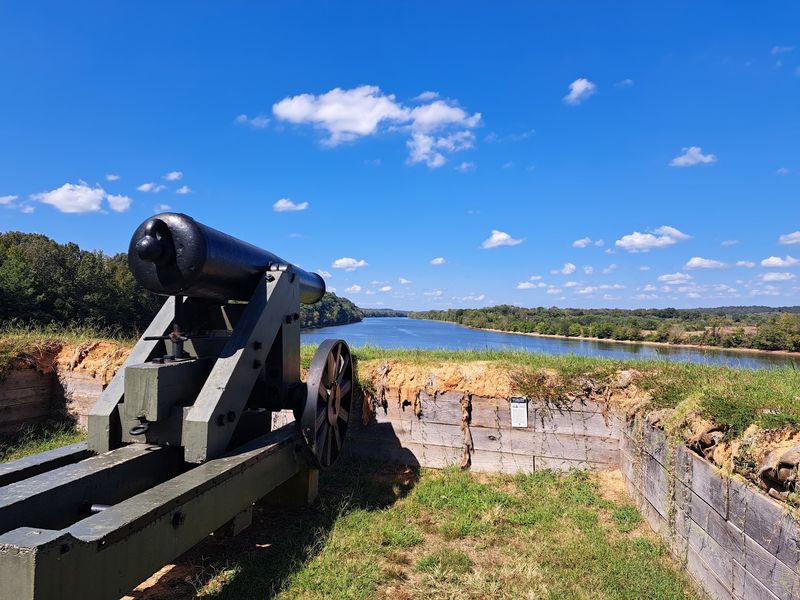
The river batteries are a highlight. Cannons point toward the water, and you can imagine gunboats approaching. The view is pretty, which makes the history feel even stranger.
There is also a national cemetery on the grounds, set in a peaceful green space. Take a slow lap and read a few names. It is a gentle way to connect with the past.
Wear sturdy shoes if you want to walk the earthwork trails, which can be uneven. If walking is tough, the auto tour still gives you plenty to see. Benches appear at several spots.
Check current hours and any fee details before heading out. Dover is a small town, so plan to bring snacks or eat early. Nearby Land Between the Lakes adds more scenery if you want to extend the day.
Two hours is enough for a solid visit. History lovers may stretch it longer. Either way, the setting by the water makes this one of the prettiest battlefields in the state.
5. Fort Defiance Civil War Park & Interpretive Center – Clarksville
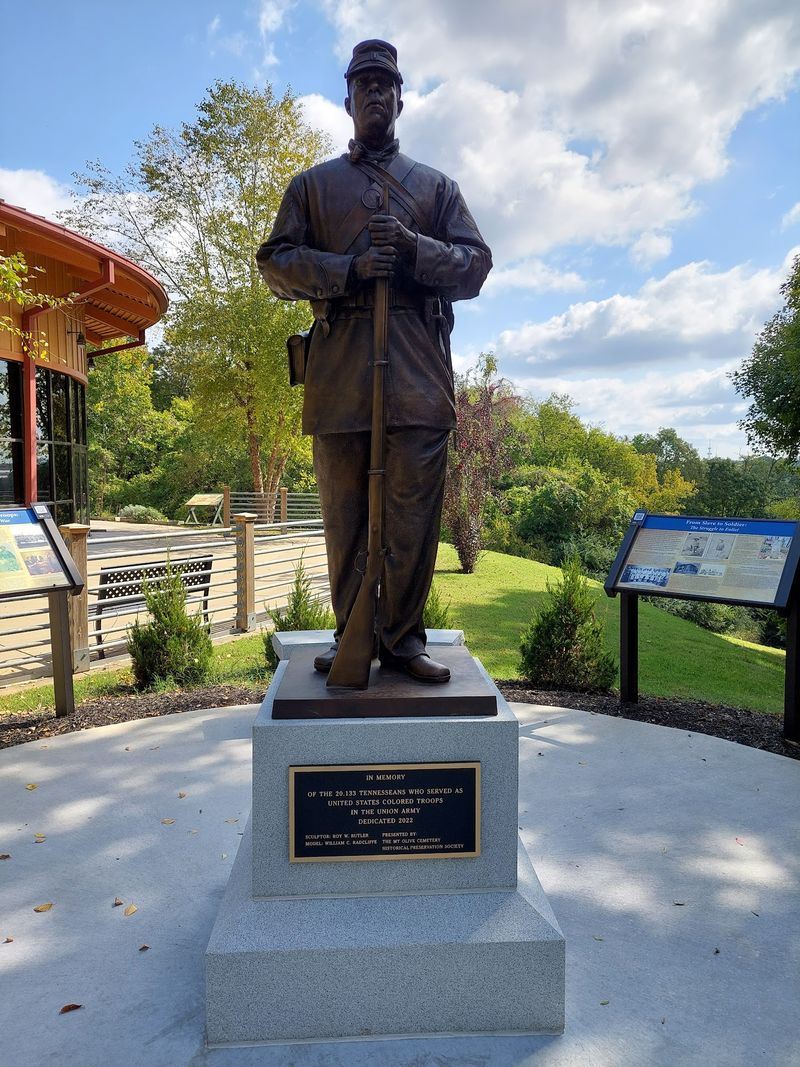
Standing on the bluff, you can see two rivers meet, and that view is exactly why soldiers wanted this hill. Fort Defiance in Clarksville sits high above the Cumberland and Red Rivers. It is a small park with a big outlook.
The interpretive center tells the story of the fort and the city during the Civil War. Exhibits are compact and easy to read, and the staff and volunteers are often glad to chat. You will learn how Union troops took over the town and how locals lived through it.
Outside, a walking path loops through the earthworks and along the overlook. The signs explain what each spot meant and where cannons once stood. The path is short, so it works for most walkers.
Here is a fun detail: the fort was built by Confederate forces but finished and used by Union troops. That switch makes the site a neat example of how fast things changed in 1862. It is the kind of fact that sticks with you.
Go on a clear day for the best views. Late afternoon light turns the rivers golden, and photographers love it. Bring binoculars if you enjoy spotting birds or boats.
Check hours before you drive, since the interpretive center may not keep daily schedules. Parking is easy, and the grounds are tidy. A small gift area may offer books about local history.
Plan on an hour or so. Afterward, head downtown for a coffee and a stroll. It is a nice small-city outing with real history behind it.
6. Tennessee State Museum – Nashville
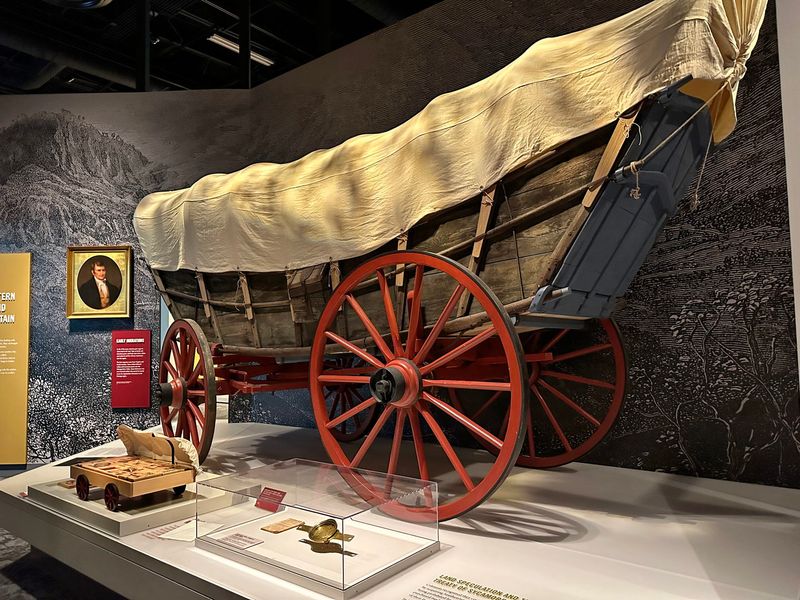
Few places let you walk from prehistoric times to the modern era in a single afternoon. The Tennessee State Museum in Nashville does exactly that. Admission has long been free, which makes it a great value.
The story begins with early peoples and moves through frontier days, statehood, and the Civil War. Later galleries explore music, politics, and everyday life. Timelines and maps keep things easy to follow.
Look for artifacts such as old tools, flags, and household items. Each one has a short label that explains why it matters. You do not need to be a history buff to enjoy it.
The museum is laid out on a smooth, level floor with elevators and seating. That makes it friendly for slower walkers. Take breaks whenever you like, and use the benches near the larger displays.
Start at the beginning and follow the order. The story builds, and later rooms make more sense after the early ones. If time is short, pick two eras and enjoy them fully.
The museum sits near Bicentennial Capitol Mall State Park, so you can pair your visit with a walk outside. The park has a big map of the state and a fountain walk. It is a pleasant way to stretch your legs.
Allow two to three hours. Check hours and any special exhibit fees before you go. A cafe or nearby spots can handle lunch.
Grandkids often enjoy the hands-on features, so bring them if you can. It is a smart, welcoming stop in a busy city.
7. Stones River National Battlefield – Murfreesboro
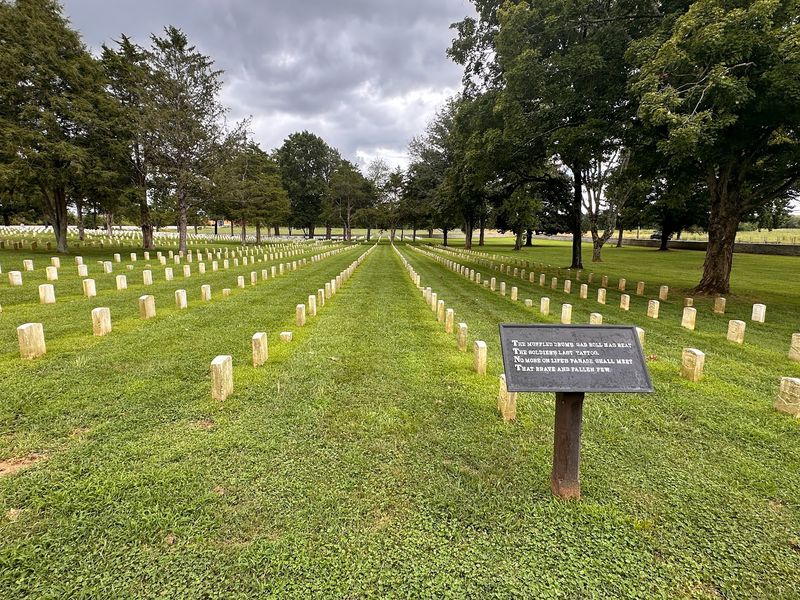
Right in the middle of a busy city, a quiet field tells a big story. Stones River National Battlefield in Murfreesboro marks a fierce fight from the winter of 1862 and 1863. It ended with a Union win that boosted spirits across the North.
Start at the visitor center, where a short film and a small museum give you the basics. Then pick a route. A tour road links the main stops, and short trails branch off.
The Hazen Brigade Monument is a standout. It is one of the oldest Civil War monuments still standing, built of stacked stone. Seeing it in person feels different from seeing a picture.
The national cemetery nearby is neat and peaceful. Walk a few rows and notice how many markers there are. It adds weight to the numbers you read about.
The park is flat in many areas, which helps if you prefer easy walking. Paved paths and benches are available near key points. Bring water, especially in summer.
Check current hours and any fee details before you arrive. Rangers sometimes lead walks and talks, so ask what is planned. Their stories add color you will not find on signs.
Plan on two hours. If you love birds or open fields, linger a bit longer. Murfreesboro has plenty of restaurants nearby for an easy lunch afterward.
It is a compact, welcoming battlefield that does not demand a full day. That makes it perfect for a short trip with big meaning.
8. Cookeville History Museum – Cookeville

All aboard, history fans. The Cookeville History Museum is tucked into the old train depot, and that setting is half the fun. The building itself helped shape the town.
Inside, exhibits cover local families, businesses, schools, and the railroad that put Cookeville on the map. Photos and everyday objects fill the cases. You will likely spot things your grandparents once owned.
One charm of small museums is the chance to chat. Volunteers often know the stories behind each item and may share a few. Ask a question and see where it goes.
The depot area is part of a walkable downtown. After the museum, stroll past shops and murals. There is a relaxed, small-town rhythm that makes lingering easy.
Local museums preserve details that big museums skip. Names of old stores, school mascots, and neighborhood nicknames all live here. That makes it a treasure for anyone with roots in the Upper Cumberland.
Hours may be limited, so check before you go. The building is small, and a visit might take an hour. That leaves time for lunch or a coffee nearby.
If you enjoy trains, look for photos and artifacts that show the depot’s busy days. Imagine travelers stepping off with suitcases and big plans. It adds a little romance to your visit.
Bring a camera for the depot exterior, which has classic lines. Parking is nearby and simple. It is an easy, friendly stop that rewards curiosity.
9. Sculpture Fields at Montague Park – Chattanooga
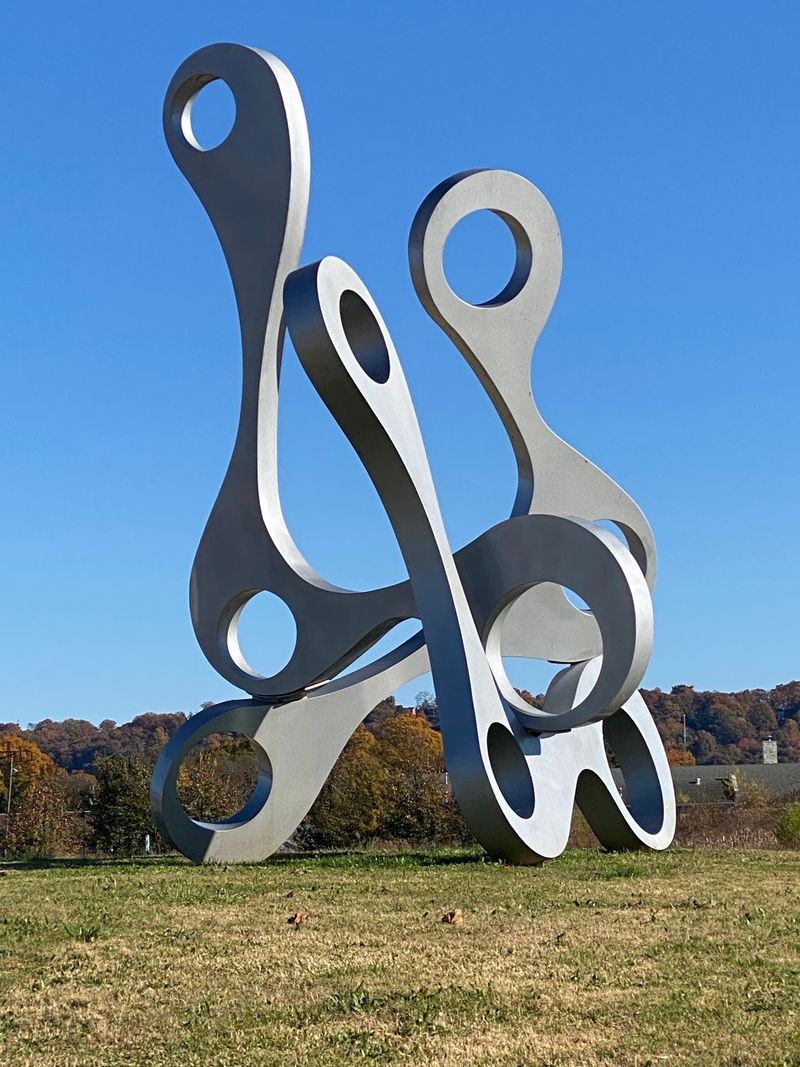
Imagine an art museum with no walls and no ceiling. Sculpture Fields at Montague Park in Chattanooga is just that. Big, bold pieces sit across open grass, and you wander from one to the next.
The park mixes art with green space, so it feels like a picnic and a gallery at once. Paths curve through the hills, and many are gentle. Each sculpture invites you to circle it and see new angles.
Some works are shiny and modern, while others feel rough and earthy. Read the small signs to learn who made them and what they are made of. Then decide for yourself what they mean.
Morning and late afternoon are the best times, when the light is soft and the heat is lower. Bring a hat and sunscreen, since shade can be sparse. Comfortable shoes help on the grass.
There is no wrong way to enjoy it. You can look closely, or you can sit on a bench and watch the sky. Many visitors bring a sandwich and stay a while.
The collection changes as new pieces arrive, so repeat visits stay fresh. Check the park’s website for events and any rules. Dogs and kids are often welcome, but confirm details.
Plan an hour or two. Chattanooga’s riverfront and downtown are nearby, so you can add more stops. It is a breezy, creative outing that asks nothing but curiosity.
10. University of Tennessee Arboretum – Oak Ridge
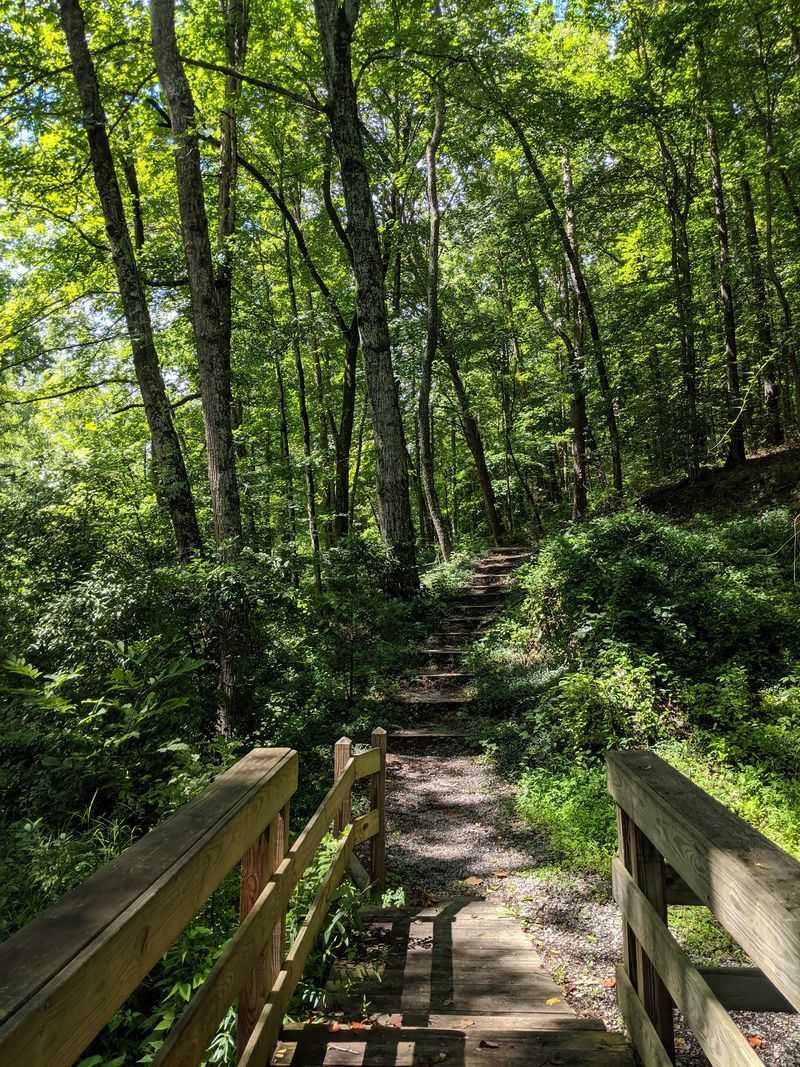
Trees come with name tags here, and that makes a walk feel like a friendly class. The University of Tennessee Arboretum in Oak Ridge is a living collection of native and planted species. Trails wind through shady woods and open patches.
Each path has its own flavor. Some are short and easy, while others stretch longer and climb a little. Pick one that matches your energy.
Spring is a favorite for wildflowers and fresh green leaves. Fall puts on a color show that rivals anything in the Smokies. Even in winter, the bare branches look sculpted.
The arboretum is used for research and teaching, so you may see signs about projects. That adds a little science to your stroll. Curious minds will find plenty to read.
Bring binoculars if you like birds. Woodpeckers, warblers, and more pass through. Sit on a bench and let the sounds settle in.
Wear good shoes, since some trails have roots and rocks. Carry water and maybe a light snack. Trail maps help you choose your route.
Check for any posted hours or access notes before visiting. The place is generally calm, so quiet mornings are easy to find. Oak Ridge also has other history sites nearby if you want a full day.
Give yourself about an hour or two. It is a refreshing break that costs nothing and gives back plenty. Leave with fresh air in your lungs and a few new tree names in your head.
11. Knoxville Museum of Art – Knoxville
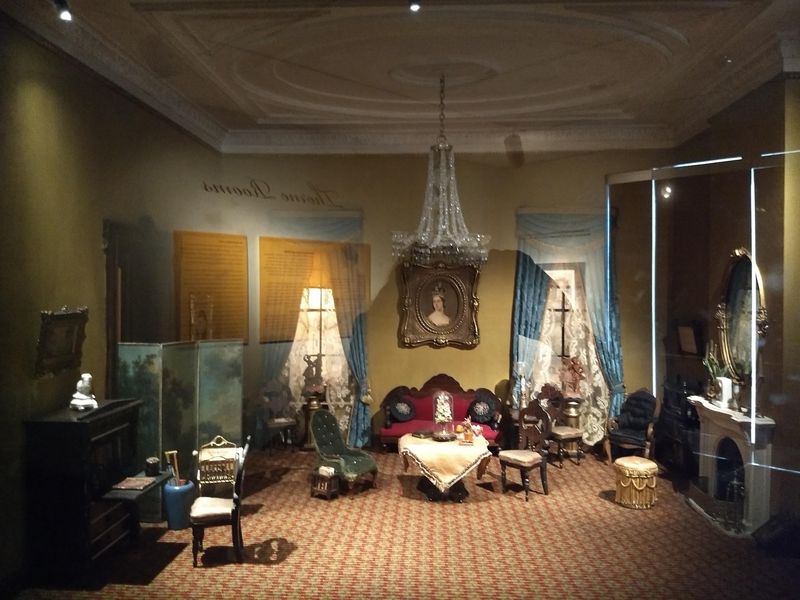
Art can be a quiet conversation, and the Knoxville Museum of Art is a good place to have one. The museum focuses on regional and contemporary work, with a strong tie to East Tennessee. Admission has been free, which keeps it welcoming.
Galleries are spacious and bright. You can take your time without feeling rushed. Seating is placed in many rooms, so you can rest and look.
One highlight is a long-running exhibit that tells the story of Knoxville and the region through art. It blends painting, sculpture, and design. You may spot a familiar landscape or local face.
The building also offers a sense of calm. Wide halls and big windows give the space an airy feel. A stop outside lets you enjoy a view of the city.
Special exhibits change through the year, so each visit can feel new. Check the schedule before you go, and look for talks or classes. Some events may have fees, so confirm details.
If art feels intimidating, here is a trick: pick one piece and study it for five minutes. Notice colors, shapes, and what mood it gives you. That small habit makes museums more fun.
Plan about ninety minutes. Afterward, Knoxville’s downtown and Market Square are close for lunch or a stroll. It is an easy, uplifting stop for a day in the city.
Bring a friend who likes to chat about what you see. Conversations make art stick in memory. You may leave with a new favorite artist.
12. Reece Museum – Johnson City

Appalachia has a lot to say, and the Reece Museum lets it speak. Located on the East Tennessee State University campus in Johnson City, this museum highlights the region’s culture and history. It is small, thoughtful, and free to enter.
Exhibits often include folk art, tools, textiles, and photography. Rotating displays keep things fresh. You might see quilts one month and mountain music the next.
The campus setting makes the visit pleasant. Tree-lined walks and brick buildings give it a classic college feel. Parking rules can vary, so check ahead.
Because the museum is compact, you can see it in an hour. That leaves energy for other stops in town. It is a good choice if you want something simple and meaningful.
Many university museums act as memory keepers for their region. They collect items that families might otherwise lose. That makes them special for anyone interested in heritage.
Staff and student workers are often happy to explain what is on view. Ask about the story behind a piece that catches your eye. You may hear something surprising.
Check hours before visiting, since university schedules shift during holidays and breaks. Bring a light layer for the cool galleries. Photography rules vary by exhibit, so look for signs.
If you enjoy mountain traditions, this stop will feel like home. If you are new to them, it is a friendly introduction. Either way, you will leave with a better feel for the hills.
13. Andrew Johnson National Historic Site – Greeneville
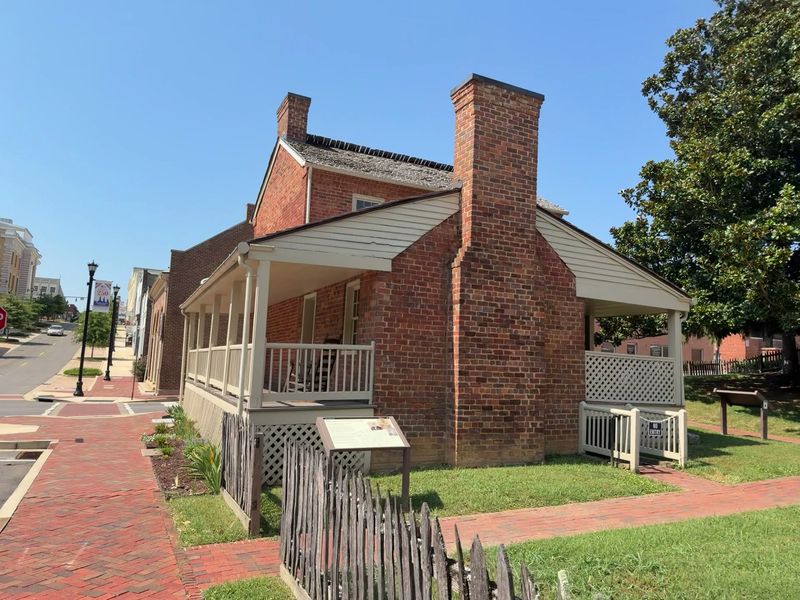
Before he was president, Andrew Johnson was a tailor, and you can still see where he worked. The Andrew Johnson National Historic Site in Greeneville preserves his early shop, two homes, and his burial place. It tells a very human story about a complicated leader.
The visitor center holds exhibits and a short film. It also contains the tailor shop, wrapped inside the building for protection. Seeing the tools and the space makes his rise from humble roots feel real.
Across the street stands the Johnson homestead, a brick house with period furnishings. Tours may be offered, so ask about times. Guides share details about family life and the era.
The national cemetery on a nearby hill is the final stop. It holds Johnson’s grave and a tall monument. The view over Greeneville is lovely, especially in the afternoon.
History here is not always comfortable. Johnson’s presidency followed Lincoln’s death and was full of conflict, including impeachment. Rangers talk about it honestly, which makes the visit more valuable.
Check current hours and tour availability before you go. The site is small, so plan on about two hours. Walking is mostly gentle, though the cemetery climb can be steep for some.
Greeneville’s downtown is nearby, with local shops and places to eat. Make it a full day if you like small-town charm. It is a thoughtful finish to a list full of Tennessee stories.
Share this story