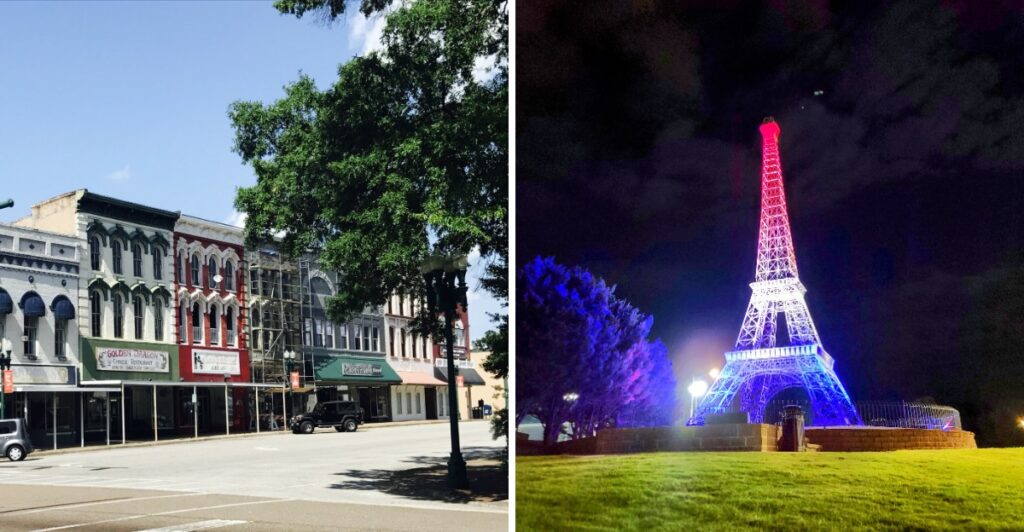
Paris, Tennessee, shares more than a name with the famous French capital. Standing inside Eiffel Tower Park, the town’s steel Eiffel Tower replica has become a playful local landmark and one of West Tennessee’s most memorable roadside attractions. The tower began as a project created by Christian Brothers University for the 1990 Memphis in May festival, which celebrated France that year.
It was later moved to Paris, giving the community a fitting symbol of its international namesake. Today, visitors can pose for photos beneath the structure before enjoying the park’s walking trail, playgrounds, splash pad, sports facilities, and picnic areas.
Paris, Tennessee, Had Its Famous Name Long Before The Tower Arrived
A group of early settlers in the 1820s trying to pick a name for their brand-new town. Instead of something plain, they reached across the ocean and grabbed one of the most famous city names on Earth. That choice happened generations before anybody dreamed of building a tower.
Many local history accounts connect the name to the Marquis de Lafayette, the French hero who helped Americans during the Revolutionary War. He was hugely popular in the young United States, and plenty of towns honored him in some way. Naming a frontier settlement after the capital of his home country was a pretty bold tribute.
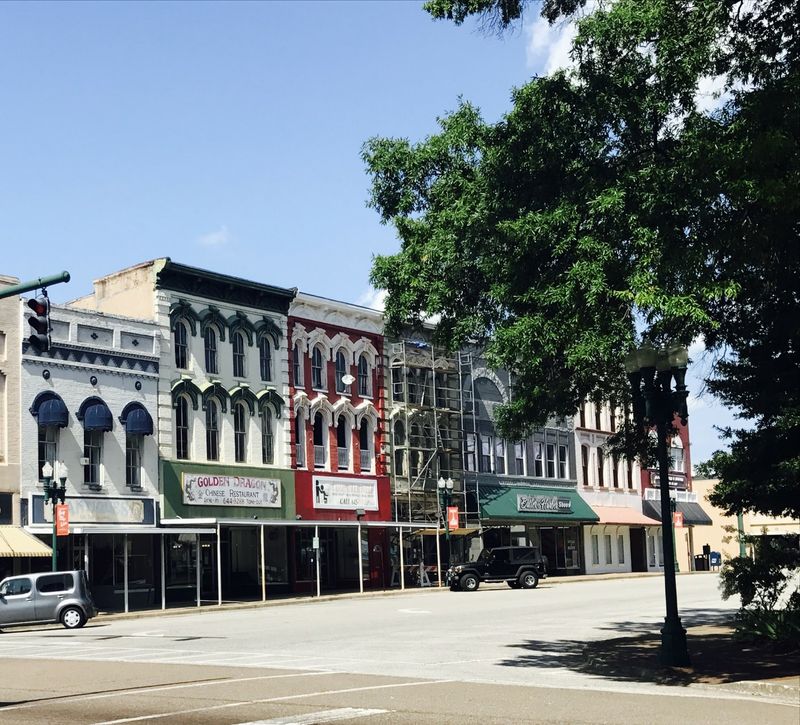
Paris grew into the county seat of Henry County, which means it became the center of local government. The courthouse square turned into the heart of town, packed with shops, offices, and neighbors catching up on the latest news. Life here looked a lot more like small-town Tennessee than anything in France.
For a long time, the name was simply a fun conversation starter. Travelers passing through might smile at the sign and make a joke about croissants or berets. Locals probably heard those jokes so often they could finish them before the punchline.
Here is the cool part. Because the town already carried such a famous name, it had a built-in identity just waiting for a symbol. When an Eiffel Tower replica later needed a home, Paris was basically already wearing the outfit.
Today the city has around 10,000 residents, according to the 2020 census. That makes it big enough to have plenty to do but small enough that people still wave from their porches. It is also well known for other traditions, like its fish fry celebration in the spring.
If you visit, take some time to stroll around the courthouse square before heading to the tower. You will get a feel for the real town behind the playful nickname. Snap a photo of a city limits sign too, because that moment when Paris meets Tennessee is part of the fun.
Fun fact: Paris, Tennessee, is not alone. Several American states have towns named Paris, and some have their own Eiffel Tower look-alikes too.
Engineering Students Built The Original Replica For A Memphis Festival
Homework does not usually end up as a city landmark. For a team of engineering students at Christian Brothers University in Memphis, though, one big project did exactly that. Their assignment helped lead to the tower that now stands in Paris.
The story goes back to the early 1990s, when Memphis hosted a large festival celebrating France. Organizers wanted something eye-catching, and a mini Eiffel Tower fit the theme perfectly. So the students got to work turning sketches into a real, standing structure.
Think about how tricky that would be. The real Eiffel Tower is made of iron and stands over 1,000 feet tall, with crisscrossing beams everywhere. Shrinking that design down while keeping it sturdy is a serious engineering puzzle.
The students built their version mostly from wood. Wood was easier to cut, cheaper to buy, and faster to put together than metal. For a festival display, those were smart trade-offs.
Projects like this teach lessons you cannot always learn from a textbook. Students had to measure carefully, plan how the pieces fit, and make sure the whole thing would not tip over in the wind. They also had to work as a team, which is a skill every engineer needs.
Once it was finished, the replica became a popular part of the festival scenery. People could stand beneath it, take pictures, and pretend for a moment that they were in France. Not bad for a group of college kids with power tools.
If you have a young builder at home, this part of the story is a great talking point. Ask them how they would design a tower, then grab some craft sticks or building blocks and try it. You might be surprised how quickly they discover why triangles show up in so many structures.
Here is the twist, though. Festivals end, crowds go home, and suddenly a big wooden tower needs somewhere to go. That question set the next chapter in motion.
A Temporary Wooden Tower Needed A Permanent New Home
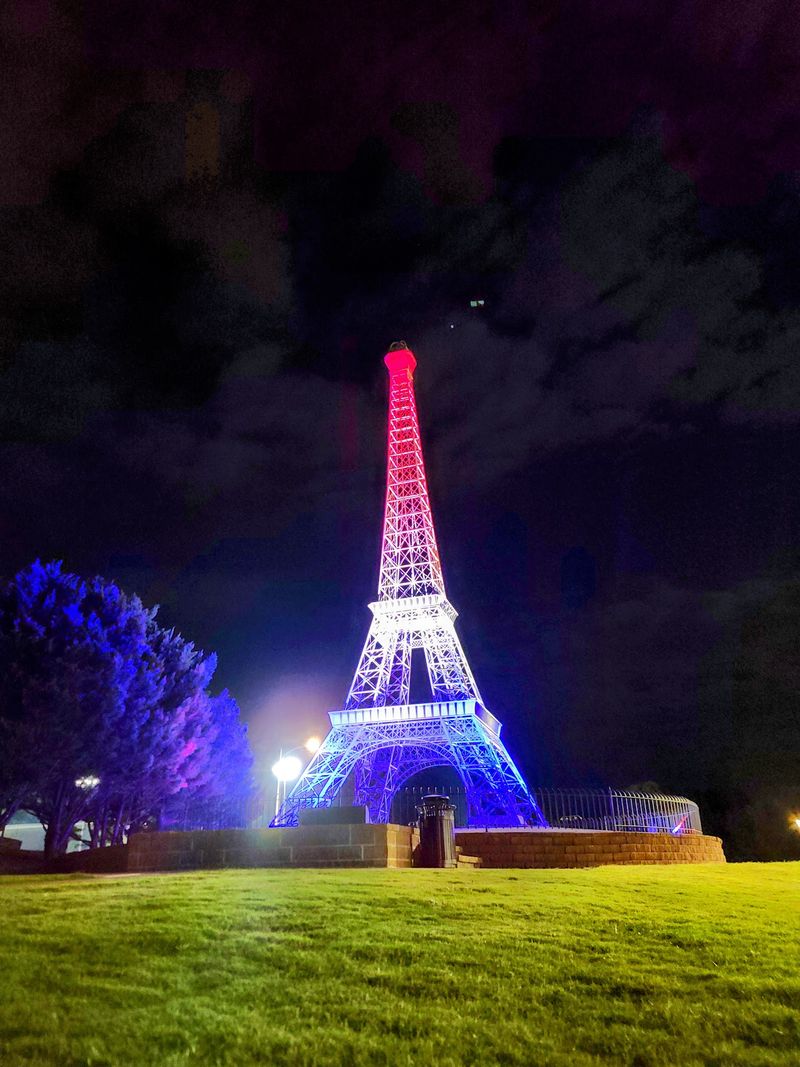
So the party is over. The food trucks roll away, the music stops, and there in the middle of it all stands a tall wooden tower with nowhere to go.
That was the slightly awkward situation once the Memphis festival wrapped up. Nobody wanted to just tear down something students had worked so hard to build. Still, a structure that size is not exactly something you can tuck into a garage.
Moving a tower takes real planning. You need space, a property owner who says yes, and a way to transport big pieces safely down the highway. On top of that, someone has to agree to take care of it for years.
Wood also brings its own challenges. Rain, sun, and humidity slowly wear it down, especially in a Tennessee climate that can swing from steamy summers to icy winter mornings. Any new home would need to understand that maintenance would be part of the deal.
Think of it like adopting a giant, very unusual pet. It looks amazing and makes people smile, but it needs attention to stay in good shape. Only a place with true enthusiasm would want to sign up.
Honestly, many festival props end up in storage or a scrap pile. What makes this tale special is that people saw value in keeping the replica alive. They treated it less like leftover decoration and more like a piece of Tennessee creativity worth saving.
There is a takeaway here for anyone planning community events. Building something memorable is awesome, but it helps to think about what happens afterward. Some of the best local landmarks begin as temporary ideas that found the right people at the right time.
And one town in particular had a very good reason to raise its hand. After all, what better place for an Eiffel Tower than a place literally called Paris?
Paris Seemed Like The Perfect Tennessee City To Accept It
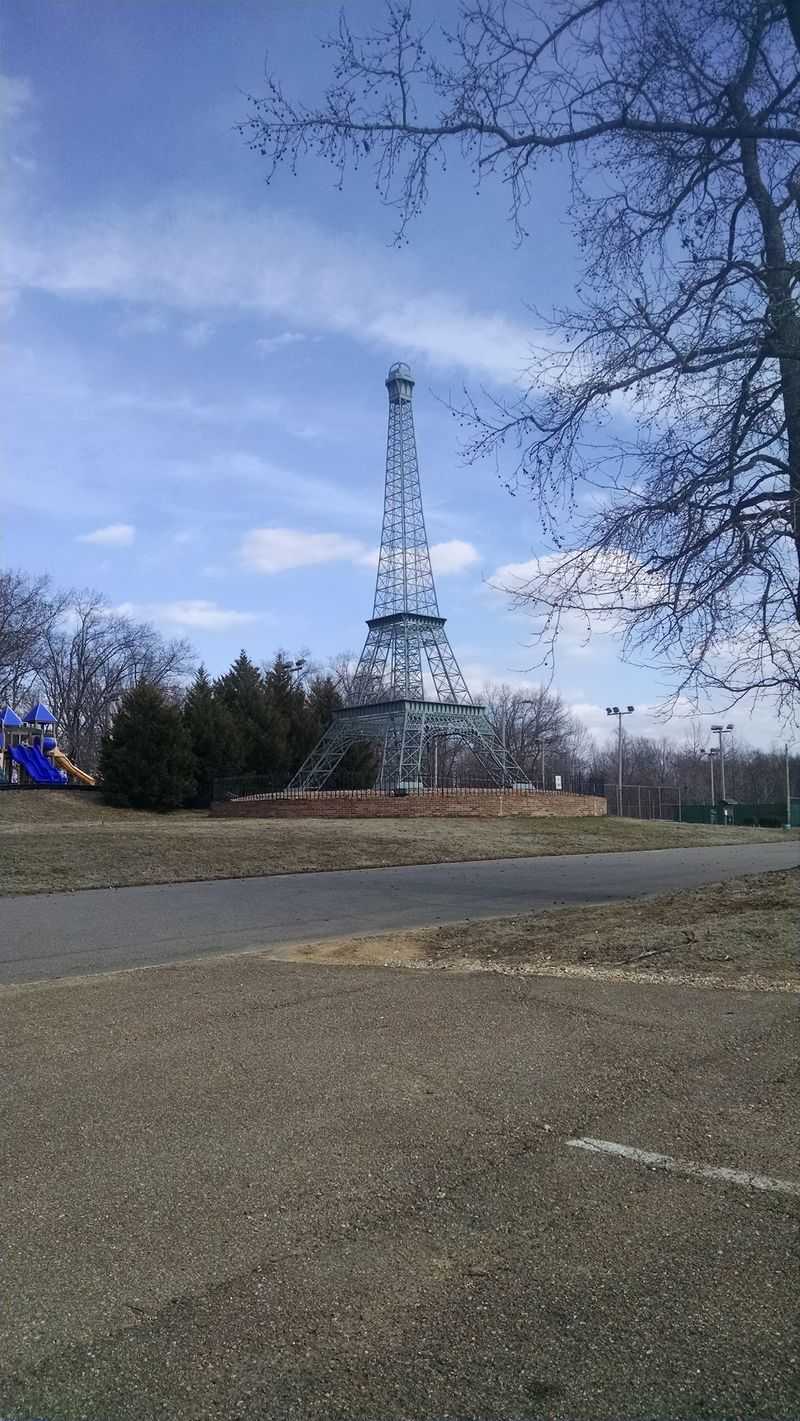
Some matches are just meant to be. Peanut butter and jelly, biscuits and gravy, and a town named Paris with a homeless Eiffel Tower.
When word spread that the replica needed a new address, Paris, Tennessee, stood out immediately. The connection was almost too perfect to ignore. A city that had carried a French name for well over a century finally had the chance to own the most famous French symbol around.
Getting the tower there took effort from local people. Community leaders, organizations, and supporters had to agree it was worth it and find a good spot. That kind of teamwork says a lot about the spirit of small Tennessee towns.
The tower also gave Paris something many towns wish they had. A unique, photo-ready landmark helps a place stand out from every other exit on the map. Suddenly travelers had a reason to slow down and pull off the road.
Picture the first families who visited after it arrived. Kids pointed and laughed, grandparents snapped photos, and someone surely said they had finally made it to Paris without needing a passport. That joke never really gets old around here.
Beyond tourism, the tower became a point of pride. Locals could say their town had a landmark nobody else in the region could match. It turned the old name from a fun bit of trivia into a full identity.
Paris also sits in a handy spot for road trips. It is not far from Kentucky Lake and the scenic lake country of West Tennessee, so lots of travelers already pass nearby. Adding a quirky stop to that route was a smart move.
If you live nearby, think about the landmarks in your own town. Many of them have stories just like this one, where regular folks decided something was worth keeping. Asking older neighbors about those stories can uncover surprising local history you never heard in school.
The Aging Wooden Landmark Was Eventually Rebuilt In Steel
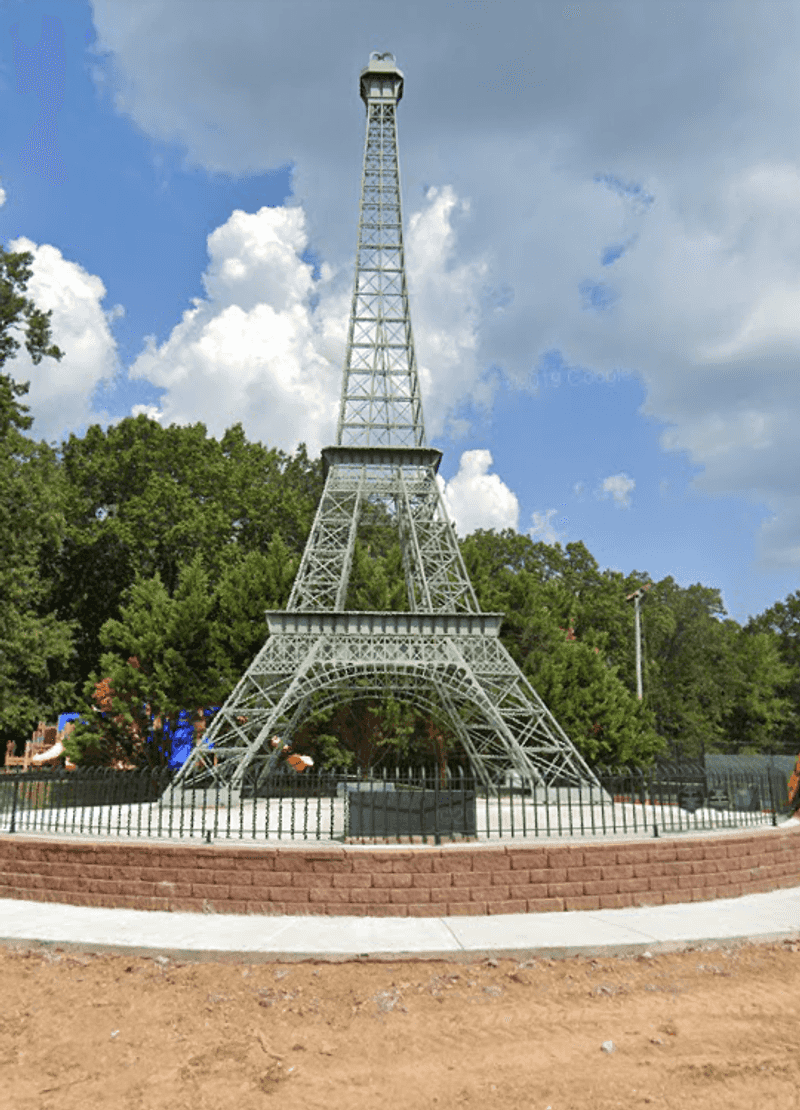
Wood is wonderful, but it has a weakness. Give it enough rainy springs and blazing Tennessee summers, and even the sturdiest boards start to crack, warp, and fade.
That is exactly what happened to the original replica in Paris. As years passed, the wooden tower showed its age. Keeping it safe and good-looking would have meant constant repairs.
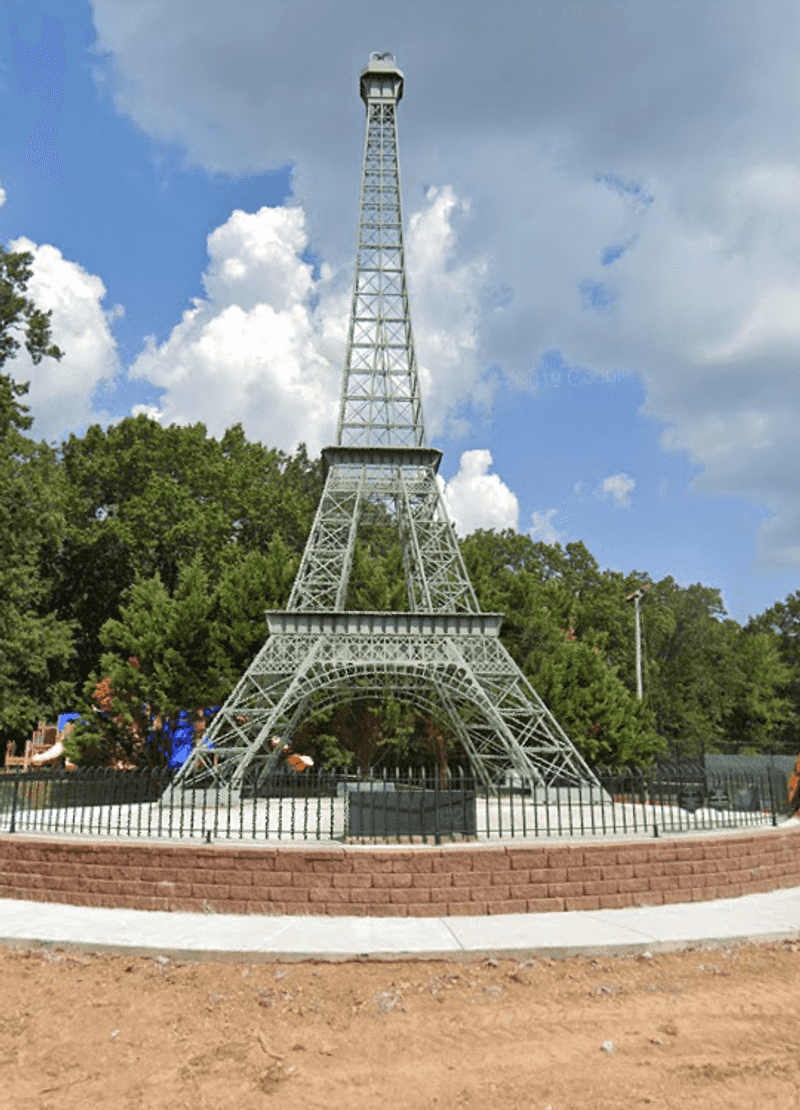
So the town made a big decision. Instead of patching old boards forever, the tower was rebuilt using steel. That switch brought it a lot closer in spirit to the real Eiffel Tower, which is famous for its metal framework.
Steel has some serious advantages. It is strong, it handles wind well, and it lasts much longer outdoors when it is properly cared for. A metal tower can stand proud for decades with the right paint and upkeep.
Here is a neat way to think about it. The first version was like a rough draft, and the steel version became the final copy. Same idea, same shape, just built to stick around much longer.
The rebuild also made the landmark feel more official. Visitors now see crisp lattice beams and a design that really catches the light. On a sunny afternoon, it makes a fantastic backdrop for family photos.
You may notice different height numbers mentioned online, with some sources saying about 60 feet and others closer to 70. That is pretty common with replicas that have been rebuilt or measured in different ways. Either way, it is tall enough to make you tilt your head back.
For curious kids, this chapter is a great science lesson. Talk about why metal lasts longer than wood outside, or why bridges and skyscrapers rely on steel frames. Then look closely at the tower and count all the triangles holding it together.
Fun fact: the original Eiffel Tower in France gets repainted every several years to protect its iron from rust. Even giant metal towers need a little care to keep their shine.
The 60-Foot Tower Became The Centerpiece Of A Family-Friendly Park
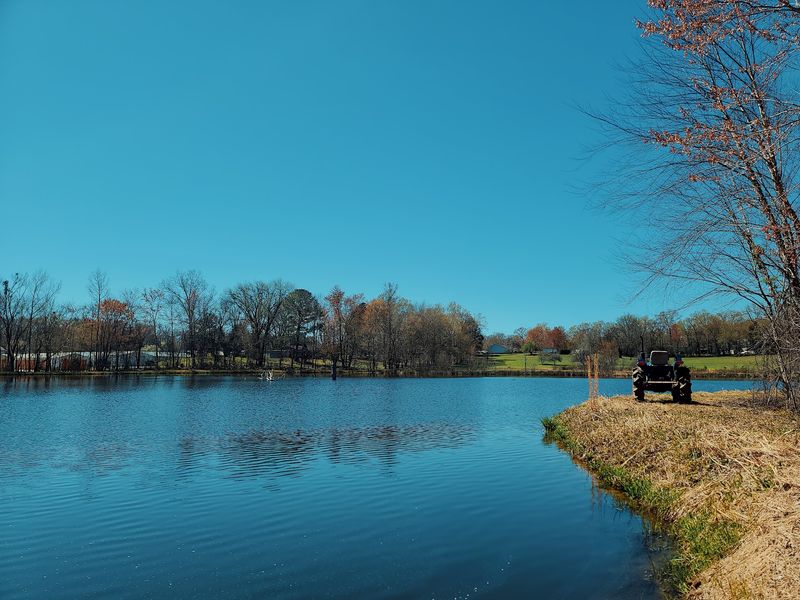
Kids racing across the grass, a dog sniffing every bush, and a mini Eiffel Tower watching over it all. That is a pretty typical afternoon at Eiffel Tower Park.
The tower did not end up stuck in a parking lot or behind a fence. Instead, it became the star of a park on the south side of Paris. Building a whole park around it was a smart way to turn a landmark into a place people actually spend time.
The park gives families plenty to do beyond taking pictures. Visitors often mention walking paths, open lawns, picnic spots, and play areas for little ones. It is the kind of place where you can stay ten minutes or two hours.
Having a landmark in a park changes how people enjoy it. You are not just looking at the tower, you are living around it. Birthday parties, morning walks, and casual hangouts all happen with French flair in the background.
The space also hosts community moments throughout the year. Local events and seasonal decorations sometimes bring extra sparkle, especially around the holidays. Checking the city or local tourism pages before your trip helps you catch something special.
Here is a parent tip worth remembering. Pack a frisbee, a ball, or sidewalk chalk if allowed, because kids love having something active to do after photos. A happy, tired kid makes the car ride home much quieter.
Photographers, take note. Early morning and late afternoon light make the steel beams glow. Try lying low on the grass and shooting upward for a dramatic angle that makes the tower look way taller.
What makes this park feel special is its mix of silly and sweet. It is a little goofy to see an Eiffel Tower in rural Tennessee, but the park itself feels warm and welcoming. That combination turns a quick roadside stop into a real family memory.
What To Know Before Visiting Eiffel Tower Park
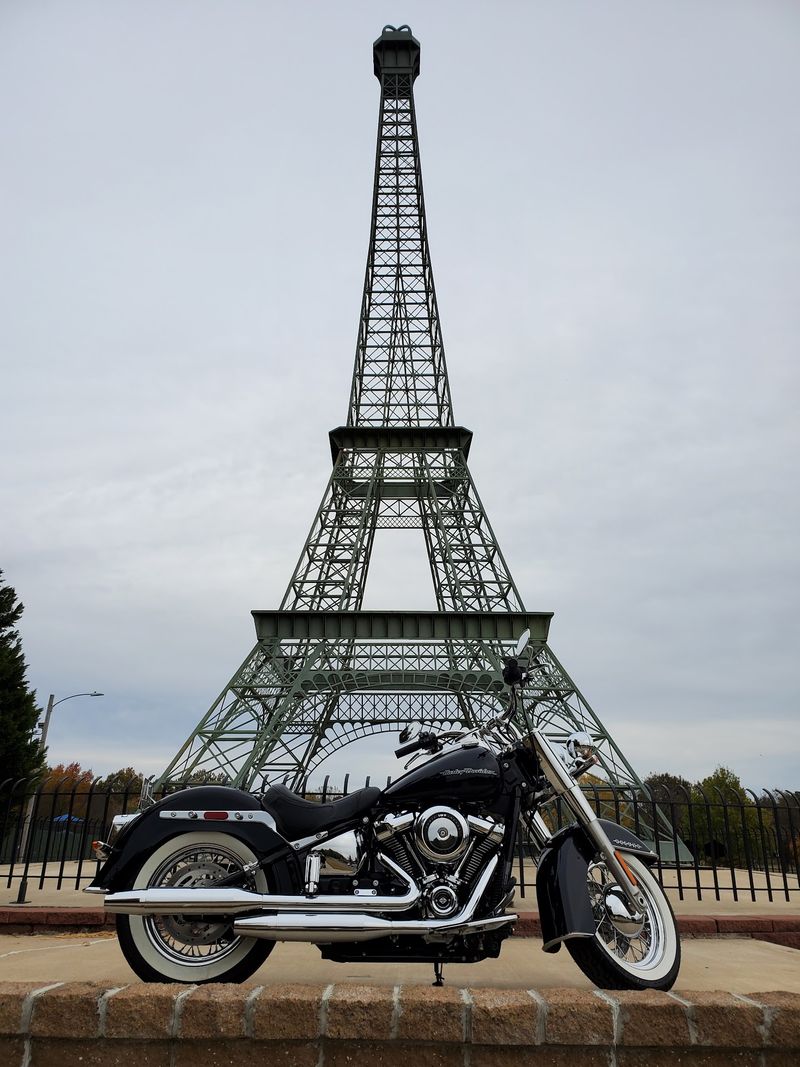
Ready to say bonjour to Tennessee? A little planning goes a long way, even for a laid-back trip like this one.
First, find the park on the south side of Paris, the county seat of Henry County. Typing Eiffel Tower Park into a map app should get you there easily. Parking is usually simple, which is one perk of visiting a smaller city.
Timing matters more than you might think. Spring and fall bring mild weather that makes walking around comfortable. Summer afternoons can get hot and sticky, so mornings or evenings are better if you are visiting in July or August.
Pack the basics before you leave. Water bottles, sunscreen, and comfortable shoes are smart choices, since shade can be limited in open areas. A blanket and some snacks can turn a short stop into an easy picnic.
Want the best photo? Stand back far enough to fit the whole tower in the frame. Then try a fun trick shot where someone pretends to hold the top between two fingers, which always gets a laugh.
Park hours and rules can change, so check with the city of Paris or local tourism offices before you go. That is also the best way to learn about events happening during your visit. Holiday seasons sometimes bring lights that give the tower an extra glow.
Make a day of it by exploring more of the area. Wander the downtown courthouse square, grab a meal at a local restaurant, or head toward nearby Kentucky Lake for water views. If you visit in spring, ask locals about the town fish fry tradition.
Finally, respect the space. Toss trash in bins, keep an eye on little ones, and avoid climbing on the structure. Taking care of the park keeps it enjoyable for the next family rolling into town.
Fun fact for the road: you can honestly tell friends you visited Paris and saw the Eiffel Tower in one afternoon. Just maybe wait a second before mentioning it was in Tennessee.
Share this story