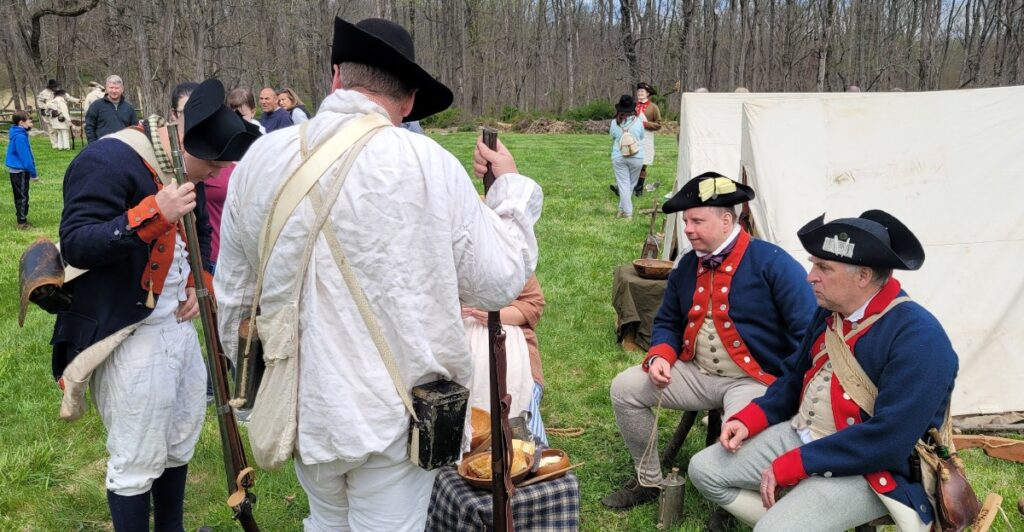
Twelve soldiers, one fireplace, and a hut roughly the size of a small bedroom. That was the winter arrangement for thousands of men at Jockey Hollow, where Washington’s army turned wooded New Jersey hills into a sprawling settlement of more than 1,000 log buildings.
Today, the trees have returned, the original cabins have disappeared, and a walk through the grounds can feel surprisingly ordinary until you understand what stood here. This section of Morristown National Historical Park preserves the setting of the 1779–1780 encampment, when bitter weather and desperate shortages tested the Continental Army.
Reconstructed huts help explain the cramped quarters, while historic campsites reveal a quieter, less obvious connection to the soldiers. There is a farmhouse, a former parade ground, and a network of trails connecting the story.
Your afternoon walk follows ground where finding shelter and getting something to eat once occupied nearly every waking thought.
Why Washington’s Army Chose the Hills of Jockey Hollow
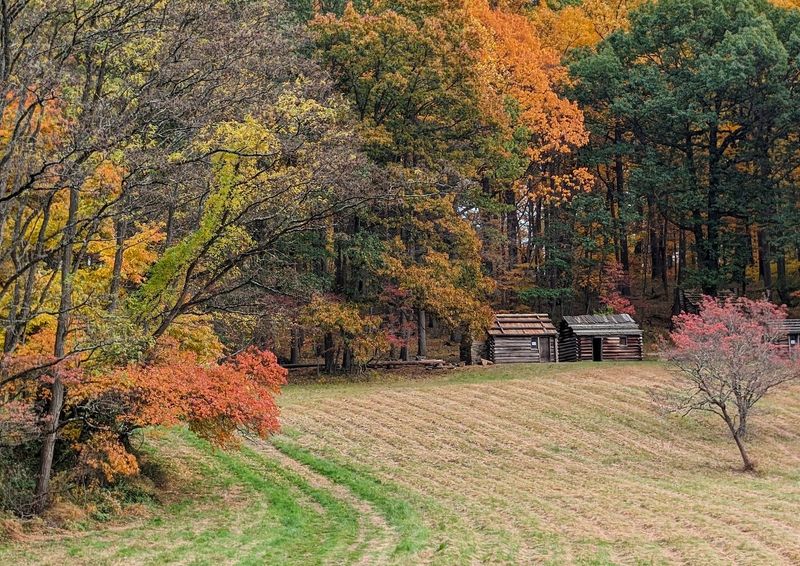
Putting an army in the woods sounds like a questionable winter plan until you consider the alternatives. British forces occupied New York City, and Washington needed somewhere that offered protection without placing his troops too far from the action.
Morristown sat about a two-day march from the British base, with the Watchung Mountains and Great Swamp helping shield the American position. Roads through town also gave the army options for moving supplies and responding to enemy movements.
Water, timber, and houses suitable for officers made the surrounding countryside useful in several ways at once. Washington established his headquarters at the Ford Mansion in Morristown while thousands of soldiers settled into the hills southwest of town.
Jockey Hollow’s slopes offered another advantage that becomes easier to appreciate after a rainy walk. An army camp needed drainage.
Putting huts on sloping ground helped keep rain and melting snow from collecting around the living quarters, a serious concern when the floor beneath your bed was earth. Quartermaster General Nathanael Greene and his staff helped organize the brigade camps with those practical needs in mind.
The woods supplied building material close to where it would be used, reducing the distance soldiers had to move heavy logs. None of this made the location comfortable.
A well-chosen campsite could still leave men exposed while shelters were under construction, and accessible roads could become impassable after a major snowstorm. The decision was about giving the army a workable place to remain together through winter.
Standing among the present-day trees, it helps to look beyond the scenery and consider the essentials Washington had to secure. Where would the men sleep?
Where would fuel come from? How could supplies reach them?
These hills offered answers, even if the winter ahead pushed every one of those answers to its limit.
How Soldiers Turned the Woods Into a City of Log Huts
Before there could be a cabin, somebody had to cut down a tree. Then another, and another, until a wooded landscape began taking the shape of an army settlement.
Soldiers arriving in December 1779 faced snow already on the ground, and their accounts describe frost slowing construction and making chimney work difficult. They cleared and leveled sites while coping with the same cold their unfinished shelters were supposed to keep out.
One recollection from private Joseph Plumb Martin includes an unexpectedly small detail amid all that labor. Digging beneath the frost, the men uncovered toads that became active when brought into daylight.
Even this enormous military undertaking involved ordinary encounters with the ground beneath their feet. The finished encampment contained roughly 1,000 to 1,200 log buildings, including soldiers’ quarters, officers’ huts, and structures serving other military purposes.
This was an organized settlement rather than a scatter of cabins wherever someone found room. Regiments occupied rows of huts, with camp streets separating them and officers’ accommodations positioned farther up the slopes.
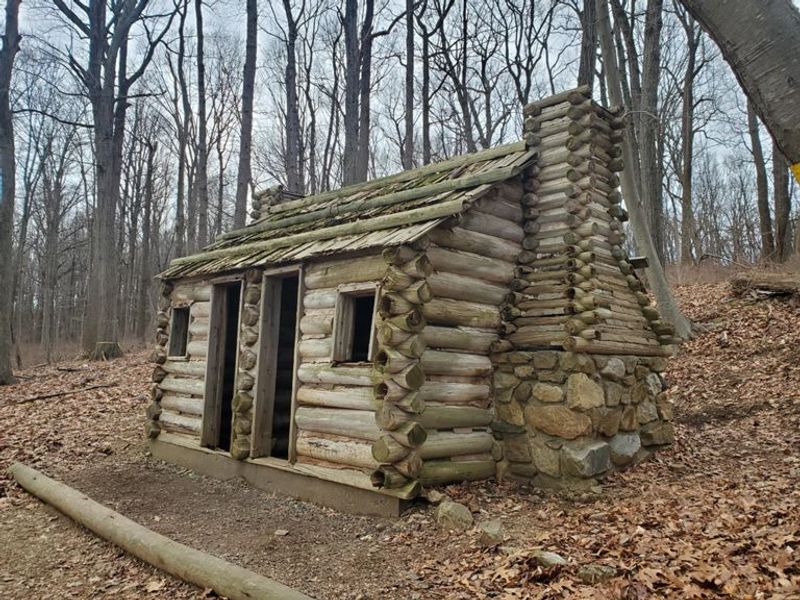
Logs were notched together at the corners, and clay filled gaps between them. Construction continued through punishing weather, with the army’s hut-building effort extending nearly into February.
The scale is difficult to picture beneath today’s canopy. Imagine the work required to produce even one building using nearby timber, then repeat it across brigade after brigade.
Trees became walls, roofs, bunks, and fuel. Paths between quarters became busy routes for men carrying wood, receiving orders, and searching for supplies.
The forest around the camps was a resource the army consumed daily. A useful pause on the hillside is to imagine the trees removed rather than the huts added.
That changes the view immediately. What now feels enclosed and shaded once held exposed rows of shelters, with smoke rising above a landscape transformed by thousands of hands.
Twelve Men Shared Each Hut Through the Hard Winter
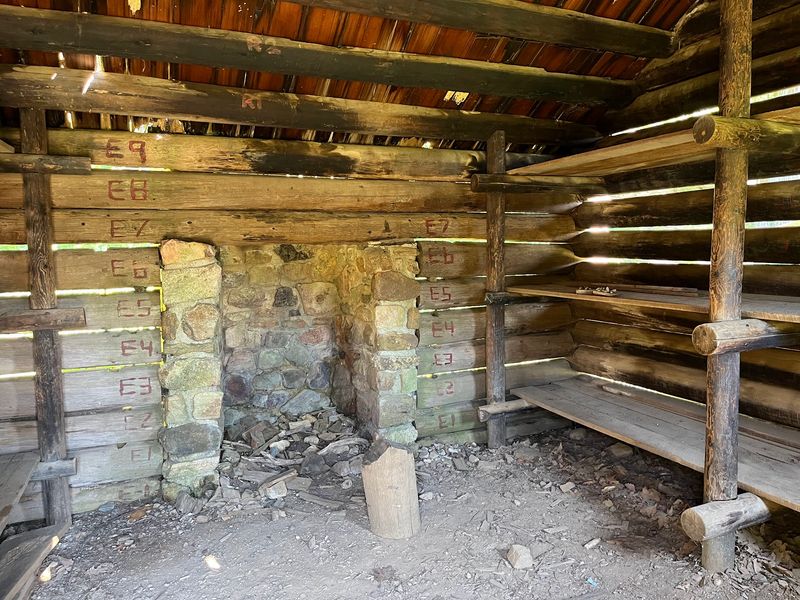
A fourteen-by-sixteen-foot floor gives twelve people very little room to negotiate personal space. Add bunks, equipment, and a fireplace, and the soldiers’ winter quarters become easier to understand without romanticizing them.
The huts were roughly six and a half feet high at the eaves, with simple interiors built around the need to shelter a group of men. These were places to sleep, warm up, and endure the season together.
Even allowing for different expectations of comfort in the eighteenth century, the arrangement was crowded. Your boots, belongings, and nearest bunkmate were never going to be far apart.
Outside, the winter of 1779–1780 brought conditions that overwhelmed more than the camp’s patience. A prolonged storm in early January blocked roads with deep snow and disrupted food deliveries.
Clothing shortages left many men poorly protected, while interrupted supplies meant stretches without adequate bread or meat. In his recollections, Joseph Plumb Martin described going four days with almost nothing to eat except birch bark.
Washington appealed to New Jersey’s county leaders for emergency provisions on January 8, warning of the army’s desperate situation. Cold and hunger reinforced each other, making ordinary tasks harder and recovery from a day’s labor less certain.
Yet the army had learned something from earlier encampments. More experienced soldiers, improved camp construction, better sanitation, and widespread smallpox inoculation helped limit deaths despite the severe weather.
The huts were an important part of that effort, but shelter alone could not fill an empty stomach or replace worn clothing. Looking at a reconstructed cabin, the natural instinct is to notice the logs and chimney.
The more revealing exercise is to count the people. Picture twelve tired men trying to occupy that footprint, each bringing his own discomfort, worries, and need for warmth.
The building suddenly feels smaller, and surviving until spring becomes a much more substantial achievement.
What Remains of the Encampment Today
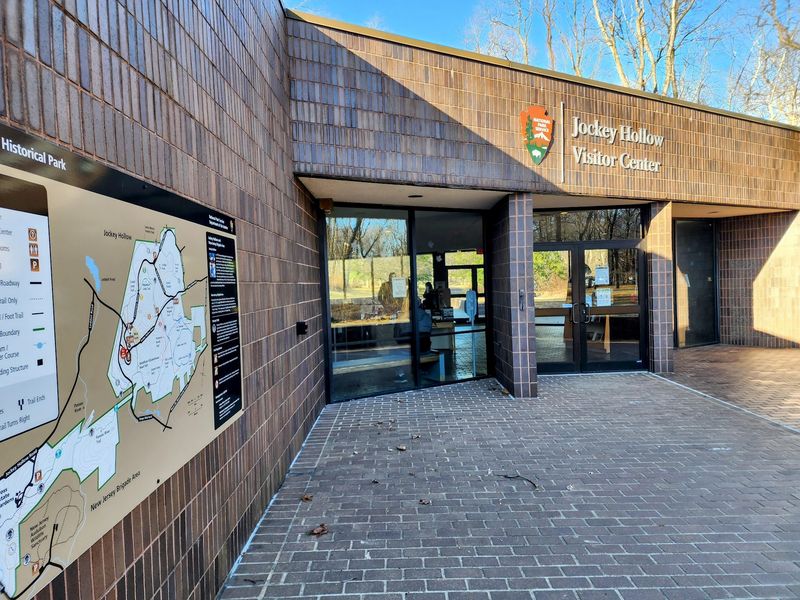
The wooden huts visitors see on the hillside are reconstructions. None of the original Revolutionary War cabins displayed in the park survived.
After the army’s departure, local farmers salvaged useful materials, including wood, boards, and nails, while other huts deteriorated. Some quarters saw later military use, but these were temporary buildings rather than structures intended to stand for centuries.
The Pennsylvania Line replicas date to the 1960s and replaced earlier reconstructions from the 1930s. They help explain the encampment’s appearance and living conditions, but their age belongs to the park’s preservation story.
The surviving evidence is less theatrical than a hillside full of intact cabins. At the former Stark’s Brigade campsite, fireplace and hearth stones outlasted the timber, although even those stones were displaced from their original positions.
A historic marker identifies ground where rows of huts once stood. That distinction matters when reading the landscape.
A stone beside a path cannot automatically be assigned to a particular soldier’s fireplace, and an empty wooded slope can still be a significant campsite. The New Jersey Brigade hut site offers another example.
Its remote hillside shows little obvious evidence of the several hundred men who built shelters there, though stones used in the pathways may have come from those huts. Interpretive signs provide the context that the forest no longer supplies on its own.
Visiting works best when you treat the reconstructions and historic sites as complementary experiences. One gives the missing buildings a visible shape.
The other preserves the actual places where soldiers lived, even when the physical clues are modest. It is a good setting for slowing down rather than hunting for a dramatic ruin.
The historical weight lies in the ground, the documented camp locations, and the relationship between them. A quiet stretch of woods can carry a substantial story without leaving a complete cabin behind.
The Wick House Tells Another Side of the Soldiers’ Story
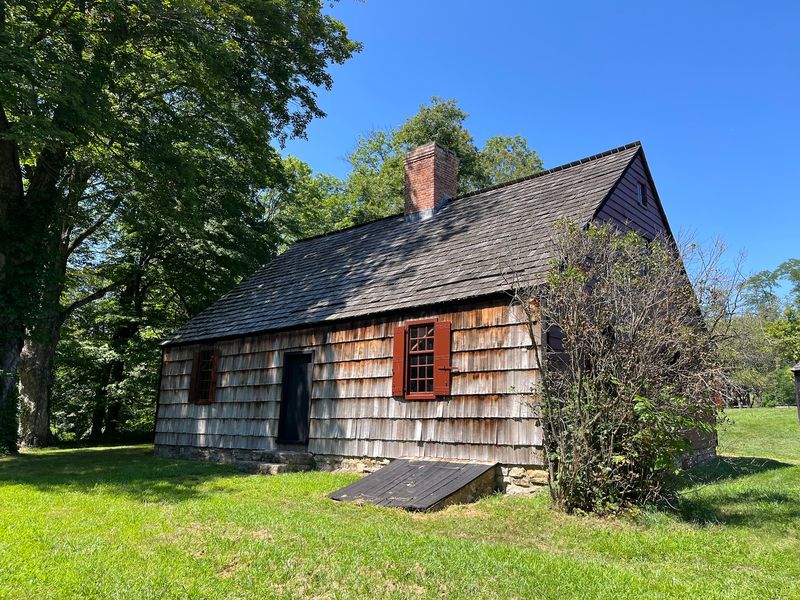
Henry Wick’s farmhouse was already standing before the Continental Army arrived. Built around 1750, the Cape Cod-style house belonged to a landowner whose roughly 1,400-acre farm included extensive woodland.
During the encampment, Major General Arthur St. Clair, commander of the Pennsylvania troops, made his quarters there. The army cut more than 600 acres of trees on Wick’s property, with additional timber taken from neighboring land.
Those figures give the farmhouse visit a sharper edge. This was somebody’s home and working property, suddenly supporting the needs of thousands of soldiers.
The house is furnished to interpret its use as a general’s headquarters, placing military life inside a domestic setting. A ranger-led tour, when available, covers the first floor, while the surrounding farm field and garden can be explored separately.
Checking the tour schedule is useful if the interior is an essential part of your visit. Otherwise, the exterior and setting still provide a clear sense of how civilian homes became part of the encampment.
The contrast with the soldiers’ huts is immediate. Senior officers could use existing houses while enlisted men constructed their own quarters on the slopes.
A farmhouse had established rooms and a household history; the huts had to be raised under winter conditions. That difference helps explain the camp’s organization without reducing the experience to a comparison of comfortable and uncomfortable beds.
The presence of the army also placed demands on neighbors who supplied goods, surrendered timber, or suffered losses. Nearby farmer Joshua Guerin hauled supplies and provided pasture, hay, and firewood, but his property also sustained damage and theft during the encampment.
At Wick’s farm, the military story becomes a community story. The garden, field, and modest house keep that connection visible.
An army’s survival depended on more than its commanders and soldiers. It also depended on the land and households around them.
Walking the Trails Through Washington’s Winter Camp
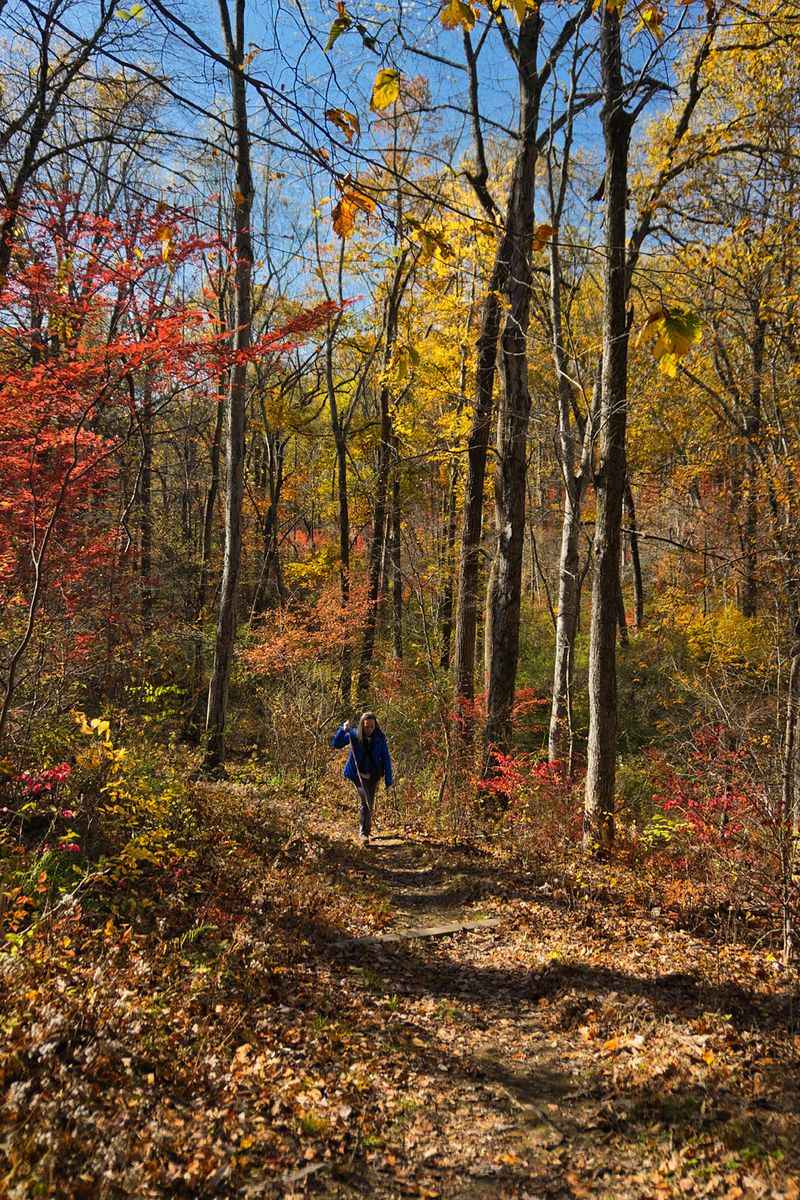
Yellow blazes offer a manageable way to connect the main historic stops without turning the day into an endurance event. The approximately 2.25-mile Yellow Trail links key interpretive sites at Jockey Hollow, including the soldier hut area.
For a longer woodland outing, the White Trail, also called the Grand Loop Trail, stretches 6.5 miles. The Blue Trail offers a roughly three-mile round trip with a view from Mount Kemble.
Across the park, about 27 miles of marked hiking trails provide options beyond the principal historical route. The visitor center at 586 Tempe Wick Road makes a useful starting point, and admission to Morristown National Historical Park is free.
Building schedules differ from access to the grounds, so check opening times if you want to include indoor exhibits. Inside, a mural depicts the encampment, a full-scale hut model explains the shelter, and a short film supplies background before the walk.
Near the historic Grand Parade, consider how a cleared field served the camp’s daily business. Guards assembled there for inspection and orders, and an administrative cabin handled military affairs.
You can also shape a shorter visit around the tour road. Designated parking areas at the Wick Farm and soldier huts allow you to reach major stops without completing an entire trail loop.
Carry a map, follow the blazes at junctions, and wear shoes that handle roots, uneven ground, and mud. Anyone walking the tour road should watch for vehicles.
What makes the route memorable is the change in understanding between the beginning and end. Early on, a slope may register as a pleasant stretch of forest.
After seeing the quarters and learning how the camp functioned, that same hillside has a population in your imagination. Trees shade ground once cleared for shelter, and the distance between stops becomes part of the story of daily life.
Share this story