Tennessee has its well-known attractions that seem to make every travel list, but some of the state’s most memorable places are the ones tucked just beyond the main roads. These quieter spots trade heavy crowds for sandstone cliffs, dark night skies, historic villages, and rugged gorges that feel a little more personal and a lot more peaceful.
They’re the kinds of places that make you slow down, look around, and feel like you’ve found something not everyone else already knows about. If you’re hoping for destinations that feel more like a special discovery than a stop on the usual tourist route, these eleven places capture exactly that kind of experience.
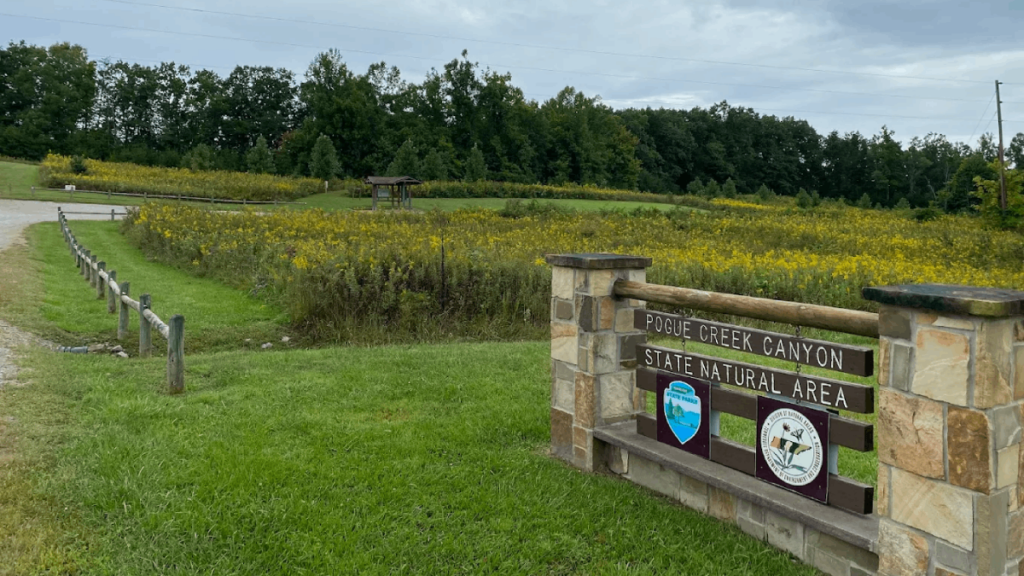
1. Pogue Creek Canyon State Natural Area
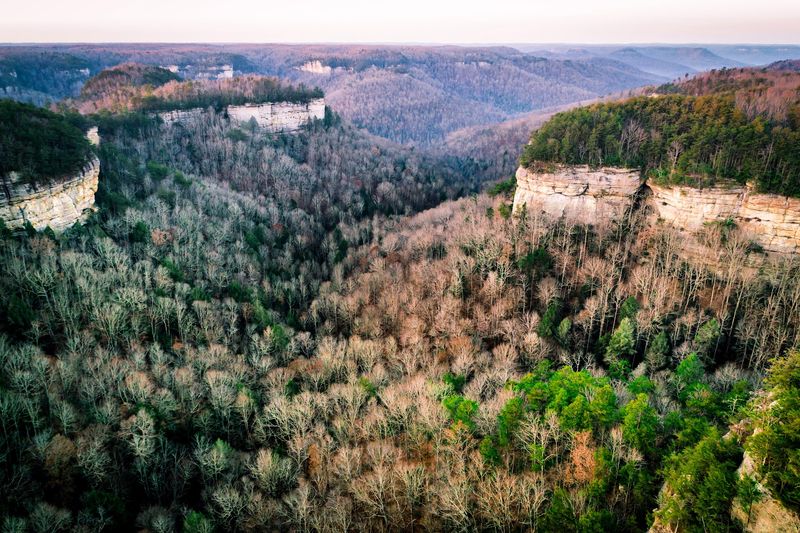
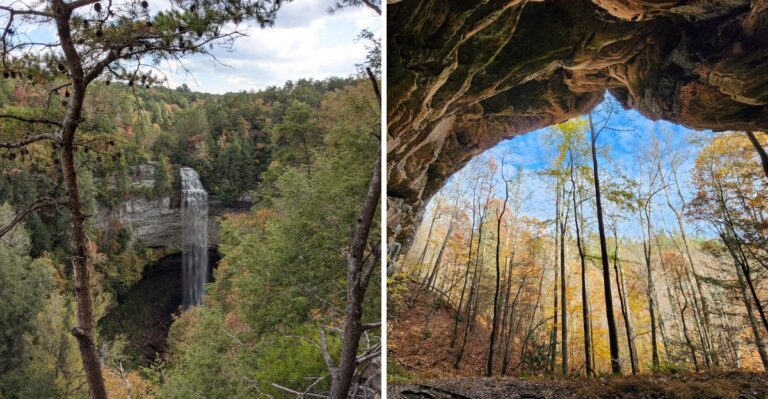
Sandstone arches rise out of nowhere along trails that feel more like personal discoveries than marked routes. Pogue Creek Canyon sits next to Pickett State Park, sharing the same dark-sky designation but with a fraction of the foot traffic. Bluff lines stretch overhead, and overlooks reveal layers of forest canopy below.
You won’t find gift shops or crowded parking lots here. The natural area keeps things simple: trails, rock formations, and the kind of quiet that makes you forget how close civilization actually is. It’s the sort of place where you might see one or two other hikers all day, if that.
Because it shares geography with Pickett, the landscape has that same rugged, Appalachian-edge feel. Rock shelters tuck into cliff faces, and the whole area feels older and less touched than Tennessee’s headline parks. If you’ve already done the waterfall circuit and want something rawer, this is where you go.
The canyon rewards slow exploration. Rushing through defeats the purpose. Bring good shoes, a camera, and zero expectations of cell service, and you’ll leave feeling like you found something most people miss entirely.
2. Pickett CCC Memorial State Park
Pickett earned its place as the Southeast’s first International Dark Sky Park, and once you visit, the designation makes perfect sense. Miles from major towns, the park sits in a pocket of Tennessee that still feels genuinely remote. At night, the Milky Way stretches across the sky in a way most people only see in photos.
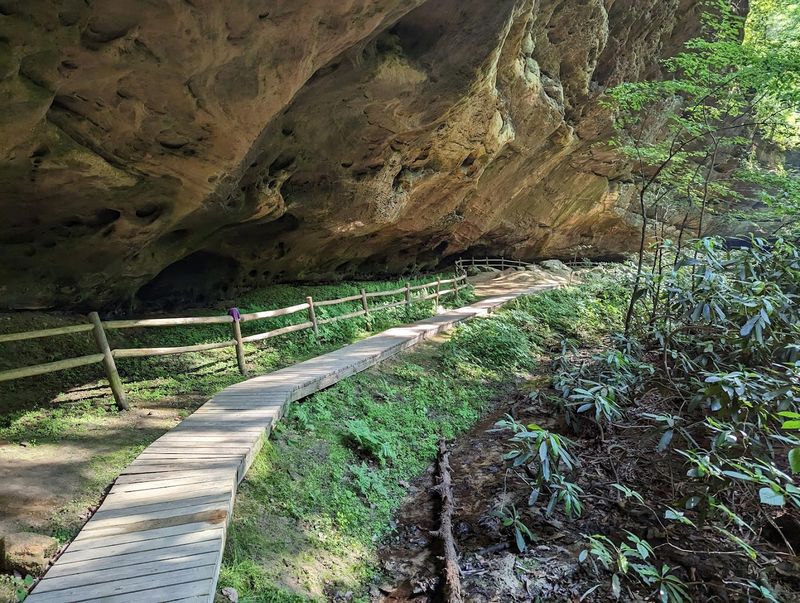
During the day, trails wind past sandstone bluffs, rock shelters, and a natural arch that feels like it belongs in Utah, not the South. A small waterfall tucks into the landscape, and the whole park has this off-grid, time-capsule quality left over from its Civilian Conservation Corps roots. The stone structures and rustic cabins add to the feeling that you’ve stepped back a few decades.
Crowds aren’t an issue here. Even on weekends, you’ll likely have trails mostly to yourself. The park’s location works in its favor: it’s far enough from interstates that casual tourists skip it entirely, which keeps the experience intimate and unhurried.
Plan to stay overnight if you can. The real magic happens after sunset when the stars take over and the forest goes quiet.
3. North Chickamauga Creek Gorge State Park
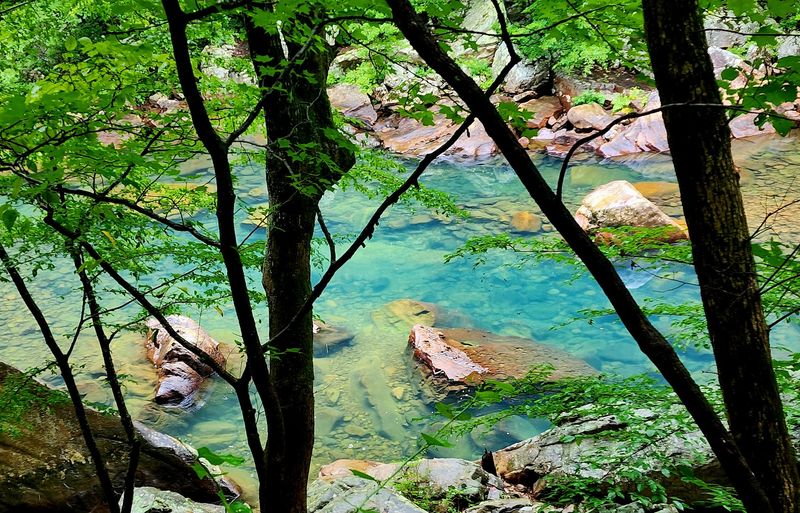
Most people visiting Chattanooga stick to Rock City and Lookout Mountain, which means they miss this wild gorge carved into Walden’s Ridge. North Chickamauga Creek runs through the heart of it, cutting between steep slopes and sandstone cliffs that create a landscape more rugged than polished. It’s close to the city but feels worlds away.
The park doesn’t cater to casual sightseers. Trails require real effort, and the terrain stays rough and unmanicured. That’s exactly what gives it the locals-know-it vibe—people who find it tend to be hikers, paddlers, or anglers looking for something less predictable than the tourist circuit.
Water defines the experience here. The creek flows over rocks and through narrow sections of the gorge, creating spots that feel more like hidden swimming holes than state park amenities. In warmer months, the sound of moving water follows you along the trails, and the shade from the bluffs keeps things cooler than you’d expect.
If you want Chattanooga’s outdoor side without the selfie crowds, this is the answer. Bring sturdy boots, pack extra water, and expect to earn your views.
4. Window Cliffs State Natural Area
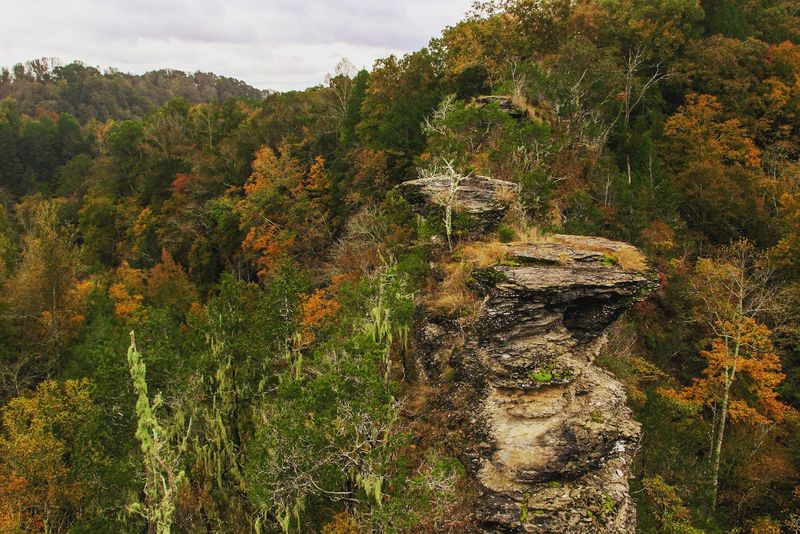
Window Cliffs sits on a narrow ridge above an incised meander of Cane Creek, and the clifftop feature itself looks like something wind and water spent thousands of years perfecting. Tennessee State Parks describes it as a prominent geologic formation, but that undersells how striking it actually is when you’re standing there looking down at the river bend far below.
The hike isn’t long, but it’s steep enough to filter out anyone expecting an easy overlook. Once you reach the cliffs, the view opens up in a way that feels private and earned. The rock formation creates a natural window frame, hence the name, and the whole scene has that dramatic, edge-of-the-world quality that makes for great photos and even better memories.
More people know about it now than a decade ago, but it still hasn’t hit the mainstream Tennessee bucket list. You might share the trail with a few other hikers, but it’s nothing like the crowds at state parks closer to Nashville or Knoxville.
Go during the week if you can. Early morning light makes the cliffs glow, and you’ll have a better chance of enjoying the view without distractions.
5. Big Cypress Tree State Park
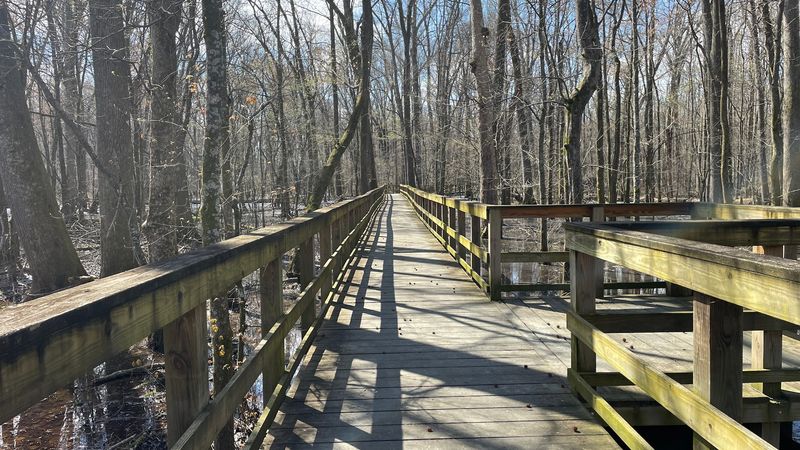
West Tennessee doesn’t get the same outdoor attention as the eastern part of the state, which is exactly why Big Cypress Tree State Park feels like such a quiet treasure. The park preserves the legacy of what was once the largest bald cypress in the United States and the largest tree east of the Mississippi. That original giant is gone now, but the setting remains: swampy, moss-draped, and wonderfully overlooked.
Walking the short trail loop, you’re surrounded by wetland scenery that feels more Louisiana than Tennessee. Cypress knees poke up from shallow water, and the whole area has a stillness that contrasts sharply with the state’s more famous mountain parks. It’s a completely different ecosystem, and that alone makes it worth the detour.
The park is small, so you won’t spend all day here. But it’s the kind of place that sticks with you—the light filtering through Spanish moss, the reflections in the water, the sense that you’ve found a corner of Tennessee most travelers never think to visit.
Bring bug spray in warmer months. The swamp doesn’t apologize for being a swamp, and mosquitoes are part of the package.
6. Cedars of Lebanon State Park
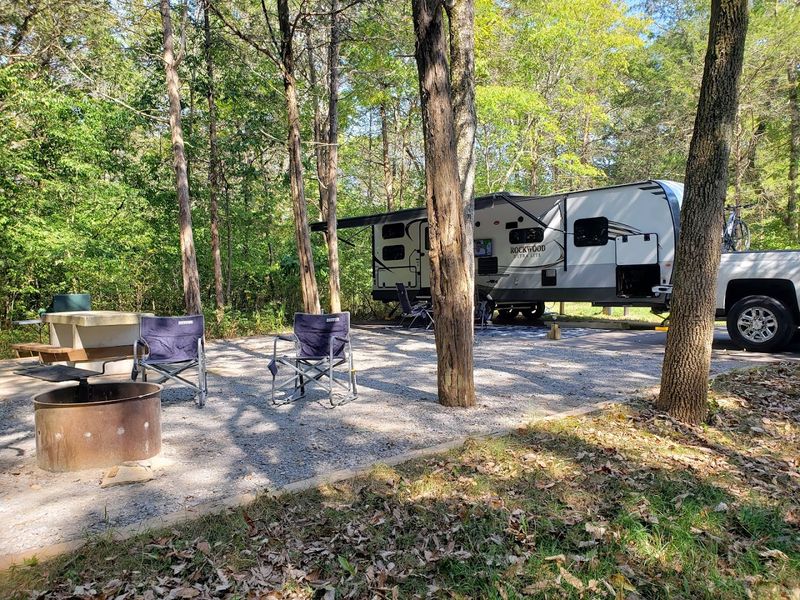
Cedars of Lebanon doesn’t look like most Tennessee parks. Instead of waterfalls and mountain views, you get a forest of eastern red cedars growing out of limestone glades—a landscape that feels almost otherworldly in its stark, open beauty. The terrain creates sinkholes, caves, and rocky outcrops that give the park a geological personality all its own.
The cedar glades themselves are rare ecosystems, and the park protects one of the largest remaining examples in the state. In spring, wildflowers bloom across the open glades, adding bursts of color to the gray rock and green cedar. It’s a completely different visual experience from the lush, waterfall-heavy parks that dominate Tennessee’s outdoor reputation.
Trails wind through both forested areas and open glades, so you get variety without having to drive somewhere else. The park also has a historic stone lodge and cabins built by the Civilian Conservation Corps, which add a layer of history to the natural scenery.
Because it’s not famous for one specific feature, Cedars of Lebanon stays under the radar. People who visit tend to be repeat visitors who appreciate its quiet, understated charm rather than first-timers chasing Instagram moments.
7. Savage Gulf State Park
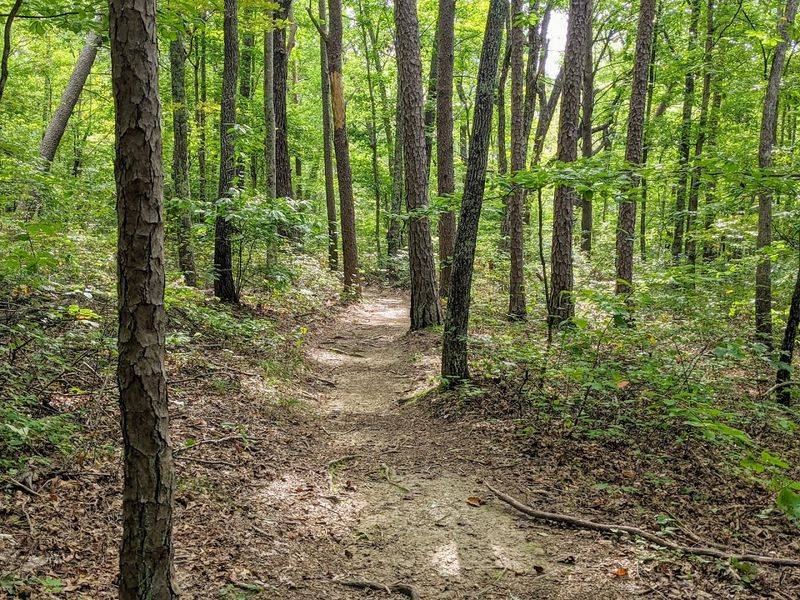
Savage Gulf sprawls across nearly 19,000 acres with around 60 miles of trails, making it one of Tennessee’s most expansive wilderness areas. Hikers who know the state well consider it a must-visit, but in general travel terms, it remains far less famous than the Smokies. That gap in recognition works in your favor: you get spectacular scenery without the typical national park chaos.
The park’s trail system takes you to waterfalls, stone bridges, overlooks, and deep gorges that feel remote and untamed. Unlike more developed parks, Savage Gulf doesn’t hold your hand. Trails can be challenging, and the backcountry sections require real navigation skills.
If you want a polished, easy experience, this isn’t it.
What makes it feel like a secret is the sheer size. Even on busy weekends, the park absorbs visitors without feeling crowded. You can hike for hours and encounter only a handful of other people, which is rare for Tennessee’s better-known outdoor destinations.
Backpackers love it here. The park has several primitive campsites, and multi-day trips let you explore deeper sections most day-hikers never reach. Bring a map, pack enough water, and expect to work for your views.
8. Rugby
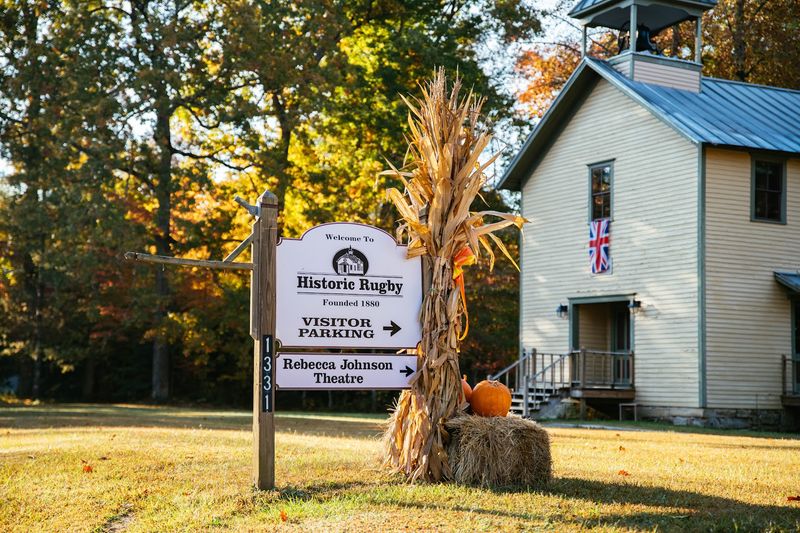
A Victorian English settlement in the Tennessee hills sounds too strange to be real, but Rugby exists exactly as advertised. Founded in the 1880s as a utopian colony, the village preserves its original buildings and quirky history in a way that feels more like stumbling onto a movie set than visiting a typical small town.
You can tour historic structures, browse a library filled with original volumes, and walk streets that look like they belong in the English countryside rather than Appalachia. The whole place has an oddly timeless quality, as if it never quite caught up with the rest of the world. That’s part of the charm.
State tourism highlights Rugby as a distinctive village experience, but it still stays off most mainstream Tennessee itineraries. People who find it tend to do so by accident or through word-of-mouth, which keeps the visitor numbers manageable and the atmosphere intimate.
The surrounding landscape adds to the appeal. Rolling hills, quiet roads, and a general sense of isolation make Rugby feel even more like a personal discovery. Plan for a few hours to explore the village and nearby trails, and expect to leave with questions about why more people don’t know this place exists.
9. Granville
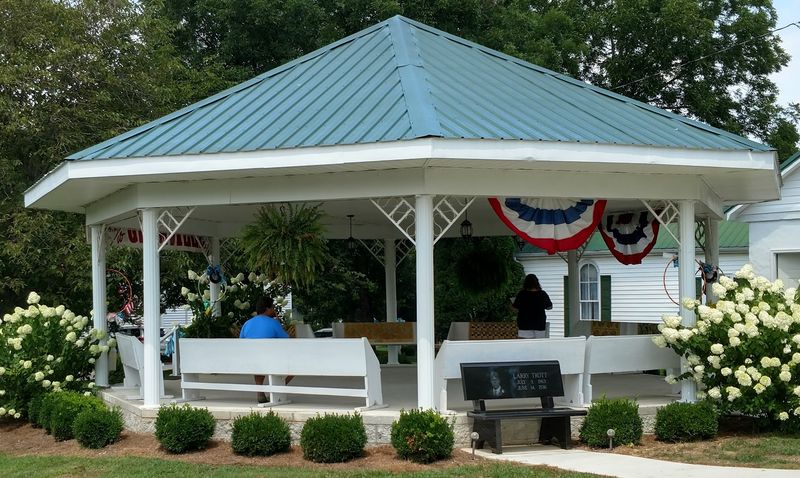
Granville sits along the Cumberland River, and Tennessee tourism recently called it a “quaint hidden gem,” which is about as accurate a description as you’ll find. Unlike trendier small towns that get overrun on weekends, Granville still reads as quiet and tucked away. It’s the kind of place where you slow down without planning to.
The village has a handful of historic buildings, a marina, and not much else—and that’s exactly the point. People come here to kayak, fish, or simply sit by the river without an agenda. The pace is slow, the crowds are nonexistent, and the whole experience feels more like visiting a friend’s hometown than checking off a tourist destination.
Because it’s not flashy or packed with attractions, Granville appeals to travelers who prefer discovery over an itinerary. You won’t find guided tours or souvenir shops, but you will find river access, good scenery, and a genuine sense of place that’s harder to come by in more developed spots.
Pack a picnic, bring a kayak if you have one, and plan to spend a few hours just existing without pressure. Granville rewards that kind of visit better than any rushed stop ever could.
10. Tellico Plains
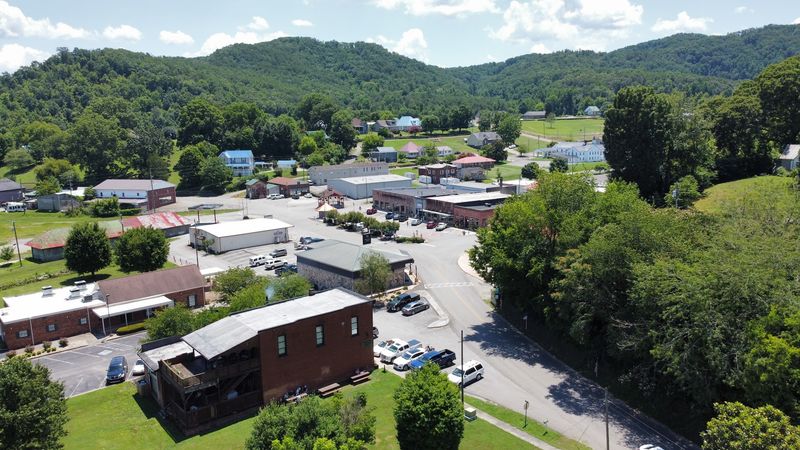
Tellico Plains is one of those places travelers often pass through on the way to something bigger, which is exactly why it works as a hidden gem.
The town itself is small and unpretentious. You’ll find a few local shops, a historic downtown, and access to the Cherokee National Forest without the crowds that gather at more famous trailheads. It’s a base camp more than a destination, but that undersells how pleasant it is to spend time here.
What makes Tellico Plains special is its proximity to serious outdoor adventures without the tourist infrastructure that usually comes with them. You can hike, fish, or drive the Skyway, then come back to a town that feels genuinely local rather than built for visitors. That balance is rare and worth appreciating.
Stop at one of the local diners, talk to people who actually live here, and resist the urge to rush off to the next thing. Tellico Plains rewards slowing down and paying attention to details that most people miss entirely.
11. Sgt. Alvin C. York State Historic Park
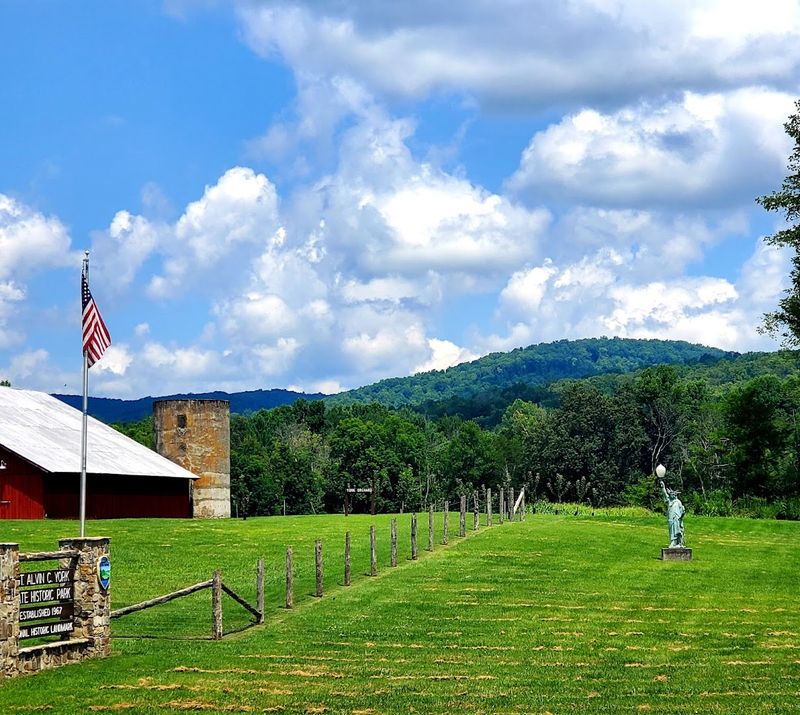
This corner of Tennessee has a quiet, backroads feel that’s usually overshadowed by flashier history stops. Sgt. Alvin C.
York State Historic Park preserves the home and mill of one of World War I’s most famous soldiers, but it does so without the museum-style polish you’d expect from a major historical site. The park feels intimate and local, like you’re visiting someone’s actual homestead rather than a curated attraction.
State tourism points to preserved buildings, guided tours, and the surrounding Wolf River landscape as draws, and all of that delivers. But what really makes the park work as a hidden gem is the setting. You’re deep in rural Tennessee, surrounded by farmland and forest, with very little development in sight.
It’s the kind of place where history feels personal rather than abstract.
The tours offer real stories about York’s life, his reluctance to fight, and his eventual heroism. Guides share details that go beyond the textbook version, and the buildings themselves—original structures, not replicas—ground the experience in something tangible.
Plan for a couple of hours. The park isn’t huge, but it’s worth more than a quick stop. Bring curiosity, skip the phone, and let the place tell its story at its own pace.
Share this story