You do not need a passport to find cobblestone vibes, church steeples, and bakeries that smell like butter and sugar. Texas has small towns shaped by German, Czech, French, and Scottish settlers who brought their traditions along. Their old stone buildings, festivals, and food make a weekend drive feel like a trip across the ocean.
Get ready to pick your next road trip.
1. Castroville
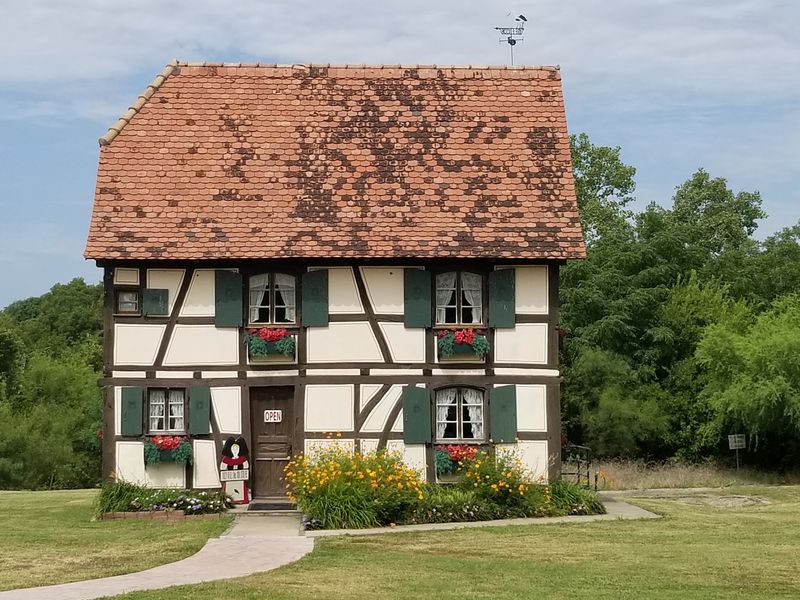
Picture a village in eastern France, then drop it into the Texas Hill Country. That is the feeling you get strolling the streets of Castroville, often nicknamed the Little Alsace of Texas. Settlers from the Alsace region arrived in the 1840s, and their building style still shows in the steep roofs, thick stone walls, and tiny cottages.
Start your visit downtown, where the old homes sit close to the road like they are waiting to say hello. Many have been turned into shops, small museums, and cozy cafes. Take your time, because the best details are small ones, like carved wooden trim, narrow windows, and old iron gates.
The Landmark Inn State Historic Site is a great stop. It sits next to the Medina River and offers a peek at how travelers once lived and rested here. Walk down to the old mill dam and you will find a quiet spot for photos and a picnic.
Hungry? Look for local bakeries and family restaurants that serve hearty comfort food with a Texas twist. Pastries are a smart choice, especially if you plan to keep walking all afternoon.
Ask the staff what is fresh, since locals are usually happy to point you to a favorite.
Here is a fun fact: the town was founded by Henri Castro, an empresario who recruited families from Europe to settle the area. That history explains why the place feels so different from other Texas towns. Even the street names and church architecture echo those first newcomers.
Plan your trip around a festival if you can. Events like the Saint Louis Day celebration bring music, food, and parades to town. Wear comfortable shoes, bring a camera, and leave extra time, because this little town has a way of making hours disappear.
2. Fredericksburg
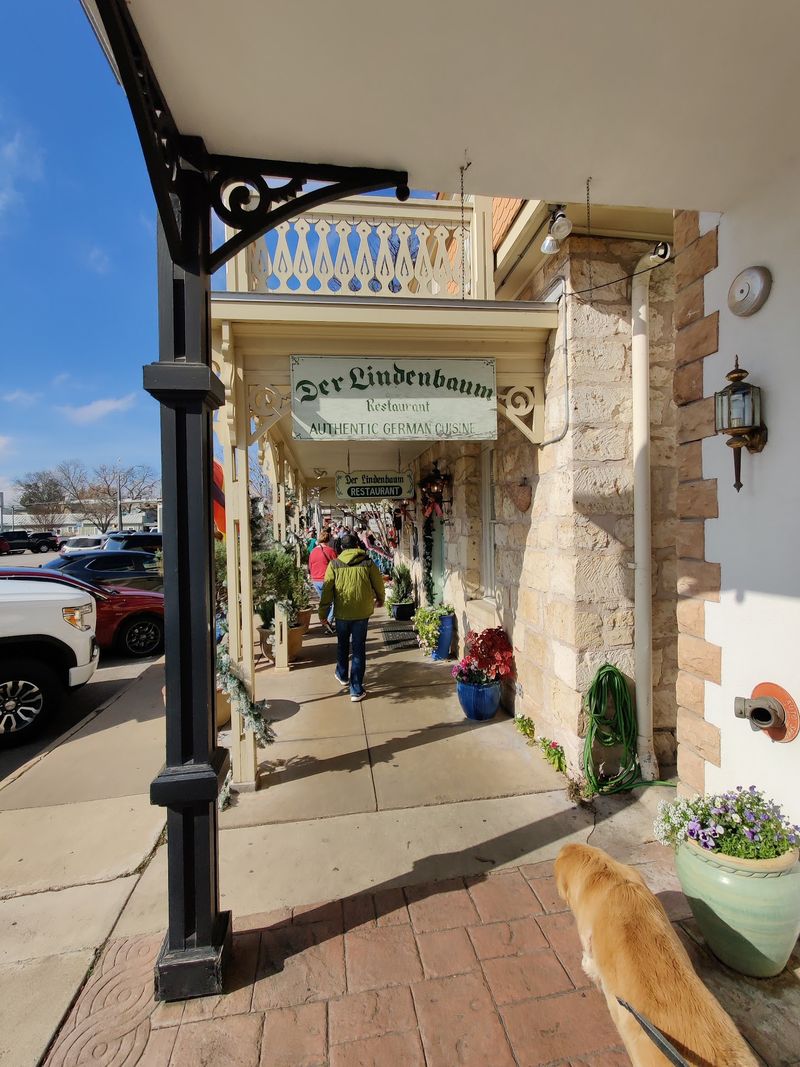
Say “prost” and grab a pretzel, because Main Street here feels like a German village that learned to love cowboy boots. Founded in 1846 by German settlers, the town kept its roots alive through food, buildings, and a calendar packed with festivals. Walk a few blocks and you will pass stone storefronts, beer gardens, and shops packed with treasures.
The famous Sunday houses are a neat piece of local history. Farm families built tiny town homes so they could stay close to church on weekends after long trips from the ranch. Some still stand and are now used as rentals and shops, which makes them a fun spot for a photo.
For a taste of the past, wander into a bakery and order something like strudel or fresh bread. Restaurants serve schnitzel, sausage, and red cabbage, often with a big side of friendly service. Save room for dessert, because you will want it.
History fans should visit the Pioneer Museum and the National Museum of the Pacific War. Both show how deeply the community has shaped the story of Texas. The Pacific War museum is large, so plan a couple of hours.
Outside of town, peach orchards, wineries, and rolling hills make a lovely scene. Spring brings wildflowers, and summer brings juicy peaches at roadside stands. Come in December and the whole downtown glows with lights, which feels pretty close to a European Christmas market.
Weekends fill up fast, so book rooms early. If you can visit midweek, you will get quieter streets and easier parking. Either way, bring your appetite and a bit of patience for shopping.
3. Salado
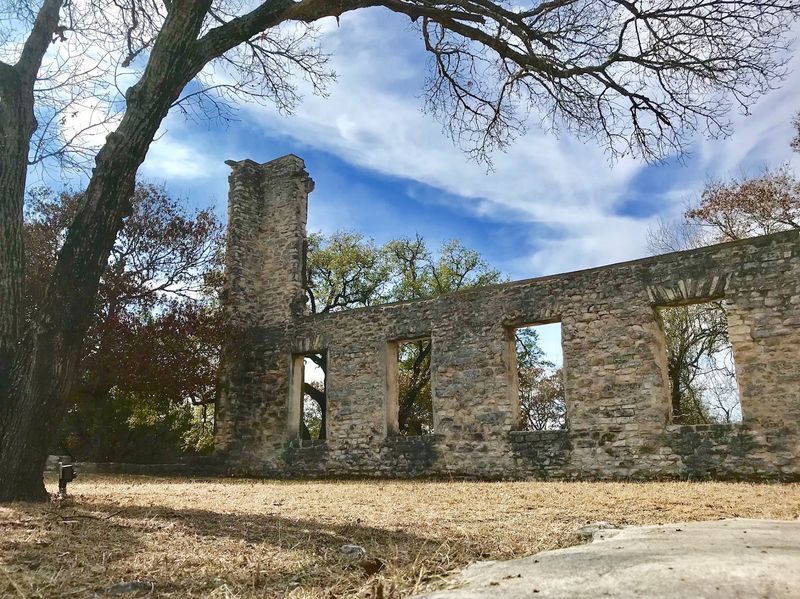
Shade trees, trickling water, and cottages that look pulled from a storybook make this a gentle escape. Salado sits along a clear creek, and the setting gives it a hint of English countryside. Add in its Scottish side, and you have one of the most surprising small towns in the state.
The Scottish touch comes alive each November at the Gathering of the Clans, a festival with bagpipes, athletic games, and tartans everywhere. Even if you miss the big event, you will find hints of the heritage in shop names and local traditions. It is a delightful mix that feels very different from nearby towns.
Stroll Main Street and you will find art galleries, antique shops, and little boutiques tucked inside historic buildings. Many artists live nearby, so the creative energy is real. Ask a shop owner about local painters and potters, because they often know the makers by name.
For a break, sit by Salado Creek and watch the water slip over rocks. Pocket parks and benches make it easy to rest your feet. Bring a book or a snack, then let the afternoon slow down.
Salado also has a long history as a stop for travelers heading north and south. Old inns and historic homes still carry that welcoming spirit. A tearoom or a patio lunch fits the mood perfectly.
Plan an overnight stay if you can. Evening here is quiet, and the stars come out brightly once the shops close. It is a restful pick for couples, friends, or anyone who needs a calm reset.
4. Muenster
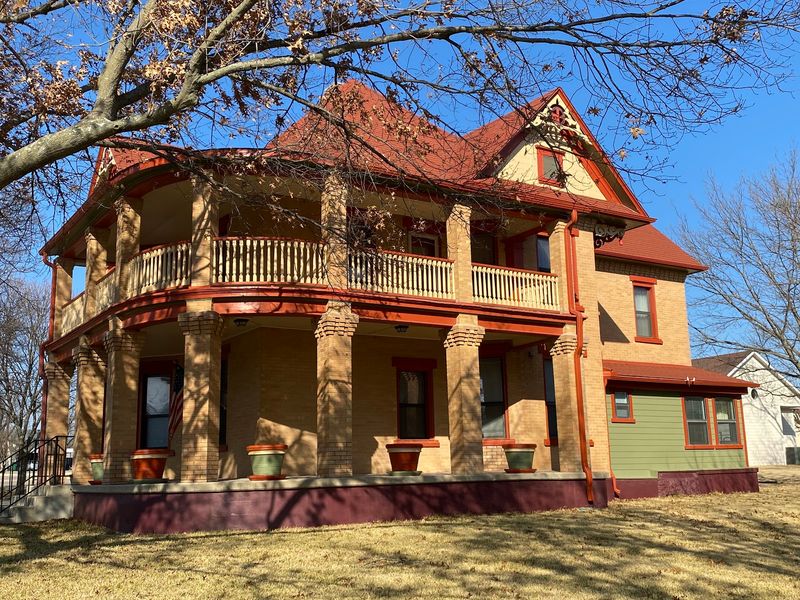
Few places in North Texas can say they smell like sausage and sauerkraut in the best possible way. Muenster, near the Oklahoma border, blends farm country with Bavarian flavor. German Catholic families settled here in the late 1800s, and their traditions are still the heartbeat of the town.
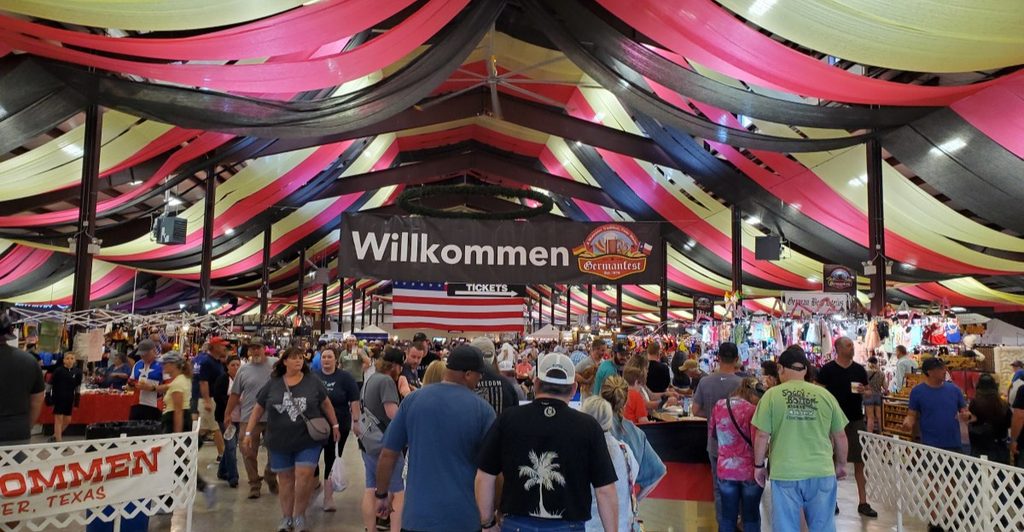
The big event is Germanfest, held each spring. Expect polka music, dancing, a parade, and plenty of local food. It is lively, friendly, and open to newcomers who want to join the fun.
Even on a regular day, you can spot the heritage in local meat markets and bakeries. Sausage, cheese, and fresh bread are easy to find, and they make great picnic supplies. Grab some before you head out of town, because it tastes even better the next day.
Downtown is small, so you can see a lot in a short time. The tall church steeple rises above the flat landscape, creating a skyline that feels very European. Take a moment to walk around the church grounds, which are peaceful and photogenic.
Muenster also offers a look at a different side of Texas. Instead of cattle drives and oil derricks, you get dairy history and close-knit families. Residents are proud of their roots and happy to share stories.
Plan a quick day trip from the Dallas area, or add it to a wider North Texas road trip. Bring a cooler for treats, and wear comfy shoes for strolling. You will leave with a full stomach and a new favorite small town.
5. Round Top
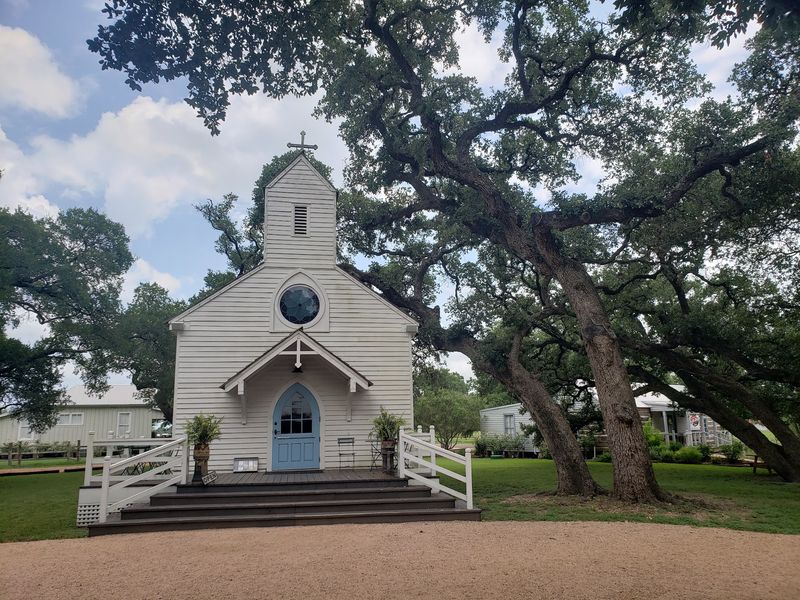
With fewer than a hundred full-time residents, this tiny town manages to feel bigger than life. Twice a year, the Round Top Antiques Fair draws huge crowds to the countryside. The rest of the year, the place is calm, quiet, and wonderfully old-world.
German settlers arrived in the 1800s, and their influence still shows in the stone buildings and wooden cottages around the square. The Henkel Square Market preserves historic structures and gives visitors a window into daily life long ago. Wander through and notice how the craftsmanship holds up after so many years.
Music lovers should look into the Round Top Festival Institute. Its concert hall and gardens look like something tucked away in the European hills. Performances can be a treat, especially on a warm evening with the windows open.
Food is simple and satisfying. A few local spots serve burgers, pies, and German-style plates, often with friendly small-town service. The Bybee Square Pie Company is a favorite stop for sweet tooths.
One quirky detail: the town square has a tiny town hall that has served the community for generations. It is an easy photo spot and a good place to start a walking tour. The slow pace invites you to wave at passersby.
If you plan to visit during the antiques fair, book lodging far ahead. Otherwise, try a quiet weekday and soak up the countryside without any crowds. Either way, bring a good hat and a little extra room in the trunk.
6. New Braunfels
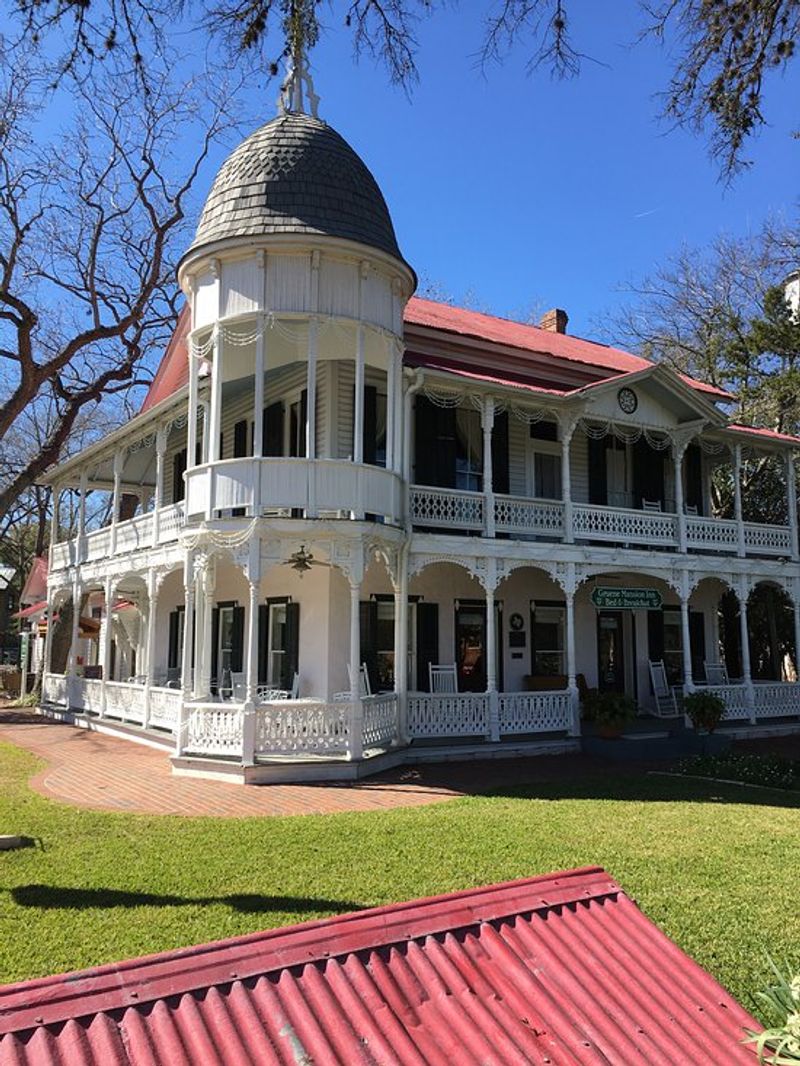
If a town can host a ten-day sausage festival and keep a straight face, you know it loves its heritage. New Braunfels was founded by German immigrants in 1845, and the spirit lives on in its food, music, and buildings. Every November, Wurstfest turns the town into a giant party with accordion tunes and plenty of bratwurst.
The historic downtown is a pleasure to explore on foot. Look for the old courthouse square, the Sophienburg Museum, and the charming Gruene Historic District nearby. Gruene has a dance hall dating to 1878, which is one of the oldest in Texas.
Water adds to the fun. The Comal River and the Guadalupe River are popular for tubing in warm months, and the cool, clear water is a welcome break from Texas heat. Plan a morning float, then spend the afternoon exploring shops and bakeries.
Bakeries here are worth a detour. Try a kolache, a strudel, or a slice of cake, and ask what the locals order. You can also find hearty German plates that fit the cooler seasons perfectly.
Do not overlook the Prince Solms Park and the Schlitterbahn history, which show how the town has long loved a good time. Evening walks along the river feel peaceful and scenic. Carry a light jacket in winter, since the breeze can bite.
Because the town is popular, weekends can be busy. Arrive early to find parking and grab a table before the lunch rush. A little planning makes everything smoother.
7. Boerne
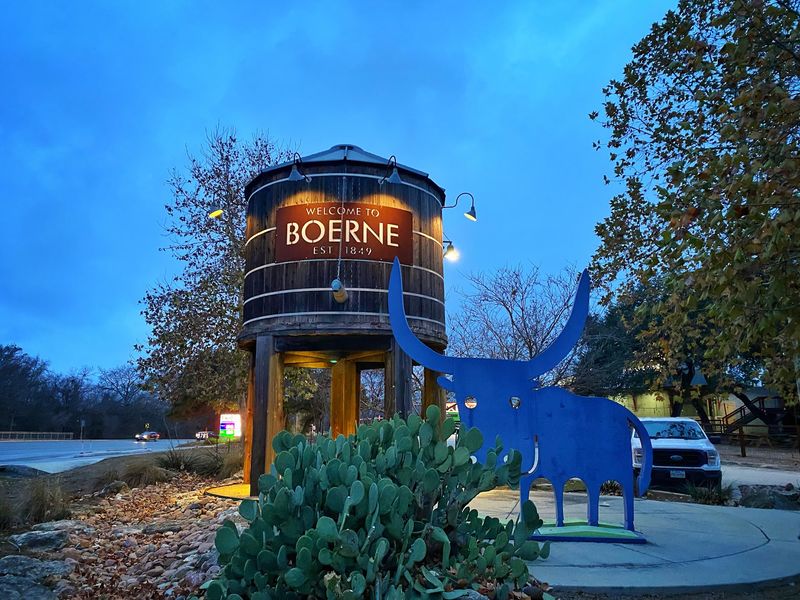
Here is a small-town trick: park once and let your feet do the rest. Boerne, pronounced “Bernie,” has a walkable Hill Country Mile lined with stone buildings, antique shops, and cafes. German settlers founded it in the 1850s, and their influence still shapes the look and feel of downtown.
Cypress Creek runs through Main Plaza, offering shaded benches and a gentle soundtrack of water. It is a great place to rest between shops. Kids and adults alike enjoy watching ducks glide by.
The Kendall County Courthouse and the old Dienger Trading Company building add to the charm. Dienger’s was built in the late 1800s and still stands as a reminder of the early business days. Take a look at the detail in the stonework and the old-style signage.
Hungry travelers can find German-inspired dishes, plus Texas barbecue and Tex-Mex. Patios are common, so grab a seat outside when the weather is nice. Ask about daily specials, which often feature fresh local ingredients.
Nature lovers should add Cibolo Nature Center to the list. Its trails wind through wetlands and woods, giving you a quiet break from shopping. Bring water and a hat in summer.
Christmas is especially lovely, with lights, markets, and a cozy small-town glow. The Boerne Market Days draw crafters and shoppers on the first Saturday of each month. Arrive early for the best finds.
8. West
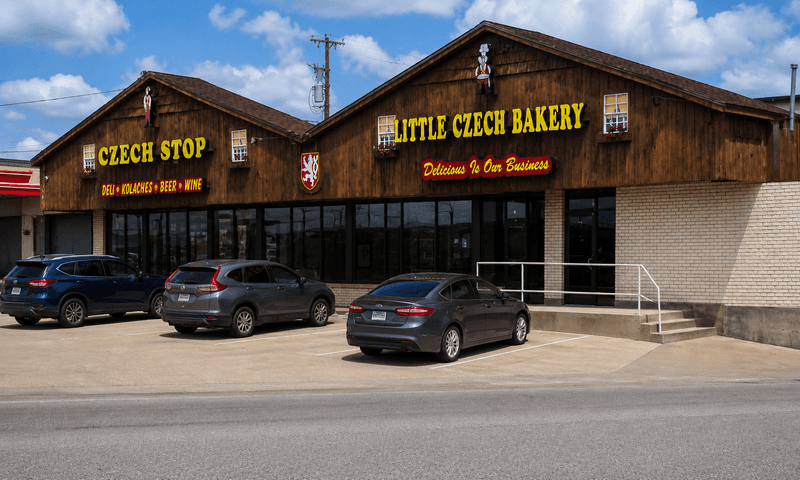
Ask any Texan where to find the best kolaches, and chances are West comes up fast. This small town off Interstate 35 is proud of its Czech roots, and you can taste that pride in every pastry. Czech immigrants settled here in the 1800s and left a lasting mark on the food, music, and festivals.
The Czech Stop and Little Czech Bakery are famous roadside stops. Their shelves are filled with fruit and sausage-filled treats that disappear quickly. Go early for the best selection, and buy a few extra for the road.
Beyond pastries, the town has a warm, close-knit feel. Local churches, family businesses, and old storefronts tell the story of a community that has stayed strong through hard times. Take a stroll and say hello to the folks you pass.
Every Labor Day weekend, Westfest fills the town with polka bands, folk costumes, and plenty of dancing. Visitors are welcome to join in, even if they have two left feet. It is one of the most lively cultural events in Central Texas.
Looking for a quiet moment? Visit the historic churches and cemeteries, where Czech names and carvings tell old family stories. Respectful visitors are always appreciated.
Because West sits between Dallas and Austin, it makes an easy stop on a longer trip. Plan for at least an hour, though you may want longer. Bring a cooler, because leftover kolaches are a gift you will thank yourself for.
9. Schulenburg
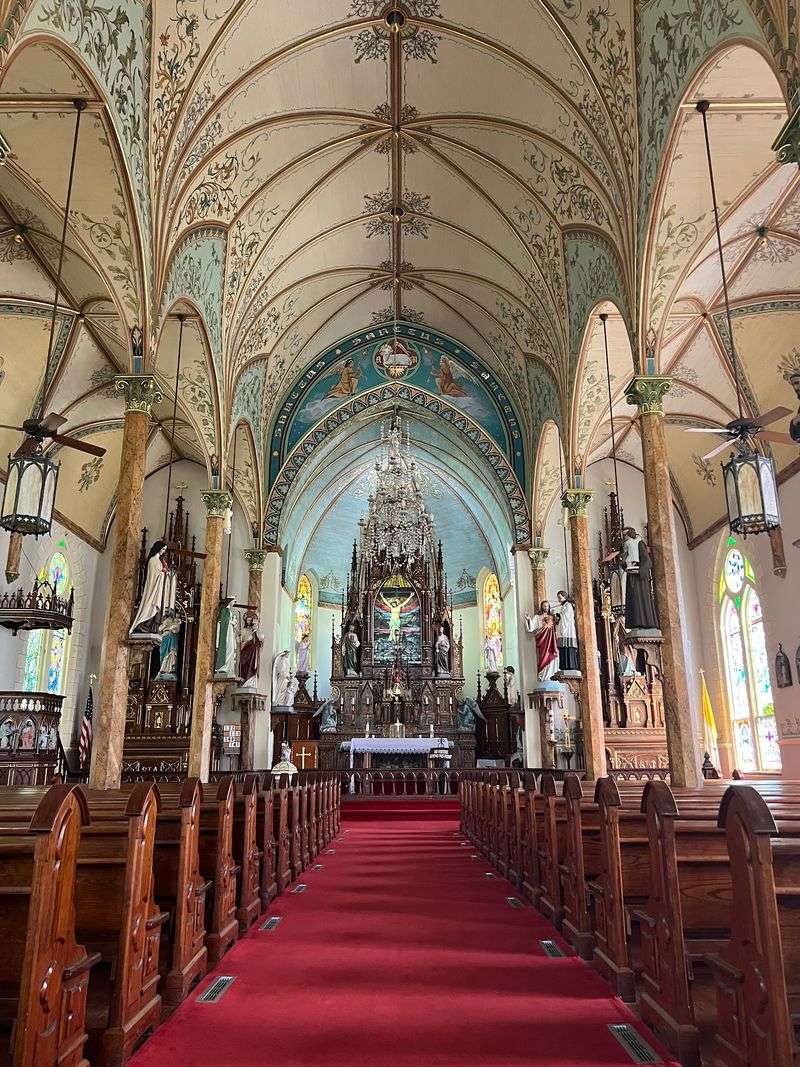
From the outside, the country churches look plain and white. Step through the door, and the ceilings burst with color, as if a European cathedral had been shrunk to fit a farm community. That surprise is the heart of Schulenburg and its famous Painted Churches of Texas.
German and Czech settlers built these small chapels in the late 1800s. Artists then decorated the walls with stencils, painted columns, and star-filled ceilings. Churches such as St. Mary’s in High Hill, Saints Cyril and Methodius in Dubina, and others are open for visits on many days.
Check tour times before you go, since some churches require a guide or have set hours. Dress modestly and speak softly, because these are active places of worship. Bring a camera, but be sure photography is allowed.
Back in town, you will find a friendly square, local bakeries, and stops for sausage and pie. Czech and German food shows up on many menus, and the portions are generous. A kolache break is always a good idea.
The town also hosts the Schulenburg Festival, a mix of music, food, and family fun. It shows how much the community cares about its history. Visitors are welcomed warmly.
Driving between the churches is half the adventure. Rolling farmland, quiet roads, and big skies make the trip relaxing. Pack snacks, charge your phone, and give yourself a whole day to take it all in.
Share this story