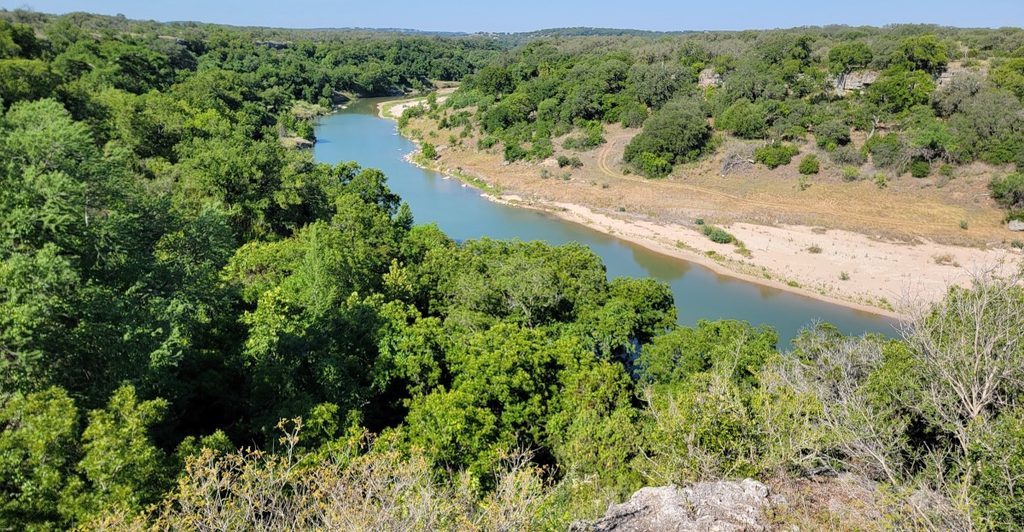
Just down the road from the crowds at Hamilton Pool sits a huge Travis County park that most visitors drive right past. Milton Reimers Ranch Park covers more than 2,400 acres of canyons, cliffs, and river shoreline. You can hike, bike, climb, swim, or even peek at the stars through a telescope.
Here are eight reasons to point your car toward this quiet corner of the Hill Country.
1. A River Beach Hidden Below the Bluffs
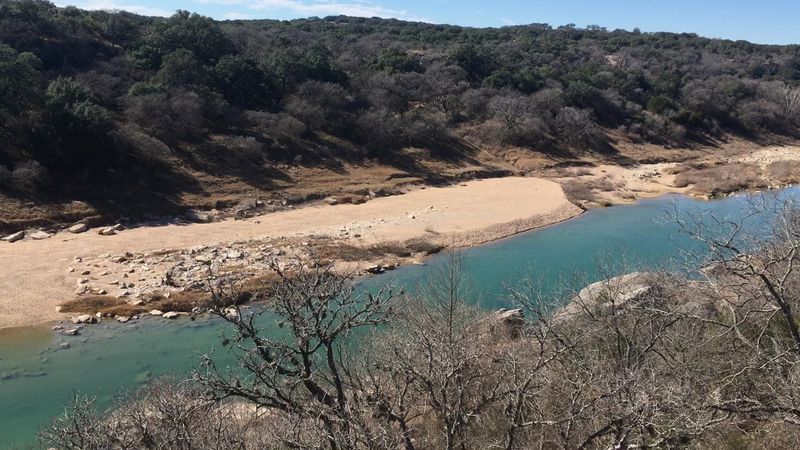
Picture a sandy beach tucked under limestone bluffs, with blue-green water rolling by and hardly a crowd in sight. That is the Pedernales River at Reimers, and it surprises first-timers every single time.
The walk down is short but steep, about a quarter mile of slope from the parking area. Going down feels easy. Coming back up with wet feet and tired legs is the real workout, so pace yourself and bring a water bottle for the climb.
Shade is almost nonexistent on the gravel and sand. Pack an umbrella, sunscreen, and a hat, because Texas summer sun bounces off the rocks and gets intense fast. Several visitors mention the heat as the one thing they wish they had planned for better.
Water clarity changes with the weather. Some days the river looks crystal clear and shallow, perfect for little kids to splash around. Other days it runs murky, and some folks simply sit on the shore and enjoy the view.
During dry spells the river can shrink a lot, so check conditions before you plan a big swim day.
Fun fact: the Pedernales name comes from the Spanish word for flint, and chunks of that tough stone still show up in the area. Keep your eyes on the ground while you wade, and take only photos home.
2. Hiking Trails for Every Energy Level
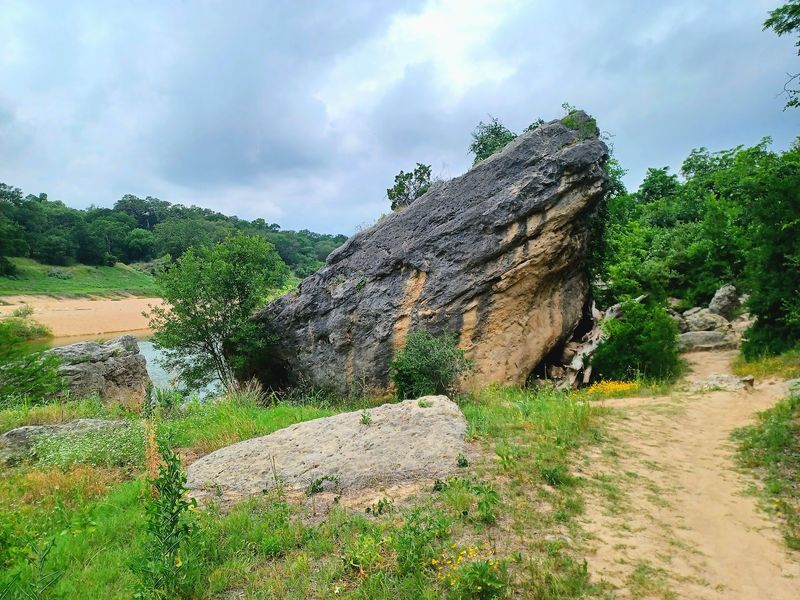
Reviewers throw around the word hiking more than any other at Reimers, and it makes sense. With miles and miles of trail, you can pick a stroll or a sweaty scramble depending on your mood.
The Blue Route is the gentler choice, great for easy walking and chatting, though it has little shade. The Green Route gets rockier and tougher, but it pays you back with close-up river views. The Upper River Trail climbs toward Climbers Canyon with a few rocks to hop over, and the Lower River Trail runs about 1.6 miles one way, so a round trip lands just over three miles.
Along the way you will pass huge boulders, tall oaks, cedar, and wildflowers. In spring, bluebonnets pop up beside the path. Small signs also tell you which animals might be nearby.
One regular says she can hike ten miles and barely see another person. That kind of quiet is rare this close to Austin.
A few tips help. Trail markers can be confusing in places, so snap a photo of the map before you start. Wear real shoes, carry more water than you think you need, and keep an eye out for snakes on warm days.
3. Rock Climbing in Climbers Canyon
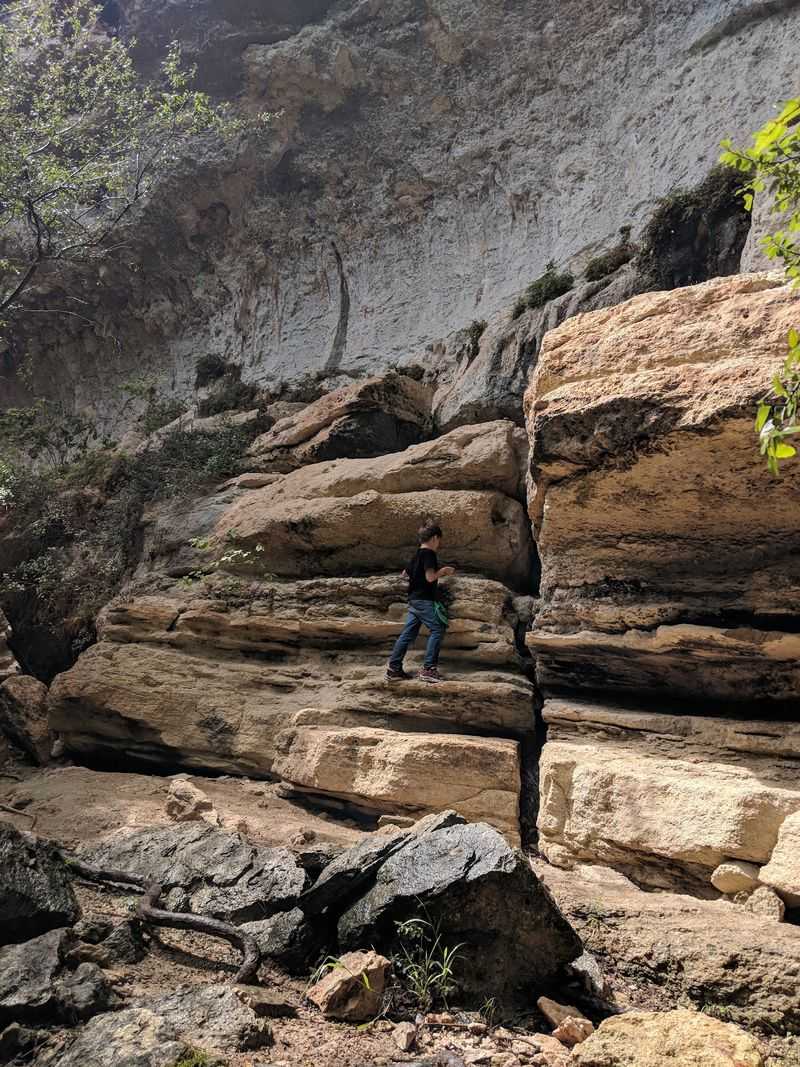
Chalky hands and clinking carabiners are common sounds in the canyon walls here. Reimers has a serious reputation among climbers, and the cliffs rise right out of the preserve like a natural gym.
Park listings call it a nature preserve with rock-climber appeal, and the crowd proves it. Visitors describe the routes as fun and doable, which means beginners with a guide and veterans with their own gear can all find something. Limestone gives you grippy holds, but it can also be sharp, so gloves and good shoes help.
Not a climber? Wander the base of the cliffs anyway. Watching someone inch up a wall while you sip water in the shade of a boulder is surprisingly entertaining.
Plan around the weather. Hot afternoons make the rock slick with sweat, so early morning and cooler months are your friends. Always check in at the entrance, follow posted climbing rules, and use a helmet.
Loose rock can fall, so do not stand directly under climbers.
Bring a rope bag, a first aid kit, and a buddy who knows the knots. Even if you only try one easy route, you will leave with a new respect for the walls around you.
4. Mountain Biking That Bites Back
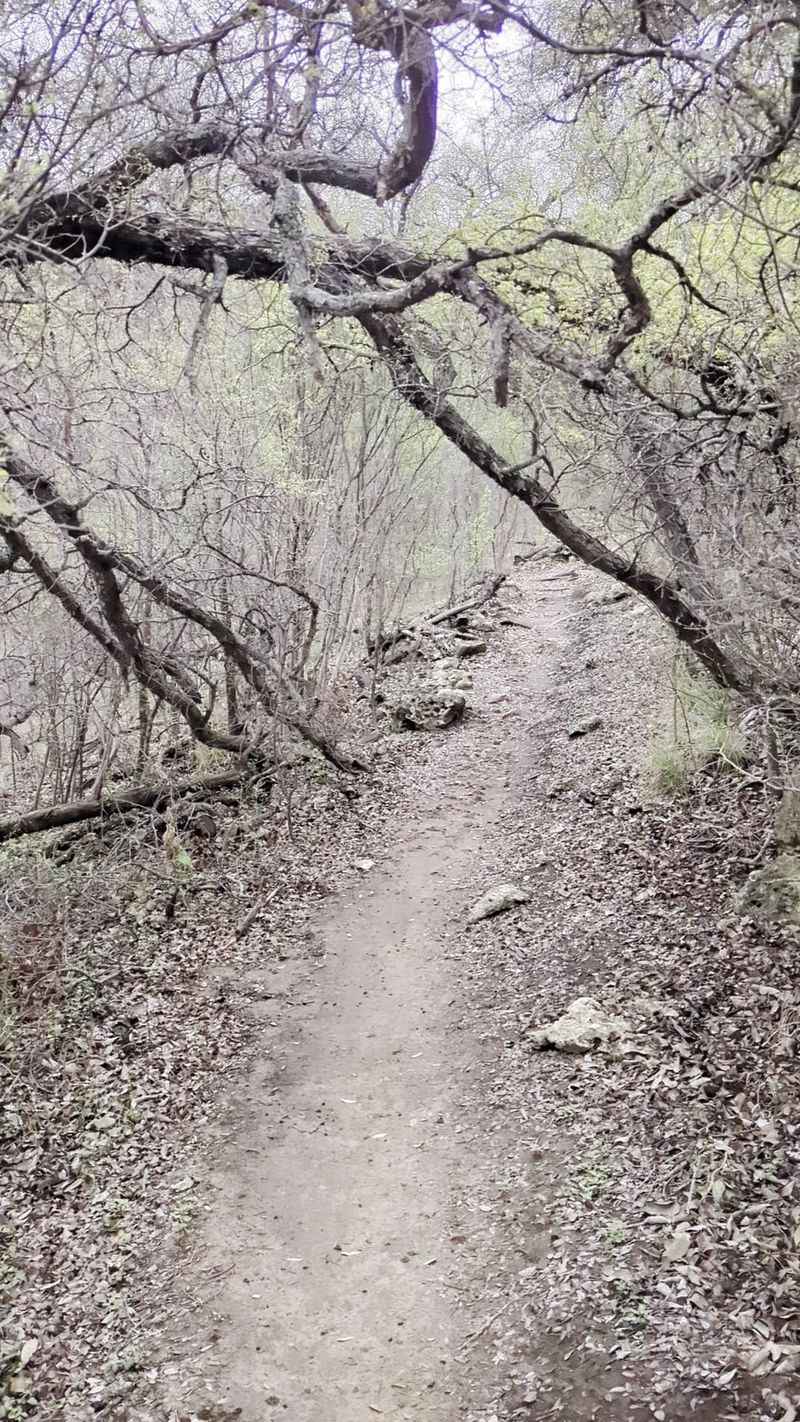
One rider put it plainly: yikes, this place gets serious. Fair warning, the biking at Reimers is no lazy ride on a flat path.
Many of the routes are rated blue, which means rocky, twisty, and full of short climbs. Roots and limestone ledges keep you on your toes. Newer riders sometimes struggle to find the easy green trails, so study the map before you roll out and keep checking your location at junctions.
The payoff is real, though. You get flowing sections, big views across the valley, and the chance to ride closer to the river bed. The parking area is roomy, the bathrooms are clean according to riders, and a pavilion overlook makes a perfect lunch stop.
Preparation matters out here. Bring a spare tube, a pump, and plenty of water, since shade is scarce and the sun is strong. Tire pressure that works at home may feel too hard on sharp rock, so let a little air out.
Hikers and equestrians share many of these paths, so slow down on blind corners and call out when you pass. Ride smart, and you will finish tired, dusty, and grinning.
5. The Cave and the Big Rock Overhang
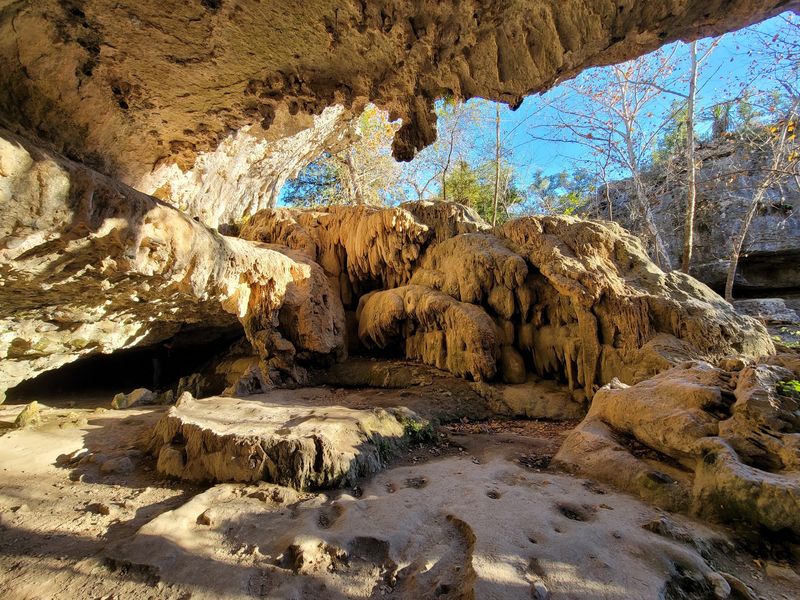
Step inside and the temperature drops like someone flipped a switch. The cave on the primitive trail is one of the best surprises in the park.
The path leading to it starts a bit challenging, with rocks to climb through and over. Stick with it, because the cool, shady cave is a welcome reward after a sunny stretch. One hiker said the air felt amazing after leaving the hot beach area behind.
A large overhang nearby is just as fun to explore. Bluffs wrap around it, and the whole area feels like a private little world. Kids and adults both love poking around the nooks and ledges.
Bring a flashlight or use your phone light, and wear shoes with solid grip. Stone can be slippery where moisture lingers. Look before you reach into any crevice, because snakes and other critters like cool shady spots too.
A tip from a local reviewer: leave through the backdoor exit if you want a bonus rock scramble and an uphill challenge. It is a fun way to turn a simple cave visit into a full adventure. Pack out all trash and leave the formations untouched so the next visitors get the same wow moment.
6. Stargazing at the Observatory
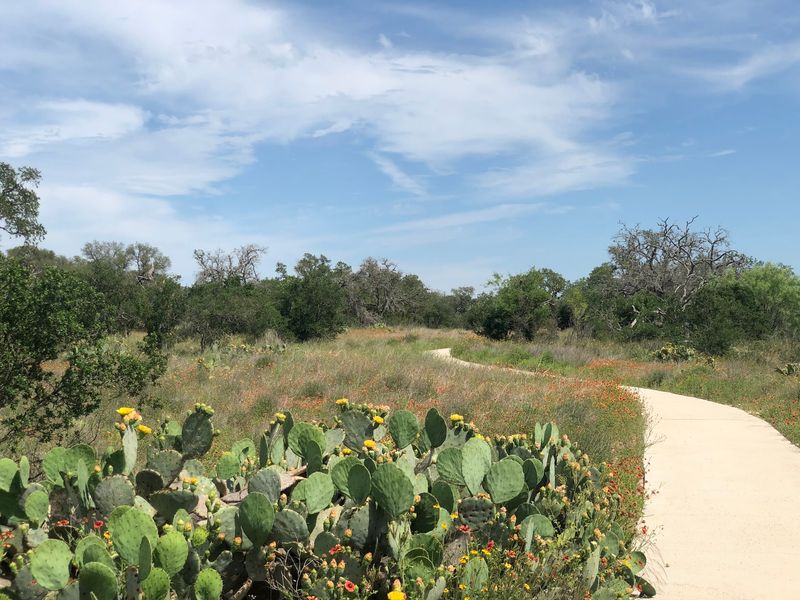
When the sun drops, a whole second show begins. Reimers has an observatory with two telescopes, and reviewers rave about the staff.
The guides know their stuff and keep things friendly. Groups stay small, so everyone gets a turn at the eyepiece instead of squinting at the back of someone’s head. Visitors who have gone twice say both nights were great.
Reservations are a must. Spots fill up because the group size is limited, so book ahead and check the park website for dates and times. Hill Country skies are darker than city skies, which means planets and star clusters look sharp.
Dress for the weather. Nights can turn cool, even after a scorching day, so toss a jacket in the car. Red flashlights are kinder to night vision than white ones, and phone screens should stay dimmed.
Kids who think space is boring often change their minds after seeing the rings of Saturn or craters on the moon with their own eyes. Pair it with an evening hike or a sunset stop at the overlook for a full day out. The park keeps long hours, so plan your timing and arrive early enough to find parking.
7. Wildlife, Wildflowers, and Texas Persimmons
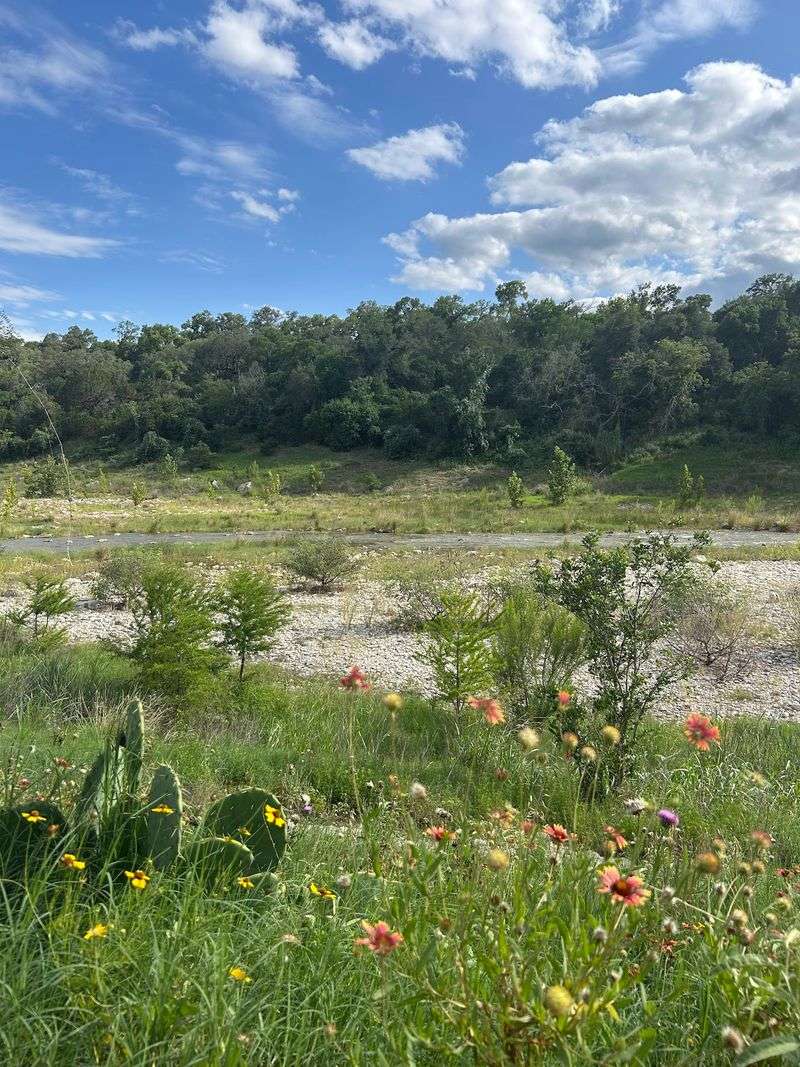
Slow down and the park starts showing off. Birdsong fills the trees, even if the singers are too tiny and speedy to spot.
Visitors report lots of bird species, plus cacti, wildflowers, and big oaks. In early spring, bluebonnets show up beside the trails. One hiker even said the changing seasons here felt like a rare colorful treat for Texas.
Here is a snack tip from a regular. Around July and August, Texas persimmons ripen along the paths and taste sweet and juicy. Pick only what you can safely identify, and never strip a whole tree because wildlife depends on them.
Signs along the trail explain which animals might cross your path. Keep your distance from everything, and remember that snakes enjoy warm rocks just as much as hikers do. Stay on the trail and watch where you step.
Bring binoculars if you have them. Dawn and the late afternoon are the best times for birds, and the light also makes the limestone glow. A small notebook or a bird app turns a regular walk into a treasure hunt, and kids love checking off each new sighting.
8. Smart Planning, Fees, and Pro Tips
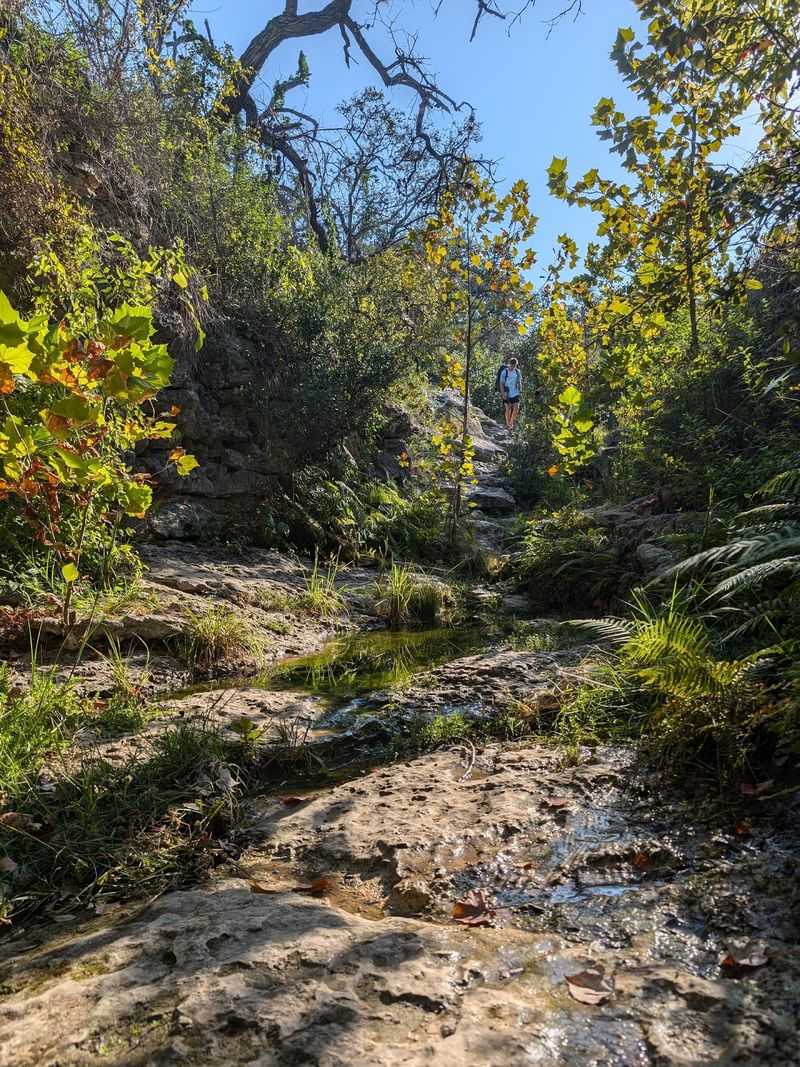
A little prep makes the difference between a good day and a great one. Start with the basics: the park opens at 7 AM and stays open until 7:30 PM every day.
Entry has been reported at about five dollars per person, and several visitors say the entrance accepts cash only. Bring bills just in case. If you already paid at Hamilton Pool, one visitor said entry here was free that day, so keep your receipt handy and ask at the gate.
Frequent visitors rave about the Travis County Park Pass, which one regular calls the best eighty dollars you can spend. It pays off quickly if you come often or visit other county parks.
Water is the big one. Fountains and bathrooms exist, but a few visitors found them closed or dry, so carry your own supply. Shade is rare, so pack sun protection.
Dogs on leashes are welcome, and some trails are close to accessible, though signs can be confusing.
Call 512-854-4170 if you need current info. Weekday mornings tend to be calm, and even holidays have felt roomy. Arrive early, stay late, and you might have the canyon almost to yourself.
Share this story