One day is enough to discover why Elizabethton deserves a place on your Tennessee travel list. Begin with a local breakfast before wandering through the historic downtown district, where vintage storefronts, independent shops, and small-town character line the streets. Walk across the community’s beloved covered bridge, relax beside the Doe River, and explore the frontier stories preserved at Sycamore Shoals State Historic Park.
History lovers can also visit Carter Mansion, one of Tennessee’s oldest frame homes, while outdoor enthusiasts can enjoy a peaceful stretch of the Tweetsie Trail or spend time near the Watauga River. Finish the afternoon back downtown with a satisfying meal and an unhurried stroll. With its scenic surroundings, meaningful history, and welcoming atmosphere, Elizabethton fits plenty of memorable experiences into 24 hours.
Start Your Morning With A Local Elizabethton Breakfast
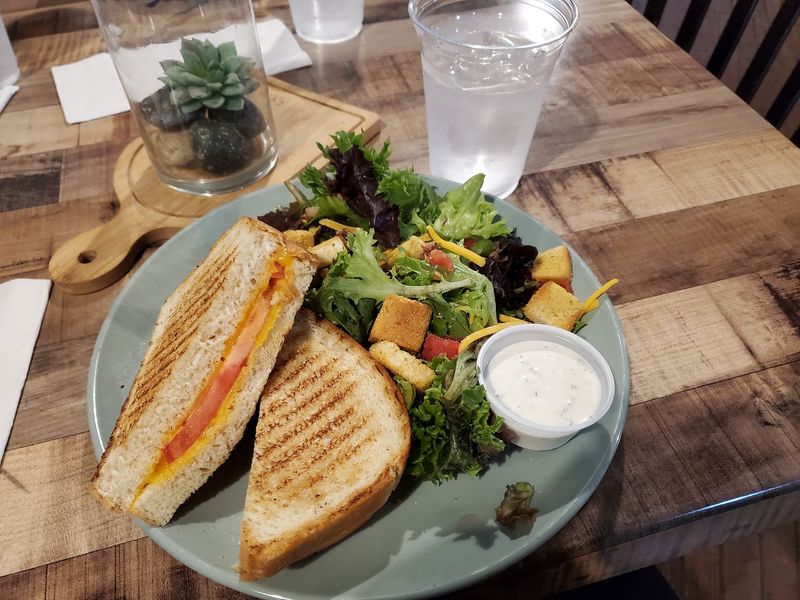
Biscuits come first in East Tennessee. That is not a rule anyone wrote down, but spend one morning in Elizabethton and you will notice it everywhere. Fluffy, buttery, and often smothered in sausage gravy, a good biscuit sets the tone for the whole day.
Your best move is to skip the chain spots near the highway and find a locally owned diner or cafe closer to the heart of town. These are the places where regulars chat with the staff by name and the coffee refills arrive before you ask. Listening in on a booth full of locals swapping weather reports and fishing stories is half the fun.
Not a gravy person? Most hometown breakfast spots around here also serve pancakes, country ham, hash browns, and omelets loaded with whatever is fresh. Some cafes lean a little trendier, with lattes, pastries, and lighter plates.
Either way, portions in this part of the state tend to be generous, so pace yourself.
Here is a smart insider tip. Eat a solid breakfast, because you have a full day of walking ahead. Downtown strolling, a covered bridge, a state historic park, and a trail are all on the schedule, and you will want energy for every stop.
Timing matters too. Weekend mornings can bring a short wait at popular local places, especially after church lets out on Sundays. Arriving early, around 7 or 8, usually means a quicker table and a calmer atmosphere.
Weekdays tend to be relaxed all morning long.
Before you leave, ask your server for advice. Folks in Elizabethton are proud of their town and happy to point visitors toward a favorite shop, a quiet spot on the river, or the best place to grab lunch later. A little friendly conversation can turn into the best tip of your trip.
Hours and menus at small, family-run restaurants can change, so check online or call ahead before you go. A quick look the night before saves you from showing up to a locked door and a growling stomach.
Fuel up, grab one more cup of coffee, and get ready to explore.
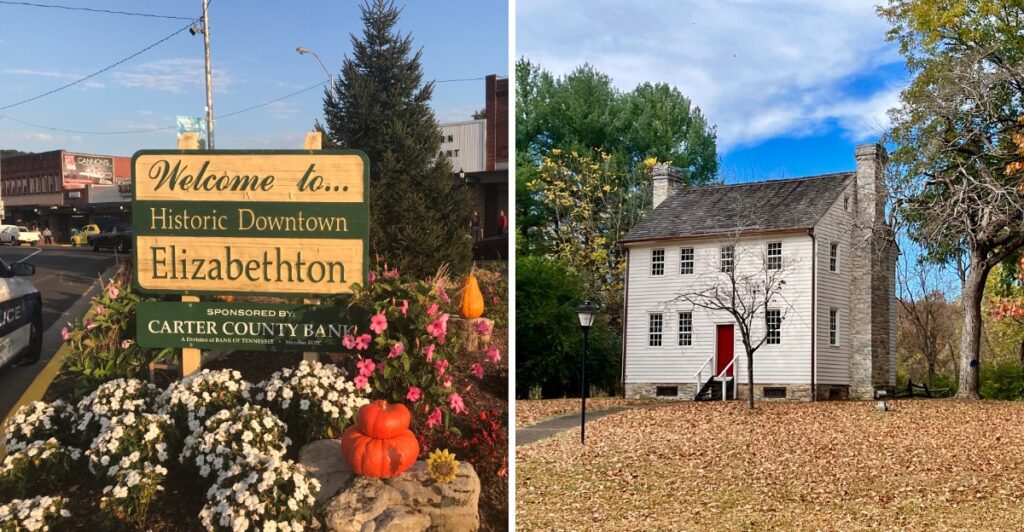
Stroll Past Historic Storefronts In Downtown Elizabethton
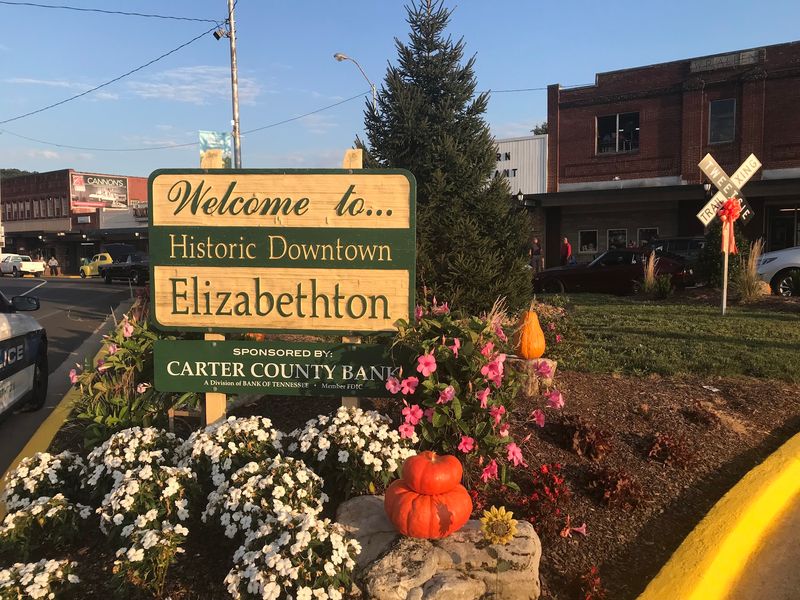
Old brick has a way of telling stories. Walk down Elk Avenue in downtown Elizabethton and the buildings seem to whisper about the decades when this was a busy hub for shoppers, workers, and families from all over Carter County.
The town grew quickly in the early twentieth century, when large rayon plants brought jobs and new residents to the area. Many of the downtown buildings date back to those boom years. You can spot details like decorative trim, tall windows, and painted signs that hint at what each storefront once sold.
Today, the main street mixes the past with the present. Expect a blend of antique shops, boutiques, local businesses, and eateries tucked into those historic spaces. Browsing is the whole point here, so slow your pace and peek into anything that catches your eye.
Antique hunters, this stretch is for you. Shelves often hold vintage kitchenware, old tools, Appalachian crafts, and quirky treasures you will not find in a big-box store. Even if you do not buy anything, the hunt is a blast.
Keep an eye out for murals and public art, too. Small towns across Tennessee have been adding colorful walls that celebrate local history and mountain life. They make great photo backdrops and give you a quick lesson about the community.
Look up as you walk. Some of the best architecture sits above eye level, on the second and third floors where old offices and apartments once lived. It is an easy detail to miss when you are focused on shop windows.
Downtown is also home to the Carter County Courthouse, a handsome building that reminds visitors Elizabethton serves as the county seat. It anchors the area and makes a handy landmark if you lose your bearings.
Parking is usually easy to find along the street or in nearby lots. Wear comfortable shoes, since you might wander longer than planned.
Shop hours vary, and some small businesses close early or take a day off midweek. Checking ahead keeps you from missing a store you really wanted to see. Once you have soaked up the downtown vibe, a famous bridge is waiting just around the corner.
Walk Across The Town’s Beloved Covered Bridge
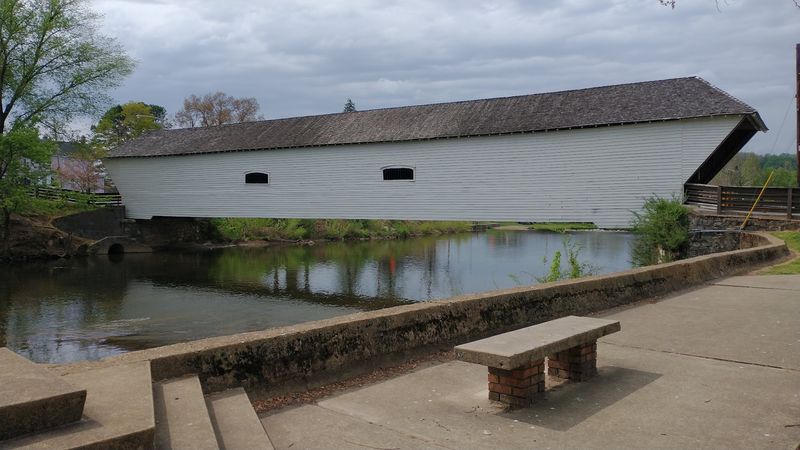
Ask almost anyone in Elizabethton for the town’s signature sight, and you will likely hear the same answer. The covered bridge over the Doe River is the image on postcards, local logos, and countless family photo albums.
Built in 1882, the bridge is one of the oldest covered bridges still standing in Tennessee. Its white wooden walls and sturdy roof have watched more than a century of change roll by. Some locals call it the Doe River Covered Bridge, and you will hear both names.
Here is a fun bit of history. A huge flood swept through the area in 1901 and destroyed several other bridges along the river. This one survived, which helped earn its reputation as a tough little landmark.
Cars no longer cross it, so the bridge belongs to walkers now. Stepping inside feels like entering a quiet wooden hallway. Listen for the creak of the boards and the sound of the river rushing below.
The views from the openings are lovely, especially in the morning when light bounces off the water. Peek out and you might spot ducks paddling along or kids skipping rocks from the bank.
A small park surrounds the bridge, with grassy areas and benches that invite you to linger. On warm days, families spread out picnic blankets and let little ones explore. Bring a snack and enjoy a few relaxed minutes.
Photographers, grab several angles. Shooting from the riverbank shows off the full shape of the bridge, while standing at one end gives you a dramatic tunnel effect. Autumn leaves and spring blooms make the scene even prettier.
The town also hosts events near the bridge throughout the year, so you may catch a festival or community gathering during your visit. Checking the local calendar before your trip could add a bonus experience.
Since the bridge sits right near downtown, it pairs perfectly with your storefront stroll. You can easily walk between the two without moving your car. After crossing, hop in for a short drive to one of the most important historic sites in the entire state.
Explore Frontier History At Sycamore Shoals State Historic Park
A crowd of more than a thousand frontier fighters gathering on a riverbank in 1780. That happened right here, when the Overmountain Men met at Sycamore Shoals before marching toward the Battle of Kings Mountain. Historians often point to that battle as a turning point in the American Revolution.
The story goes even deeper. Settlers along the Watauga River formed the Watauga Association in 1772, one of the first independent governments created by American-born settlers west of the mountains. Elizabethton proudly claims that legacy, and this park is where you can feel it.
Start at the visitor center. Exhibits explain the settlers, the Cherokee people who lived in the region long before, and the land deals that shaped the frontier. A short film helps tie everything together, which is handy if history class was never your favorite.
Next, head outside to the reconstructed Fort Watauga. Walking through the wooden gates feels like stepping back two hundred and fifty years. Look inside the small cabins and imagine life without electricity, running water, or a grocery store nearby.
A walking path loops along the river and through open fields. It is flat and easy, making it a good choice for families and casual walkers. Interpretive signs along the way share bite-size facts.
Timing your visit can make it even better. The park is known for living history events and an outdoor drama about the area’s past. During these gatherings, reenactors in period clothing demonstrate skills like cooking over open fires and firing old muskets.
Every September, the park also marks the start of the Overmountain Victory National Historic Trail, which follows the route those frontier fighters took. Hikers and history buffs travel from far away to join the celebration.
Plan on spending one to two hours here. Kids tend to love the fort, while adults usually get pulled into the museum displays.
Check the park website for current hours and event dates, since schedules shift with the seasons. Once your frontier lesson wraps up, a historic home nearby continues the story.
Step Inside One Of Tennessee’s Oldest Homes At Carter Mansion
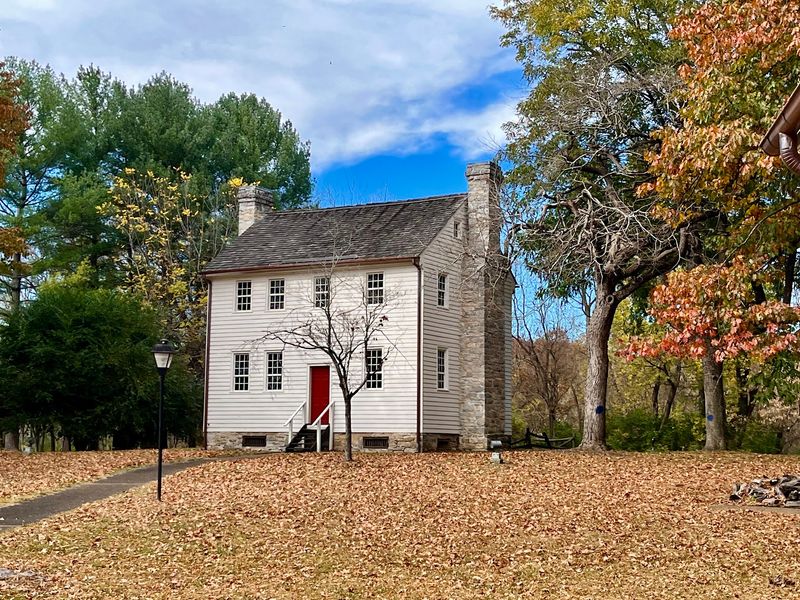
From the outside, Carter Mansion looks modest. A two-story frame house with simple lines, it would be easy to drive past without a second glance. Step through the door, though, and you meet one of the oldest frame houses in Tennessee, built in the 1770s.
The home belonged to John Carter and his son Landon Carter, two key figures in the early frontier government. Carter County itself is named for Landon, so this house sits at the center of local history. Even the name of the town connects to the family, since Elizabethton is believed to honor Landon’s wife, Elizabeth.
What makes the inside special is the original woodwork. Hand-carved paneling, painted details, and old fireplaces have survived for roughly two and a half centuries. Considering the rough frontier conditions back then, that level of craftsmanship is impressive.
Think about how unusual this house was in its time. Most settlers lived in small log cabins. A finely finished frame home like this signaled wealth and importance on the edge of the frontier.
Carter Mansion is managed as part of Sycamore Shoals State Historic Park, which makes planning easier. Tours are often offered seasonally or by arrangement, so contact the park ahead of time to learn what is available during your visit.
Even if the interior is not open when you stop by, the grounds are worth a look. Old trees shade the lawn, and a small family cemetery nearby adds a quiet, reflective feel. It is a peaceful spot to pause between busier stops.
Bring curiosity and a few questions. Park staff and guides usually know fascinating stories about the Carters, the house, and the people who lived and worked there. Their insights bring the empty rooms to life.
Visiting takes less than an hour, making it a smart addition to your afternoon. History fans will love the details, and even casual travelers can appreciate standing inside a building older than the United States.
When you step back outside, it is time to trade old floorboards for fresh air on a popular local trail.
Stretch Your Legs Along The Tweetsie Trail
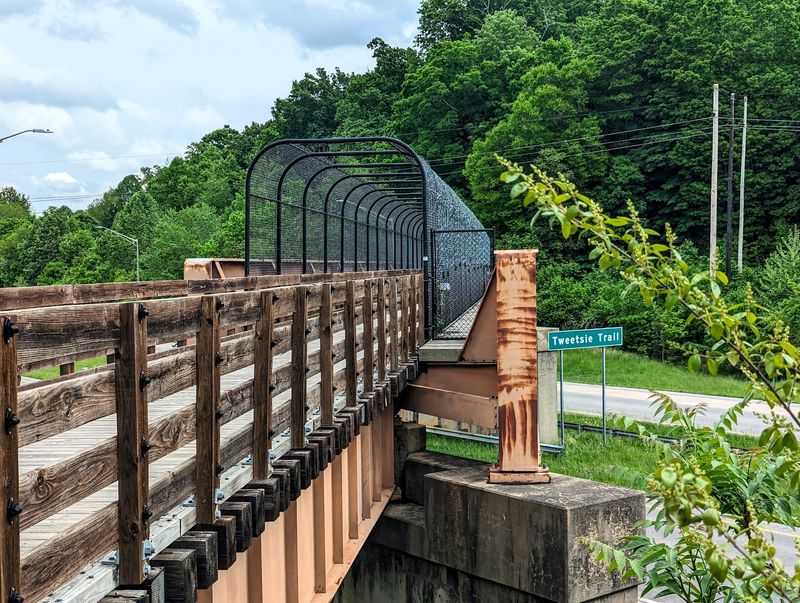
Trains once chugged through this valley on a line nicknamed Tweetsie, thanks to the cheerful whistle of its locomotives. The tracks are gone now, replaced by a smooth, wide path that welcomes walkers, runners, and cyclists. That former railroad corridor is now the Tweetsie Trail.
The trail stretches about ten miles between Johnson City and Elizabethton. Because it follows an old rail bed, the grade stays gentle, with no steep climbs to wreck your legs. Beginners and seasoned athletes can enjoy it equally.
You do not need to tackle the whole thing. A short out-and-back walk of a mile or two from the Elizabethton end is plenty for most day-trippers. Turn around whenever you feel ready, and you still get a solid taste of the scenery.
Expect plenty of green along the way. Trees shade much of the path, and you will pass fields, small neighborhoods, and quiet stretches where birds do most of the talking. In fall, the leaves put on a colorful show.
Bikes are a popular choice here. If you brought one, you can cover more ground and maybe ride the full route. The surface is crushed stone in many sections, so wider tires handle it best.
Bring water, especially on hot summer afternoons. Some sections offer shade, but others leave you out in the sun. Sunscreen and a hat are wise additions to your bag.
Families often walk the trail with strollers or young kids on bikes. Dogs are common too, and leashes keep everyone happy. Be friendly, share the path, and announce yourself when passing.
Parking areas and trailheads sit along the route, including access points on the Elizabethton side. Check a trail map online before heading out so you know exactly where to start.
Here is a local favorite move. Time your walk for late afternoon, when the light turns golden and temperatures drop. It feels like the whole valley exhales.
Once your legs have done their work, it is time to give them a rest beside some moving water.
Slow Down Beside The Scenic Watauga River
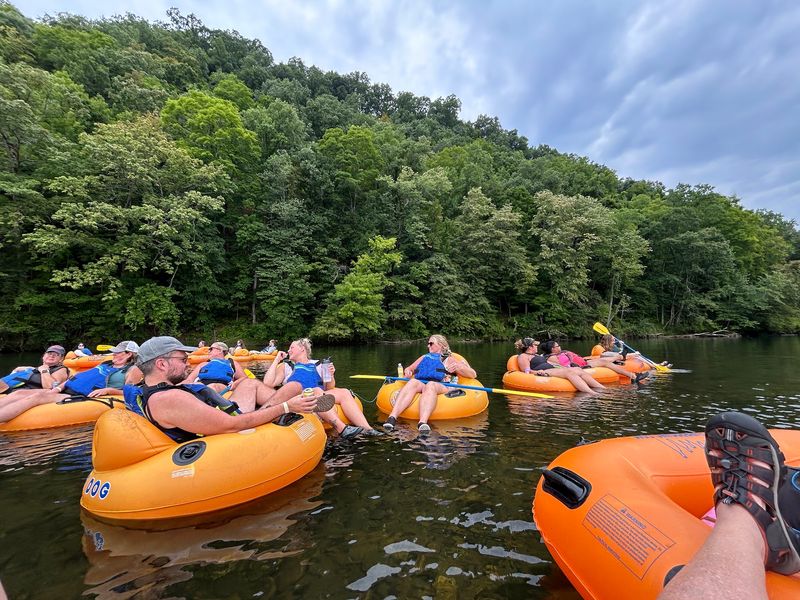
Sometimes the best plan is no plan at all. After a busy day of history and walking, the Watauga River offers the perfect excuse to sit down, breathe, and simply watch the water roll by.
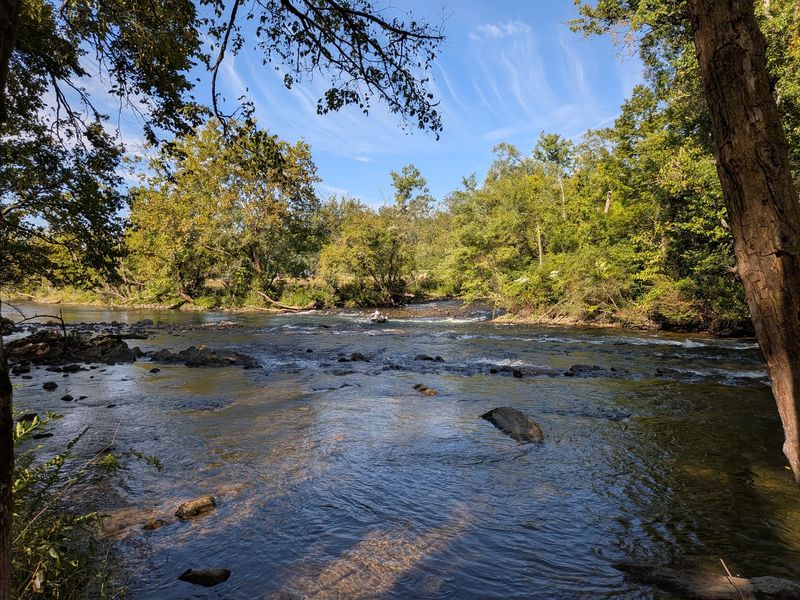
The river flows right through the Elizabethton area, and it has shaped life here for centuries. Frontier settlers gathered along its banks, and today it draws anglers, paddlers, and anyone who loves a peaceful view.
Fishing is a big deal on the Watauga. The tailwater below Wilbur Dam is known for trout, and anglers travel from across the region to cast a line. If you fish, make sure you have a valid Tennessee fishing license and check current regulations before you go.
Not into fishing? No problem. Find a spot along the bank, kick off your shoes, and enjoy the sound of water tumbling over rocks.
It is one of the simplest pleasures in Tennessee.
Paddlers love the river too. Local outfitters in the area often rent kayaks and tubes and offer shuttle services during warmer months. Floating the river is a relaxing way to see the landscape from a new angle.
Safety matters around moving water. Water releases from the dam can change river levels quickly, so check release schedules from the Tennessee Valley Authority before wading or floating. The water also stays surprisingly cold, even on hot days.
Sycamore Shoals State Historic Park sits right along the river, so you may have already caught a glimpse earlier. Returning in the late afternoon gives you a different mood, with softer light and fewer visitors.
Bring a light jacket if you plan to stay into the evening. Temperatures near the water can dip, especially in spring and fall.
Wildlife sightings are part of the charm. Herons sometimes stalk the shallows, and you might spot turtles sunning on rocks or fish rising to snag bugs. Keep your camera handy and your voice low.
Give yourself at least half an hour here. Letting the river set your pace is a great way to recharge before dinner downtown.
End Your Elizabethton Adventure With Dinner Downtown

Golden hour fades, the streetlights flicker on, and downtown Elizabethton takes on a cozy glow. You have walked, explored, and learned plenty. Now you have earned a good meal.
Heading back downtown for dinner brings your day full circle. The same streets you wandered in the morning feel different at night, quieter and more relaxed. It is a fitting way to wrap up your 24 hours.
Dining options in town lean toward hometown comfort. Think burgers, barbecue, Southern plates, pizza, and Mexican favorites, often served in casual spaces where nobody minds if you show up in trail shoes. Locally owned spots usually offer the most personality.
Craving something a bit more special? Some restaurants in and around downtown serve updated dishes using regional ingredients. Ask around earlier in the day, and locals will happily point you toward their current favorite.
Here is an insider idea. Try something you cannot easily get at home. Whether it is a plate of fried green tomatoes, a slab of smoked pork, or a slice of homemade pie, a regional bite makes the memory stick.
Save room for dessert if you can. Small-town kitchens in Tennessee often take pride in cobblers, cakes, and pies made from family recipes. A warm slice with a scoop of ice cream is hard to beat.
Evenings can be busy on weekends, so consider calling ahead or arriving a little early. Weeknights tend to be calmer, though some places close earlier than city restaurants. Double-check hours before you set out.
After dinner, take one last lap down the street. If the night is clear, walk back toward the covered bridge to see it under the evening sky. The river sounds even louder when everything else gets quiet.
Looking back on your day, you will realize how much fit into one small town. Biscuits, brick storefronts, frontier forts, a centuries-old home, a rail trail, and a sparkling river all sit within a few miles of each other.
Chances are, you will leave already planning a return trip.
Share this story