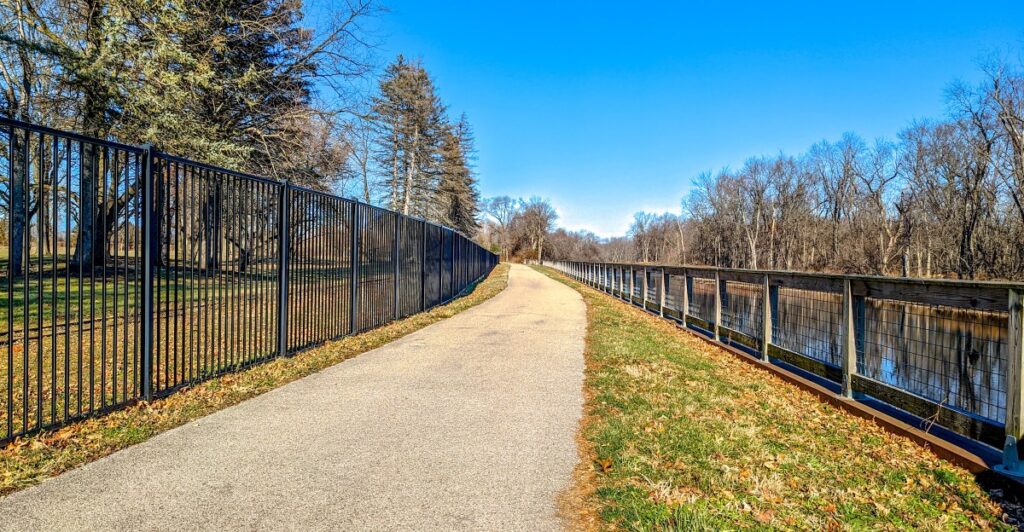
Crunching leaves underfoot, colorful trees overhead, and a peaceful path stretching ahead make autumn walking one of Illinois’ simplest pleasures. Better yet, enjoying the season does not have to involve steep hills or exhausting climbs. Across the state, former railroad corridors, historic canal towpaths, and scenic riverside trails offer mostly level routes surrounded by brilliant fall foliage.
Some wind through quiet forests, while others follow waterways or connect charming communities along the way. Whether you are planning a family outing or simply craving a relaxing afternoon outdoors, these 9 Illinois trails let you enjoy the best of fall without breaking much of a sweat.
1. Illinois Prairie Path (Elmhurst)
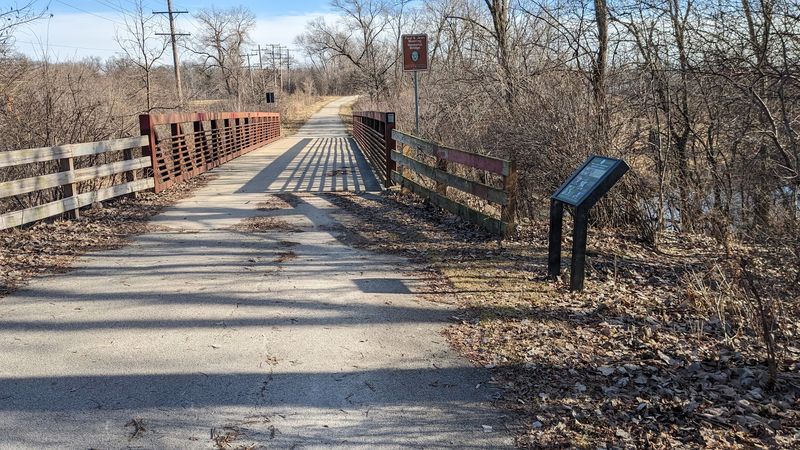
An old railroad route makes a surprisingly good place to slow down. Around Elmhurst, the Illinois Prairie Path trades train traffic for walkers, bicycles, and a mostly level ribbon of crushed limestone that slips between neighborhood edges, leafy stretches, and welcoming pockets of green.
Autumn gives that everyday landscape a fresh look. Yellow leaves brighten the overhead branches, red accents appear along the edges, and fallen leaves collect beside the pale trail surface. The contrast is especially pleasing where trees frame the path and draw your eye farther down the corridor.
The former railroad setting helps explain the easygoing grades. Instead of climbing toward a lookout, the walk unfolds at ground level, with small changes in scenery supplying the interest. One stretch may feel tucked into trees, while another opens toward lawns or nearby streets.
Elmhurst is a good match for a casual outing that does not need a grand plan. A short walk can deliver plenty of seasonal color without turning into an all-day project. Public access is free, so the outing can stay simple and inexpensive from start to finish.
The crushed-limestone surface is different from smooth pavement, though. Loose material, damp spots, and leaf cover can affect footing, and mostly flat does not mean every stretch has identical conditions. Cyclists also share the corridor, giving the path a lively community rhythm rather than complete woodland silence.
Check current access notices before heading out, since construction can affect some sections. Choosing an open segment avoids an unexpected turnaround and leaves more time for the good part: watching sunlight catch the leaves overhead.
The appeal here is familiar Illinois scenery, given enough space and time to notice its smaller details, from bright branches above the path to the soft rustle of leaves along its edges on a crisp fall day.
2. Fox River Trail (Geneva)
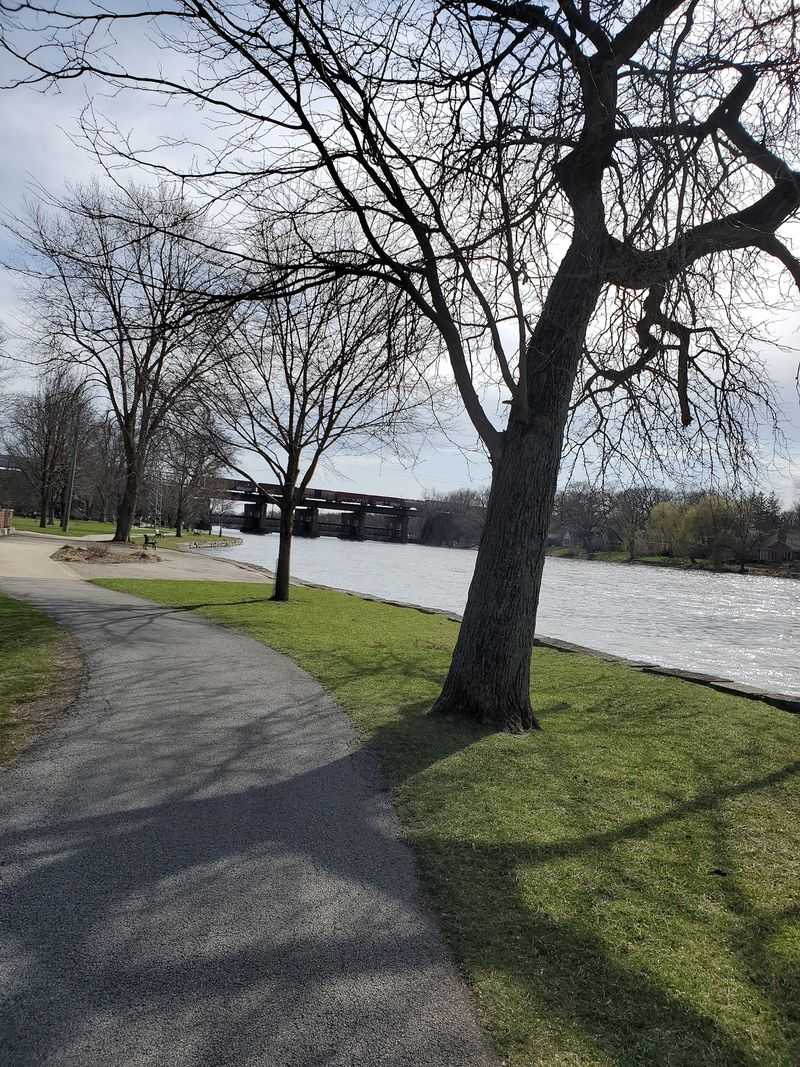
The river gets equal billing with the leaves in Geneva. Along the Fox River Trail, autumn color rises above the water and spreads across its reflections, giving walkers two versions of the same scene. Even a brief pause can reveal a different pattern as the surface shifts.
Generally flat sections on the eastern side around Geneva make an inviting choice for an unhurried outing. The route follows the river corridor, combining tree cover with more open waterfront views. Instead of a steep climb, the main distraction is another stretch of color just ahead.
That mix keeps the walk from becoming one long tunnel of trees. Branches frame the water in some places, while wider openings let the river take over the view. On a clear autumn day, blue sky, yellow foliage, and moving water make a lively combination without much effort.
Geneva’s riverfront surroundings add a different layer of interest. The trail belongs to a community landscape, not a remote wilderness, so the walk can include signs of everyday life alongside seasonal scenery. Passing cyclists and other walkers fit naturally into that setting, especially when pleasant weather draws people outside.
A riverside route also changes with the light. Lower sun can pick out individual leaves, while cloud cover softens the whole scene and brings out the richer tones along the banks. Fall color varies by weather and timing, so no single weekend guarantees the same display every year.
The strongest reason to choose this stretch is its balance. There is enough water to keep the view open, enough foliage to mark the season, and an easy grade that supports a conversational pace.
A walk here can be as much about watching the river move as counting miles, with the trees adding their bright seasonal border along the banks beside you.
3. Illinois & Michigan Canal State Trail (Morris)
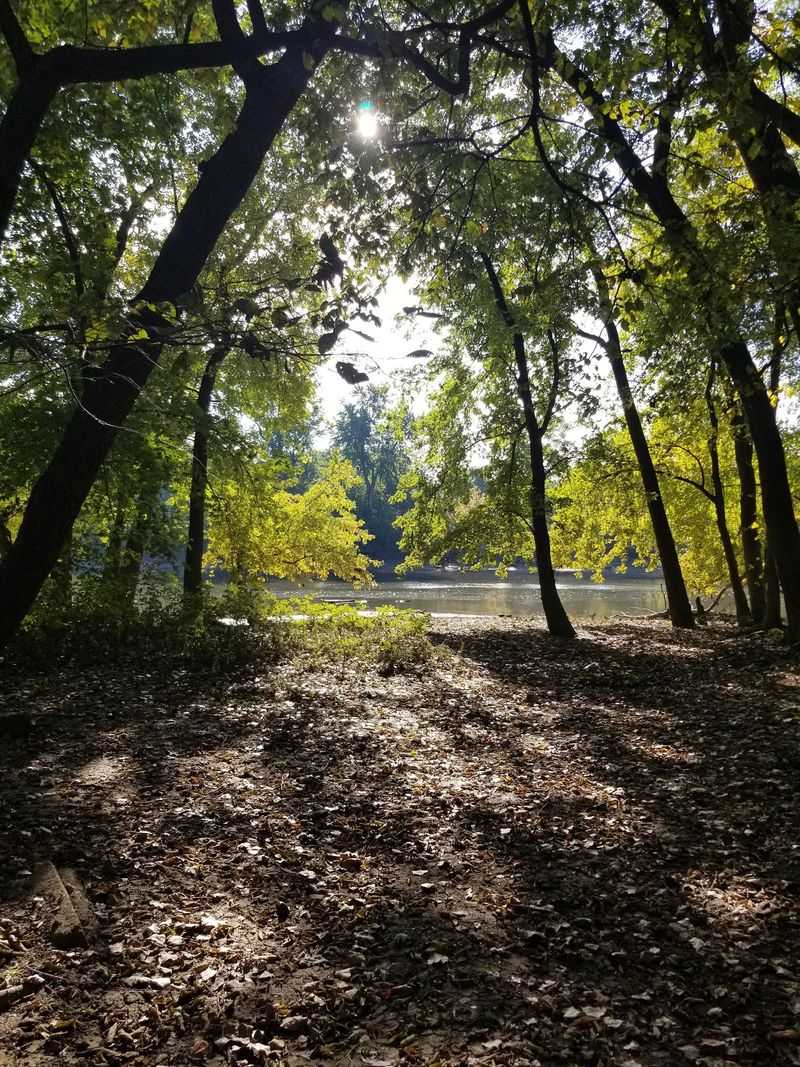
History takes the slow lane beside the canal in Morris. The Illinois & Michigan Canal State Trail follows a former towpath, where the practical work of moving boats once shaped the landscape. Today, its generally level route offers a much quieter way to spend an autumn afternoon outdoors.
The canal gives the walk a clear line to follow. Water rests beside the path, trees gather along the banks, and fall leaves bring warm color to a corridor built for travel rather than scenery. That contrast is part of the charm: useful old infrastructure now frames a relaxed outing.
Around Morris, the appeal lies in the close-up details. A yellow branch hanging above the water can hold your attention as easily as a broad view. Leaves scattered along the towpath, dark tree trunks, and patches of reflected sky create a scene with plenty to notice at walking speed.
The setting has a different mood from a busy riverfront. Canal water can appear still, and the narrow corridor draws attention toward the next bend or opening in the trees. Wind may stir the branches above while the water below keeps a softer version of the same autumn colors.
Admission is free, which makes the Morris-area sections an appealing option for a low-cost fall outing. The level character removes much of the climbing associated with hillier hikes, though outdoor surfaces can still become uneven or wet. Fallen leaves may hide small changes underfoot as the season moves along.
The history does not require a formal lesson to be interesting. Simply walking beside the canal makes its shape and purpose easier to picture: a waterway, a towpath, and room for movement along both.
Autumn adds color to those plain lines, turning an old transportation corridor into a place where the scenery and Illinois history share the same route.
4. Hennepin Canal Parkway State Park (Sheffield)
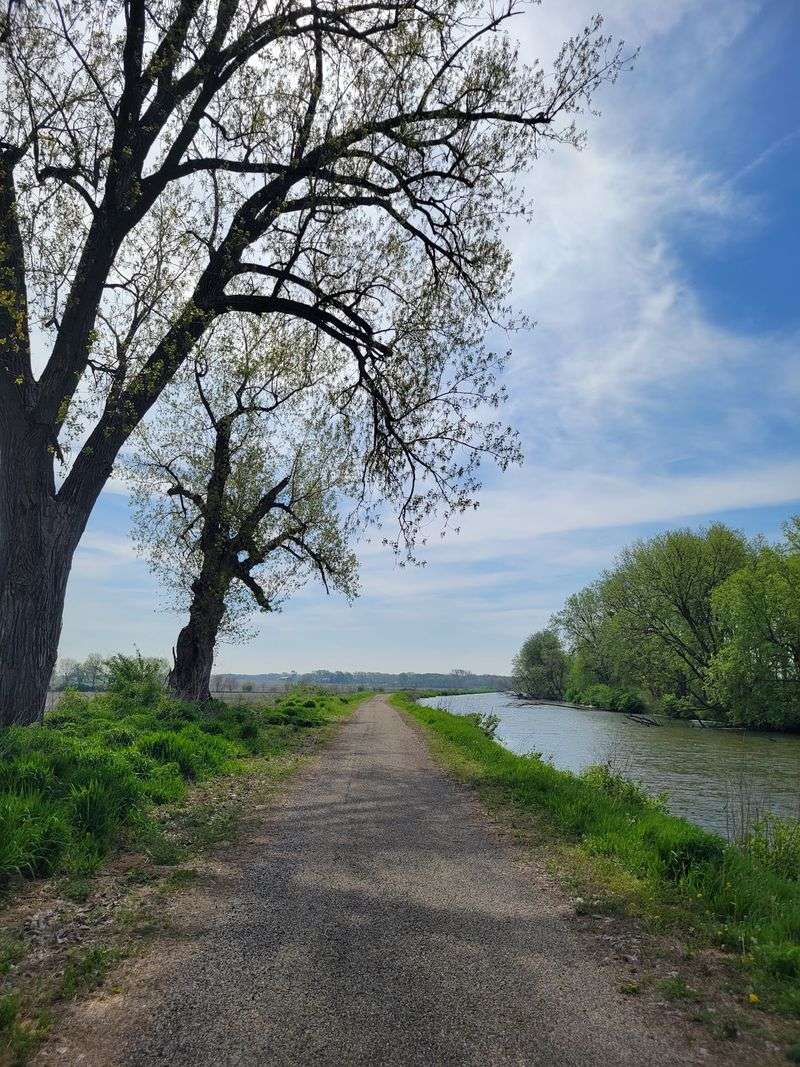
Quiet water can steal the show without making a sound. Near Sheffield, the Hennepin Canal corridor pairs long, easy walking stretches with hardwood trees whose autumn colors show up both overhead and on the water. The reflections give even a modest patch of foliage extra presence.
The parkway’s linear layout suits a walk without many decisions. The canal supplies a steady landmark, and the path follows a landscape shaped around that waterway. Rather than moving from one major attraction to another, the outing builds through small changes in trees, light, and shoreline texture.
There is room here for a quieter kind of attention. A ripple can break a reflection into strips of gold, while a breeze sends leaves across the path. Openings along the corridor interrupt the wooded stretches and make the next group of colorful branches stand out more clearly.
Wildlife is another possible part of the walk, although sightings are never promised. The mix of water and wooded edges creates places where birds and other animals may appear. Sometimes the most interesting moment is simply noticing movement along the bank before the animal slips back out of view.
The Sheffield-area trail is especially appealing when the goal is distance from everyday noise rather than a busy social outing.
Its generally easy grades allow the landscape to hold your attention without a demanding climb. Still, a canal-side path remains an outdoor surface, and weather can change how comfortable a particular stretch is.
Compared with a broad river, the canal offers a more contained scene. Nearby trunks, low branches, and reflected leaves fill the frame, making the color feel close rather than far across the water.
The result is a fall walk measured in quiet details, with long stretches of path connecting one small scene to the next beneath the changing hardwood canopy.
5. Rock Island Trail (Wyoming)
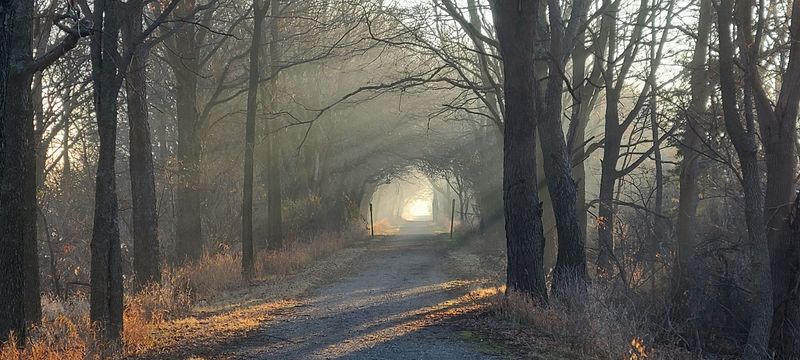
Some fall walks come with a big sky between the trees. Near Wyoming, the Rock Island Trail moves through a former railroad corridor where leafy cover and open countryside take turns shaping the view. That back-and-forth gives the route a pleasing rhythm without adding much climbing.
The crushed-limestone surface suits the trail’s straightforward character. Underfoot, it is a pale strip through the landscape rather than a polished sidewalk, and the gentle grades reflect its railroad roots. Autumn leaves gather along the sides, putting warm yellows and rusty tones against the lighter path.
Tree-covered stretches bring the color close. Branches may lean over the corridor, scattered leaves break up the surface, and sunlight filters through gaps in the canopy. A little farther along, an opening can reveal fields and sky, changing the scale of the walk in just a few steps.
That country setting gives the Wyoming-area route its own personality. The interest is not a string of dramatic overlooks or crowded attractions. It is the contrast between a sheltered passage through trees and the wider landscape beyond, with autumn tying both together through changing light and seasonal color.
A former rail corridor also makes room for a steady pace. There is less need to adjust constantly for steep slopes, so conversation can carry on while the scenery shifts. The surface is still unpaved, however, and loose limestone or wet leaves can make certain spots less even than they first appear.
For an affordable fall adventure, the trail offers a satisfying amount of landscape without requiring a complicated itinerary.
A short section brings its own mix of canopy and countryside; a longer walk stretches out that pattern. The open portions also let the sky become part of the picture, adding pale clouds or blue space above the gold and orange leaves along the trail edges.
6. Des Plaines River Trail (Libertyville)
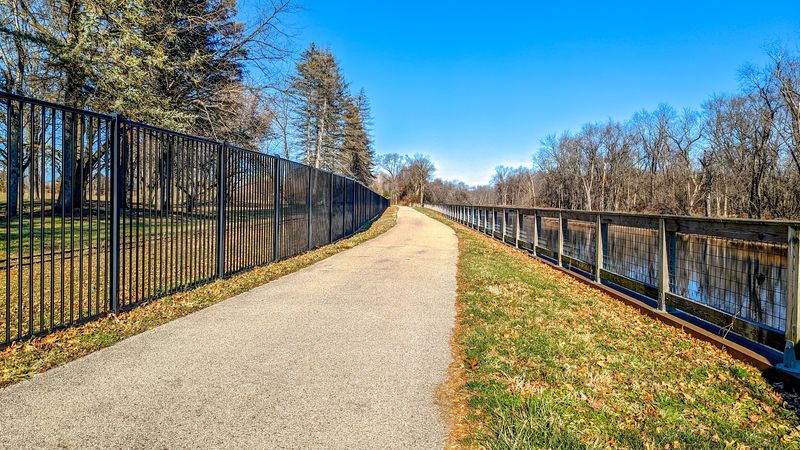
Gold, orange, and copper do most of the decorating around Libertyville. The Des Plaines River Trail passes through wooded forest preserves where oak and hickory trees bring a rich fall palette to the corridor. The effect is layered rather than uniform, with different shades appearing from branch to branch.
Mostly level gravel paths keep the route approachable for a relaxed walk. The wooded setting provides the main draw, while occasional river glimpses add variety through the trunks. Unlike an open waterfront promenade, this walk often makes you notice the water in pieces rather than one continuous view.
Those partial views suit the winding river. A patch of reflected sky or a quiet bend can appear between the trees, then disappear as the trail continues. Meanwhile, leaves overhead and underfoot keep the season close, so the walk remains interesting even when the river is out of sight.
The forest preserve surroundings also leave space for wildlife. Birds may move through the branches, and other animals sometimes appear near the wooded edges. A sighting is a bonus, not a guarantee, and the ordinary details of the woods still offer plenty of interest on their own.
Check current preserve and trail conditions before visiting, especially after heavy rain. Low ground near rivers can be affected by high water, and wet leaves can make gravel less secure. That quick check helps separate a comfortable autumn stroll from a route that needs a different day or starting point.
For walkers who prefer trees to town scenery, the Libertyville area offers a clear change of setting. The gravel corridor, winding water, and mixed woodland create a fall outing built around texture and color rather than steep terrain.
Copper leaves against dark bark, gold above the path, and brief flashes of river give each stretch its own small details to notice.
7. Great River Trail (Moline)
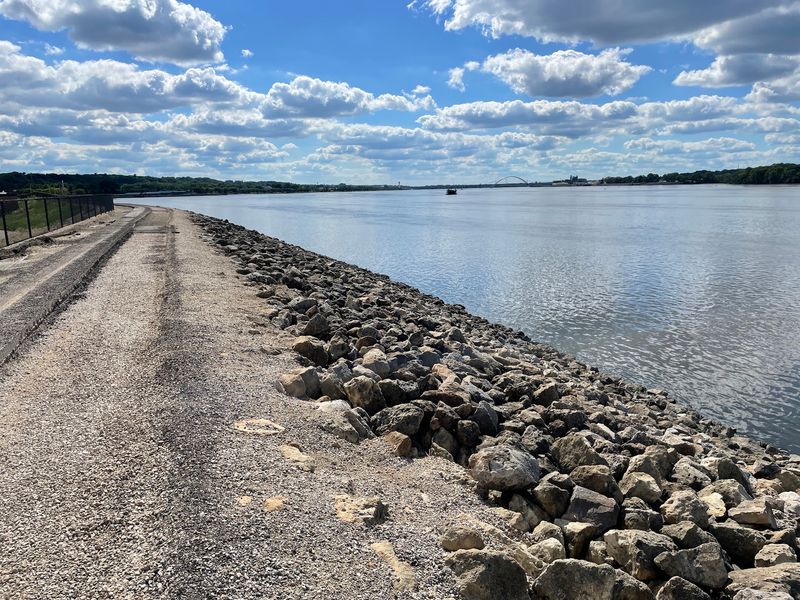
The Mississippi supplies the wide view; autumn trees supply the frame. Around Moline, paved stretches of the Great River Trail offer a leisurely way to enjoy both. The scene is broader than a wooded canal walk, with open water giving the changing leaves plenty of room to stand out.
Pavement makes these sections different from Illinois routes surfaced with crushed limestone or gravel. The walking line is smoother, though cracks, leaf cover, and local grade changes can still occur. For a casual fall outing, that surface can make the experience feel more like a riverfront stroll than a woodland hike.
Color appears along the landward side and in nearby green spaces. A bright tree beside the path can become the focal point against the river’s muted tones. Where the view opens, the water and sky take over, giving your eyes a break from the close detail of branches and leaves.
Moline’s riverfront setting also brings a community feel to the route. Walkers and cyclists use the same corridor, and the surroundings connect the water with everyday places rather than separating it into a remote preserve. The result is a fall walk with both natural scenery and the energy of a river town.
The broad river changes the mood of the weather, too. Wind has more space to move across exposed waterfront stretches, while sunny conditions can brighten leaves and water at once. On a gray day, orange and yellow foliage may look especially bold against the quieter river backdrop.
A mostly flat paved segment lets the view do the heavy lifting. There is no need for a hilltop to appreciate the Mississippi’s scale, and a small cluster of colorful trees can make an ordinary stretch memorable.
The route’s appeal is that easy contrast: close autumn detail beside a river landscape that extends well beyond the immediate path.
8. Old Plank Road Trail (Frankfort)
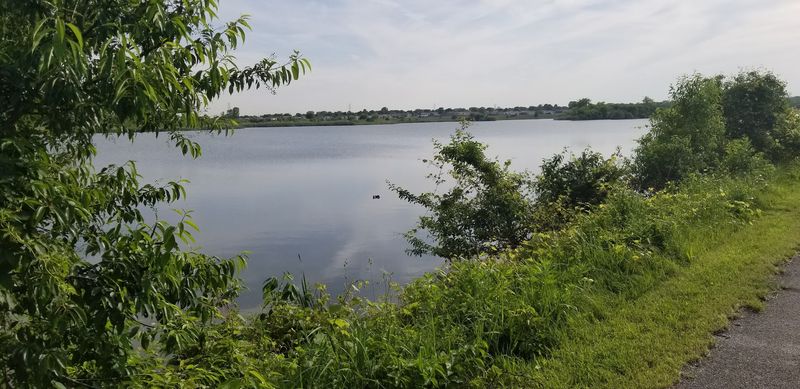
No hill workout required for this outing. Around Frankfort, the Old Plank Road Trail follows a former railroad corridor with mostly flat terrain and a smooth paved surface. Autumn adds the decoration, turning wooded stretches and open edges into an easy place for a family walk or casual afternoon ramble.
The railroad background explains the long, direct character of the route. Instead of twisting sharply through rough ground, the corridor offers a clear path forward. Trees soften those straight lines, and their changing leaves make the view less about the pavement and more about the bright border around it.
Wooded sections provide close views of fall color, while open landscapes let in more sky. That shift matters on a leisurely walk: shade, sunlight, and leaf colors change as the surroundings open or narrow. The same route can look quite different under clear blue skies and soft cloud cover.
Frankfort adds a community setting rather than a remote backcountry mood. The trail passes through a wider landscape of towns and green spaces, making it useful for people who want fresh air without a demanding hike. Free public access also keeps the outing friendly to a modest weekend budget.
Families and casual walkers may appreciate the paved surface, but smooth does not mean completely free of obstacles. Leaves can cover the path, and crossings or shared use can interrupt a steady pace. The route is best understood as an active public trail, with room for different kinds of outings.
Its strongest feature is simplicity. The mostly level grade, clear corridor, and changing scenery remove much of the fuss from planning a short autumn walk.
A leafy stretch can supply the color, an opening can supply the sunlight, and the paved route connects them without asking for a big climb or an ambitious mileage goal to make the outing satisfying.
9. Salt Creek Greenway Trail (Elmhurst)
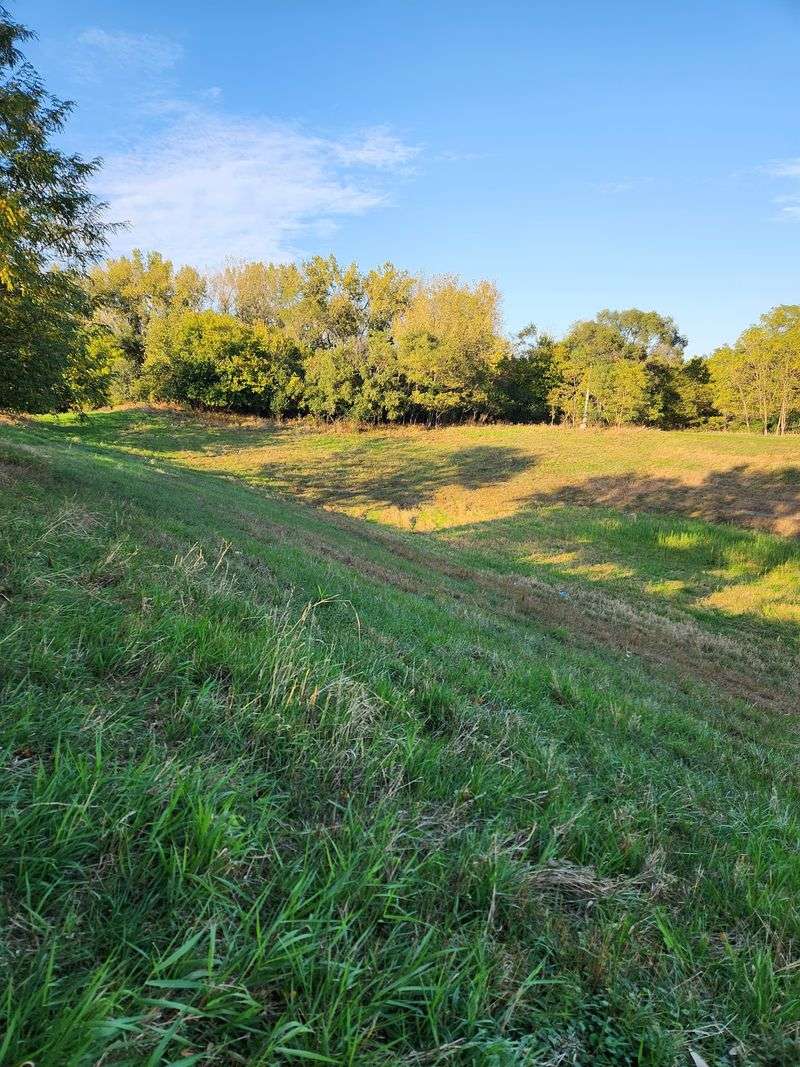
A creek corridor offers a quieter angle on suburban fall. Around Elmhurst, the Salt Creek Greenway Trail connects wooded surroundings, neighborhood parks, and natural areas where changing leaves brighten familiar scenery. The generally gentle sections make room for a relaxed pace rather than a climb-focused outing.
Salt Creek gives the route its organizing thread, but the water is only part of the picture. Trees and nearby green spaces shape much of the walk, creating a mix of enclosed passages and more open areas. Autumn helps those different settings belong to the same seasonal scene.
In the wooded portions, color can arrive as small bursts rather than one solid wall. A yellow tree beside darker branches or a copper patch near the ground catches the eye. Fallen leaves add another layer, shifting the view from overhead foliage to the edges of the path.
The park and neighborhood connections give this greenway a practical, everyday character. It is a place for nearby fresh air as well as a destination for a fall walk. That makes the seasonal change especially noticeable: the same corridor used through the year takes on new colors for a few weeks.
Free public access keeps the outing inexpensive, while the gentle terrain makes shorter walks appealing. Access can vary, however, and construction may affect certain stretches around Elmhurst.
Individual sections can also differ in surface and condition, so the overall description should not be mistaken for a promise of identical footing throughout. Compared with a route built around a sweeping river view, this walk rewards attention to the nearby landscape.
The creek, tree trunks, park edges, and bright branches create a smaller-scale autumn picture. Its appeal is the way those pieces fit into an ordinary community setting, offering a change of pace without requiring dramatic terrain, distant overlooks, or a whole day away from home.
Share this story