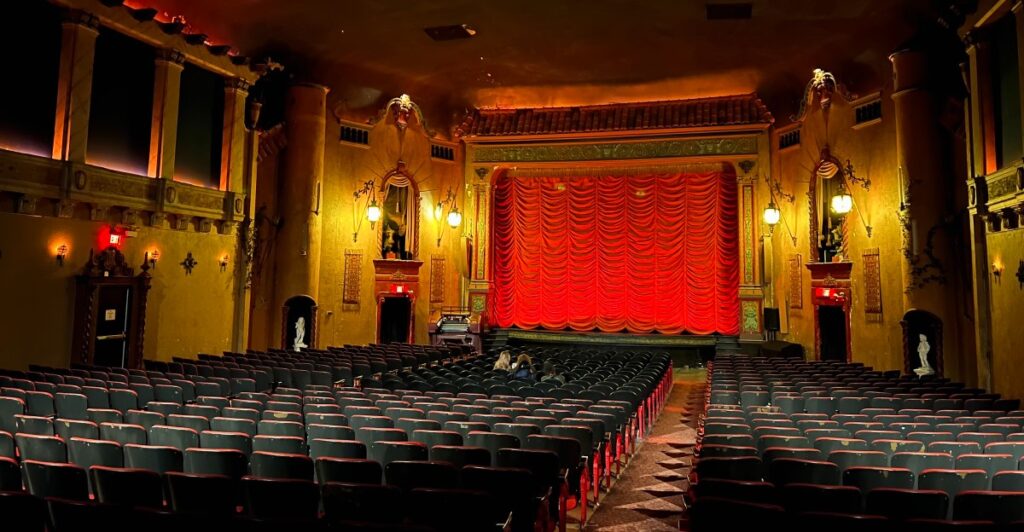
Movie night at Chicago’s Music Box Theatre can begin with music that has nothing to do with the film’s soundtrack. Inside this beautifully preserved 1929 movie palace on Southport Avenue, a real theater organ still fills the auditorium with live music before select screenings.
The grand interior, vintage atmosphere, and old-fashioned details make arriving early feel like part of the experience rather than a chore. Beyond the organ, the theater offers an eclectic lineup of independent films, beloved classics, and special events that keep movie lovers returning. For anyone tired of ordinary multiplexes, this historic Illinois cinema makes going to the movies feel special again.
An Illinois Movie Palace With a Sky Overhead
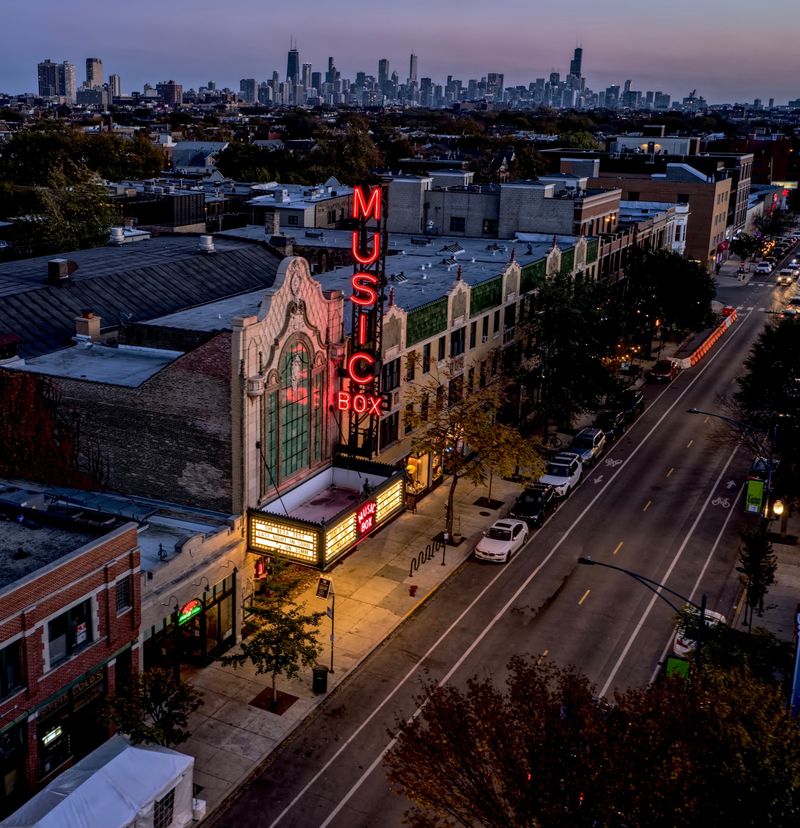
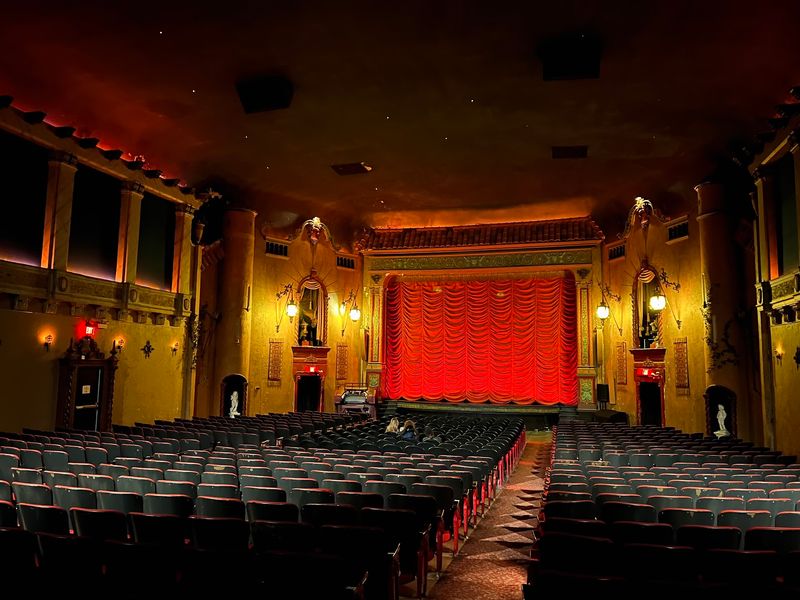
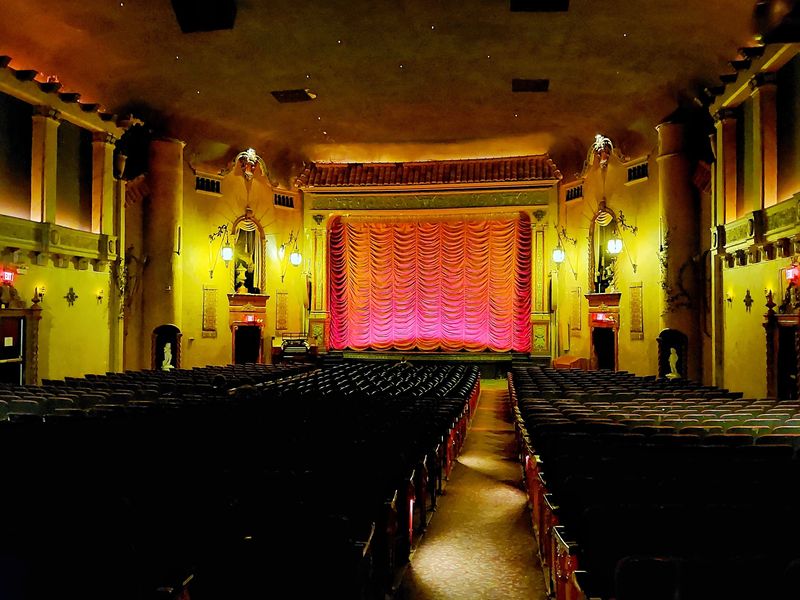
Look up before you look at the screen. The Music Box’s main auditorium makes the ceiling part of the show, with an atmospheric design that suggests an outdoor sky rather than an ordinary indoor room.
Small lights resemble stars overhead, while the decorative walls frame the seating area like a courtyard. That contrast gives the room its visual character: you are safely indoors, but the architecture encourages your eyes to wander beyond the screen.
Opened in 1929, the theater belongs to a period when movie houses often used elaborate settings to draw audiences away from everyday life. Here, that idea survives in a neighborhood setting rather than behind a museum rope.
The main room is the space to seek out if the historic interior is your chief reason for visiting. The Music Box also has a smaller auditorium, so buying any available ticket does not automatically mean seeing the grand room.
Before booking, check which auditorium is hosting your chosen film. If the listing leaves that unclear, ask the theater rather than assuming every screening offers the same architectural experience.
Once inside, give yourself a few minutes to study the room while the lights are still up. Notice how the wall details, ceiling, and screen work together, then compare that view with the quieter appearance after the house lights dim.
Photographs are best taken before the presentation, without flash and without blocking anyone’s seat or aisle. During the film, put the camera away so the bright screen in your hand does not become an unwanted second attraction.
You do not need architectural knowledge to enjoy the design. Simply settle into your seat and look upward: the building has already supplied an opening scene, and the movie has not even started yet. Let your eyes adjust before the screen takes over the room.
The Organ Gets the First Solo
A few live notes can change the whole pace of movie night. At select Music Box screenings, an organist plays before the feature, replacing the usual waiting period with a performance happening right in the room.
The instrument is a theater organ, a type associated with moviegoing before recorded sound became standard. Its range can move beyond the sound people usually connect with a church organ, bringing different colors and textures into a single performance.
Watching the player is part of the pleasure. Hands move across the keyboards while the music shifts in volume and character, making it clear that this is live work rather than a recording coming through hidden speakers.
The custom gives the theater’s name a very literal meaning. Before the screen tells a story, a musician gets a chance to shape the room’s mood and gather the audience’s attention.
Do not assume organ music accompanies every ticket. Performances depend on the schedule, and a screening in the smaller auditorium will not provide the same setup as an organ presentation in the main house.
If hearing the instrument is your priority, confirm the arrangement for your specific showing before you buy. Ask about both the auditorium and the expected organ performance, especially if you are making a special trip.
Allow enough time for ticket checks, concessions, and finding a seat. Arriving at the advertised film time may mean missing the very detail that brought you here, even if you reach your row before the feature starts.
Once the music begins, lower your voice and give the player your attention. The easiest way to enjoy this tradition is also the simplest: stop treating the minutes before a movie as empty time, and listen to what the theater puts there instead. Your popcorn can wait until a pause between the tunes.
A 1929 Address That Still Has a Job to Do
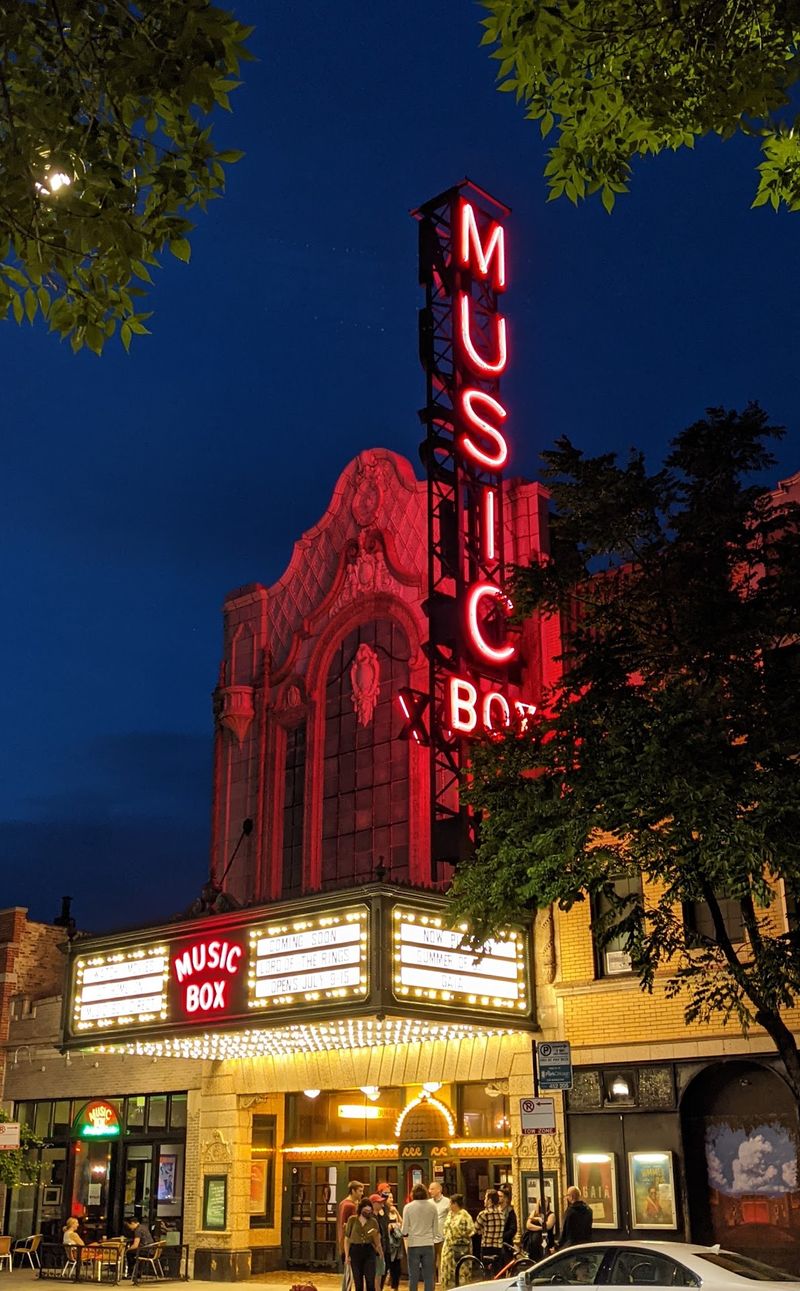
Nearly a century after opening, the Music Box still asks people to do the thing it was built for: sit together and watch a movie. Its history remains useful, not simply decorative.
The theater opened in 1929, at the end of the decade named in its movie-palace identity. That date places it near a major turning point in film history, when synchronized sound was changing how movies were made and shown.
Its address, 3733 North Southport Avenue, puts that history within Chicago’s Lakeview neighborhood. Rather than standing apart as a distant landmark, the building remains part of a street where daily neighborhood life continues around the marquee.
The term movie palace can suggest an enormous downtown building. The Music Box offers a more neighborhood-scaled version of that ambition, using a richly designed main auditorium to turn a local night out into a larger occasion.
Preservation here does not mean keeping the programming locked in 1929. Contemporary independent films share the schedule with older titles, allowing a historic setting to serve stories made for very different generations.
The organ tradition adds another layer, but it should not be confused with proof that every piece of equipment dates to opening day. A continuing practice and an untouched original object are different things, and the distinction matters when discussing historic theaters.
For a visitor, the most useful way to approach the history is through the building’s current purpose. Read the marquee, enter the auditorium, and notice how the old design supports a room full of people watching something new.
You can appreciate the age without turning the evening into homework. The strongest historical detail is right in front of you: an active screen, occupied seats, and a theater that still earns its place on the block by showing films. History has a working schedule here, not just a plaque.
The Schedule Is Half the Adventure
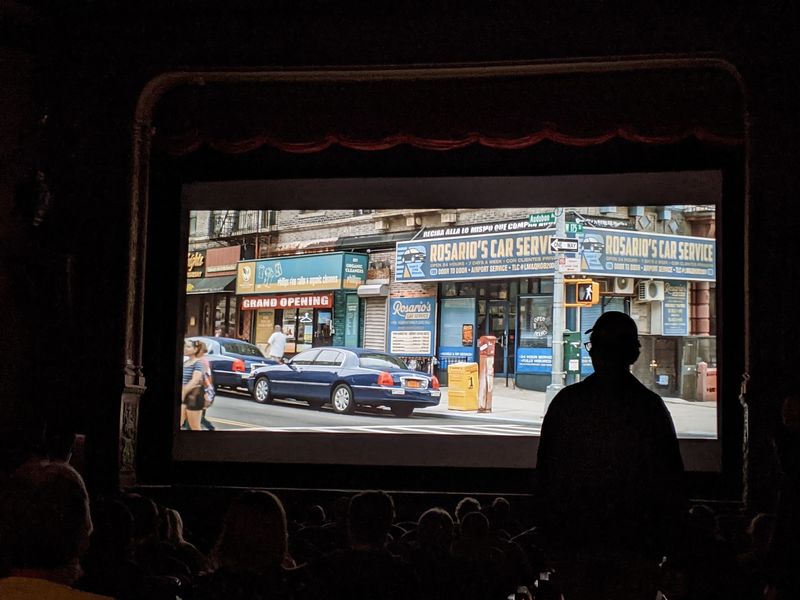
Your choice of film can change the entire evening here. The Music Box is known for foreign and independent movies, but its calendar also makes room for classics, festivals, midnight screenings, and special presentations.
That variety rewards a little browsing before you commit. A new drama, an older horror film, and a filmmaker conversation may all use the same building, yet each asks something different from the audience.
Start with the kind of night you want. For quiet concentration, look for a standard feature presentation; for a more social outing, investigate an event that clearly advertises discussion, participation, or live performance.
Some screenings include visiting filmmakers or other guests. When a question-and-answer session is listed, leave time after the credits rather than planning to rush directly to your next stop.
The theater also presents films in formats such as 35mm and 70mm when suitable prints and programming are available. Those labels describe the presentation format, so check the individual listing instead of assuming every older movie will be shown on film.
A large-format engagement can attract viewers specifically interested in projection. You do not need technical expertise to attend, but reading the event description helps explain why a particular screening may draw extra attention or sell quickly.
Midnight movies call for different planning than an afternoon matinee. Consider the running time, any added introduction, and how you will get home once the feature ends, especially if your usual transit options become less frequent late at night.
Let the calendar lead you toward a title you might otherwise miss. The building provides the setting, but the program determines whether your visit becomes a quiet discovery, a lively cult-film gathering, or a chance to hear someone explain how a movie was made. Choose the experience first, then find the screening that matches your mood and available time.
Popcorn and a Pause Before the Lights Go Down
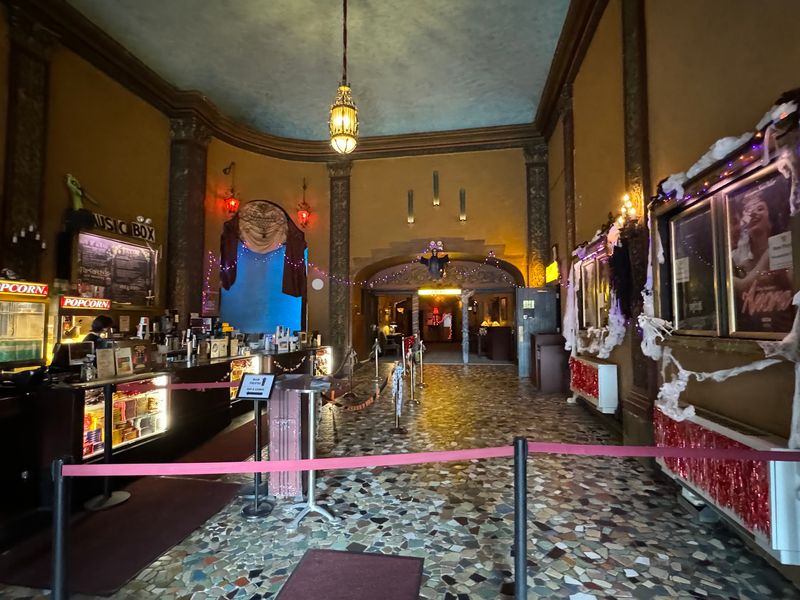
The smell of popcorn offers a much simpler welcome than the ceiling’s grand design. Concessions are part of the Music Box routine, and popcorn with real butter is a fitting companion for an evening built around an actual performance.
Keep your food plans realistic. A movie concession stand is not a substitute for checking whether you need dinner, especially before a long feature or an event with extra material after the screening.
Eating beforehand can make the visit easier. You can then choose a snack because you want one, rather than because you are hungry enough to miss the introduction while waiting in line.
The theater also has a lounge, which adds a place to pause outside the auditorium. It gives the outing a second setting, useful for conversation that would be distracting once you are seated near the screen.
Check current lounge hours and beverage offerings rather than building plans around an old menu. Service arrangements can change, and special events may bring a different flow of people through the building.
If you are meeting friends, agree on whether you will gather before the movie or afterward. That small decision prevents a scattered group from holding up the aisle while everyone tries to settle the evening’s plans.
Concession lines can grow as showtime approaches. Build that stop into your arrival window, particularly when you also hope to hear the organ, because choosing snacks and watching a live introduction compete for the same few minutes.
Carry a payment backup instead of relying entirely on your phone. Once you have your order, tuck away the receipt, silence your device, and enter the auditorium ready to sit down without another round of sorting bags and pockets.
Save the longer conversation for outside the screening room, where nobody has to choose between your story and the movie’s opening scene.
Plan for Southport, Not a Multiplex Parking Lot
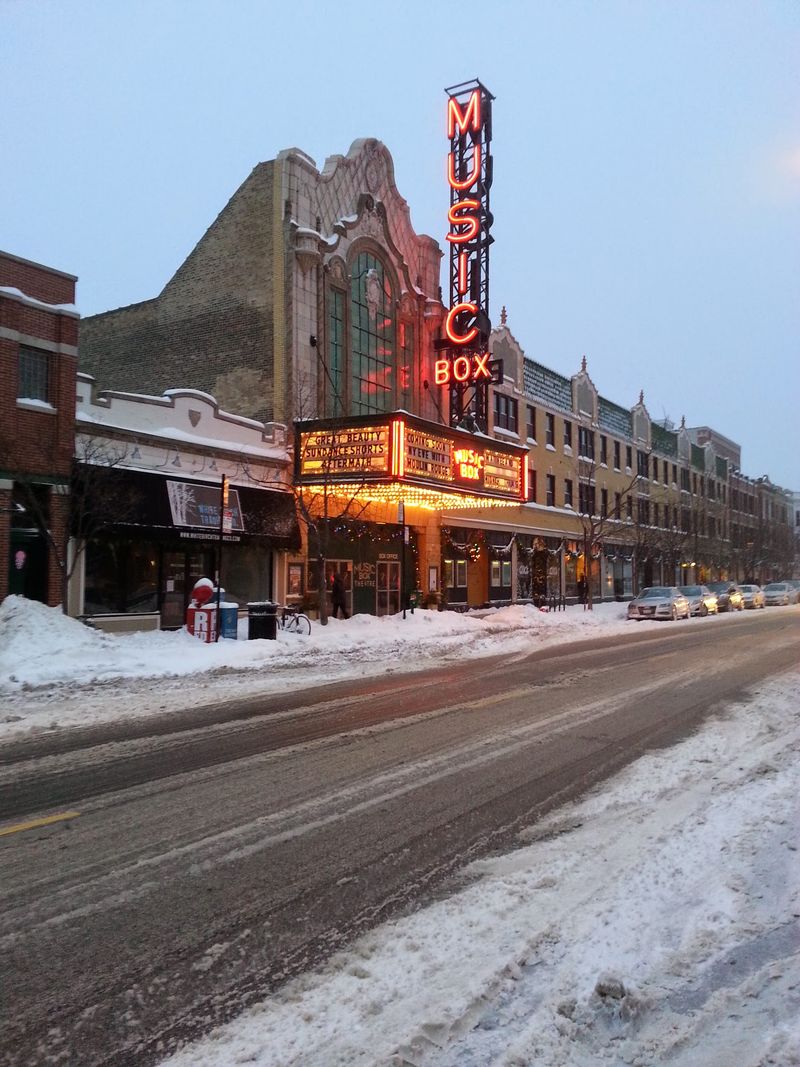
A perfect ticket does not solve the parking question. The Music Box sits on a neighborhood street, so getting there deserves its own small plan rather than an assumption that a large cinema lot awaits.
Use the full address when setting your route: 3733 North Southport Avenue, Chicago, Illinois 60613. Check travel conditions close to departure, since traffic and nearby events can change how long the final part of your trip takes.
Drivers should leave time to find a legal space and read posted restrictions carefully. Do not let a tempting spot turn into a rushed decision about permit rules, meters, or limits that apply during your screening.
Public transit can remove the parking search from the evening. Compare current routes and walking directions before leaving, and check the return journey as well if your movie finishes late.
Advance tickets are sensible for special screenings and popular engagements. A historic auditorium may look spacious, but a single scheduled event can still fill, and waiting until arrival adds an avoidable uncertainty.
Your seat choice deserves attention, too. The main auditorium’s traditional layout differs from a modern stadium-style cinema, so sightlines may depend on where you sit and who is seated ahead of you.
If clear views, step-free access, wheelchair seating, or other accommodations are essential, contact the theater before purchasing. Explain the specific need rather than relying on a broad description of the building as historic or accessible.
Leave room in your schedule for the entrance line, a restroom stop, and locating your seat. For the organ experience, confirm the performance timing separately; arriving early is useful, but the right arrival time depends on the event.
A few checks before departure let you spend the evening looking at the screen instead of watching the clock or worrying about the car parked somewhere along Southport Avenue outside.
One Room, One Screen, a Shared Reaction
A laugh travels differently through a full theater than through a living room. At the Music Box, the audience becomes part of the evening, especially when a familiar classic or special event brings people together for a shared interest.
That does not mean every screening should be noisy. A serious drama asks for different behavior than an advertised interactive presentation, and understanding that difference helps everyone enjoy the movie they came to see.
Read the event description for clues about participation. Shadowcasts, sing-alongs, and other clearly marked activities may invite responses that would be distracting during an ordinary feature.
For a standard screening, let the soundtrack do its work. Save commentary for afterward, keep your phone dark, and avoid explaining the next scene to someone who may be watching the film for the first time.
Live introductions and guest discussions create another kind of connection. They can offer useful context, but they also require listening, especially when someone is speaking without the protection of a movie’s recorded sound mix.
The organ fits naturally into this shared attention. Before a feature begins, a person is performing for the room, asking the audience to switch from arriving and chatting to watching and hearing together.
Choose your event with that social rhythm in mind. Someone seeking a calm evening may prefer a regular showing, while a fan who enjoys collective reactions might choose a clearly advertised cult-film event.
The Music Box stands out because several working traditions meet under one roof: a 1929 auditorium, live music at select screenings, and a program that still gives audiences reasons to gather.
None requires pretending the past was perfect or that every visit will be identical. Buy the film you want to see, check the details that matter to you, and give both the performer and the picture your full attention once seated.