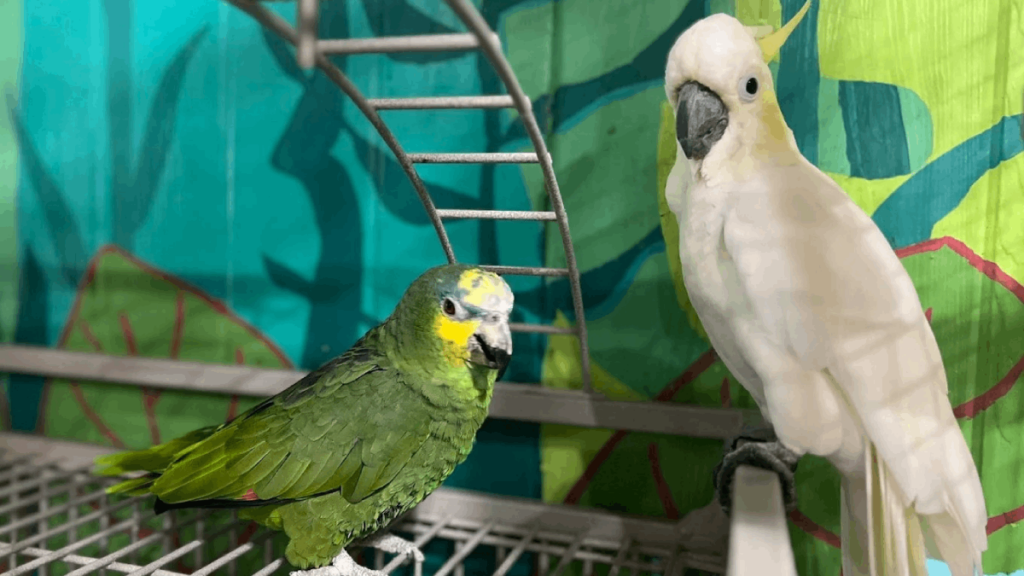
Parrots can live an incredibly long time, sometimes even longer than the people who care for them, and that reality means some of these bright, social birds eventually find themselves without a home and terrified of what comes next. That’s where the Exotic Avian Sanctuary of Tennessee in Hermitage steps in.
The sanctuary has made it its mission to give these parrots a safe, loving place where they can finally feel secure. What began as one person’s deep love for birds has grown into something truly special—a refuge where rescued parrots receive the care, patience, attention, and lifelong homes they so deeply need and deserve.
The Tennessee Sanctuary Giving Captive Parrots a Second Chance
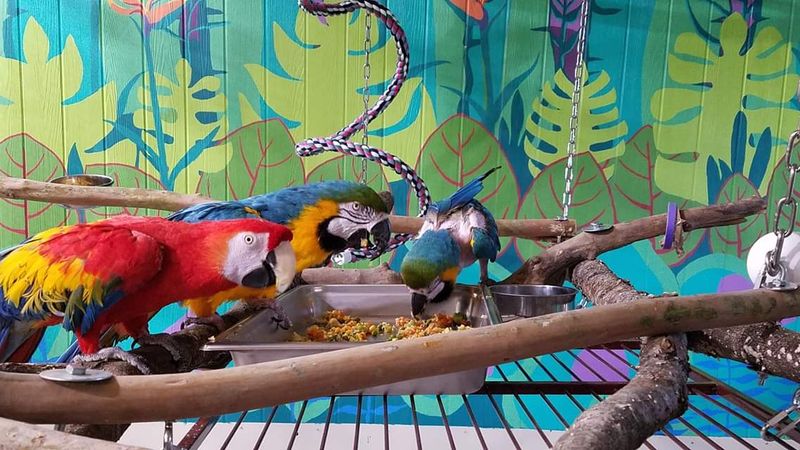
Nestled in Hermitage, this nonprofit rescue has become a lifeline for parrots who have nowhere else to go. Birds arrive from all kinds of situations: owners who passed away, families who couldn’t keep up with their care, or birds who were simply misunderstood and given up.
The sanctuary operates with both indoor and outdoor aviaries designed to give each bird the space they need to spread their wings. Volunteers and staff work tirelessly to make sure every parrot gets fresh food and water multiple times a day, along with enrichment activities that keep their sharp minds engaged. These aren’t just cages with birds inside—they’re thoughtfully designed habitats where parrots can socialize, play, and feel safe.
What makes this place stand out is the genuine commitment to each bird’s well-being. The team doesn’t just warehouse parrots; they get to know their personalities, quirks, and needs. Some birds are eventually rehomed with carefully vetted adopters, while others stay at the sanctuary for life. Either way, the goal is the same: making sure no parrot is forgotten or left behind.
The sanctuary proves that second chances aren’t just for people—they’re for our feathered companions too.
How Exotic Avian Sanctuary of Tennessee Became a Safe Haven in Hermitage
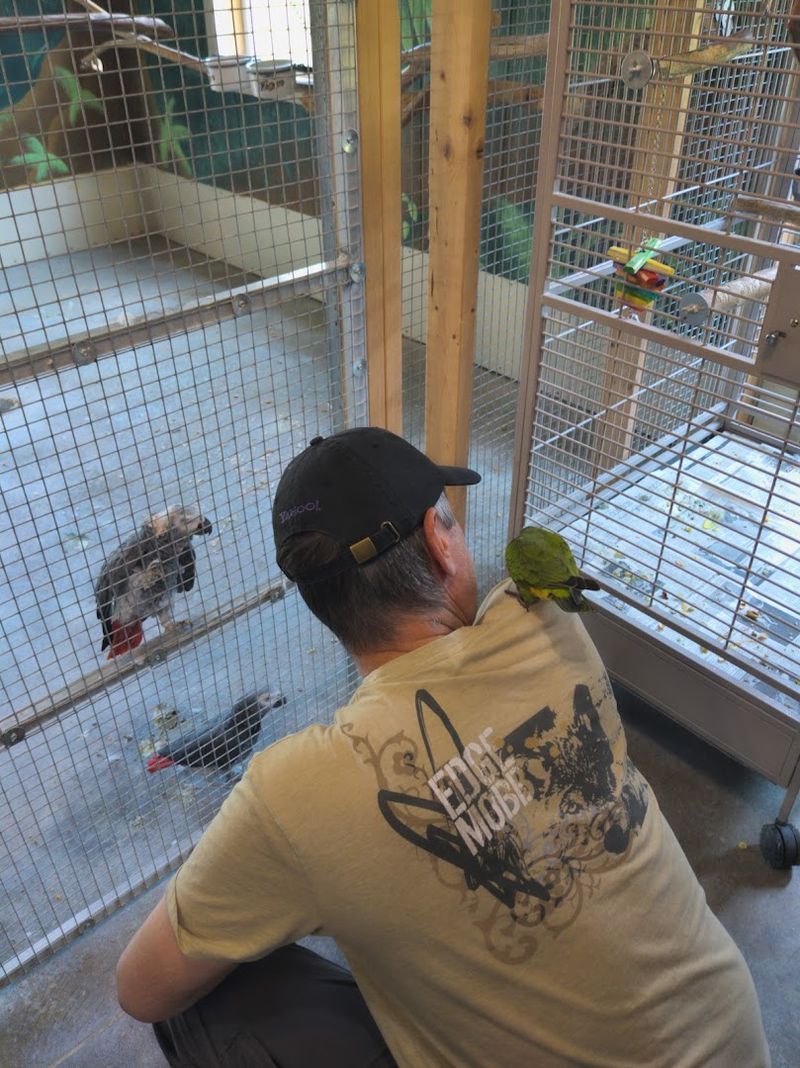
Every great mission starts with someone who cares enough to take action. Kim Hannah, the heart behind this sanctuary, turned her passion for parrots into a full-fledged rescue operation that now serves birds across the Southeast. Her knowledge and dedication have earned her a reputation as one of the most genuine advocates for captive parrots in the region.
The sanctuary didn’t appear overnight. It grew organically as more people learned about the need for specialized parrot care and rescue services. Word spread through the community, and soon birds were arriving from all over Tennessee and neighboring states.
What began as a small effort has transformed into a facility with multiple aviaries, a volunteer program, and educational outreach.
Reviews consistently mention Kim by name, praising her compassion and expertise. She’s known for being thorough when matching birds with potential adopters, taking the time to ensure it’s the right fit for both the parrot and the family. This careful approach prevents birds from bouncing between homes, which can be traumatic for such intelligent creatures.
The sanctuary also offers boarding services for parrot owners who travel, providing peace of mind that their birds are in expert hands. This additional service helps fund the rescue work and builds trust within the local bird-loving community.
Why Protecting Parrots Living in Captivity Matters So Much
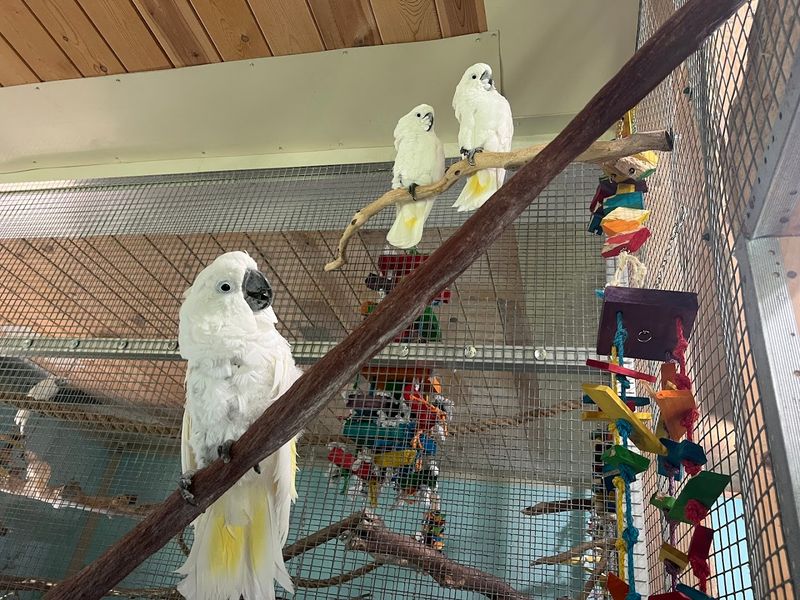
Here’s something most people don’t realize: parrots are among the most rehomed pets in America. Their long lifespans, complex emotional needs, and loud vocalizations make them challenging companions for unprepared owners. A cockatoo can live 60 years or more, which means a bird adopted at 20 might still be around when that person is 80.
Many parrots develop behavioral issues when their needs aren’t met. They might pluck their feathers, scream constantly, or become aggressive—not because they’re bad birds, but because they’re stressed, bored, or grieving. Sanctuaries like this one understand that these behaviors are symptoms, not character flaws, and work patiently to help birds heal.
Protecting captive parrots also means educating the public about what it really takes to care for these animals. They’re not decorative pets that sit quietly in cages. They’re social, intelligent beings who need interaction, mental stimulation, and proper nutrition.
The sanctuary provides valuable educational resources to help current and potential owners understand these responsibilities.
When parrots end up in sanctuaries, they get a chance to just be birds again. They can interact with their own kind, engage in natural behaviors, and live without the pressure of meeting human expectations they never signed up for. That’s why this work matters—it gives parrots dignity and quality of life.
The Rescue, Rehabilitation, and Lifelong Care Behind the Mission
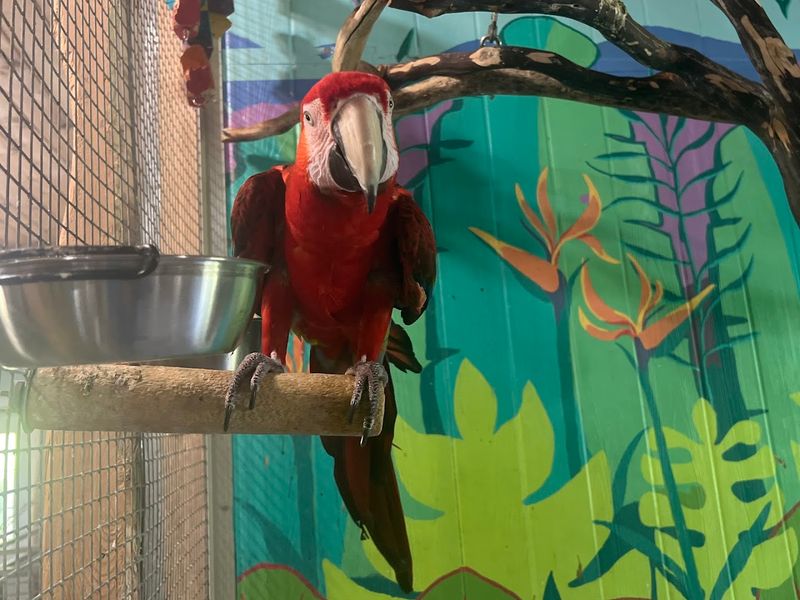
Rescuing a parrot is just the beginning. Many birds arrive malnourished, sick, or emotionally traumatized from neglect or abuse. The sanctuary’s rehabilitation process addresses both physical and psychological needs, which can take months or even years, depending on the bird’s history.
Fresh food and water aren’t luxuries here—they’re provided multiple times daily as part of a strict care routine. Parrots need varied diets with fresh fruits, vegetables, and specially formulated pellets to stay healthy. The team also monitors each bird’s weight, feather condition, and behavior to catch potential health issues early.
Socialization is another crucial piece of rehabilitation. Parrots are flock animals, and isolation can devastate their mental health. At the sanctuary, birds have opportunities to interact with others in safe, supervised settings.
Some form close friendships, while others prefer to keep their distance—and both choices are respected.
What sets this sanctuary apart is its commitment to lifelong care. Many rescues focus solely on rehoming, but this facility recognizes that some birds are better off staying put. Senior parrots, birds with special needs, or those who’ve been through too many homes already find permanent residence here. They’ll never have to worry about being uprooted again.
This comprehensive approach—rescue, rehabilitation, and lifelong sanctuary—creates a complete safety net for Tennessee’s most vulnerable parrots.
What Life Looks Like for the Parrots Who Call This Sanctuary Home
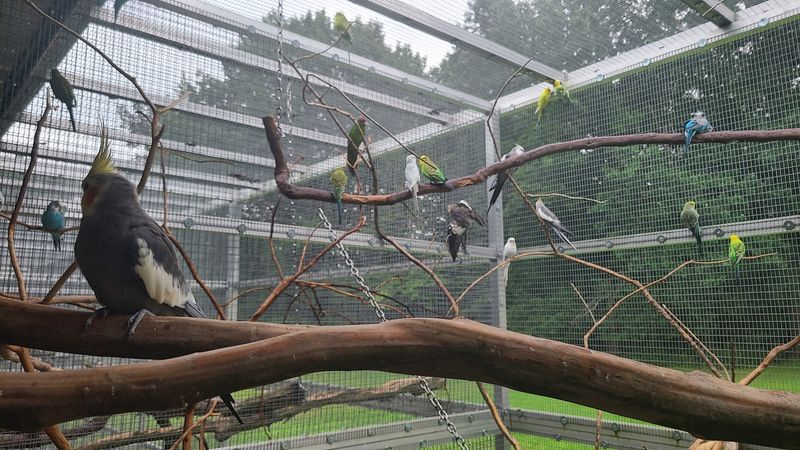
Imagine waking up to the sound of dozens of parrots greeting the morning—that’s daily life at the sanctuary. Each bird has its own personality, and visitors quickly learn that parrots are anything but boring. Some are chatty comedians who mimic phrases and bob their heads, while others are quieter observers who prefer watching the action from their favorite perch.
Birds have access to branches for climbing, toys for shredding, and spaces where they can retreat if they want alone time. During nice weather, outdoor aviaries let them enjoy fresh air and sunshine, which is essential for their physical and mental health.
Mealtimes are social events where birds gather to munch on fresh produce and pellets. The variety keeps things interesting—no one wants to eat the same thing every day, parrots included. Enrichment activities, such as foraging puzzles, challenge their problem-solving skills and prevent boredom.
It’s a peaceful setting where parrots can simply exist without demands or expectations. They’re not performing or earning their keep—they’re just living as birds should.
Visitors often leave with a new appreciation for how complex and expressive parrots truly are when given the right environment to thrive.
How Visitors and Supporters Help Keep the Sanctuary’s Work Going
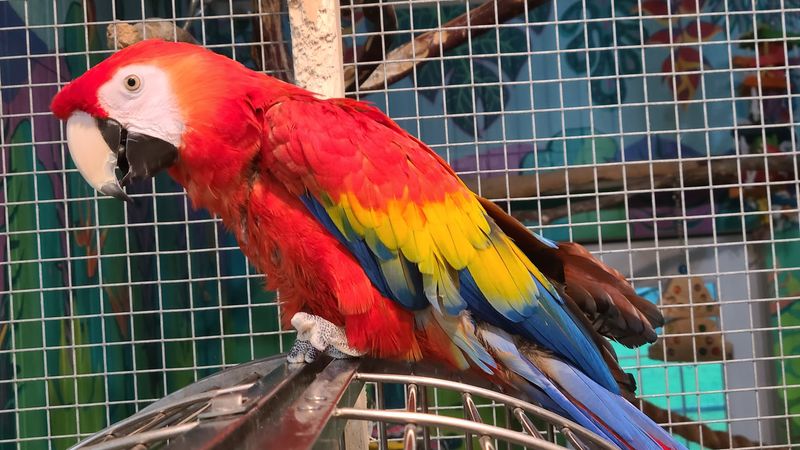
Running a nonprofit parrot sanctuary isn’t cheap. Food, veterinary care, aviary maintenance, and utilities add up quickly when you’re caring for dozens of birds. That’s why community support is absolutely vital to keeping the doors open and the birds fed.
Tours offer a unique way to experience the sanctuary while contributing to its mission. Visitors get up-close encounters with the resident parrots, learning about their individual stories and what makes each species special. Many people leave these tours with a completely different understanding of what parrots need and why rescue work matters.
Just remember to bring earplugs—parrots can get enthusiastically loud!
Volunteering is another incredible way to support the sanctuary. People who dedicate their time here consistently describe it as meaningful and educational. You’ll learn hands-on about parrot care, behavior, and the realities of rescue work.
Volunteers help with daily tasks like cleaning, food prep, and enrichment activities, which frees up staff to focus on medical care and rehabilitation.
Financial donations keep everything running smoothly. Because this is a true nonprofit, every dollar goes directly toward bird care rather than profit margins. Even small contributions help cover the cost of fresh produce, toys, or veterinary visits.
The sanctuary thrives because people care enough to show up, donate, and spread the word. It’s a community effort that proves what’s possible when compassion meets action.
Why This Hermitage Sanctuary Leaves Such a Lasting Impression
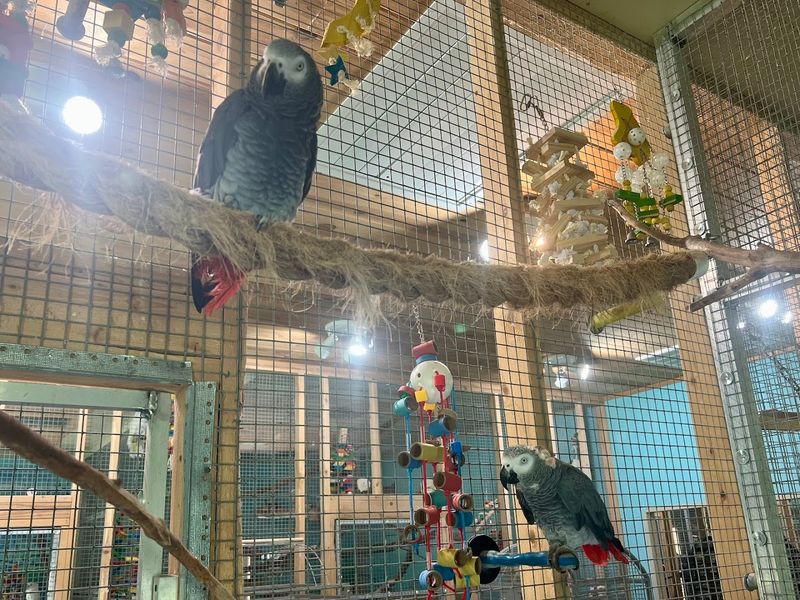
People don’t forget their first visit to this sanctuary. There’s something powerful about seeing parrots who’ve been given a second chance thriving in a place built specifically for their needs. The care and attention are obvious in every detail, from the spotless aviaries to the way staff members know each bird by name and personality.
It’s not just about seeing pretty birds—it’s about witnessing genuine compassion in action. The sanctuary operates with a level of integrity that stands out even among other nonprofits.
Actions speak louder than words here, and the results are visible in every healthy, content parrot.
What really sticks with people is the sanctuary’s philosophy: these birds aren’t projects to be fixed and moved along. They’re individuals deserving of respect, care, and stability. Whether a parrot finds a new home or stays at the sanctuary permanently, the commitment to their well-being never wavers.
The sanctuary also reunites lost parrots with their families when possible, adding another layer to their community service. They’re not just rescuers—they’re advocates, educators, and problem-solvers who genuinely care about every bird that comes through their doors.
Leaving this place, you carry with you a reminder that small acts of dedication can create enormous positive change for creatures who have no voice of their own.
Share this story