Paducah sits quietly in Cottle County, where the Texas Panhandle meets wide-open plains and endless sky. With just over a thousand residents, this small town has kept its authentic cowboy spirit alive while offering visitors a peek into classic small-town Texas life. From real working ranches to vintage storefronts and surprisingly great coffee spots, Paducah proves that the best Texas experiences often happen in the places you least expect.
1. Cottle County Rodeo Grounds
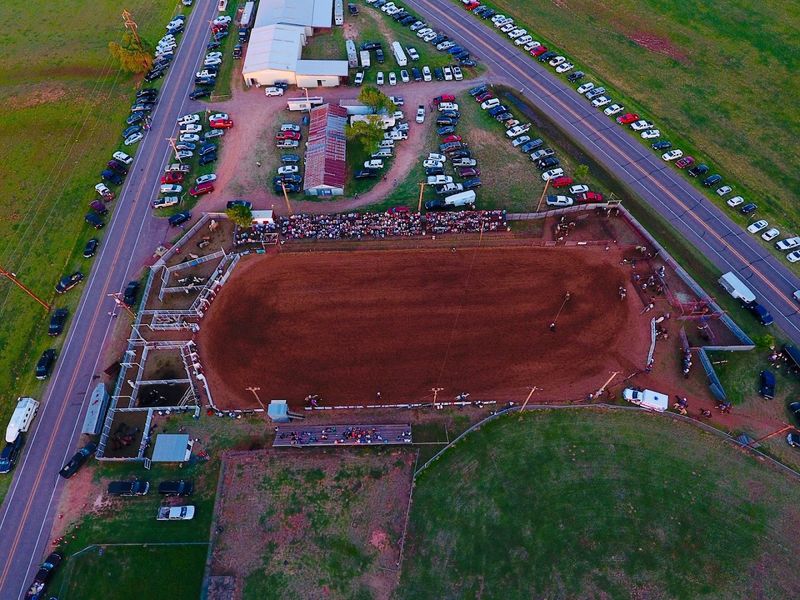
Every summer, locals and visitors gather at the rodeo grounds where authentic cowboy culture comes alive. Bull riders, ropers, and barrel racers compete under the big Texas sky while families cheer from weathered bleachers. The energy during rodeo season transforms this quiet town into a buzzing hub of Western excitement.
These aren’t staged performances for tourists. Real ranchers and working cowboys show up to test their skills, carrying on traditions passed down through generations. The smell of livestock mixes with dust and concession stand barbecue, creating an atmosphere you can’t fake or replicate anywhere else.
Between events, kids practice roping on wooden steers while adults swap stories near the chutes. The grounds also host community gatherings, 4-H competitions, and local celebrations throughout the year. Whether you catch a major event or just stop by during a quiet afternoon, the rodeo grounds tell the story of Paducah’s ranching heritage.
Visiting during an actual rodeo gives you the full experience, but even an empty arena has character. The worn wood, sun-bleached paint, and wide-open space capture something essential about West Texas life that no city attraction can match.
2. Historic Downtown Storefronts
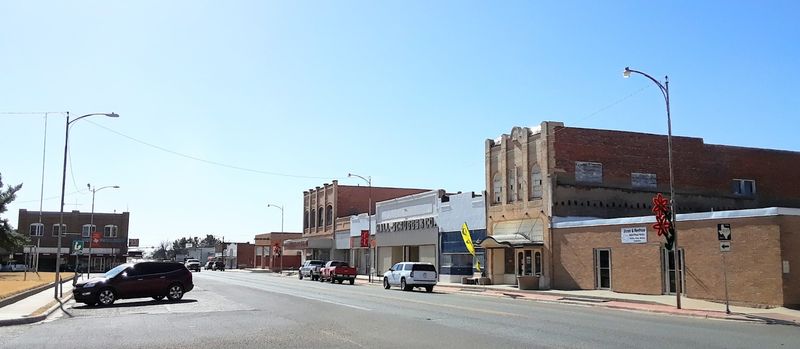
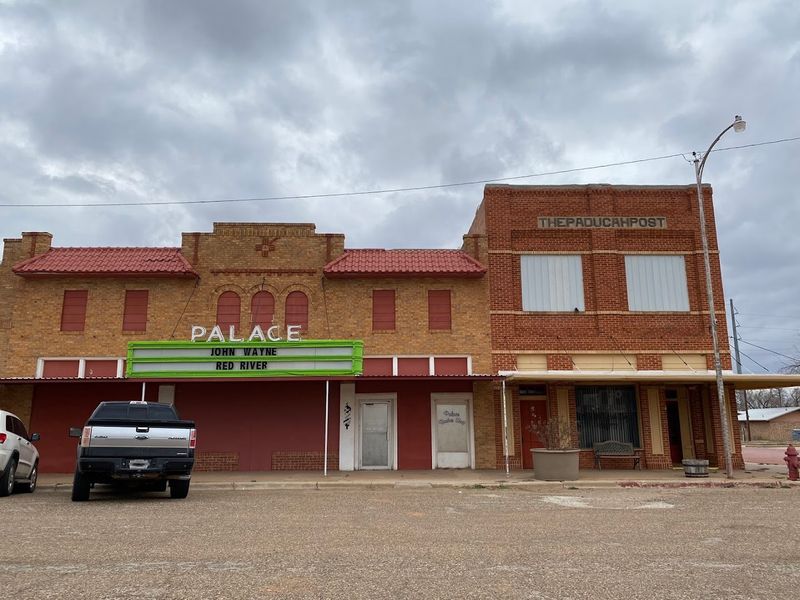
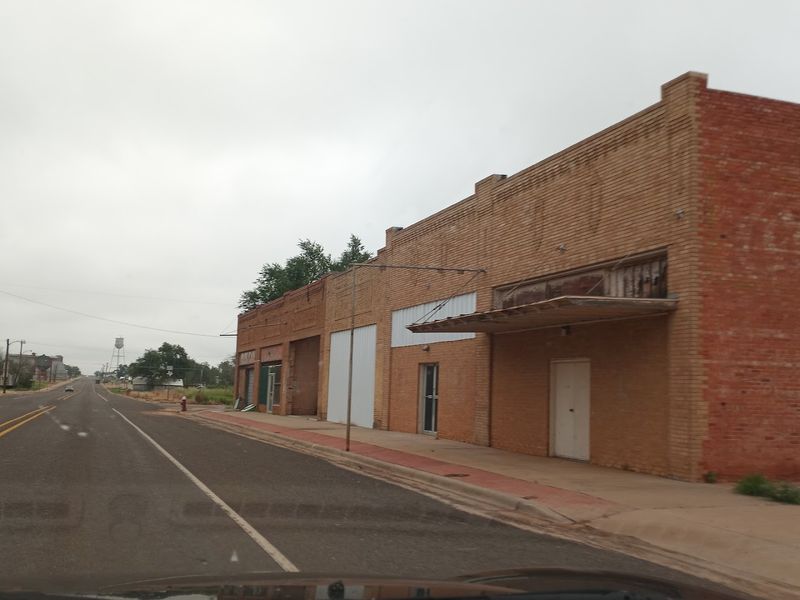
Walking down Paducah’s main street feels like stepping onto a movie set from the 1950s. Original brick buildings line the road, many still sporting hand-painted signs and vintage architectural details that modern construction just doesn’t replicate. Some storefronts have been lovingly maintained, while others show their age with peeling paint and weathered wood that only adds to the charm.
Several buildings house small businesses run by families who’ve been here for decades. You’ll find everything from hardware stores to gift shops, each with its own personality and story. The owners often know customers by name and aren’t in any hurry to rush you out the door.
Photographers love this stretch of downtown because the light hits those old facades just right, especially during golden hour. The wide sidewalks and minimal traffic make it perfect for leisurely strolling and window shopping. Architecture enthusiasts appreciate the mix of styles representing different eras of small-town Texas development.
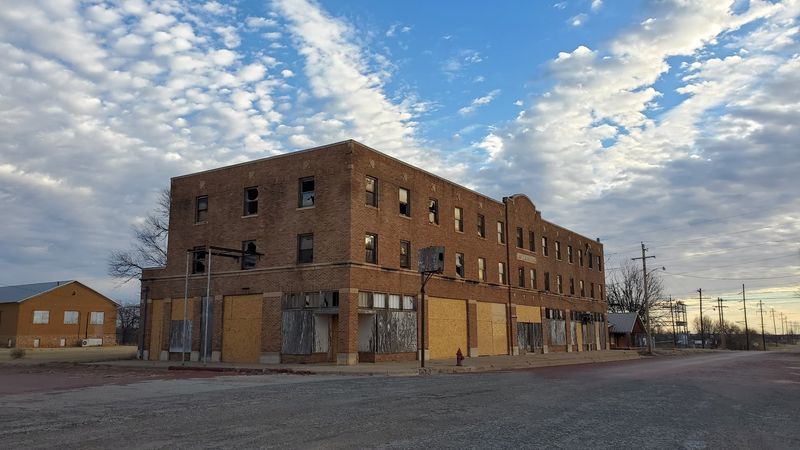
Some buildings stand empty now, silent reminders of busier times, but they contribute to the authentic atmosphere. This isn’t a recreated tourist village. It’s a real town that’s lived through boom times and quiet years, and that history shows in every weathered doorway and faded awning.
3. The Local Coffee Culture
For a town of barely a thousand people, Paducah takes its coffee surprisingly seriously. Local spots serve up quality brews that would impress city dwellers, proving that good coffee isn’t exclusive to urban areas. Ranchers stop in before dawn, teachers grab their morning fuel between school duties, and retirees settle in for long conversations over refills.
The coffee shops double as community gathering spots where everyone knows the latest news before it hits social media. Conversations flow freely between tables, and strangers become friends over shared pots of coffee. These aren’t corporate chains with identical menus everywhere—they’re locally owned places with personality and heart.
What makes the coffee culture special here is how it blends old and new. You’ll see cowboys in worn boots sitting near visitors passing through, all united by appreciation for a solid cup of joe. The baristas know their regulars’ orders by heart and aren’t afraid to experiment with new roasts or brewing methods.
Morning hours bring the biggest crowds, but afternoon coffee breaks are sacred too. People actually take time to sit, sip, and talk instead of rushing through a drive-through. In a world that moves increasingly fast, Paducah’s coffee spots offer something rare: a place to slow down and connect.
4. Working Cattle Ranches
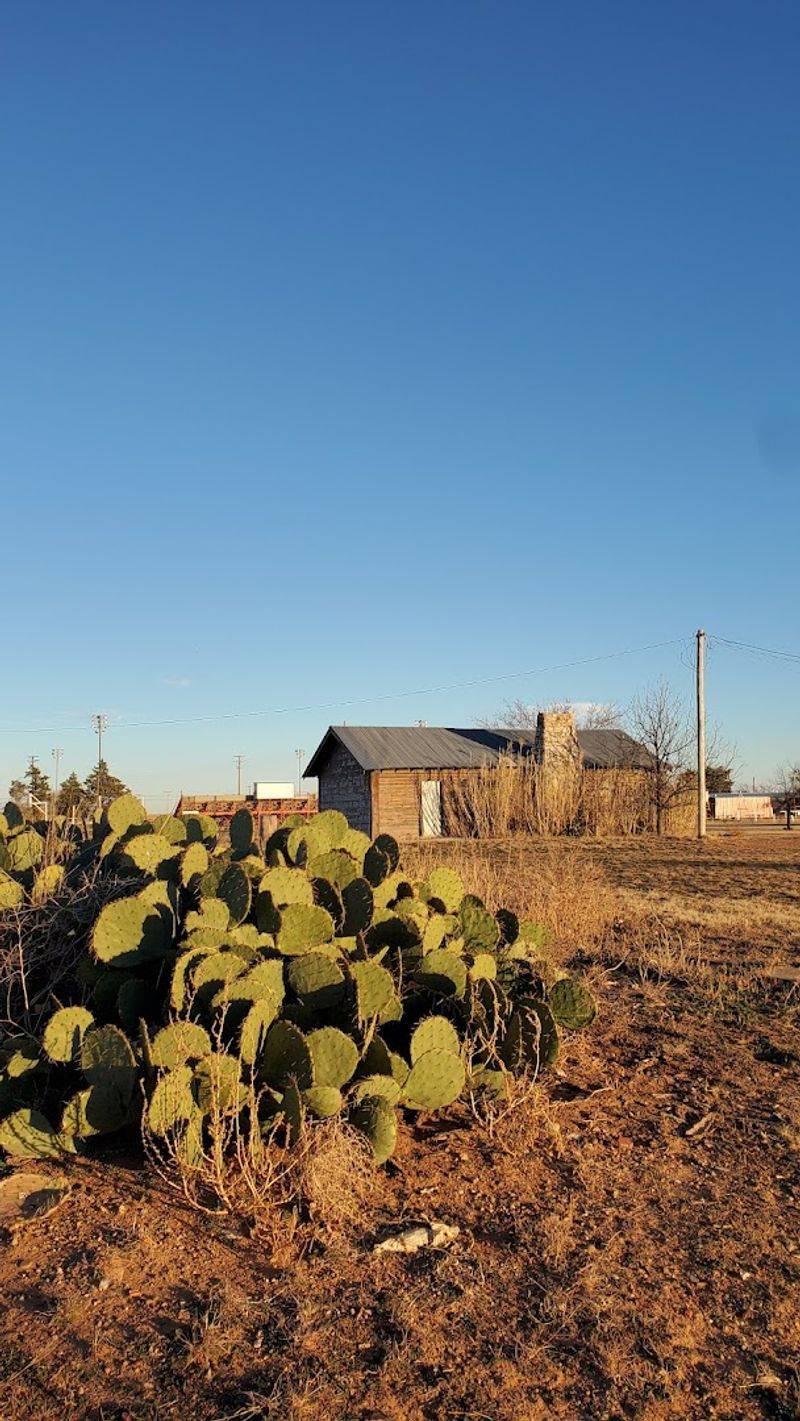
Ranching isn’t just history in Paducah—it’s current reality. Working cattle operations surround the town, where multi-generational families still make their living from the land. Drive any direction out of town and you’ll see herds grazing across rolling plains that stretch to the horizon.
These ranchers face modern challenges while maintaining traditional methods passed down through families. Early mornings start with checking livestock, mending fences, and managing the endless tasks that keep a ranch running. It’s hard work that requires knowledge, dedication, and deep connection to the land.
Some ranches welcome visitors who want to understand authentic ranch life beyond the romanticized versions. You might see cowboys on horseback moving cattle, witness calving season up close, or learn about the business side of raising livestock. The ranchers who share their world do so with pride and patience, happy to educate city folks about where their food comes from.
The ranching economy shapes everything in Paducah, from the feed stores downtown to the conversations at coffee shops. When cattle prices rise or fall, the whole town feels it. This connection to agriculture keeps Paducah grounded and genuine in ways that purely residential communities can never replicate.
5. Cottle County Courthouse
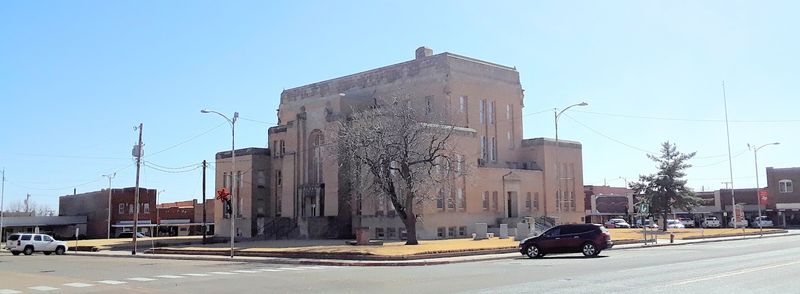
Standing proudly in the town square, the Cottle County Courthouse represents both Paducah’s role as county seat and its architectural heritage. Built during an era when courthouse construction meant something about a community’s ambitions and identity, this building has witnessed over a century of local history unfold around it.
The architecture reflects classic Texas courthouse design with its prominent placement and dignified style. Inside, county business continues just as it has for generations, with offices handling everything from property records to marriage licenses. The building remains a functioning government center, not just a preserved museum piece.
Locals use the courthouse lawn for community events, and the surrounding square serves as an informal gathering space. During holidays, decorations transform the grounds into festive displays that bring families downtown. The building’s presence anchors the town visually and symbolically, reminding everyone of Paducah’s official importance beyond its small size.
History buffs appreciate the building’s longevity and the stories contained within its walls. Public records stored here document births, deaths, land transfers, and legal matters spanning multiple generations of Cottle County families. For researchers tracing family histories or studying local development, the courthouse holds invaluable information about this corner of Texas.
6. Wide Open Spaces and Big Skies
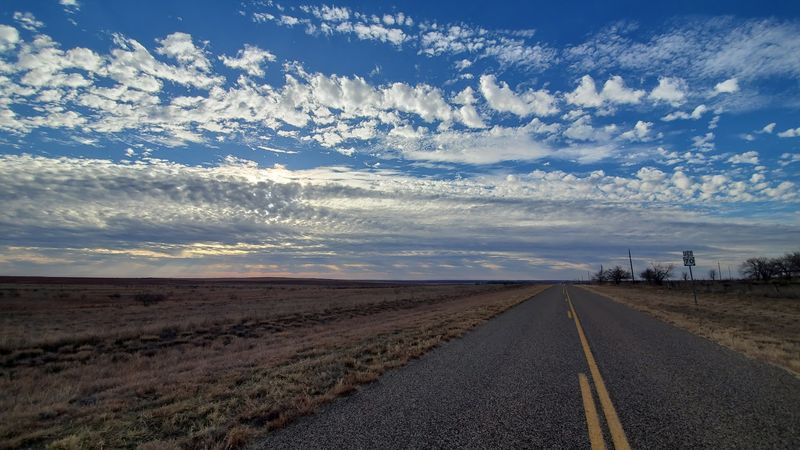
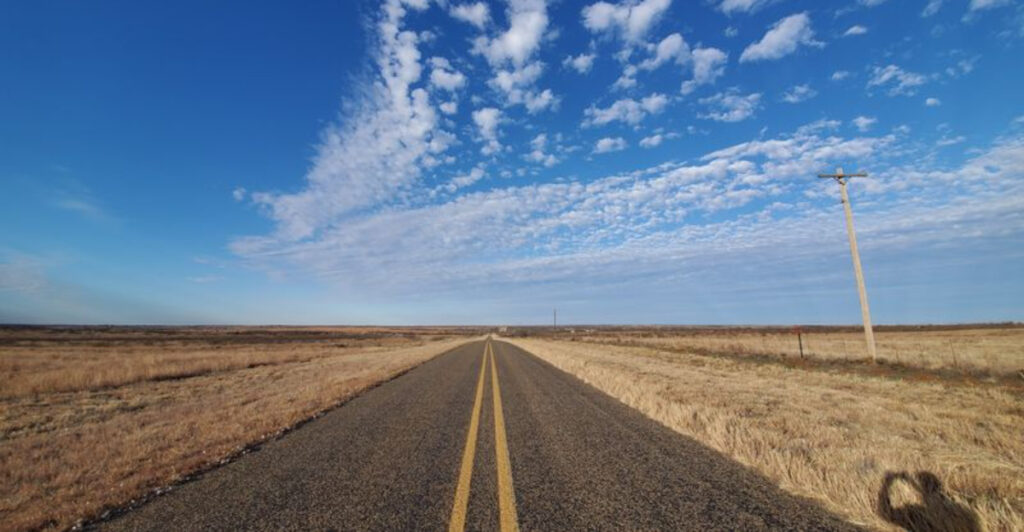
Geography defines the Paducah experience as much as any human-made attraction. Positioned where the Panhandle meets the Llano Estacado, the town sits amid landscapes that seem to go on forever. The sky dominates everything here, creating sunrises and sunsets that paint the horizon in colors that photographs never quite capture accurately.
Without urban light pollution, nighttime reveals stars in stunning clarity. The Milky Way stretches overhead on clear nights, offering views that city dwellers rarely experience. Visitors from crowded metropolitan areas often find themselves simply staring upward, amazed at how many stars exist when you can actually see them all.
The openness affects people differently. Some find it peaceful and liberating, while others feel exposed or overwhelmed by so much space. Either way, it’s impossible to ignore.
The land teaches perspective—your problems seem smaller when surrounded by such vastness, and the slow pace of life here starts making more sense.
Weather systems roll across the plains visibly, sometimes allowing you to watch storms develop miles away. Spring brings wildflowers that dot the grasslands with color, while winter winds sweep across unobstructed terrain. This landscape shaped the people who chose to settle here, creating a community that values resilience, independence, and appreciation for natural beauty.
7. Small-Town Friday Night Lights
Football season transforms Paducah into something electric. Friday nights mean the whole town turns out to support the local high school team, creating an atmosphere that outsiders might find surprising for such a small community. The stadium lights glow against the dark plains, visible for miles around, signaling that something important is happening.
These games aren’t just about sports. They’re social events where generations gather, former students return to visit, and community bonds strengthen. Grandparents sit near parents who once played on the same field, watching kids who represent the town’s future.
The concession stand does brisk business, and everyone knows everyone in the stands.
The players aren’t destined for college scholarships or professional careers, mostly. They’re farm kids and ranchers’ sons playing because they love the game and representing their town matters. Coaches often teach in the school system year-round, and the commitment runs deep on both sides.
Win or lose, the post-game scene at local restaurants brings everyone together. Players still in their jerseys mix with fans rehashing key plays, and the conversation continues until closing time. This tradition connects Paducah to countless other small Texas towns where football serves as cultural glue holding communities together across generations.
8. Antique Shopping and Vintage Finds
Treasure hunters find surprising gems in Paducah’s antique shops and secondhand stores. Items that families accumulated over generations eventually find their way to these collections, offering everything from vintage ranch equipment to mid-century furniture. You never know what might turn up on any given visit, which keeps collectors coming back regularly.
The prices remain reasonable compared to trendy urban vintage markets. Sellers understand local economics and price accordingly, meaning serious bargains exist for those willing to dig through the inventory. Some items have fascinating backstories that owners happily share, connecting objects to specific families or historical moments in the area.
Beyond traditional antiques, you’ll discover retro signage, old farm tools, vintage kitchen items, and weathered architectural salvage. Decorators seeking authentic Western or ranch-style pieces find the real deal here, not mass-produced reproductions. The patina and wear on these items can’t be faked—they’ve genuinely been used, loved, and lived with for decades.
Shopping here requires patience and a willingness to explore. Organization varies from shop to shop, with some carefully curated and others offering the thrill of chaotic discovery. Bring cash, as not all vendors accept cards, and be prepared to negotiate.
The hunt itself becomes part of the experience, turning shopping into an adventure rather than a transaction.
9. Community Spirit and Neighborly Culture
What truly sets Paducah apart isn’t visible on any map or tour guide. The genuine community spirit here operates on principles that feel increasingly rare in modern America. People wave at passing cars even when they don’t recognize the driver, conversations happen naturally between strangers, and helping neighbors isn’t considered exceptional—it’s just what you do.
This culture stems from practical necessity and shared values. In a small, remote town, people depend on each other in ways that urban residents rarely experience. When someone faces hardship, the community responds with meals, labor, fundraisers, or whatever help the situation requires.
These aren’t organized through apps or social media campaigns—word spreads person to person, and people simply show up.
Newcomers often remark on how quickly they’re welcomed and included. There’s natural curiosity about outsiders, but it comes from genuine interest rather than suspicion. Accept an invitation to a community event or church supper, and you’ll leave knowing half the town by name.
This neighborly culture has downsides too—privacy is limited and everyone knows your business. But for those who value connection over anonymity, Paducah offers something increasingly precious. In a world where many people don’t know their next-door neighbors, this town maintains bonds that feel almost anachronistic, proving that community still matters when people choose to prioritize it.
Share this story