What does a legendary crooner have in common with a cozy Chicago tavern famous for barbecue ribs? More than you might expect. Twin Anchors Restaurant & Tavern has been serving hungry diners since 1932, but its connection to Frank Sinatra gives this Old Town institution an extra touch of Hollywood glamour.
The singer reportedly loved stopping by for its signature ribs, helping turn an already popular neighborhood restaurant into a destination with a fascinating celebrity connection. Today, the old-school atmosphere, hearty barbecue, and decades of history keep the tradition alive. Come for the ribs, stay for the stories, and discover a delicious piece of Chicago history.
An Illinois Rib Landmark on a Neighborhood Corner
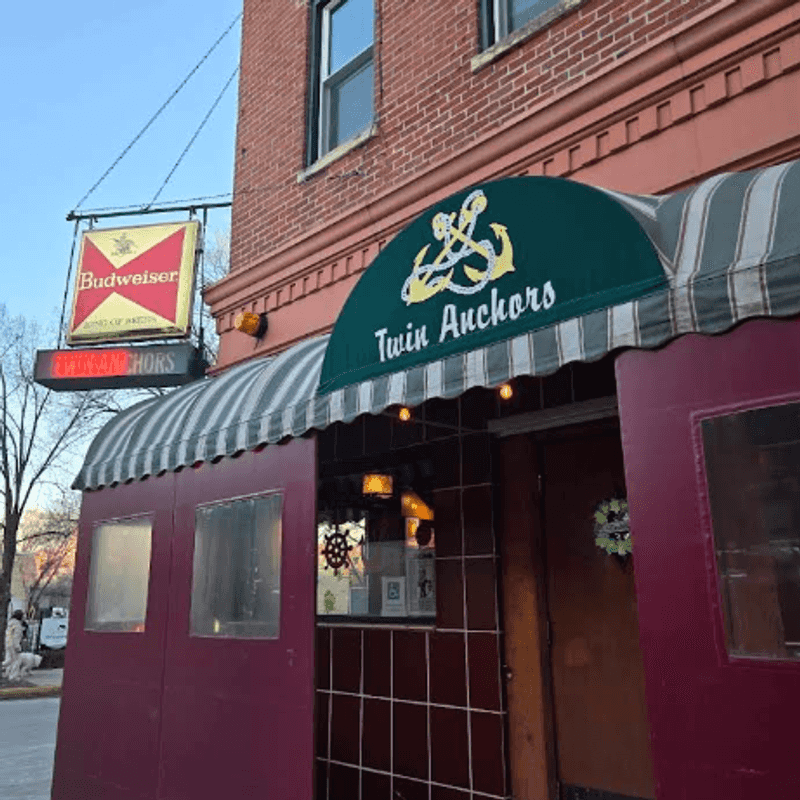
A famous singer’s rib stop sits on a neighborhood corner, not behind the doors of a grand hotel. Twin Anchors occupies the corner of Sedgwick Street and Eugenie Street, giving the restaurant a street-level presence that matches its role as a local tavern.
The address is 1655 N Sedgwick St, Chicago, Illinois, in the Old Town area. That setting helps explain the surprise behind its celebrity connection: you are heading toward a residential neighborhood, rather than a strip built around major tourist attractions.
Look for the restaurant’s name before searching for anything flashy. The building and corner location are the main landmarks, and the approach gives you a useful sense of how closely the restaurant fits into the surrounding blocks.
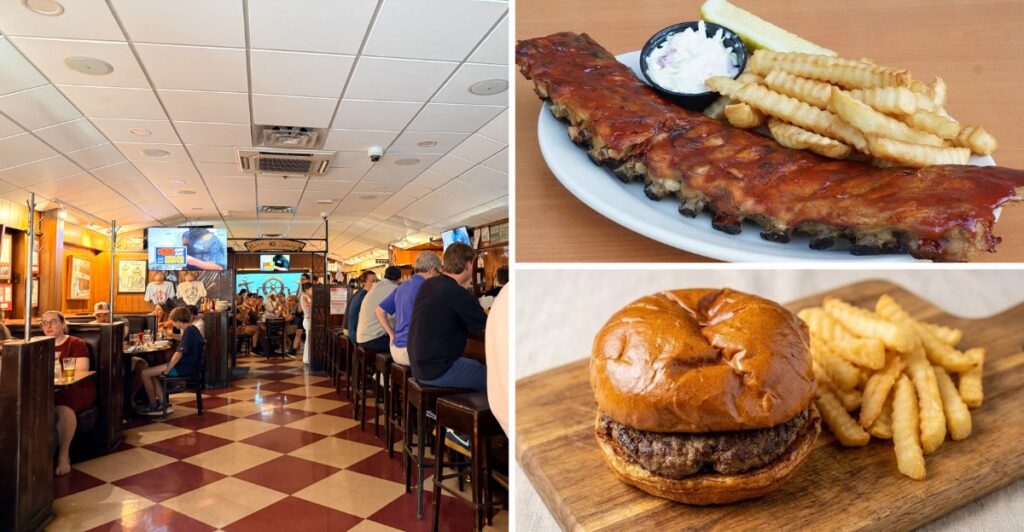
Inside, the scale stays personal. Dining space and a working bar share a compact setting, so conversations, food service, and drinks all belong to the same busy scene. Expect a tavern meal rather than a quiet dining room with widely spaced tables.
That difference is helpful to know before you arrive. Choose comfortable clothes, bring an appetite, and allow for the ordinary bustle of a small restaurant. A relaxed dinner here does not require dressing for a formal occasion or planning a polished evening around it.
For a first visit, pause outside long enough to notice the corner itself. Seeing the restaurant in its neighborhood makes the Sinatra story more interesting, because the fame arrived at an existing local business rather than creating a themed attraction from scratch.
Keep the exact address handy when arranging transportation, especially if your Chicago plans include several stops. Once you reach Sedgwick and Eugenie, the search becomes simple: find the tavern, check in for a table, and let the smell of dinner take over. Save the sightseeing checklist for another time; this corner deserves an unhurried meal.
Sinatra’s Connection Is More Than a Name Drop
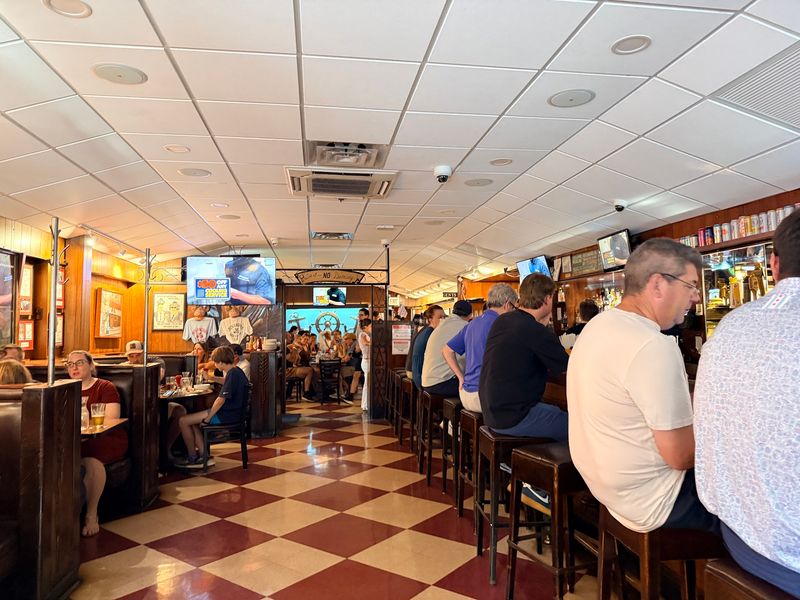
Ol’ Blue Eyes had a taste for ribs, and Twin Anchors became one of his Chicago stops. The restaurant’s history identifies Frank Sinatra as a returning patron, which gives the headline a real connection beyond a celebrity photograph hung for decoration.
Sinatra’s association with the tavern reaches back decades. Accounts of his visits describe a fondness for the ribs and a preferred booth, making the story about a regular dining habit rather than a single appearance arranged for publicity.
Still, the phrase favorite barbecue joint deserves a little care. It is a popular way to describe his attachment to Twin Anchors, not a ranking that can be proved against every restaurant he visited. The solid takeaway is that he ate here repeatedly and became closely linked with the place.
That distinction does not make the story less enjoyable. In fact, it puts the focus where it belongs: a major entertainer choosing a neighborhood restaurant for a meal. The contrast between his public life and this small tavern is the interesting part.
Look around for the restaurant’s celebrity photographs and memorabilia while you wait or settle in. They provide a visual connection to the people who have passed through, without requiring the dining room to become a museum devoted to one singer.
If you want more detail, ask a staff member about the Sinatra history when service allows. A brief question during a quiet moment is better than interrupting a busy server carrying meals. Avoid assuming that every colorful tale attached to a celebrity has equal historical support.
You do not need to know his albums to enjoy the connection. Order the ribs, notice the modest surroundings, and picture the simple appeal of a familiar table and a dependable dinner. The celebrity story adds context; your meal does not have to become a tribute show.
The Ribs Do the Heavy Lifting
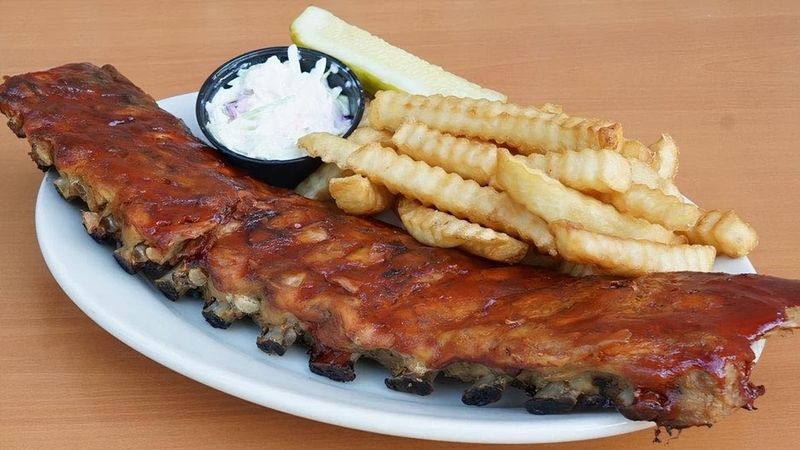
Bring napkins into the plan early. Ribs are the main reason to eat at Twin Anchors, and their appeal centers on tender meat, a generous coating of sauce, and the kind of plate that encourages you to stop checking your phone.
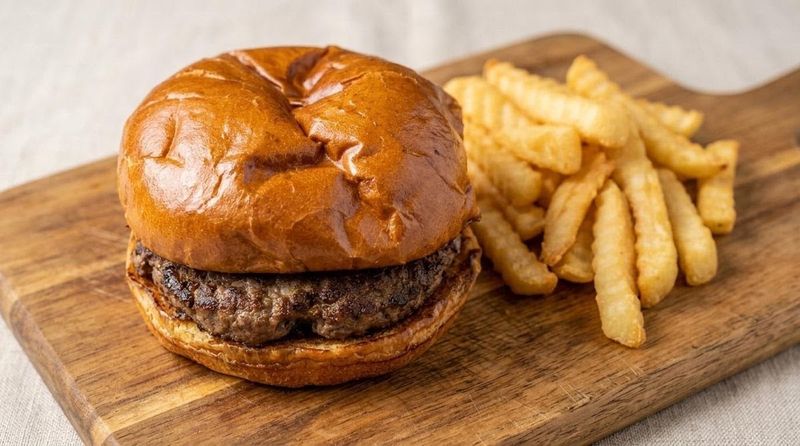
Baby back ribs are the signature order. Their soft texture is central to the restaurant’s style, so approach them as a tender, sauce-forward tavern meal rather than expecting the firm bite or heavy smoke profile associated with some regional barbecue traditions.
Half and full rack choices give you room to match the meal to your appetite. A half rack can leave space for an appetizer or dessert, while a full rack makes the ribs the clear center of dinner. Check the current menu for portions and prices.
Sauce deserves its own decision. Zesty is a classic starting point, while Prohibition offers a spicier direction. The restaurant also has a mild sauce option, useful for anyone who wants the meat without as much heat competing for attention.
Ask about the sauces before ordering if your group includes heat-sensitive eaters. Getting an extra sauce on the side, when available, makes it easier to compare flavors without committing the whole plate. Start with a small taste rather than pouring everything over the first bite.
The simplest way to judge the meal is to eat a little rib meat before adding more sauce. Notice the texture, then try the coating already on the plate. Only afterward decide whether you want a stronger kick, more tang, or another spoonful alongside.
Leave enough room on the table for bones, drinks, and shared dishes. Rib dinners can become crowded quickly in a compact dining space. A little table management helps: move empty appetizer plates out of the way and keep your napkin close before picking up the next rib.
Onion Rings and Spinach Earn Their Table Space
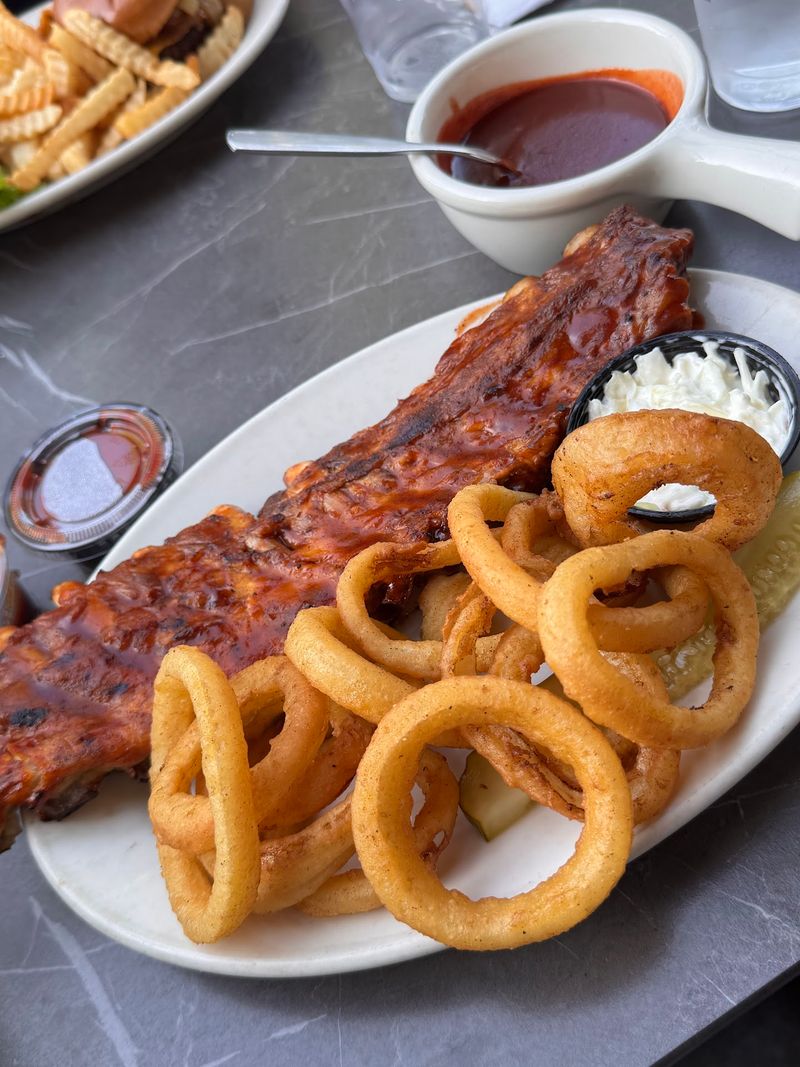
A basket of onion rings can turn a rib dinner into a group project. Pass it around before the main plates arrive, and everyone gets something crisp to nibble while discussing the much more serious question of which sauce to order.
Onion rings are a useful contrast to the ribs. Their crunchy coating breaks up a meal built around soft meat and thick sauce, while their shareable format suits a table that wants an appetizer without ordering a separate starter for every person.
Creamed spinach takes dinner in another direction. It adds a smooth vegetable side to the plate, offering a change from fries or potatoes. If you enjoy rich sides, it is an option to consider rather than treating the vegetable choice as an afterthought.
Baked beans, coleslaw, fries, and baked potatoes also appear among the restaurant’s familiar accompaniments. Check the current menu for what comes with your rib order and which choices cost extra. Knowing that before ordering prevents an accidental pileup of similar sides.
Build the meal around contrast instead of quantity. Pairing ribs with something crisp and something cool gives you different textures between bites. Ordering several rich dishes can be fun, but it may leave less room for the food you came specifically to try.
Not everyone at the table has to order ribs. Twin Anchors offers dishes beyond its signature, so look through the menu before deciding how to share. Ask your server about current alternatives and dietary needs rather than assuming a sauce or side meets a particular restriction.
Dessert requires a little planning too. Cake options have been part of the restaurant’s offerings, but selection can change. Ask what is available before committing to another appetizer, especially if your group wants a sweet finish.
Sharing one dessert may suit the table better than another round of heavy plates.
A 1932 Beginning and a Hollywood Second Life
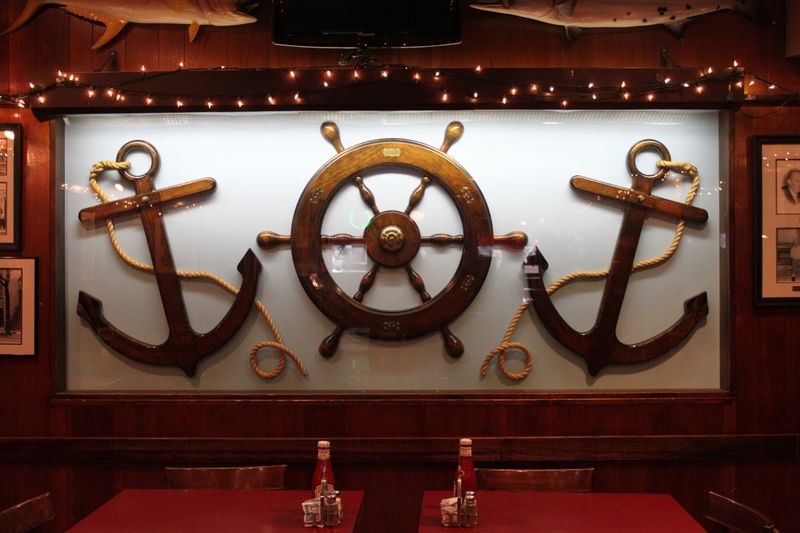
Nearly a century of restaurant history gives Twin Anchors a timeline longer than its celebrity guest list. Founded in 1932, the tavern opened while national Prohibition was still in effect, placing its beginnings in a very different chapter of Chicago life.
The date is useful context, but it should not become an excuse to turn every old doorway into a secret passage story. Enjoy the restaurant’s age without assuming that every tale about raids, escape routes, or hidden drinking rooms has been firmly documented.
A more visible piece of its identity is the famous Positively No Dancing sign. In a restaurant linked with one of America’s best-known singers, that instruction brings a dry little joke into the room. It also fits the direct personality of an old neighborhood tavern.
Hollywood added another layer when Twin Anchors appeared in the 2000 film Return to Me. Fans of the romantic comedy may recognize the setting, which gives the restaurant a second route into popular culture beyond Sinatra and his rib dinners.
Seeing a real business used as a film location changes the usual screen experience. Instead of looking at a constructed restaurant set, you can sit in a place that continues serving meals. The practical work of taking orders carries on beneath the movie connection.
If the film is part of your reason for visiting, look for recognizable details without expecting the entire room to match every shot. Camera angles, production choices, and changes over time can affect what appears familiar. Keep photographs quick and avoid including nearby diners without permission.
The history is best explored between courses, not as a scavenger hunt that interrupts the meal. Read the visible signs, study a photograph, then return to the table. A founding date, a film appearance, and a firmly stated ban on dancing offer plenty to discuss over dinner.
Let the Bar Set the Pace
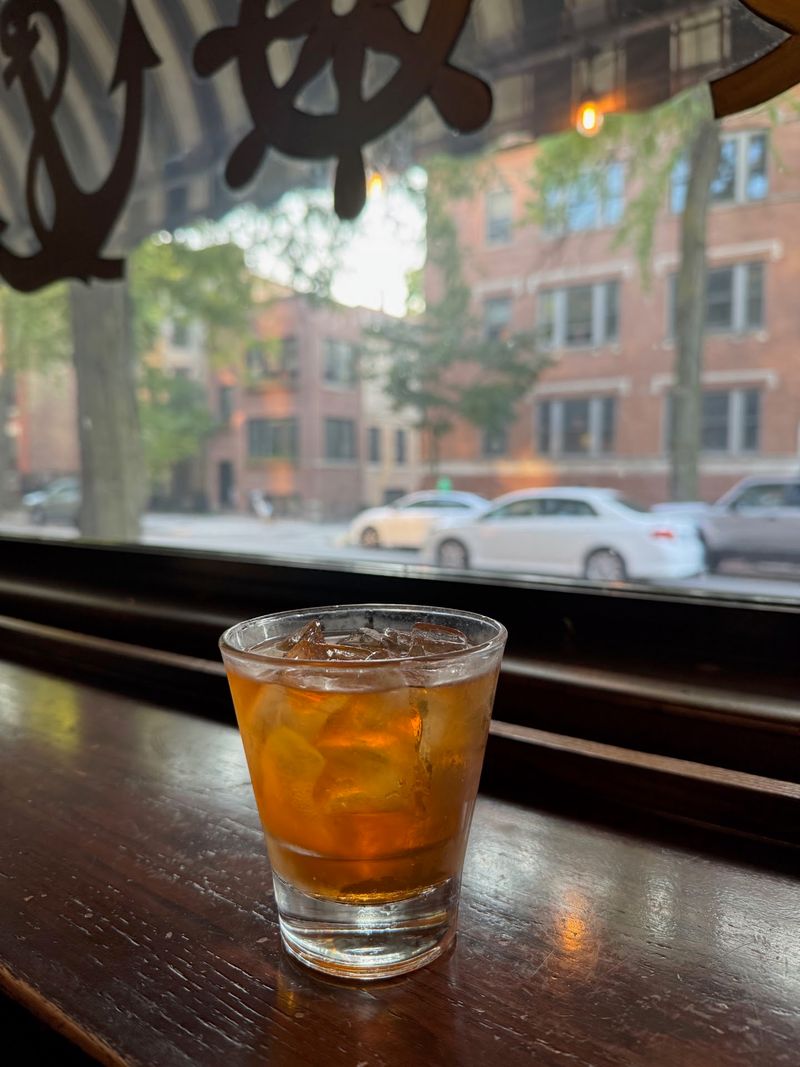
Dinner does not always begin at a dining table here. The bar is part of the restaurant’s working rhythm, offering a place for a drink when space allows and giving a solo visit a different shape from a full group meal.
Beer and cocktails fit naturally beside a saucy rib order. Choose a drink you already enjoy rather than worrying about a perfect pairing. Something refreshing can provide a break between rich bites, but there is no need to turn a tavern dinner into a tasting lesson.
A nonalcoholic drink works just as well. The food and history do not depend on ordering alcohol, and families can approach the restaurant as a casual meal stop. Ask about available beverages if you want an option beyond the usual soft drink.
For someone eating alone, ask whether bar dining is available that evening. It may be a practical alternative to waiting for a separate table, though open seats and service arrangements can change. Check with staff before settling into a spot or placing an order.
Groups should be more careful about spreading out while waiting. A compact bar can fill quickly, and a cluster of people may block service or the path through the room. Keep your party together where directed and leave clear space for trays and other diners.
Conversation is the natural entertainment. You can watch drinks being prepared, discuss the menu, or compare what each person plans to order. Expect surrounding voices and restaurant noise rather than a hushed soundtrack designed for a private occasion.
If you have a table waiting, follow the staff’s directions about moving drinks and settling any bar check. Small details like that keep the handoff smooth. The best approach is uncomplicated: order thoughtfully, stay aware of the room, and be ready when your name is called for dinner.
Plan Around the Clock, Not a Reservation
A little timing can save a hungry group a lot of impatience. Twin Anchors operates on a walk-in basis rather than taking reservations, so your dinner plan should include room for a wait, especially during busy evenings and on weekends.
The supplied hours list Monday through Friday service from 4:30 p.m. to 10 p.m. Saturday and Sunday hours run from noon to 10 p.m. Those weekend openings create a lunch option that is not available during the listed weekday schedule.
Hours and policies can change, particularly around holidays. Confirm the current schedule before traveling, and do not assume arriving just before closing guarantees time for a full meal. An earlier arrival gives both you and the kitchen more breathing room.
Large parties need extra flexibility in a small dining space. Let staff know the correct group size when checking in, and ask how seating will work before everyone begins ordering drinks. A realistic wait estimate is more useful than building the evening around an exact dinner time.
Plan transportation with the neighborhood setting in mind. Street parking may take time, so leave a buffer if you drive. If you need step-free access, specific seating, or room for a mobility device, ask about those needs before arrival rather than guessing from exterior photographs.
Outdoor seating has been available, but it is limited and depends on conditions. Treat an outside table as a possibility, not a promise. Weather, staffing, and the number of diners can all affect whether it is a useful option during your visit.
The strongest plan is also the simplest: arrive with time, check in, order the signature food, and enjoy the history without expecting special treatment. Sinatra’s connection may get you through the door, but good planning gets you comfortably to the table. Bring your appetite and leave some space in the schedule.
Share this story