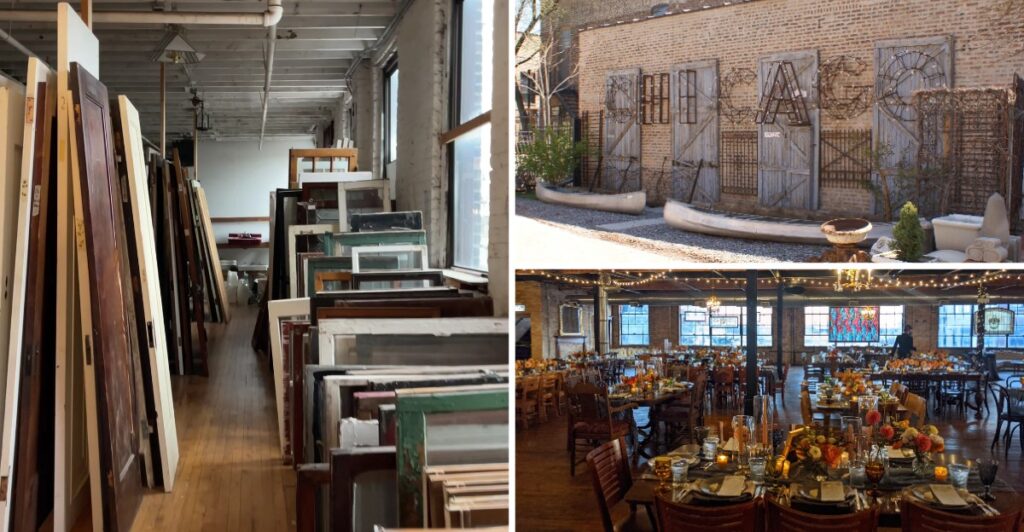
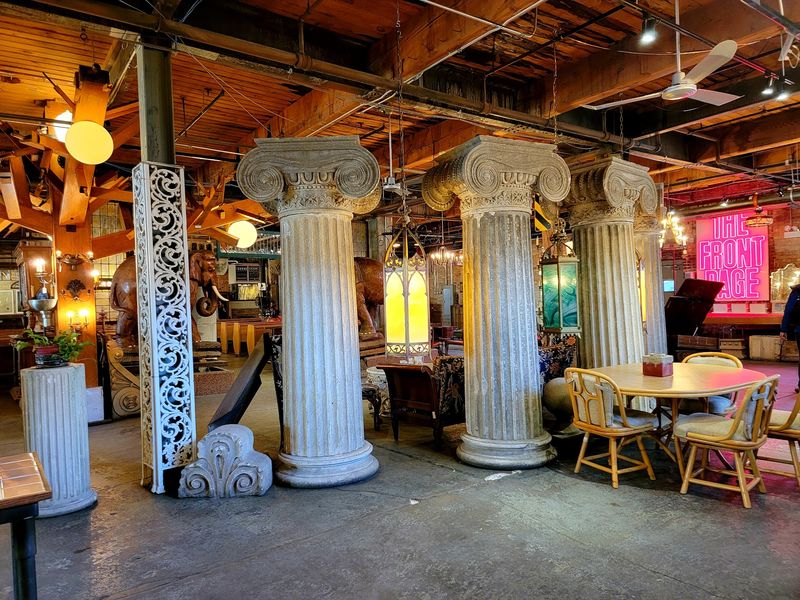
Imagine wandering through 60,000 square feet of forgotten treasures, where antique doors, colorful stained glass, and vintage furniture are waiting for a second chance. At Salvage One on Chicago’s West Hubbard Street, architectural history fills a sprawling showroom packed with reclaimed building materials, unusual decorative pieces, and furnishings you rarely see in ordinary stores.
Some visitors arrive searching for the perfect finishing touch for a renovation, while others simply enjoy exploring objects with stories behind them. Every corner offers something different, making a quick browse surprisingly difficult. Whether you love antiques, historic architecture, or creative home projects, this enormous Illinois salvage warehouse makes treasure hunting an adventure of its own.
An Illinois Warehouse With Room for Big Discoveries
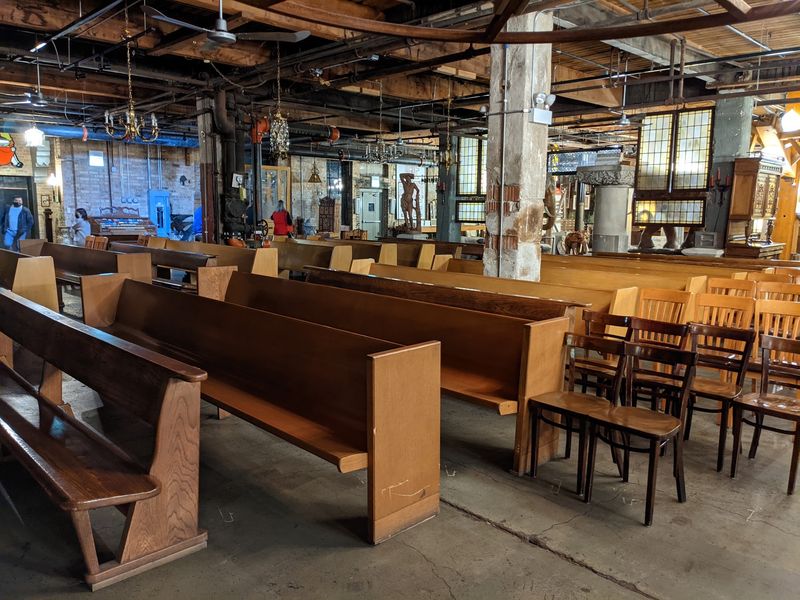
Sixty thousand square feet changes the way you shop. At Salvage One, a quick look can turn into a longer wander as furniture, building parts, and unusual objects compete for your attention across the sprawling showroom.
The scale gives large pieces room to make sense. A tall door or broad dining table can look manageable here, which is exactly why measurements matter before you imagine either one inside a smaller Chicago apartment.
Rather than treating the warehouse like a race, choose a loose route and follow it. Start with the kind of object that brought you in, then leave time for nearby finds that might solve a different problem at home.
The selection brings indoor and outdoor furnishings into the same larger picture. That mix helps you compare practical uses, whether you need seating for a dining area, a cabinet for storage, or an architectural piece to anchor a room.
Keep a short list on your phone with room dimensions, preferred materials, and a spending limit. Photos of your existing space can also help you judge proportions and colors without relying on memory alone.
Ask staff which areas are open for shopping that day. Salvage One also hosts events, so a large building does not automatically mean every part is available to browse during every visit.
Give yourself permission to inspect fewer things more carefully. Looking at the back of a cabinet, the edge of a tabletop, or the condition of a frame tells you more than sweeping past another row.
The showroom’s size is useful because it puts very different objects within one visit. You can compare shapes, materials, and possible uses before settling on a purchase, then return to your strongest candidate with a clearer idea of how it will fit through your doorway and into daily life at home.
Old Doors That Deserve a Second Entrance
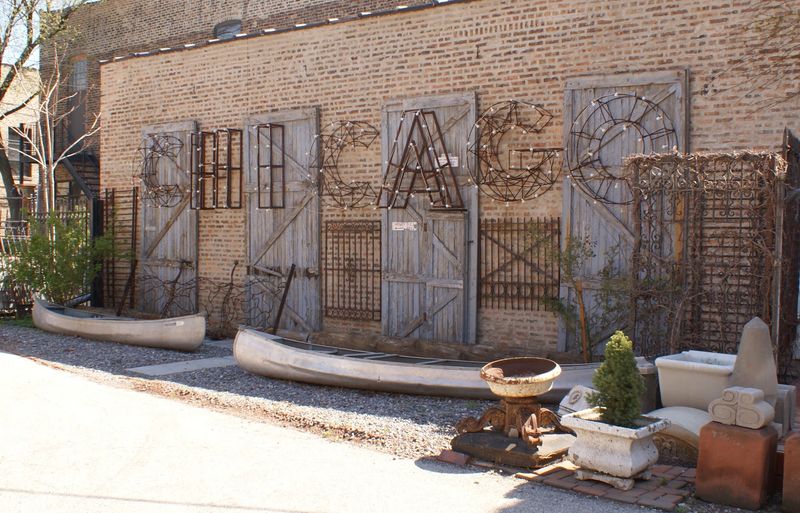
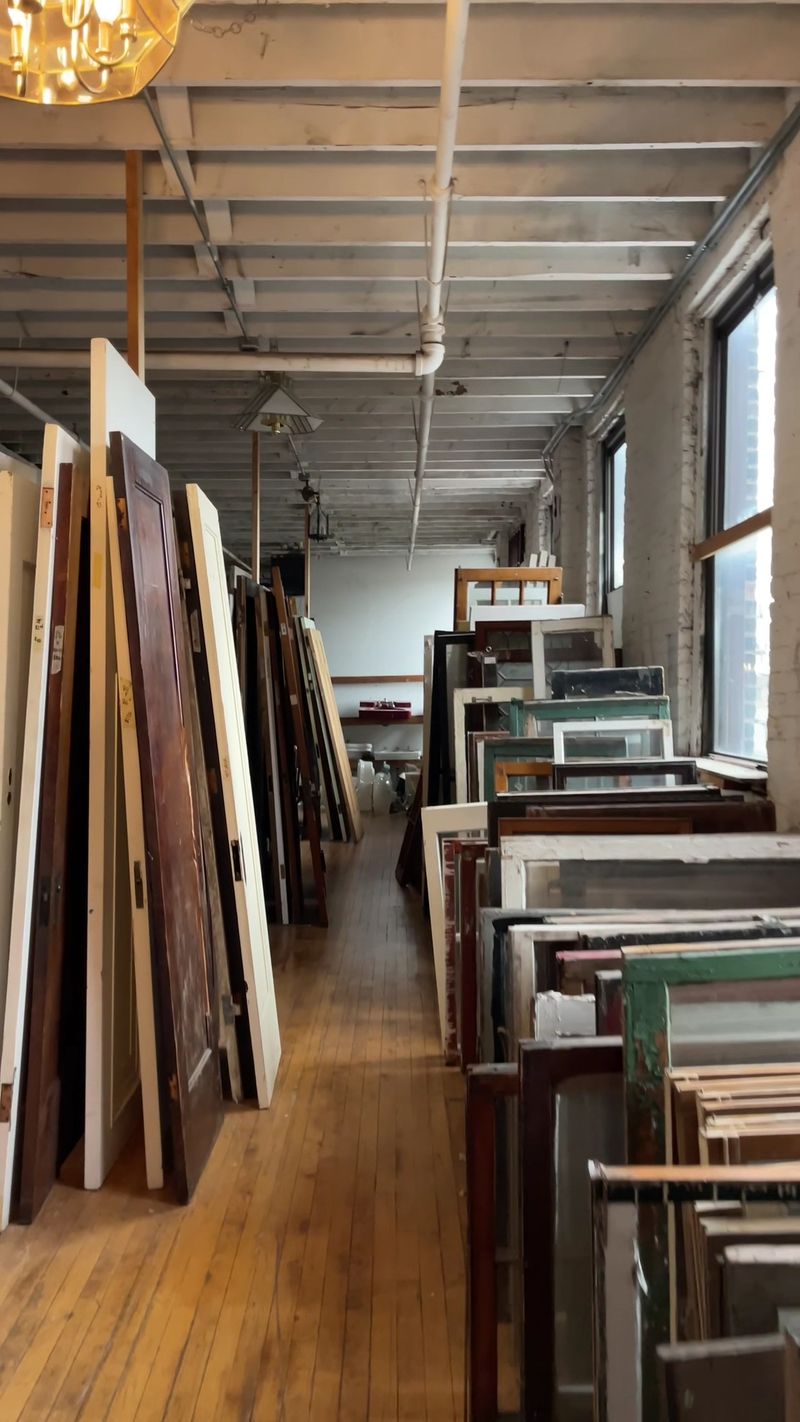
A door can tell you plenty before it ever opens. Panel shapes, worn edges, and old hardware holes reveal how a salvaged piece was built and what work it may need before becoming useful again.
Old doors are among the architectural finds associated with Salvage One. Their appeal goes beyond decoration: a reclaimed door can help a renovation keep the proportions and materials that make an older home look consistent.
Begin with the opening, not the finish. Record the height, width, and thickness you need, then check whether your project calls for the door alone or a matching frame that may be harder to locate.
Next, study the practical details. Hinge placement, handle openings, and the direction of the swing can decide whether a promising door is a simple fit or a much larger carpentry job.
Bring photographs of the existing doorway and nearby trim. Those images make it easier to compare panel patterns and wood tones, especially when several candidates seem close but none is an exact match.
Surface wear needs a thoughtful look, too. A scratch may be easy to live with, while splitting wood, loose joints, or a badly warped edge can change the cost and effort of a repair.
For older painted pieces, avoid sanding or scraping until you understand the finish. Lead paint is a possible concern with older building materials, so ask about what is known and use qualified help when needed.
Not every door has to return to a doorway. Depending on its condition and your plan, it could become a decorative panel or part of a custom project, but weight and secure mounting still matter.
Before paying, confirm the exact measurements, ask about handling arrangements, and picture the full journey from the warehouse to the room where it will finally be installed and used again.
Stained Glass Rewards a Closer Look

Color behaves differently when light passes through it. A stained glass panel can shift from a quiet decorative object to the strongest feature in a room, depending on where it sits and how daylight reaches it.
At Salvage One, stained glass belongs to the broader world of reclaimed architectural pieces. It offers a different kind of shopping challenge than furniture because appearance, condition, and safe installation all deserve equal attention.
Look beyond the brightest colors first. Check for cracked sections, loose glass, damaged seams, and a frame that no longer holds its shape, asking staff before moving or handling anything that appears delicate.
A panel’s size also affects its future use. Something suited to a wall display may not be right for an exposed window, where weather, support, and the surrounding structure introduce more demanding requirements.
Take measurements of both the glass and its outer frame. If you hope to hang it, ask a qualified installer about its weight and suitable supports rather than assuming ordinary picture hardware will be enough.
Viewing the piece against different light can help you choose. A photograph taken in one corner may hide texture or make a color appear stronger than it will in your own space.
Avoid assigning a date, maker, or former building based on style alone. Ask whether any background is known, and enjoy the pattern for what you can actually see if its history is uncertain.
Transport deserves planning before checkout. Glass needs protection from pressure and movement, and a large panel may require professional packing or delivery rather than a casual ride in the back seat.
Keep cleaning gentle and seek specialist advice for repairs, since aged metalwork and fragile sections need care. The best purchase is not simply the prettiest panel, but one you can safely display and maintain in its next setting.
Antique Furniture With a Job Still to Do
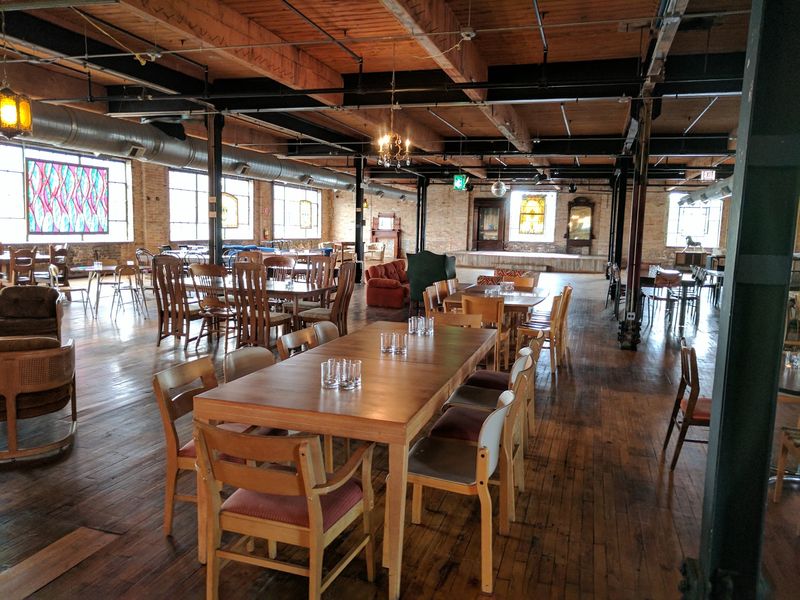
That handsome cabinet still needs to hold your dishes. Shopping for antique furniture at Salvage One works best when you admire the design while also checking whether the piece can handle the job you have in mind.
The showroom includes recycled furniture alongside architectural salvage. Depending on current stock, your search might center on dining pieces, storage, or seating, with older forms offering alternatives to the repeated shapes found in new furniture stores.
Start with daily use. A dining chair needs more than a good silhouette, and a cabinet should offer storage that fits your belongings rather than shelves that only look generous from a distance.
With permission, check drawers, doors, and moving parts. Notice whether joints seem steady, surfaces sit level, and repairs appear sound, then ask about any condition issue you cannot judge confidently.
Small signs of age are not all equal. A worn finish can be part of the appeal, while a loose leg or damaged support may require professional work before the furniture is ready for regular use.
Measure your access route as carefully as your room. Hallways, stair turns, elevator openings, and narrow apartment doors can stop a purchase long before it reaches the spot you chose for it.
Photograph the item beside something that helps show scale, and record its dimensions. Warehouse surroundings can make furniture seem smaller, so those numbers are a better guide than a quick visual guess.
Before deciding, ask about price, availability, pickup, and any delivery options or loading help. A matching set may have several separate parts, so confirm exactly what is included in the purchase. Leave room in your budget for cleaning, repairs, or refinishing if needed.
A useful older piece earns its place through both appearance and function, whether it becomes your everyday dining table or the cabinet that finally organizes a crowded room.
Building Pieces Turn Decorating Into Problem Solving
Sometimes the missing piece is only a few inches long. Beyond larger furnishings, architectural salvage can help answer the smaller repair questions that come with an older home, especially when new materials do not match existing details.
Salvage One’s focus on reclaimed building elements makes it a place to investigate those problems. Fireplace mantels, wood details, and hardware are useful categories to ask about, while remembering that individual stock changes.
A clear reference saves time. Bring photographs, measurements, and, when practical, a removable sample of the part you need, so you can compare shape and size rather than searching from a vague description.
For trim, look at the profile from the end. Two strips can appear similar straight on but have different curves or depths, creating an obvious mismatch once they sit beside each other.
Hardware requires the same care with smaller numbers. Screw spacing, overall dimensions, and the way a part attaches can matter more than its color, particularly when you hope to reuse existing holes.
Larger architectural features call for a different conversation. A mantel may serve as a decorative surround, but any plan involving a working fireplace should be checked against proper clearances and professional installation advice.
Salvage One also offers custom design services. Ask what help is available for your particular project instead of assuming that every object can be resized, rebuilt, or made suitable for any use.
Reusing a sound piece keeps an existing material in service, but it is still wise to compare the full project cost. Repairs, missing parts, finishing, and installation can affect whether your find is practical. If the right match is not there, resist forcing a near match into a precise repair.
Record what you need and ask about future possibilities, leaving with better information rather than an awkward part that never quite works in place.
The Furniture Store Has an Event-Space Side
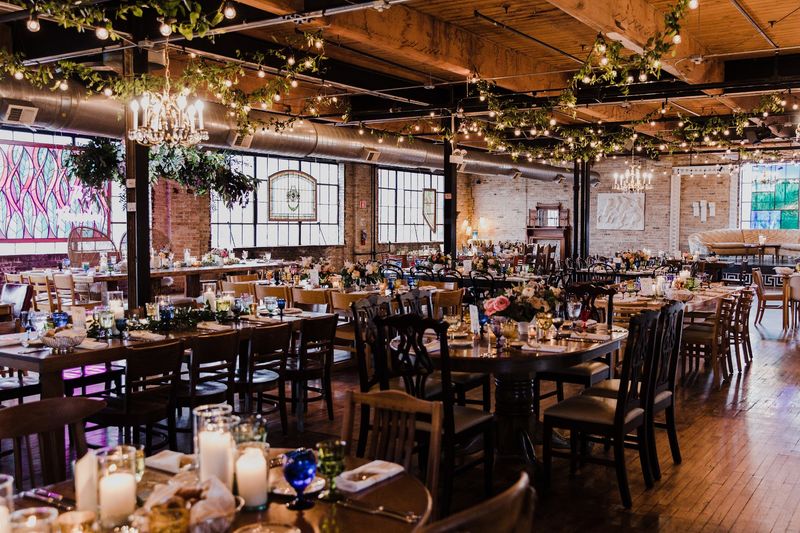
A shopping trip and a wedding can share the same address here. Salvage One also functions as an event venue, giving its reclaimed furnishings and architectural surroundings a role beyond waiting for their next owner.
That dual use changes how the building is experienced. During a retail visit, you examine individual objects; during an event, the same kinds of pieces help shape seating areas, photo backgrounds, and the larger setting.
Weddings are a significant part of the venue’s identity, and concerts have also taken place here. An event ticket, however, should not be treated as permission to explore the full showroom.
Access may be limited by the event layout or its rules. If browsing is your main goal, plan a separate shopping visit rather than expecting to wander among merchandise before or after a performance.
For couples considering the venue, the useful questions are practical ones. Ask which spaces are included, how the ceremony and reception can be arranged, and what happens if an outdoor plan needs to move inside.
Discuss furnishings in detail instead of assuming every attractive object is available for use. Confirm what is included, what requires separate arrangements, and how inventory changes might affect the final layout.
Lighting and circulation deserve attention during a tour. Walk the routes between major gathering areas, consider guests with mobility needs, and ask how vendors will load equipment and move through the building.
The advantage of this setting is visible in the materials already around you: wood grain, varied furniture shapes, and salvaged features provide a backdrop without requiring a blank room to be built up from scratch. Still, decoration cannot replace planning.
Get clear information about capacity, accessibility, schedules, and setup responsibilities before booking. A careful walkthrough lets you appreciate the visual character while checking whether the space supports the event you actually want to host there.
Plan Your Hubbard Street Hunt Before Heading Out
Bring a tape measure before you bring a truck. A little preparation makes a visit to Salvage One more useful, whether you are searching for one exact building part or hoping to find furniture you had not considered.
The address is 1840 W Hubbard St, Chicago, IL 60622. Save the location before leaving, and check your route with enough flexibility for city traffic and whatever transport arrangements your purchase may require.
The supplied retail schedule lists Thursday from noon to 5 p.m. and Friday through Sunday from 10 a.m. to 5 p.m. Monday, Tuesday, and Wednesday are listed as closed.
Confirm current hours before traveling, especially around holidays or scheduled events. Retail access and event admission are different arrangements, so checking one does not necessarily answer questions about the other.
Pack the basics: measurements, room photos, a charged phone, and comfortable shoes. If you need a particular item, asking about availability beforehand can help you avoid a visit built around something already sold.
Allow time to inspect potential purchases without rushing toward closing. A large showroom rewards a steady pace, but finding the right object is only the first step if you still need condition details and pickup information.
Before paying for anything bulky, confirm how and when it can leave the building. Ask about available loading assistance, delivery arrangements, and any requirements rather than arriving with assumptions about what staff can provide.
Keep vehicle space and safe handling in mind, especially for glass, heavy wood, or pieces with loose parts. Ask about accessibility if stairs or movement through the building could affect your visit. You do not need to buy something simply because it is unusual; a useful fit is the better goal.
Leave with accurate dimensions, clear purchase details, and a plan for getting your chosen piece home without damage to it or you.
Share this story