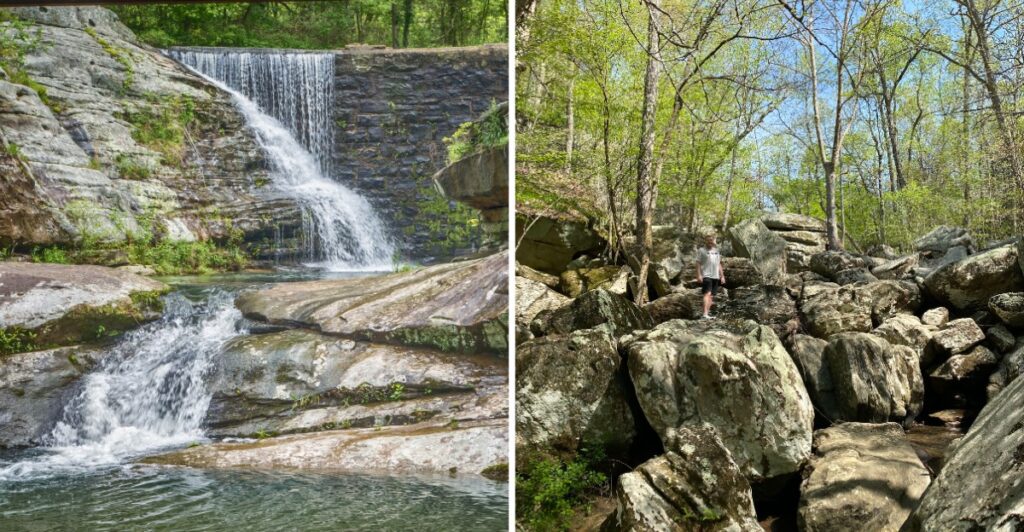
Towering rock formations, shady woodland trails, and peaceful creeks might not be what you picture when someone mentions Illinois, but Dixon Springs State Park is full of surprises. Tucked away near Golconda in the southern part of the state, this scenic escape offers a refreshing mix of rugged natural beauty and laid-back outdoor recreation.
Visitors can wander beneath towering trees, explore unusual rock formations, enjoy a picnic, or settle in for a camping getaway. A seasonal swimming pool adds another reason to visit during warmer months. If you love discovering lesser-known places, this beautiful Illinois state park deserves a spot on your next road trip.
Illinois Scenery With a Rocky Twist
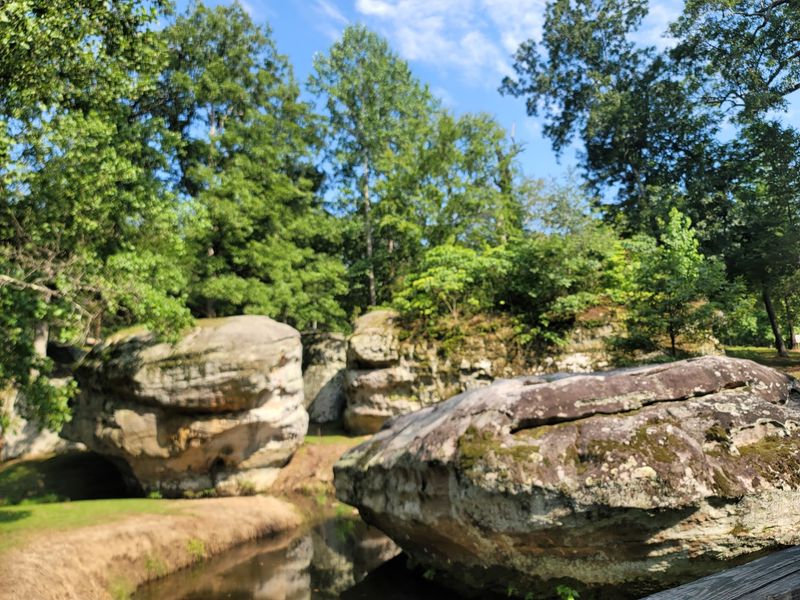
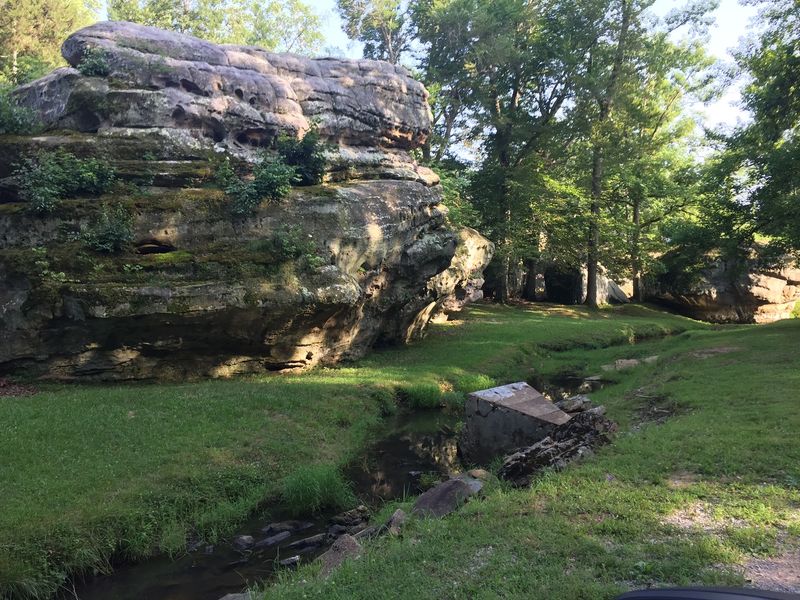
Forget the idea that Illinois scenery is all flat fields. At Dixon Springs State Park, large rocks and wooded slopes give the landscape a much rougher outline, with stone breaking through the trees instead of stretching into an open horizon.
The visual appeal comes from contrast. Leafy branches soften the edges of heavy rock, while patches of sunlight pick out cracks, ledges, and rough surfaces that disappear into shadow a few steps away.
You do not need to treat every formation as a climbing challenge to appreciate it. Standing back often gives you a better view of how the stone fits into the hillside, and staying on established routes helps protect both the ground and your ankles.
For photographs, start with a wide shot that includes the surrounding woods. Then look closer for small details, such as leaves caught against a rock face or roots following the edge of a stone, rather than trying to squeeze the whole scene into every picture.
Seasonal changes affect how much of the landscape you can see. Summer foliage fills the spaces between formations, while bare branches during colder months can reveal shapes that are harder to notice when the canopy is full.
Keep your first walk unhurried and pay attention to footing before looking through a camera. Loose leaves can cover uneven ground, and damp rock can be slippery even when the nearby dirt looks dry.
The park rewards a closer look rather than a race toward one lookout. Its rock formations are part of the walking experience, appearing between trees and beside changes in the terrain, so leave room in your schedule for short pauses.
A useful habit is to stop, plant both feet, and then look up. You will notice more of the stone above you without missing the root directly in front of your shoes.
Ghost Dance Canyon Deserves Your Attention
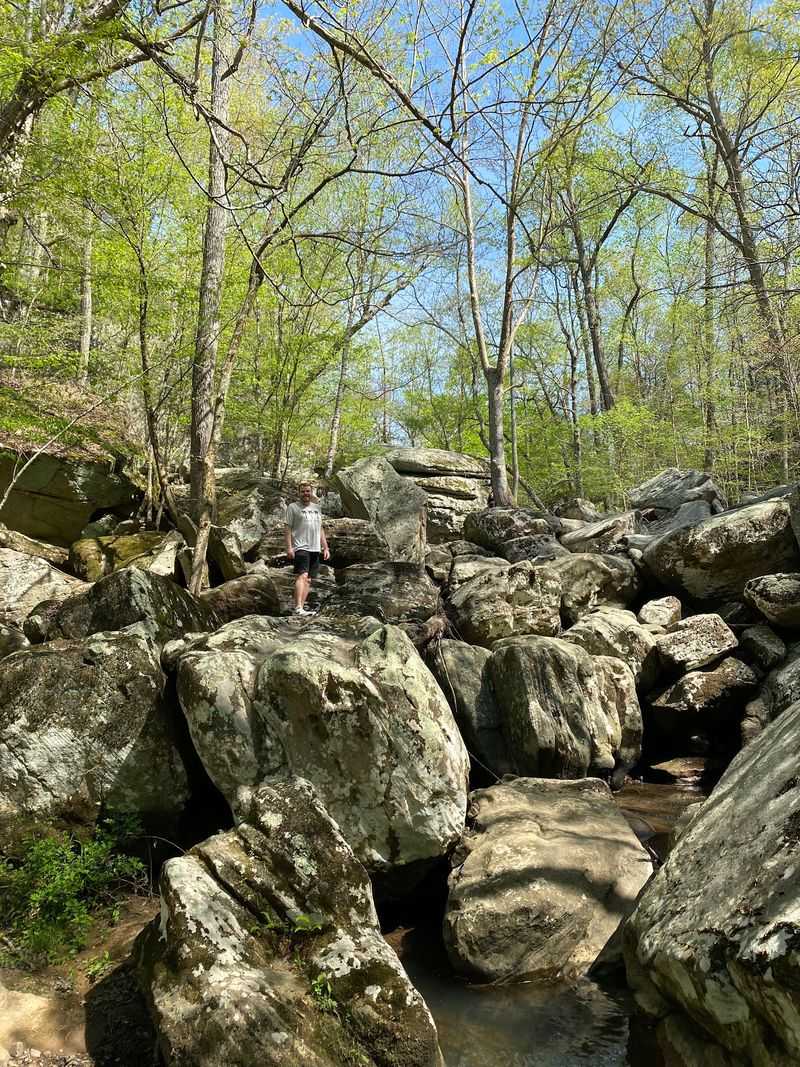
Your shoes get a real assignment here. Ghost Dance Canyon is one of the park’s named hiking destinations, and its rocky setting calls for more care than a smooth stroll around a neighborhood pond.
Approach the hike as a chance to explore uneven woodland terrain, not as a guaranteed easy outing. Rocks, roots, and changes in footing can slow your pace, especially if the ground is wet or covered with leaves.
Before setting out, confirm the current trail access and get a park map if one is available. Download useful route information ahead of time, because a phone connection is not something to depend on when you need directions in the woods.
Trail entrances and junctions deserve a careful look. If a gate, closure notice, or unclear route leaves you unsure, do not guess that a narrow opening is permission to continue; check the posted information or ask park staff when available.
Wear shoes with dependable grip and carry water even for a shorter walk. A small snack, insect repellent, and a charged phone are sensible additions, but none of them replaces knowing where you are going.
Families should choose the outing around the youngest walker’s ability. Small children may need frequent help on rough sections, and adults should be ready to turn back before tired legs make the return harder.
Give yourself permission to explore less ground well. Pausing beside a rock wall or watching the creek from a safe position can be more rewarding than pushing ahead simply to finish a route.
Set a turnaround time before you start, particularly during shorter autumn and winter days. When you reach it, head back while there is still comfortable daylight for reading the path, checking each junction, and stepping over the same obstacles you crossed on the way into the canyon earlier that day.
Follow the Water, Not a Guaranteed Waterfall
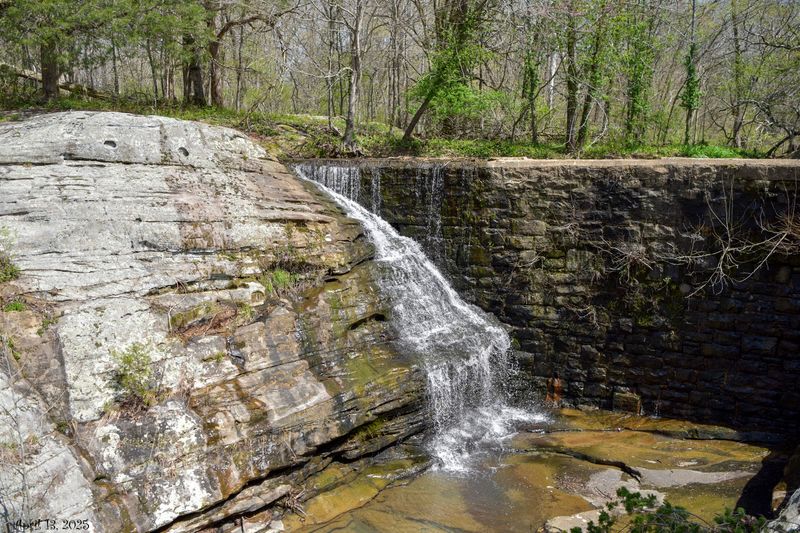
A creek can change the whole soundtrack of a walk. Around the park’s rocky terrain, moving water adds another layer to the scenery, shifting attention from the shapes of stone to the paths water takes between them.
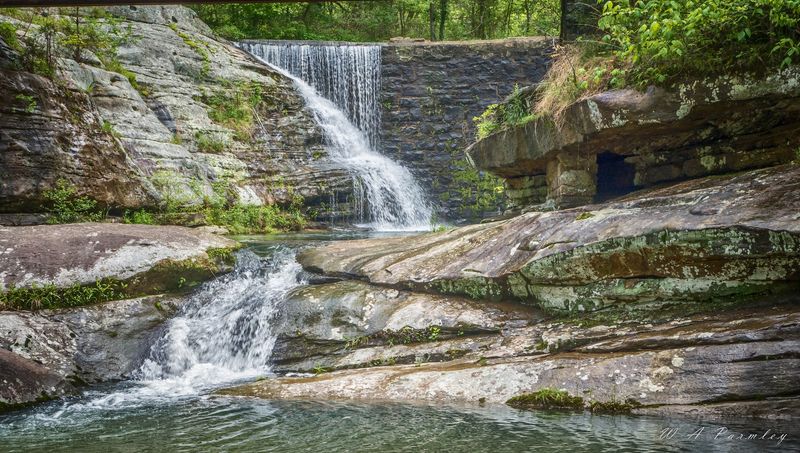
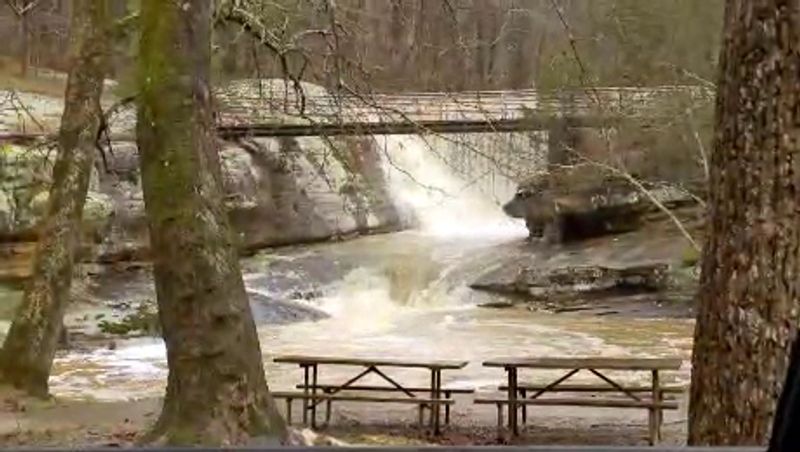
The waterfall is a weather dependent feature, not a performance that runs on schedule. Flow can be stronger after rain and much lighter during dry periods, so arrive interested in the creek landscape rather than expecting a certain size of cascade.
Recent rainfall creates a tradeoff. More water may make the scene livelier, but it can also leave paths muddy, rocks slick, and creek edges harder to judge.
Choose a visit after conditions have settled instead of heading out during a storm. Check the forecast, respect any closures, and avoid crossing moving water just to reach a better camera angle.
Once you find a safe viewing position, listen before reaching for your phone. Water slipping through a narrow gap sounds different from water spreading over a ledge, and those small changes help you notice details that a quick photograph might miss.
A simple picture often works best here. Include nearby rock or a tree trunk to show scale, and avoid leaning over an edge to remove a branch from the frame.
Children should stay close to an adult near the creek. A shallow looking section can still hide uneven stones, while a wet bank may give less support than its leafy surface suggests.
During a dry visit, look at the channels and exposed rock instead of dismissing the stop. The shapes still show where water moves when conditions change, and smaller pools or trickles can offer their own close views.
Leave stones, plants, and stream life where they belong. Enjoy the water from stable ground, then continue along your planned route without turning the creek into an improvised shortcut.
A Summer Pool Changes the Day’s Rhythm
If you go in summer, pack a swimsuit alongside those hiking shoes. Dixon Springs has an outdoor swimming pool, giving a warm-weather visit a second activity that does not require another stretch of rocky trail.
The pool makes it possible to build a day around two very different kinds of movement. A morning walk can give way to swimming later, which is especially useful when a family has mixed interests or different energy levels.
Do not assume the pool will be open simply because the weather is hot. Seasonal dates, daily hours, admission charges, and operating conditions should be checked with current park information before you plan the whole visit around a swim.
Keep swim supplies together in a separate bag. Towels, sunscreen, dry clothes, and a bag for wet items make the switch from woods to water much easier, particularly when everyone is hungry and ready for a break.
Leave muddy hiking shoes out of the pool area and follow the posted rules. Children still need close adult supervision, regardless of their confidence in the water or whether lifeguards are present.
Think carefully about the order of activities. Starting with a hike while temperatures are lower may suit some groups, while others may prefer a short walk after swimming and lunch.
Build in time for changing and drying off rather than treating the pool as a quick stop. A relaxed schedule also makes it easier to adjust if weather interrupts swimming or the facility is unavailable.
The practical advantage is choice. Someone who wants a shorter outdoor outing can enjoy the park without signing up for every trail, while more active companions still have room to explore.
Before leaving home, agree on a backup plan that uses the picnic or walking areas. That way, a closed pool changes the schedule without ending the entire day before it has begun.
Camp With Comfort Expectations Kept Honest
Evening at a campsite starts with ordinary jobs: finding your spot, carrying gear, and deciding where everything belongs. At Dixon Springs, a little preparation helps keep those jobs from swallowing the time you meant to spend outdoors.
The park offers camping, but the exact site matters more than the general label. Before booking, check the current site type, parking arrangement, electrical service if needed, and the facilities available during your travel dates.
Some tent setups may involve carrying supplies from a nearby parking area. Pack with that possibility in mind, using manageable containers instead of one enormous box that needs two people and several awkward trips.
Picnic tables and fire rings provide useful campsite basics. Still, confirm your assigned site’s details rather than assuming every space has the same layout, level ground, or amount of separation from neighboring campers.
Bathroom expectations deserve equal attention. Camping facilities can be rustic, including pit toilets, so verify current restroom and shower availability before deciding what personal supplies to bring.
A headlamp is much more useful than holding a phone flashlight while sorting bedding. Add insect repellent, drinking water, suitable layers, and a way to keep food secured according to park guidance.
Check fire rules before lighting anything, and never count on free firewood being available. Follow current guidance about obtaining wood locally and avoid moving it between regions, which can spread tree pests.
Keep your reservation confirmation accessible offline and understand the arrival procedure in advance. If the park uses self registration for your visit, knowing that before arrival can prevent unnecessary searching for an open office.
Once camp is settled, lower the volume and let the evening unfold. You might hear birds settling into the trees or notice insects gathering near a light; neither requires a packed schedule, just a chair and a little patience after supper.
Make Room for a Picnic and Small Discoveries
Lunch does not need a scenic overlook to earn its place in the day. A picnic at Dixon Springs gives everyone a useful pause between activities, with room to eat, sort gear, and decide what sounds good next.
Bring food that handles travel well and can be served without a full kitchen. Sandwiches, fruit, and refillable water bottles keep the meal simple, while a cooler helps protect anything that needs to stay cold.
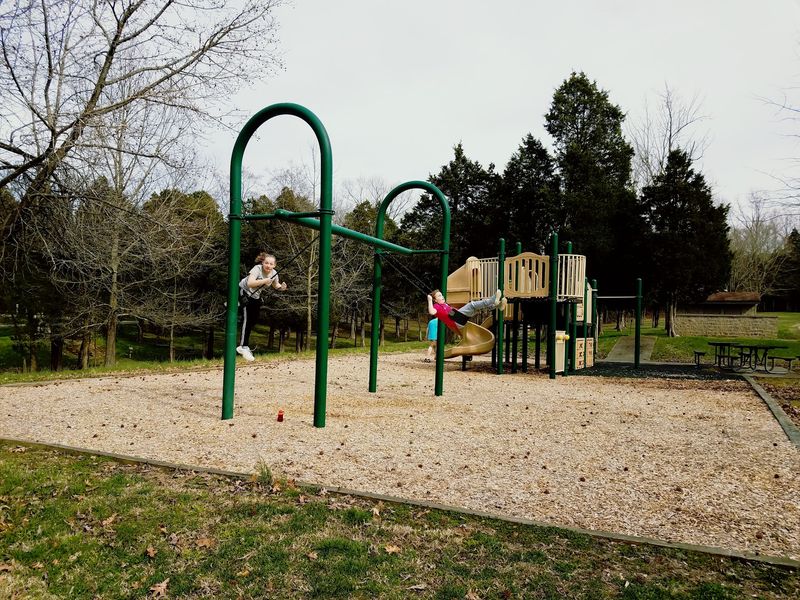
The park’s picnic areas and playground give families options beyond hiking. Children can spend some energy playing while adults plan a shorter outing, though supervision and posted equipment rules still come first.
Choose your lunch spot with the group’s needs in mind. Shade, access to the car, and the location of available restrooms may matter more than finding the prettiest possible background for a photograph.
After eating, leave a few minutes for looking around without rushing toward another destination. Woodland birds, butterflies, and the patterns on tree bark can turn a small patch of ground into an interesting stop.
Wildlife sightings are never guaranteed, and that is part of observing animals outdoors. Listen for calls, watch quietly, and keep your distance instead of trying to lure an animal closer with food.
A small pair of binoculars can help children look without approaching. Give them a simple challenge, such as finding two different leaf shapes or spotting movement high in the branches, while staying within the picnic area.
Clear the table fully before leaving, including crumbs, wrappers, and fruit peels. Food scraps do not belong in the woods, even when they seem harmless, and a clean site is easier for the next family to use.
Finish by checking beneath the bench for dropped belongings. Then pick the next activity according to everyone’s energy, not the number of stops still waiting on your original plan.
Plan a Flexible Visit Near Golconda
The best plan leaves room for a change of pace. Dixon Springs State Park sits at 982 IL-146 near Golconda, and a successful visit depends less on filling every hour than on matching activities to conditions.
Save the address and driving directions before leaving home. Download any maps you expect to use inside the park, since limited reception can make a simple route question surprisingly difficult to answer on arrival.
Check current park notices for trail access, facility hours, campground arrangements, and seasonal changes. Older descriptions can help you understand the setting, but they should not decide whether a pool, campsite, or particular route is available today.
For a first visit, choose one main activity and one easy backup. That might mean a woodland hike followed by lunch, or a pool visit with a picnic if swimming conditions change.
Spring rain can affect footing and water flow, while summer calls for extra attention to heat and insects. Cooler seasons may suit walking, but shorter daylight hours make an early start and a clear return time more useful.
Dress for the ground as well as the forecast. Sturdy footwear, layers, water, and insect protection cover more situations than clothing chosen only for a quick photograph beside the trees.
If anyone in your group needs accessible facilities or an easy walking surface, confirm those details before arrival. A picnic area, campground, and canyon trail can involve very different terrain, even within the same park.
Avoid making the visit a checklist of every feature. The combination of rocky woods, creek scenery, camping, and seasonal swimming gives the park variety, but you do not need to sample everything at once.
Choose the activity that fits your group, check its practical details, and keep the rest optional. Leave enough daylight to return comfortably, load the car, and brush off your shoes.
Share this story