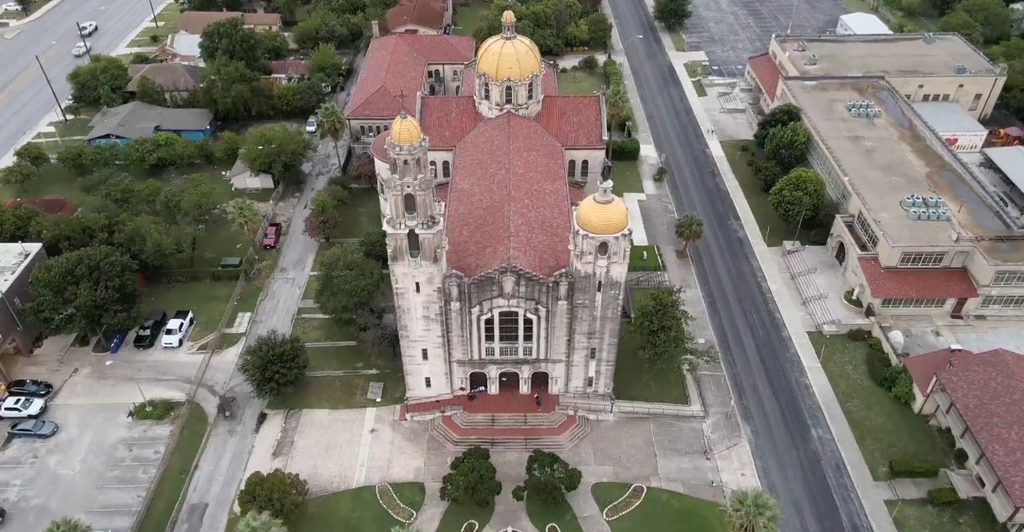
Picture a grand church with soaring walls, glowing stained glass, and a hush that settles over you the moment you step inside. You do not need a plane ticket to Spain or France to find it. It sits on the west side of San Antonio, and locals have loved it for nearly a century.
Here are eight reasons this Texas gem deserves a spot on your must-visit list.
1. A Facade That Fools Your Passport
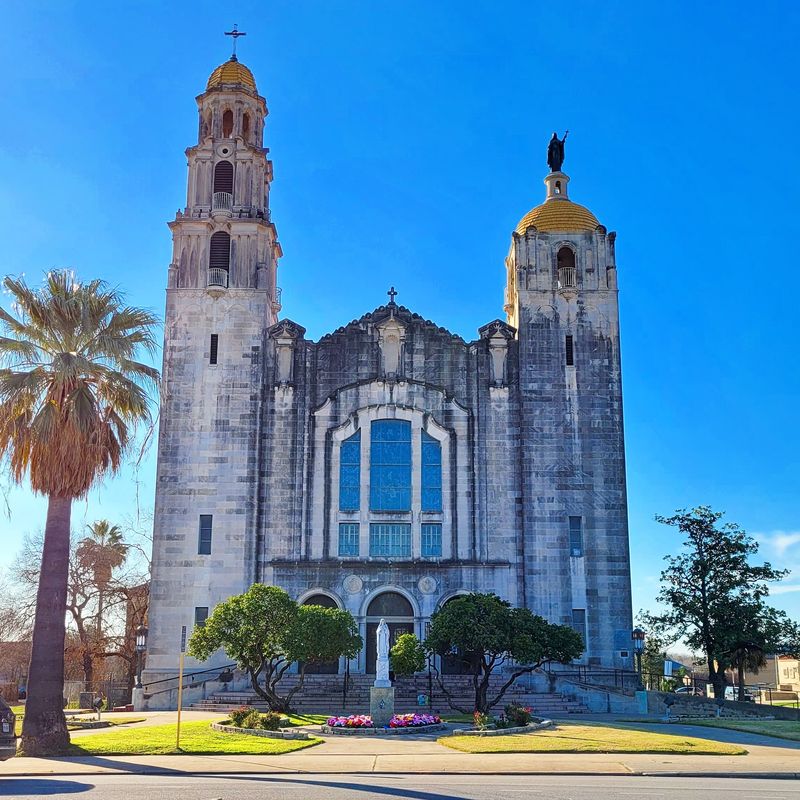
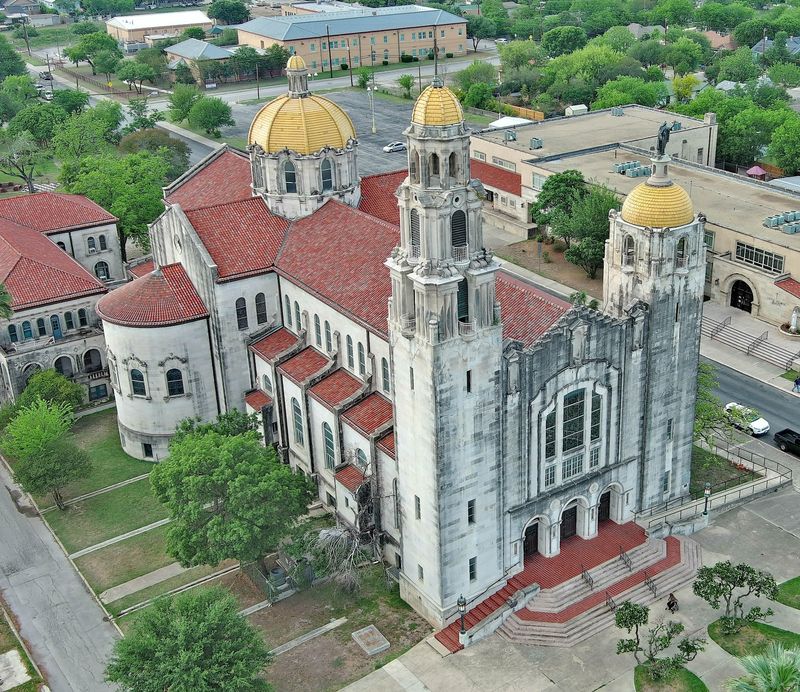
Pull up to North Zarzamora Street and your brain might glitch. That tall front, those carved details, and the arched doorway look like something plucked from a Spanish hillside town. Reviewers have said the architecture rivals basilicas they saw in Spain, and it is easy to see why.
The building is large and tall on purpose. The design was meant to lift your eyes upward and make you feel small in the best way. Even folks who were just driving past say the front caught their attention and pulled them in.
Here is a tip for photo lovers. Walk back a little from the entrance so the whole front fits in your frame. Morning and late afternoon light tends to bring out the texture of the stonework without harsh shadows.
Parking is simple, and the grounds around the church give you room to wander. Take your time out there before heading in. The outside sets the mood, and a few slow minutes with it make the interior hit even harder.
Fun fact: the church was finished in 1931, which means this European-style showpiece rose during one of the toughest stretches in American history. That detail makes the view even more impressive.
2. Built With Pennies During the Great Depression
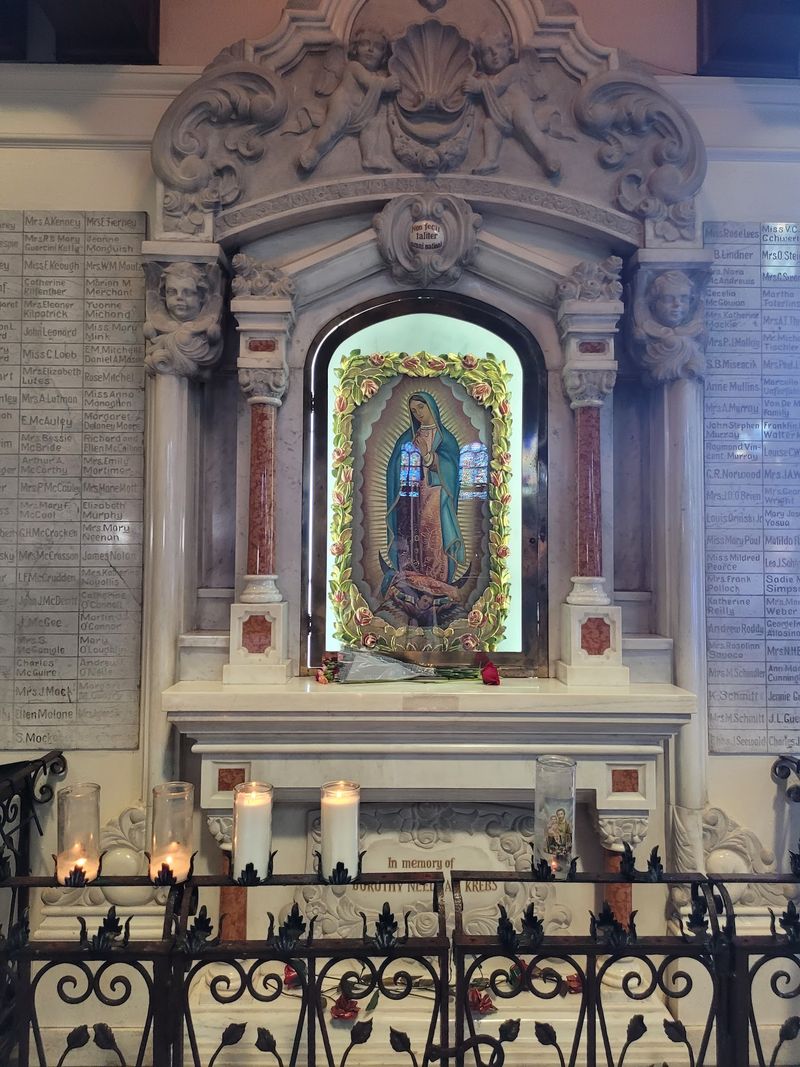
Money was scarce in the 1930s, yet this basilica still went up. Construction began on February 22, 1926, and the parish was completed in 1931. Gifts came in from people all over the country, which makes the whole place feel like a giant group project powered by faith.
Look closely at the interior and you will spot marble plaques with names carved into them. Those names belong to donors whose contributions helped fund the work. A native San Antonian who took a tour mentioned these plaques as a highlight, and they really are easy to miss if you rush.
The story behind the building goes deeper. Carmelite friars from Torreon, Mexico, were invited by San Antonio’s first archbishop, Arthur J. Drossaerts, to set up their church here.
They had faced serious opposition in other places before settling in the Alamo City.
Walking past those plaques, you start to picture ordinary families dropping what little they could into a collection for something bigger than themselves. That thought changes how you see the stone and marble around you.
Give yourself a few extra minutes to read some names. It is a quiet, humbling little treasure hunt.
3. Stained Glass and a Show-Stopping Altar
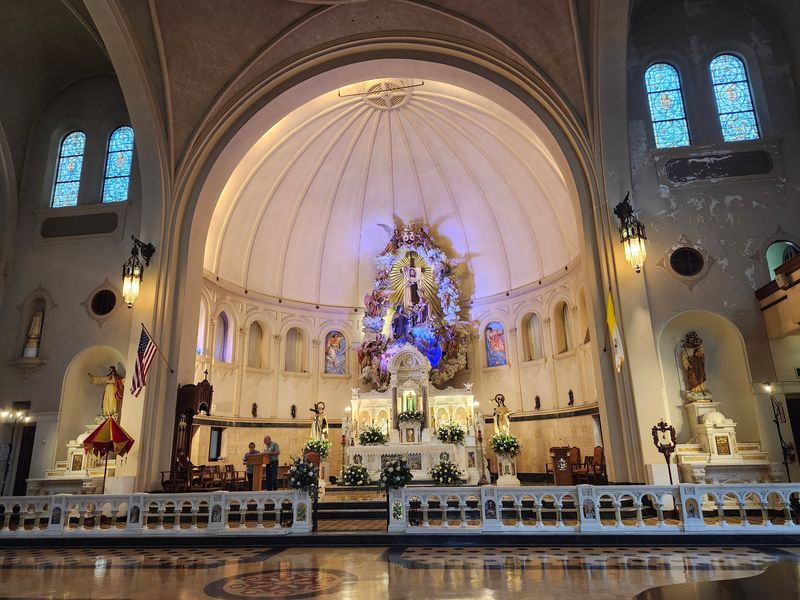
Light does the heavy lifting here. When the sun hits the stained glass, color spills across the pews in soft patches of red, blue, and gold. Visitors keep mentioning the windows and the altar in the same breath, and for good reason.
The altar is the focal point from the second you walk in. Reviewers call the art throughout the church breathtaking, and the detail rewards slow looking. Stand in the center aisle first, then drift to the sides for new angles.
Bring your phone, but keep it respectful. This is a working house of worship, so flash photos and loud chatter are out. A quick, quiet shot between services is the way to go.
Timing matters too. Midday hours on Saturday run long, from 10 AM to 6:30 PM, which gives you plenty of daylight to watch the windows change as the sun moves.
One more thing: the height of the ceiling creates a kind of natural hush. Even a small cough echoes a bit, so you will find yourself lowering your voice without being asked. It is oddly calming, and that is part of the charm.
4. Relics of a Beloved Saint
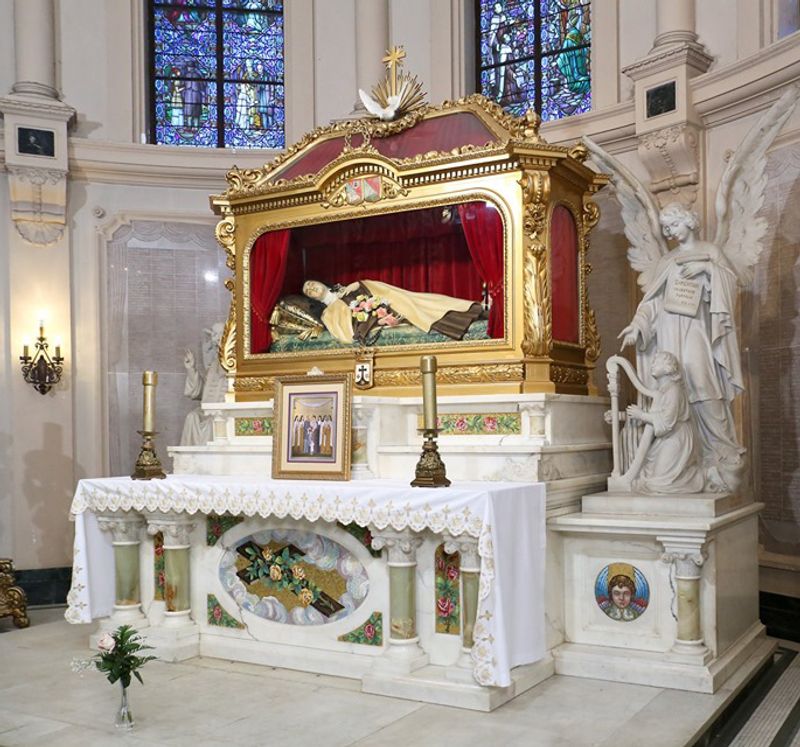
Some visitors come for the architecture. Others come for St. Therese, the young French Carmelite nun known as the Little Flower. The shrine holds first class relics connected to her, including one set in a ring and another in a silver and enamel reliquary.
Guests have also been able to see relics of her parents, Sts. Louis and Zelie, on special occasions. One reviewer called the chance to see all of them a real blessing.
Another traveled here for St. Therese’s birthday and said the pilgrimage was worth every mile.
The chapel dedicated to her includes a replica tomb, which gives the space a quiet, reflective feel. Check the church calendar before you go, because special displays and traveling reliquary visits are not always on view.
Why does she matter so much? St. Therese was canonized in 1925, and her simple message about small acts of love still reaches people today. The shrine carries her name for a reason.
If you are not Catholic, you can still appreciate the history and the craft involved. Just keep your voice low, follow any posted guidance, and let the moment sink in.
5. The Day a Pope Came to Town
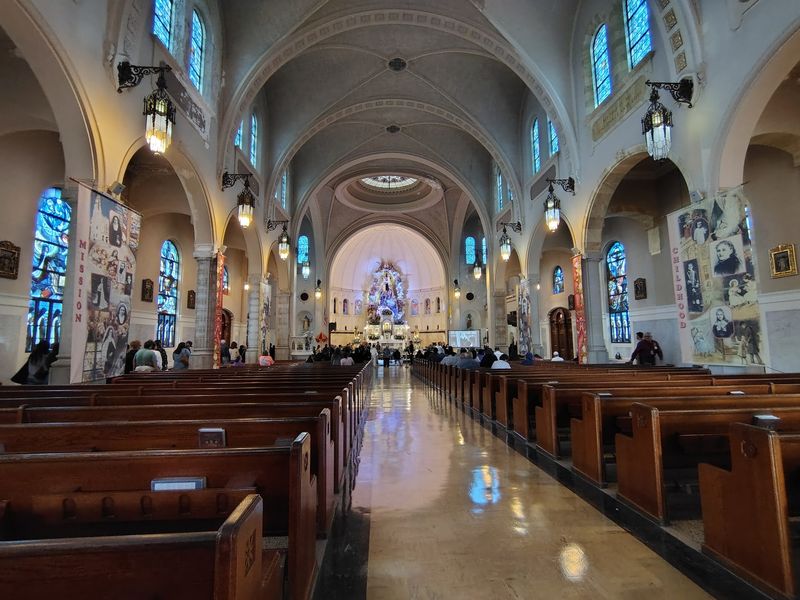
September 13, 1987, was a huge day for San Antonio. Pope John Paul II visited the city, and the Shrine of the Little Flower was one of his stops. It remains the first and only papal visit the city has ever had.
He also celebrated an outdoor Mass on the northwest side of town. The crowd was estimated at 350,000 people, which is said to be the largest Holy Mass in Texas history. Try picturing that many people in one place, and you start to get a feel for the moment.
The story does not end there. On August 27, 1998, the same pope elevated the shrine to the rank of basilica, roughly 60 years after it was built. That title is a big deal in the Catholic world, and only certain churches earn it.
So when you walk through the doors, you are stepping into a place with real worldwide recognition. It is not just pretty. It has been officially honored at the highest level.
Ask about the papal connection during a tour. Guides love sharing this chapter, and you will likely leave with a few details you would never find on a plaque.
6. Tours That Unlock the Backstory
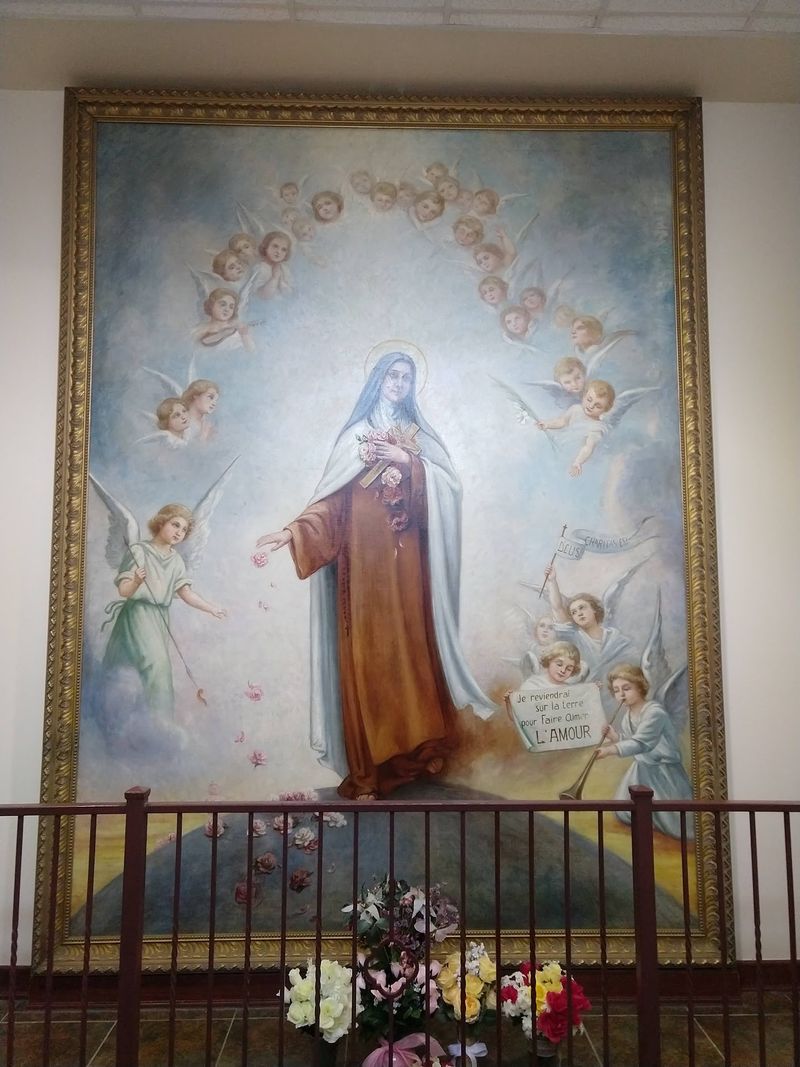
Wandering on your own is lovely, but a guided tour adds a whole new layer. Reviewers have called the tours put on by the secular order great and informative, and one local said it taught them so much about the Carmelite story.
On one visit, the St. Elias chapel was opened to the public. Inside were large paintings of St. Teresa of Avila from Spain and St. Therese of Lisieux from France. A guide shared that the saint’s sister once helped the artist adjust the face in the portrait to make it more accurate.
Little stories like that are what make a tour worth it. You will hear about the friars, the building process, and the way the community kept going through hard times.
Tour schedules can change, so call ahead at 210-735-9126 or check the website at littleflowerbasilica.org. Ask what is open that day and whether any special chapels are available.
Wear comfortable shoes and bring a curious mind. You might also bring a small notebook, because names and dates tend to fly by. By the end, the walls feel less like stone and more like pages in a book.
7. Mass, Confession, and a Calm Pause
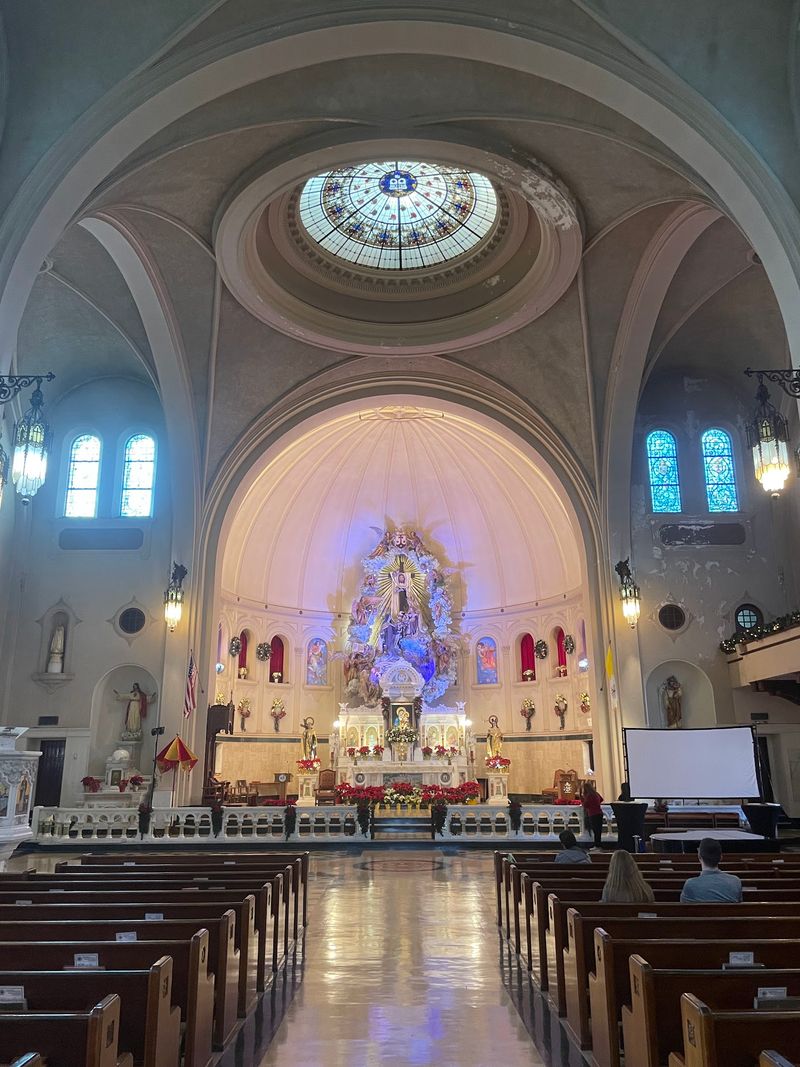
Sometimes the best way to meet a church is to sit through a service. Daily and Sunday Masses draw travelers and locals alike, and visitors have praised the lovely choir and priest. Some also appreciate that communion can be received at the rail, kneeling or standing.
Confession is offered before certain Masses, and the building is typically open about 30 minutes before and after. That gives you a window to pray, look around, and take a few respectful photos once the service wraps up.
Hours vary by day, so plan ahead. Sunday runs 7:30 AM to 1:30 PM and again from 5 to 7 PM. Tuesday has a midday and an evening window, while Monday is a short stretch from 11:30 AM to 1 PM.
Do not be thrown if the pews feel a bit empty. A couple of visitors noticed that, and the quiet can actually make the space feel even more peaceful.
Dress modestly, silence your phone, and slip in quietly if you arrive late. You do not need to be an expert. Just come with respect, and you will fit right in.
8. The Gift Shop and the Preservation Push
Before you leave, swing by the Little Flower Gift Shop tucked behind the church. Visitors say the staff is helpful and knowledgeable, and the shelves hold books, medallions, rosaries, and more for all ages. One reviewer picked up a small glass holy water bottle with a St. Therese window design and a bookmark holding a rose petal.
You can also get holy water to take home if you bring a bottle. It is a thoughtful, low-cost keepsake, and it supports the place you just enjoyed.
Now for the bigger picture. The basilica is gearing up for renovation under a Historic Master Plan of Preservation that began in 2022. Several guests have noted the building could use some restoration and encouraged donations to the restorative fund.
Old buildings need love, and this one has earned plenty. Giving even a small amount helps protect the stone, glass, and art for the next century of visitors.
Wrap up your trip with one last look at the front from the street. Rated 4.8 stars from nearly a thousand reviews, it is easy to see why San Antonio is proud of it.
Share this story