On a quiet street in Franklin, Tennessee, sits a brick house that looks calm and peaceful from the sidewalk. Look closer, though, and you will spot holes left by bullets and cannon blasts from one of the deadliest battles of the Civil War. The Carter House lived through a nightmare in 1864, and its walls still carry the proof.
Here is the story of the family, the fight, and why this spot is worth a visit today.
A Quiet Tennessee House With Scars That Tell a Violent Story
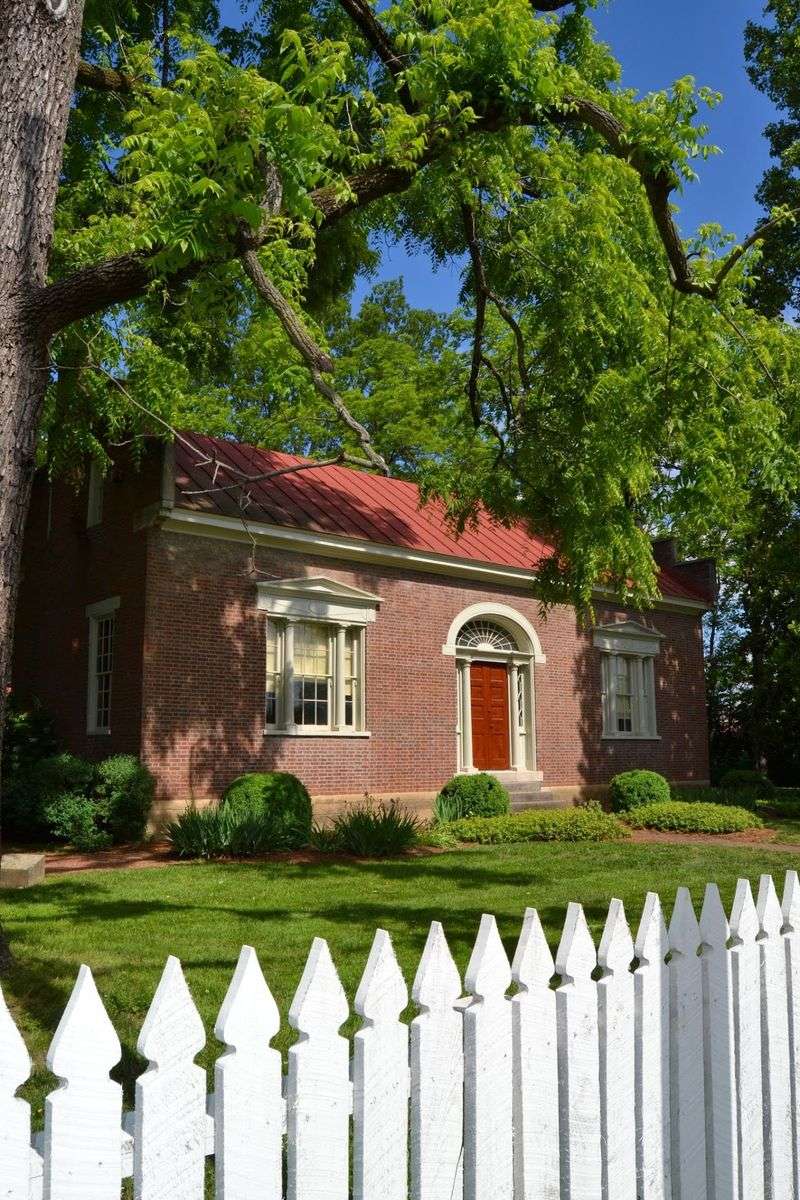
Picture a tidy brick home with a neat yard and big shade trees. Now picture that same yard filled with smoke, shouting, and gunfire. Both pictures show the Carter House at 125 West Fowlkes Street in Franklin, Tennessee.
From the outside, the house looks like many older Southern homes. It has simple lines, sturdy walls, and a calm feeling. But the buildings here survived the Battle of Franklin, one of the bloodiest fights of the entire Civil War.
The battle took place on November 30, 1864. In only a few hours, thousands of soldiers were killed, wounded, or captured. Much of the worst fighting happened right around the Carter property.
So why should you care about one old house? Because it does something a textbook cannot. It lets you stand in the exact spot where history happened and see real damage with your own eyes.
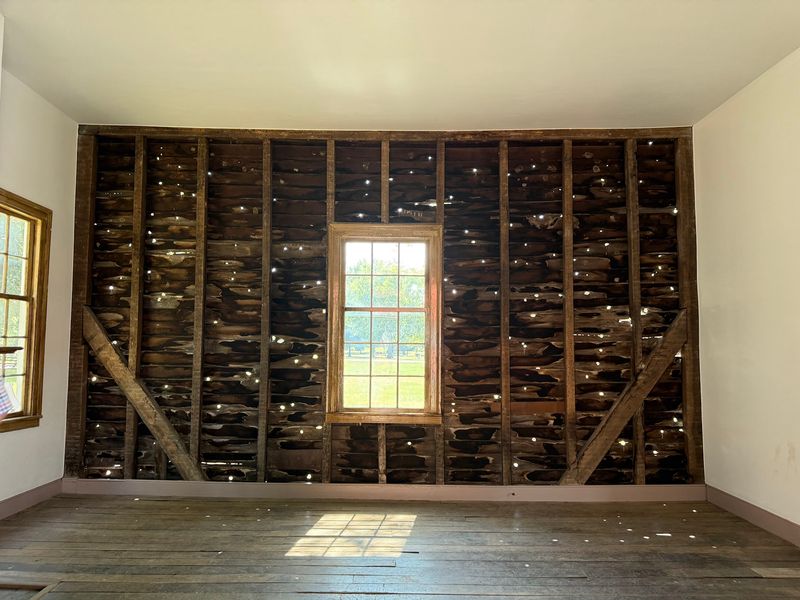
Bullet holes and shrapnel scars still cover parts of the property. Shrapnel means sharp metal pieces that fly out when a cannon shell explodes. Those marks were never patched up and hidden away. They were kept so people could remember.
Visitors often say the place feels heavy with emotion. That makes sense when you learn what happened here.
Today the site is run by the Battle of Franklin Trust, a group that works to protect and restore it. The house is now a history museum with guided tours. It holds a strong 4.8 star rating from more than 1,200 reviews, which tells you people leave impressed.
Plenty of those visitors admit they are not history fans. Several even said the tour turned them into one. That is the magic of a place where the story is not just told, it is written into the walls.
Ready to learn how a family home ended up in the middle of a war? Keep reading, because it starts long before the first shot was fired.
Before the Battle, the Carter House Was Just a Family Home
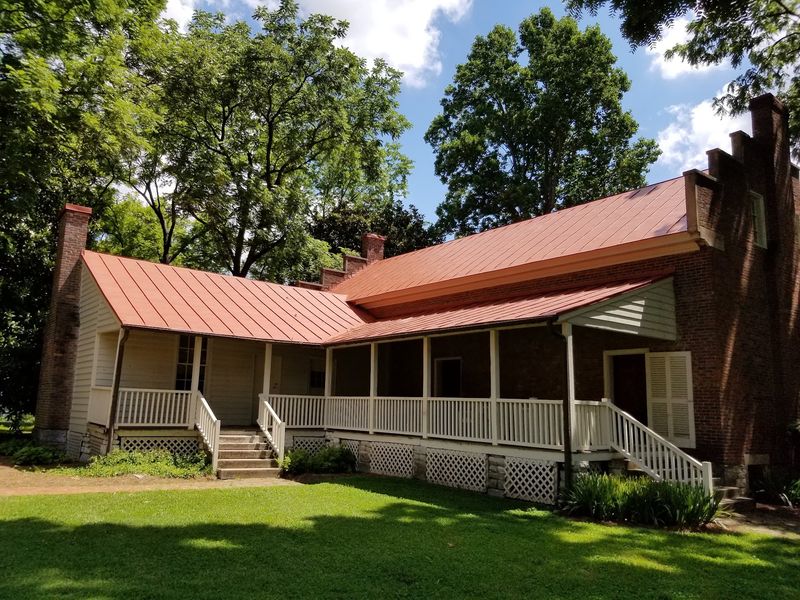
Long before cannons rolled into town, life at the Carter place was pretty ordinary. The house was built in the 1830s by Fountain Branch Carter. Back then, Franklin was a small farming town south of Nashville.
The Carters were a large family, and the property was a working farm. Think fields, outbuildings, animals, and lots of daily chores. Mornings likely started early, with work that kept going until dark.
Here is a part of the story the tour guides do not skip. Like many Southern farms of that time, the Carter farm depended on enslaved people. Their labor kept the fields and household running, and their lives are part of this history too.
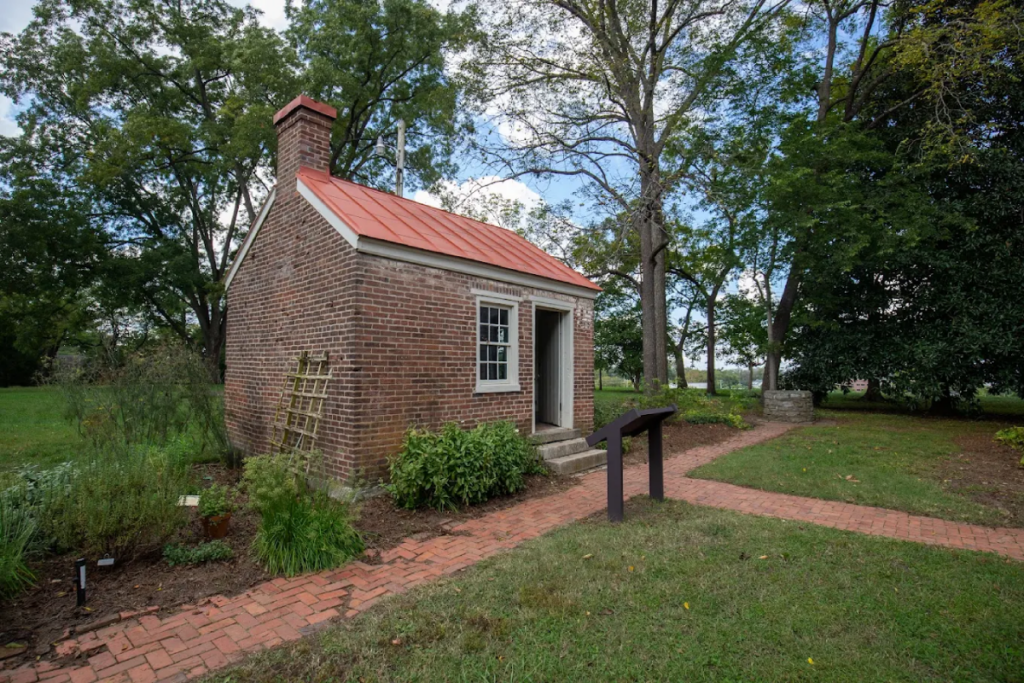
The property also had a farm office building near the main house. It was a small brick structure used for running the business of the farm. Keep that building in mind, because it becomes very important later.
Imagine a normal day here. Meals cooked over a fire, kids running across the yard, and family members tending to crops. Nobody living this life could have guessed their home would one day sit at the center of a massive battle.
Many visitors say this side of the tour hit them hardest. Before you look for bullet holes, try to picture the house as a home. It makes everything that comes next feel more real.
The house has been restored to look like it did in that era. One guest mentioned plans to repaint parts of it to match colors from the time period. Little details like that help you step back into the 1860s.
So when you walk through the rooms, notice the plain floors and simple furniture. These were the everyday spaces of a family who never asked for war to show up at their door.
The Day the Battle of Franklin Turned the Property Into a War Zone
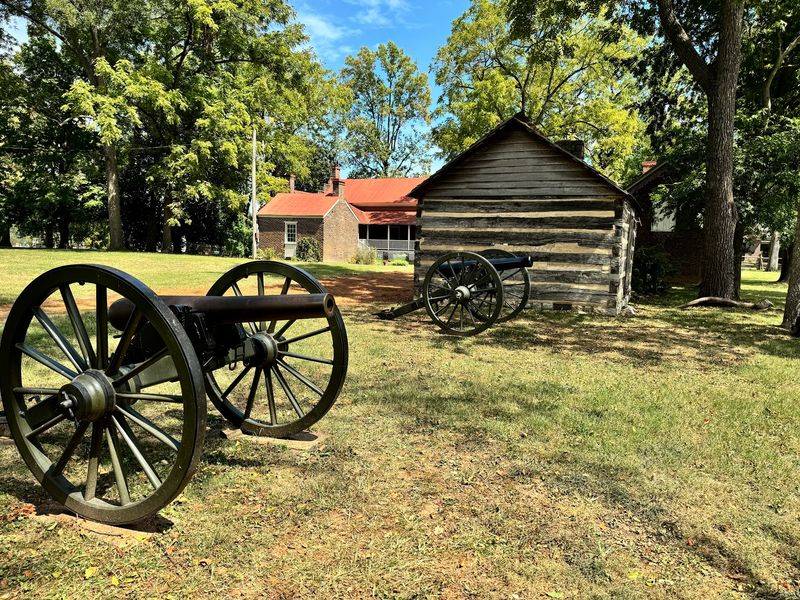
November 30, 1864, started with a knock no family wants to hear. Union soldiers arrived at the Carter property early that morning. Their officers took over the house and used it as a command post.
A command post is like a headquarters. Leaders plan moves, send orders, and keep track of the fight from there. Suddenly the family home was a military hub.
Union troops dug defensive lines right across the farm. Those trenches and walls of earth ran close to the house. The soldiers were getting ready for a big attack.
That attack came in the late afternoon. Confederate troops marched across wide open fields toward the Union line. They had very little cover, which made them easy targets.
Once the fighting started, it got brutal fast. Much of the battle lasted about five hours, and a lot of it happened after dark. Soldiers fought up close, sometimes hand to hand, near the Carter buildings.
The cost was shocking. Thousands of men fell in a short time, and the Confederate army lost several of its generals. Historians often call it one of the most deadly afternoons of the war.
Want to understand the layout? Book the battlefield tour at the Carter House.
Guides walk you around the grounds and explain where troops stood and where they charged. Another guest said their guide showed how the battle was staged, which helped everything click. Seeing the land in person makes the story much easier to picture.
Tip for your trip: wear comfy shoes. The outdoor part of the tour covers ground where the fighting happened. Standing there, you will realize just how close the battle came to the family inside.
And yes, the family was inside. That is where the story gets even more intense.
How the Carter Family Survived While Fighting Raged Above Them
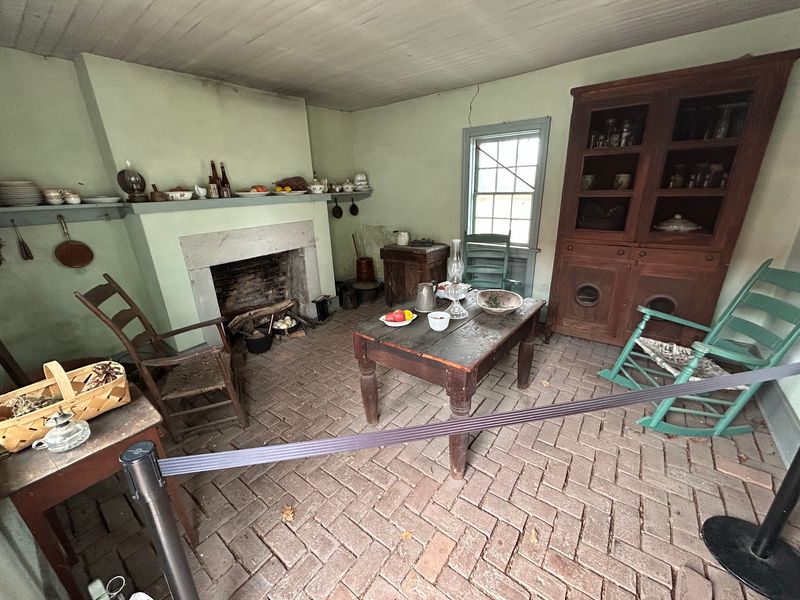
Hiding in a cellar while a war explodes outside sounds like a movie scene. For the Carter family, it was real life. When the battle began, they rushed down into the basement of the house.
They were not alone. Neighbors joined them, including members of the Lotz family from across the street. Children and adults packed together in that small, dark space.
Close your eyes for a second and imagine it. Gunfire cracking just above your head. Cannon blasts shaking the walls, and no idea when it will stop.
The group stayed down there for hours. They could hear the fighting but could not see what was happening. Every boom must have felt like it could be the one that hit the house.
Visitors today can walk into that basement. Chairs are lined up around the walls, one for each person known to have sheltered there.
That simple display hits hard. You can count the chairs and realize how crowded it was. Many guests say it is the moment that sticks with them most.
Here is a heartbreaking twist. One of the Carter sons, Tod Carter, was a Confederate soldier. He fought in the battle, very close to the home where he grew up.
After the fighting ended, the family went searching for him. They found him badly wounded and brought him back to the house. Sadly, he died there a short time later.
Guides tell this story with a lot of heart. One reviewer said their guide Shelia made them feel like they were right there in that moment. Others praised how guides share the views of everyone affected.
When you visit, take a quiet minute in the basement. It is one thing to read about civilians in war. It is another to stand where they waited, prayed, and hoped to survive.
More Than 1,000 Bullet and Shrapnel Holes Still Mark the Property
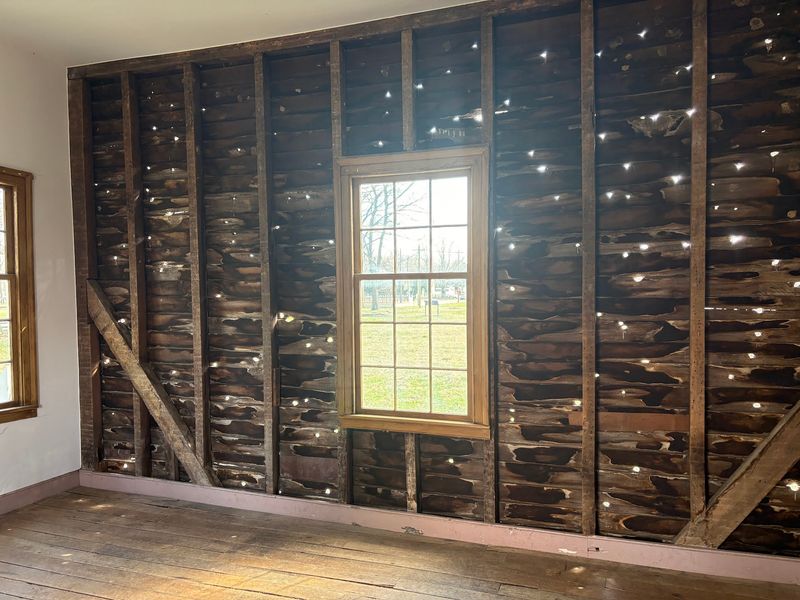
Over 1,000. That is roughly how many bullet and shrapnel holes still mark the Carter property, and the number is wild to think about. Each one is a tiny piece of evidence from a single deadly night.
The farm office is the real star here. This small building took a beating during the battle. Its walls are dotted with holes, which makes it one of the most bullet-marked buildings from the Civil War still standing.
Why so many? The fighting happened right next to these buildings. Soldiers fired at each other from very short distances, and cannon shells burst nearby, spraying metal everywhere.
Here is what makes it special. Most battle damage gets fixed, painted over, or torn down after a war. At the Carter House, people chose to keep the scars so future visitors could see them.
Guests love this part. One reviewer said seeing the bullet holes in the home even today was incredible. Another named the restored room with bullet holes as the highlight of the whole visit.
Try this when you visit. Pick one hole and imagine the moment it was made. Who fired it, and where was that person standing?
Little exercises like that turn a wall into a story. The marks stop being random dents and start being moments in time. Kids especially seem to enjoy this kind of hunt.
Plenty of museums show old objects behind glass. Here, the building itself is the artifact, and you can stand right next to it.
What Happened to the Carter House After the Smoke Cleared
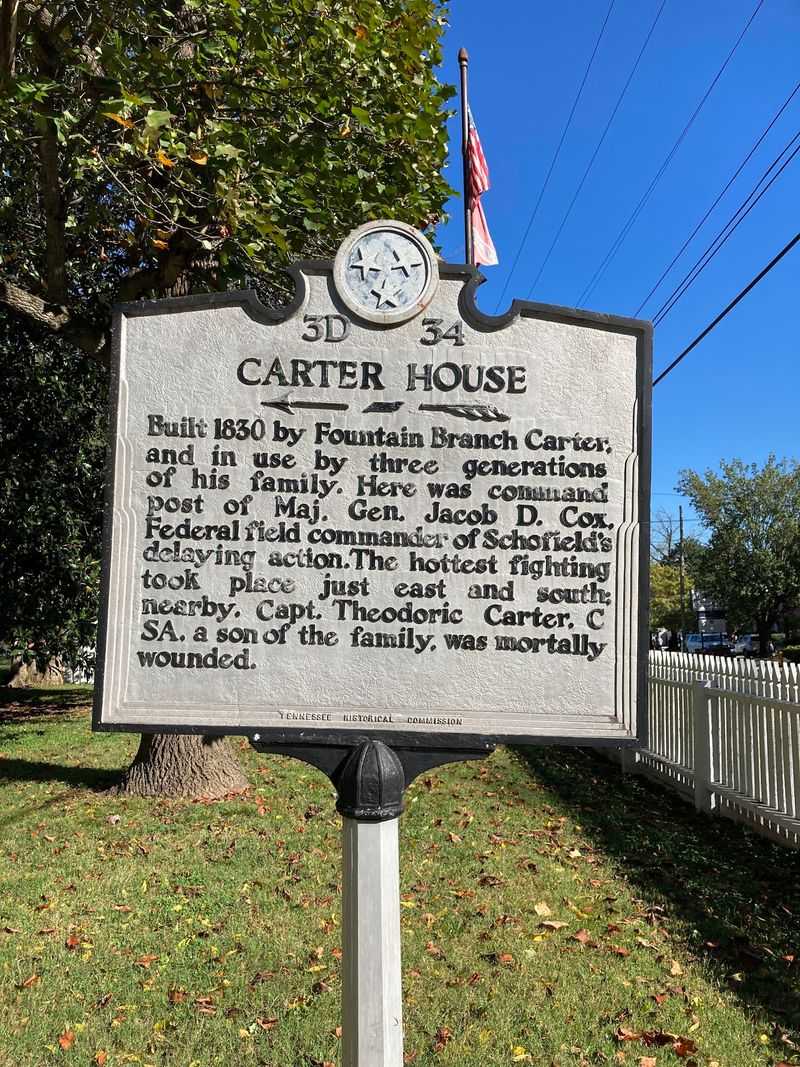
Morning on December 1, 1864, brought a terrible silence. When the Carter family climbed out of the basement, their farm was unrecognizable. Bodies, broken equipment, and wreckage covered the ground.
The Union army had pulled back toward Nashville during the night. The Confederates held the field, but at a huge cost. Thousands of men lay dead or wounded across Franklin.
The whole town turned into a giant hospital. Homes, churches, and other buildings filled with injured soldiers. Families did what they could to help, often with very few supplies.
Nearby, the Carnton plantation became a major field hospital. Several Confederate generals killed in the battle were laid on its back porch. Today Carnton is also a museum, and you can visit both sites together.
For the Carters, grief came home in a personal way. They had lost Tod, their son, inside their own walls. Their home carried that memory for the rest of their lives.
Over the years, the property changed hands and the town grew around it. Franklin kept getting bigger and busier. Many old battle sites in America were paved over during times like that.
Luckily, the Carter House made it. The state of Tennessee helped protect it, and today the Battle of Franklin Trust runs and improves the site.
Good news keeps coming too. A guest mentioned the site is acquiring more land to grow the protected battlefield. That means more of the story can be saved for future visitors.
Here is something to think about. A house can survive a battle, but surviving a century and a half of growth is its own kind of victory. It took a lot of people who cared.
When you buy a ticket, part of that money supports this work.
You Can Still Visit This Civil War Landmark in Franklin Today
Good news for road trippers: the Carter House is open almost every day. It sits at 125 West Fowlkes Street in downtown Franklin. That is an easy drive south from Nashville.
Hours run from 9 AM to 5 PM Monday through Saturday. On Sundays, doors open at 10 AM and close at 5 PM. Call ahead or check boft.org before you go, since times can change.
The guided tour is the heart of the visit. You will walk through the restored home, the basement, and the grounds. One guest said their tour lasted at least an hour and was packed with names, dates, and details.
Want more? Try the extended battlefield tour, which runs about 90 minutes. It covers troop movements and the soldiers who fought here.
Guides get serious love in reviews. Names like Willie, Shelia, Randy, Jeff, and Bill pop up again and again. Visitors call them passionate, sharp, and born storytellers.
Bringing kids? One parent said their children got a lot out of the tour. The basement chairs and bullet holes make history feel real to young minds.
Save money with a combo ticket. Many visitors pair the Carter House with Carnton, and some add the Lotz House across the street. Seeing all three gives you the full picture of that awful day.
A few quick tips will help. Photos are not allowed inside the house, so enjoy the moment and snap pictures outdoors instead. Arrive early if you want to catch the last tour, which often starts around 4 PM.
Honestly, the best part is seeing the damage in person. Photos cannot capture how close together those holes are. Standing next to them gives you chills in a way a screen never will.
Plenty of guests showed up as history skeptics and left as fans. Give it an afternoon, and you just might too.
Share this story