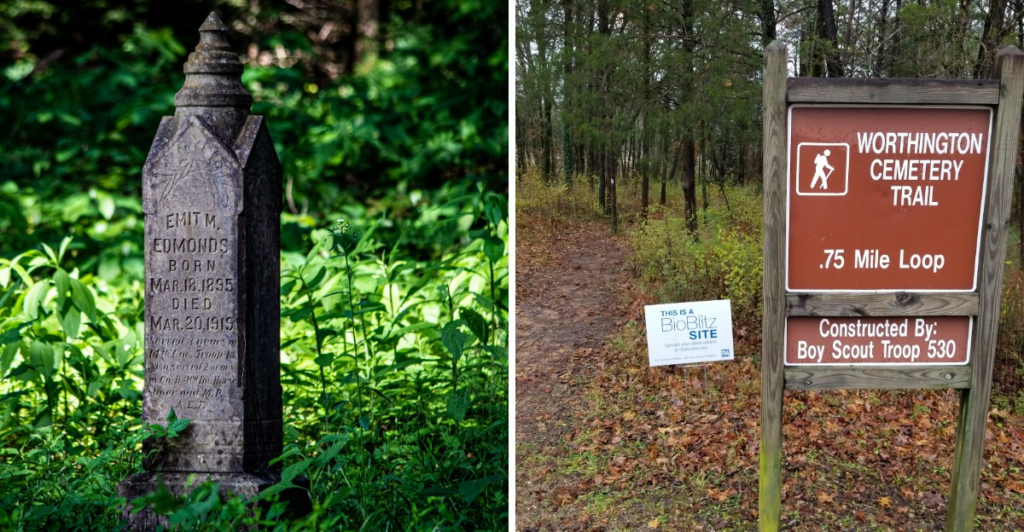
Tucked into the woods of Oak Ridge, a short walking loop hides a small cemetery with roots stretching back to the 1800s. Most people zip past this area without a clue that old graves sit quietly among the trees. The Worthington Cemetery .75 Mile Loop mixes a calm nature walk with a real link to the families who lived here long before the city existed.
If you like easy trails with a story attached, this little path deserves a spot on your list.
A Short Walk in Oak Ridge With an Unexpected Piece of History
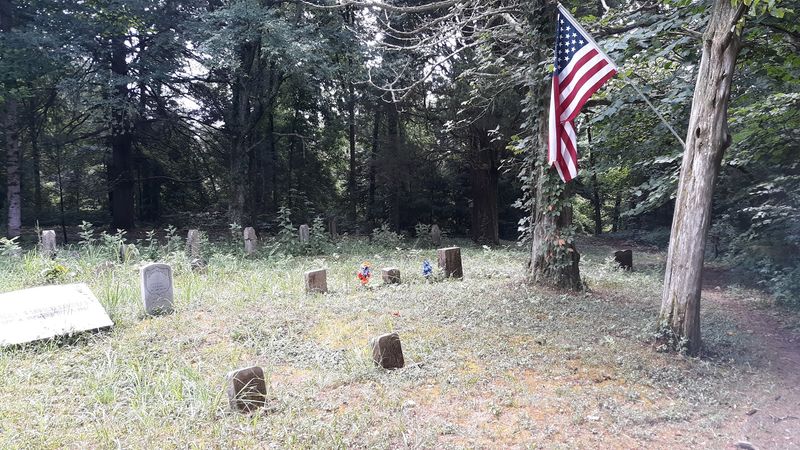
Picture this: you lace up your sneakers for a quick stroll, expecting trees and maybe a squirrel or two. Then, around a bend, old stone markers appear between the trunks. That small surprise is the heart of the Worthington Cemetery .75 Mile Loop in Oak Ridge.
Oak Ridge is famous for its science story, but the land held people long before the city took shape. Farm families lived, worked, and were buried in these hills. The cemetery on this loop is a quiet reminder of that earlier chapter.
The setting feels hushed in a good way. You hear leaves crunch, birds chatter, and wind moving through branches. There are no gift shops or crowds, just a simple path through the woods.
The trail sits in a natural area where plants and animals get top billing. History simply happens to be sitting right in the middle of it.
Online reviews are few, which tells you how under-the-radar this place is. One visitor gave it five stars, while another noted the cemetery looked overgrown and needed care. Both reactions make sense for a spot that time has mostly left alone.
So what should you expect? Think of it as a short adventure rather than a big outing. You can walk it before lunch and still feel like you found something special.
Bring curiosity more than gear. Read the names you can see, notice the shape of the stones, and imagine the people who once farmed nearby. A walk like this turns local history from a textbook topic into something you can stand next to.
Families with kids often enjoy it because the payoff comes fast. The trail is short enough for small legs, and the cemetery gives everyone something to talk about. Few short walks in East Tennessee pack this much story into such a small space.
Treat the graves kindly, keep voices low near them, and you will leave with a memory that sticks.
A Quiet Forest Path That Leads Back to the 1800s
Three quarters of a mile. That is all it takes to travel from today back to the 1800s, at least in spirit. The loop is short, but it carries more weight than its length suggests.
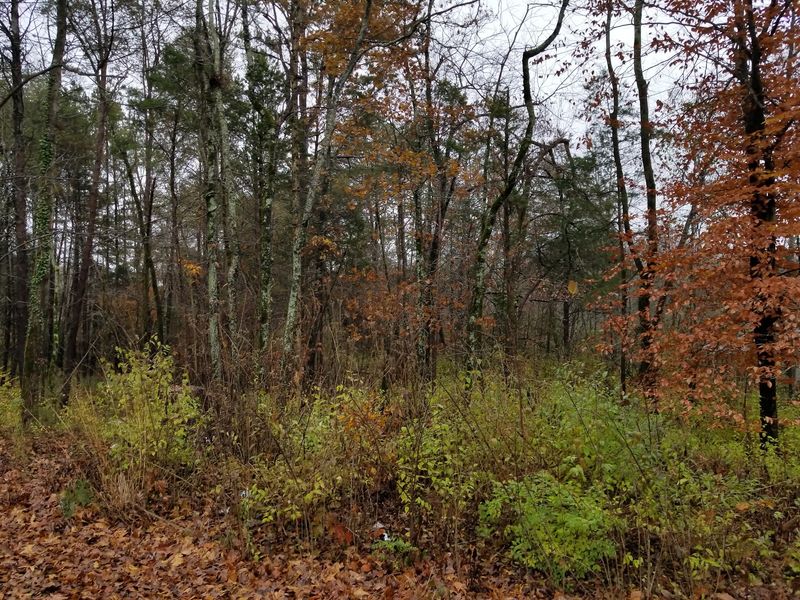
The path winds through woods that feel calm and a little secret. Tall trees shade much of the route, and the ground is mostly natural dirt and leaves. On a warm summer day, that shade feels like a gift.
Walking a loop has a nice perk. You never have to retrace your steps, so the scenery keeps changing from start to finish. You end up right back where you began without any guesswork.
Here is where things get interesting. Most forest walks are pleasant but forgettable. This one has a built-in plot twist, because the cemetery adds a sense of time to every step.
Once you know the graves are out there, the woods start to look different. You might wonder who cleared these hills, who walked these slopes, and what life felt like without cars or power lines. The trees suddenly seem like witnesses.
Try slowing down near the halfway point. Look for clues of older land use, like flat areas or changes in the type of trees. You may not be able to prove anything, but the guessing game is part of the fun.
Seasons change the mood a lot. Spring brings fresh green leaves and wildflowers, while fall paints the canopy in orange and gold. Winter opens up the views since bare branches let you see farther through the forest.
A small tip from experience on short trails: do not rush. A loop this size can be finished in about twenty minutes, but you will miss the good stuff at that speed. Give yourself closer to an hour.
Wear shoes with decent grip, since leaves and roots can be slick after rain. A water bottle and a phone for photos are about all you need. The forest handles the rest.
The Old Gravestones That Make This Trail So Unusual
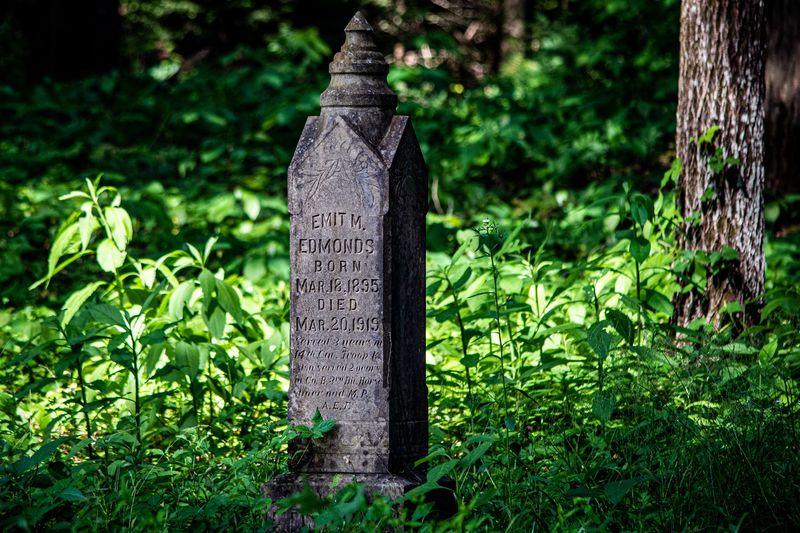
Old gravestones speak quietly. Their letters fade, their edges soften, and moss slowly creeps across their faces. At the Worthington Cemetery, those stones have been whispering since the 1800s.
Small family cemeteries were common in rural Tennessee back then. Families often buried loved ones on their own land instead of in big town graveyards. The cemetery here is a leftover from that way of life, sitting in the woods long after the farms faded.
What makes the spot unusual is the contrast. Oak Ridge is known around the world for modern science, yet here is a resting place from a much older era. Two very different stories share the same ground.
Take a close look at the markers if you can. Some old stones in the region are simple fieldstones with little or no writing. Others may show names or dates that have worn down over many years of rain and frost.
Honesty time: this is not a polished, tidy cemetery. A visitor review mentioned that it was very overgrown and needed maintenance. Go in expecting a wild, forgotten feel rather than neat rows and trimmed grass.
That rough look is actually part of its pull. It shows how quickly nature takes back places people stop tending. Standing there, you get a real sense of how much time has passed.
A few manners go a long way. Never sit on, lean on, or move stones, since old markers can crack easily. Skip rubbings too, because pressing paper and crayons on fragile stone can cause harm.
Photos are a better way to remember the visit. Soft light on a cloudy day often brings out carved details better than harsh sun. Angle your camera low and you might catch letters that are hard to see standing up.
If a name catches your eye, write it down. Later, you can search local history resources and maybe learn more about the families tied to this hidden corner of Anderson and Roane county history.
There’s More Along This Trail Than an Old Cemetery
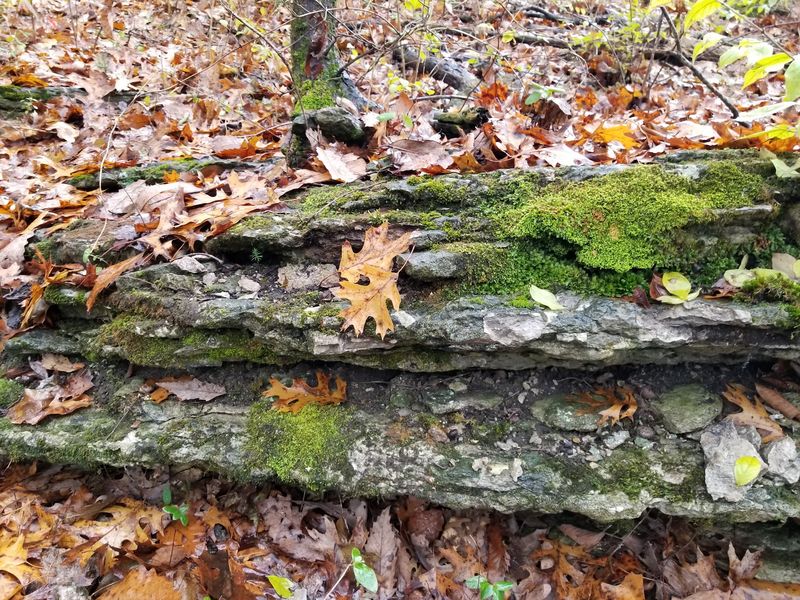
Cedar barrens might sound like a place where nothing grows. Funny enough, the opposite is true. These rocky, open patches are some of the most interesting plant habitats in Tennessee.
Along this loop, the scenery shifts from shady forest to sunnier, open spots. Eastern red cedars dot the area, and gray limestone pokes up through thin soil. It feels like a different trail entirely, even though you only walked a few minutes.
So why does this happen? Limestone close to the surface means the soil stays shallow and dries out fast. Many big trees struggle there, which leaves room for tough grasses, wildflowers, and hardy cedars.
Those conditions create a home for plants you might not spot in a regular backyard. Some barren plants are adapted to hot summers and dry ground. Botanists love these habitats because they can hold rare or unusual species.
Keep your eyes moving from ground to treetops. In warmer months, look for small blooms tucked between rocks. Fall can bring golden grasses that glow in late afternoon light.
Here is a fun fact to share with your walking buddy. Eastern red cedar is not actually a true cedar at all. It is a type of juniper, and its little blue berry-like cones feed birds in winter.
The limestone itself tells a story too. That rock formed from ancient sea life millions of years ago, long before anyone was buried in the nearby cemetery. So this trail mixes human history with deep Earth history.
A quick word of care. Plants in barrens can be fragile, and some may be protected. Stay on the path, avoid picking flowers, and let the rocks stay where nature placed them.
Sun exposure is higher in these open patches. A hat and a little sunscreen help on bright summer days. Ticks can also hang out in tall grass, so a quick check after your walk is smart.
The changing views keep the short loop from ever feeling dull.
A Peaceful Pond and Wetland Bring Wildlife Into the Picture
More than 125 bird species have been recorded around this area. Let that number sink in for a second. For such a small loop, that is a serious birding scorecard.
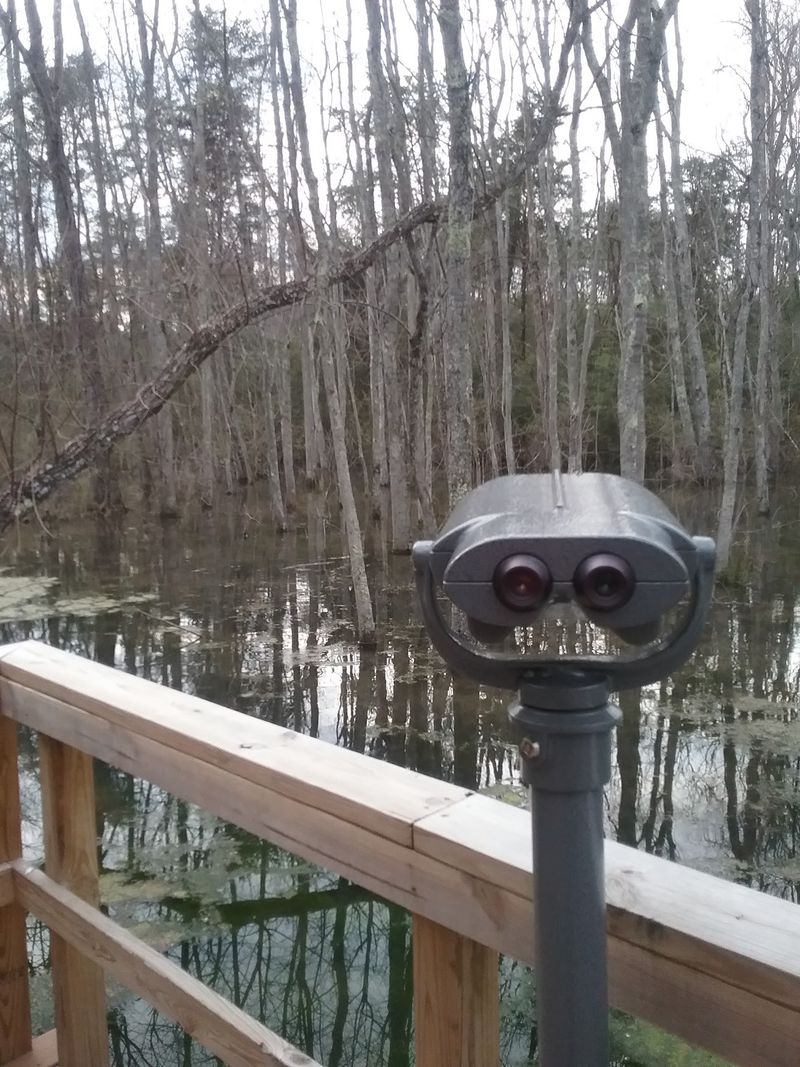
A big reason is the water. A pond and wetland sit along the route, and wet places draw wildlife like a magnet. Birds come to drink, hunt, nest, and rest.
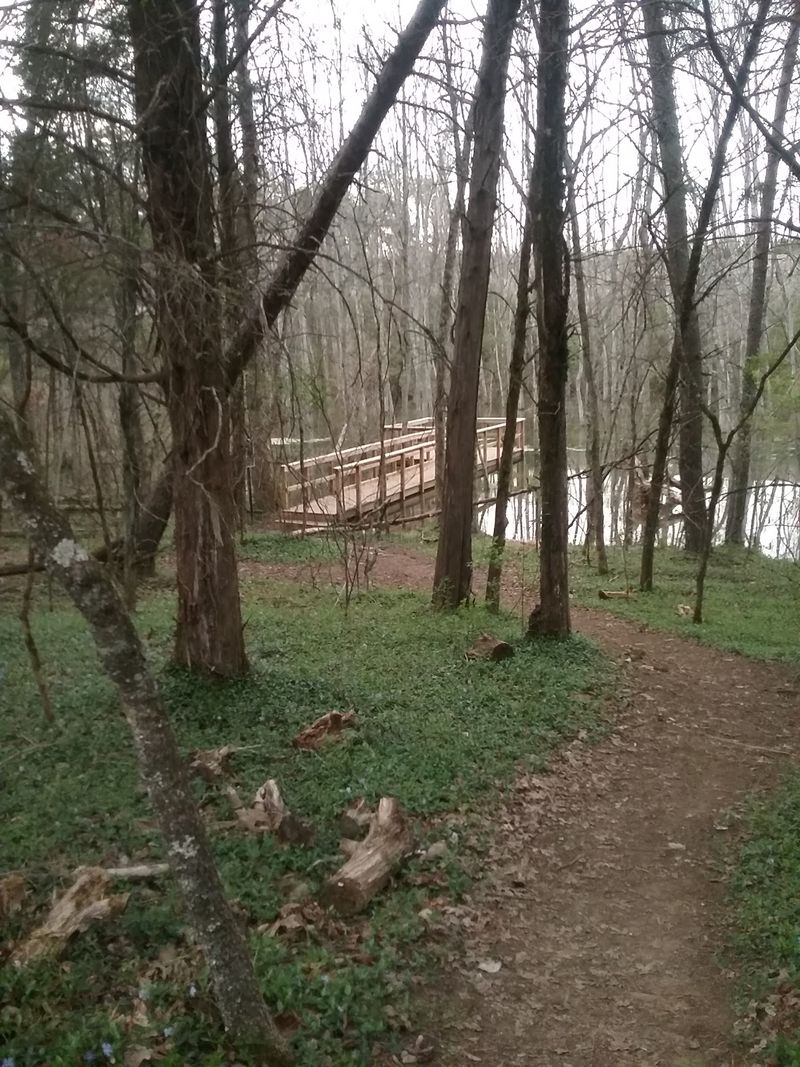
A wooden viewing pier lets you step out over the wetland without getting muddy. It is a perfect spot to pause, lean on the rail, and just watch. Some of the best moments happen when you stand still for five quiet minutes.
What might you see? Wading birds may stalk the shallows, while songbirds flit through nearby shrubs. Depending on the season, ducks or other waterbirds could drift across the pond.
Timing matters. Early morning is usually the liveliest time for birds, when they are busy feeding. Spring and fall migration can bring surprise visitors passing through on long journeys.
Birds are not the only stars. Wetlands often host frogs, turtles, dragonflies, and plenty of insects. On a warm evening, the frog chorus alone can be a show.
Here is a beginner tip. Bring a pair of binoculars, even a cheap set. They turn a distant brown blob into a bird with stripes, spots, and personality.
Free bird ID apps can help too. Some let you snap a photo or record a song and suggest what species it might be. Kids especially get hooked once they identify their first bird.
Quiet is your best friend on the pier. Talk softly, move slowly, and avoid sudden arm waving. Wildlife will relax and come closer when it feels safe.
Wetlands also mean bugs in warmer months. A little insect repellent can make your stay much nicer. Long sleeves help on buggy summer evenings.
Between the cemetery history and the busy pond life, this loop gives you two totally different reasons to visit.
Why This 0.75-Mile Loop Is Worth Taking Slowly
Not every good hike needs sweat, blisters, and a summit selfie. Sometimes the best trail is the one you can enjoy without checking your watch. This loop proves that point nicely.
The walking is easy for most people. The route is short, and the terrain is gentle compared to the steep ridges elsewhere in East Tennessee. It works well for beginners, families, and anyone easing back into outdoor time.
Still, easy does not mean boring. A short trail actually gives you permission to notice things. You can stop at every interesting rock, bird call, or tree without worrying about the clock.
Try a little game on your next visit. Pick one sense for each part of the loop. Focus on sounds in the forest, colors in the barrens, and movement near the pond.
You will be amazed how much shows up. A woodpecker tapping somewhere overhead. Sunlight catching a spider web. Tiny tracks pressed into soft mud near the water.
Slowing down also helps at the cemetery. Rushing past old graves feels a little disrespectful anyway. Taking a quiet moment there connects you to the people whose story is tied to this land.
The short length is great for busy schedules too. You can squeeze in a visit after school, after work, or on a lazy Sunday. It is the kind of place you can return to again and again in different seasons.
Keep in mind that natural trails can be uneven. Roots, rocks, and leaves may hide small dips. Watch your footing, especially after rain.
Pets and strollers may or may not be a good fit, depending on current trail conditions and rules. Checking ahead with the managing agency is a smart move. Rules can change, so do not rely only on old info.
Bring a snack and find a calm spot to sit for a few minutes. Short walks shine brightest when you treat them like a pause button instead of a race.
Where to Find Worthington Cemetery Trail and What to Know Before You Go
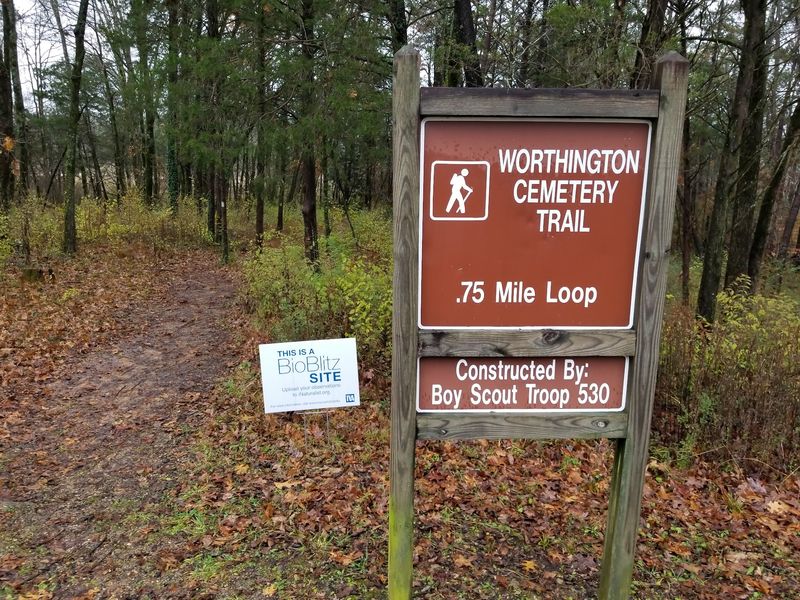
Finding hidden places is half the fun, but a little planning saves a lot of driving in circles. Here is the practical side of your visit. Think of it as your cheat sheet.
Oak Ridge has land tied to federal research operations, so some areas carry access rules. Before heading out, check for current information about hours, closures, or special restrictions. Local trail groups and official reservation websites are good places to look.
Cell signal can be spotty in wooded areas. Download your map ahead of time just in case. A screenshot of directions also works in a pinch.
Pack light but smart. Good walking shoes, water, bug spray, and sunscreen cover most needs. Binoculars are a fun bonus if you plan to linger at the wetland pier.
Expect a natural, rustic setting. One reviewer noted the cemetery was quite overgrown, so do not picture a manicured park. Long pants can help if vegetation is thick.
Leave No Trace rules matter here more than usual. Carry out every wrapper and bottle. Respect the graves, the plants in the cedar barrens, and the wildlife near the water.
Weather changes the experience. After heavy rain, low spots near the wetland may get muddy. Dry fall and spring days are often the most comfortable.
Go with a friend when you can, and let someone know your plans. Even short trails deserve basic safety habits. It also makes the fun moments more fun.
After your walk, explore more of Oak Ridge. The city has museums and other greenways that pair well with a morning on this quiet loop. You might just leave planning your next return trip.
Share this story