What if some of the strangest places in Massachusetts are the ones you have been driving past for years? Beyond the familiar beaches, historic districts, and famous attractions, you can stumble across paper walls, dinosaur footprints, unusual roadside oddities, and even a field filled with rocking horses.
These lesser-known stops make it easy to turn an ordinary drive into something more memorable without planning a major trip. Some are quirky, some are historic, and a few feel almost too strange to be real.
If you think you have already seen the best of Massachusetts, these overlooked places may give you a reason to look again.
1. Glendale Falls – Middlefield’s Rocky Water Show
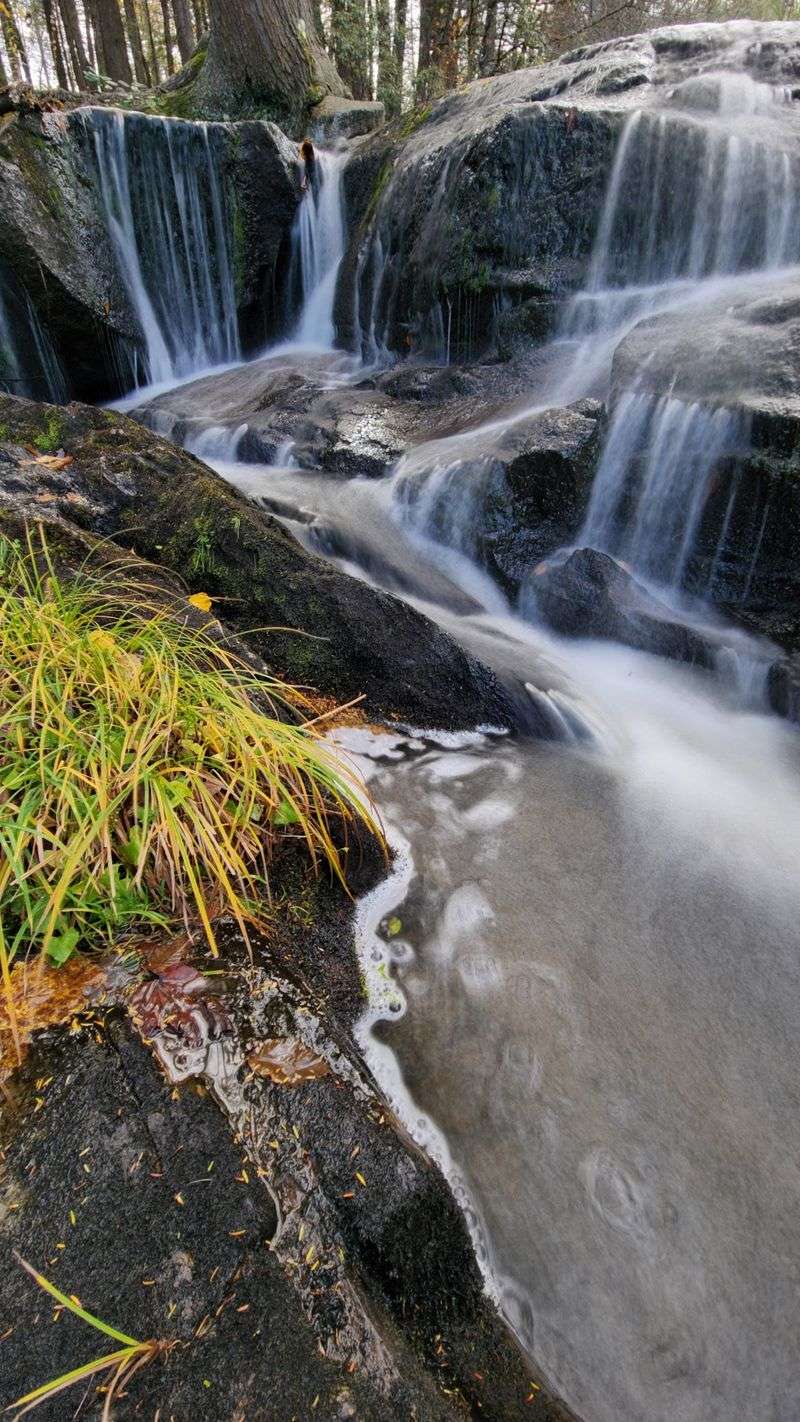
Forget the neat little waterfall tucked beside a picnic table. In Middlefield, Glendale Brook tumbles down a broad, rocky slope, creating a much bigger scene than the quiet approach suggests.
After rain or during spring runoff, the water can put on a lively show.
The reservation is managed by The Trustees, and its main draw is the falls themselves. You do not need to turn the visit into an ambitious hike to enjoy them.
Start near the upper viewing area, then decide whether the trail toward the lower falls suits your group.
Good shoes matter here more than fancy outdoor gear. Roots, uneven ground, and damp stone can make footing tricky, especially when fallen leaves hide the trail surface.
Keep children close, stay away from rushing water, and do not treat wet rocks as a shortcut to a better photo.
Water levels change the whole outing. A dry summer visit may reveal more of the rock ledges, while wetter conditions bring stronger flow and more noise.
Check recent weather before leaving, but remember that heavy rain can also make trails and roads less pleasant to navigate.
Bring a small snack and enough water, since this is a rural stop rather than a place lined with shops. Download directions before you head into the hill towns, where phone service can be uneven.
Checking the official property page will help you spot any current access notices.
For pictures, try including the surrounding trees instead of zooming only into the water. That wider view shows how the cascade sits within the wooded hillside.
Give yourself time to pause at different safe viewpoints, then leave the rocks, plants, and stream exactly as you found them for the next person who takes the quiet road into Middlefield.
2. The Mapparium – Step Inside a Different World Map

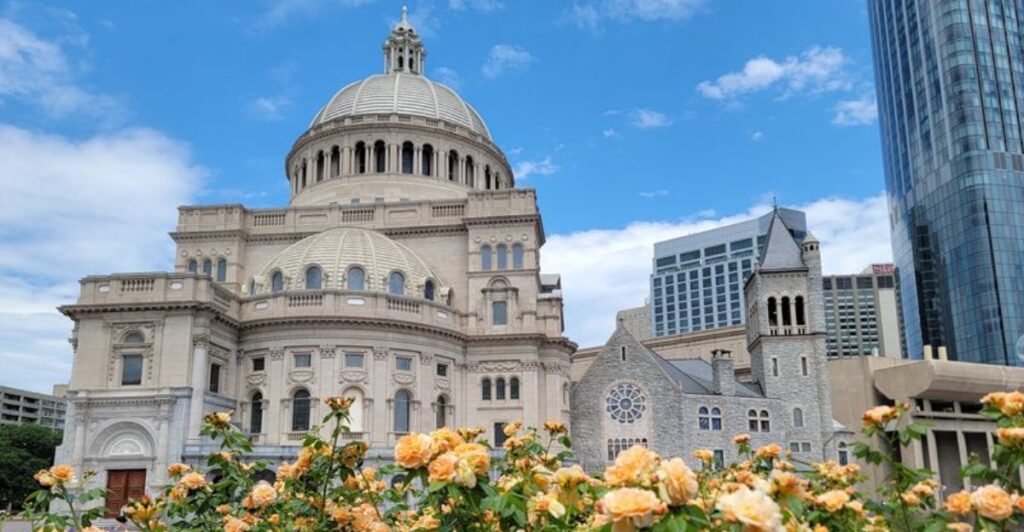
Standing inside a globe changes the usual map lesson pretty quickly. At the Mapparium in Boston, a glass bridge carries you through the center of a large stained-glass world map.
Countries surround you instead of lying flat on a page, making familiar geography suddenly harder to take for granted.
The globe reflects the world as it was mapped in 1935. That means some borders and place names differ from the ones you know today.
Rather than treating those differences as mistakes, use them as clues to how much political geography has changed within a few generations.
Located at the Christian Science Plaza, the Mapparium is an indoor outing that works especially well when Boston weather refuses to cooperate. Its enclosed shape also creates unusual sound effects.
Follow the guide’s instructions rather than turning the visit into a contest to see who can shout loudest.
Before heading over, check the official visitor information for current tour arrangements, admission, and photography rules. Access to the globe follows the site’s program rather than a casual wander through an open room.
Planning around the available visit times can save you an unnecessary wait.
Younger children may enjoy the colors and scale before they understand the history. Give them a simple challenge, such as finding an ocean or spotting a country whose name has changed.
Older kids can compare what they see with a current map afterward, turning the stop into a surprisingly useful conversation.
Leave room in your schedule for the surrounding Back Bay area, but keep the globe as the main event. Its appeal is not a long list of objects to inspect.
You get one unusual viewpoint, a short stretch of walking, and plenty to discuss once you step outside and return to a world that no longer matches the glass.
3. Three Sisters Sanctuary – Goshen’s Artful Outdoor Surprise
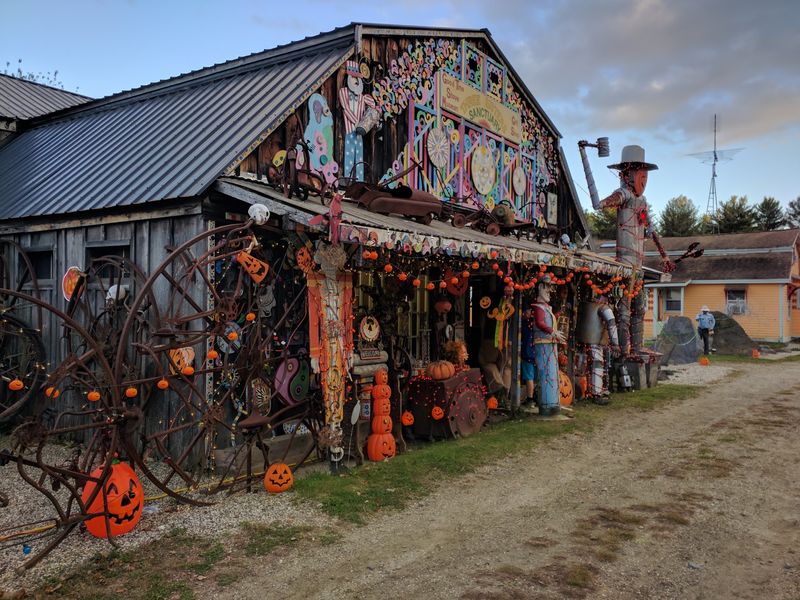
A garden path here might lead toward a sculpture assembled from objects you would never expect to see together. Three Sisters Sanctuary in Goshen blends outdoor art, stonework, plants, and found materials into a landscape that rewards close looking.
The fun starts when you stop trying to label everything.
Artist Richard M. Richardson created the sanctuary, giving it a personal character that differs from a formal sculpture park.
Pieces interact with the surrounding garden rather than standing apart on tidy museum platforms. Look for changes in texture, color, and scale as you move between areas.
Take your first lap slowly. A broad view helps you understand the layout, but smaller details often carry the biggest surprise.
Glass, metal, stone, and living plants can catch light in different ways, so a cloudy afternoon may reveal a different scene than a bright morning.
Check the official website for current visiting hours, admission details, and any special events before setting out. Since much of the experience is outdoors, choose shoes that can handle garden paths and dress for the forecast.
Leave delicate footwear at home, especially after wet weather.
Photography can be part of the visit, but avoid letting your screen decide the entire route. Pick one sculpture and examine it without taking a picture first.
Notice how separate pieces fit together, then move around it if the path allows, keeping clear of planted beds and fragile materials.
Goshen makes a good base for a slower hill-town drive, though this stop deserves more than a hurried roadside glance. Bring curiosity rather than a checklist of famous works.
If you are traveling with children, ask them which ordinary objects they recognize within the art, and remind them that an object can look playful without being something to climb, move, or touch.
4. Bancroft Tower – Worcester’s Small Castle on the Hill
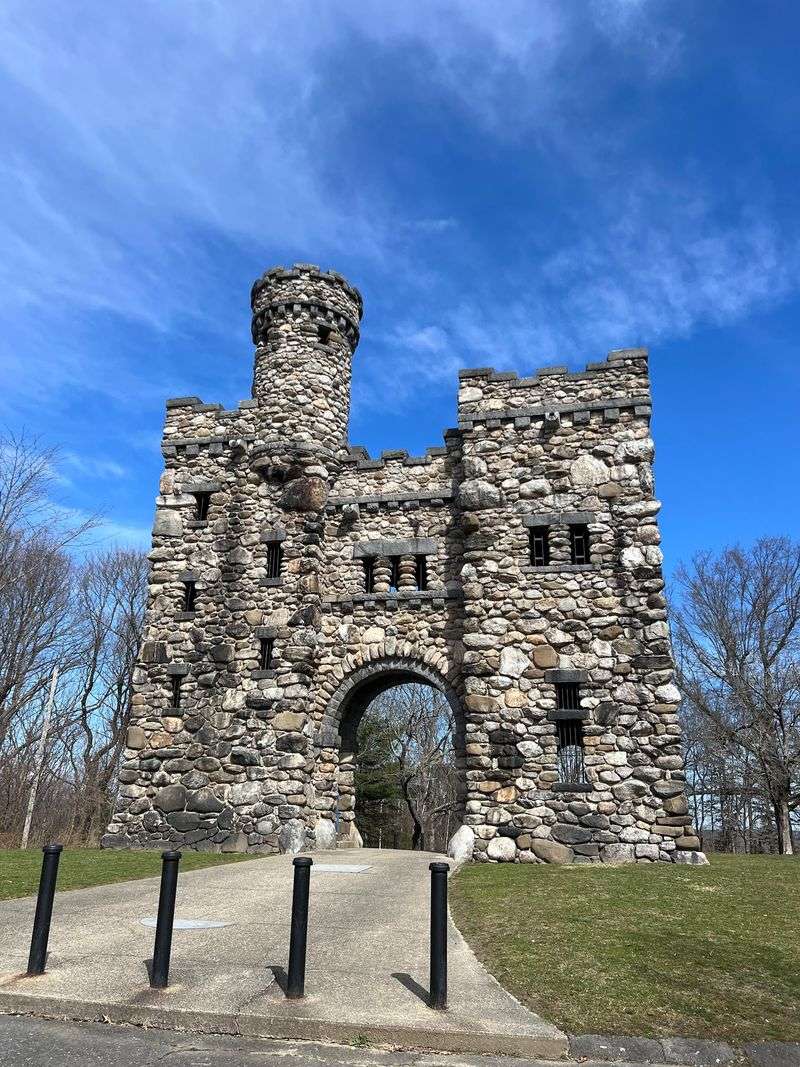
Worcester has a castle-shaped surprise hiding above its busy streets. Bancroft Tower rises in Salisbury Park, with rough stone walls, arches, and a roofline that looks borrowed from a medieval fortress.
It is a memorial, though, not the remains of a royal residence or an ancient defensive stronghold.
The tower was built in 1900 to honor George Bancroft, a historian and statesman born in Worcester. That backstory gives the unusual structure a local purpose beyond its dramatic looks.
Even without going inside, you can study the stonework and see how the building commands its hilltop setting.
Make the outdoor visit your baseline plan. Interior access is limited and can depend on scheduled openings, so do not assume you can climb the tower whenever the park is accessible.
Check current city information if going inside is the main reason for your trip.
The surrounding park gives you room to slow down after driving through town. Walk around the tower to compare its different sides, and look for an angle that includes both the arches and the upper walls.
A camera held too close can miss much of the building’s shape.
Wear shoes suited to grass and uneven ground, particularly after rain. Keep children away from any tempting climbing spots on the masonry, and respect closed doors or posted restrictions.
The building may suggest a storybook adventure, but it still needs the same care as any historic public landmark.
Pair the stop with another Worcester outing rather than expecting a full day of activities at the tower itself. It works as a compact break for architecture fans, curious families, or anyone who thought they already knew the city’s parks.
Before leaving, take one last look from farther downhill, where the stone silhouette becomes easier to appreciate against the sky.
5. The Paper House – Rockport’s Newspaper-Built Oddity
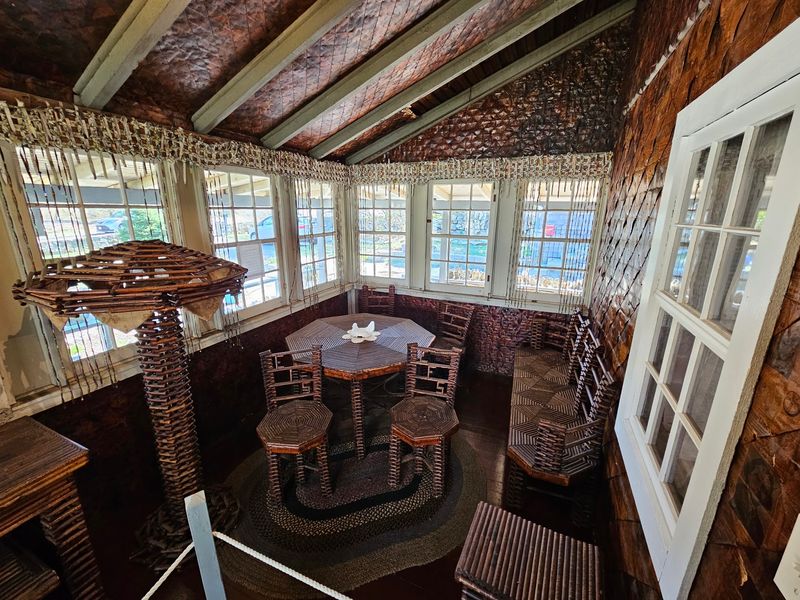
Newspapers usually end up in a recycling bin, not in the walls of a house. Rockport’s Paper House takes that everyday material in a very different direction.
Built by Elis F. Stenman, it uses layers of newspaper in its walls and includes furniture made from rolled and shaped paper.
The project began in the 1920s, and the result is far more structured than a stack of old headlines. A wooden frame supports the house, while protective coatings helped preserve its paper features.
Knowing that distinction makes the craftsmanship more interesting without turning the building into an impossible engineering tale.
Inside, the furniture invites a closer look. Rolled pages create patterns that might seem like carved wood from a distance, until the printed words give away the material.
Move slowly enough to notice those details, but follow any rules about touching the objects or entering particular areas.
Check the official visiting information before driving over, especially outside the main travel season. Hours, admission arrangements, and access can change.
This is a small historic attraction, so plan for a focused visit rather than expecting the facilities or exhibits of a large museum.
Rockport’s coastal scenery can easily steal the day’s attention, which makes this inland detour especially satisfying. Save it for a break between harbor walks or other Cape Ann stops.
Children who enjoy making things may find the construction more engaging than a traditional room filled with antique furniture.
Try asking how many ordinary household objects could be built from a material people normally throw away. The house offers a concrete starting point, not a lecture.
For photographs, aim to capture both the overall room and a permitted close view of the paper texture, so the unusual material remains clear when you show someone the pictures later that evening at home.
6. New England Peace Pagoda – A Quiet Pause in Leverett
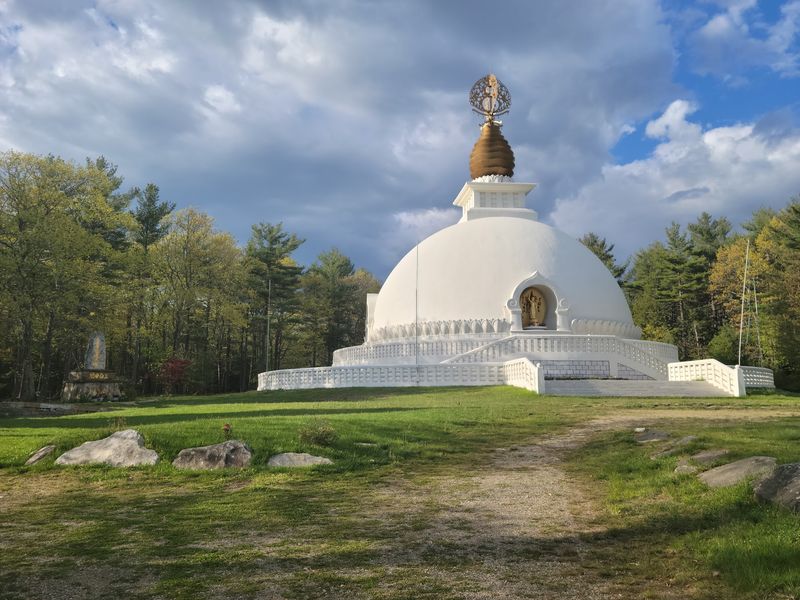
Lower your voice and let the busy part of the day fall away. The New England Peace Pagoda in Leverett is a Buddhist sacred site, not simply an unusual building for a photo stop.
Its white form stands against the surrounding greenery, creating a clear visual contrast in this rural setting.
Completed in 1985, the pagoda is connected with the Nipponzan Myohoji Buddhist order and its work for peace. You do not need to share that faith to visit respectfully.
Understanding the site’s purpose helps explain why quiet behavior matters more here than treating the grounds as another recreation area.
Allow time for the approach and for moving at an unhurried pace once you arrive. Check the site’s current guidance about parking, access, and visiting before leaving home.
Comfortable shoes are useful, and anyone with mobility concerns should confirm the route rather than assuming a level walk from the car.
Walk around the pagoda only where access is permitted, and pay attention to the religious images and details. Avoid interrupting prayer, ceremonies, or anyone caring for the grounds.
If an event is taking place, follow the organizers’ guidance instead of guessing which spaces are open to casual visitors.
Families can make this a simple lesson in sharing public spaces with care. Explain beforehand that running, loud games, and climbing are not appropriate around the monument.
Children may respond well to a small observation task, such as noticing shapes or comparing the white structure with the green hillside.
Bring what you need for a rural visit, but keep snacks and belongings contained and take all litter home. There is no need to fill every minute with activity.
A respectful circuit of the grounds, a pause to read available information, and a quiet departure suit the place better than trying to build an entertainment schedule around it.
7. Dinosaur Footprints Reservation – Holyoke’s Ancient Trackway
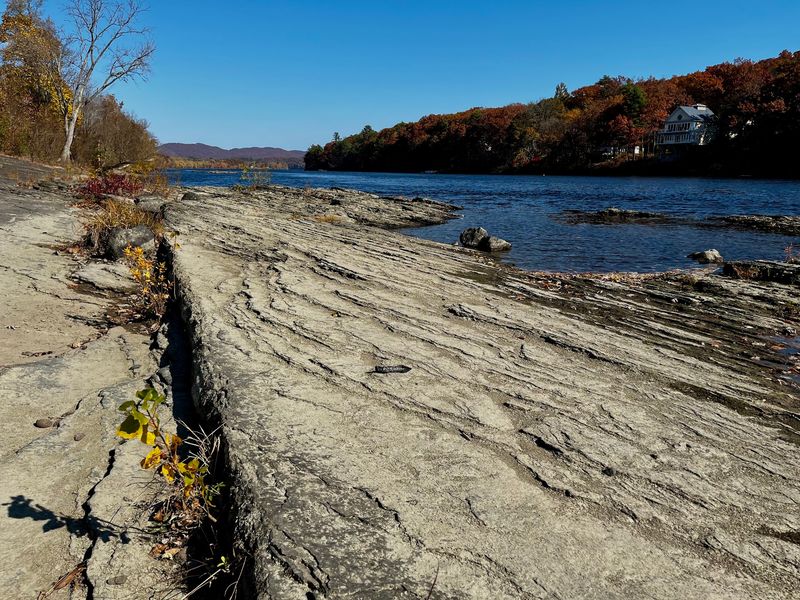
The dinosaurs are gone, but some of their steps remain. At Dinosaur Footprints Reservation in Holyoke, marks preserved in stone bring an ancient landscape into view beside the modern Connecticut River.
You are looking for tracks in rock, not a skeleton displayed behind museum glass or a towering model.
The footprints date to the Early Jurassic, roughly 200 million years ago. Their shapes offer evidence of animals moving across ground that later became part of the rock record.
That long chain of events is easier to grasp when you stand beside an actual impression rather than a textbook drawing.
Managed by The Trustees, the reservation offers a relatively compact outdoor visit. Follow the designated route and posted guidance to find the track-bearing surfaces.
Some marks can be easier to recognize than others, so give your eyes a moment to adjust before deciding the rocks look ordinary.
Light matters when examining shallow impressions. Shadows can help define edges that disappear in flat lighting, and a different viewing angle may suddenly reveal a clearer shape.
Do not chalk, wet, scrape, or otherwise alter a footprint to improve a photograph; preserving the surface comes first.
Sturdy shoes are useful because exposed rock can be uneven or slippery. Keep children nearby, watch conditions around the river, and avoid approaching the water just because it looks calm.
Check current access notices before going, especially after storms or during weather that could affect the trail.
Make the visit a detective exercise instead of a race to spot the largest print. Compare the direction of visible tracks and imagine how evidence becomes a scientific question.
Bring water and leave collecting tools at home, since the stones belong in place. A phone picture and a few careful observations are better souvenirs than any piece removed from this remarkable stretch of shoreline.
8. Hammond Castle Museum – Gloucester’s Inventive Coastal Castle
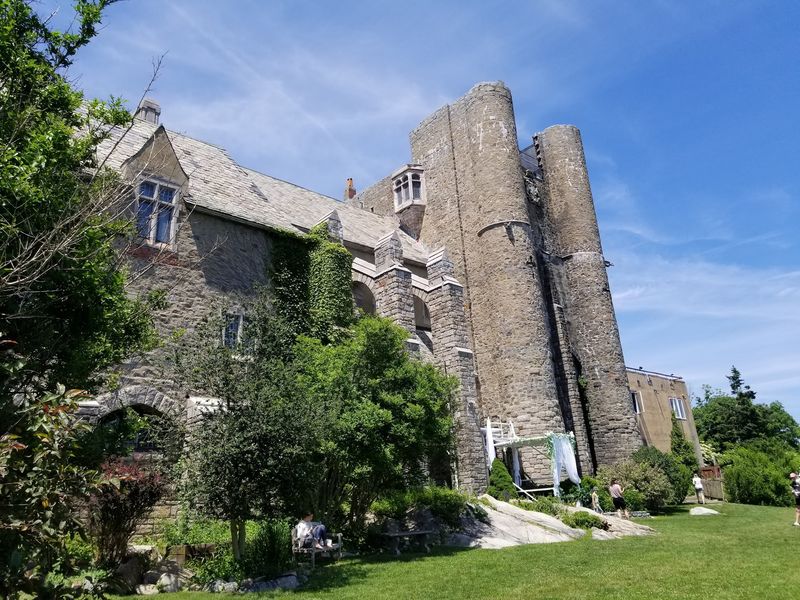
A stone castle above the Atlantic is unusual enough. Add the story of an American inventor, and Gloucester’s Hammond Castle Museum becomes much more than a dramatic backdrop.
John Hays Hammond Jr. built the property as a home and a setting for his collections and inventive work.
The building combines medieval-style architecture with historic architectural elements and objects. Its rooms can shift your attention from heavy stone walls to carefully arranged decorative details.
Rather than assuming everything belongs to one period, use the museum’s interpretation to understand how Hammond brought different interests together.
His work in radio control offers a useful counterpoint to the castle’s old-world appearance. A place that looks backward in style also connects to twentieth-century technology.
That contrast gives families several ways into the visit, whether someone prefers architecture, inventions, history, or the coastal setting.
Buy tickets or check entry arrangements through the official museum website before setting off. Tour formats, special events, and seasonal schedules may affect what you can see.
If stairs or uneven surfaces are a concern, review accessibility information carefully rather than assuming every room is reachable by the same route.
Give the interior enough time before heading outside for photographs. The ocean view is an obvious attraction, but rushing through the rooms can mean missing the details that explain the owner’s personality.
Follow any photography restrictions, and keep clear of closed areas or coastal edges around the property.
A breezy day can be pleasant here, provided you bring an extra layer for the grounds. Combine the museum with another Gloucester stop, but avoid packing the schedule so tightly that a tour delay becomes a problem.
For a useful family challenge, ask everyone to choose one feature that suggests a medieval castle and one that points toward Hammond’s much more modern life as an inventor.
9. Old Stone Church – West Boylston’s Reservoir Landmark
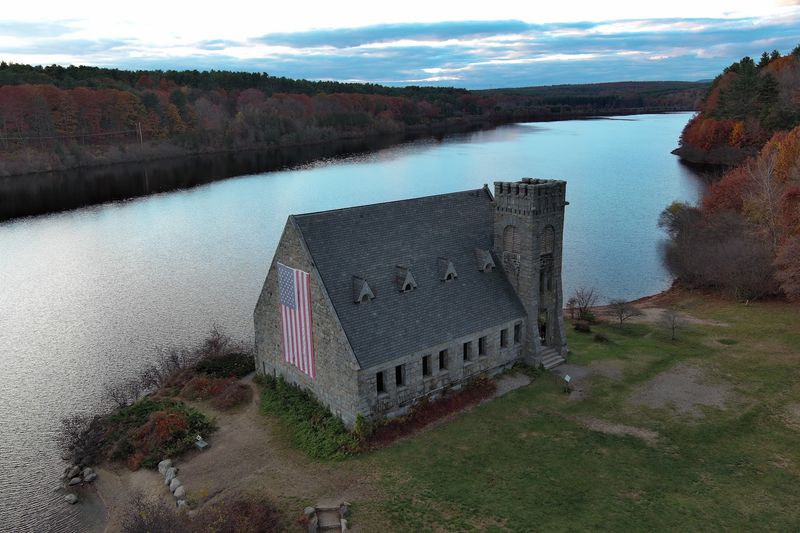
Beside Wachusett Reservoir, a stone church stands where the landscape tells a much larger story. Old Stone Church in West Boylston survived the changes that came with creating the reservoir.
Its walls now frame a scene of open water rather than the village setting they once knew.
The church dates to the nineteenth century and remains a visible link to the area’s past. Reservoir construction displaced communities and reshaped familiar ground, making this more than an attractive building beside a lake.
Reading the available historical information adds weight to the view without requiring a long history lesson.
Approach it as a historic site within a protected water-supply area. Follow posted rules, use permitted access points, and do not assume the shoreline is open for swimming or casual water activities.
The reservoir’s purpose brings restrictions that differ from those at an ordinary town beach.
Photographers often focus on the stone walls, windows, and water together. Move around permitted areas to find an angle that shows the church’s shape instead of crowding the entrance.
Early or late daylight can bring out the stone texture, though safe footing matters more than chasing a particular shot.
Check current access information before visiting and respect any closure or event underway. Shoes with a steady grip help on uneven ground, and an extra layer can be useful near the water.
Keep your stop tidy, since even small bits of litter are out of place beside a drinking-water reservoir.
You do not need a long visit to understand the appeal, but a few quiet minutes beat a photograph taken from the car. Look through an opening where permitted, then turn toward the surrounding shoreline.
The contrast between the remaining walls and the broad water surface makes the local history easier to picture than a date on a sign ever could.
10. Ponyhenge – Lincoln’s Curious Rocking-Horse Gathering
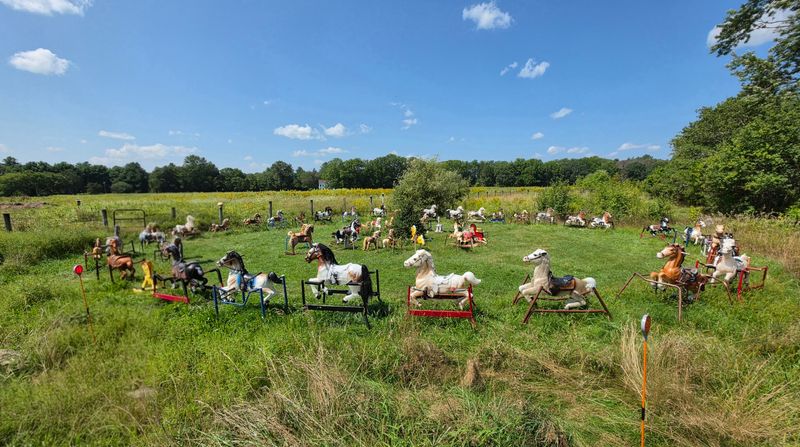
Some roadside sights make you check whether you really saw them. Ponyhenge in Lincoln is one of those: a gathering of toy rocking horses arranged in a field beside the road.
The name nods to Stonehenge, but plastic ponies and weathered playthings replace the famous standing stones.
The display is informal, and its arrangement can change. That is part of its odd appeal, but it also means photographs online may not match the scene when you arrive.
Treat it as a brief look at an unusual local creation, not a scheduled attraction with guaranteed features or services.
Most importantly, remember that a roadside display is not automatically a public playground. Respect the property, any posted signs, and the horses themselves.
Do not ride them, rearrange them, or add another toy unless the people responsible have clearly invited that kind of participation.
Plan a safe approach before stopping. Country roads may look quiet while still carrying steady traffic, and the shoulder is not a substitute for a proper parking space.
Never block driveways, stand in the roadway for a picture, or assume nearby residents welcome cars turning around on their property.
The best photographs usually show the group rather than one isolated horse. A wider frame captures the contrast between children’s toys and the open field, which is the whole visual joke.
Stay within permitted viewing areas, and let the existing arrangement speak for itself without staging your own scene.
Keep expectations modest and the visit short. There are no castle rooms to explore or trails to fill an afternoon; the point is the surprise of encountering a small, strange collection in an everyday setting.
Before leaving, check that your group has everything and that your car can rejoin traffic safely, then save the debate about which pony looked most suspicious for the ride.
11. The Icon Museum and Study Center – Clinton’s Close-Looking Collection
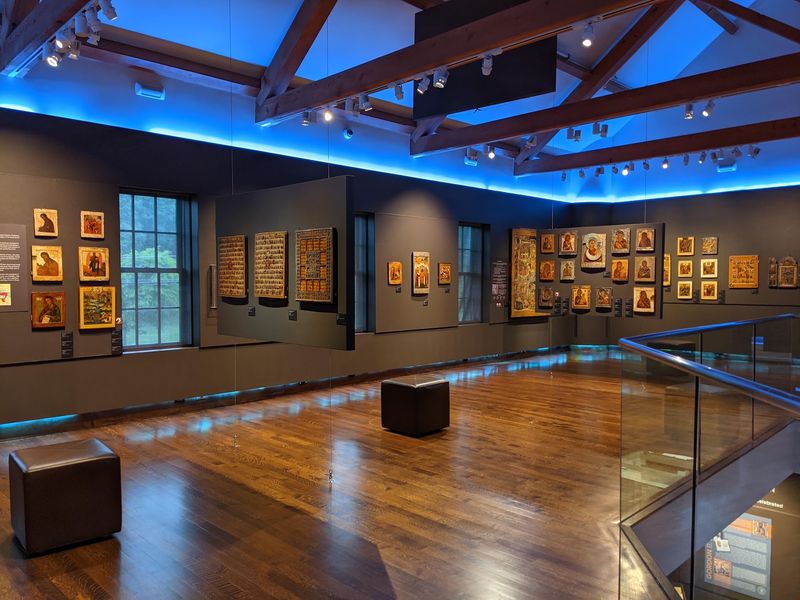
Gold backgrounds and finely painted faces can hold your attention longer than expected. At The Icon Museum and Study Center in Clinton, religious images become a doorway into art, history, and belief.
The collection centers on icons, with a strong focus on Russian examples and related Eastern Christian traditions.
An icon is not simply a portrait with an unusual background. Its colors, gestures, symbols, and arrangement can carry meanings tied to worship and religious teaching.
You do not need prior knowledge to begin, but reading a few labels will help you notice details that might otherwise pass unnoticed.
Start with one image instead of trying to absorb an entire gallery at once. Look at the hands, clothing, facial expression, and objects shown around the figure.
Then read the interpretation and look again; that second glance often reveals how much information fits inside a small painted panel.
The museum offers an indoor option for a wet or cold day, and its Clinton location makes a useful alternative to a Boston museum trip. Check the current exhibition schedule, admission details, and opening hours before going.
Temporary displays and programs may give you a reason to return after an earlier visit.
Families can keep the experience approachable by choosing a few works to compare. Ask children to find repeated colors or spot differences in how figures are posed.
Keep voices low and follow gallery rules, especially around photography, so your own exploration does not interrupt someone else’s careful viewing.
Do not rush past the material side of the art. Painted wood, metal coverings, and signs of age can tell stories alongside the subjects themselves.
A focused visit with time to read is more rewarding than trying to remember every object, and museum staff can point you toward suitable information if a particular symbol, technique, or historical period catches your interest.
12. Natural Bridge State Park – North Adams’ Marble-Carved Landscape
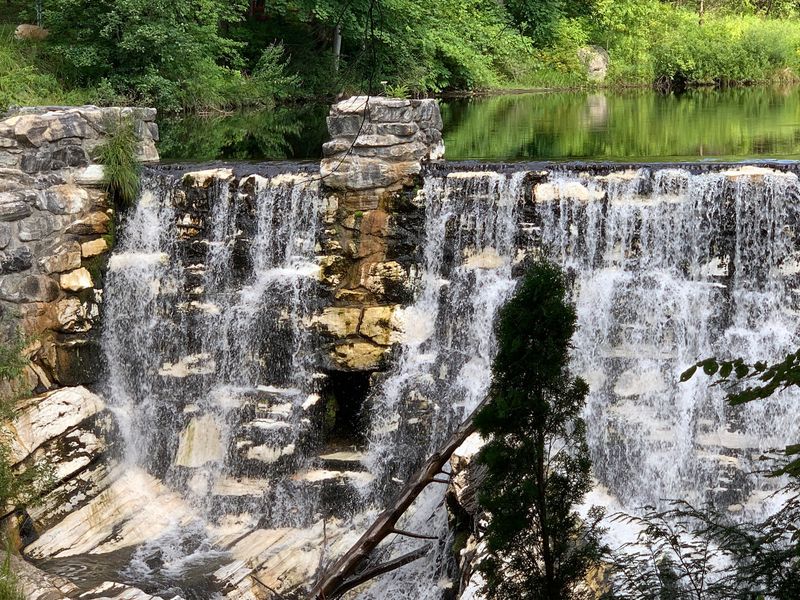
Water did the carving, and marble supplied the raw material. At Natural Bridge State Park in North Adams, a natural stone bridge spans a narrow gorge shaped by flowing water.
The result is a geology lesson you can see without needing to memorize a page of scientific terms.
The marble gives the site a different look from the darker rock landscapes common across Massachusetts. Hudson Brook helped shape the gorge, and the park also holds evidence of former quarry activity.
Natural processes and human industry share the same small area, adding another layer to the visit.
Use the designated paths and viewing points rather than searching for a closer edge. A gorge can look shallow or manageable in a photograph while presenting real danger on the ground.
Keep children within easy reach, and never climb railings or step beyond barriers for a better camera angle.
Check the Massachusetts state park website for current seasonal access, parking information, and any closures. Conditions can affect which areas are open, so an old travel post is not enough for planning.
Shoes with good traction will help on paths that may be damp or uneven.
Once you reach a viewpoint, follow the water with your eyes. Look for the connection between the channel, the surrounding rock, and the opening beneath the bridge.
That simple exercise makes the formation easier to understand than treating it as a single isolated object to photograph.
North Adams offers other cultural and outdoor stops, so the park can fit into a broader day without needing to carry the entire itinerary. Allow enough time to read interpretive signs and compare different permitted views.
Bring drinking water, leave stones where they belong, and resist the urge to hurry straight to the most photographed spot while overlooking the smaller clues along the route.
13. Dighton Rock State Park – Berkley’s Unsolved Stone Story
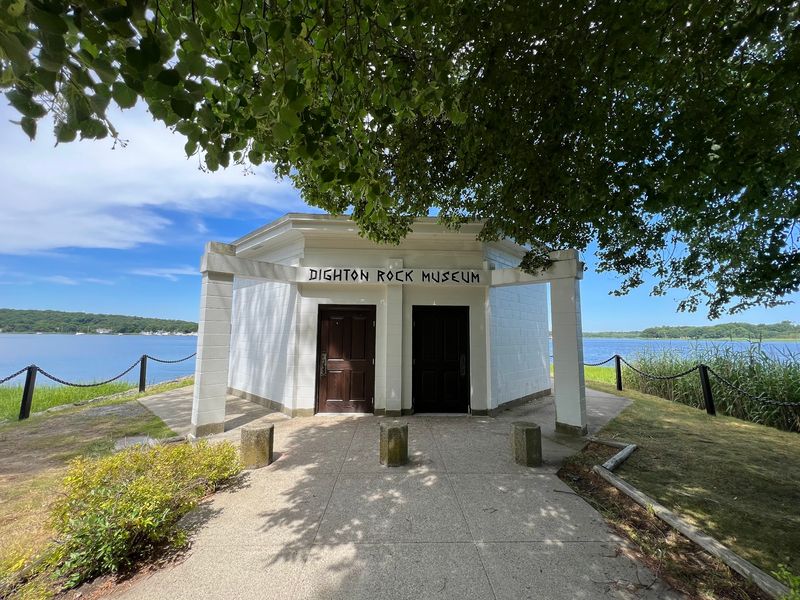
A rock covered in markings has sparked more debate than many grand monuments. Dighton Rock State Park in Berkley preserves a boulder known for its carved surface and the many explanations offered for it.
The intriguing part is not a tidy answer, but the difference between evidence and speculation.
The rock once sat in the Taunton River and was later moved into a protective building at the park. Its markings have been linked to several proposed origins over time.
Those competing claims should not be presented as equally proven, or turned into certainty because one makes a better story.
When the museum building is accessible, take time to examine the surface and read the interpretation. Weathering and overlapping lines can make individual shapes difficult to understand.
Comparing what you can actually see with what a theory claims is a useful exercise for adults and older children alike.
Confirm current museum access before traveling, since the building’s schedule may differ from access to the park grounds. A visit focused on seeing the rock needs that extra planning step.
If the exhibit is closed, do not assume you can reach the stone simply by walking farther along a trail.
The surrounding park provides a separate reason to spend time outdoors near the river. Follow marked routes and posted restrictions, wear shoes suited to the ground, and keep away from unsafe shoreline edges.
Bring water and a snack if you plan to linger rather than make a quick historical stop.
Use the visit to practice asking good questions: Who recorded an interpretation, what evidence supported it, and what remains uncertain? You do not need to solve the mystery before leaving.
A photograph taken where allowed, a few notes from the exhibit, and a clearer sense of how historical claims are tested make a useful record of the day.
Share this story