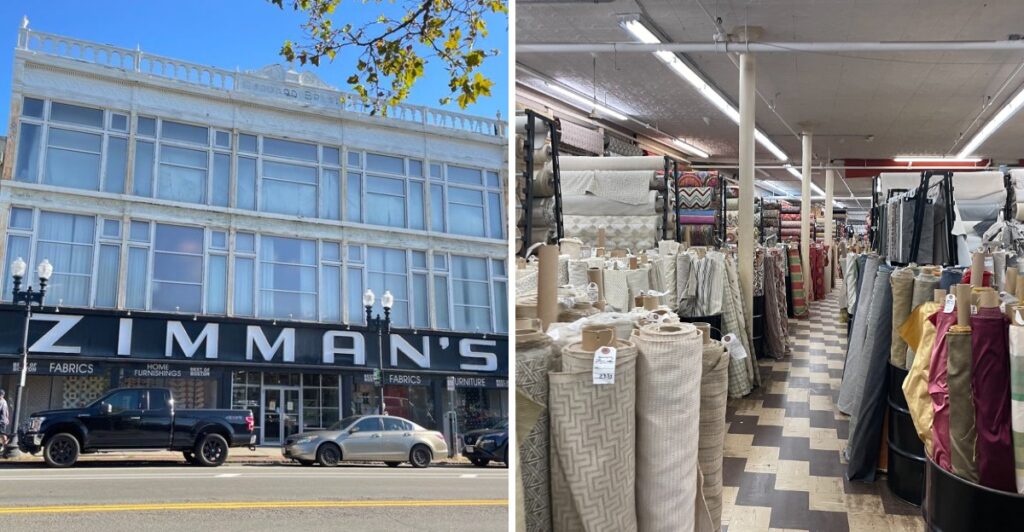
Rows of fabric can make a home project feel exciting long before the first cut is made. In Lynn, Massachusetts, Zimman’s Inc on Market Street gives shoppers plenty to browse, with decorative textiles for curtains, cushions, upholstery, and other room-changing ideas.
The selection goes beyond fabric, too, with home furnishings and custom work giving bigger projects room to grow. Bring measurements, a clear idea of what you need, and enough time to compare textures and patterns without rushing.
For anyone planning a Massachusetts home makeover, this longtime fabric store can easily turn one project idea into several.
Walls of Fabric Make Small Swatches Look Shy
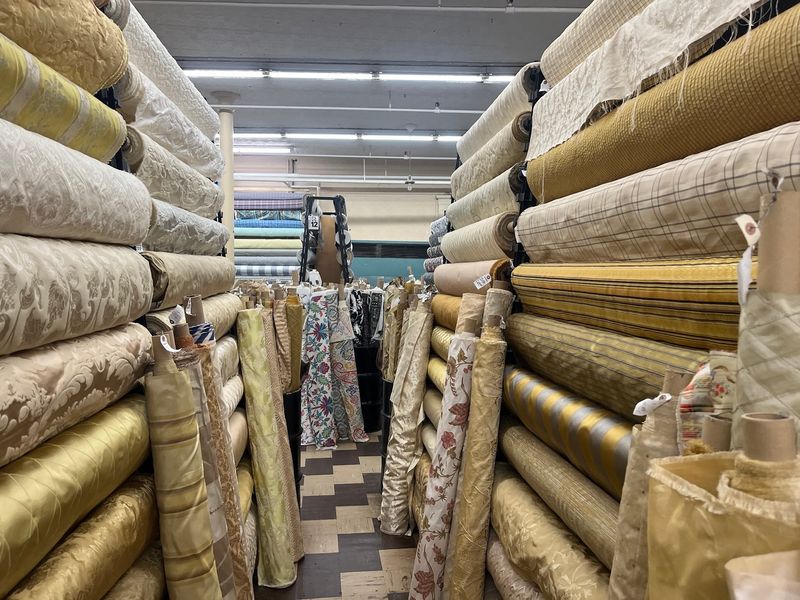
A tiny fabric square can hide a very big surprise. At Zimman’s, the broad selection of decorative textiles gives you a chance to consider patterns and textures beyond the small samples that make home projects hard to picture.
The store carries upholstery and drapery fabrics, with choices grouped by color and type. That arrangement provides a useful starting point when your plan is still loose: head toward a color family, then compare the different surfaces and designs within it.
Give a large print some breathing room before deciding. A flower that looks modest on a sample may take over a narrow cushion, while a stripe can appear completely different when you imagine it running across several curtain panels.
Ask whether a fabric can be shown over a wider area before it is cut. Seeing more of the design helps you judge the spacing between shapes, the background color, and whether the pattern suits the scale of your project.
Texture deserves equal attention. A smooth surface, a raised weave, and a plush pile may share nearly the same shade, yet each will bring a different look to a chair or window seat.
For your first pass, choose a few promising directions instead of trying to settle everything immediately. Take notes on fabric details and prices, and ask permission before photographing anything you want to compare later.
The practical advantage of such a large selection is comparison. You can weigh a quiet solid against a lively print without treating either choice as your only option.
Before moving on, step back and picture the fabric covering its full destination. A sofa needs a different visual rhythm than one small pillow, and the best choice should work across that entire surface, not merely look handsome beside your hand under the store lights during a quick first inspection.
Massachusetts Home Projects Need Fabric With a Job
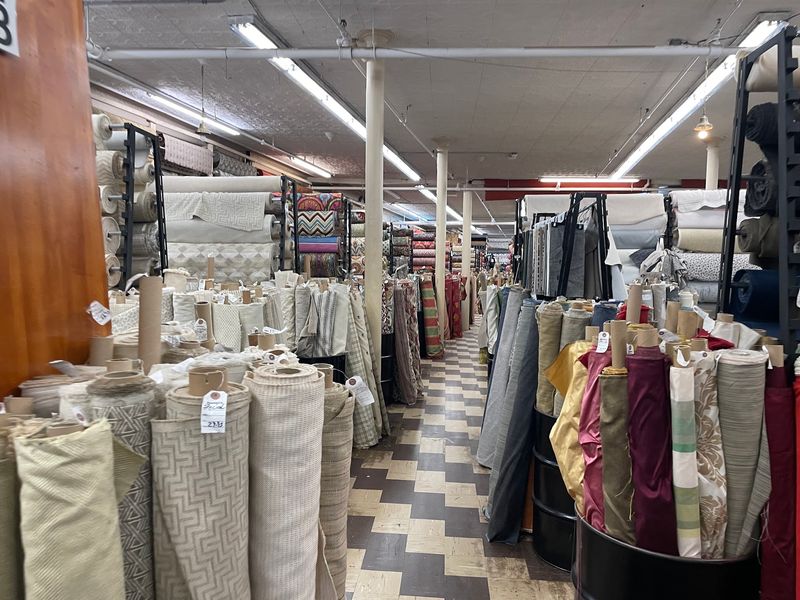
Pretty is only the first test. A fabric also needs to handle the job waiting for it, whether that means hanging neatly at a window or taking daily use on a favorite seat.
Zimman’s focus on home decorating fabrics makes that distinction especially useful. Upholstery, drapery, pillows, and bedding may all involve sewing, but they do not place the same demands on the material.
Start by telling the staff exactly what you are making. Include who will use it, how often it will be touched, and whether sunlight, pets, or frequent cleaning will shape your decision.
For a cushion, ask about wear, care instructions, and whether the weave could catch easily. For curtains, look at how the material falls and discuss whether lining would help with privacy, light control, or the finished shape.
A fabric that looks soft and inviting may still be too thick for your sewing machine. Ask about suitable needles and construction methods, then check your machine’s limits before buying enough material for an ambitious project.
Pattern direction brings another wrinkle. Stripes, repeating flowers, and fabrics with a visible pile can require careful cutting so every piece faces the intended way.
Bring a room photo, but do not rely on the screen for an exact color match. A paint sample, existing cushion cover, or small piece of your current fabric gives you a more useful reference.
If samples are available, compare them at home in daylight and under your evening lamps. A shade that looks warm in the store may appear cooler against your own walls.
Make the final choice with use in mind, not just appearance. The right material should suit your sewing skills, your household habits, and the surface it will cover, giving that attractive pattern a practical reason to earn its place in your home for years ahead.
Measurements Beat the Guess-and-Hope Method
Running short halfway through a project is an expensive kind of suspense. Before heading to Zimman’s, gather the measurements that turn an appealing fabric into a workable purchase.
Write down the dimensions of each finished piece, not just the general size of the furniture or window. Curtain panels, cushion tops, side strips, and matching pillows can all require separate calculations.
Bring your sewing pattern or cutting plan if you have one. Fabric width affects how pieces fit, and a layout designed for one width may not work with another.
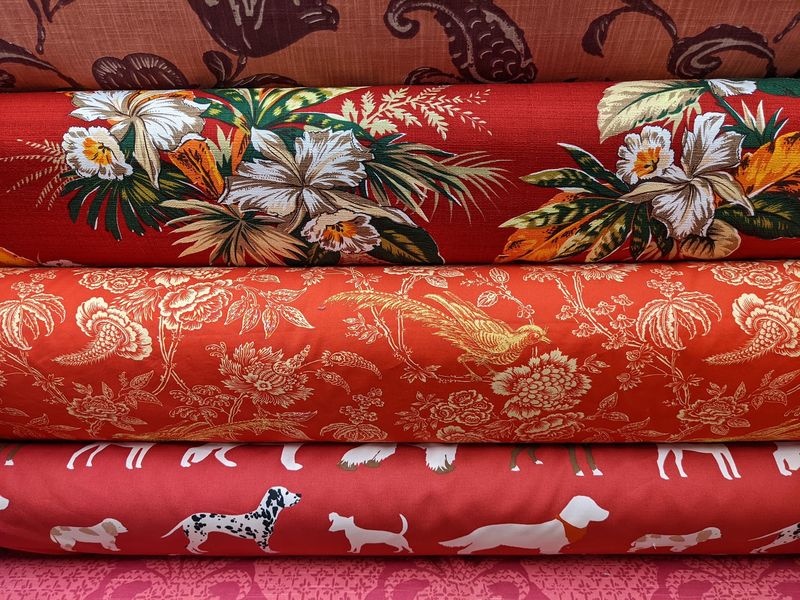
Large repeating designs can require extra yardage to line up across seams. Ask how the repeat affects your project before comparing prices, especially when several cushions or curtain panels need to match.
Keep seam allowances, hems, and possible shrinkage in the conversation. Washing requirements vary by fabric, so confirm the recommended care rather than assuming every material should go straight into the washing machine.
Set a total budget that includes more than the cloth. Lining, zippers, trim, cushion filling, thread, and any paid sewing work can change the final cost considerably.
Prices differ across the selection, so ask about the current cost of each candidate. A lower price per yard does not always mean a cheaper project if the design requires much more material.
Check that enough of your chosen fabric is available before committing. If matching matters, ask whether the whole purchase can come from the same roll or dye lot.
Keep the fabric information with your receipt, including its name or identifying details when available. That record can help if you later need care advice or want to ask about additional material.
A prepared shopping list leaves room for creativity without letting guesswork run the project. You can still change your mind about the color, but your measurements should travel home with fewer surprises attached to them.
A Sewing Plan Can Turn Into Custom Work
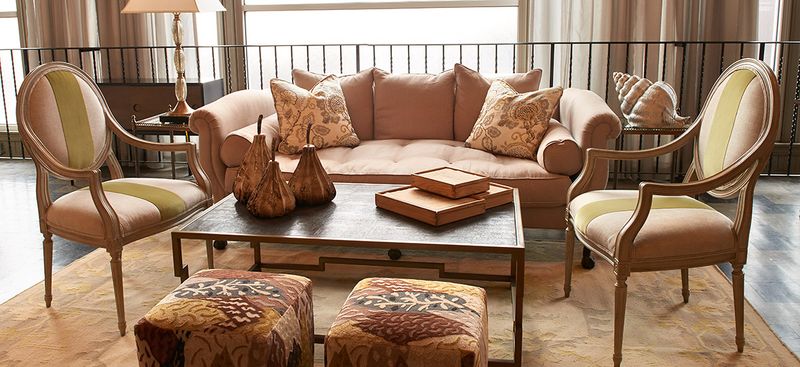
Sometimes the smartest sewing decision is knowing which part not to tackle yourself. Zimman’s offers custom window treatments, pillows, and reupholstery services, giving larger projects a route beyond the home sewing machine.
A simple pillow cover and a fully recovered sofa belong to very different skill levels. Curved arms, fitted corners, support materials, and heavy seams can turn an enthusiastic weekend plan into a much longer assignment.
Bring clear photos of the piece you want to update, along with its measurements. Include close views of worn areas so the conversation covers condition as well as the fabric you like.
Ask what the proposed work includes. New covering alone is different from replacing cushion filling, repairing support, or addressing problems hidden beneath the old upholstery.
For a window seat cushion, discuss thickness, firmness, edge style, and whether the cover should be removable. Small construction choices affect both comfort and how easily you can care for the finished piece.
Get an itemized estimate and a current timeline before approving a job. Material availability and the scope of the work can affect scheduling, so avoid treating someone else’s past turnaround as a promise.
Clarify pickup, delivery, fitting, and repair arrangements when those services are relevant. You should also understand the warranty terms and how to report a problem after the work is complete.
If you want to sew part of the project yourself, explain that early. You might handle coordinating pillow covers while leaving a difficult chair or fitted treatment to the professionals.
Custom work is most useful when the brief is clear. Describe the finished look, the daily use, and the comfort you expect, then confirm those choices in writing.
That leaves less room for crossed signals when your selected textile becomes an actual furnishing, with seams, padding, dimensions, and finishing details that need to work together in practice.
Trim and Remnants Give Smaller Pieces a Role
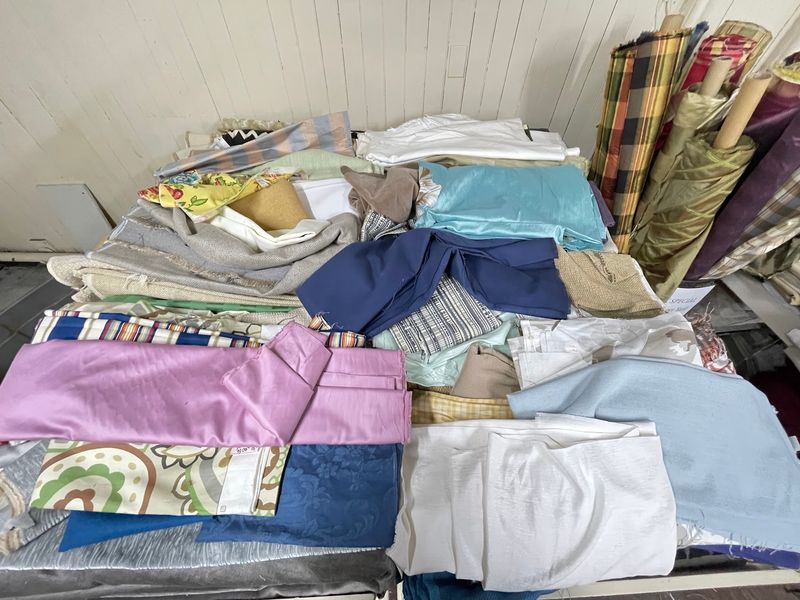
A leftover-sized piece of cloth can solve a surprisingly useful problem. Alongside its larger fabric selection, Zimman’s has offered decorative trims, remnants, and cut foam, making smaller project parts worth asking about during your visit.
Availability can change, so treat these extras as possibilities rather than guaranteed finds. Ask where current remnants and trim options are located instead of assuming an older description reflects today’s arrangement.
A remnant may suit a pillow front, a small bench pad, or a test piece for a tricky sewing technique. Measure the usable area carefully, because an attractive folded piece may contain less fabric than you expect.
Check for marks, uneven edges, and pattern placement before buying. A bold motif can land awkwardly if your required shape only fits one way across the available cloth.
Think about the reverse side of a pillow, too. Pairing a patterned front with a suitable solid backing can stretch a smaller piece without forcing you to compromise the main design.
Trim offers a different kind of adjustment. Piping can sharpen a cushion edge, while a decorative border can connect a plain curtain to colors already present elsewhere in the room.
Keep those additions in proportion. A narrow detail may suit a compact pillow better than a heavy border, and any trim should work with the fabric’s care needs.
If your project needs foam, bring exact dimensions and ask about the available options. Thickness and firmness influence the finished cushion, so choosing by appearance alone is not enough.
Before leaving, check whether you have the closures and other supplies your construction plan requires. Do not assume every sewing notion is stocked simply because the fabric selection is extensive.
These smaller purchases work best with a purpose. A remnant becomes useful when it fits a measured piece, and a trim earns its place when it solves a design problem.
Look Beyond the Bolt to the Whole Room
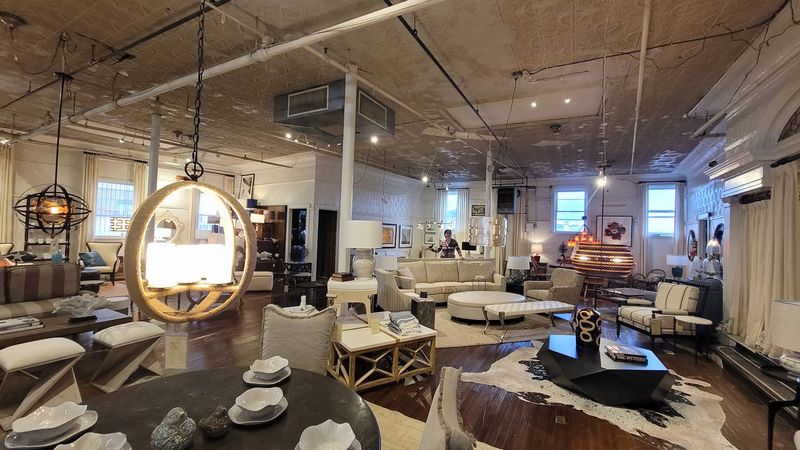
Your new curtains will not live alone. They will share space with a rug, a lamp, a sofa, and all the other objects that already give your room its character.
Zimman’s also carries home furnishings, lighting, and accessories, so the visit can extend beyond choosing cloth. Furnishing displays offer a broader view of how color, shape, and texture work together.
Use that opportunity to test your thinking rather than copy a whole arrangement. Notice whether a patterned textile needs a quieter neighbor, or whether a plain fabric gains interest beside a textured rug.
Scale is especially useful to study. A large chair can carry a stronger pattern than a small accent piece, while several busy surfaces together may compete for attention.
Bring photos that show the entire room, including flooring and major furniture. A close picture of one cushion will not reveal the features your new sewing project needs to work around.
Decide which element should lead before you shop. If the rug already has a strong design, the curtains might serve as a calmer background rather than introduce another competing pattern.
You can also compare finishes and tones. A cool gray cloth may look different beside warm wood than it does near a painted surface, even when the fabric itself has not changed.
Ask about design support if you need help narrowing the options. Confirm any service details and costs before assuming that a larger decorating consultation is included with a fabric purchase.
Keep your original project in view as you browse. Furniture and accessories can provide useful context without turning a cushion mission into an unplanned room overhaul.
Leave with a clear connection between the cloth and its surroundings. Your final choice should have a role: soften the window, brighten the seating, or tie existing colors together without asking every object to become the star at once.
Make Market Street Your Project Planning Stop
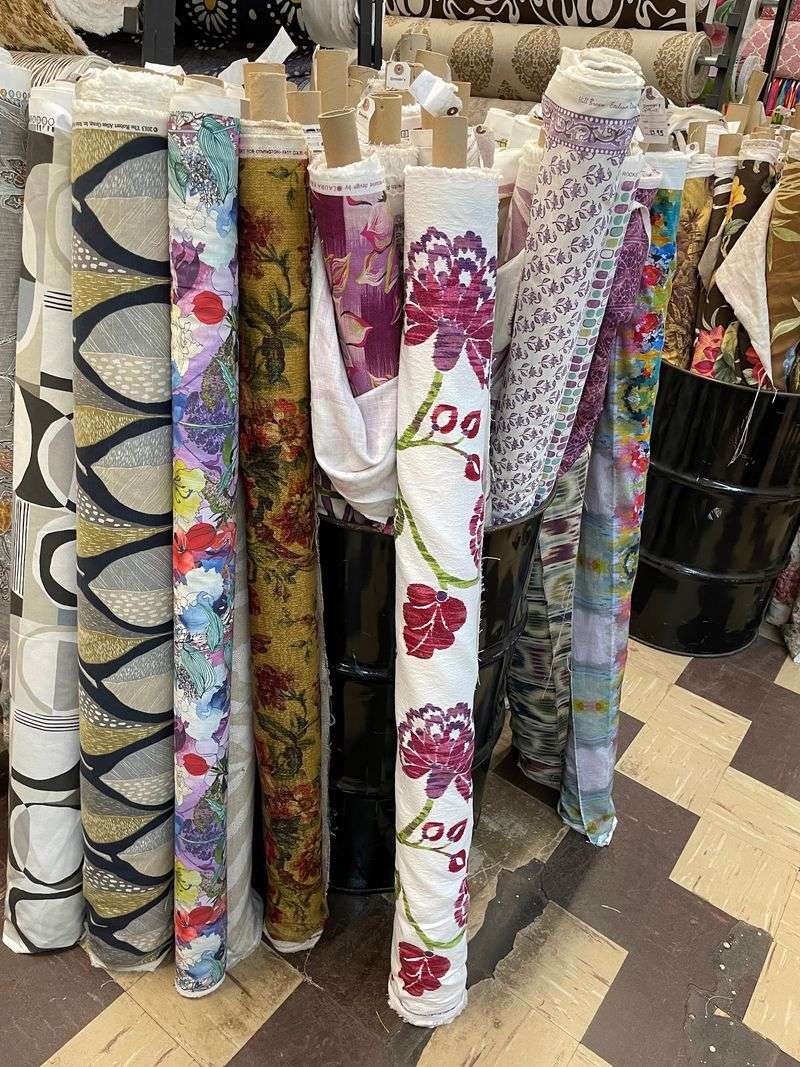
Give this errand more room than a quick dash for thread. A visit to Zimman’s at 80 Market Street in Lynn works best when you have time to compare materials and discuss the details of your project.
The listed schedule is Monday through Saturday, 9:30 a.m. to 5:30 p.m., with Sunday closed. Confirm current hours before traveling, especially around holidays or when your trip depends on meeting a particular staff member.
Arriving well before closing gives you a better margin for browsing and questions. Choosing fabric, checking yardage, and arranging custom work can take longer than simply finding a color you like.
Pack a small project kit before leaving home. Measurements, room photos, physical color references, your pattern, and a written budget are more useful than trying to recall details beside a roll of fabric.
Nearby paid parking has been reported, but availability and rules can change. Check posted signs and allow time to find a legal space rather than assuming a spot will be waiting outside.
If stairs or other access needs affect your visit, ask about the current layout and accessible routes beforehand. The store includes more than one level, so knowing how to reach the areas you need can prevent frustration.
Consider separating browsing from buying for a complicated project. An initial visit can narrow the choices, while a return trip lets you act after checking measurements and colors at home.
Before purchasing, confirm cutting policies, return terms, and any deposit requirements for custom work. Fabric cut to order may carry different conditions from other merchandise.
Keep your final notes together when you leave. Record what you bought, how much you ordered, and any next steps agreed upon.
A productive trip ends with fewer open questions: the right fabric identified, the quantities checked, and a practical route from Market Street to your finished project at home.
Share this story