Some collections start with a single prized object and a kid who refuses to stop adding to it.
In Claremore, that habit snowballed into one of the largest privately held firearms collections on public display anywhere.
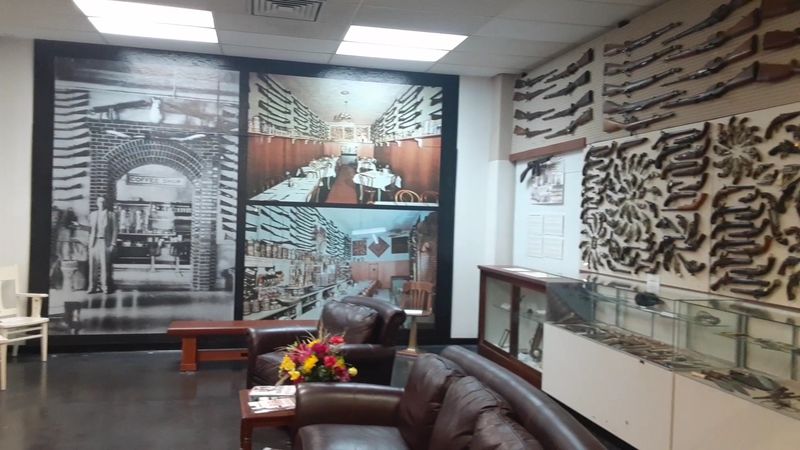
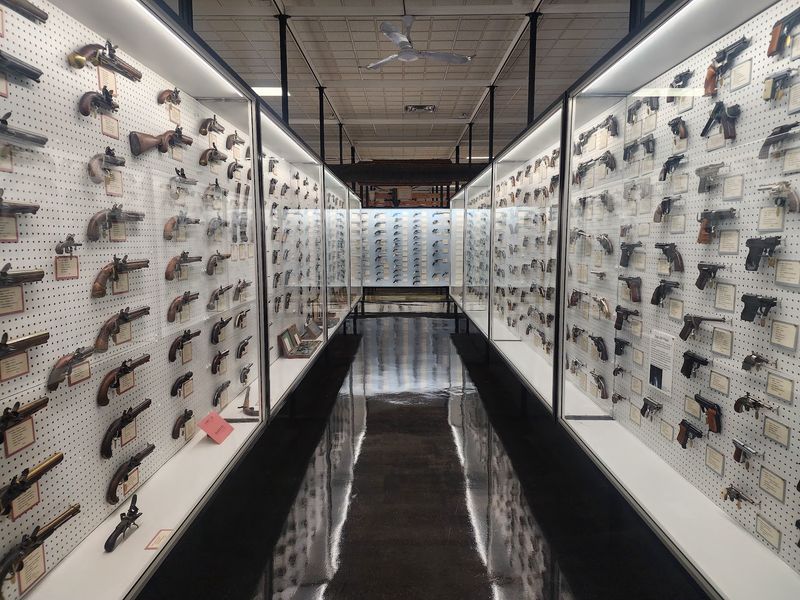
Today it fills row after row of glass cases, with flintlocks, outlaw weapons from the 1920s and 30s, saddles, swords, and even a wall of collector steins.
The best part for Oklahoma families is the price, because there is no set ticket, just a donation box.
Plan on hours, not minutes, since many people leave admitting they never saw it all.
Keep reading for what to look for, the quirky surprise most guests never expect, and the practical notes that make a weekend trip here simple.
1. A Free Museum on a Claremore Boulevard
Northeast Oklahoma has a habit of hiding big things in small towns, and Claremore proves the rule.
The J.M.
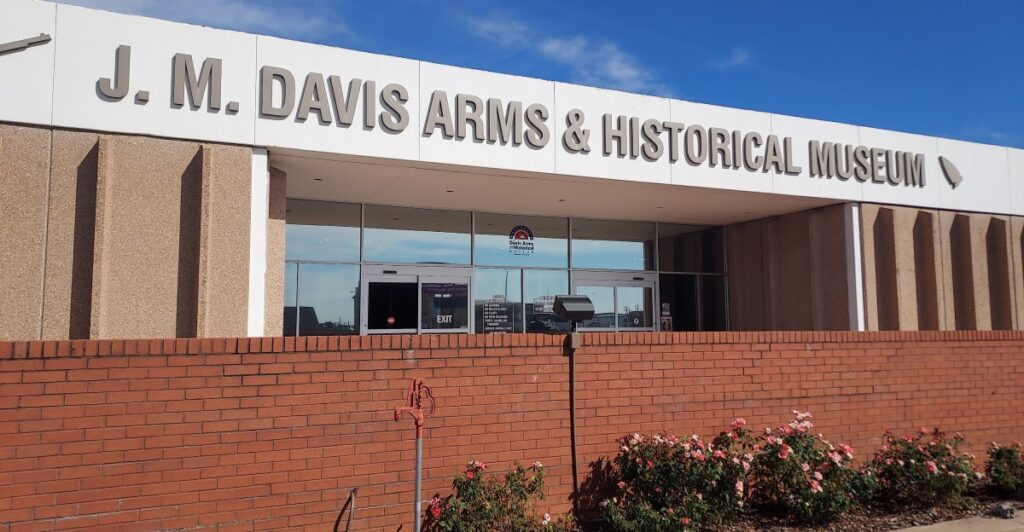
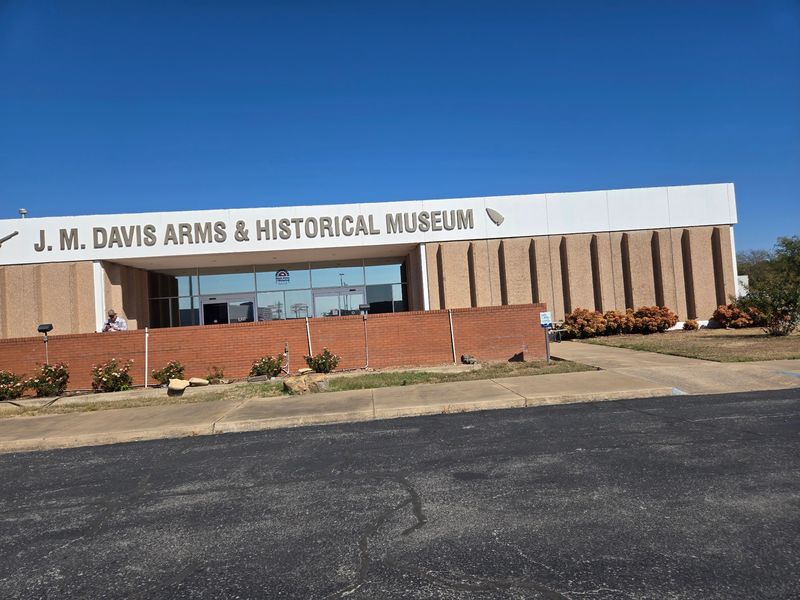
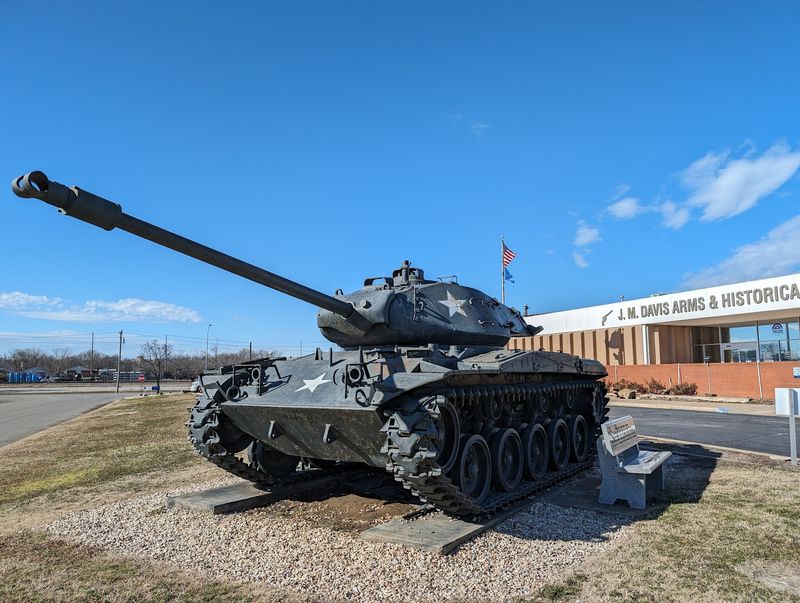
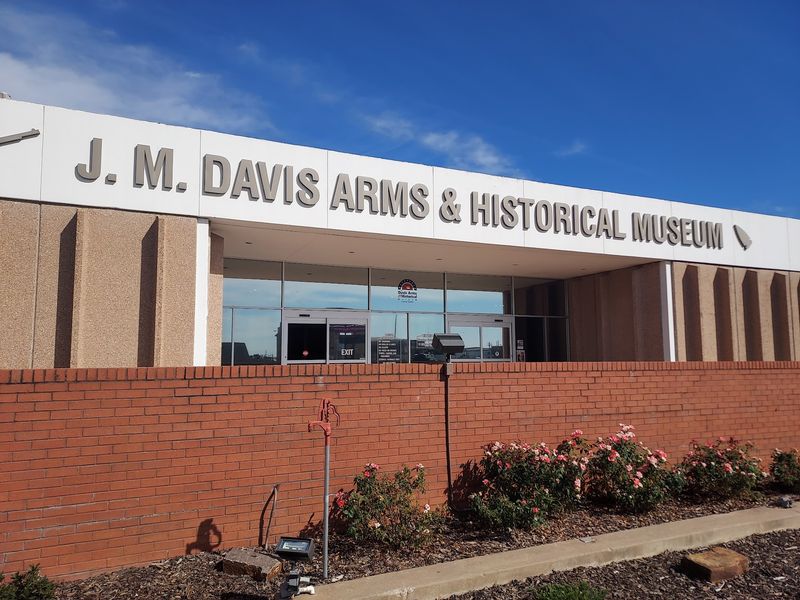
Davis Arms & Historical Museum sits at 330 N J M Davis Blvd, Claremore, OK 74017, in the United States.
The street itself carries the name of the man behind the collection, which tells you how much the town values him.
Officially, the museum is described as a home for historic weapons built around an extensive privately held firearms collection.
That label is accurate, though it undersells the place a bit.
Inside, guests find saddles, knives, swords, clothing, local history displays, Native American artifacts, railroad history, and a well-known stein collection.
Many people who arrive with little interest in guns end up staying far longer than planned.
The museum is also housed in a state-owned building.
That detail matters for one practical rule covered later in this article.
Plenty of locals call it the best kept secret in this corner of the state.
With more than 800 Google ratings averaging 4.8 stars, the secret is clearly getting out, one road trip at a time.
2. From One Collector’s Passion to Endless Glass Cases
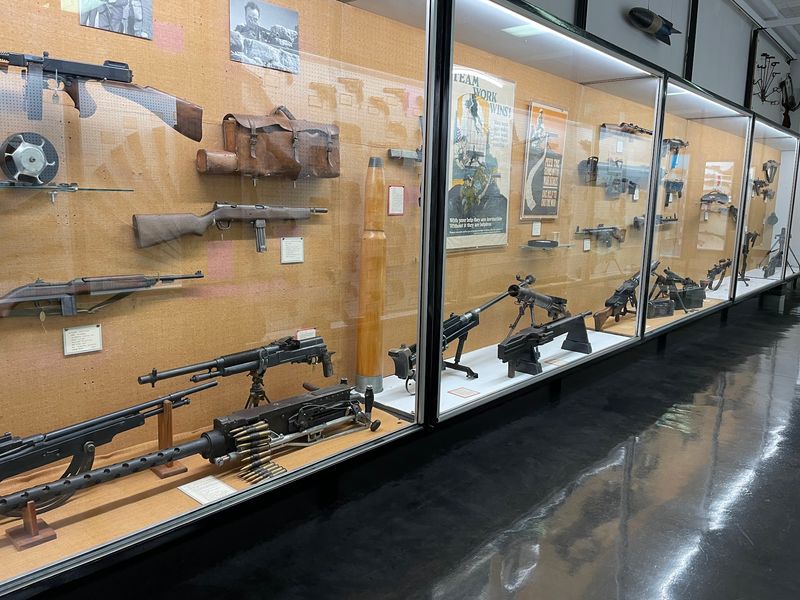
Every big collection begins with a first piece.
For J.M.
Davis, that early spark turned into a lifelong pursuit that eventually needed an entire building.
The museum shares his story through a short video about Davis, along with plenty of photos and newspaper articles.
These exhibits help guests understand how a personal hobby grew into something on a much larger scale.
Many people mention that the stories of how certain items joined the collection are as interesting as the objects themselves.
Each case reflects decades of hunting down pieces from across eras.
Today, the museum is often described as holding the largest private collection of firearms on display in the world.
Guests frequently say it is the most guns they have ever seen in one spot.
Nearly everything on display is authentic, too.
One guest noted spotting only a single replica, with the rest being the real deal.
Spend a few minutes with the video before heading into the rows.
Knowing the collector first makes the collection feel far more personal, and a lot less like a warehouse of steel and wood.
3. Rows of Rifles Spanning Centuries
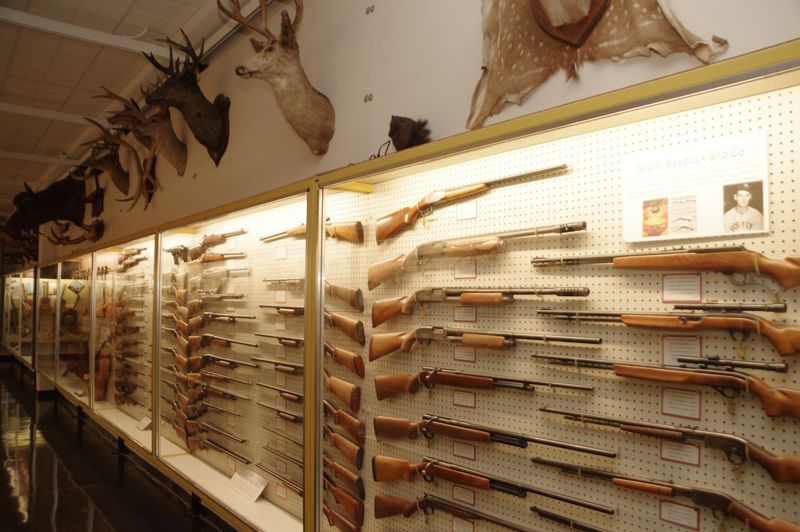
Count the cases and you will lose track quickly.
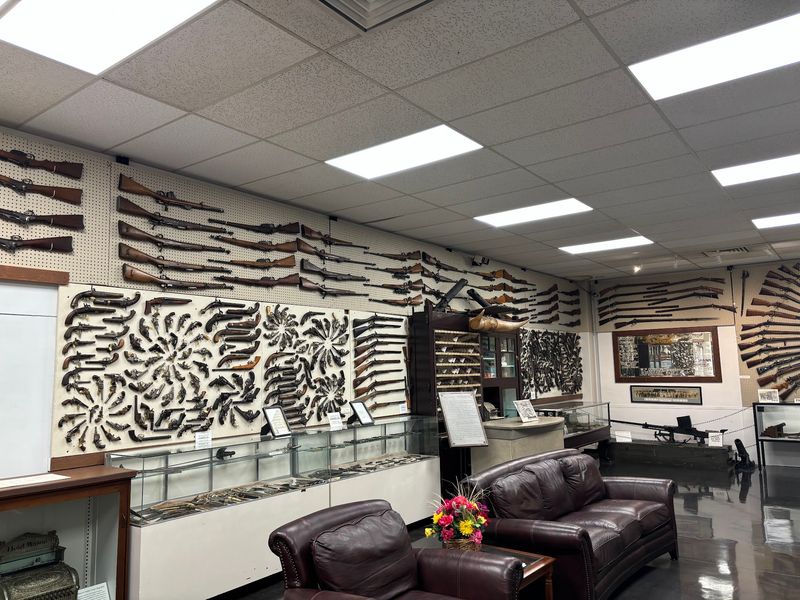
The firearms collection is the heart of the museum, and it stretches through many rows of displays.
Pieces run from the 1700s up to modern models.
Flintlocks, target rifles, hunting guns, handguns, and semi-automatic repeaters all have their place.
One detail sets this collection apart from many military museums.
The focus leans heavily toward civilian firearms, with military pieces making up a smaller share of what is displayed.
That choice turns a walk through the cases into a history of sporting arms going back several hundred years.
Examples from all the major manufacturers appear along the way, along with rare and one-of-a-kind pieces.
Information cards list basics such as make, model, type, caliber, and year of manufacture.
Firearms fans will appreciate the depth, while newcomers may want to read up a little beforehand to get more out of the labels.
A few guests wish for more storytelling on the cards.
Even so, the sheer scale keeps eyes moving from case to case, and rifle fans could easily lose an afternoon in a single aisle.
4. The Outlaw Corner Everyone Talks About
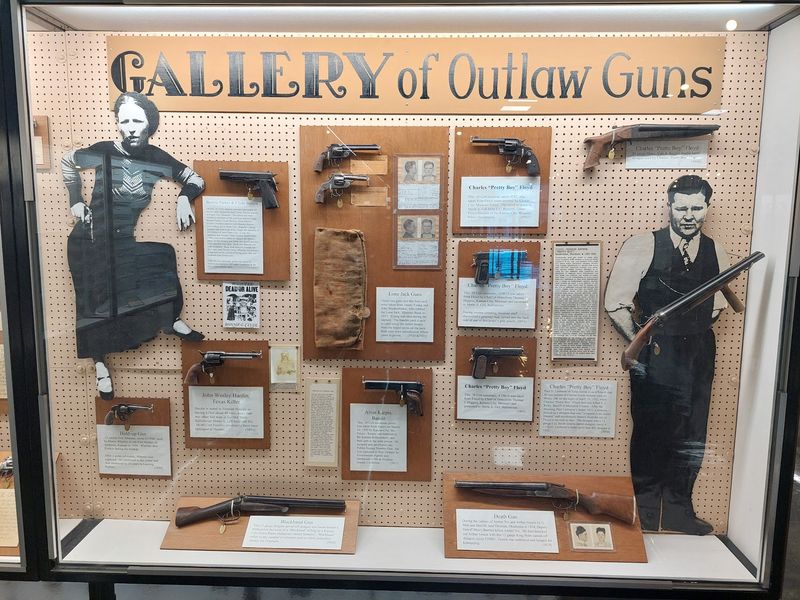
Oklahoma history has its share of rough characters, and this museum gives them a spotlight.
The outlaw section is often named as one of the most interesting areas in the building.
It displays weapons tied to well-known criminals of the 1920s and 1930s, the era of fast cars and front-page headlines.
Crime-related exhibits round out the section and add context to the hardware.
The display brings the gangster era out of old movies and into real objects that once changed hands in real cases.
Nearby is a display of hangman’s nooses that tends to stop people in their tracks.
It is a sober reminder of how frontier and early 20th century justice worked.
Families with younger kids may want to preview this area first and decide how much time to spend there.
Older students studying Oklahoma history, on the other hand, often find it the most memorable stop of the trip.
Outlaw stories have always drawn a crowd in this state.
Here, they come with evidence behind the glass, which beats any campfire tale.
5. Steins, Saddles, and Norman Rockwell
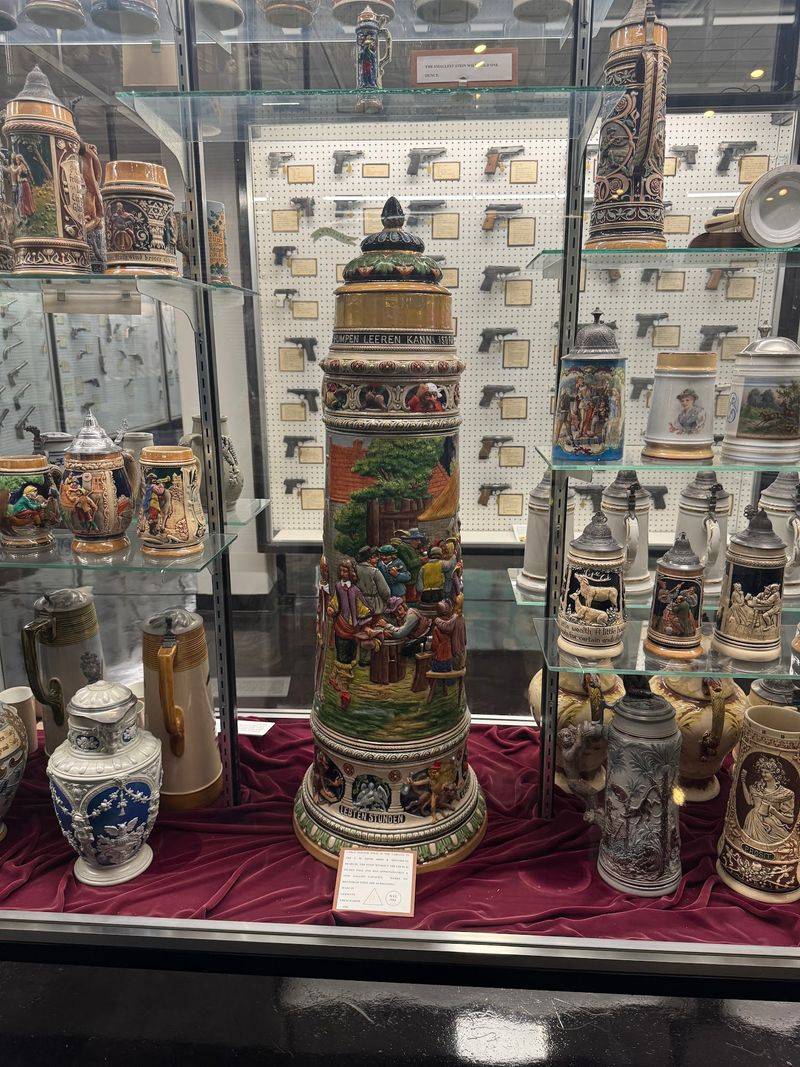
Not a gun person?
Good news, the museum has plenty to keep you busy.
The stein collection is one of the surprise favorites.
Rows of decorative collector steins fill their own displays, and many guests mention them right alongside the firearms.
Western fans will find horse saddles and spurs, along with clothing and attire from earlier times.
Knives and swords add another layer for those who like blades.
A Norman Rockwell exhibit brings a lighter, homespun touch to the building.
Some personal art pieces round out the mix.
These side collections are a big reason the museum works for mixed groups.
A parent who skims the rifle cases can spend real time with the saddles or the artwork while others study calibers.
Several guests point out that the museum holds much more than its name suggests.
Consider these galleries the reason the whole family can say yes to the trip.
6. Native Artifacts and Railroad History
Long before Claremore had a gun museum, it had a history worth telling, and the building gives that history room to breathe.
An extensive collection of Native American artifacts appears among the displays.
For Oklahoma families who care about the heritage of the land, this section adds depth to a visit.
Oklahoma and Claremore local history exhibits also have a home here.
They connect the collection to the town around it, so the museum feels rooted in place rather than random.
Railroad fans get a pretty decent section of their own.
Trains shaped how towns across the state grew, and the exhibit offers a look at that story.
Photos and articles throughout the museum help tie these pieces together.
Many guests say they could return several times and still find new history to learn.
Give these areas some time instead of rushing toward the firearms.
The quiet corners often hold the stories that stick around longest after the drive home.
7. The Founder Who Never Left
Here is the twist that catches most people off guard.
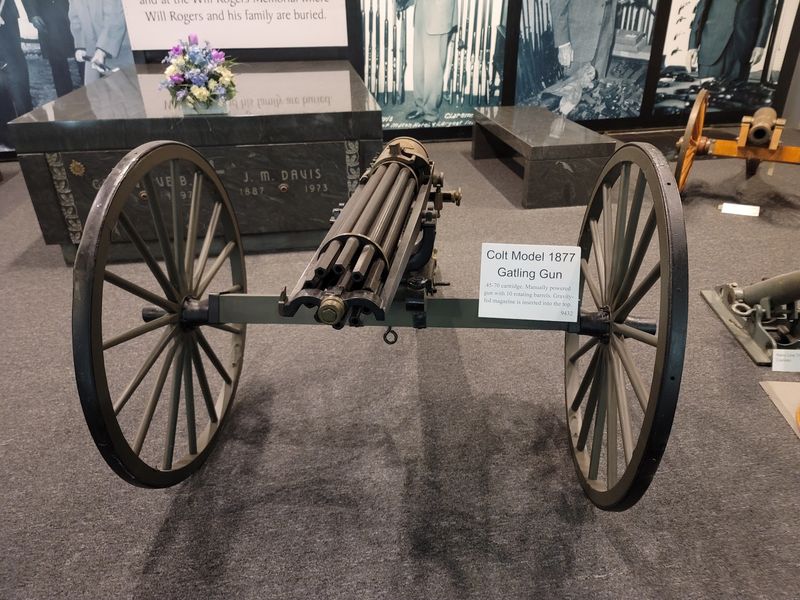
J.M.
Davis and his wife are laid to rest inside the museum.
Many guests had no idea before arriving and call it one of the most unexpected parts of the trip.
Some families joke that you can sort of meet J.M.
Davis during your visit.
It is a respectful, quiet spot, and it adds a personal layer to everything else in the building.
The detail also says a lot about the collector’s connection to this place.
He did not just build the collection, he chose to stay with it.
Younger visitors may have questions, so a quick heads-up beforehand helps.
Most people walk away finding it more fascinating than strange.
Few museums can claim their founder is still part of the tour.
Keep an eye out for this spot, since it tends to become the story people tell first when friends ask about the trip.
8. A Virtual Range and Other Hands-On Moments
Kids who love buttons and screens have something to look forward to.
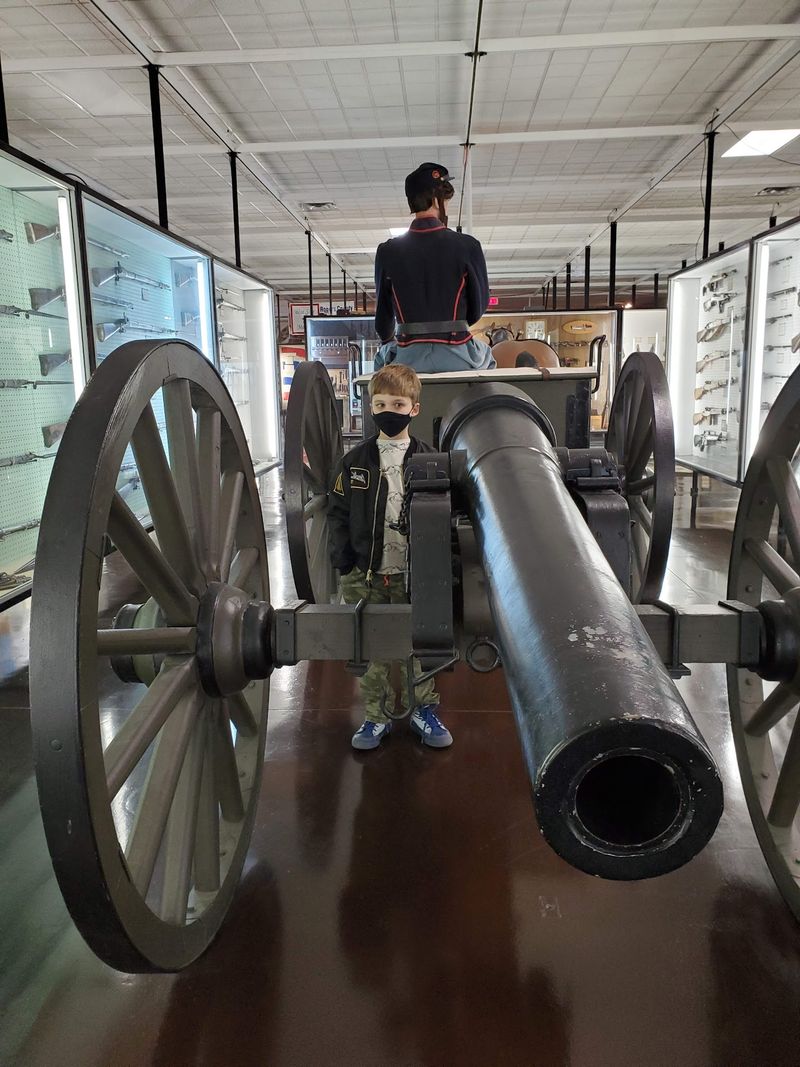
The museum features a virtual shooting range that has won over young enthusiasts.
One parent shared that a son’s excitement at the simulator made the whole stop worthwhile.
It offers a safe, interactive way to engage with the subject.
For teens who already follow firearms history, it can be the highlight of the day.
Beyond the simulator, the experience is mostly about browsing displays.
Benches and seating are placed around the building, which helps when feet start to complain after an hour or two.
Background music plays as guests stroll through, keeping the mood relaxed.
The layout makes it easy to wander at your own speed without feeling rushed.
Hands-on features may change over time, especially with recent remodeling.
A quick call before the trip can confirm what is running, so nobody in the back seat gets their hopes up for nothing.
9. Friendly Faces at the Front Desk
First impressions count, and the staff here seem to know it.
Guests repeatedly describe the people at the front desk as warm, welcoming, and knowledgeable.
One family said the greeting set the tone for their entire visit.
Staff members are often praised for answering questions with real knowledge of the collection.
That help comes in handy given how bare-bones some display cards can be.
The building itself earns compliments for being clean and well organized.
Displays are arranged so guests can follow a logical path through the rows.
The atmosphere suits history buffs, firearms enthusiasts, Route 66 travelers, and curious families.
Some guests even planned an overnight stay in Claremore just to see the museum properly.
Not everyone loves every detail, of course.
A few mention case lights that were out, but the overall welcome keeps people coming back, and many return more than once.
10. Donations, Cash, and One Firm Rule
Free is a big word in a family budget, so here is how it works.
There is no set admission fee.
The museum is donation based, and many guests are amazed that a museum of this caliber still asks for no ticket.
A posted sign has listed a customary donation of $5 for a single guest and $10 for a family.
Bringing cash is a smart move, since one guest did not spot a card machine.
Most people say staff are not pushy about it.
Still, expect a polite mention of the suggested amount at the desk, and know that these figures may change.
One firm rule matters a lot.
Because it is a state-owned building, carrying a firearm inside is against the law, so leave yours at home or secured elsewhere.
A small gift shop sits on site, stocked mostly with Route 66 gear.
It makes a nice stop for a souvenir that proves you found Oklahoma’s best-kept collection.
11. Hours, Timing, and Remodeling Notes
Timing your trip right makes all the difference.
The museum is open Tuesday through Saturday from 10 AM to 5 PM.
It is closed on Sunday and Monday, and hours may change, so check the official website before driving.
Plan on at least two hours.
Many guests stay two and a half to four hours, and some say a full day still is not enough.
Everything sits on one level, which makes the building wheelchair friendly.
Strollers and slower walkers will have an easy time moving between rows.
Recent remodeling is worth knowing about.
In May 2026, the main entry was under construction and several exhibits were closed, while the west entrance stayed open.
Calling ahead helps you learn which galleries are available.
Updates in recent years have drawn praise, so the remodel may bring fresh surprises worth the return trip.
12. Why This Collection Earns a Weekend Drive
Oklahoma is far more than flat prairie, and Claremore makes a strong case for that idea.
The museum sits close to the Route 66 corridor, which makes it an easy add-on for travelers following the Mother Road.
Families from Tulsa and surrounding towns can treat it as an easy weekend outing.
Some regulars pair the trip with lunch at a spot down the road.
That turns a museum stop into a relaxed half-day adventure.
The appeal is simple.
One man’s lifelong collecting habit became a massive public display, packed with outlaw relics, centuries of firearms, steins, saddles, and local heritage.
It is not perfect, and some labels could use more detail.
Yet the scale, the welcome, and the donation-based entry make it hard to pass up.
Pack some cash, clear an afternoon, and bring someone curious.
The boy who started collecting would surely approve of a new generation wandering his rows of history.
Share this story