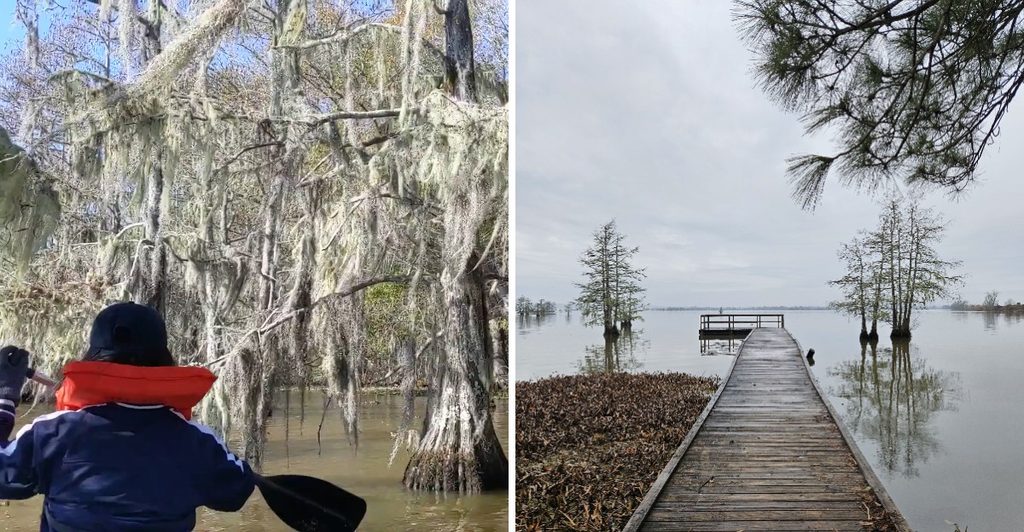
Nearly 14 miles of marked paddling trails wind through one East Texas park. Alligators, egrets, and cypress-lined sloughs come along for the ride.
The water here comes in three flavors. You get quiet backwater sloughs, a wide reservoir, and the flowing Neches River. I like how one park packs all of that into a single weekend.
This corner of Texas sits at the northern edge of the Big Thicket. Pine forests and wetlands meet right at the shoreline. Kayaks wait for rent at a self-serve kiosk, so you don’t even need your own boat.
I can’t imagine a better place to try paddling for the first time. Or the fiftieth time, honestly.
1. Three Kinds of Water Are Waiting for Your Paddle
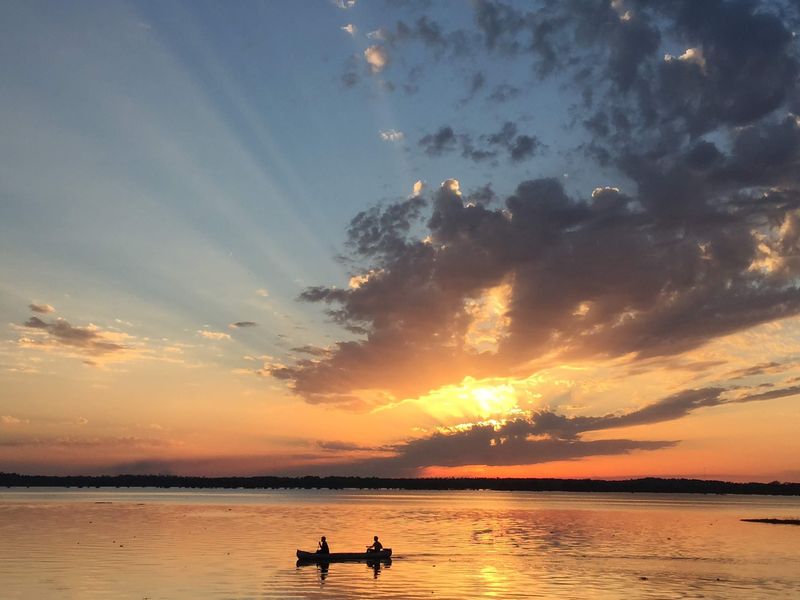
Most parks give you one lake and call it a day. Martin Dies, Jr. State Park hands you nearly 14 miles of marked paddling trails instead.
Those trails cover very different waters. Some glide through backwater sloughs along Spring Creek. Others push out onto B.A.
Steinhagen Lake or follow the moving current of the Neches River.
The named routes make planning easier. Walnut Slough Paddling Trail runs about 2.97 miles, which suits a relaxed morning. Sandy Creek Paddling Trail stretches about 6.11 miles for paddlers who want a longer outing.
Then there’s the Neches Paddling Trail at about 3.24 miles. River paddling feels different from lake paddling, so it’s a nice change of pace. The park also lists a fourth route called the Bevilport Paddling Trail.
My advice is simple. Start with a shorter slough trail if you’re new to kayaking. Save the river or the long Sandy Creek loop for when your arms feel ready.
Grab a trail map before you launch. Backwater channels can look alike, and a map keeps your adventure fun instead of confusing. Good luck choosing just one route.
2. No Kayak? A Kiosk Has You Covered
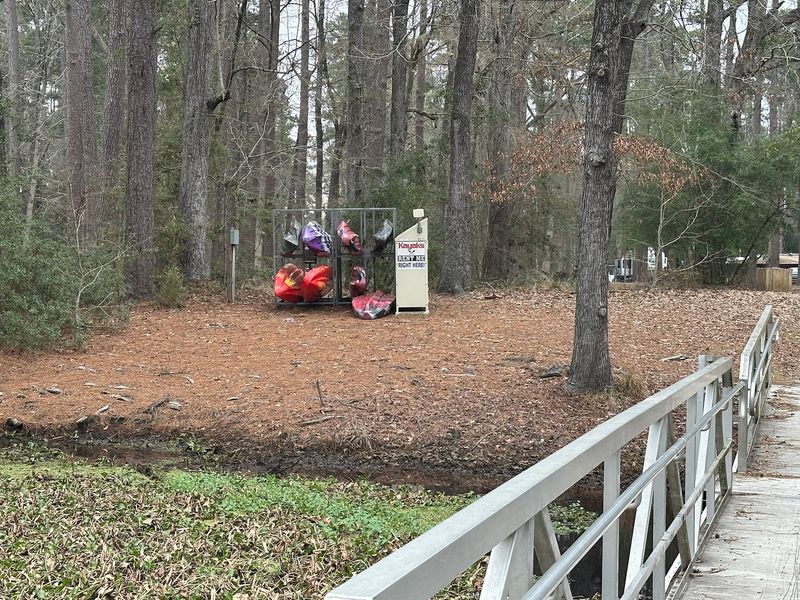
Showing up without a boat is no problem here. The park rents both canoes and kayaks at its headquarters.
Even better, kayaks are available from an automated kiosk in the Hen House Ridge Unit. That feels a little like a vending machine for adventure. I love that idea.
Pick your boat based on your crew. Canoes hold up to four people, so they work well for families or small groups. Kayaks are built for solo paddling, which suits anyone who wants quiet time on the water.
Of course, you can bring your own watercraft too. Plenty of paddlers haul their own boats and launch from the park. Either way, you get access to the same beautiful trails.
Headquarters runs daily from 8:30 a.m. to noon and again from 1:15 p.m. to 5 p.m. Plan your rental around those hours if you want a canoe.
A smart tip for any rental day is to pack water, sunscreen, and bug spray. East Texas wetlands are humid and buggy. Your future self will thank you halfway down the slough.
3. Let a Ranger Lead the Way on the Water
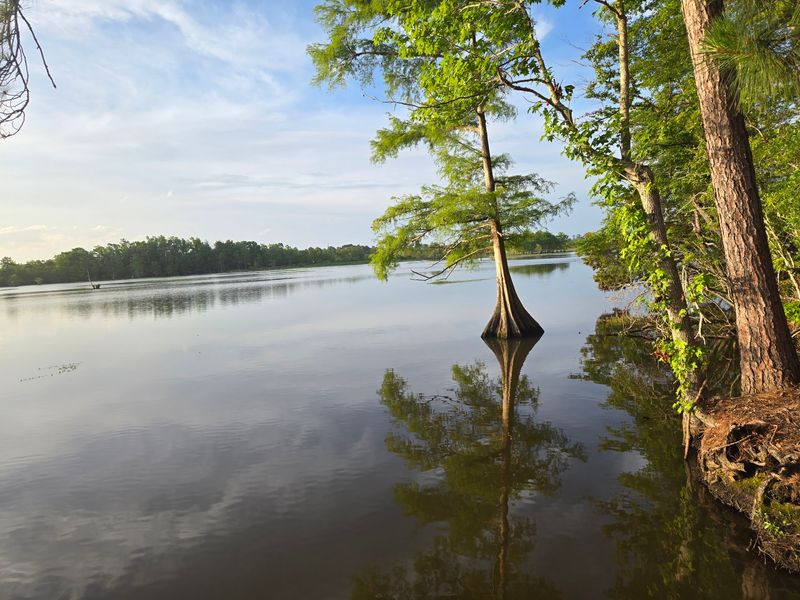
Nervous about getting turned around in the backwaters? Guided paddling trips solve that problem nicely.
Martin Dies, Jr. State Park offers guided paddling trips throughout the year. Space is limited, so reservations are required. Book early if you have your heart set on a certain date.
A guided trip is a great choice for beginners. You learn the waterways from someone who knows them well. You also pick up interesting facts about the plants and animals around you.
Paddling tours are only part of the ranger lineup. The park also hosts nature hikes, night hikes, star parties, campfire programs, geocaching, and history programs. That’s a lot of choices for one park.
The Nature Center adds hands-on activities for all ages. It’s a handy stop before your paddle, especially with curious kids in tow.
Check the park calendar before your trip. Programs change through the year, and the right one can turn an ordinary weekend into a memorable one. Who knew a guided paddle could double as a nature class with a view?
4. Keep Your Eyes Peeled for Gators and Egrets
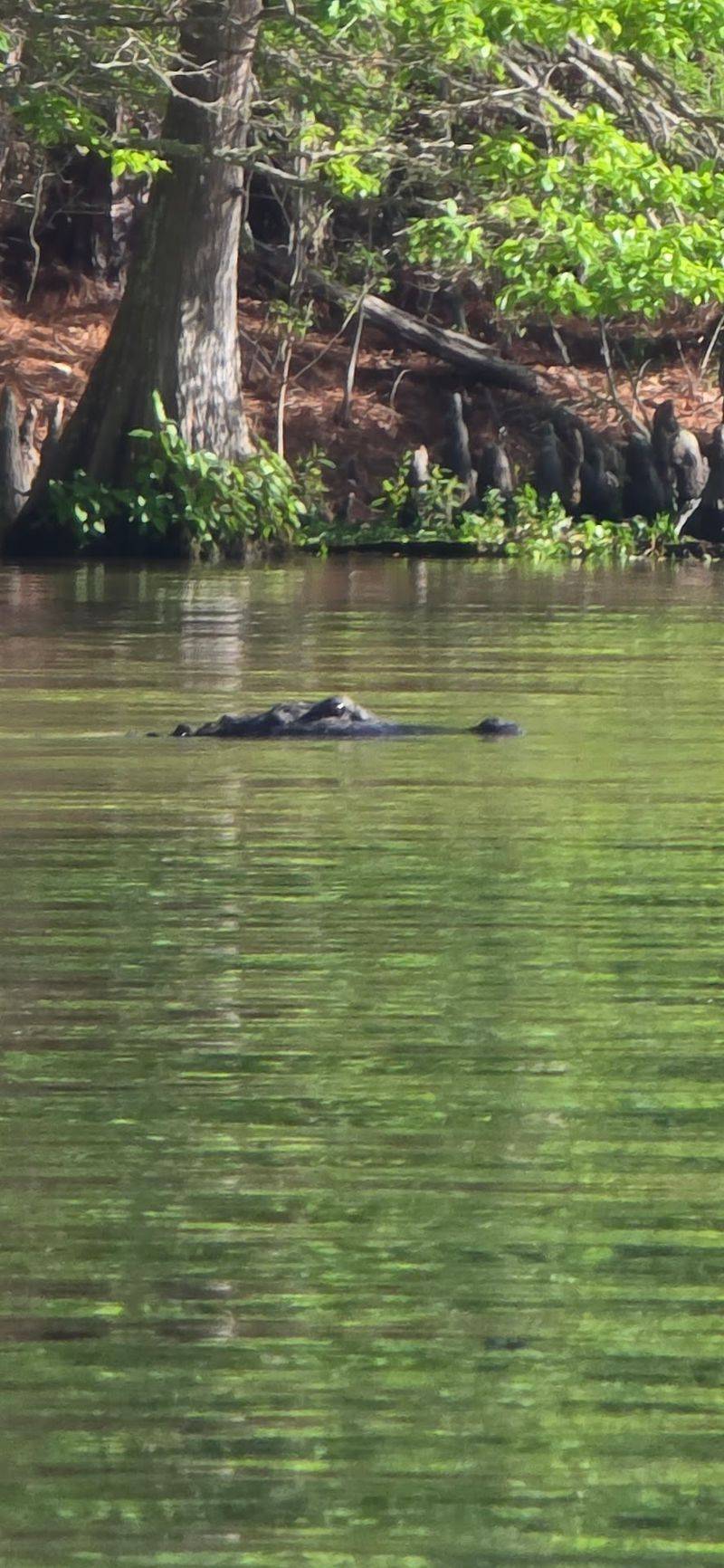
Alligators live here. Yes, really, and that’s part of the thrill.
Martin Dies, Jr. State Park sits where the Angelina and Neches rivers meet. It also rests at the northern edge of the Big Thicket. That mix creates a busy home for wildlife.
Common sightings include deer, armadillos, egrets, bats, and waterfowl. Bird lovers can watch for woodland warblers and woodpeckers in the trees. Alligators round out the list, adding plenty of excitement to any paddle.
Give every gator lots of space. Never feed or approach them, and keep pets close to you. Respect makes the experience safe for everyone, including the gators.
Paddling gives you a front-row seat to all this action. Kayaks glide quietly, so you can drift closer to birds without scaring them away. Early mornings and evenings are often good times for wildlife watching.
Bring binoculars and a waterproof bag for your phone. You’ll want photos of that egret posing on a log. Just keep one hand on your paddle while you snap away.
5. Stay the Night and Paddle at Sunrise
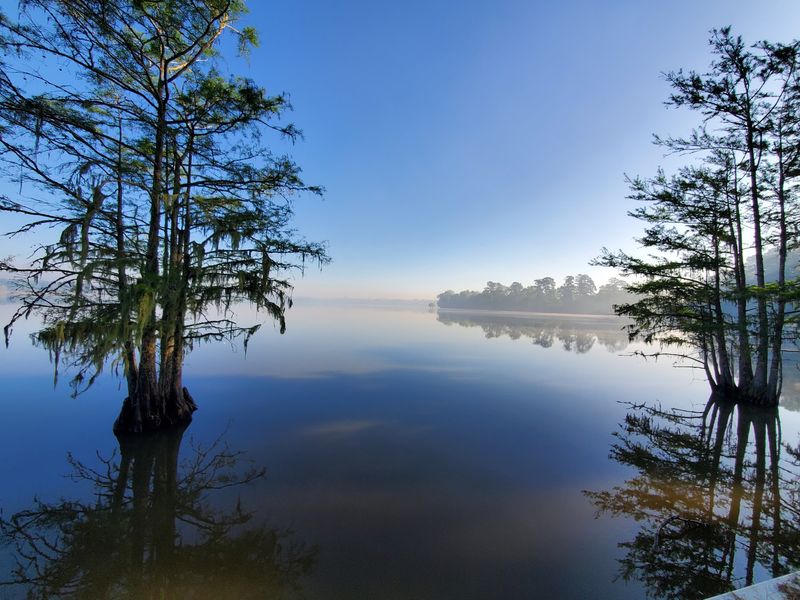
Over 200 campsites spread across this park. Most offer water and electric hookups, which makes RV and tent camping easier.
Prefer walls around you? Screened shelters and cabins are available for overnight stays too. Some screened shelters back right up to the water, so the lake becomes your front yard.
Staying overnight changes your paddling game. You can launch early when the water is calm and the birds are active. Then you can head out again for a golden evening paddle.
Reservations are highly recommended for all lodging. The busiest stretches run from September through Thanksgiving and from March through Independence Day. The park can fill up, so plan ahead during those seasons.
Restrooms with showers, picnic areas, and a dump station round out the setup. A park store at headquarters helps if you forget a few small items.
Some construction is happening now. Restrooms in the 100 and 200 loops are closed until February 2027. Showers remain open in the 300s loop and the 400s shelter area, so pick your spot wisely.
6. Cast a Line Between Paddling Sessions
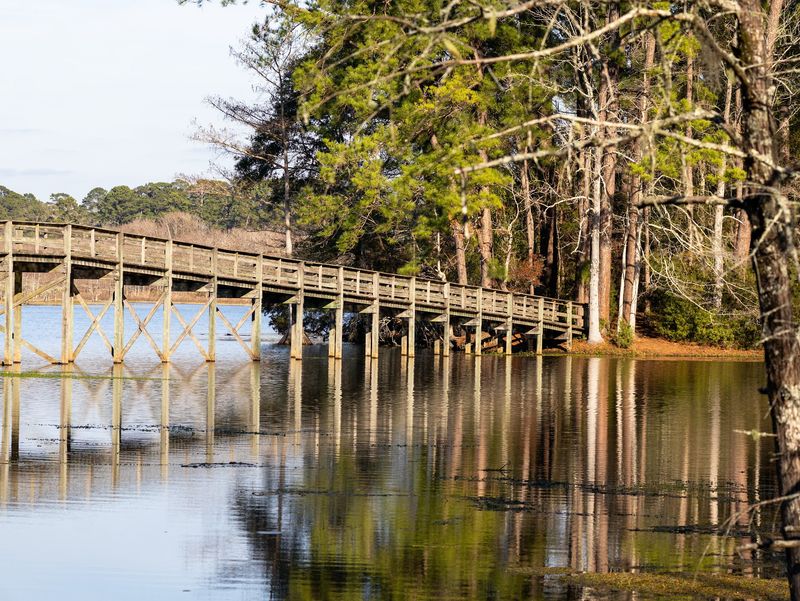
Catfish, bass, perch, and crappie all swim in these waters. That’s a tempting list for anyone who owns a rod.
Anglers can fish B.A. Steinhagen Lake, the Neches River, and the Angelina River. The park has several small, lighted fishing piers.
Bank fishing is also allowed from many campsites.
Here’s a nice perk. In a Texas state park, you don’t need a fishing license when fishing from shore or a pier. That makes it easy for families to give fishing a try.
Fishing from a kayak opens even more water. Quiet coves and backwater sloughs are fun to explore with a line in the water. Just secure your gear so nothing ends up overboard.
A fish cleaning facility is part of the park’s amenities. Right now, though, the station at the Hen House Ridge Unit is closed for construction until February 2027.
The Hen House boat ramp is also closed until early spring 2027. Check current alerts before you load the boat. A little planning saves a lot of backing up.
7. Dry Land Has Its Own Charms
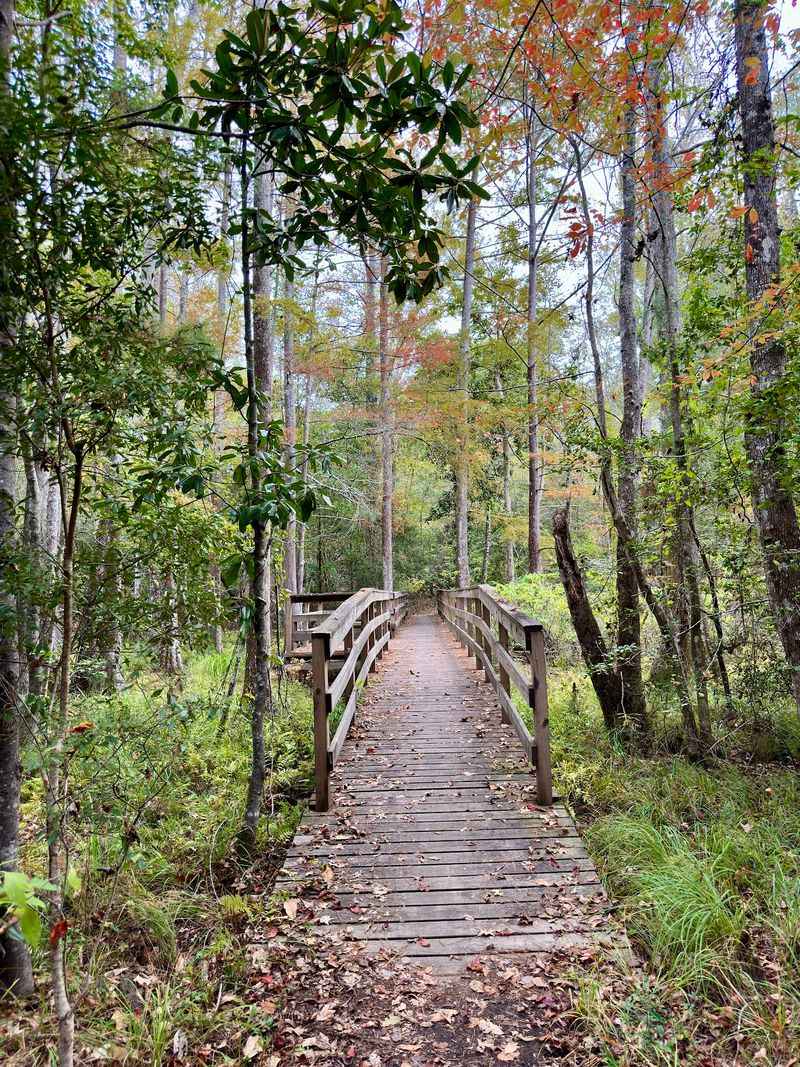
Sore arms after a long paddle? Your legs are ready to take over.
Martin Dies, Jr. State Park offers easy, scenic day hikes through pine forests and wetlands. Some trails follow the reservoir, giving you fresh views of the water you just paddled. Most are short and well marked.
That makes them great for families with young hikers. Nobody needs to be a trail expert to enjoy them. A morning walk fits nicely between a paddle and a picnic.
Mountain biking is also an option here. Rolling through the trees is a fun way to see more of the park in less time.
Most of the forest is second-generation growth. Still, some old-growth trees remain, which is a cool bonus for tree fans. Keep looking up as you walk.
Pack bug spray before you hit the trail. This is a water-heavy park in humid East Texas, and mosquitoes know it. Closed-toe shoes and plenty of water also help, especially during warm months when the air feels thick.
8. Kids Get Their Own Adventure Badge
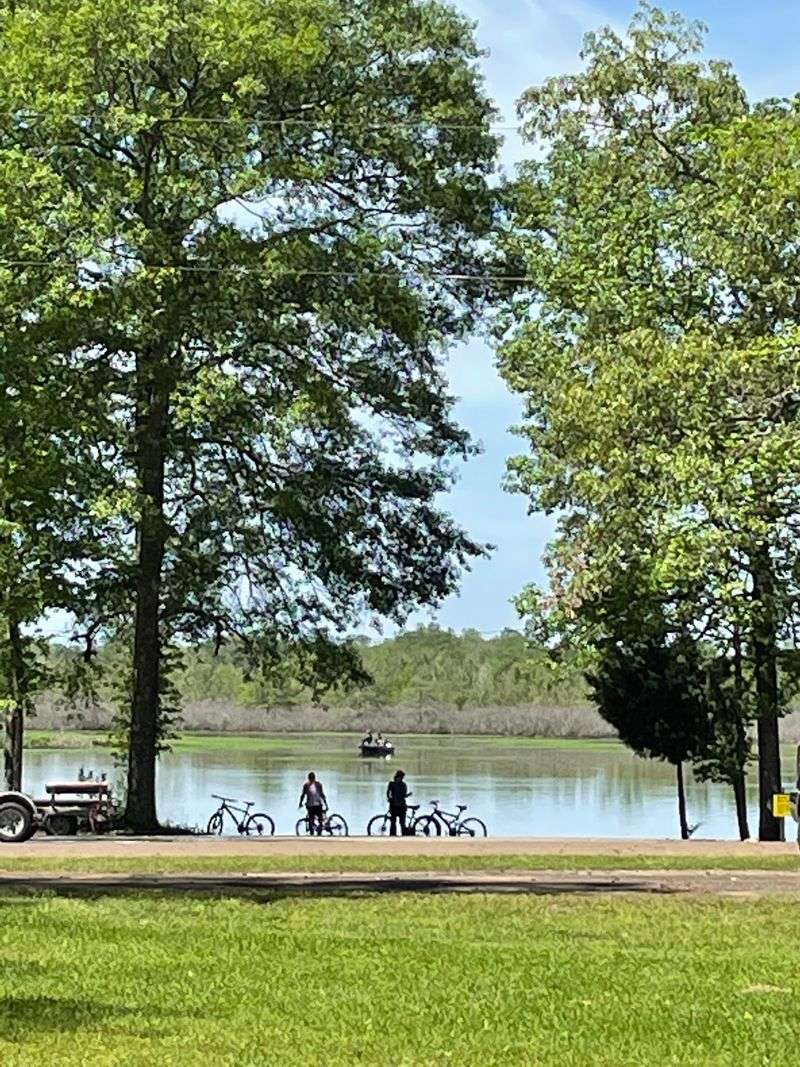
Junior Rangers can earn a badge at this park. That’s a pretty great souvenir for a young explorer.
Kids can borrow Explorer Packs and complete activity journals. Finishing the activities earns them the badge. It turns a family trip into a fun little mission.
The park also has playgrounds and volleyball courts. Those come in handy when energy levels are high and patience is low. Every parent knows that moment.
A designated swim area sits in the Hen House Ridge Unit. Swimming along the lakefront is popular, but no lifeguards are on duty. Keep a close eye on little swimmers at all times.
The Hen House day-use area is open, even with nearby construction. Day use runs daily from 6 a.m. to 10 p.m. all year. Reservations are recommended for day visits too.
Canoes that hold up to four people make family paddling simple. Kids can ride along and spot birds while adults handle the steering. Snacks in the canoe are strongly encouraged, for obvious reasons.
9. The Name Has a Story Worth Knowing
This park opened in 1965 with a much plainer name. It was first called Dam B State Park.
Later that same year, it became Martin Dies, Jr. State Park. The name honors a Texas state senator who worked to improve the state park system. Much catchier, right?
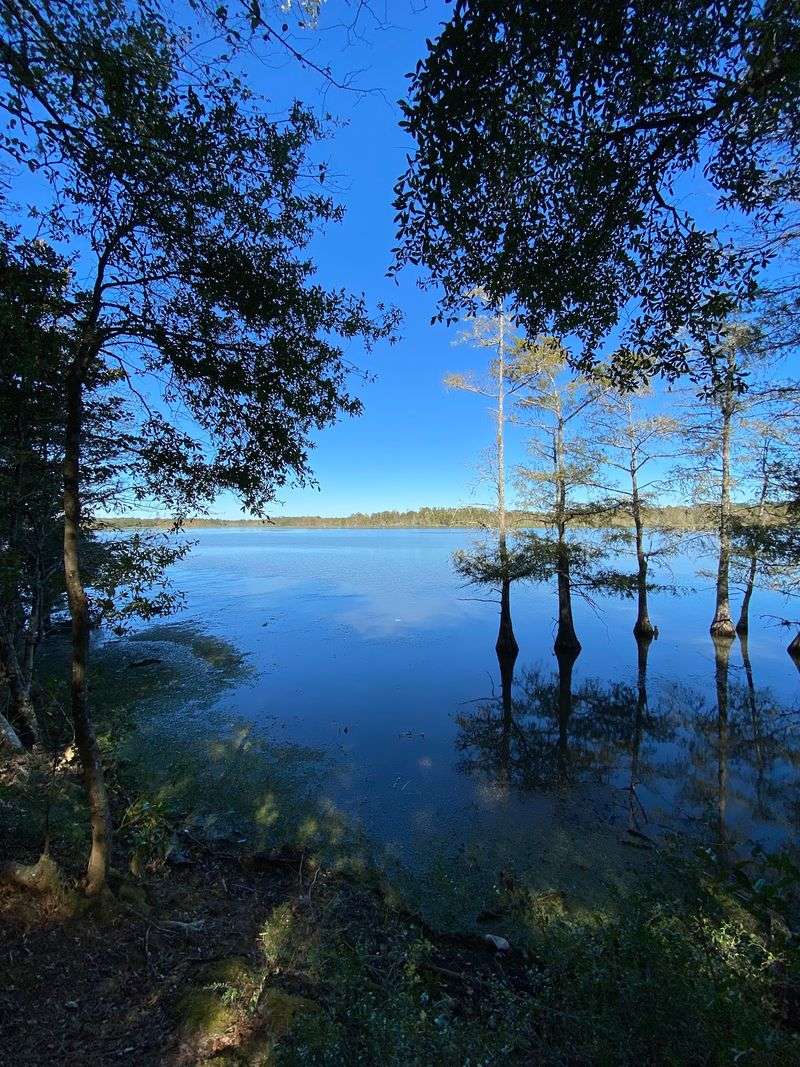
The water has its own backstory. Town Bluff Dam and B.A. Steinhagen Reservoir were built on the Neches River in 1951.
The state leased the park’s land from the U.S. Army Corps of Engineers in 1964.
History here goes back much further. Archaeological evidence shows Caddoan tribes lived in the area for thousands of years. The Neches River is even named after one of those tribes.
Finding the park is easy. Head to 634 Park Road 48 S, Jasper, TX 75951. It sits between Jasper and Woodville in East Texas.
Knowing the history makes each paddle feel richer. Those quiet waters carry centuries of stories. That’s a lot of meaning for a peaceful afternoon in a kayak.
Share this story