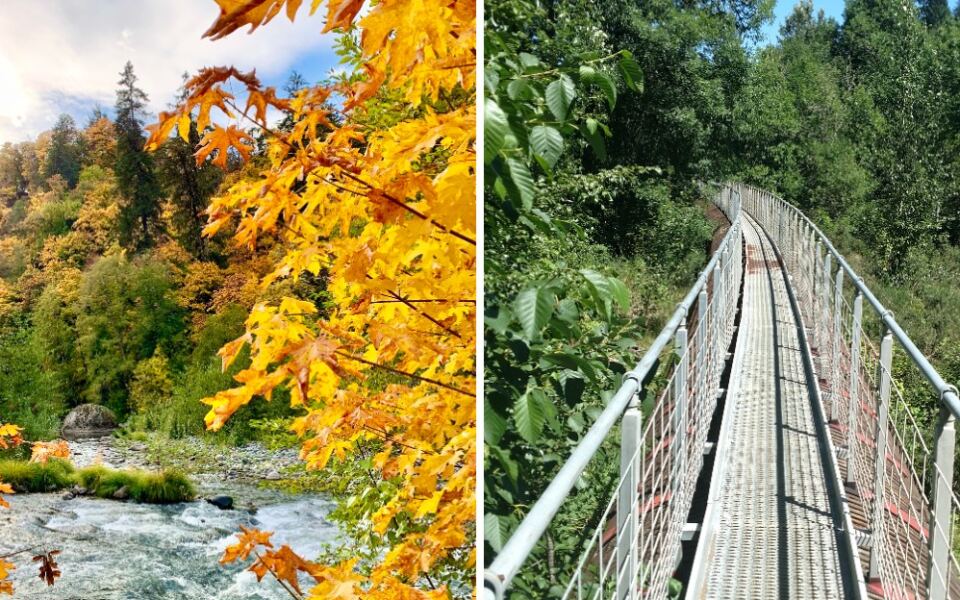
Some trails lead to waterfalls or summits. This one in Hood River follows something far less flashy and far more interesting: an old water pipeline. The route is short, at about 2.8 miles, but it carries a story about how people in this corner of Oregon built and used the things they needed.
A pipe and a flume may not sound like a weekend plan, yet that is exactly what makes the walk worth a closer look. In the sections ahead, you will learn where the trail sits, why its industrial bones matter, and what to know before you lace up. Keep reading, because this little trail has more to say than its length suggests.
A Pipeline Path Near Hood River
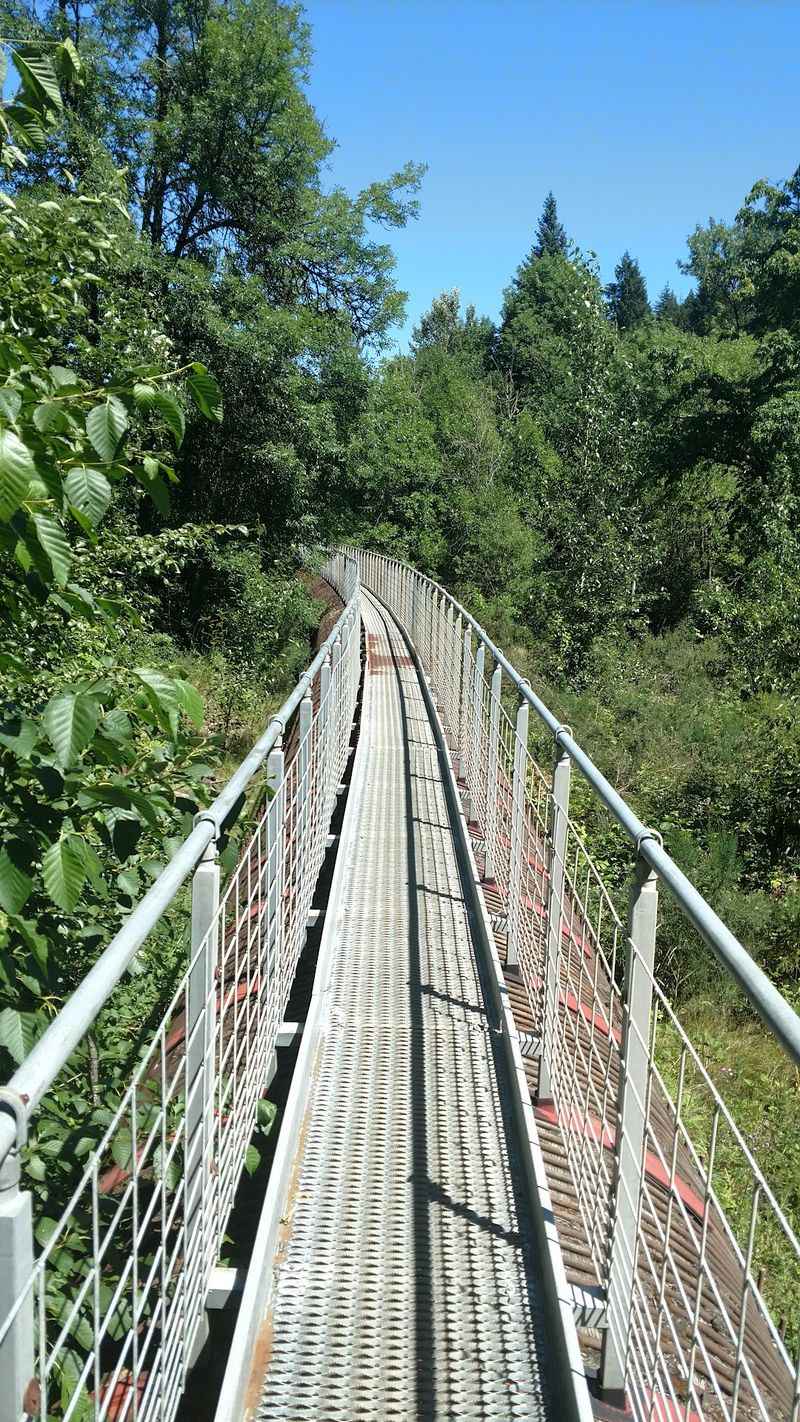
Short trails rarely get much attention, and that is a shame in this case. The Hood River Penstock Flume Pipeline Trail sits near Hood River, Oregon 97031, in the Columbia River Gorge region of the United States.
The name is a mouthful, and every word in it tells you something. A penstock is a pipe that carries water, usually toward a place where that water is put to work.
A flume is a channel built to move water across the land. Put those two ideas together, and you get a route shaped by engineering instead of by a scenic whim.
The trail runs about 2.8 miles, which keeps it in reach for many walkers. That length is short enough for an easy outing and long enough to give the story room to unfold.
Plenty of Oregon trails are known for peaks or forests alone. This one stands out because the path itself follows a piece of working history.
The idea is simple: walk where the water once traveled. The rest of this article explains why that idea is worth the trip.
What a Penstock Actually Does
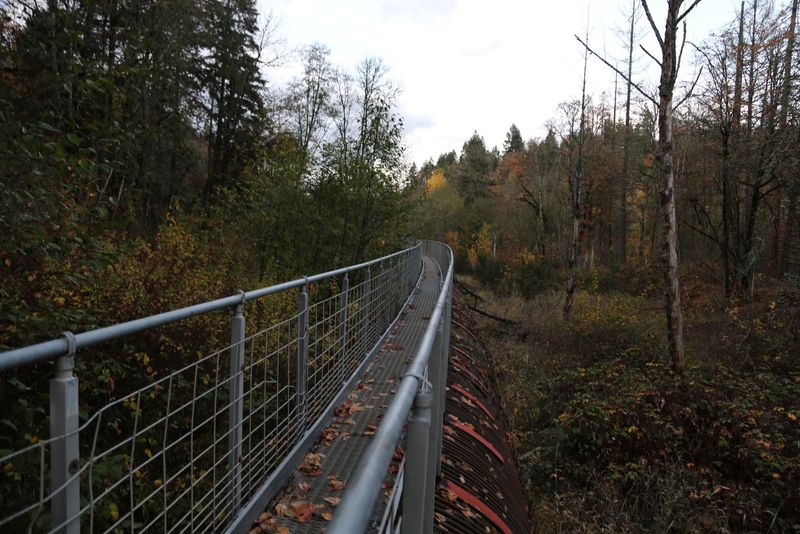
Ask most people what a penstock is, and you may get a puzzled shrug. The word is old, practical, and a little obscure.
In basic terms, a penstock is a large pipe built to channel water from one place to another. These pipes have long been tied to water systems and power generation.
Gravity does much of the heavy lifting. Water moves downhill through the pipe, and that motion can be put to use.
Knowing this changes how the trail reads. The path is not random, because it follows the logic of moving water across a slope.
That gives the walk a quiet purpose. Every stretch connects to a decision someone once made about how to carry water efficiently.
A little vocabulary turns a stroll into a lesson, and nobody has to sit through a lecture to get it.
Decades in Every Plank
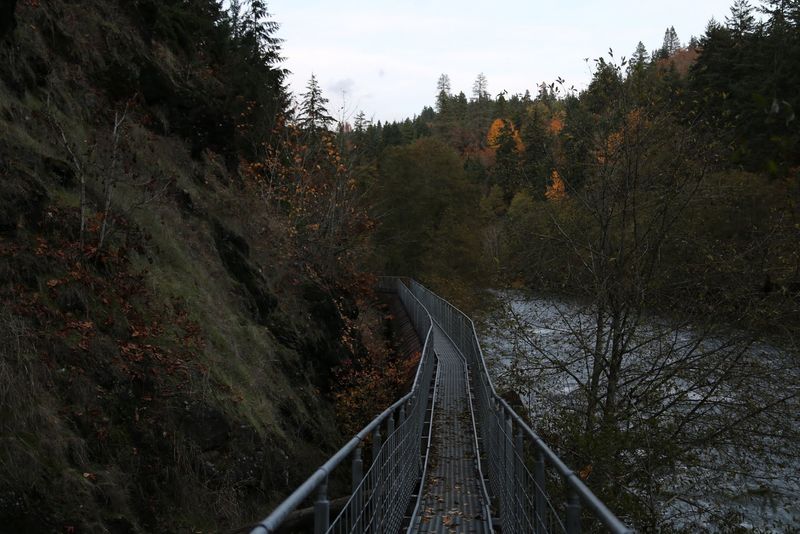
History does not always sit behind glass. Sometimes it stays outdoors, right where it was built.
The title promise of traveling decades into the past fits this trail well. The flume and pipeline belong to an earlier era of water infrastructure in the Hood River area.
Structures like these were built to serve communities and industry. Over time, many of them faded from daily notice even as they stayed in place.
Walking beside one offers a different kind of history lesson. There is no tour script, just the structure and the route it shaped.
That direct contact is part of the appeal. It lets curious minds ask how the system was built and what it once supported.
The answers may stay partly a mystery, and that is fine. A good trail leaves a few questions for the drive home.
The Gorge as a Backdrop
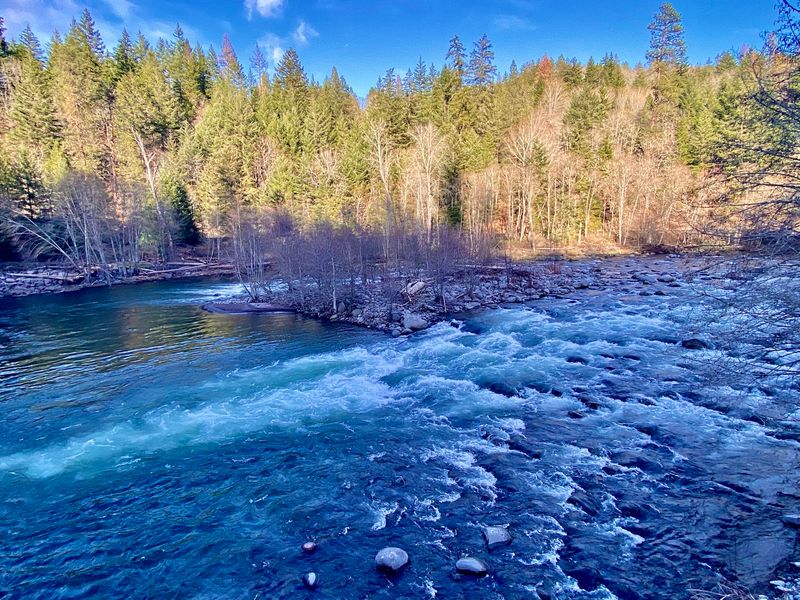
Location is half the story here. Hood River sits along the Columbia River Gorge, one of the most recognized landscapes in Oregon.
The gorge is known for steep terrain and moving water. That combination explains why a pipeline system made sense in this area in the first place.
Slopes give water the drop it needs. Engineers took advantage of that terrain rather than fighting it.
For walkers, the setting adds a regional frame to the history. The trail is a small piece of a much bigger landscape.
Hood River itself draws plenty of outdoor fans. This trail offers a lower-key option that pairs well with time in town.
Big scenery, small path. That balance is a big part of the charm.
Why 2.8 Miles Is the Sweet Spot
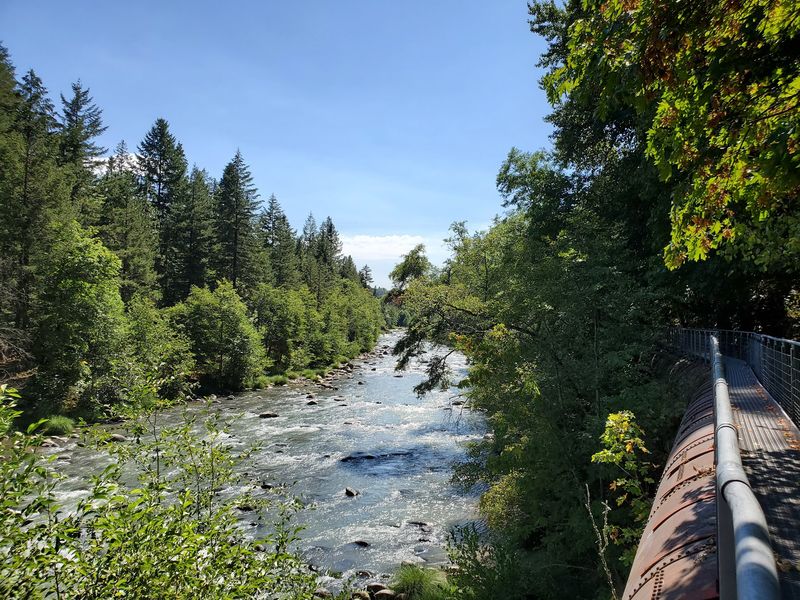
Not every outing needs to be an endurance test. Sometimes the best trail is the one that fits into a morning.
At about 2.8 miles, this route lands in a comfortable range. It works for a short break, a family walk, or a warm-up before other plans.
Shorter distances also invite slower pacing. There is time to stop and take a real look at the pipeline and flume.
That pace suits a history-focused walk. Rushing past old infrastructure misses the point.
Distance can matter for planning, too. A shorter trail leaves room for errands, lunch in town, or a second stop in the gorge.
Less mileage, more attention. It turns out that trade works nicely.
A Preservation Story Worth Telling
Oregonians tend to hold on to familiar places. Old drive-ins, small-town landmarks, and working relics all carry local memory.
A trail beside a historic pipeline fits that tradition. It keeps an old piece of community infrastructure visible instead of letting it vanish from sight.
Places like this remind people how towns were built. They also show that preservation does not always mean a grand building.
Sometimes it is a humble pipe on a hillside. That is still part of the region’s story.
Free-to-explore history also has value for everyday budgets. A walk outdoors costs far less than many weekend activities.
Keeping places like this in public view is a quiet win for the whole community.
Calm Over Crowds
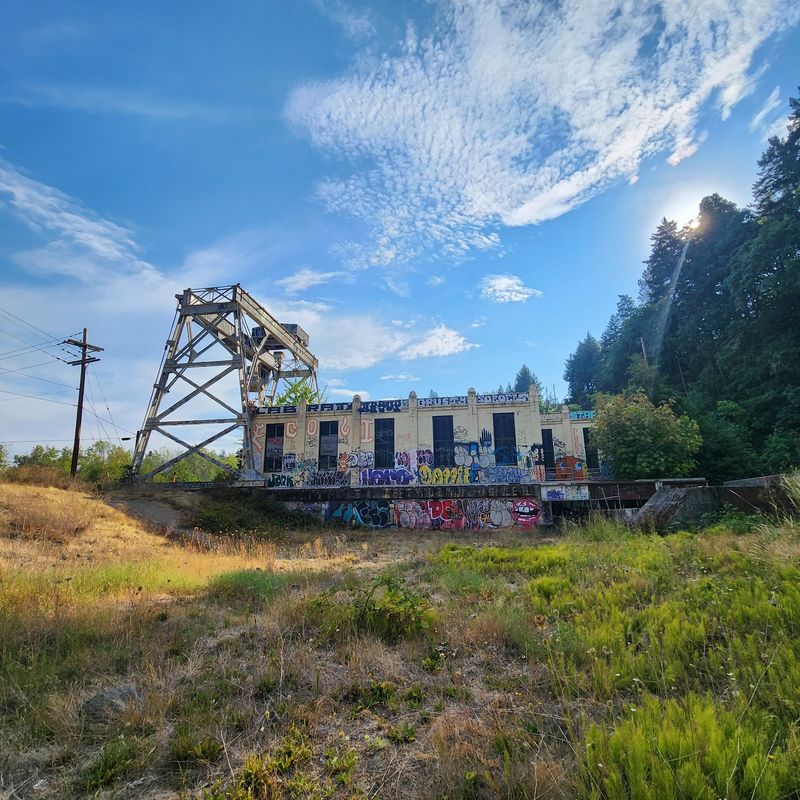
Popular gorge trails can get busy. This one has a quieter reputation simply because it is less famous.
The focus here is not a dramatic finish line. It is the steady walk along a path with a backstory.
That changes the mood. People tend to come for a relaxed outing rather than a race to a viewpoint.
Solo walkers may enjoy the chance to think. Small groups can chat about what the pipeline once did.
A quiet trail also suits early risers and anyone who prefers a slower start to the day.
Fame is overrated, at least when it comes to trails.
Finding the Trailhead
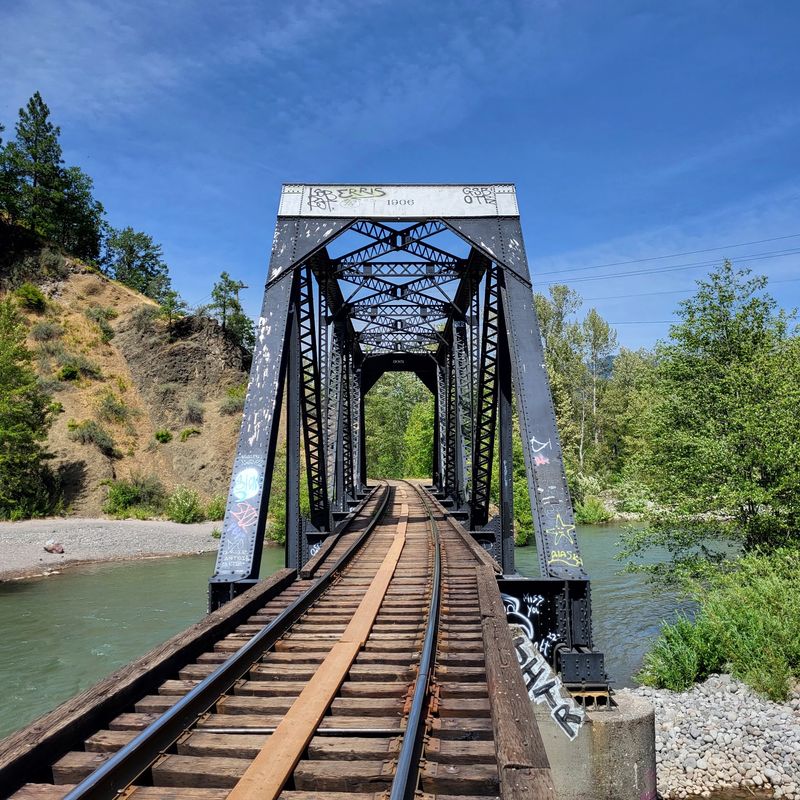
Directions matter more than usual on lesser-known trails. The listed location is Hood River, Oregon 97031.
Since the address is general, a map app search for the trail name is the easiest way to reach the start.
Checking the route before leaving town saves time. Cell signal can vary in the gorge.
Downloading an offline map is a smart move. So is noting landmarks along the way.
Parking details are not covered here, so arriving early gives more flexibility.
A little prep keeps the adventure about the trail, not the search for it.
Hours, Fees, and Fine Print
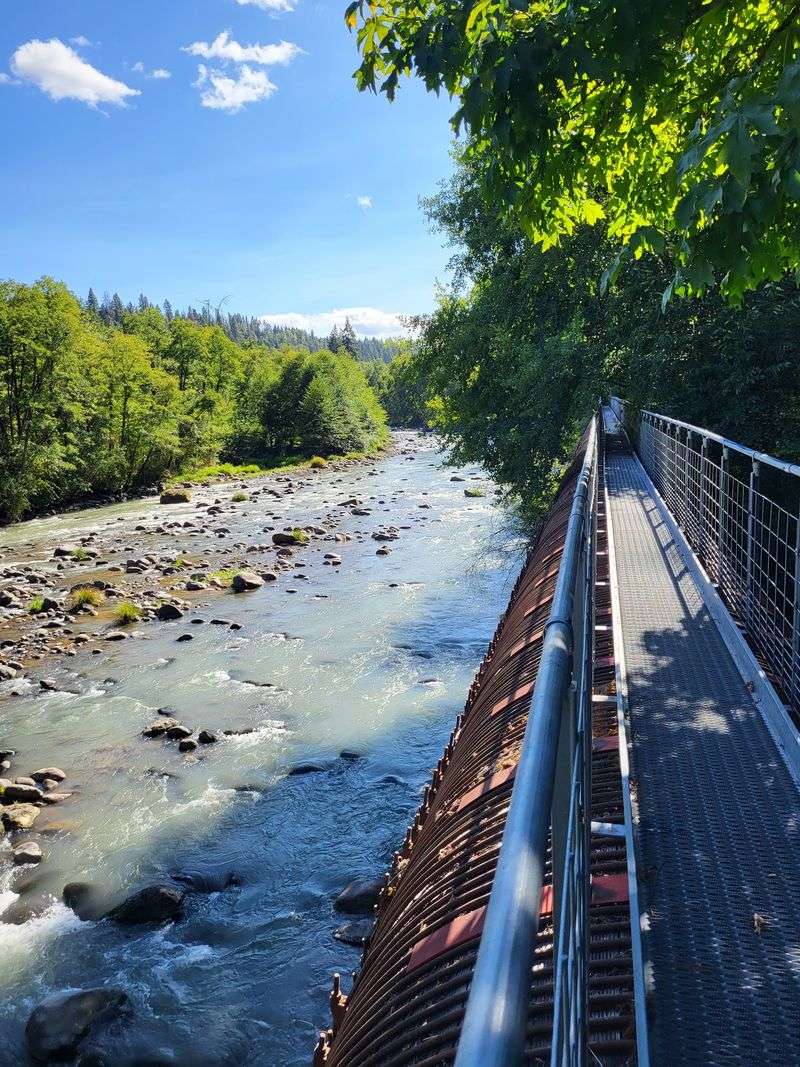
Practical facts can be scarce for small trails. Specific hours and fees for this route are not listed in the available information.
That means checking current local sources before heading out is wise. Hood River County or city resources may offer updates.
Conditions can change with weather and maintenance. A quick check helps avoid surprises.
Respecting any posted signs on site is essential. Old infrastructure deserves careful treatment.
Staying on the marked path protects both walkers and the structure.
Reading the fine print is not glamorous, but it keeps the day running smoothly.
What to Pack for the Walk
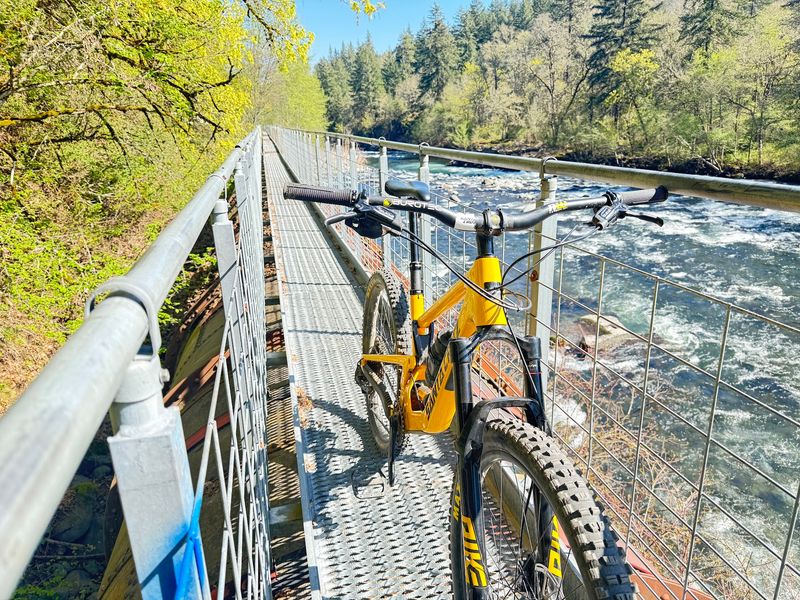
A short trail still deserves a little planning. Gorge weather can shift quickly.
Sturdy shoes are a good start. A light layer helps with changing conditions.
Water is always smart, even for a 2.8-mile walk. A small snack does not hurt either.
A phone with an offline map adds peace of mind. A camera is handy for capturing the pipeline.
Leave no trace habits apply here as much as anywhere. Pack out everything brought in.
Light gear, light load, and a full afternoon of history.
Share this story