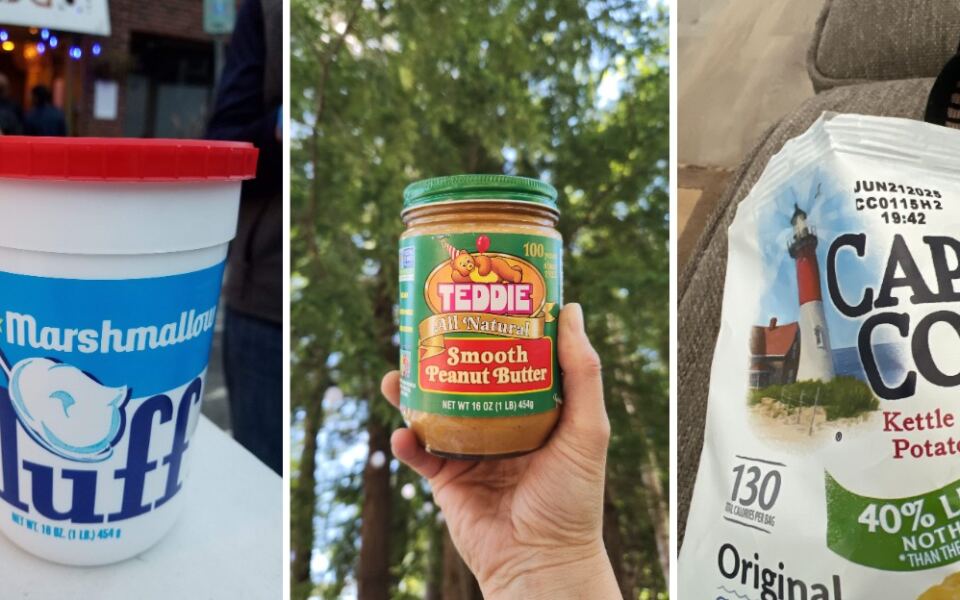
In 2006, a Massachusetts state senator tried to limit how often schools could serve Fluffernutter sandwiches. People pushed back fast.
Another lawmaker answered by filing a bill to make the sticky sandwich the official state sandwich.
I love that story because it says so much. People here don’t treat certain groceries like random stuff on a shelf.
They treat them like family heirlooms that happen to come in jars, boxes, and cartons.
Some of these staples started with a hotel baker in the 1800s. One began with a clam shack owner tossing clams into a fryer in 1916.
Others have been made in the same region for more than a century, and they still show up in pantries today.
Funny how something you haven’t eaten in years can still bring back the whole kitchen, right down to the smell of dinner cooking. I bet a few of these will take you straight back to childhood.
1. Marshmallow Fluff
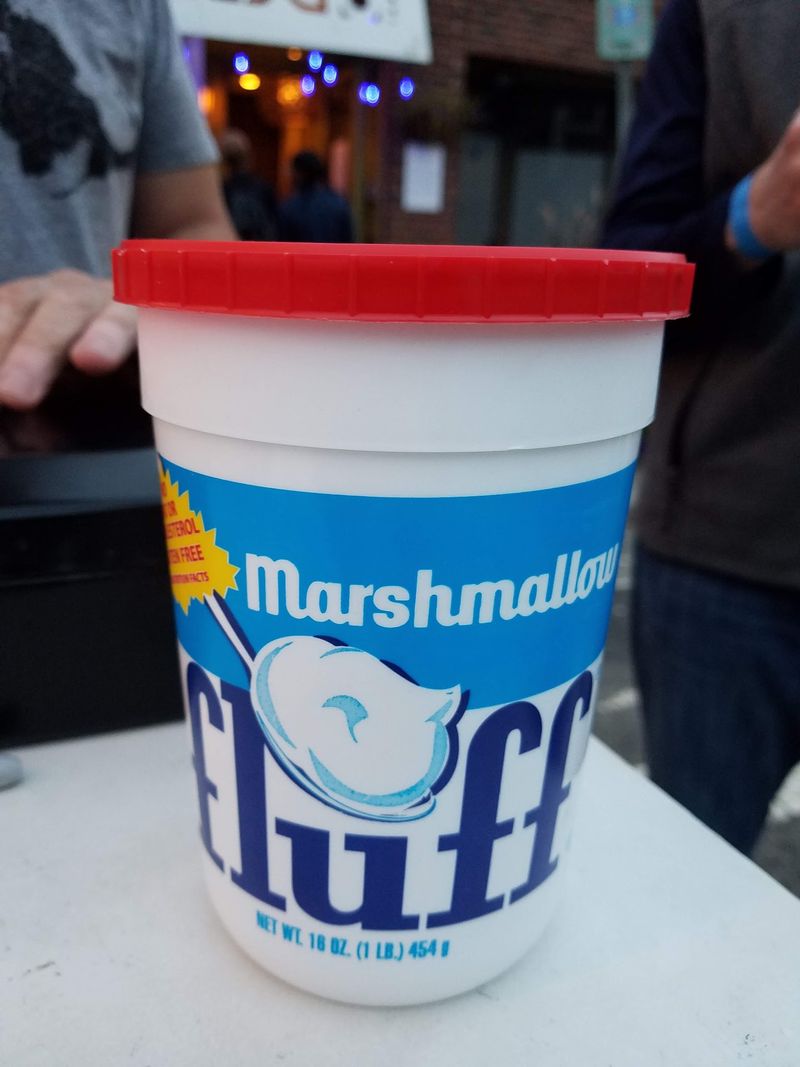
Few spreads have started an actual political fight, but this sticky white cloud pulled it off. In 2006, lawmakers argued over Fluffernutters in schools, and the sandwich basically won.
The story begins in Somerville, where Archibald Query cooked up a marshmallow creme around 1917. He sold it door to door before selling the recipe in 1920.
Two men named H. Allen Durkee and Fred Mower bought it.
Their company, Durkee-Mower, has kept making Fluff in Lynn ever since.
You probably know the classic move. Spread peanut butter on one slice of bread, Fluff on the other, and press them together into a Fluffernutter.
That sandwich got so popular that it became a lunchbox legend across New England. The name Fluffernutter was even created as part of a marketing campaign back in the 1960s.
Fluff isn’t only for sandwiches, though. Plenty of home bakers use it in fudge, frosting, and whoopie pie filling, and the jar often prints recipe ideas right on it.
Here’s a fun tip if you bake with it. Lightly grease your spoon or spatula first, and the Fluff slides off instead of clinging like a stubborn toddler.
Somerville still celebrates its hometown creation too. The What the Fluff? festival honors the spread with games, music, and plenty of marshmallow mess.
The jar itself has barely changed in style over the years. That red and blue label is probably burned into your memory if you grew up raiding a Massachusetts pantry.
So the next time you see that tub on a shelf, give it a little respect. It survived a statehouse debate and still makes kids grin.
2. Hood Milk
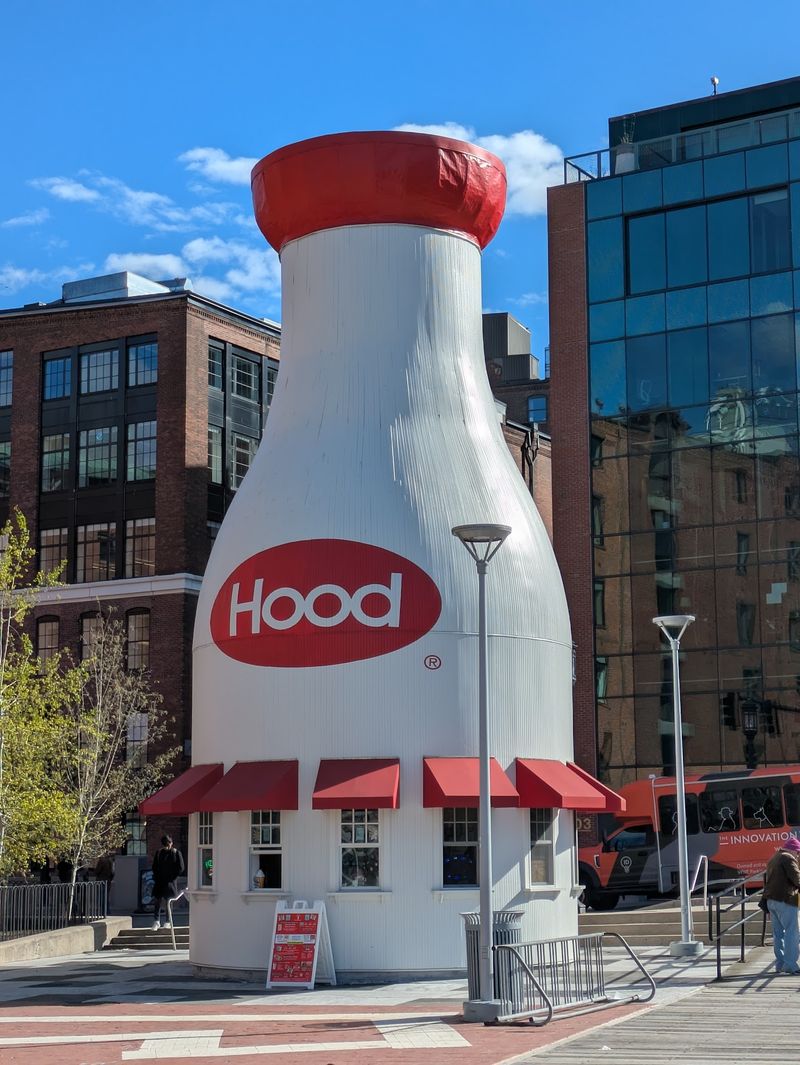
A giant wooden milk bottle sits on the Boston waterfront, and yes, it’s tied to this brand. The Hood Milk Bottle stands outside the Boston Children’s Museum and sells snacks in warm weather.
Harvey P. Hood started the company in 1846 in Charlestown.
He began by delivering milk to Boston neighborhoods, which feels pretty charming today.
Fast forward more than 175 years, and HP Hood is still headquartered in Massachusetts. The main office sits in Lynnfield, north of Boston.
Chances are your fridge had a Hood carton at some point. The company makes milk, cream, cottage cheese, sour cream, and ice cream.
Hood also makes some brands you might not connect to it right away. Over the years it has produced dairy products under several familiar labels sold in grocery stores.
Do you remember the Hood blimp? The company’s airship has floated over Boston events, including Red Sox games, which made it a pretty famous sight in the sky.
Hood also sponsors community events across New England. The Hood Summer Concert Series has been one example, bringing music to local parks.
For cooking, Hood heavy cream is a handy staple for chowder and mashed potatoes. A splash makes a big difference in soups when you want them extra rich.
Hood ice cream has its own fan club too. Flavors like Hood’s Fudge Twister have stayed a freezer favorite for many Massachusetts families.
Next time you grab a carton, think about that horse-and-wagon start. It’s a long road from 1846 Charlestown to your cereal bowl this morning.
3. Teddie Peanut Butter
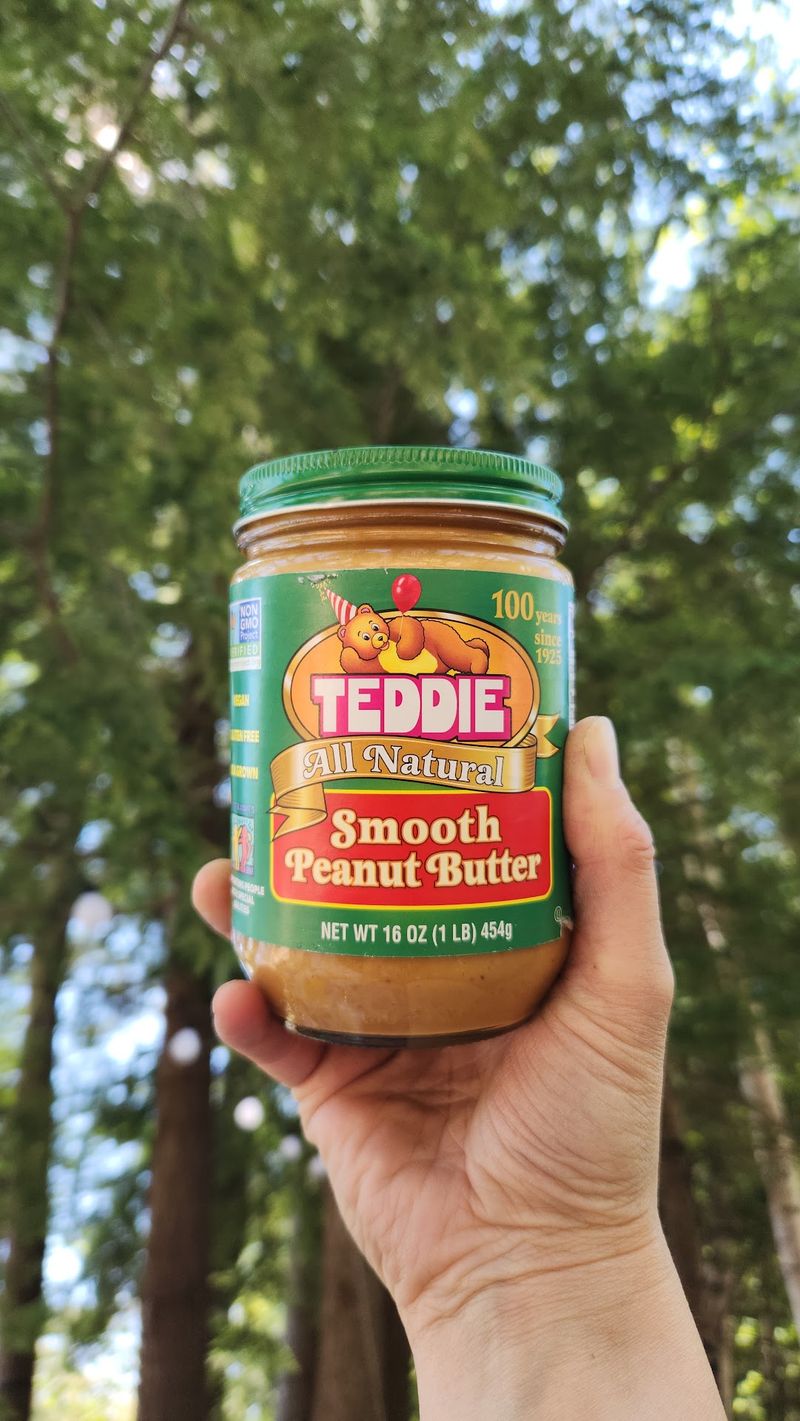
A cartoon teddy bear on a jar might not seem like serious business. In Everett, though, that bear has been making peanut butter for generations.
Teddie comes from the Leavitt Corporation, a family-owned company. The company dates back to 1925, while the Teddie brand name was established in 1931.
What makes it stand out on the shelf? The all-natural version keeps things simple, with peanuts and a little salt as the main players.
Because it’s natural, the oil can rise to the top of the jar. Stir it well when you first open it, then keep it in the fridge to slow down separation.
That tip saves you from the classic dry-bottom problem. Nobody enjoys scraping a brick of peanut paste out of the jar on a busy school morning.
Teddie offers both smooth and chunky styles. So whether your family argued about texture or not, there was probably an option for each side.
The company says it uses peanuts grown in the USA. It also roasts them before grinding, which helps bring out that toasty flavor.
Plenty of Massachusetts kids met Teddie in a Fluffernutter. Those two local jars pair up like old friends from the same neighborhood.
You can also use it beyond sandwiches. Stir a spoonful into oatmeal, blend it into a smoothie, or use it for a quick peanut noodle sauce.
It’s fun to buy something made just outside Boston. That little bear has been loyal to Everett for a long time.
4. Cape Cod Potato Chips
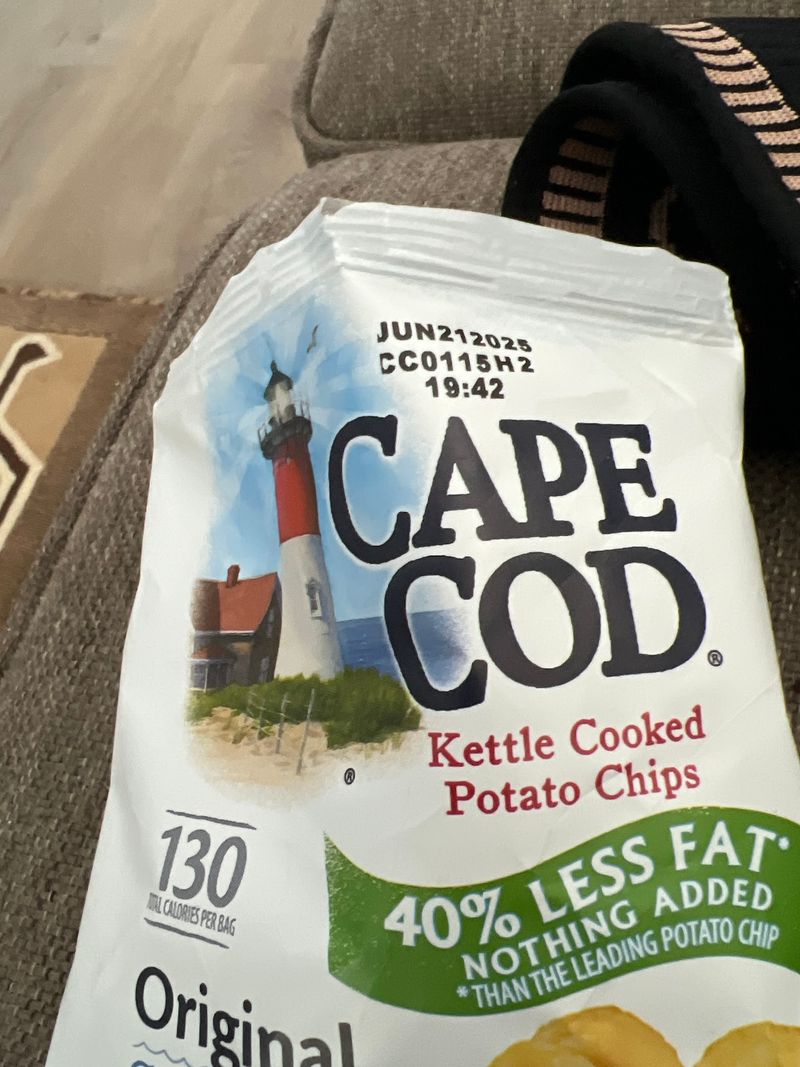
Loud chips are a feature, not a flaw, and these prove it. Cape Cod Potato Chips are kettle cooked, which gives them that hearty crunch.
Steve and Lynn Bernard started the company in 1980. They opened a small shop in Hyannis and cooked chips in batches.
Kettle cooking means chips fry in small batches instead of a nonstop stream. The result is a thicker, crunchier chip with plenty of folded edges.
The bag with the lighthouse is hard to miss. That logo points right back to the brand’s Cape roots.
Flavor fans have lots to choose from these days. Original sea salt is the classic, while sea salt and vinegar has its own loyal crowd.
The company also makes reduced fat versions. They’re handy if you want the crunch but a lighter snack.
Cape Cod Potato Chips were made in Hyannis for decades, but the factory was scheduled to close in April 2026, with production shifting to other U.S. plants. The factory once welcomed visitors for self-guided tours, but the tour and store are now closed.
Want a fun kitchen trick? Crush a handful of these chips and use them as a crunchy topping on baked fish or mac and cheese.
They also pair well with a lobster roll or a hot dog at a summer cookout. That combo feels like a Massachusetts beach day in snack form.
So when you hear that big crunch, you’re hearing a little Cape history. It all started in one small Hyannis kitchen in 1980.
5. Polar Seltzer
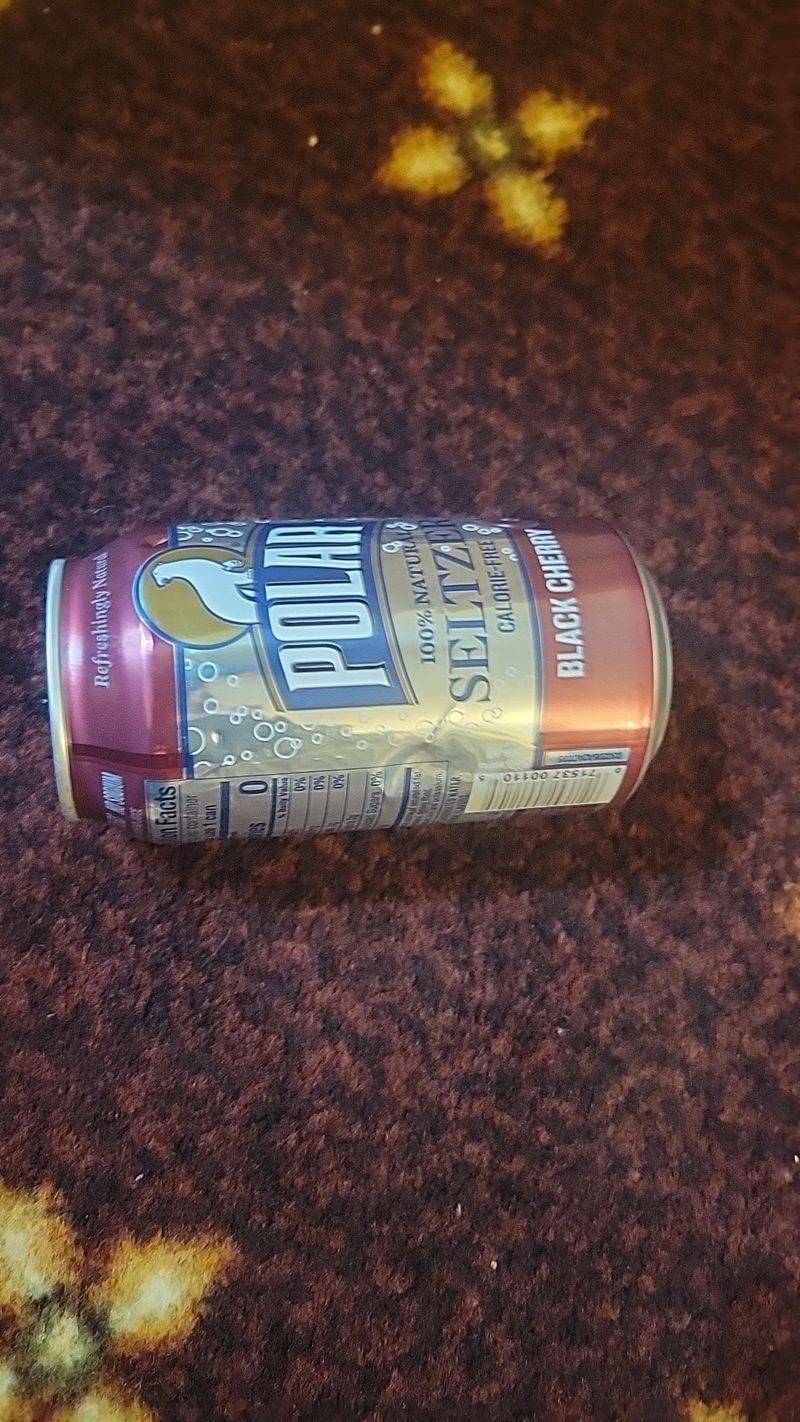
A polar bear named Orson has been selling bubbles in Worcester for a long time. He’s the friendly mascot of Polar Beverages, and the company is older than you might guess.
Dennis Crowley founded the business in 1882. It has stayed family-owned, which is rare for a beverage company this big.
Polar is based in Worcester, right in the middle of Massachusetts. Driving down Southbridge Street, you can spot the company’s home base.
The seltzer line covers lots of flavors. You’ll find classic picks like lime and orange vanilla alongside more creative mixes.
Seasonal flavors are a big deal for fans. Polar releases limited-time cans that people hunt for in grocery aisles.
Do you remember Polar ginger ale or club soda? The company makes mixers and soft drinks too, so its bottles show up at plenty of family parties.
For a quick kitchen idea, use plain seltzer in pancake or waffle batter. The bubbles can help make them a little lighter and fluffier.
You can also make a simple homemade spritzer. Mix seltzer with a splash of cranberry juice and a squeeze of lime for a festive drink.
That idea works great at holiday dinners. It’s an easy, colorful option for kids and adults alike.
Next time Orson stares at you from the fridge, give him a nod. He’s been part of Worcester’s story for over 140 years.
6. New England Coffee
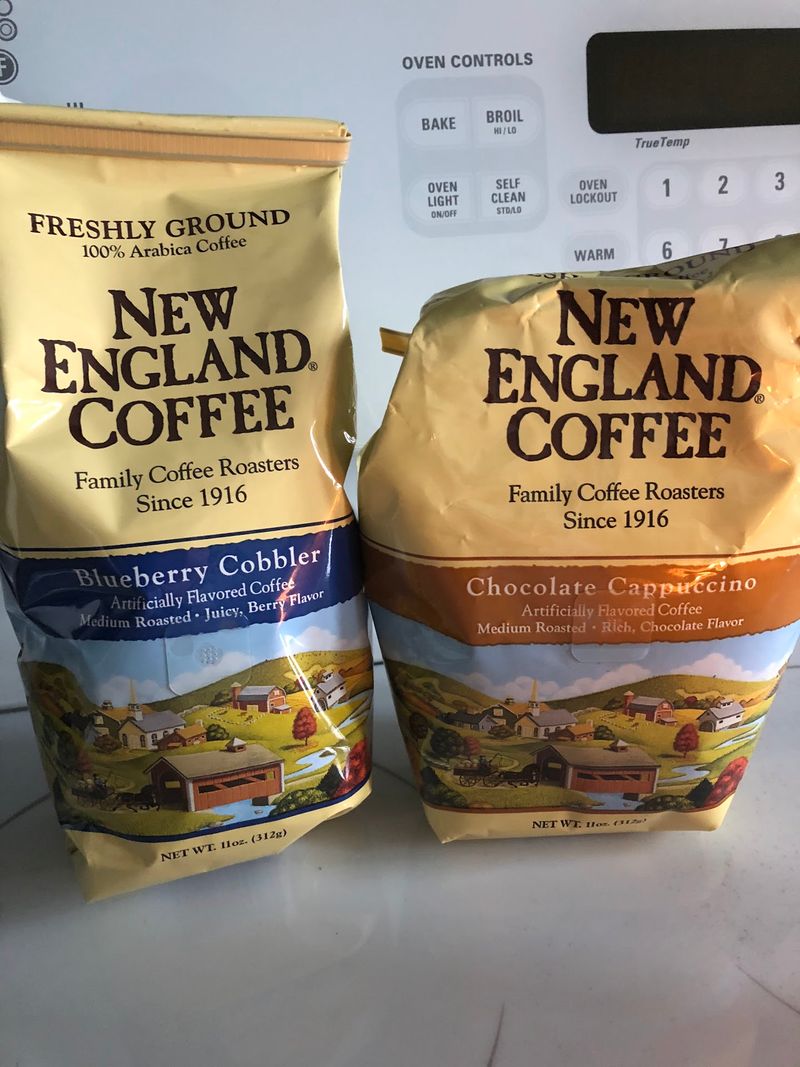
Blueberry cobbler in a coffee mug sounds like a dessert dream. New England Coffee actually sells a flavor by that name, and it’s a fan favorite.
The company traces its roots to 1916. That gives it more than a century of roasting coffee for the region.
Its home base is Malden, just north of Boston. For decades, the red bags have been a common sight in local grocery stores.
The lineup covers classic roasts like Breakfast Blend and Colombian. Those are solid choices if you like a smooth, simple cup.
Flavored coffees are where things get playful. Along with Blueberry Cobbler, you can find options like Hazelnut Crème and Donut Shop styles.
You can buy it ground or as single-serve cups. That makes it easy for busy mornings or a slow weekend brew.
Here’s a handy tip for better coffee at home. Store your coffee in an airtight container away from heat and light to keep it fresher.
Also, try measuring instead of guessing. A common starting point is about two tablespoons of ground coffee for six ounces of water.
New England Coffee also works well in recipes. Use cooled brewed coffee to deepen the flavor of chocolate cake or brownies.
For many families, that red bag meant the start of the day. It’s a Massachusetts morning ritual that has lasted generations.
7. Table Talk Pies
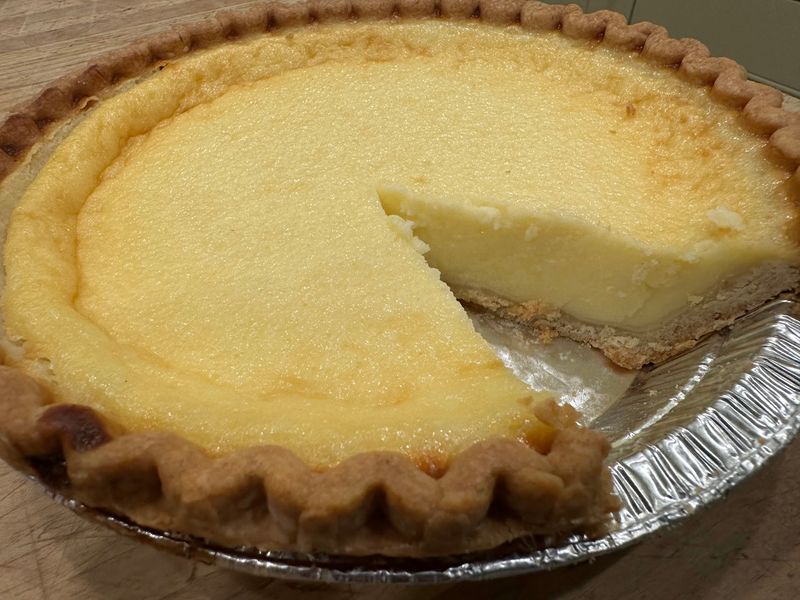
A whole pie that fits in your hand feels like a small miracle. Table Talk made that idea a lunchbox staple for many Massachusetts kids.
The company has been baking in Worcester since 1924. That’s a century of pies coming out of one city.
Table Talk is best known for its four-inch snack pies. They come in flavors like apple, blueberry, cherry, and lemon.
These little pies are perfect for packed lunches. They’re sturdy enough to survive a backpack, which is a big win.
The company also bakes full-size pies. Those often appear in stores around the holidays for families who need dessert fast.
Want to make a snack pie feel fancy? Warm it briefly in the oven and add a scoop of vanilla ice cream on top.
Another fun idea is a mini pie bar for a party. Set out a few flavors with whipped cream and let everyone pick a favorite.
Table Talk moved into a newer bakery on Washington Street in Worcester. The company stayed in the city rather than leaving town.
That loyalty to Worcester makes the pies even more special. They’re a true taste of central Massachusetts.
So if you spotted those tiny pies in the snack aisle, you remember the thrill. A pie of your own was a big deal as a kid.
8. Bell’s Seasoning
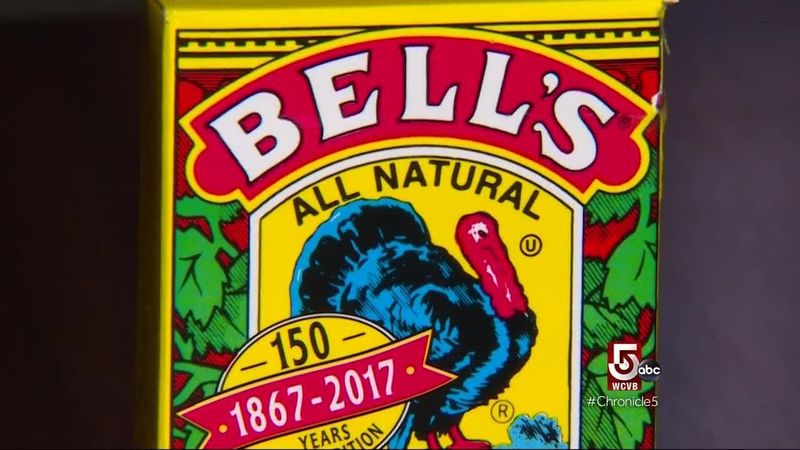
That little yellow box with a turkey on it is older than the telephone. William G. Bell created Bell’s Seasoning in Boston in 1867.
For many New England families, Thanksgiving starts with that box. It’s a go-to blend for stuffing and roast turkey.
The seasoning is a mix of herbs and spices. The label lists rosemary, oregano, sage, ginger, marjoram, thyme, and pepper.
One big plus is that it’s salt free. That means you can control how much salt goes into your dish.
The box design has stayed very classic. That old-fashioned turkey art is a big part of its charm.
Bell’s isn’t just for holidays, though. Sprinkle it on roasted chicken or mix it into meatballs for an easy flavor boost.
Here’s a smart tip for stuffing. Start with a small amount, taste, and then add more, since herbs can get strong fast.
You can also use it in gravy. A pinch adds a savory, herby flavor that pairs well with turkey or chicken.
Bell’s is now part of Brady Enterprises in East Weymouth. The brand still keeps its Massachusetts roots close.
So when you open that box, you’re tasting history. It’s a flavor that has shown up on holiday tables for over 150 years.
9. Dunkin’
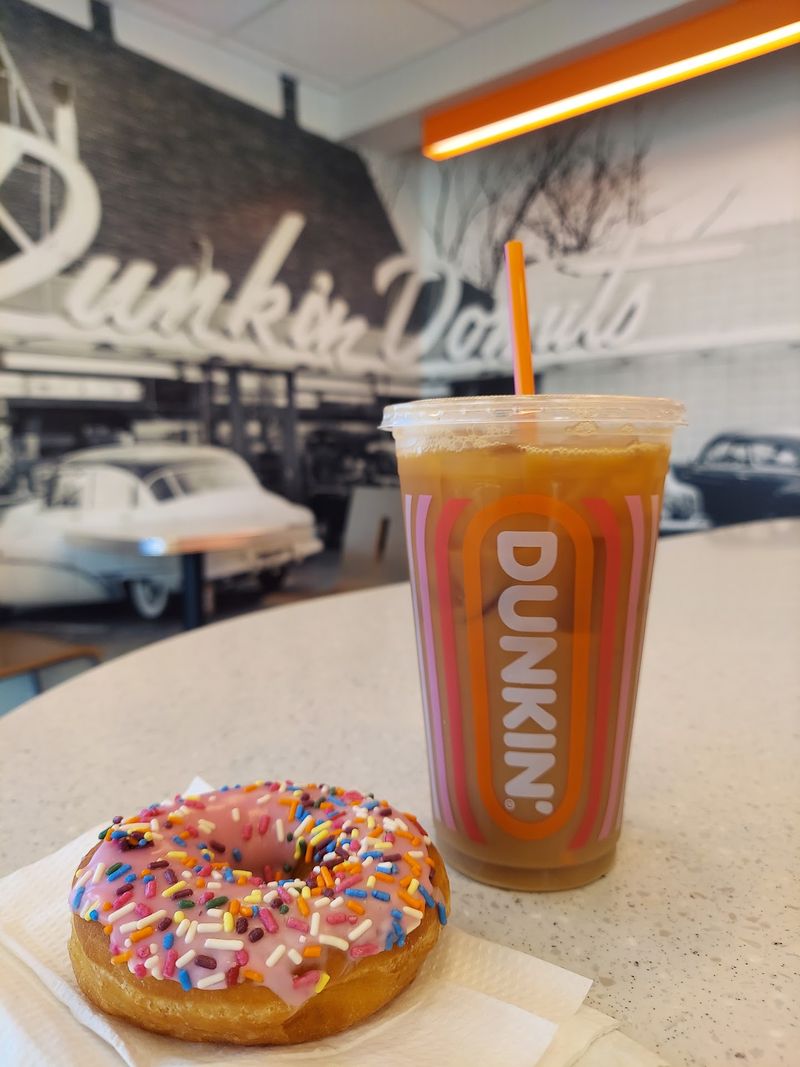
Iced coffee in January makes perfect sense to many people here. The habit is so common that Dunkin’ runs feel like a regional tradition.
William Rosenberg opened his first shop in Quincy in 1948. He called it Open Kettle and renamed it Dunkin’ Donuts in 1950.
That original Quincy location still operates today. It has a retro look that nods to the brand’s early years.
Dunkin’ quickly grew into a big chain. Its headquarters now sits in Canton, not far from where it all began.
For home kitchens, Dunkin’ coffee is sold in bags and pods. That way you can brew your favorite blend without leaving the house.
If you like iced coffee at home, try this trick. Freeze leftover coffee into ice cubes so your drink doesn’t get watery.
The donut lineup has many classics. Boston Kreme is a fun nod to the state’s famous dessert.
You can also use stale donuts in a bread pudding. Cut them up, soak them in custard, and bake for a sweet treat.
Munchkins, the bite-size donut holes, are a party favorite too. A box of those can make a kid’s day instantly.
Next time you’re in line, remember where it started. A single Quincy shop grew into a coffee giant.
10. Boston Cream Pie
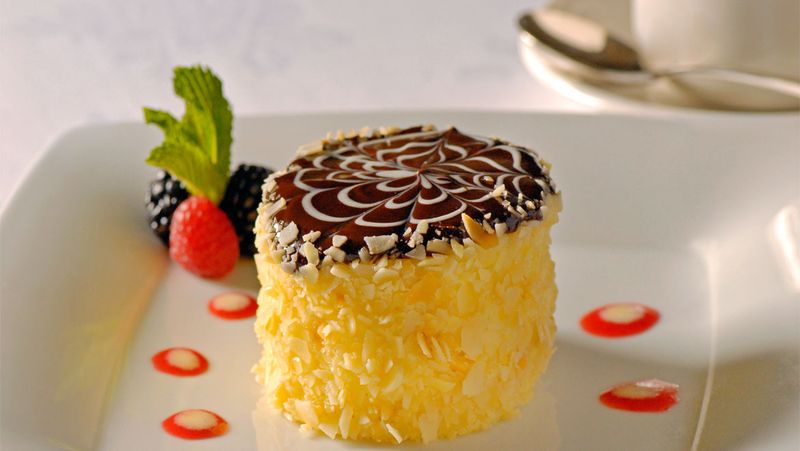
It’s called a pie, but it’s actually a cake, and nobody in Massachusetts seems bothered. Boston Cream Pie even became the official state dessert in 1996.
The dessert traces back to the Parker House hotel in Boston. The hotel, now the Omni Parker House, credits its kitchen with creating it in the 1800s.
So what’s inside? Two layers of sponge cake hold a creamy custard, with chocolate glaze poured over the top.
The Omni Parker House still serves it today. That makes it one of the rare desserts you can taste near where it began.
At home, many families made simplified versions. Boxed cake mixes and instant pudding helped turn it into an easy weeknight treat.
Want an easy shortcut? Use a store-bought sponge cake, fill it with vanilla pudding, and top it with melted chocolate.
The flavors also inspired other treats. Boston Kreme donuts and Boston cream cupcakes are clever spins on the classic.
Here’s a serving tip. Chill the cake for a bit so the custard sets and the slices come out neat.
The Parker House has another claim to fame too. Its name is attached to Parker House rolls, the soft buttery dinner rolls.
So when you slice into a Boston Cream Pie, you’re tasting state history. It’s a dessert with a name that keeps everyone guessing.
11. Toll House Chocolate Chip Cookies
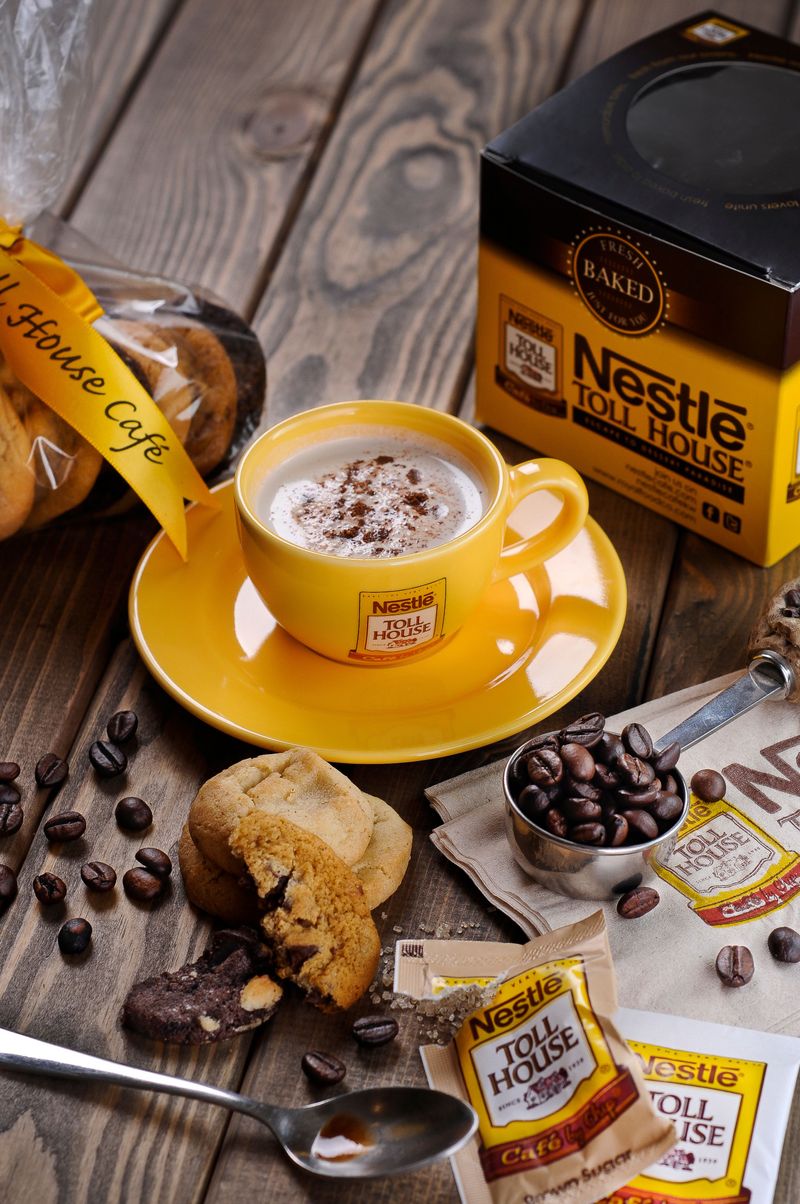
The chocolate chip cookie started in a small Massachusetts inn, not a fancy bakery. Ruth Wakefield created the recipe at the Toll House Inn in Whitman around 1938.
She and her husband ran the inn and its restaurant. Ruth was known for her desserts and even wrote a cookbook.
Her idea was simple but brilliant. She added chopped bits of chocolate to a butter cookie dough.
The cookies became a huge hit. Nestlé eventually printed her recipe on its chocolate packaging, which spread it nationwide.
The chocolate chip cookie became the official Massachusetts state cookie in 1997. A group of schoolchildren helped push for that honor.
The original inn is gone now. A historical marker in Whitman notes the site where the cookie was born.
Want better cookies at home? Chill your dough for an hour or more, which can help the cookies hold their shape.
You can also try using a mix of chocolate chips and chopped chocolate. That gives you pools of melty chocolate and classic chip bites.
Many people love to experiment with add-ins. Nuts, dried cranberries, or a sprinkle of sea salt can add fun twists.
So when you bake a batch, give Ruth a little thank you. Her kitchen idea changed dessert forever.
12. Fried Clams
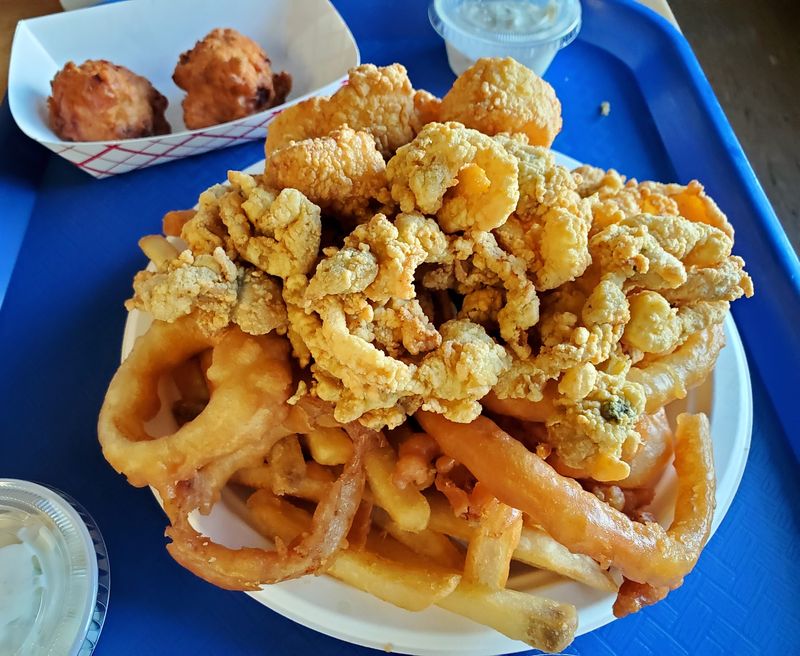
A clam shack owner tried something new one summer day, and seafood was never the same. Woodman’s of Essex says Lawrence Woodman fried the first clams on July 3, 1916.
He and his wife Bessie ran a small roadside stand. The fried clams were a hit, and the family business grew from there.
Woodman’s is still family-run today. It serves fried clams and other New England seafood in Essex.
Massachusetts fried clams are often whole belly clams. That means the clam belly is left on, giving a richer flavor.
Clam strips are another option. They’re made from the clam’s foot and tend to be milder and chewier.
Want to make fried clams at home? Use fresh clams, dip them in milk, and toss them in a flour and corn flour mix before frying.
Keep your oil hot and fry in small batches. That helps the coating stay crisp instead of soggy.
Fried clams pair well with tartar sauce and lemon. Coleslaw and fries round out a classic plate.
Essex sits along the North Shore near salt marshes. It’s a pretty area that makes a seafood stop feel extra special.
So the next time you crunch into a fried clam, think of that 1916 experiment. One family’s idea became a Massachusetts summer favorite.
13. Kayem Hot Dogs
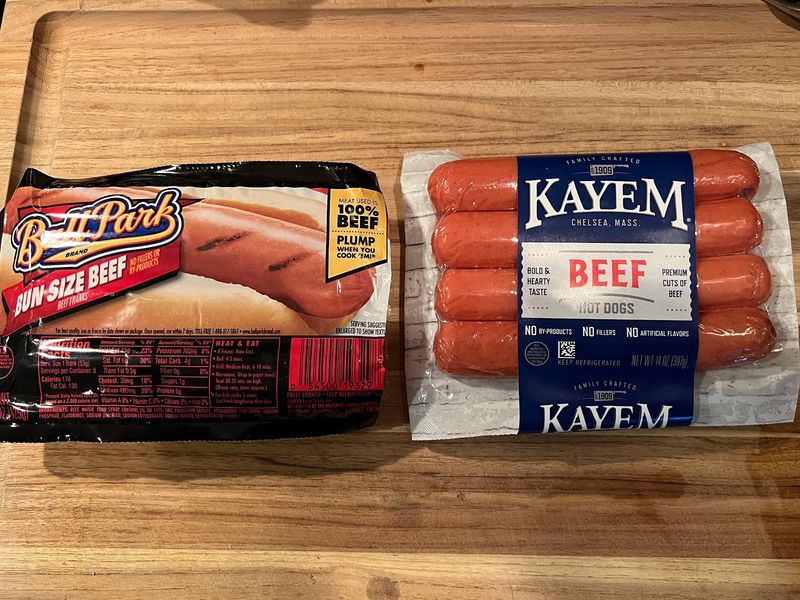
If you’ve had a Fenway Frank, you’ve probably tasted Kayem. The company has supplied hot dogs to Fenway Park for years.
Kayem Foods started in 1909. It’s based in Chelsea, just across the river from Boston.
The company has stayed family-owned. That’s a long run for a meat company in a busy market.
Kayem makes hot dogs, sausages, and deli meats. Its natural casing hot dogs have a nice snap when you bite in.
Many Massachusetts cookouts include Kayem dogs on the grill. They pair perfectly with New England-style split-top buns.
Those buns are worth a tip of their own. Butter the flat sides and toast them on a griddle for a golden crunch.
Want to try something different? Slice hot dogs and add them to baked beans for an easy, hearty dinner.
Kayem also makes McKenzie and Al Fresco brands. So you might have Kayem products in your fridge without realizing it.
For cooking, avoid poking holes in the hot dogs. That keeps the juices inside instead of dripping into the grill.
So when you hear that hot dog snap, think of Chelsea. A little piece of Massachusetts ballpark history is right on your plate.
14. Ocean Spray Cranberry Sauce
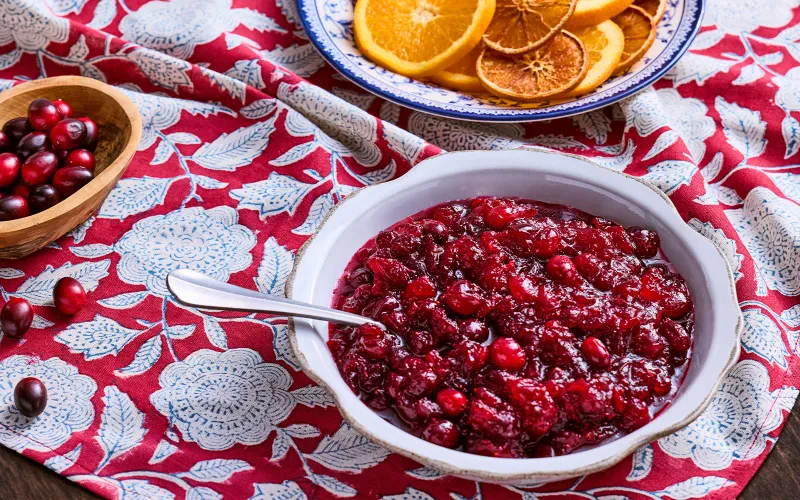
A can-shaped cylinder of cranberry sauce is a beloved Thanksgiving sight. Ocean Spray made that wobbly classic famous.
The company is a cooperative of cranberry farmers. It formed in 1930 and is headquartered in Lakeville, Massachusetts.
Cranberries grow well in southeastern Massachusetts. The bogs there are a big part of the state’s farming history.
Ocean Spray sells both jellied and whole berry sauce. Families often have strong opinions about which one belongs on the table.
Here’s a fun tip for jellied sauce. Open both ends of the can and push it out gently for a perfect shape.
You can also use cranberry sauce beyond Thanksgiving. Spread it on a turkey sandwich or swirl it into yogurt.
Ocean Spray is also known for cranberry juice. Its Cranberry Juice Cocktail helped make cranberries an everyday drink.
Fall harvest is a striking sight. Farmers flood the bogs so the berries float, creating a sea of red.
Want a simple homemade version? Simmer fresh cranberries with sugar and water until they pop and thicken.
So whether you slice it or spoon it, cranberry sauce has deep Massachusetts roots. It’s a tart little taste of local farm life.
15. Pastene
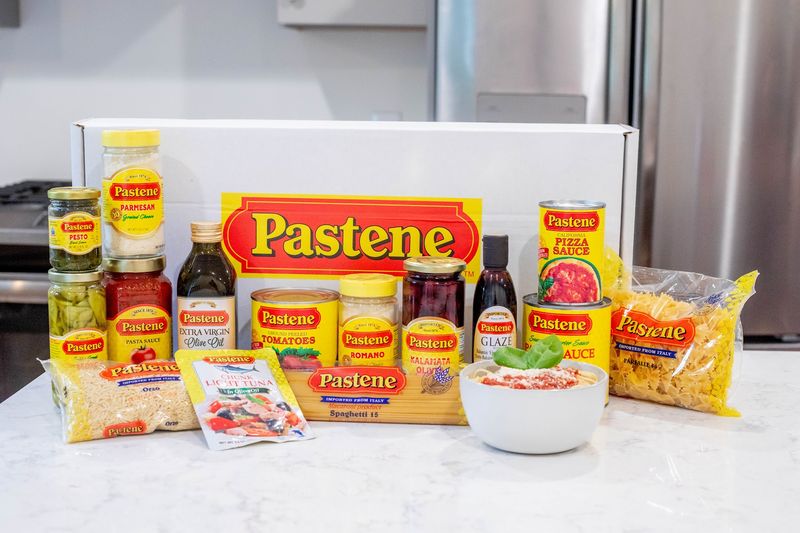
Sunday sauce in many Massachusetts homes starts with a can that has a long Boston story. Pastene began in 1874 when Luigi Pastene started selling food in the city.
His business grew into a major importer of Italian foods. Today the company is based in Canton.
Pastene sells canned tomatoes, olive oil, pasta, and more. Those products have long filled pantries in the region.
The canned tomatoes are a favorite for homemade sauce. Crushed and whole peeled options both work well depending on your recipe.
Here’s a sauce tip. Simmer your tomatoes slowly with garlic and olive oil to build deeper flavor.
Pastene also sells items like roasted peppers and artichoke hearts. Those are great for quick antipasto platters.
Boston’s North End played a big role in the company’s early years. That neighborhood is famous for its Italian food traditions.
Want an easy weeknight dinner? Toss pasta with Pastene olive oil, garlic, and a pinch of red pepper flakes.
Many families keep a few cans on hand just in case. It makes a last-minute meal feel easy.
So when you open a can of Pastene, you’re joining a 150-year tradition. It’s a taste of Boston’s Italian heritage in your own kitchen.
16. Legal Sea Foods Clam Chowder
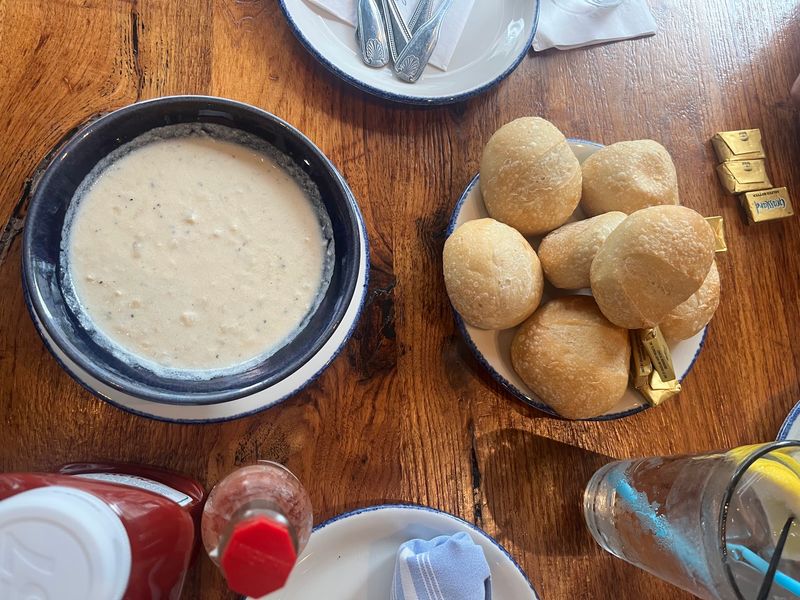
This chowder has been served at presidential inaugurations since 1981. Legal Sea Foods has made that claim a big part of its story.
The company started as a fish market in Cambridge in 1950. It opened its first restaurant in 1968.
Today, Legal Sea Foods has several locations, including Legal Harborside in Boston. The chowder remains one of its signature dishes.
Legal’s chowder is creamy and packed with clams. It’s a classic New England style, not the red tomato version.
You can also buy it in grocery stores. That makes it easy to have a Boston-style bowl at home.
Want to dress it up? Add a sprinkle of fresh thyme or a few crumbled bacon bits on top.
Oyster crackers are the classic side. Some people crush them right into the bowl for extra crunch.
If you make chowder from scratch, go slow with the heat. Gentle simmering keeps the cream smooth and the clams tender.
Massachusetts takes chowder seriously. A bowl on a chilly day feels like a local tradition.
So next time you sip a spoonful, remember those inaugurations. A Cambridge fish market’s chowder made it all the way to Washington.
Share this story